
Every Tour Ends With A Gold-Panning Lesson And Real Placer Gold At This Colorado Mill
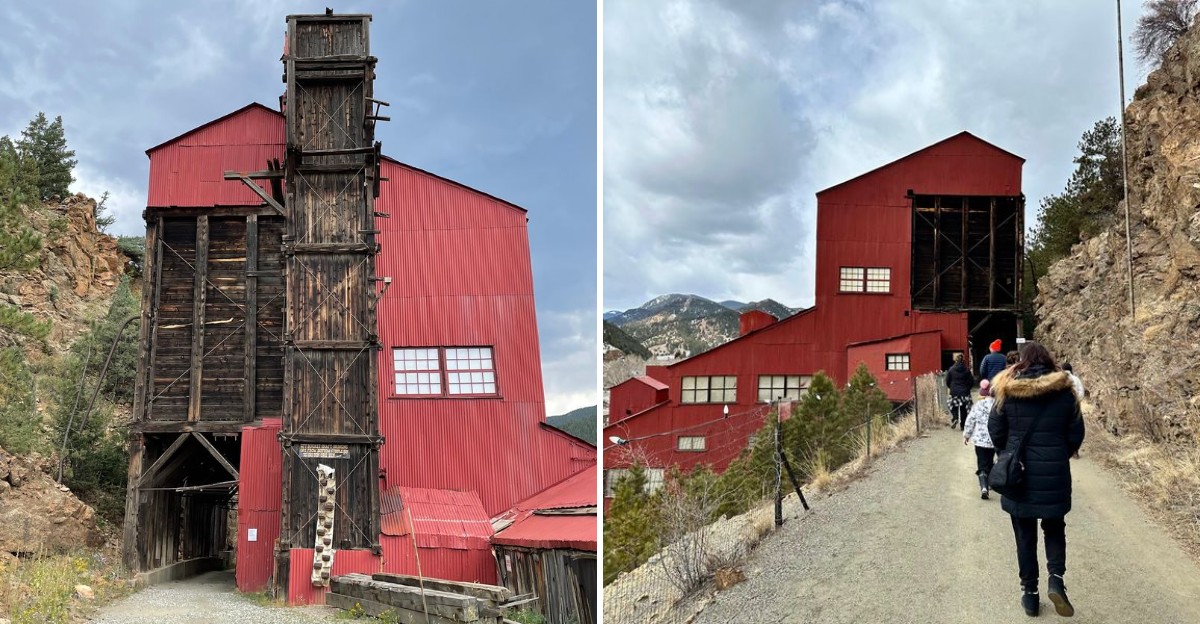
History gets a lot more interesting when you can swish it around in a pan. This old mining stop does more than display equipment behind glass, because visitors get to see how ore was processed before trying one of the industry’s most famous skills for themselves.
Few attractions in Colorado let you leave with a tiny piece of the story sitting in your own hand. Gold panning is wonderfully simple on paper, yet the moment those heavier flecks begin settling at the bottom, everyone suddenly becomes very serious about technique.
That is half the fun. The tour connects machinery, tunnels, and mining history with something you can actually do instead of merely observe.
Generations of prospectors helped shape Colorado long before road trippers arrived with cameras and comfortable shoes. By the end, you may understand the mining process better, but the real victory is spotting that first glittering speck and realizing you found it yourself.
A Clear Creek Stop That Makes The Plan Easy
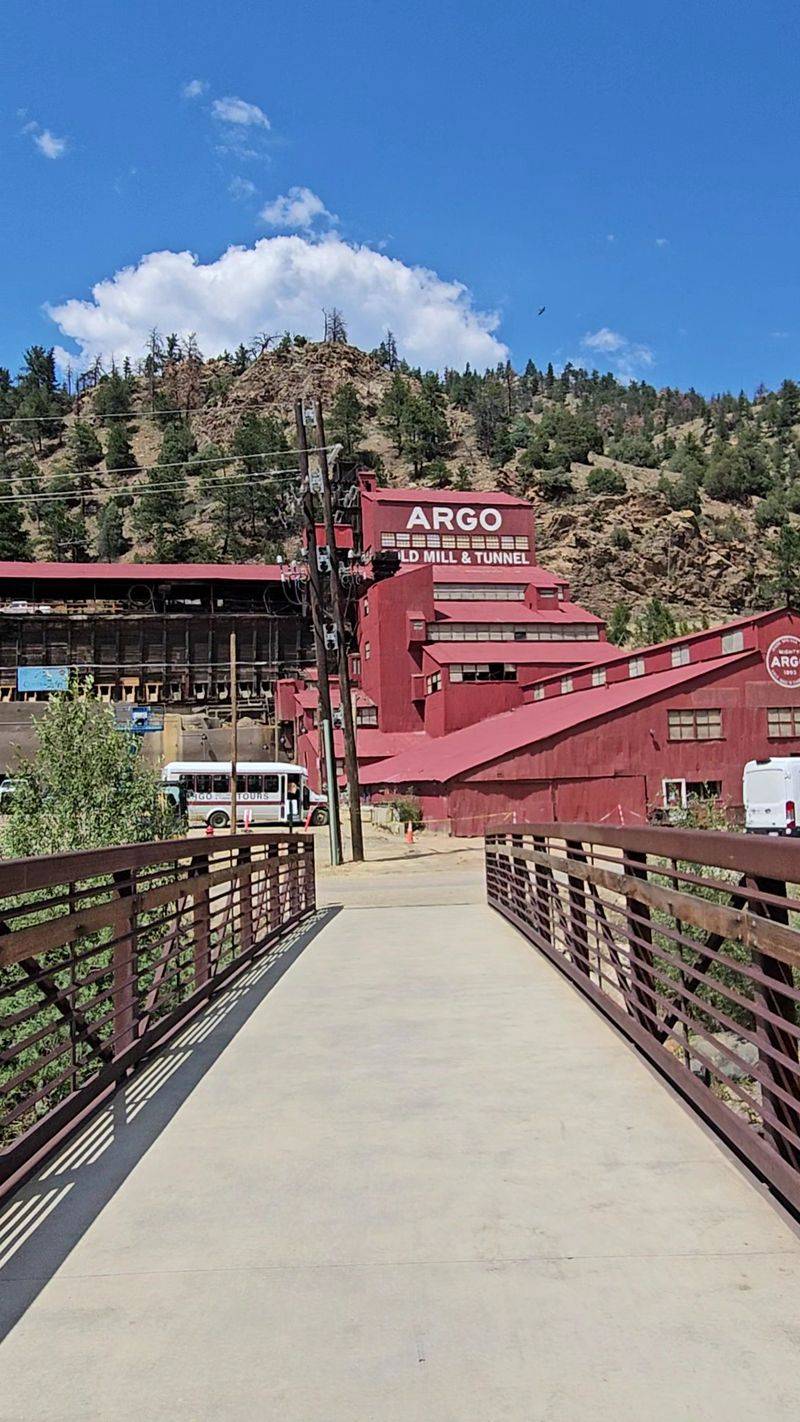
Some outings ask for too many decisions before anyone has even found the car keys. This spot keeps things blessedly simple: take a guided tour, learn the mining story, then try gold panning before leaving.
That clear plan is part of the appeal. Idaho Springs already carries real Colorado gold rush weight, since the area grew around early mining activity in Clear Creek County.
The mill gives that history a physical address instead of leaving it as a paragraph on a roadside sign.
For travelers coming through the mountains, the stop works because it does not require special gear or a full day. Families can understand the activity right away, couples get a shared oddball skill to test, and solo visitors can follow the story without pretending to be amateur geologists.
The best part is the ending. Every standard tour at Argo Gold Mill and Tunnel leads to a gold panning lesson using real placer gold, which means the history lesson finishes in your hands, not just your camera roll.
The Gold-Panning Finish Is The Hook
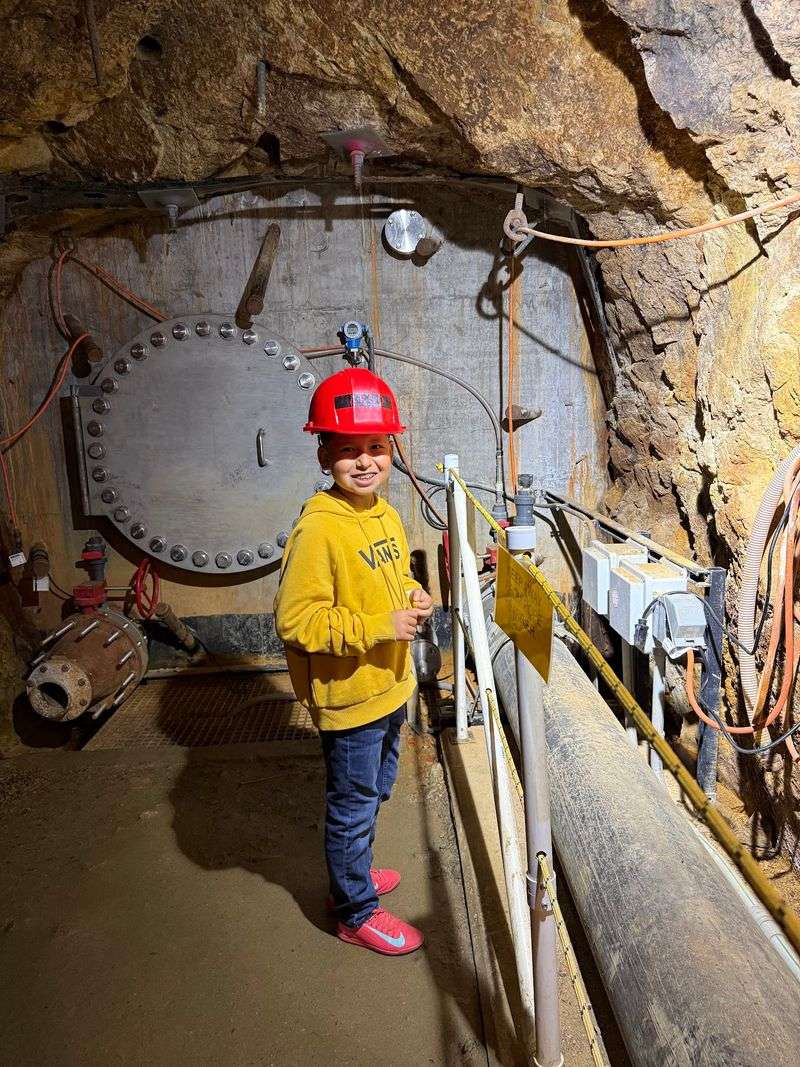
A tour that ends with a test is usually bad news, unless the test involves swirling water in a pan and looking for gold. At Argo Gold Mill and Tunnel, the gold panning lesson is not a side note.
It is the final beat of the visit.
Guides explain the motion, because panning looks easier than it is. The trick is letting water and gravity separate lighter material from heavier pieces.
Real placer gold is dense, stubborn, and small enough to make adults suddenly very focused on a pan of gravel.
That hands on finish helps the tour land with younger visitors who may not care about ore processing terms at first. It also gives adults something pleasantly low stakes to master.
Nobody needs to be graceful. Mining history was not built on graceful wrist movement.
The practical advice is simple: listen closely during the lesson and take your time. The small flakes matter here.
At Argo Gold Mill and Tunnel, visitors are taught how to find real placer gold, and keeping that tiny result makes the whole story feel less distant.
A Tall Mill With A Serious Job
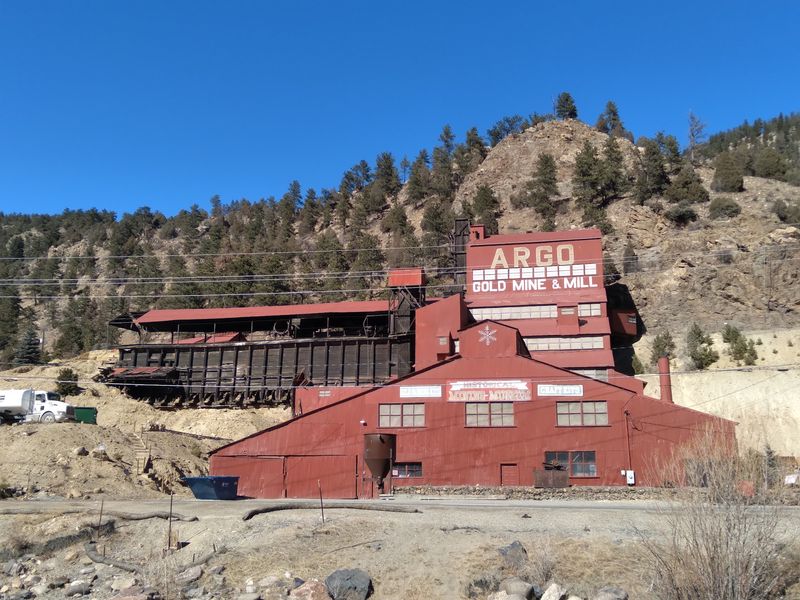
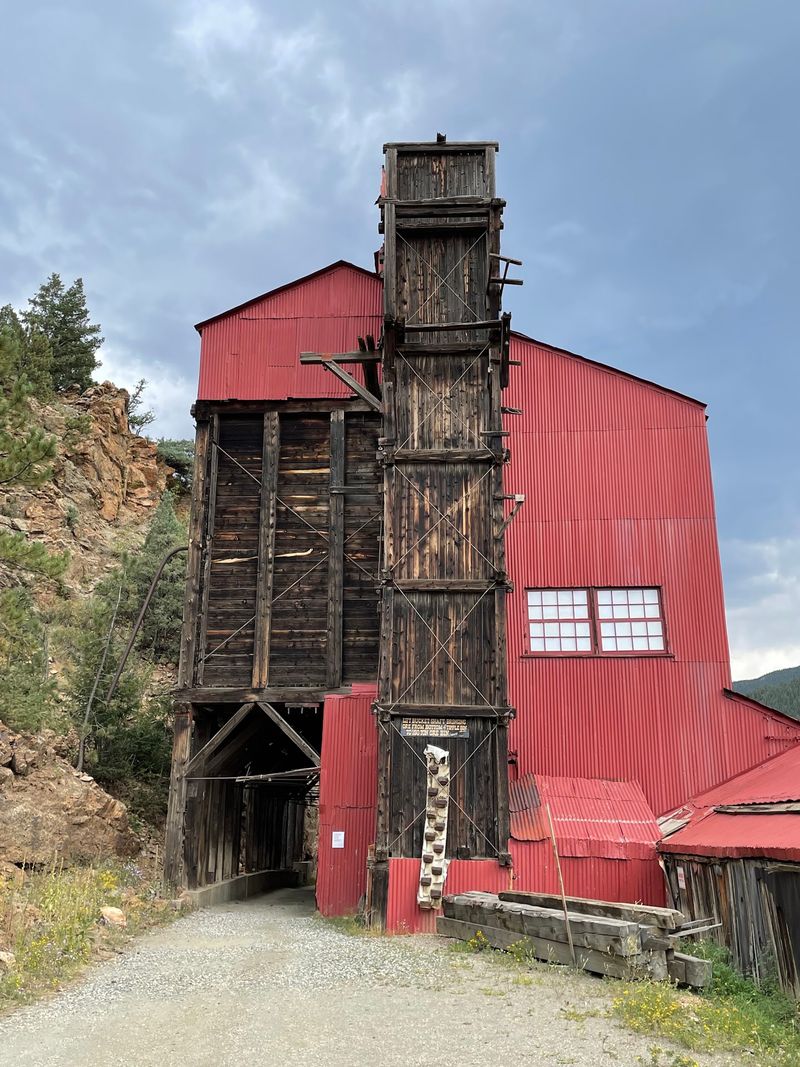
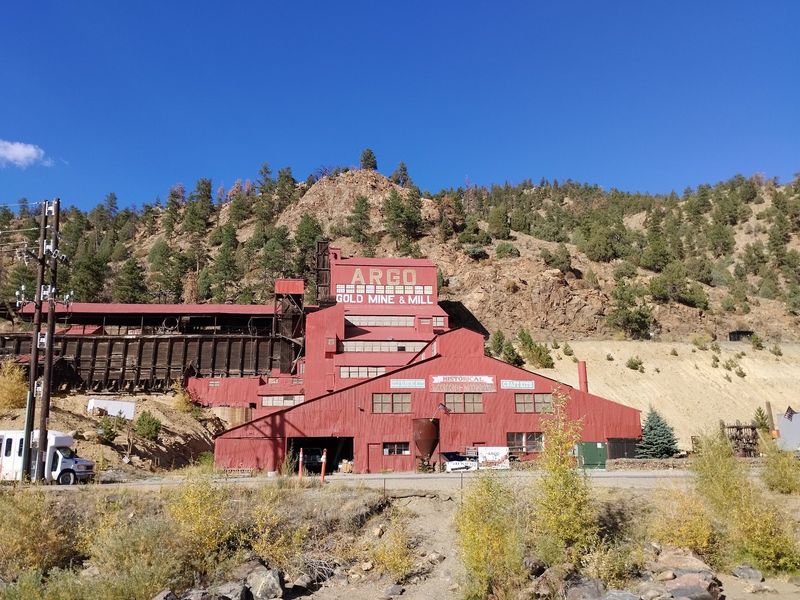
The mill is not pretending to be old for atmosphere. The Argo Gold Mill and Tunnel includes a large historic mill building tied to the processing of ore from the surrounding mining district, and its size helps visitors understand the scale of the work.
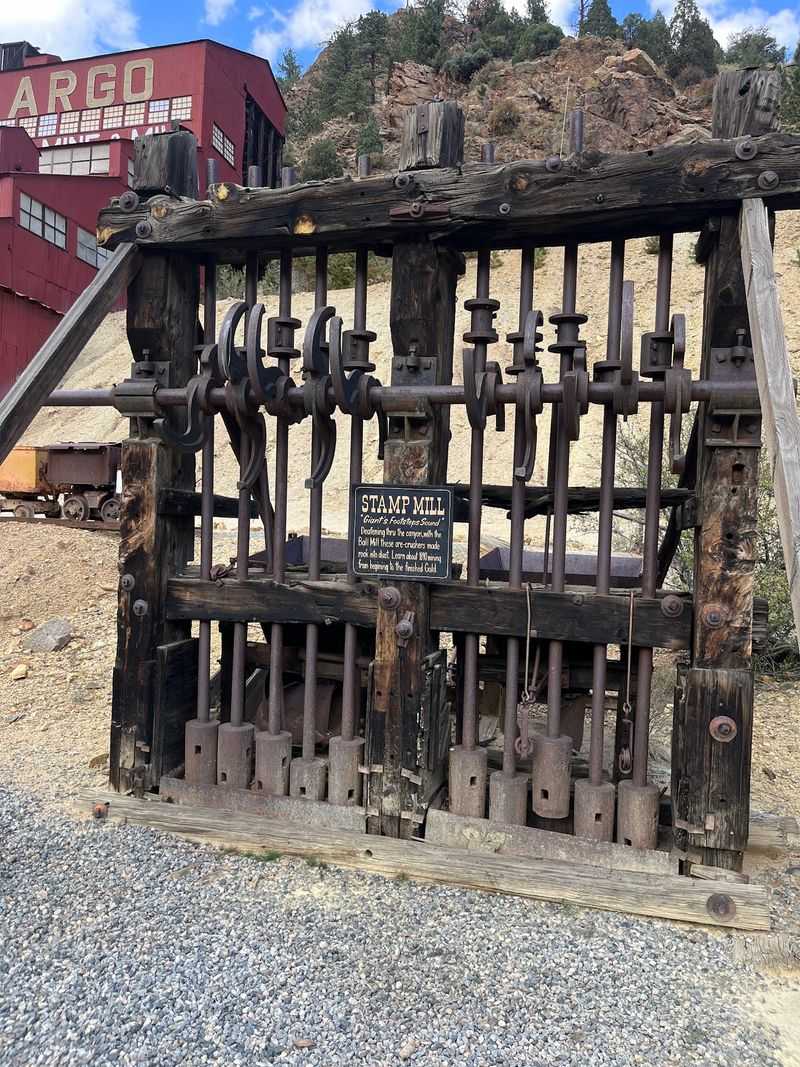
Gold did not simply pop out of the mountain looking photogenic. Ore had to be moved, crushed, sorted, and processed through equipment that turned hard rock into material that could give up valuable metal.
The mill tour helps explain that chain of effort in plain steps.
The building itself is a useful teacher. Its height, industrial layout, and preserved machinery make clear that mining was part engineering, part endurance, and part stubborn math.
Colorado tourism often focuses on scenery, but this place points to the labor behind many mountain towns.
For visitors who like old machinery, there is plenty to study. For everyone else, the main takeaway is easier: the mill shows why finding gold was never as simple as luck.
At Argo Gold Mill and Tunnel, the sparkle at the end comes after seeing the system that made mining possible.
The Tunnel Explains Why The Mill Mattered
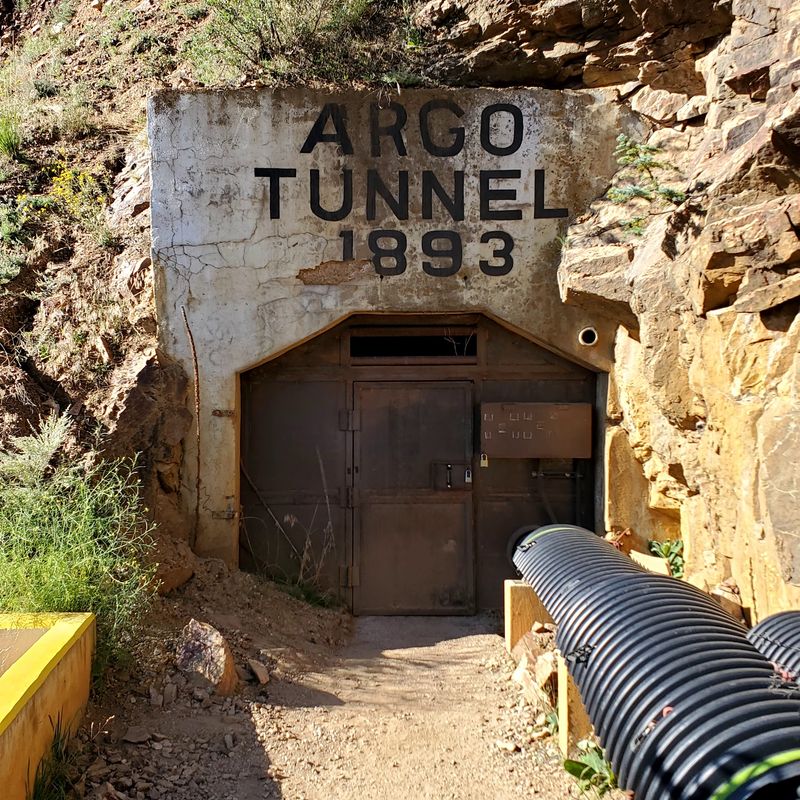
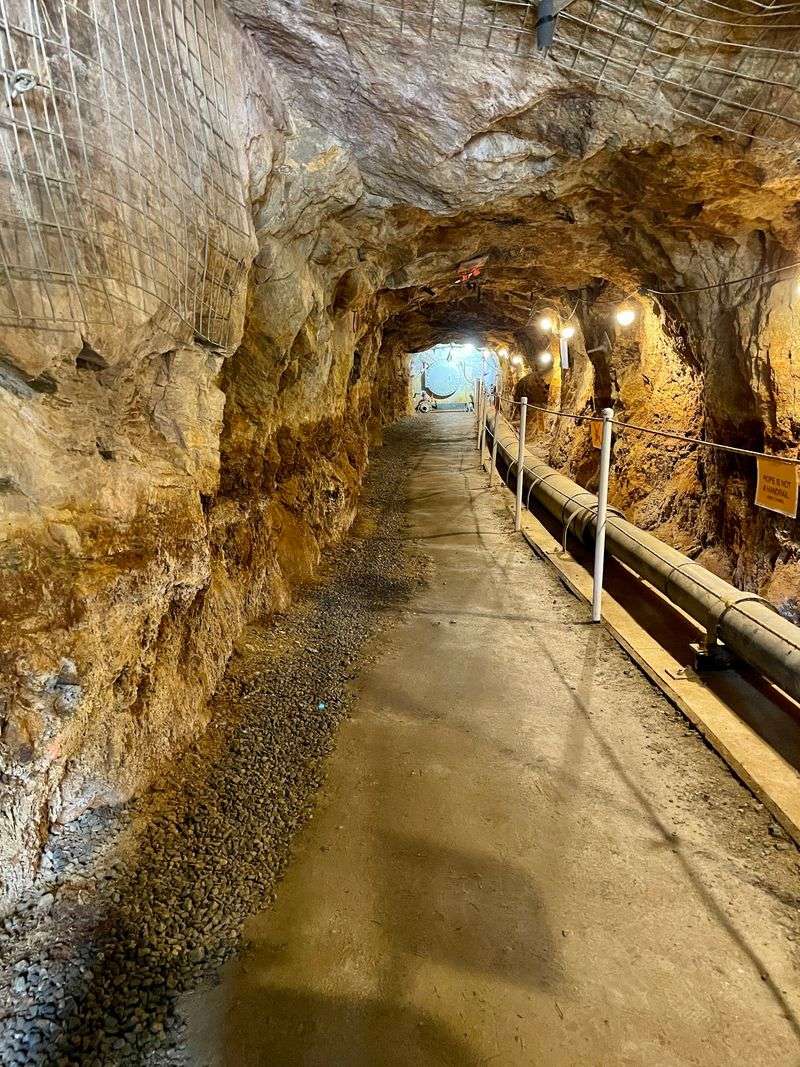
The word tunnel can sound like a small feature, but the Argo Tunnel was a major piece of mining infrastructure. It extended more than four miles into the mountain and was designed to drain water from mines while helping move ore from a wide underground network.
That detail changes how the whole place reads. The Argo Gold Mill and Tunnel was not just a building beside a road.
It was connected to a larger system that helped mines keep working when water and distance made the job harder.
On a guided visit, the tunnel story gives context to the mill equipment. Ore needed a way out, water needed a way down, and miners needed solutions that were bigger than one claim or one lucky strike.
Colorado mining history is full of big ideas wearing work boots.
Visitors should understand that the public tour is focused on the historic mill and a portion of the tunnel experience, not a long underground expedition. That is a useful expectation to have.
Argo Gold Mill and Tunnel is strongest when seen as an industrial story, with the tunnel as the bold piece that made the operation larger than it first appears.
National Recognition Gives The Story Weight
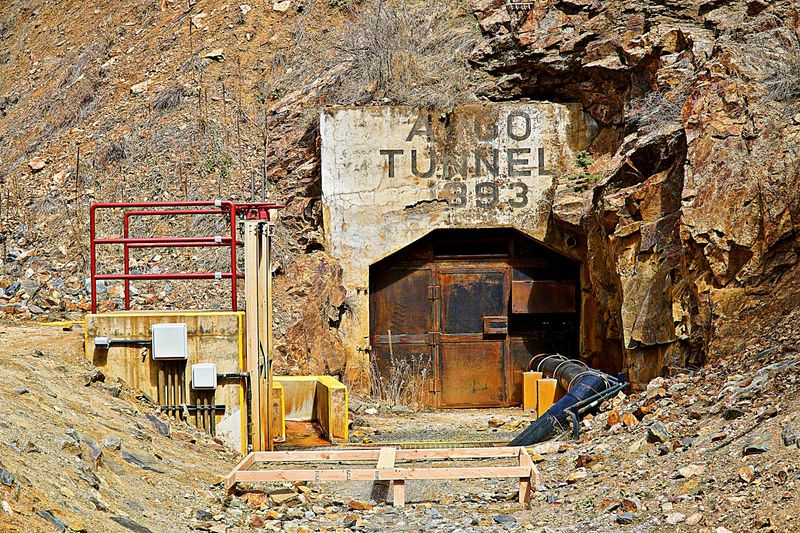
Old buildings are common in mountain towns, but official recognition separates scenery from significance. The Argo Gold Mill and Tunnel is listed on the National Register of Historic Places, which signals that its role in mining history reaches beyond local nostalgia.
That recognition matters because the site helps explain how Idaho Springs and the surrounding Clear Creek area fit into Colorado’s gold story. The mill and tunnel supported hard rock mining, a more complicated chapter than the simple image of someone kneeling beside a creek with a pan.
The tour turns that bigger history into digestible pieces. Rather than asking visitors to absorb a textbook timeline, it connects machinery, tunnel engineering, ore processing, and gold panning into one sequence.
That is easier on the brain, especially if the brain has already handled mountain traffic and snack negotiations.
For adults who enjoy heritage sites, the designation adds confidence that the stop has real substance. For kids, the official status may matter less than the pan at the end.
Fair enough. At Argo Gold Mill and Tunnel, both reactions can exist at once, which is a tidy little victory for public history.
Guided Tours Keep The Machinery From Becoming A Puzzle
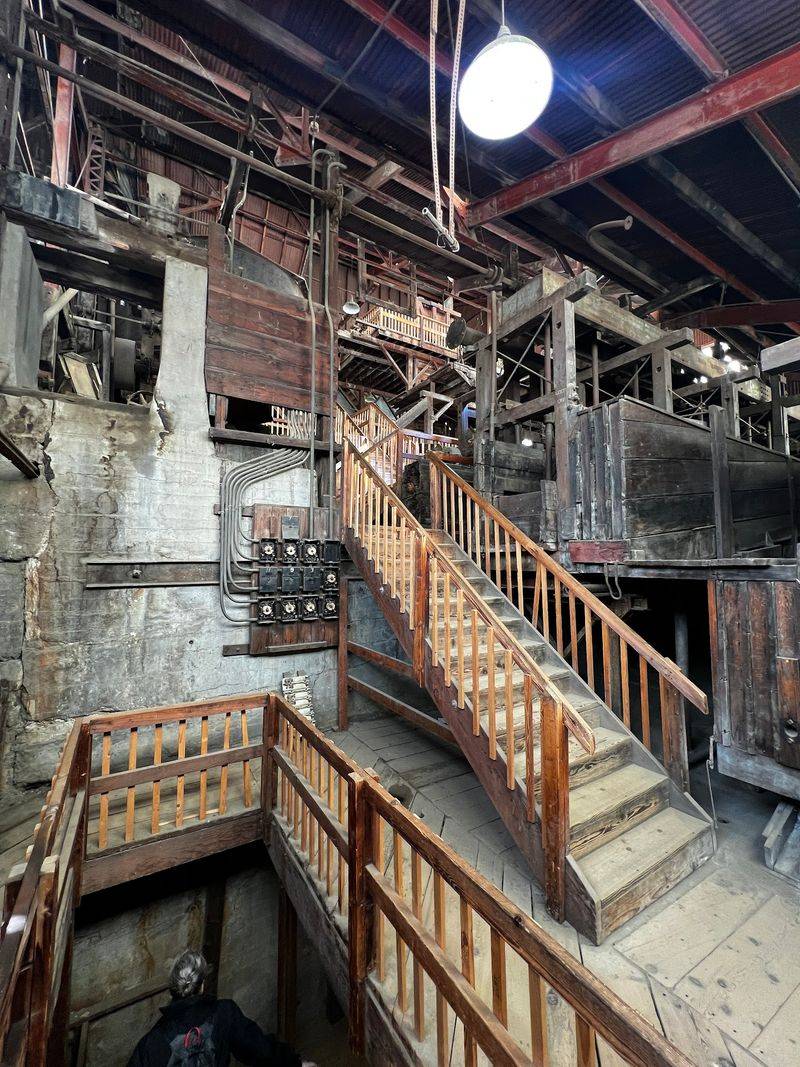
Without a guide, a historic mill can look like a room full of metal objects waiting to confuse polite people. Guided tours at Argo Gold Mill and Tunnel give the machinery a job, a timeline, and a reason to be there.
That matters for visitors who are curious but not fluent in mining terms. A good tour structure can explain why ore was crushed, how materials moved through the mill, and why the tunnel changed the mining district’s daily work.
The pieces begin to connect.
The format also helps groups with mixed attention spans. One person may care about engineering, another may be waiting for the gold pan, and someone else may simply want an outing that does not require hiking shoes.
A guided route keeps everyone moving through the same story.
Because schedules and offerings can change, checking the official site before going is smart. That is not glamorous advice, but neither is arriving three minutes after the tour you wanted.
Argo Gold Mill and Tunnel is easiest to enjoy when the visit is planned around an actual tour time, not a hopeful guess.
Idaho Springs Adds Real Gold Rush Context
Idaho Springs is not a random backdrop for a mining attraction. The town sits in Clear Creek County, an area closely tied to Colorado’s early gold discoveries and the growth of mountain mining communities west of Denver.
That context gives Argo Gold Mill and Tunnel more bite. Visitors are not studying gold rush history in a building far removed from the places where it happened.
They are standing in a town shaped by the same search for ore, investment, labor, and stubborn hope.
The setting also makes the visit useful for road trippers. Idaho Springs is along a well traveled mountain corridor, so the mill can fit into a broader travel day without feeling like an academic field trip wearing sensible shoes.
It is history with a parking lot and a clear activity attached.
Still, the best way to approach it is slowly enough to connect the town and the tour. The mill explains the industrial side of mining, while Idaho Springs reminds visitors that communities grew around that work.
At Argo Gold Mill and Tunnel, Colorado history feels less like a chapter and more like a place with an address.
Families Get A History Lesson That Moves
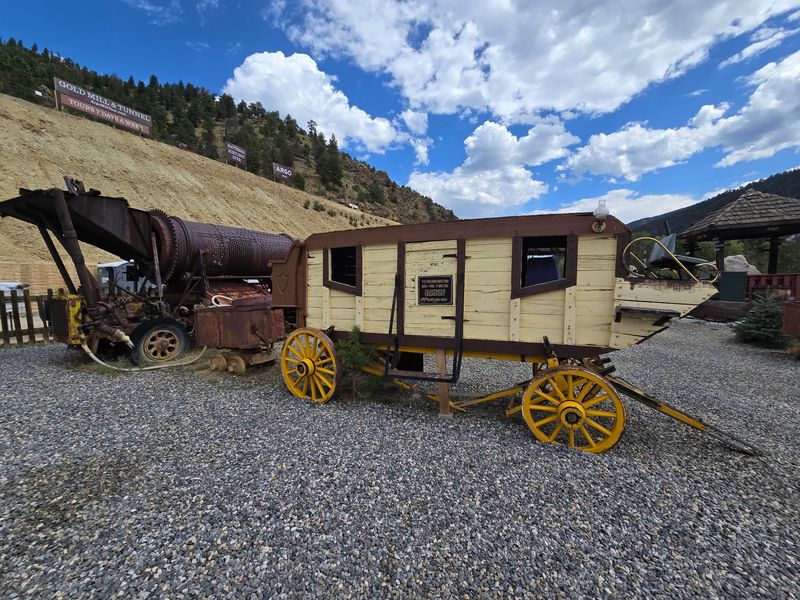
Children have a remarkable ability to detect when history is about to become a lecture. The useful thing about Argo Gold Mill and Tunnel is that the visit keeps shifting from looking to listening to doing, which gives families several ways to stay engaged.
The mill portion offers big equipment and a story about how ore was processed. The tunnel history adds scale.
Then the gold panning lesson gives kids and adults a task with a visible goal, which is usually more effective than asking everyone to admire another interpretive panel.
Parents should set expectations before arriving. The gold found during panning is real, but it is small placer gold, not movie treasure.
That distinction can save everyone from imagining a retirement plan forming at the bottom of a metal pan.
For families, the manageable structure is the advantage. A guided tour provides order, and the final activity gives younger visitors a reason to care about the details that came before.
Argo Gold Mill and Tunnel does not need to turn children into mining historians. It only needs to make the past concrete for an hour or so, and that is a fair bargain.
Couples Can Trade Small Talk For Small Gold
Dinner plans are fine, but occasionally two adults need an outing where the main question is whether either of them can separate gold from gravel. Argo Gold Mill and Tunnel gives couples a shared task that is mildly competitive in the safest possible way.
The tour has enough history to fuel conversation without requiring anyone to pretend they remember chemistry class. Ore processing, tunnel engineering, and mining economics all show up in understandable form.
Then the panning lesson turns the visit from passive learning into a small joint project.
There is also a nice balance to the place. It is structured enough that no one has to invent the plan, but unusual enough that it does not feel like another default weekend errand.
Colorado has many scenic stops; this one adds a practical skill, however tiny the resulting gold may be.
Couples who enjoy low pressure activities will likely appreciate that the reward is modest but real. The point is not striking it rich.
The point is learning why people once believed the mountains might change everything. At Argo Gold Mill and Tunnel, that old ambition gets reduced to a fleck in a vial, which is oddly satisfying.
Solo Visitors Have Plenty To Notice
Solo travel rewards places that do not make a person feel stranded between group activities and gift displays. Argo Gold Mill and Tunnel works well for independent visitors because the guided format supplies structure while leaving plenty of room to focus on details.
A solo guest can pay attention to the mill’s machinery, the tunnel’s purpose, and the way Idaho Springs fits into Colorado’s mining map without managing anyone else’s snack timeline. That is no small luxury.
History often improves when nobody is asking how much longer it will take.
The panning lesson also suits a single traveler. It is hands on, easy to understand, and social only to the degree a visitor wants it to be.
The small vial of placer gold becomes a better keepsake than another object bought because it was near the register.
For professionals passing through the mountains or travelers building a flexible day, the site offers a defined experience with a clear beginning and ending. Checking tour times remains the sensible move.
Once that is handled, Argo Gold Mill and Tunnel provides enough substance to make a solo stop feel intentional rather than like a time filler.
A Simple Saturday Detour With A Payoff
A simple Saturday detour should not require a spreadsheet, two backup plans, and a committee vote. Argo Gold Mill and Tunnel fits the easier model because its main offering is clear before anyone starts overthinking the day.
The verified address is 2350 Riverside Dr, Idaho Springs, CO 80452, and the official visitor information is the best place to confirm current tour times before leaving. That small planning step matters, especially for travelers trying to fit the stop into a mountain drive or a quick visit while already in town.
Once the timing is settled, the rest of the plan stays compact. Arrive for the guided tour, follow the story through the mill and tunnel history, then finish with the gold panning lesson.
It is an outing with a beginning, middle, and tiny glittering end.
That structure is helpful for weekend planners who want one memorable activity without turning the day into a marathon. It also gives road trippers a reason to pause in Idaho Springs for more than fuel and a leg stretch.
Argo Gold Mill and Tunnel makes the detour feel anchored, because the final souvenir is not just purchased. It is found.
The Best Souvenir Is The One You Earn
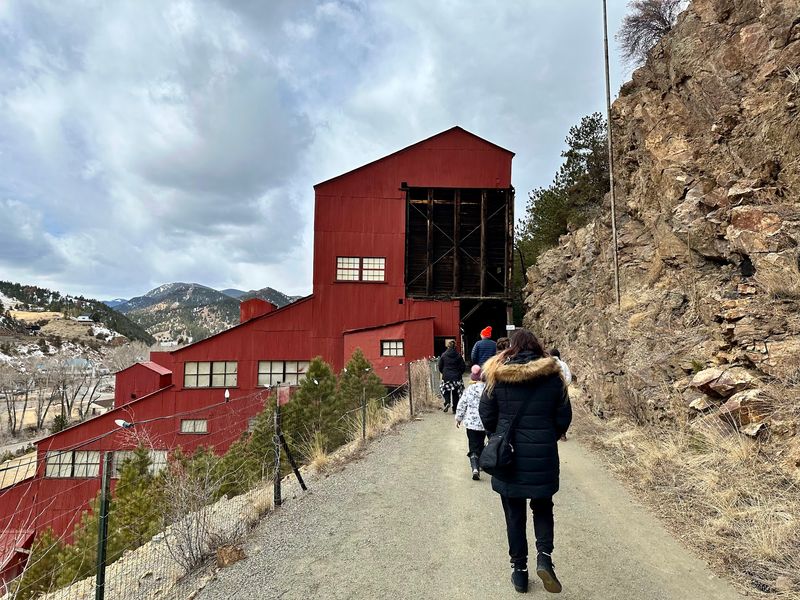
Plenty of historic sites send visitors home with a brochure and a vague intention to read more later. Argo Gold Mill and Tunnel offers a cleaner ending: a panning lesson and the chance to keep real placer gold found during the activity.
That small takeaway matters because it connects the tour’s facts to a physical result. After hearing about ore, tunnels, machinery, and the effort behind Colorado mining, visitors try a simplified version of the basic search that helped define the region’s early economy.
The gold is not large, and that is actually useful. Tiny flakes make the old rush for wealth feel more human.
People chased possibility in difficult places, often for rewards that required patience, skill, money, and luck. A few specks in a vial can explain that better than a dramatic speech.
By the end, the visit has done something practical and rare. It has turned an industrial landmark into an understandable afternoon activity without sanding off the history.
Argo Gold Mill and Tunnel gives Idaho Springs a hands on link to its mining past, and the little gold vial is proof that someone in your group paid attention.