
This Arizona Wildlife Sanctuary Rescues Bears And Big Cats You Can Meet Up Close On A Guided Tour
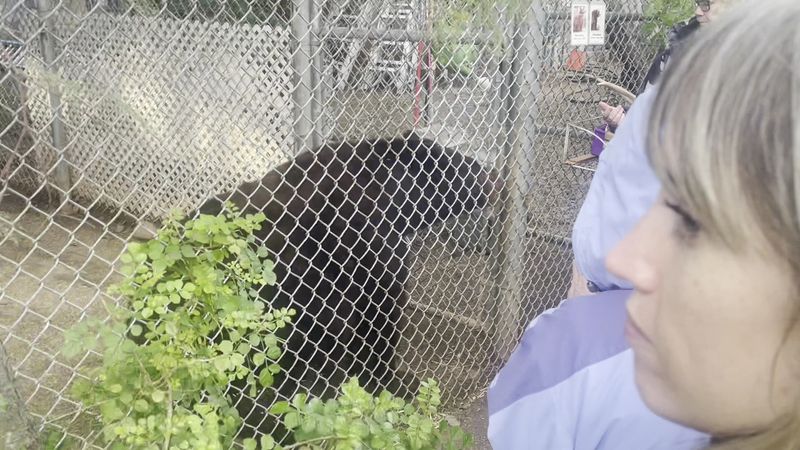
Down a dusty, rock-strewn road in the Sonoran Desert, a black bear licks peanut butter off a paw while a small group of visitors watches, hushed and amazed. This is a place where mountain lions, wolves, coyotes, and bobcats each carry a rescue story, and where the animals come first, always.
Because it stays closed to the general public, the only way inside is a small, guided tour led by people who clearly adore what they do. It’s the kind of Arizona day trip that sticks with you long after you drive back down that bumpy dirt road.
A Desert Refuge on the Edge of Scottsdale
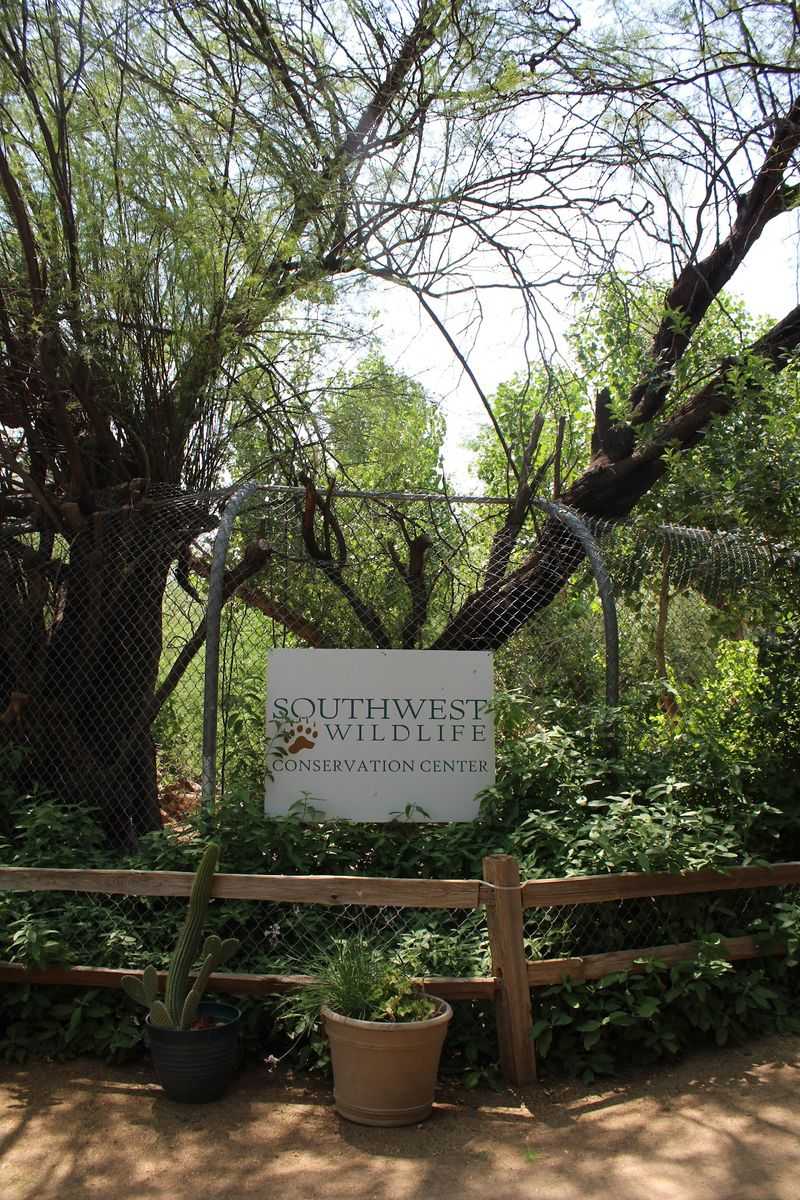
Roughly an hour northeast of downtown Phoenix, past the last stretch of pavement into open Sonoran Desert, sits Southwest Wildlife Conservation Center at 27026 N 156th St in Scottsdale. It’s a wildlife rescue service, not a zoo, and that difference shapes everything about the visit.
The mission runs on three simple words: rescue, rehabilitate, and release. Animals that can safely return to the wild are quietly nursed back and set free, often without visitors ever seeing them.
The ones you do meet are the residents who couldn’t be released for their own safety, now living out full lives under careful watch.
What makes the place special is how personal it feels. Tours run in small groups by appointment only, so you’re never lost in a crowd or hurried past an enclosure.
Guides know each animal by name and can tell you exactly how it arrived here.
Regulars describe it as a hidden gem, and the phrase fits. There are no flashy attractions or gimmicks, just healthy animals, dedicated people, and a stretch of desert doing real good.
The Story Behind Rescue, Rehabilitate, and Release
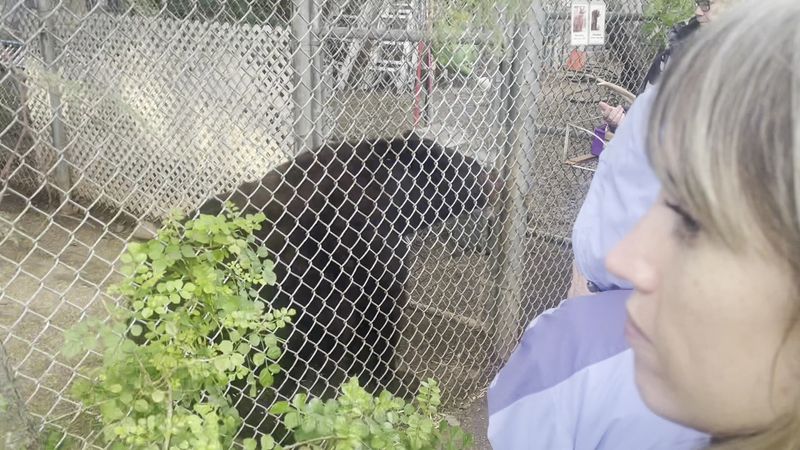
Every animal here landed at the center for a reason, and those reasons form the heart of the tour. Some were orphaned, some were injured, and some were kept as pets before people realized wild animals belong in the wild.
The founder’s dedication runs deep. Visitors often mention learning that she sold personal property on the grounds to make more room for animals in need, a detail that leaves many guests genuinely moved.
Funding is another part of the story worth understanding. The center doesn’t rely on outside grants or public money, so every dollar from tours and the gift shop goes straight to feeding and caring for the residents.
Guides weave conservation lessons into each stop, explaining how humans can be better neighbors to the wildlife sharing our state. It’s education without a lecture, delivered by people who clearly love the work.
Guests frequently walk away describing the experience as soul-stirring, and it’s easy to see why. Hearing how a frightened, struggling animal became a healthy, thriving resident gives the whole visit real emotional weight and lasting meaning.
Meeting the Bears Up Close
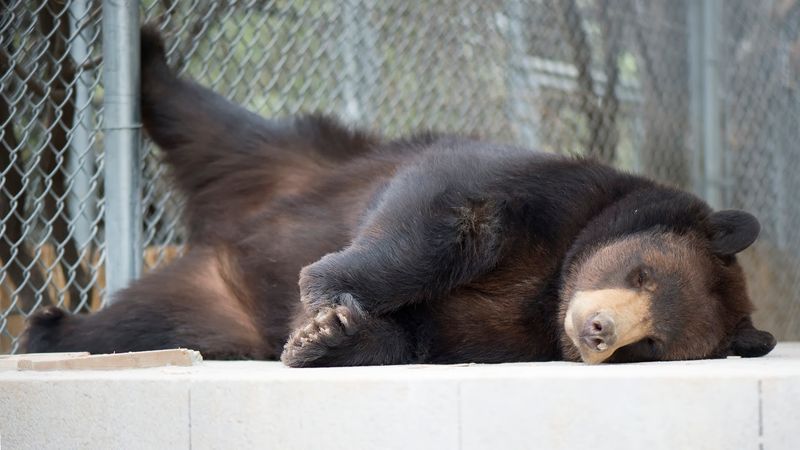
Picture a black bear happily working peanut butter off its paws while your small group looks on from a respectful distance. Moments like that make the bears one of the tour’s undeniable highlights.
These residents live in roomy, naturalistic spaces built for comfort rather than display. Because they can’t be safely returned to the wild, the center gives them a permanent home with the shade, room, and enrichment they need.
Bears keep their own schedule, of course. On some tours they’re wide awake and busy, while on others they’re stretched out for a long desert nap, and guides are quick to laugh about the sleepy ones.
Seeing an animal this large so close, without bars stacked between you and a crowded viewing rail, changes how you experience it. There’s a calm, unhurried quality to watching a bear simply be a bear.
Guests consistently point to the bears as a favorite memory, partly for their size and partly for their stories. Each one arrived through its own difficult path, and hearing that history makes the peanut butter moment feel earned.
Mountain Lions, Bobcats, and the Big Cats of the Southwest
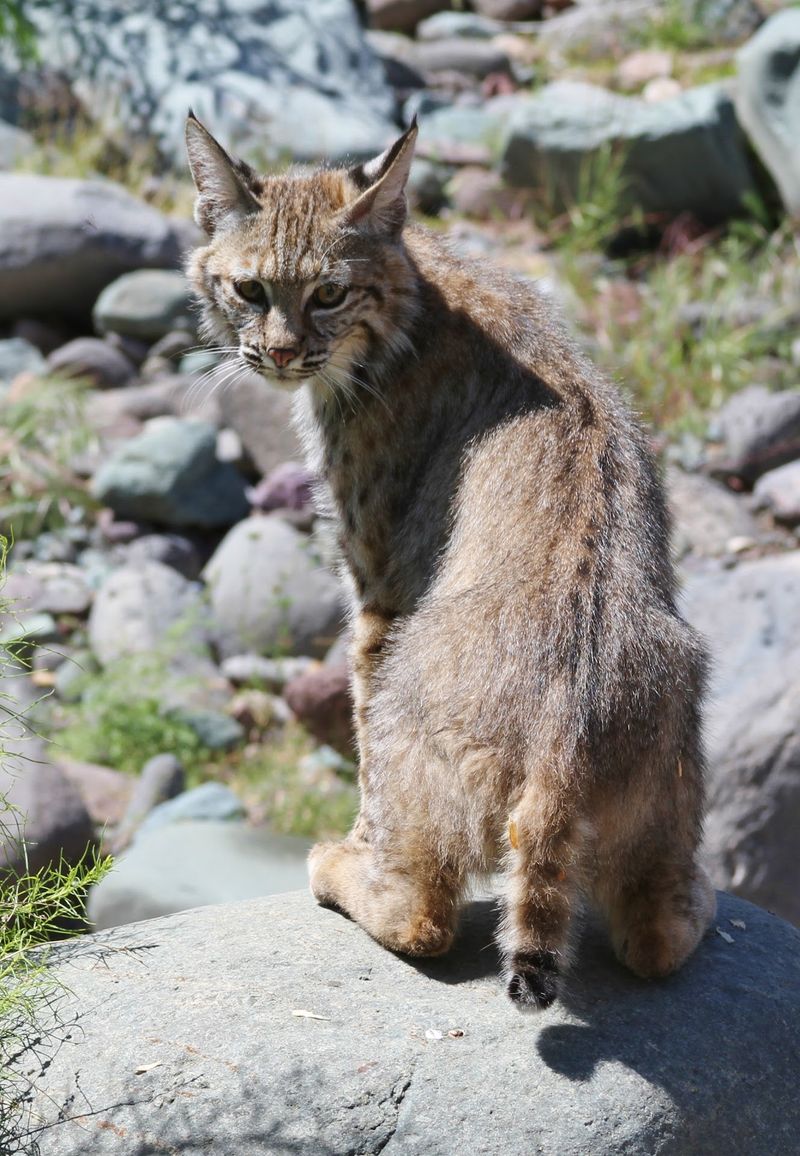
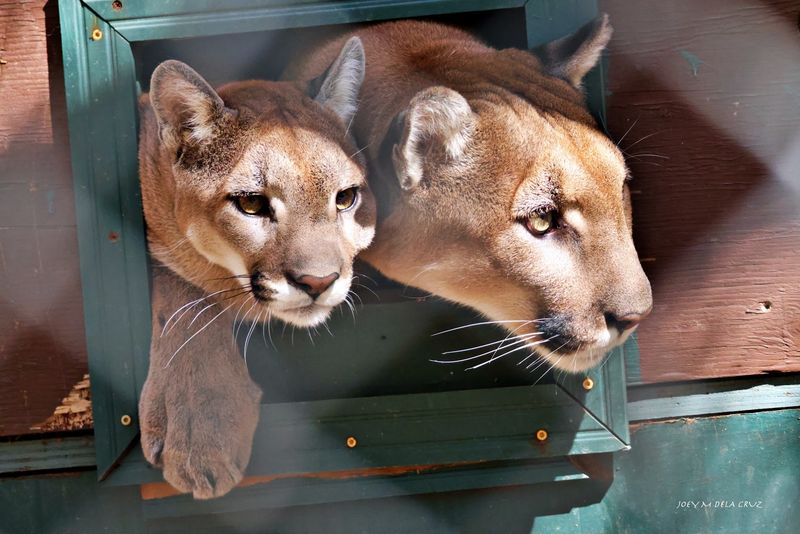
Few sights match a mountain lion watching you with those steady, golden eyes from just a short distance away. The big cats here draw more excited chatter than almost anything else on the property.
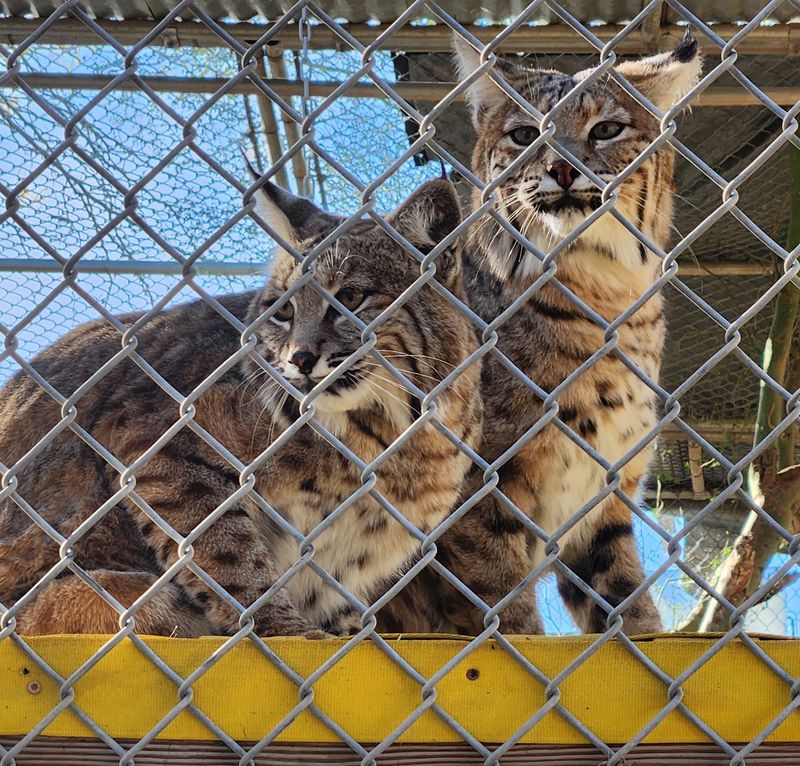
Mountain lions and bobcats are among the most-talked-about residents, and for good reason. These are creatures most Arizonans will never spot in the wild, yet here you can study their muscles, whiskers, and quiet power without the glass and crowds of a typical zoo.
Each cat comes with a backstory. Guides explain how a particular lion or bobcat arrived, why it can’t be released, and what daily life looks like for it now, turning a simple sighting into a full portrait.
Because groups stay small and the pace stays gentle, the cats often seem curious rather than stressed. Visitors frequently note how many animals were out, alert, and clearly at ease during their walk.
Standing near one of these magnificent southwestern predators, healthy and cared for, is the kind of encounter that lingers. It’s wild Arizona, up close and unforgettable.
Wolves, Coyotes, and Foxes That Sing
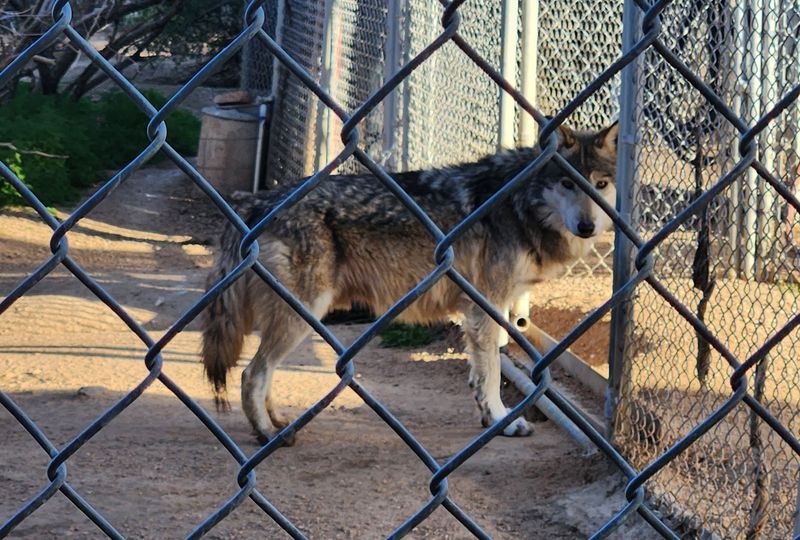
There’s a sound you don’t forget: coyotes yipping and wolves lifting their voices in a long, rolling howl across the desert. On the right tour, that chorus becomes the soundtrack of your visit.
The center is home to many wolves, coyotes, and foxes, and hearing them communicate is a genuine treat. One guest put it perfectly, describing coming to hear the coyotes sing and the wolves howl.
Foxes bring a lighter energy, small, quick, and endlessly curious, a nice contrast to the larger canines nearby. Together they show off the surprising range of wild dogs that call the Southwest home.
Guides use these animals to bust common myths, explaining that coyotes and wolves aren’t the villains folklore makes them out to be. You leave with a softer, more accurate view of your wild neighbors.
Evening and after-dark tours seem to bring out their most active behavior, when the temperature drops and the desert wakes up. If a howling wolf under a wide Arizona sky sounds appealing, this is where you’ll find it.
Goliath the Tortoise and the Smaller Residents
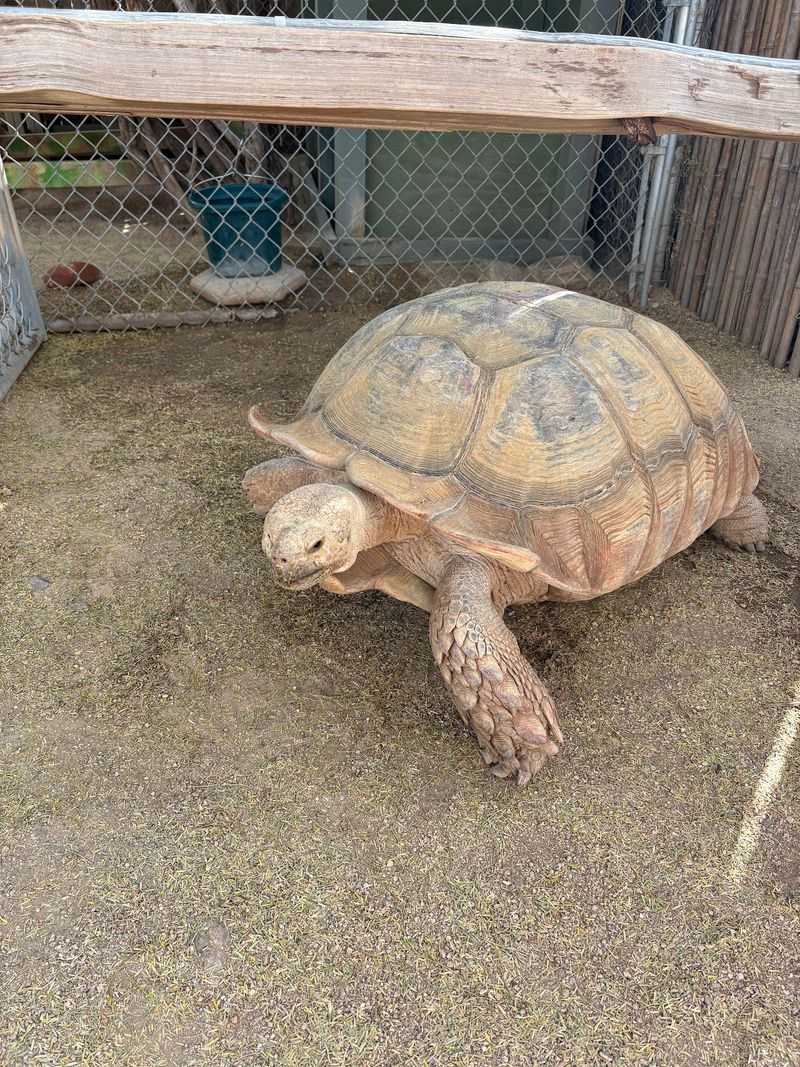
Not every star of the show has claws or fangs. Goliath, the center’s giant tortoise, plods along at his own unbothered pace and quietly steals hearts on tour after tour.
He’s proof that the sanctuary’s residents come in every shape and speed. Alongside him you’ll meet javelina, owls, deer, and other smaller creatures, each with its own place in the desert ecosystem.
Goliath tends to become an unexpected favorite. More than one visitor has named the wrinkled, ancient-looking tortoise as the single best part of their whole day.
The variety keeps the tour from ever feeling repetitive. Just when you’ve been studying a mountain lion, you’re suddenly greeting a slow, gentle giant or watching an owl blink down from its perch.
Families especially appreciate this mix. Younger visitors who might tire of larger predators light right back up when a tortoise ambles into view or a curious javelina wanders over.
These smaller residents remind you that conservation isn’t only about the dramatic animals. Every creature here, big or small, gets the same devoted care and a story worth hearing.
Guides Who Know Every Animal by Name
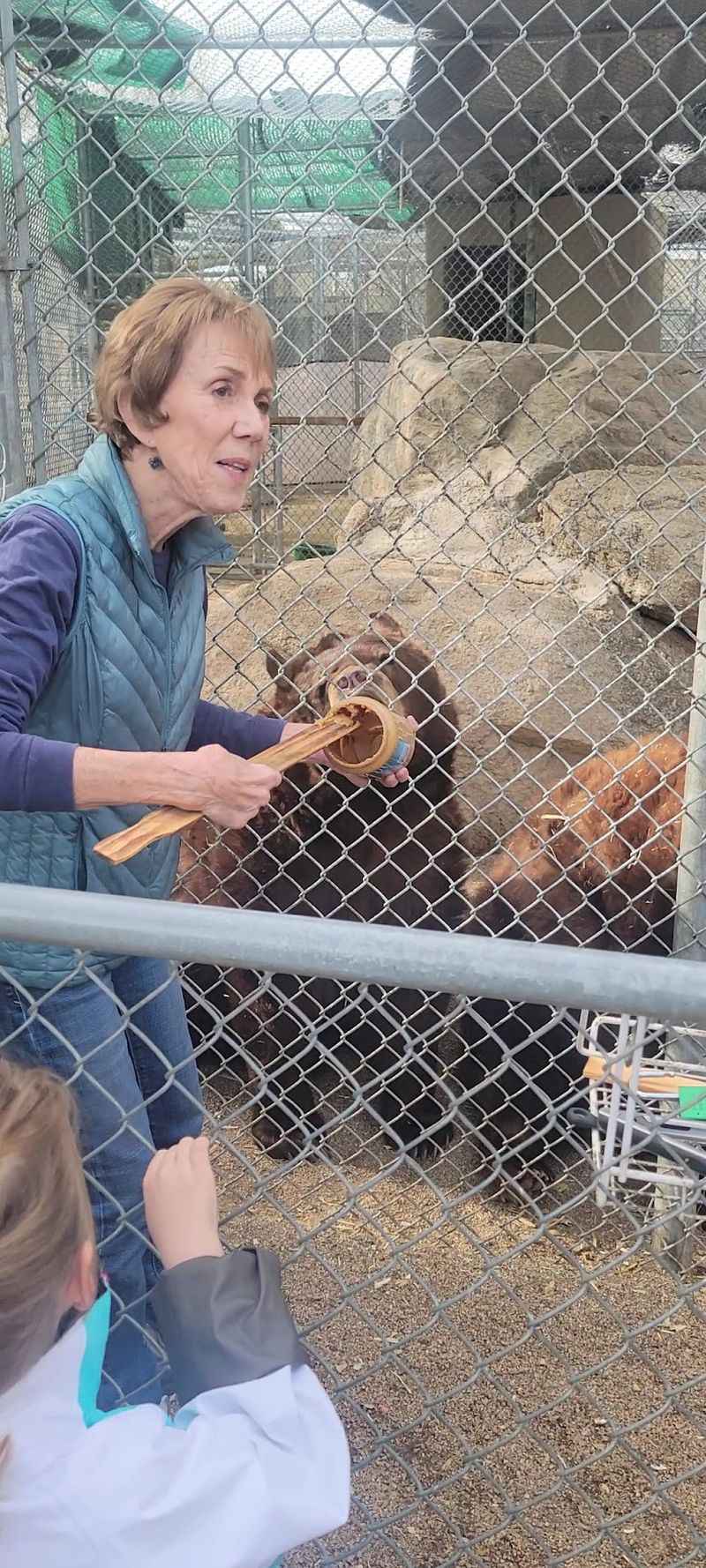
Ask a guide here about any animal and watch them light up with a full life story, right down to how it arrived and what it likes to eat. That depth of knowledge is what elevates the whole experience.
Most of the staff are volunteers, and their passion is impossible to miss. Guests repeatedly praise how much these folks clearly love the animals and how patiently they answer every question, no matter how small.
Names come up again and again in visitor stories, from Barbara and Cheryl to Marcia, Robin, and Daphne. Each seems to leave groups feeling informed, welcomed, and genuinely cared for.
The tone stays relaxed and personal. Because groups are small, there’s room for real conversation instead of a rushed, one-size-fits-all script, and nobody feels hurried along.
Guides balance fun with substance beautifully. One moment they’re cracking a joke about a sleepy bear, the next they’re explaining serious conservation ideas in a way that sticks.
You come for the animals, but you often leave just as impressed by the people. Their dedication turns a good outing into a memorable one.
Full Moon and Twilight Tours After Dark
When the desert cools and the moon climbs high, the sanctuary takes on a different kind of magic. Full moon and twilight tours let you experience the animals when many of them are at their liveliest.
Nighttime shifts the whole mood. Predators that dozed through the heat of the day grow alert and active, and the soundtrack of howls and calls carries beautifully across the dark canyon.
Guests who’ve done the evening tours rave about them. Several mention how much more the animals moved around after sunset, apart from the ever-sleepy bears who apparently prefer their beauty rest.
For Arizona locals dodging summer heat, an after-dark visit makes perfect sense. The comfortable evening window turns a sweaty daytime trek into a pleasant, breezy adventure under a wide, star-filled sky.
There’s also something quietly special about wandering a desert refuge by moonlight. The glow softens everything, the crowds are small, and the whole place feels like a secret you’re lucky to share.
If you can time your visit to a full moon, that howling, moonlit chorus is well worth planning around.
Who This Adventure Is Really For
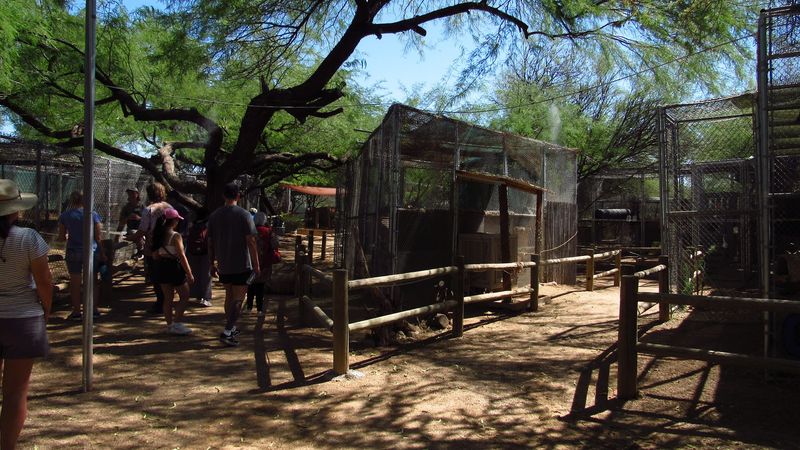
Curious kids, animal lovers, out-of-town guests, and anyone craving something more meaningful than a standard tourist stop will feel right at home here. The place has a way of delighting nearly everyone who makes the drive.
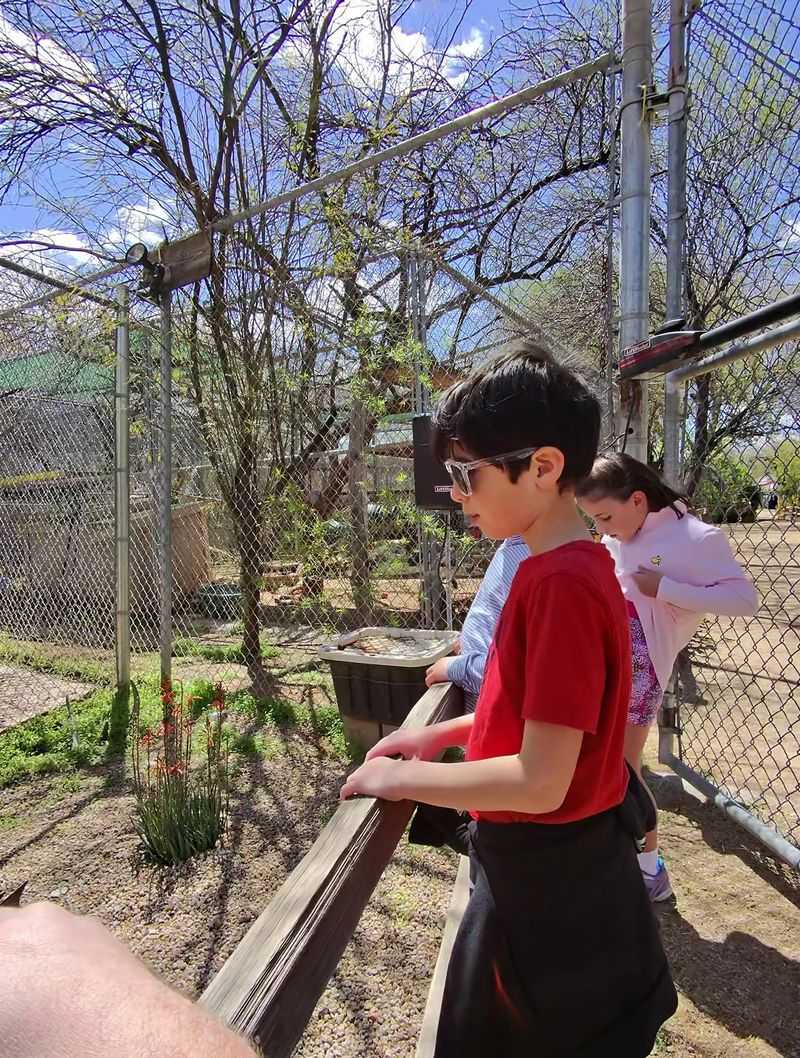
Families do especially well. The grounds are easy to walk for children, and parents often mention how engaged even toddlers stayed while animals wandered close and curious.
It’s a winning pick for hosting visitors, too. Guests from out of state come away just as thrilled as lifelong Arizonans, making it a great shared outing when relatives are in town.
Comfort is built in. Shady spots, misters, benches, and provided water help you stay cool, and guides encourage everyone to keep sipping throughout the walk.
If your idea of a good day leans toward conservation and connection rather than rides and gift-shop chaos, this fits perfectly. People who prefer thoughtful, up-close, education-focused experiences tend to love it most.
Even solo travelers find it rewarding. The small groups make striking up conversation easy, and the emotional pull of the animals’ stories tends to unite everyone by the end.
Planning Your Visit: Tickets, Timing, and the Bumpy Road In
A little preparation goes a long way here. Reservations are required, and tours run by appointment only, so booking ahead through the center is a must rather than a suggestion.
Visitors mention a tour fee around $35, which supports the non-profit directly, and the outing typically runs about two hours. It’s an active, on-the-go experience with plenty of photo stops along the way.
The location sits off the beaten track, and getting there is part of the story. A dirt-and-rock road leads to the entrance, so plan your transportation accordingly and drive that final stretch slowly and carefully.
Water is non-negotiable. Guests stress bringing your own no matter the season, and the staff also provide water to keep everyone hydrated during the walk.
Because the center isn’t open to the public, groups stay small and carefully arranged, which is exactly what makes it feel so personal. Don’t expect a walk-up gate or a crowded parking lot.
Before you leave, the little gift shop offers a keepsake, with proceeds going right back to the animals. Book early, pack water, and enjoy.
Why This Desert Rescue Stays With You
Long after the dust settles behind your car, the memory of a howling wolf or a peanut-butter-loving bear tends to linger. That staying power is what sets this place apart from an ordinary day out.
What you get is rare: healthy, well-loved animals, guides who treat each one like family, and a mission that puts creatures ahead of crowds. It’s everything people wish a zoo could be, minus the commercial buzz.
Guests often describe leaving genuinely moved, some even a little teary, struck by how peaceful and happy the residents seem. Others simply call it the best day they’ve had in ages.
The value is easy to feel good about, too. A modest fee funds real rescue work, so your fun afternoon quietly helps animals in need.
For Arizona locals hunting a worth-the-drive find with a touch of wonder, this checks every box: hidden, affordable, meaningful, and unlike anything else nearby.
Book a tour, pack your water, and brave that rocky road. What waits at the end is a reminder of how good people and wild animals can share this desert we call home.