
This Arizona Aviation Museum Packs Over 300 Aircraft Across 80 Acres You Can Tour
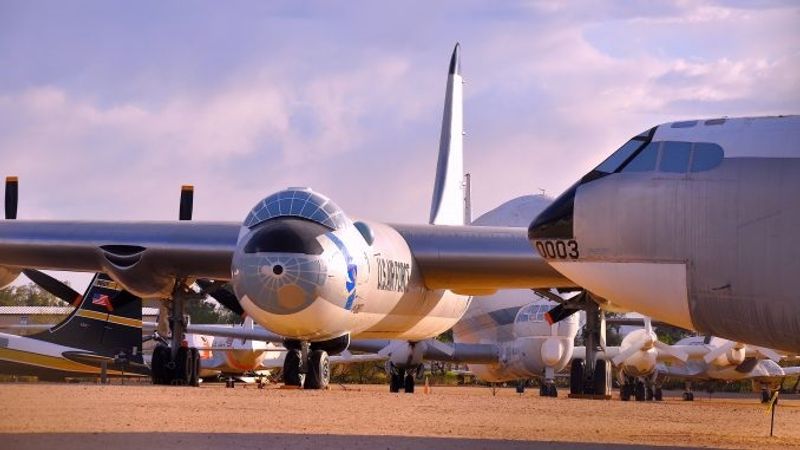
Driving toward Tucson, you might catch sight of what looks like a small city built entirely of airplanes stretched across the desert floor. That first glimpse is your only warning before you step into one of the largest aerospace collections on the planet.
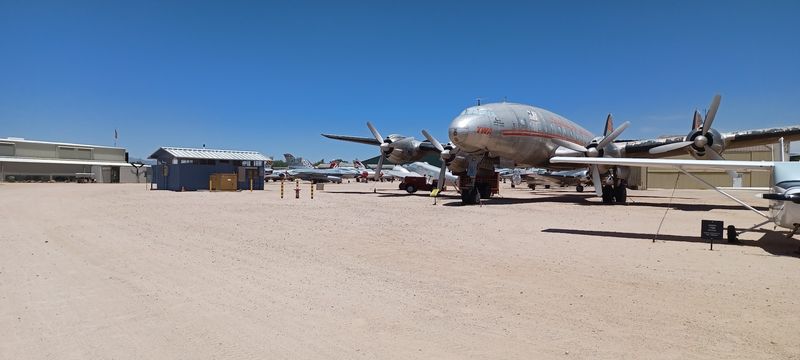
More than 300 aircraft sit across 80 acres of open ground, from the earliest flying machines to jets that once broke speed records. It is the kind of place where a single afternoon somehow turns into five hours, and you still leave wanting more.
A Desert Landmark on Tucson’s Southeast Edge
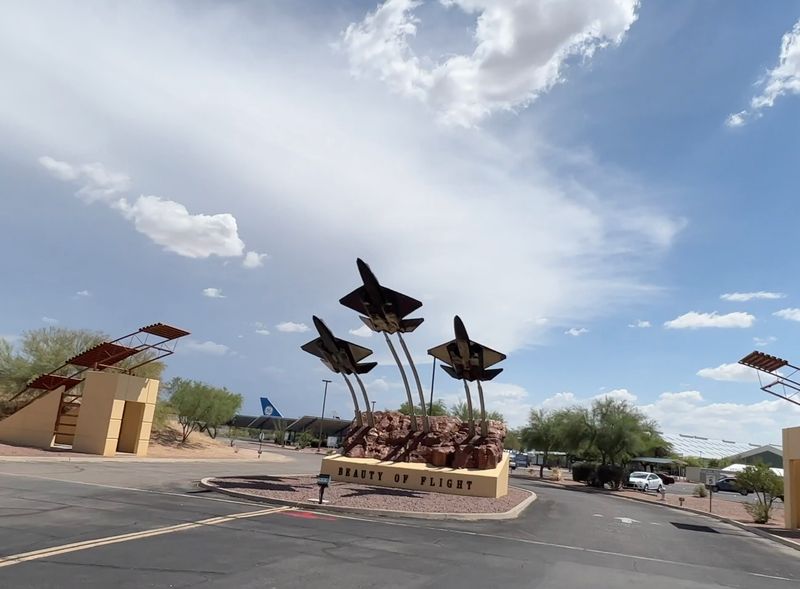
Out at 6000 E Valencia Rd, on the southeast side of Tucson, sits a museum that visitors often spot before they even reach the parking lot. The rows of aircraft baking under the wide Arizona sky give away exactly what you are about to explore.
Recognized as one of the world’s largest aerospace museums funded without government money, it ranks as the third-largest aviation museum anywhere. The whole campus covers 127 acres, with 80 of those dedicated to outdoor displays alone.
People come from all over to see it. One family made the trip from Nevada just so their son could stand beside his favorite jets, while another visitor detoured from a holiday in Phoenix and called the day trip well worth it.
What makes it special is the sheer scale paired with genuine care. Aircraft span more than a century of flight, and the grounds feel both organized and endless at the same time.
For anyone curious about how humans learned to fly, this stretch of desert holds an astonishing amount of that story.
A Century of Flight in One Place
Imagine standing between a fragile early flying machine and a sleek modern jetliner, separated by only a few steps but by more than a hundred years of invention. That contrast greets you almost immediately here.
The collection stretches from a Wright Flyer, echoing aviation’s very first moments, all the way to a 787 Dreamliner representing today’s air travel. In between sits every kind of aircraft you can imagine: civilian, experimental, government, and military planes all sharing the same grounds.
Regulars mention that no two visits feel the same. One person who has returned three times over eight years says there is always something new to notice, another detail hiding in a corner they somehow missed before.
That variety is the real draw. You can trace the whole arc of flight in a single walk, watching design ideas evolve wing by wing and engine by engine.
Even folks who do not consider themselves plane enthusiasts tend to leave impressed, because the story told across these acres belongs to everyone who has ever looked up and wondered how those things stay in the sky.
Legendary Aircraft You Can Walk Right Up To
Few machines look as otherworldly as the SR-71 Blackbird, and this museum lets you stand close enough to appreciate every sleek, dark curve of it. It shares the spotlight with a lineup of aviation royalty that keeps enthusiasts grinning.
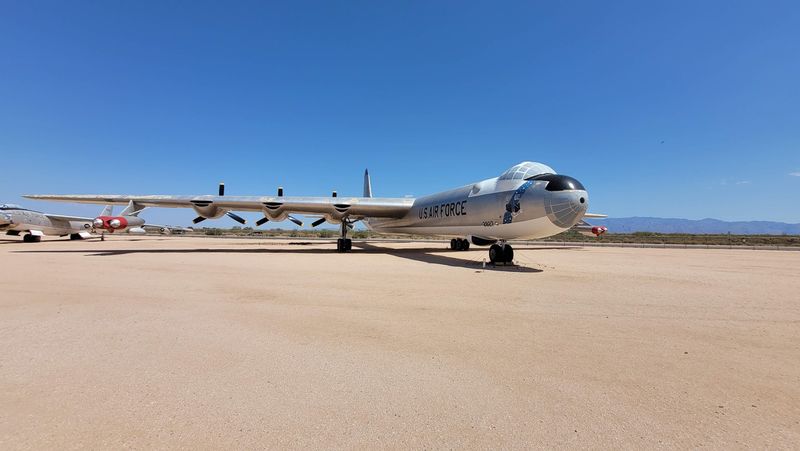
The famous names go on and on: the Boeing B-17 Flying Fortress, the B-29 Superfortress, the B-24 Liberator, the enormous B-36J Peacemaker, the English Electric Lightning, and the beloved A-10 Warthog. Together they read like a greatest-hits list of flight.
One longtime aviation fan who first visited decades ago returned to find far more interior displays, many fully restored, arranged so you can walk up to, under, and all around the aircraft. He singled out the Blackbird, the Fortress, the Warthog, and the Peacemaker as personal highlights.
What strikes most people is how many rare and prototype planes live here, models they had never seen or even heard of before. Getting eye-level with these icons, rather than viewing them behind velvet ropes, turns a simple museum stop into something you genuinely remember.
The Presidential Plane That Carried History
Not every day do you get to step where presidents once sat, but here that chance is parked right on the grounds. A Boeing VC-137B in the collection served as Air Force One for Presidents Eisenhower and Kennedy.
There is something quietly powerful about standing beside an aircraft that carried world leaders through some of the twentieth century’s biggest moments. It shifts the experience from admiring engineering to touching actual history.
Visitors often find these interior tours among the most memorable parts of their trip. Being able to peer inside aircraft, rather than only circling them from outside, adds a personal, human layer to all that metal and machinery.
The presidential plane is far from the only headliner, either. Guests mention rare craft like the Philippine Mars and even the Orbis flying hospital plane, each with its own remarkable backstory.
Together they remind you that airplanes are more than machines; they are stages where real events unfolded. Slowing down to imagine who once walked those aisles gives the whole visit a surprising emotional weight worth savoring.
Six Hangars Full of Indoor Treasures
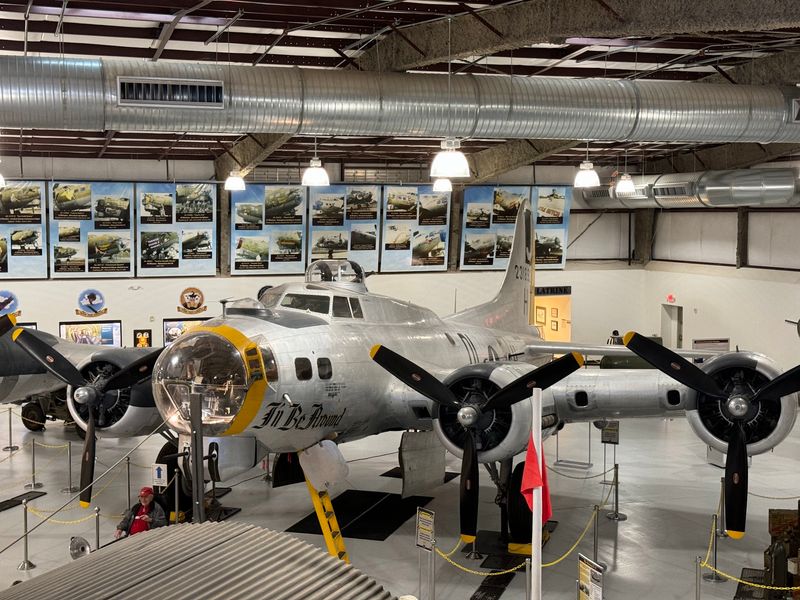
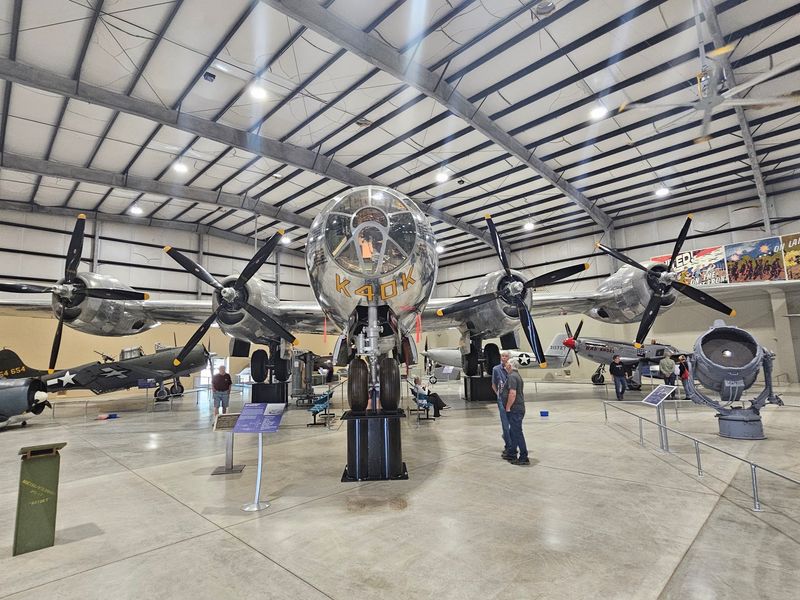
When the desert sun climbs high, the indoor hangars become your best friend, and luckily there are six of them packed with aircraft and artifacts. Three are dedicated entirely to World War II planes.
Stepping inside feels like entering treasure chests of aviation, with fully restored examples arranged so you can wander freely among them. The recently added air conditioning in one bomber hangar earns plenty of grateful comments from visitors.
The B-17 Flying Fortress in the central hangar tends to stop people in their tracks. Guests describe the bomber hangar as humbling and spectacular, a space where the scale and history hit you all at once.
Beyond the big-name planes, the hangars hold a small collection of space vehicles from the Mercury and Apollo missions, plus a replica X-15 and even a moon rock. Families note how much the kids light up moving from planes to rockets to artifacts.
On a hot afternoon, these cool, well-lit buildings offer both relief and endless discovery, making them the perfect place to slow down and really study the details.
The Tram Tour Worth Every Extra Dollar
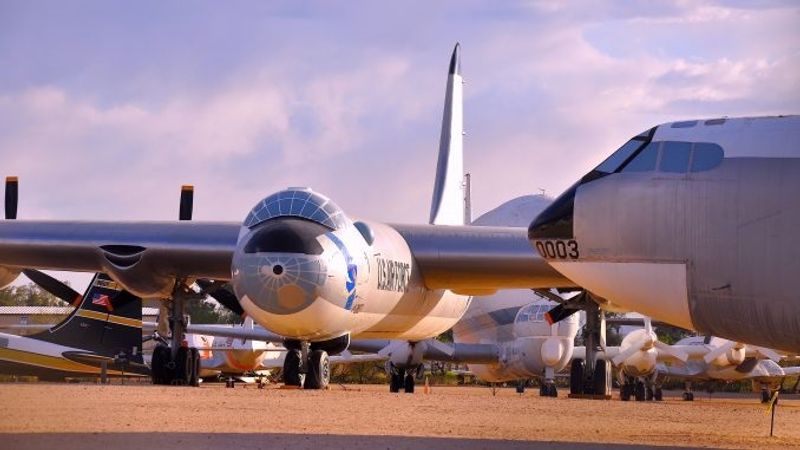
Eighty acres is a lot of ground to cover on foot, especially under a strong sun, which is exactly why the narrated tram tour earns so much love. For roughly ten extra dollars, you ride in a covered tram while a guide points out highlights.
The tours run about 45 minutes and give a smart overview of the sprawling outdoor collection. Many visitors suggest taking it first, then walking back to whatever caught their eye for a closer look.
The guides make it. Guests repeatedly praise the tram drivers for their deep knowledge, sharing fascinating facts about each aircraft that you simply would not pick up on your own.
On a hot, sunny day, that shaded covered seat feels like a small luxury while still letting you take everything in. One family called the ten dollars completely worth it just for the comfort and the guided commentary combined.
Whether you are short on time or saving your energy for the hangars later, the tram is an easy way to make sure you see nearly all of those famous outdoor displays.
Volunteers and Staff Who Bring Planes to Life
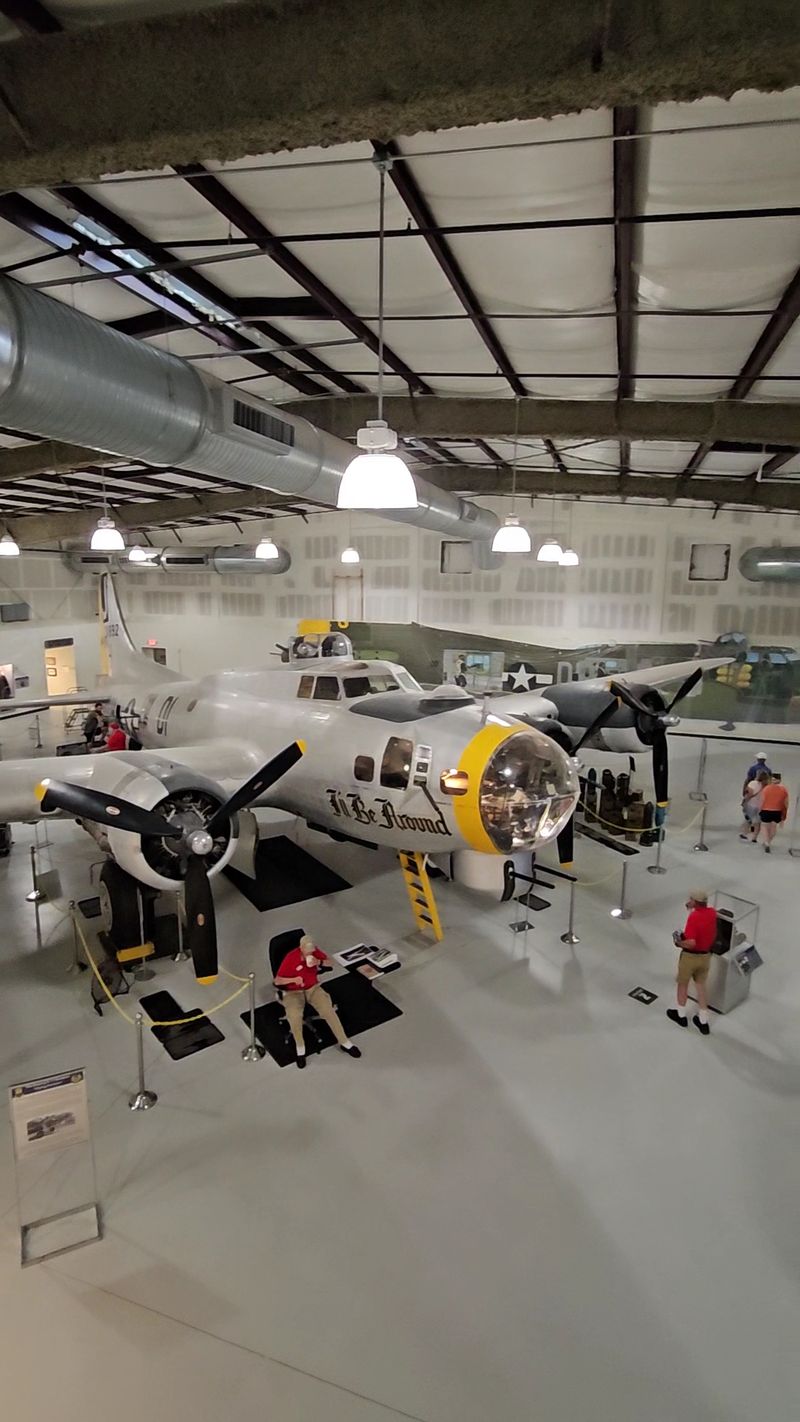
Ask any regular for their top tip, and many will say the same thing: talk to a volunteer or worker. That single piece of advice can transform a good visit into a great one.
The people staffing this place are more than helpful; they are genuinely enthusiastic. Visitors describe the staff and volunteers as professional, warm, and bursting with stories about the planes, the pilots, and countless aviation topics.
One guest recalled a special treat: a former B-17 pilot on site signing books and chatting about his flying days, a real thrill for history lovers. Moments like that turn static displays into living memory.
These conversations often become the highlight people talk about afterward. Hearing firsthand accounts and behind-the-scenes details adds color that no plaque ever could.
The museum also keeps things running smoothly, with guests noting clean facilities and restrooms and a well-organized layout. There is even a restoration shop where aircraft are lovingly brought back to life.
All of it reflects a community that clearly cares, and that passion is contagious the moment you start asking questions.
A Full Day of Wandering Wide Open Space
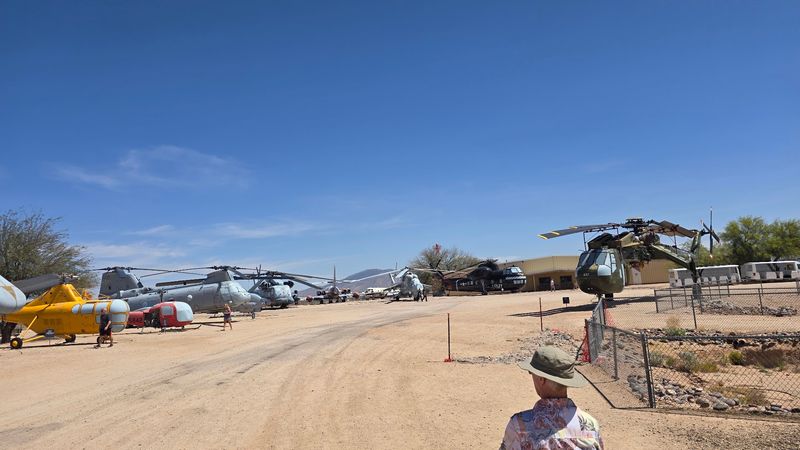
Give yourself time here, because rushing simply does not work. Nearly every visitor lands on the same number: set aside at least four to five hours, and even that often leaves people wishing for more.
The atmosphere is refreshingly easygoing. With so much open space, you can wander at your own pace, drifting from plane to plane without ever feeling crowded or hurried.
Even on busy days, the grounds are so large that guests manage to snap photos without strangers in the frame. One family from out of state marveled at how much bigger and roomier everything was than they expected.
That freedom to roam suits all kinds of visitors. Serious aviation buffs can linger over technical details, while casual guests happily soak in oddities and history.
One person who described themselves as not a plane geek still spent almost three hours effortlessly.
The relaxed, self-guided feel is a big part of the charm. Nobody is pushing you along, so you get to shape your own adventure across acres of remarkable machines.
Bonus Museums and a Free Shuttle Ride
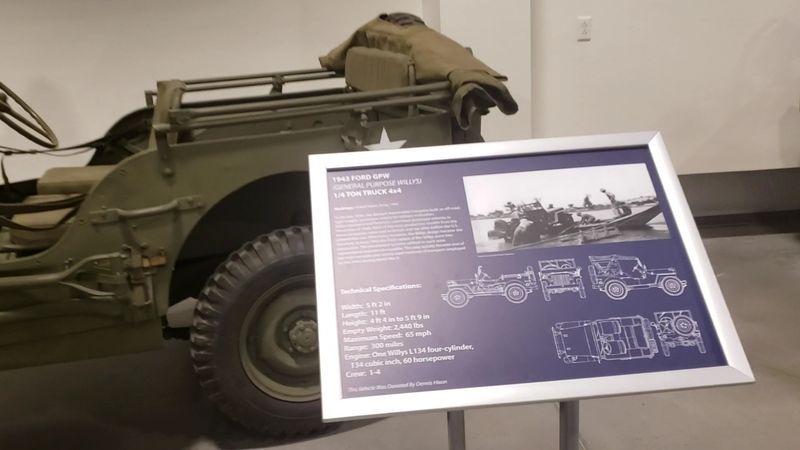
Buying a ticket here can unlock more than just airplanes, and that surprise delights many families. Some visitors gained access to the Tucson Military Vehicle Museum, describing it as jam-packed with vehicles crammed in wall to wall.
Even better, a free shuttle connects the two museums, so you can hop between them without any extra planning. That little perk stretches your day and your dollar even further.
Within the grounds sits the 390th Memorial Museum, a separate exhibit that guests praise as really well done, with spots where you can peer inside a B-17 from several angles. It adds another layer of depth to an already rich visit.
These extras mean the property keeps revealing new corners the longer you stay. Families with kids especially appreciate the variety, bouncing from planes to vehicles to memorial displays without a dull stretch.
The museum has also been home to the Arizona Aviation Hall of Fame since 1991, honoring the people behind the machines. Between all these attractions under one admission, the value quietly stacks up in a way that keeps folks planning return trips.
Beating the Heat and Staying Comfortable
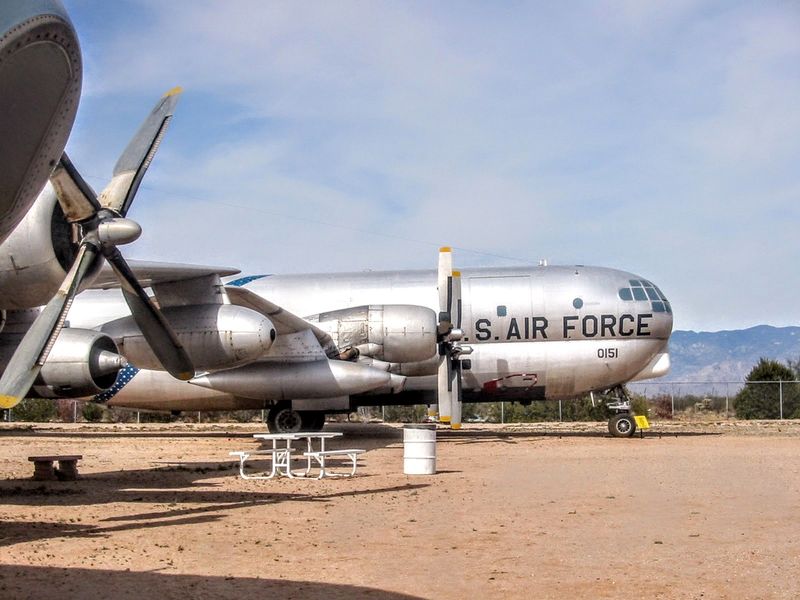
The Arizona desert plays a real role in how you plan this visit, and a little preparation goes a long way. Many of the buildings lack air conditioning, and temperatures inside can climb sharply during summer.
Seasoned visitors share the same smart strategy: tackle the outdoor displays early in the morning while it is cool, then retreat to the shaded hangars as the afternoon heats up. One guest visiting on a 103-degree day vowed to return in winter instead.
Hydration is key. The museum thoughtfully provides refill stations throughout the grounds, so bringing a water bottle is a must rather than a maybe.
Comfortable shoes matter too, given how much walking those 80 acres invite. Guests suggest taking frequent breaks, resting in the cooler hangars, and simply not overdoing it.
The cooler months from fall through early spring are the sweet spot for a full, relaxed exploration. Plan around the weather, keep water handy, and pace yourself, and the desert setting shifts from a challenge into just another part of this unforgettable outdoor adventure.
Hours, Tickets, and Finding Your Way There
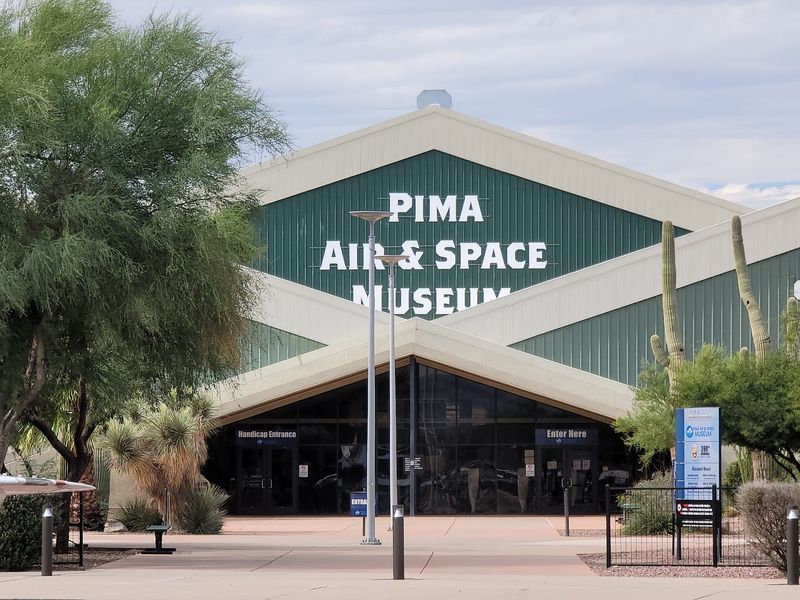
Planning ahead makes this trip smooth, and the details are refreshingly simple. The museum opens daily from 9 AM to 3 PM, with the last admittance at 1:30 PM, so arriving early gives you the most time to explore.
Tickets offer solid value that visitors happily point out. One guest paid around 29 dollars and appreciated that admission includes two visits within 30 days, meaning you can return without buying another ticket.
The narrated tram tour and themed guided walking tours cost a little extra, with the walking tours requiring advance reservations. Some experiences, like aircraft interior tours and simulator sessions, add even more options for a fuller day.
Getting there is easy from around the region. Located at 6000 E Valencia Rd in Tucson, it sits within a comfortable day-trip range for travelers coming from Phoenix and beyond.
As a not-for-profit foundation, the museum runs on admissions, concessions, and donations rather than government funding. There is even a grill on site serving decent food, so you can refuel without leaving the grounds mid-visit.
Why This Desert Museum Belongs on Your List
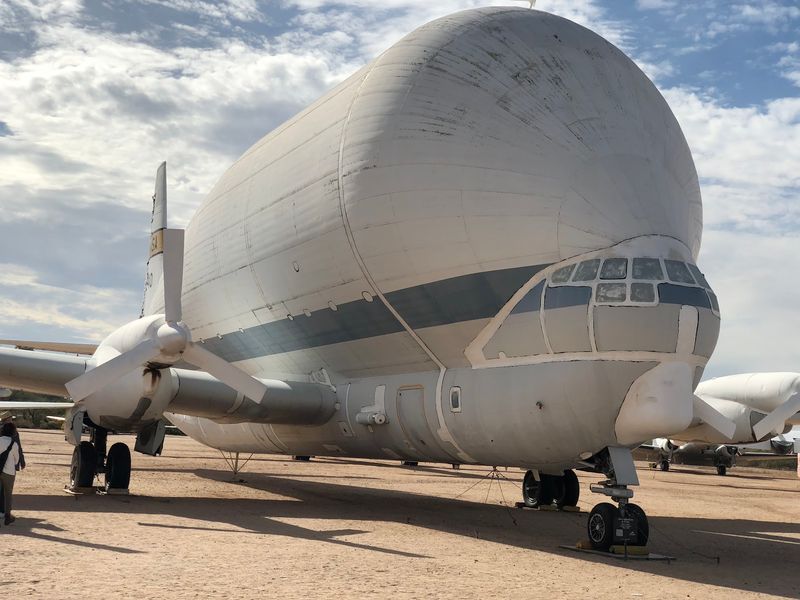
Walking under the wing of a 747 is the kind of memory that sticks, and it captures why so many people fall for this place. The scale, the variety, and the history combine into something genuinely special.
Whether you are a lifelong aviation fan or someone just killing an afternoon, the museum has a way of pulling you in. Guests who arrived unsure often leave already planning their next trip.
The reasonable admission, the two-visit ticket, the knowledgeable guides, and the bonus museums all stack up into real value for your day. Add the free shuttle and refill stations, and it is easy to see the thoughtfulness behind it.
Come in the cooler months, start early, wear good shoes, and give yourself plenty of hours. Bring the kids, bring a curious friend, and let the sheer number of rare and iconic aircraft do the rest.
For anyone within driving distance who loves discovering something big and memorable close to home, this stretch of Tucson desert delivers wonder by the acre. It is well worth the drive.