
This Short Washington Trail Winds Through Emerald Rainforest That Feels Like Something Out Of A Storybook
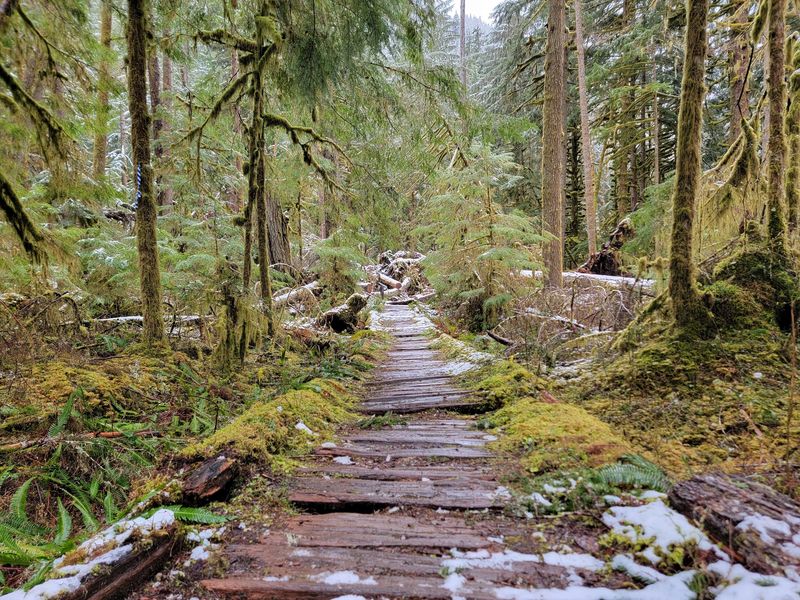
Picture a green so deep it seems painted by hand, with moss dripping from branches and a river humming somewhere close by. That kind of magic hides in a quiet corner of Washington, just a short drive from Seattle and Tacoma, waiting for anyone curious enough to wander in.
The best part is that you do not need to be an expert hiker or spend a dime to feel like you have walked straight into a fairy tale. It is the kind of spot that turns an ordinary weekend into a memory you keep telling people about.
Where the Road Ends and the Forest Begins
Right where the pavement gives up in Carbonado, Washington, the Carbon River Rainforest Trail quietly takes over. Sitting inside the northwest corner of Mount Rainier National Park, this little path leads into a rare inland valley rainforest, the sort of place most folks assume you have to drive hours west to find.
The trail itself is a gentle 0.3-mile circuit, easy enough that families with young kids can wander it without a fuss. Many visitors stumble onto it by accident, arriving at the spot where the road ends and discovering something far more special than they expected.
What makes it stand out is location. Being close to both Seattle and Tacoma means you can leave home in the morning and be surrounded by towering trees before lunch.
Regulars mention that it saves the long haul out to the Olympic Peninsula while still delivering that dreamy, moss-covered rainforest feeling. For a first taste of Washington’s temperate rainforest, few starting points feel this welcoming or this effortless.
A Rare Inland Rainforest You Can Actually Reach
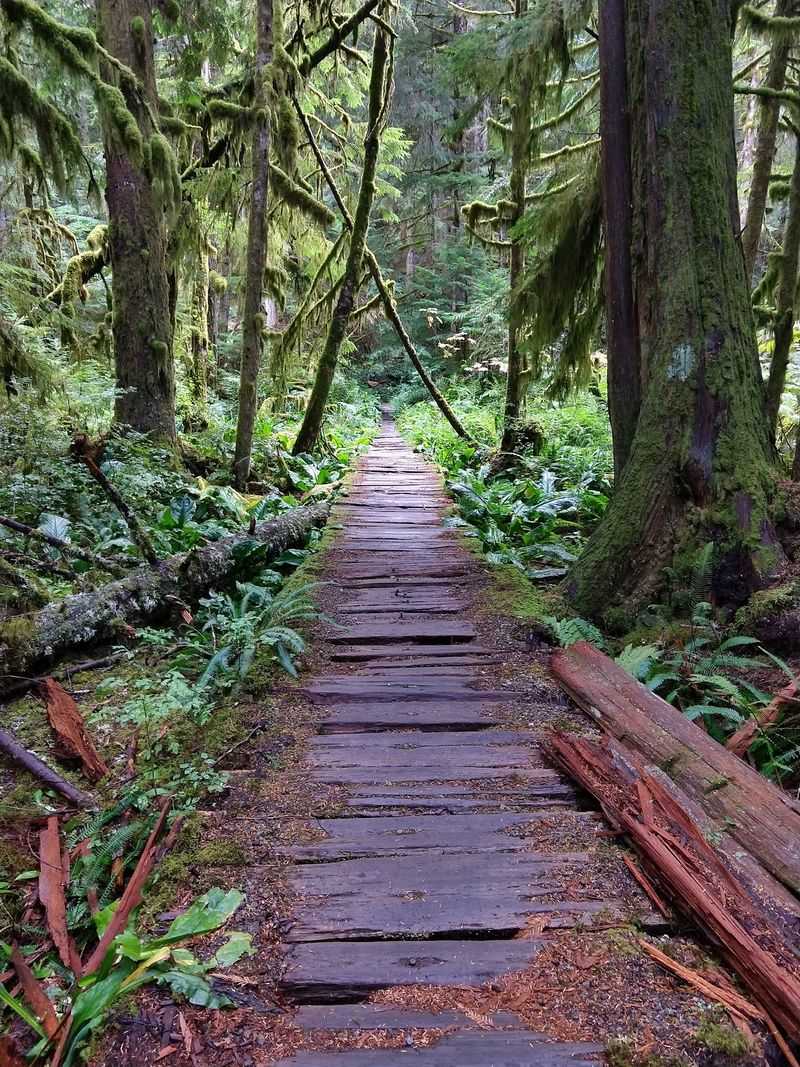
Most rainforests in Washington cluster along the coast, soaking up ocean weather, which makes this one a genuine oddity. The Carbon River valley catches enough moisture to grow a full temperate rainforest tucked well inland, and that rarity is a big part of its charm.
Step onto the path and the air changes. Everything drips with green, from moss blanketing the trunks to ferns crowding the forest floor.
Visitors often compare the feeling to walking into a dream, where every corner looks like a screensaver come to life.
Because it forms in an unusual pocket of the mountains, this kind of woodland is uncommon to find so close to a major city. That combination of scientific curiosity and easy access gives the trail a quiet bragging right.
You could spend the whole loop just noticing textures, the way light filters through layers of leaves and settles softly on the ground. It is the sort of scenery that makes people slow down, breathe deep, and forget the busy world they left behind at the trailhead.
Giants of the Old-Growth Grove
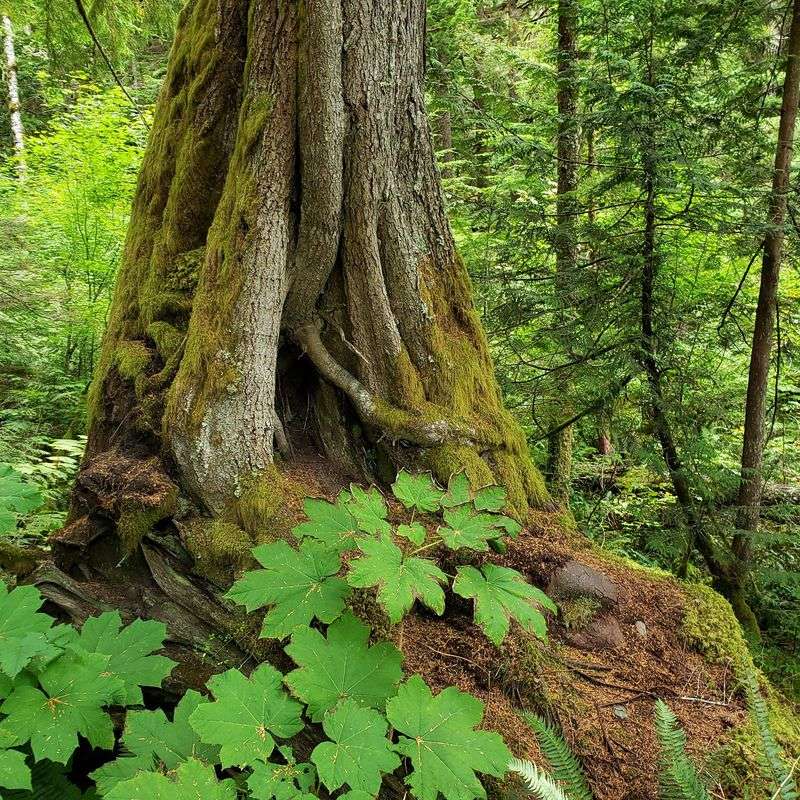
Some trees here have been standing longer than any town in the state, and you feel that history the moment you crane your neck upward. The old-growth grove along the Carbon River is packed with massive western red cedars, the kind of ancient giants that make a grown adult feel wonderfully small.
Big trees are one of the features people mention most, and it is easy to understand why. Their trunks spread wide, their bark ripples with age, and the canopy overhead knits together into a leafy ceiling that softens every sound below.
Folks who have hiked in Montana sometimes liken the scene to the famous Trail of the Cedars, a nod to just how grand these forest elders really are. Fresh green shoots grow alongside the veterans, a nice reminder that the woodland keeps renewing itself.
Bring your camera, though photos rarely capture the true scale. Standing beneath one of these towering cedars, listening to the river and the wind, tends to be the moment visitors point to when they explain why the place stayed with them.
Following the Glacier-Fed Carbon River
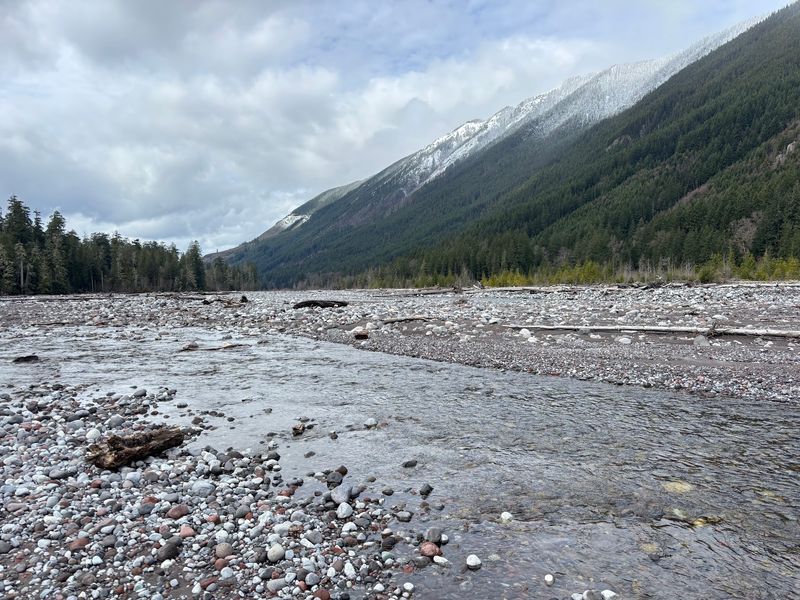
A steady rush of water follows you almost the entire way, and that river gives the trail its heartbeat. The Carbon River is glacier-fed, spilling down from the high country with that pale, cloudy color that meltwater carries.
Walking beside it, you get endless little spots to pause and explore. The riverbanks invite rock hounding, and families often let kids poke around the stones while the current murmurs alongside.
It is a simple pleasure that keeps young explorers happily busy.
The water shapes the whole valley, carving the basin and feeding the greenery that makes the place so lush. On quieter stretches past the first mile, the trail feels almost private, with just the sound of moving water for company.
Photographers love how the river reflects the surrounding trees and, on clear days, the mountains beyond. Whether you settle on a boulder to eat a snack or simply stand and watch it flow, the Carbon River turns a short walk into something calming and unhurried, the kind of scene you will want to linger over.
The Charmingly Weathered Boardwalk
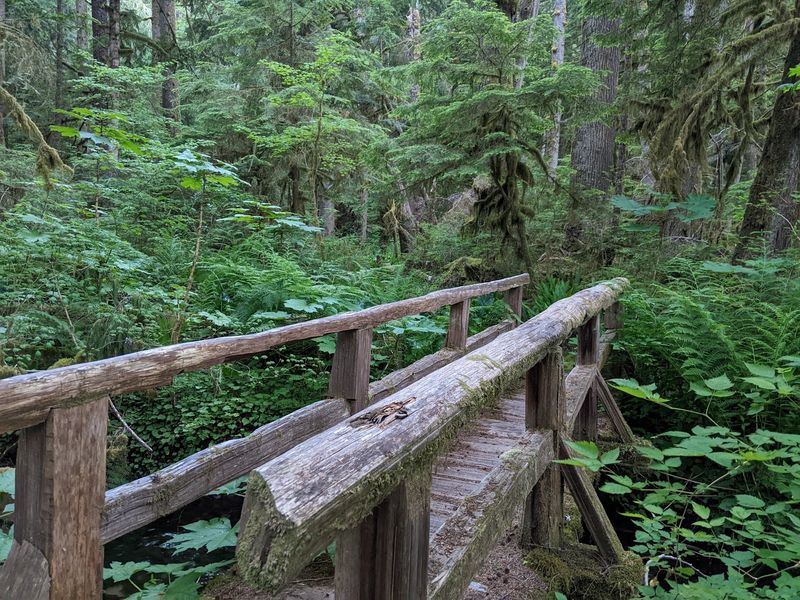
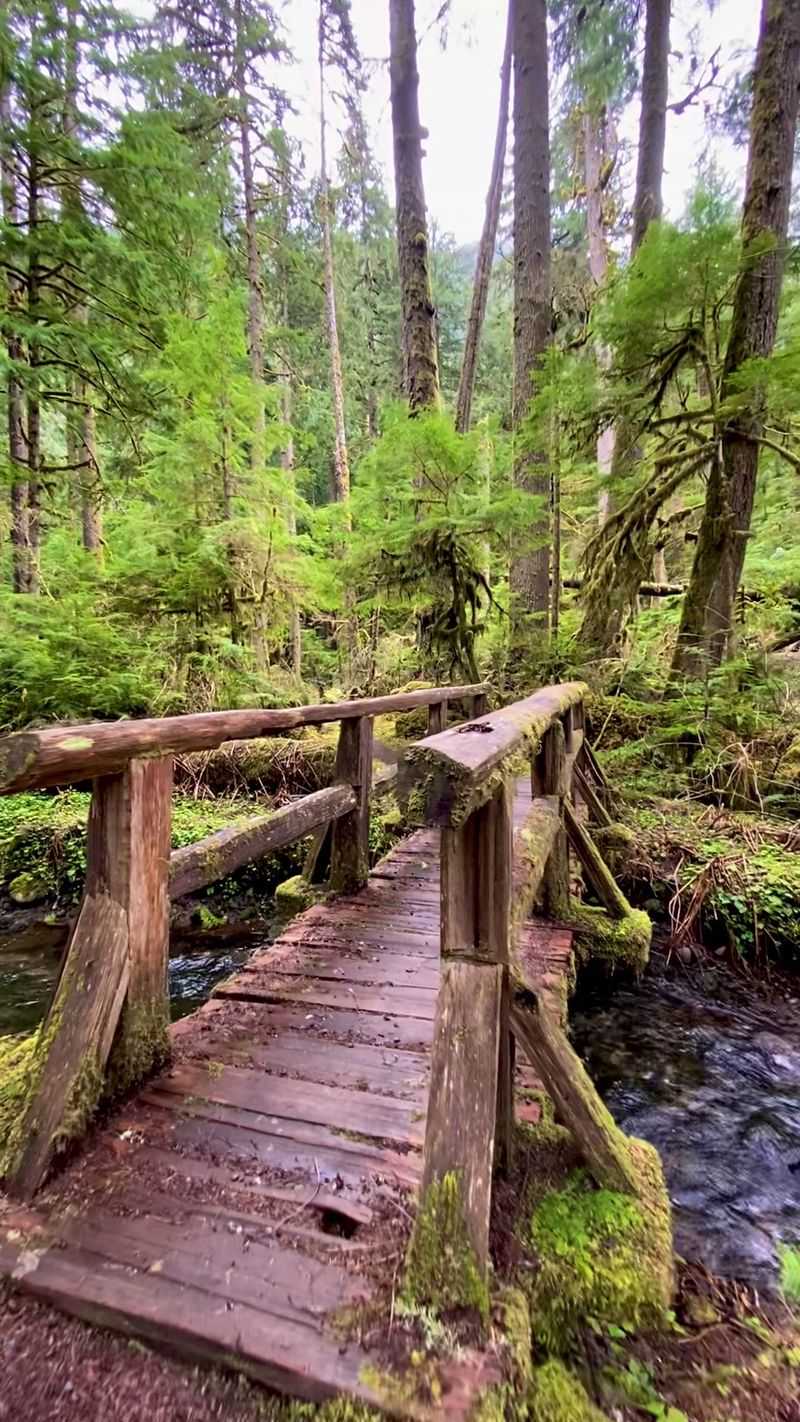
Part of the fun here is a wooden boardwalk that has clearly lived through a few seasons. Beaten up and a little uneven in spots, it winds through the wettest patches of forest, keeping your shoes mostly out of the mud.
Rather than feeling like a flaw, the worn planks add character. Many hikers say the rough edges only deepen the storybook mood, as if the forest is slowly reclaiming its own little walkway.
A heads-up worth knowing: some wood slats can be loose or missing, so watch your footing as you go. Parts of the full loop have taken damage over time, and you may not always be able to circle all the way around without stepping near the water.
Even so, the boardwalk delivers a gentle, flat surface for most of its length, which is a gift for anyone hiking with kids or preferring an easygoing pace. Take it slow, keep an eye on the planks, and let the mossy handrails and dripping branches remind you that you are somewhere genuinely unusual.
Quiet Enough for Real Reflection
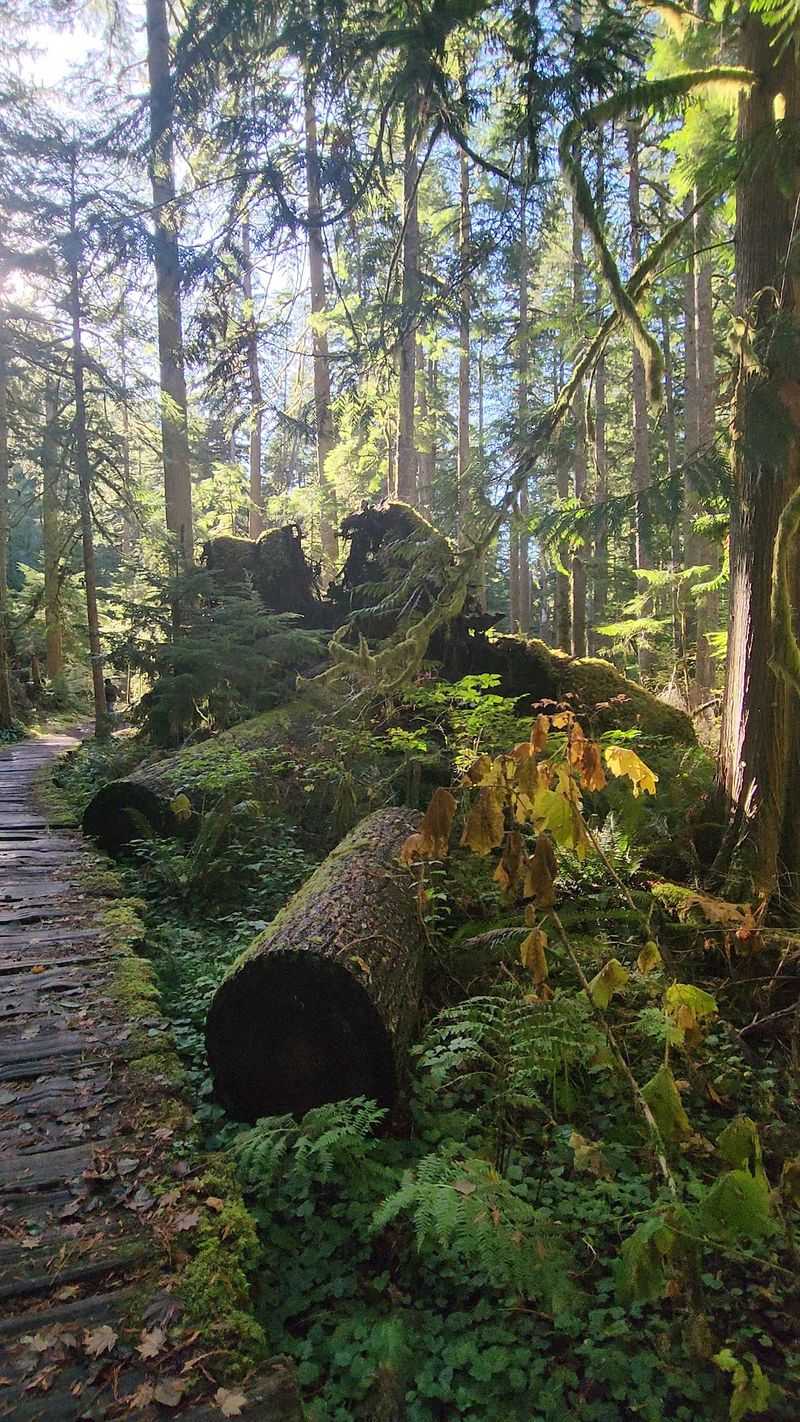
Escape the crowds and you will understand why people keep returning to this pocket of Mount Rainier. Compared to the busier corners of the park, the Carbon River area stays refreshingly hushed, especially once you push past the opening stretch.
A peaceful atmosphere comes up again and again from those who visit. The mix of soft trails, muffled forest sounds, and the gentle river creates a setting made for slowing your thoughts and simply being present.
Solo walkers describe it as good for reflection, a place where the mind quiets almost on its own. That said, the trail’s popularity means you rarely feel entirely alone, which offers a comforting balance for anyone hiking without company.
Wildlife adds to the sense of wilderness, with deer occasionally spotted among the trees. Because other hikers are usually around, the setting feels both wild and reassuring at once.
If your idea of a good day includes fresh air, birdsong, and a little breathing room from everyday noise, this stretch of forest tends to deliver exactly that kind of gentle reset.
An Easy Loop the Whole Family Can Handle
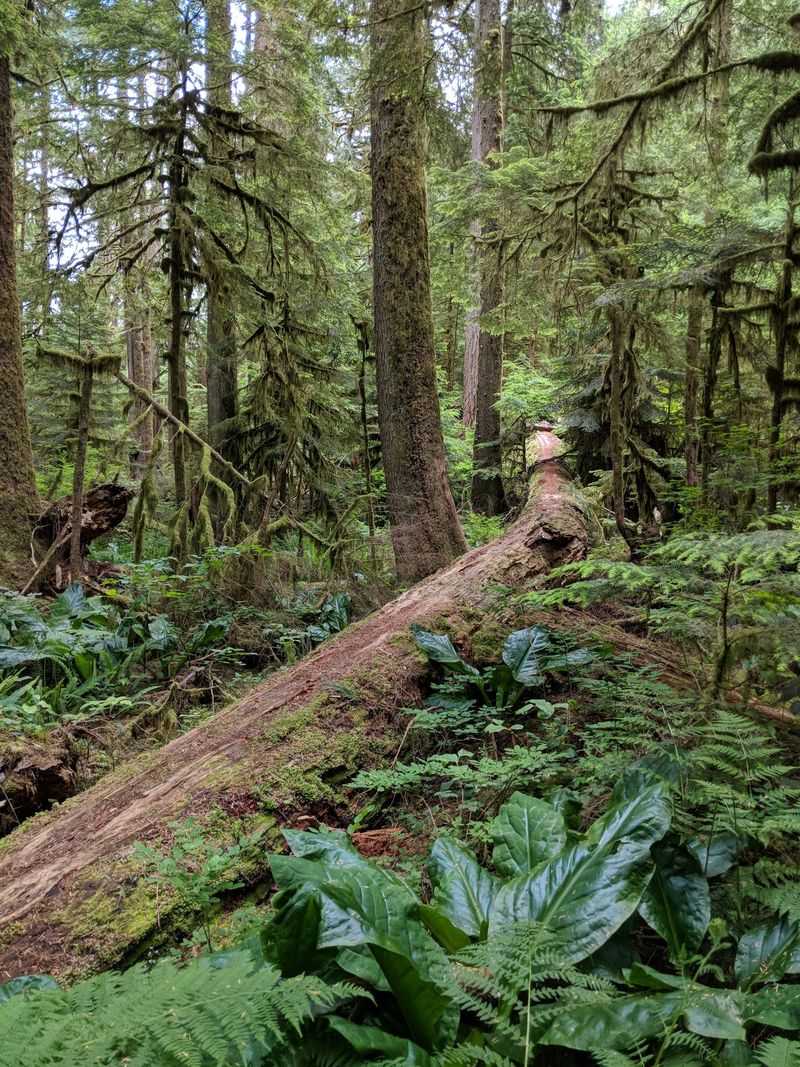
Short, flat, and forgiving, the main rainforest loop was practically built for little legs and relaxed weekends. At just 0.3 miles, it asks very little while giving back plenty, which is a rare and welcome trade.
Parents appreciate how manageable it is. Kids can wander, hunt for interesting rocks, and marvel at the huge trees without wearing themselves out before the walk is done.
More than one family has called the experience simply magical.
Those craving a bigger challenge can venture onto nearby offshoot trails, some of which climb toward waterfalls and lakes farther in. A few of these paths involve steps and steeper stretches, so they suit hikers looking to stretch the day.
The beauty of the setup is choice. You can keep things gentle with the flat circuit or add on as much distance and effort as your group wants.
Either way, the scenery stays generous.
For grandparents, toddlers, and everyone between, this is the kind of outing where nobody feels left out and everybody heads home with something to talk about.
A Bike-Friendly Path Beyond the Loop
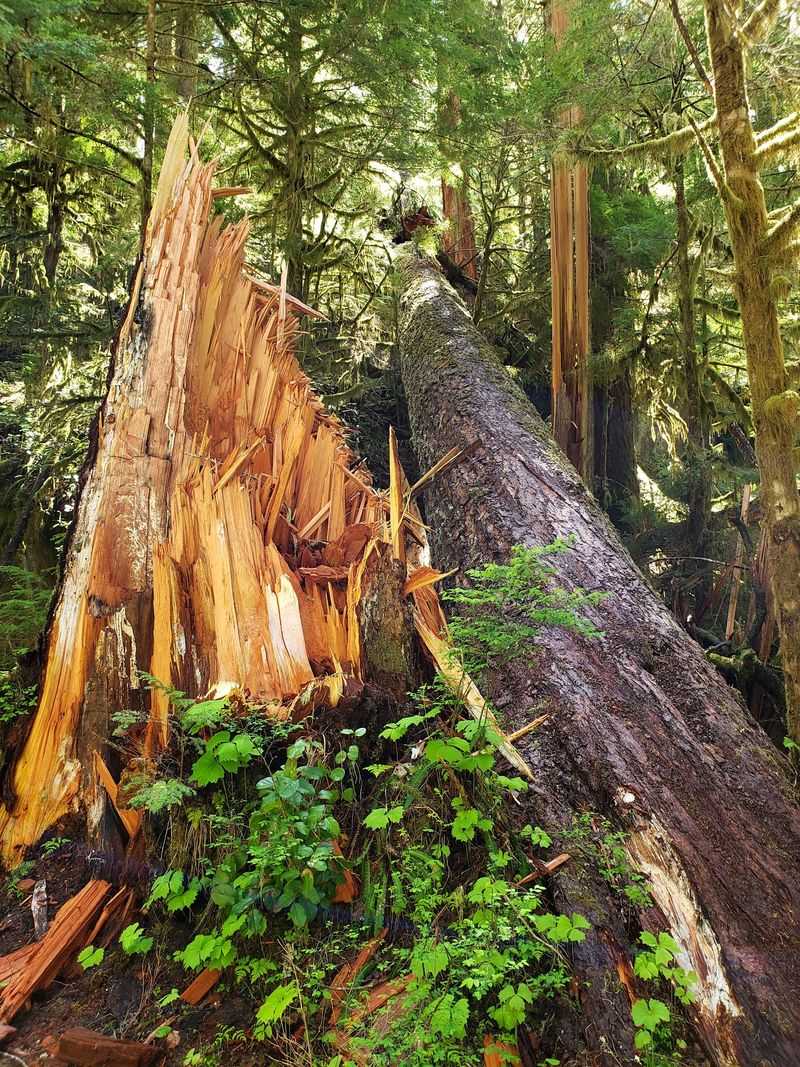
Beyond the short walking loop, the old road pushes deeper into the valley, and that stretch is a favorite among cyclists. Bikes are a common sight here, rolling along the wide, mostly level route that trades cars for quiet.
Riders can follow the path for several miles, passing through more of that lush old-growth scenery before conditions eventually turn them around. Landslides and washouts have blocked sections in the past, so the full distance changes with the seasons.
The payoff is real, though. Pedaling under towering trees with the river close by makes for a memorable ride, and the flat grade keeps it approachable for casual cyclists rather than only hardcore athletes.
Wildlife sightings sweeten the trip, with deer occasionally crossing the way. Because many people are usually out on the route, the setting feels safe even when you venture farther in.
If you enjoy covering more ground than a tiny loop allows, bringing a bike unlocks a whole extra layer of this place. It is a smart way to see the deeper forest without a punishing hike.
Hidden Waterfalls Within Reach
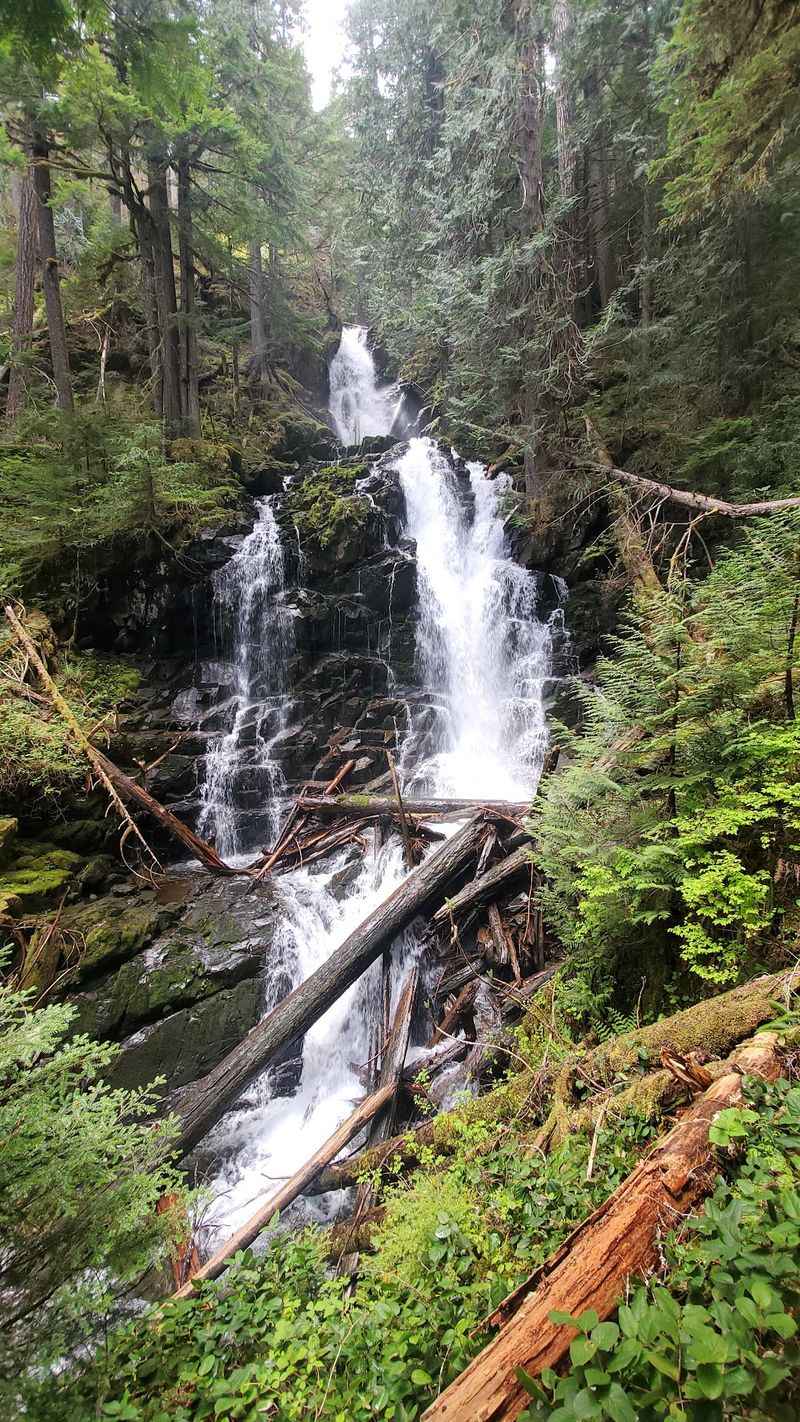
Venture a bit farther and the forest hides a reward worth the effort: waterfalls. A few miles along the road-turned-trail, the Green Lake path branches off and climbs toward Ranger Falls, tumbling down about a mile up the slope.
The route there is livelier, full of steps that trace along the mountainside. It is more of a workout than the flat loop, but hikers who make the climb describe the falls as a standout highlight of the whole area.
Push past Ranger Falls and the adventure keeps unfolding. A single-log bridge crosses a flowing stream, then a short descent drops you into a basin where the river sits ringed by mountains on nearly every side.
That combination of moving water, dramatic scenery, and a rustic bridge crossing gives the deeper trails a real sense of discovery. Bring proper footwear and a little energy, since the terrain earns its views.
For anyone who likes a destination at the end of a walk, chasing these falls turns a pleasant forest stroll into a genuine mini expedition tucked inside Mount Rainier’s quiet corner.
Getting There, Hours, and What to Expect
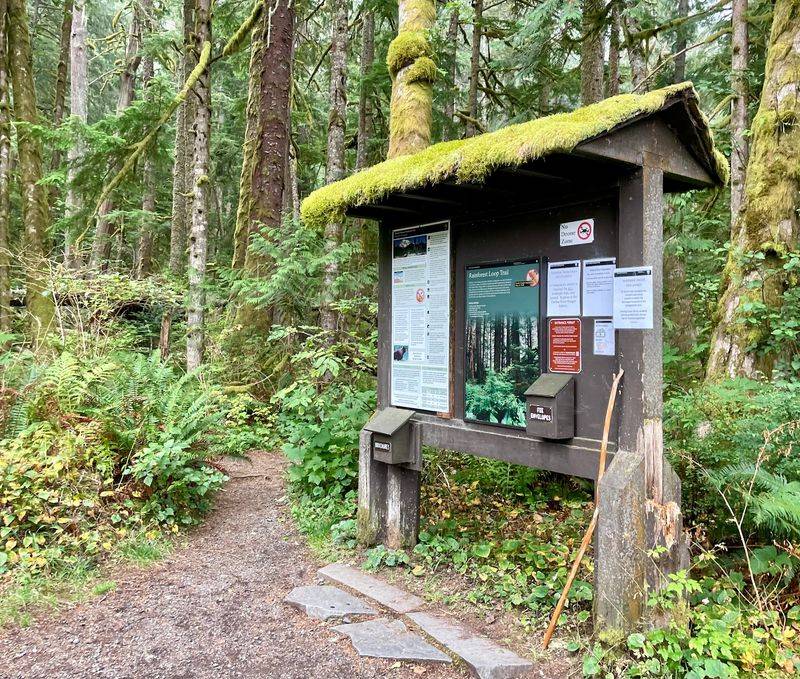
Planning a trip here is refreshingly simple. The trail sits near Carbonado, Washington, at the northwest edge of Mount Rainier National Park, and it stays open around the clock every day of the week.
Parking is usually easy to find, with plenty of room at the trailhead even on weekend afternoons outside of peak summer. Vault toilets are available near the entrance, and visitors note they tend to be reasonably clean and sometimes open even in the colder months.
A few practical notes help. Weather can turn wet and muddy, which comes with the rainforest territory, so waterproof shoes are a smart call.
Winter brings cold air and sometimes fresh powder, though that season also offers a peaceful, close alternative when higher park roads close.
Standard national park entry rules apply, so check current requirements before you go. Dispersed camping exists near the park entrance along the riverfront for those wanting to linger overnight.
With no ticket booth, no set closing time, and low overall cost, this outing fits neatly into a budget-friendly weekend for families or retirees alike.
Why This Little Trail Sticks With You
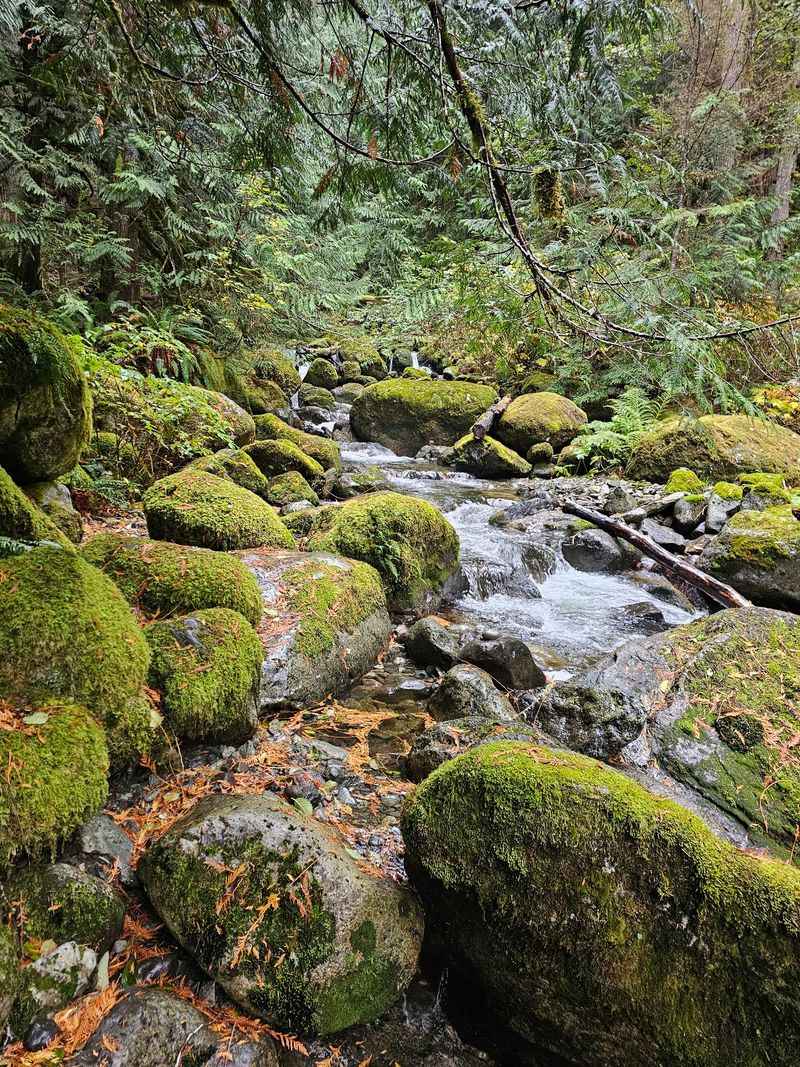
Long after your shoes dry out, the memory of this emerald forest tends to hang around. There is something about walking among giant cedars, beside a glacier river, on a path so easy that anyone can join, that leaves a lasting impression.
Part of the appeal is how little it demands. You do not need special skills, expensive gear, or a full day of driving to feel like you have stepped into a storybook, and that accessibility is a gift for Washington families and day-trippers.
Visitors often describe the sense of hitting gold, especially when they arrive expecting an ordinary walk and leave feeling genuinely moved by the scenery. The mix of quiet, greenery, and gentle river sound simply works.
Would-be flaws, like the weathered boardwalk or an incomplete loop, somehow add to the charm rather than subtract from it. The forest feels alive and ever-changing.
Pack a snack, bring the kids or your camera, and set aside a morning. This short trail near Carbonado proves that the most magical Washington escapes are sometimes the closest and cheapest ones.