
This Small Texas Town Built A Whole Food Identity Around Pecans
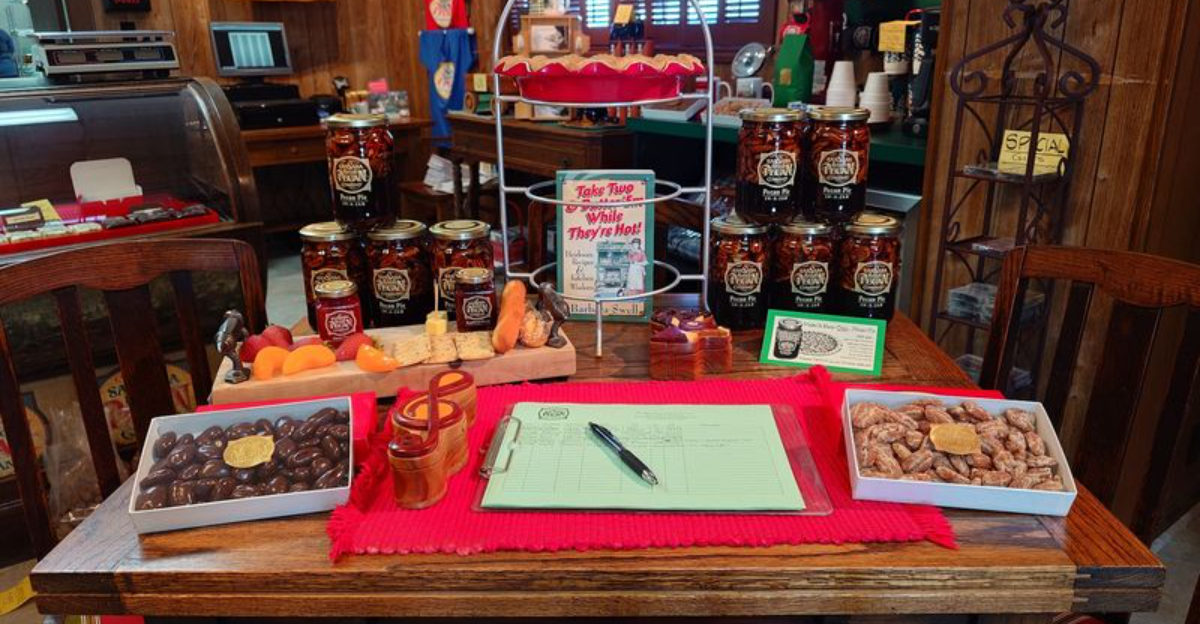
In this Texas town, pecans aren’t having a moment. They’ve been running the show for generations.
The trees line the roads, orchards stretch along the rivers, local shops turn the humble nut into candies, pies, coffee, and all kinds of edible souvenirs, and families have built businesses around it for generations.
It all traces back to a remarkable pecan tree and one determined horticulturist who saw far more potential in the local harvest than most people did. His work helped transform pecans into an industry, and gave this little Hill Country town a delicious claim to fame.
Today, the pecan story is everywhere.
You can taste it, shop it, and even bring a bag home.
For a town this small, that’s one seriously big personality, and it happens to come in a shell.
The Mother Tree That Started It All
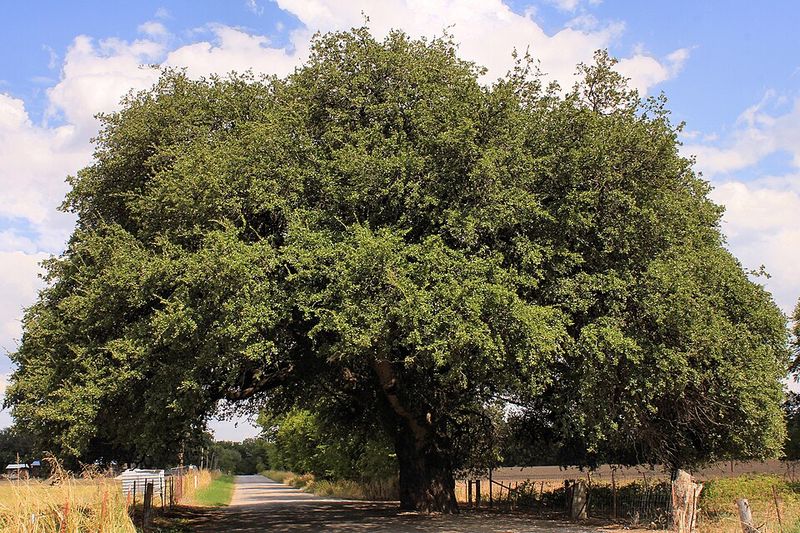
Some stories start with a single spark, and in San Saba, that spark was a tree. Back in the late 1800s, a passionate horticulturist named Edmund Risien discovered a wild pecan tree on his homestead along the San Saba River.
That tree, now famously known as the Mother Tree, became the genetic blueprint for some of the most celebrated pecan varieties in the entire country.
Risien spent years experimenting with grafting and cross-pollination techniques. His dedication gave the world the papershell pecan, a thin-shelled variety so easy to crack that it completely changed the pecan industry forever.
Varieties like San Saba Improved, Western Schley, and Onliwon all trace their roots back to his tireless work.
The Mother Tree is estimated to be over two centuries old and still stands today. Visiting it feels oddly moving, like meeting the great-great-grandparent of every pecan pie you have ever loved.
Risien is widely celebrated as the father of the pecan industry, and his legacy is woven into every corner of this town. One tree, one vision, and a whole lot of buttery goodness followed.
Family Operations That Kept The Legacy Growing
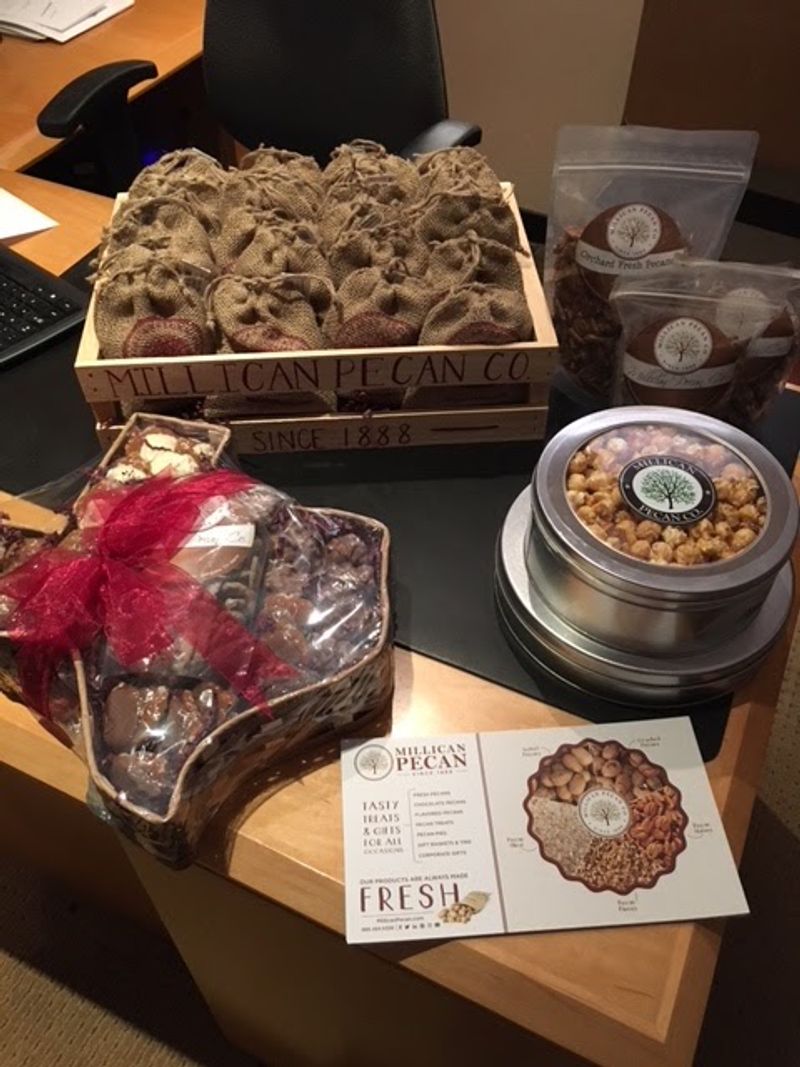
Generational businesses have a certain magic to them, and San Saba has several that are downright legendary.
The Millican Pecan Company proudly traces its heritage directly back to Edmund Risien himself. They have faithfully maintained the original orchards along the San Saba and Colorado Rivers, keeping that direct connection to the Mother Tree very much alive.
Bagley Pecans, established in 1918, grew into one of the largest pecan operations in the region. They handle everything from harvesting to processing and distribution, making sure fresh San Saba pecans reach tables far beyond Texas.
The Oliver Pecan Company and The Great San Saba River Pecan Company round out a remarkable roster of businesses that have turned this small town into a powerhouse.
What makes these operations special is not just their size but their commitment to quality over shortcuts. Each family enterprise contributes to a complete orchard-to-shelf ecosystem that keeps the product fresh, traceable, and deeply personal.
Buying pecans here feels less like a transaction and more like receiving something handmade with genuine care. That kind of authenticity is increasingly rare, and San Saba protects it fiercely.
Pecan Shops Worth Every Single Stop
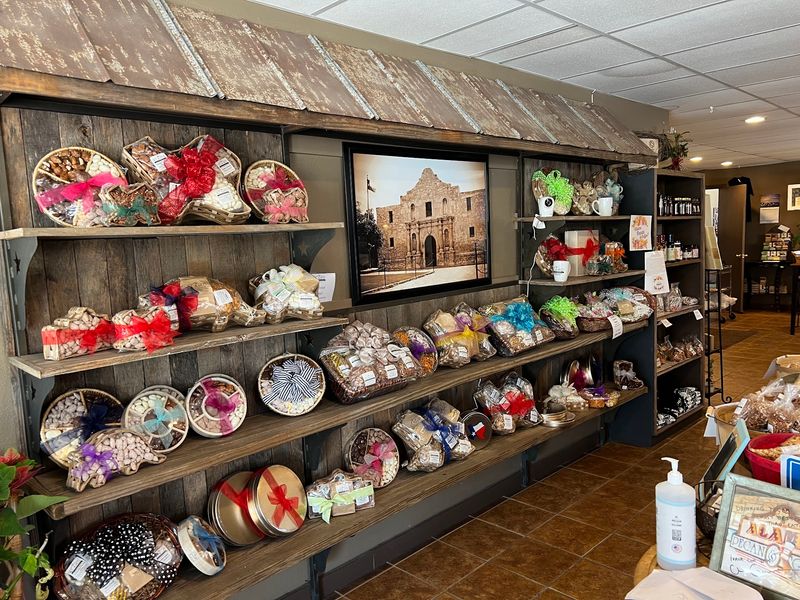
Walking into a San Saba pecan shop is basically a sensory ambush in the best possible way. The smell hits you first, warm, buttery, and faintly sweet, like someone left a pecan pie on the counter just for you.
Every shelf is stacked with something worth taking home, and narrowing it down is genuinely the hardest part of the visit.
Alamo Pecan and Coffee Co. is a must-stop destination. They carry everything from raw and flavored pecans to pecan-infused coffee that will completely ruin regular coffee for you.
The Great San Saba River Pecan Company greets visitors with complimentary samples and a country store atmosphere that feels like stepping back in time, in the best way possible.
Bagley Pecans has perfectly chopped pecan pieces ready for baking, plus chocolate-covered pecans that disappear embarrassingly fast.
Oliver and Company Deli rounds out the experience with hearty sandwiches, soups, and a full coffee bar attached to a gourmet shop. Between all these stops, you will leave San Saba with a car full of pecan products and zero regrets about any of it.
Pick-Your-Own Pecan Adventures In The Orchard
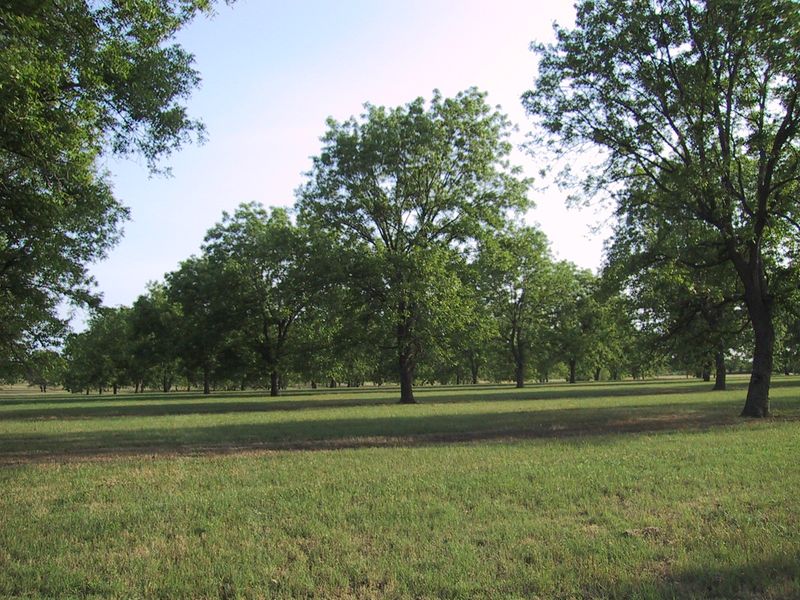
There is something deeply satisfying about gathering your own food straight from the source. During pecan season, which runs roughly from November through January, San Saba opens its orchards to visitors who want a hands-on harvest experience.
It is one of those activities that sounds simple but somehow becomes a highlight of the whole trip.
The Great San Saba River Pecan Company invites guests to their orchard for a pick-your-own adventure. They provide buckets and long rods for traditional thrashing, which involves gently coaxing pecans from the branches above.
Watching green outer shells split open to reveal the nut inside is oddly fascinating, and doing it yourself makes the whole thing feel earned.
Strolling through rows of towering pecan trees, with the cool Texas air and the crunch of leaves underfoot, creates a connection to food that a grocery store simply cannot replicate. You learn quickly that pecans do not just appear in tins by magic.
They grow slowly, patiently, and with a lot of care. Taking a bucket home feels like carrying a little piece of San Saba with you, and honestly, that is exactly what it is.
Festivals That Go Completely Nuts Every Year
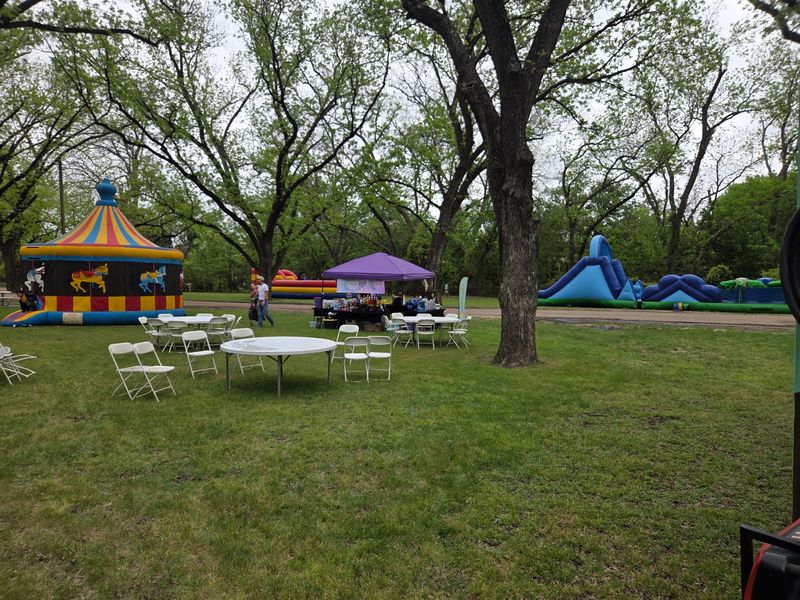
San Saba knows how to throw a proper celebration, and the town does not hold back when pecans are involved.
The Pecan Bottom Festival kicks off every first Saturday in April at Risien Park. Live music fills the air, local vendors set up booths packed with crafts and pecan treats, and the whole community gathers with the kind of enthusiasm usually reserved for major sporting events.
Then autumn arrives and brings the Pecan Jam Festival along with it. This fall gathering celebrates the town’s agricultural heritage with equal energy and just as many delicious things to eat.
Both events are brilliant entry points for first-time visitors who want to understand what San Saba is really about beyond the shops and orchards.
Festivals like these do something important for a small town. They turn shared pride into shared experience, and they give outsiders a reason to show up and stay awhile.
The community traditions surrounding pecan season, including events like the annual Catkins Ball, reflect a social rhythm deeply tied to the land. San Saba does not just grow pecans.
It celebrates them with the kind of joyful commitment that makes you want to come back every single year.
Pecan-Lined Landscapes That Take Your Breath Away
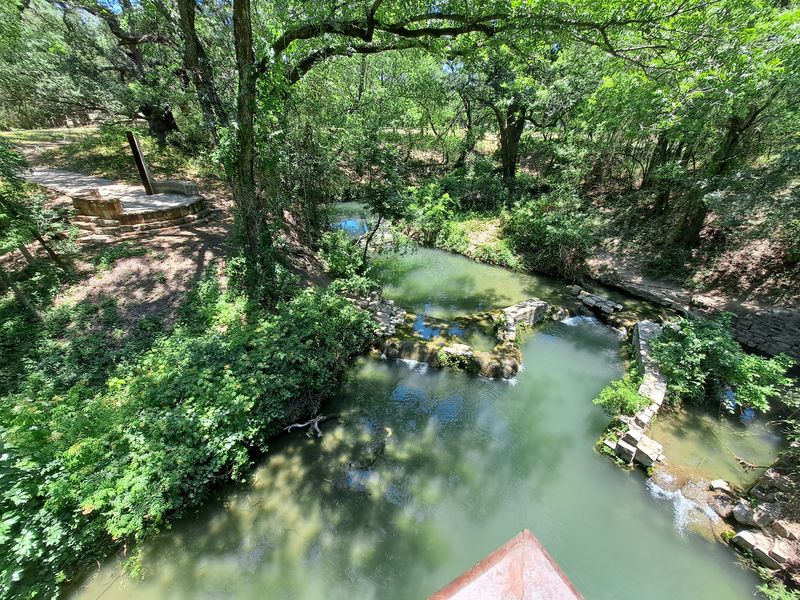
Beyond the shops and festivals, San Saba holds some genuinely stunning natural scenery, and pecan trees are the undeniable stars of the show.
Positioned on the northern edge of the Edwards Plateau, the town sits where fertile river valleys meet rolling Texas Hill Country terrain. The San Saba and Colorado Rivers wind through land that is heavily wooded with native pecan groves, and the views are quietly spectacular.
Mill Pond Park offers a peaceful retreat shaded by towering pecan trees, perfect for an afternoon of doing absolutely nothing productive.
The San Saba River Nature Park features walking trails that wind through diverse ecosystems and native pecan groves that feel almost primordial. Even the San Saba River Golf Course is something of a natural wonder, with 2,600 pecan trees lining its fairways in a way that makes bogeys feel considerably less tragic.
Risien Park invites leisurely walks through magnificent groves that connect directly to the town’s founding pecan story.
Everywhere you look, the pecan tree shapes the landscape with quiet authority. San Saba is not just a place that grows pecans.
It is a place where pecans define the entire visual personality of the land itself.
Pecan Innovation That Goes Way Beyond The Pie
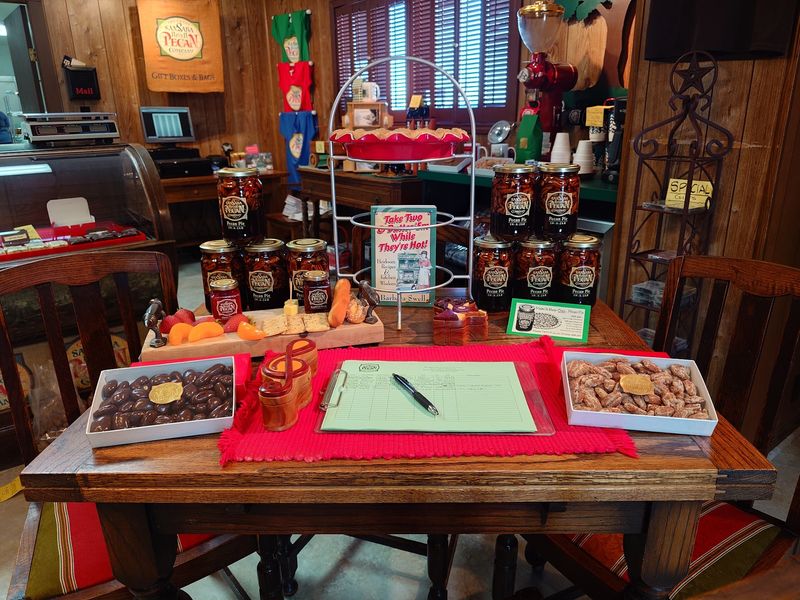
Let the record show that San Saba has absolutely no intention of letting pecans stay boring. This town has turned one nut into an entire product universe, and the creativity on display is genuinely impressive.
Pecan coffee alone is enough to make you reconsider every morning routine you have ever had.
The Great San Saba River Pecan Company is particularly decorated in the innovation department. Their traditional pecan pie has taken home blue ribbons for best dessert, and their peach pecan and amaretto-style preserves have earned international gold trophies.
That is not small-town bragging. That is a real, verified level of excellence that holds up on the world stage.
Bagley Pecans caters to home bakers with chopped pecan pieces in various sizes, making it easy to add that signature crunch to any recipe.
San Saba Pecan offers bulk options in roasted, buttered, salted, and candied forms, covering every possible craving.
The papershell pecan itself was a revolutionary invention that made all this creativity possible by putting pecans within easy reach of everyone. San Saba did not just grow a crop.
It built an entire culinary ecosystem around one perfectly crackable nut.
Pecans As The Economic And Cultural Heartbeat Of San Saba
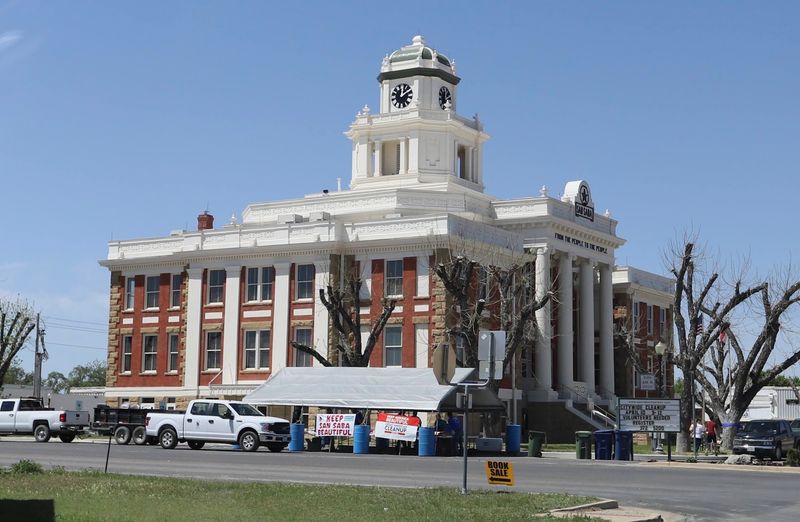
A town’s identity is rarely built overnight, and San Saba’s relationship with pecans has been deepening for well over a century.
By 1919, the town was already producing 3.5 million pounds of pecans annually. Today, annual production is estimated between 2 and 5 million pounds, making San Saba a genuine force in both domestic and international pecan markets.
The industry supports jobs across every stage of production, from tending the orchards through the long growing season to operating the shelling plants that prepare pecans for shipment. Tourism has grown steadily alongside the industry, with visitors traveling specifically to experience the Pecan Capital of the World title that San Saba wears with such obvious pride.
That combination of agriculture and tourism creates a resilient local economy that punches well above its weight.
Pecans are native to the southern United States, and Texas holds more native trees than any other state. Indigenous nations once relied on wild pecans as a vital food source long before any town existed here.
San Saba simply took that deep-rooted legacy and built something extraordinary on top of it.
Is there any better reason to visit than to taste a place that has found its true calling and never looked back?