
This Arizona Observatory Brings Planets And Distant Nebulae Close Enough To Feel
Saturn’s rings, spotted through a 32-inch telescope, look sharp enough to reach out and touch. That kind of view waits at the top of a mountain in southern Arizona, where a research observatory opens its domes to regular folks after sunset.
The drive alone climbs through cactus fields into pine forest and cool mountain air, and by nightfall you are gazing at galaxies millions of miles away. It is one of those wonderful surprises that feels both scientific and downright magical.
A Research Observatory Perched at 9,000 Feet
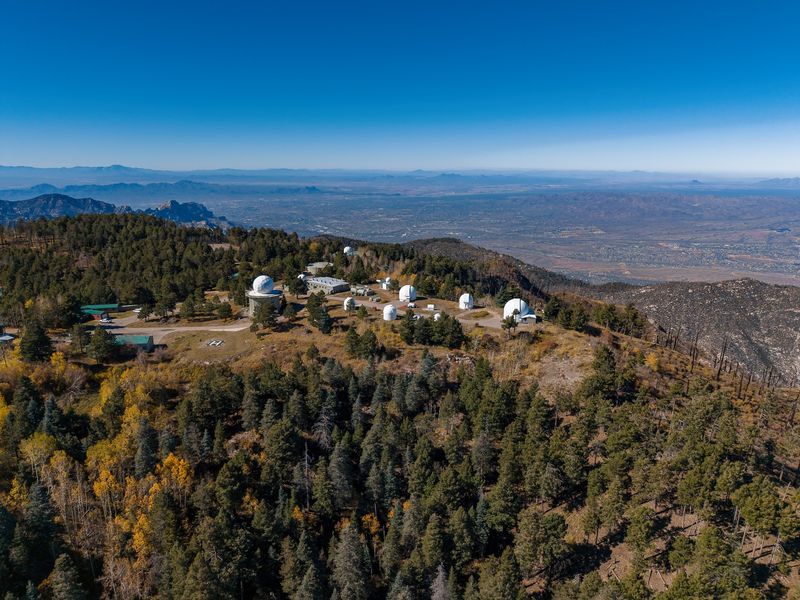
High above Tucson, at the address 9800 E Ski Run Rd, sits a working observatory that welcomes ordinary visitors into a world usually reserved for scientists. Mt.
Lemmon SkyCenter Observatory perches near 9,100 feet, making it one of the loftiest public stargazing spots in the state.
Run as part of a university program, the center pairs serious research-grade equipment with programs built for curious families and first-timers. You do not need to know a single constellation to walk away amazed.
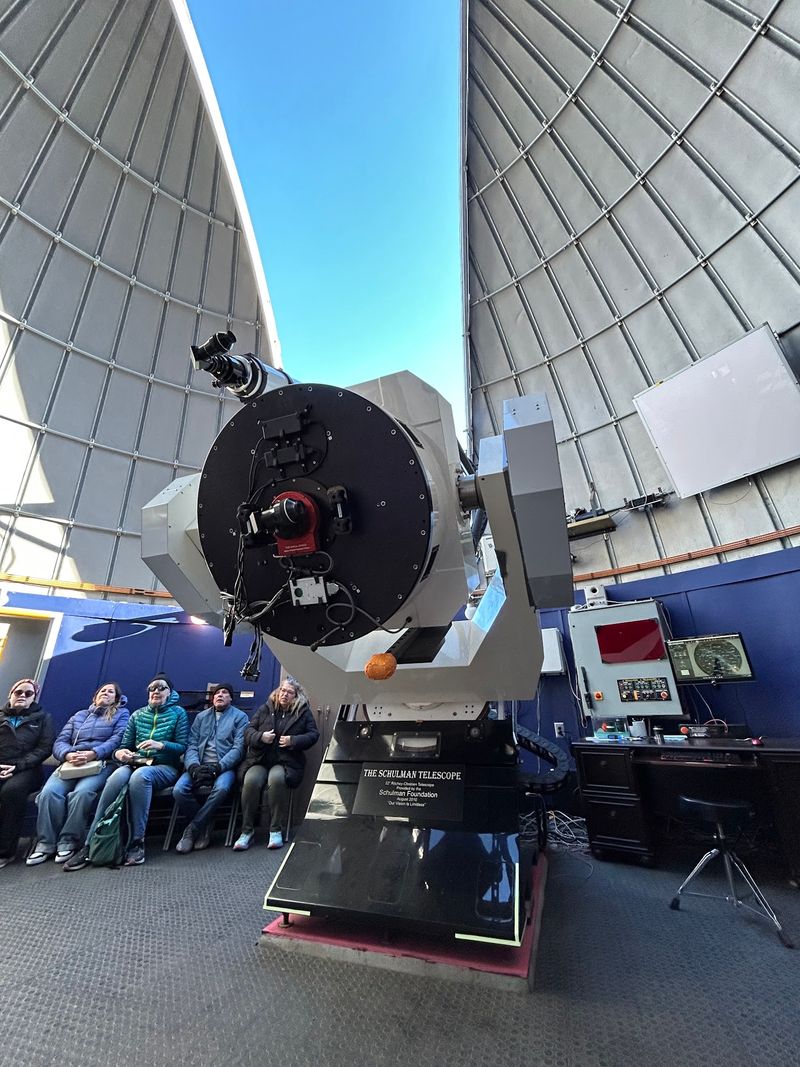
The star attraction is a 32-inch Schulman telescope, described by regulars as the largest instrument available to the general public for viewing. Through it, planets, nebulae, and distant galaxies snap into focus with startling clarity.
What sets the place apart is the blend of education and wonder. Guides walk you through what you are seeing, why it matters, and how far the light traveled to reach your eye.
With a stellar reputation earned across hundreds of visits, this mountaintop gem has become a bucket-list evening for anyone chasing the night sky in southern Arizona.
The Drive Up Through Four Seasons in One Hour
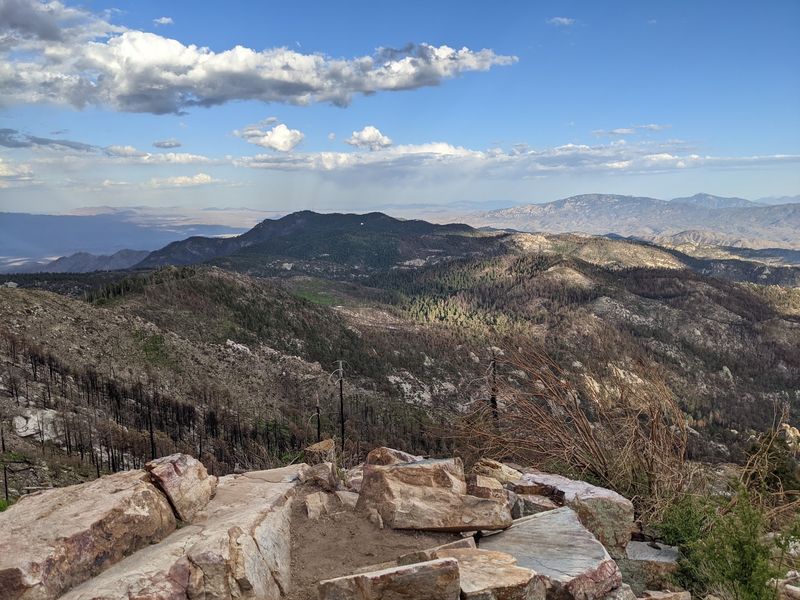
Half the adventure happens before you ever reach a telescope. Climbing the Catalina Highway from the desert floor takes roughly 30 to 45 minutes, and the landscape transforms so completely it feels like traveling across the country.
At the bottom, thousands of saguaro cacti stand tall in classic Arizona fashion. Keep climbing and the scenery shifts to scrub brush, grasses, and unusual plants found nowhere else on the mountain.
Reach the top third and you enter a different world entirely, with fir trees, cool air, and sometimes snow blanketing the ground. Visitors often compare the summit to a quieter, friendlier northwest ski town.
Smart travelers give themselves extra time to pull over at the smaller lookout spots along the way. The changing eco-zones and sweeping valley views make for unforgettable photo stops.
There is even an app with an audio tour for the drive up, adding narration to the climb. Regulars call the journey a beautiful bonus, a memorable ascent that sets the mood long before the stars appear.
SkyNights, the Five-Hour Signature Experience
The headline program here is called SkyNights, a pre-booked evening that stretches across roughly five hours from late afternoon into the night. It sounds long, but guests routinely say the time simply flew by.
A typical run starts around 5:15 and wraps near 10:15, packing in a daytime tour of the domes, an indoor presentation about the telescopes, and a light dinner before the sky darkens.
After a warm-up talk in a heated building, everyone heads out to catch the sunset from over 9,000 feet. Then the real magic begins under the stars.
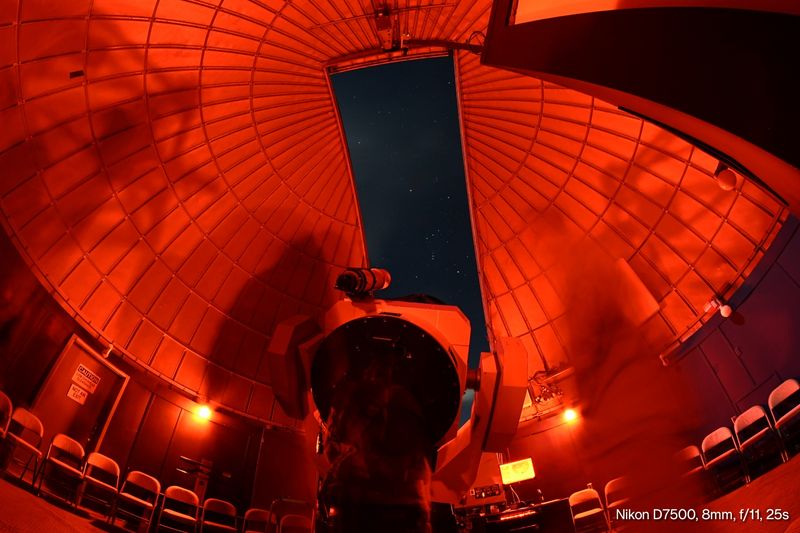
Inside the dome, the group makes six or so stops through the night sky, moving from planets to galaxies with detailed explanations at every target. What appears depends on the weather, so no two nights match.
Novices and seasoned astronomy buffs alike come away thrilled. As one common sentiment goes, if you have even a spark of interest, five hours will feel like not nearly enough time under that brilliant sky.
The 32-Inch Schulman Telescope and What You’ll See
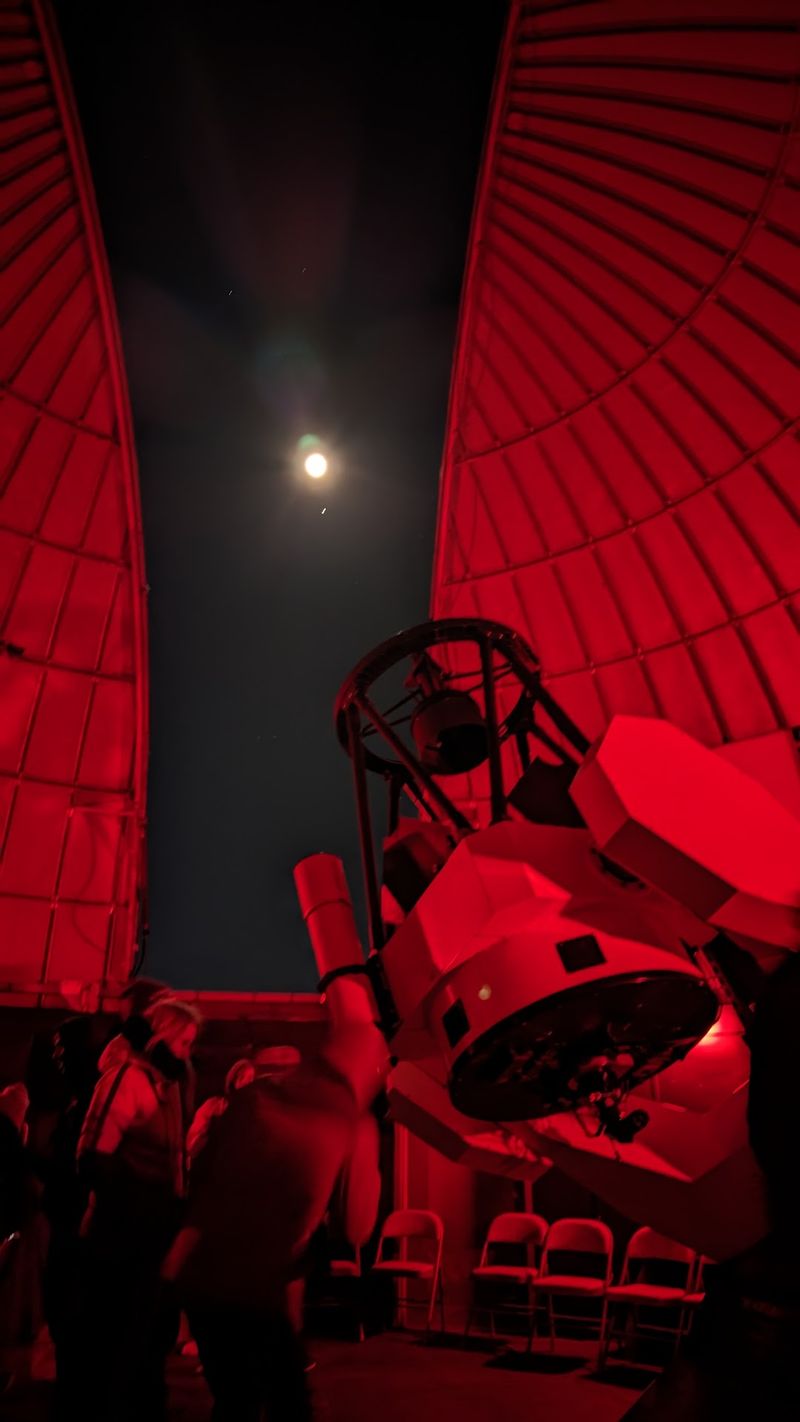
Peering through the Schulman telescope, a 32-inch Ritchey-Chretien reflector, is the moment most guests remember for years. Regulars describe the view as something that simply cannot be compared to anything else.
On clear nights the lineup can be dazzling. Visitors have marveled at Saturn’s rings, Jupiter complete with its Great Red Spot, Neptune, and the craters of the Moon rendered in crisp detail.
Deep-sky objects steal the show too. Groups have spotted the Andromeda galaxy, the Double Cluster, the Seven Sisters, star clusters, and a glowing nebula near Orion’s Belt.
Because the sky changes constantly, each visit brings its own surprises. Some lucky travelers have even watched the International Space Station glide overhead, caught dozens of satellites, or witnessed a rocket launch with their own eyes.
The guides help you understand not just what you are looking at, but the class of object and why it glows the way it does. It turns simple stargazing into a genuine window on the universe, close enough to feel personal.
Guides Who Turn Science Into Storytelling
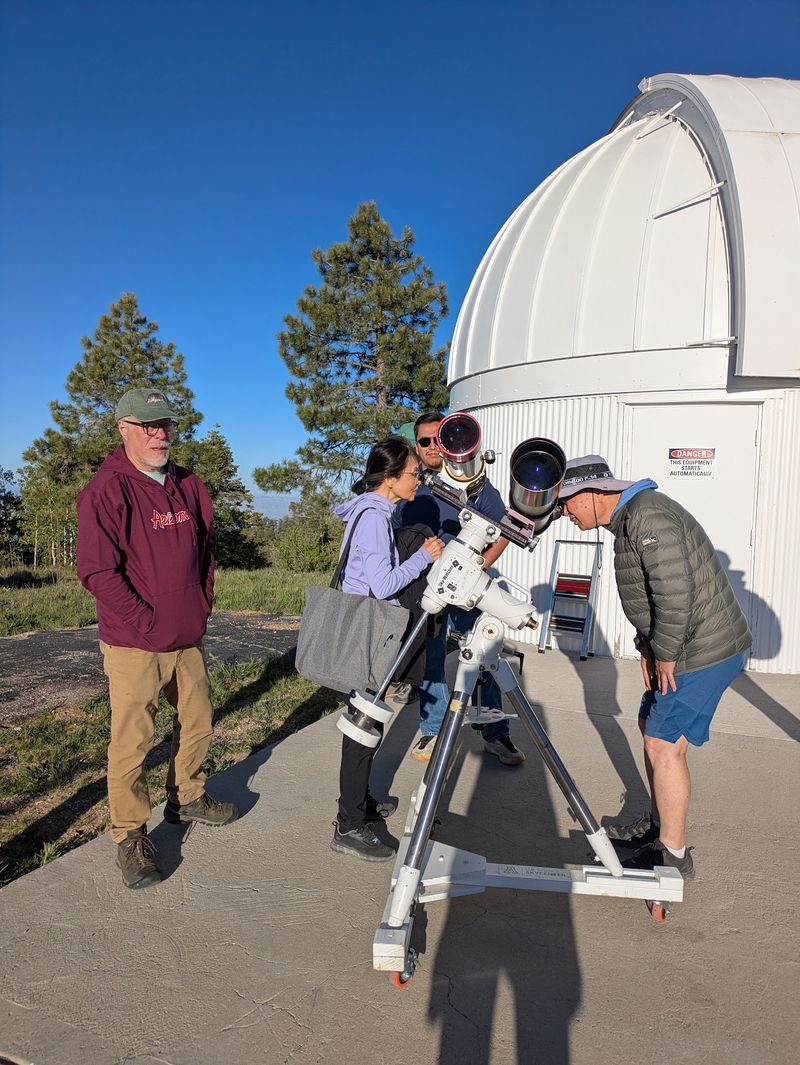
Ask anyone who has visited and the conversation quickly turns to the people running the show. The guides here draw the loudest praise, celebrated for being knowledgeable, warm, and genuinely funny.
They explain complex ideas in a humorous, easy-to-follow way that never feels like a lecture. Guests describe it as hanging out with hilarious, passionate experts who truly want you to share their excitement about the sky.
Their care shows in small moments. When one visitor arrived running late, a guide called and coordinated to sneak them into the group so they would not miss out.
Others have gone out of their way to make everyone included, smoothly accommodating a guest using a wheelchair so he could enjoy the full program. One even helped orchestrate a surprise proposal right after sunset.
For the astronomy-obsessed, the guides pile on extra facts and point toward more resources. Whether answering rapid-fire questions or building a slideshow on the fly, these presenters treat every night like a chance to spark a lifelong love of the stars.
Sunsets, Green Flashes, and the View From the Top
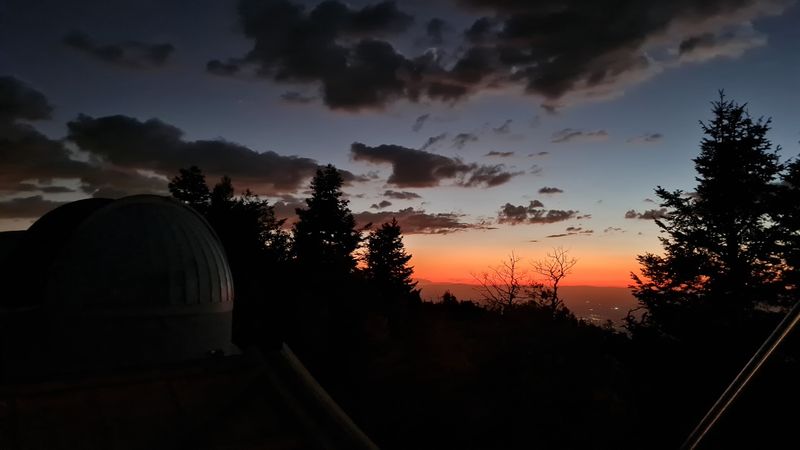
Before the stars arrive, the sky puts on its own opening act. From a viewpoint at more than 9,000 feet, guests gather to watch the sun sink toward the horizon in a wash of color.
On the clearest evenings, patient watchers catch the elusive green flash, a brief burst of emerald light at the very moment the sun disappears. Several visitors count spotting it as a highlight of the whole night.
The panorama stretches far, with Kitt Peak visible across the valley on the horizon. It is the kind of scene that makes the long drive up feel completely worthwhile.
Fair warning, the sunset viewpoint can be quite windy, so wrapping up in warm layers keeps the moment comfortable rather than chilly.
Earlier in the evening, hosts sometimes roll out a Dobsonian telescope to peek at the nearby Large Binocular Telescope across the valley, or point out a star bright enough to see in broad daylight. Little bonuses like these make the golden hour here unforgettable.
Dinner, Warm Rooms, and Mountaintop Comforts
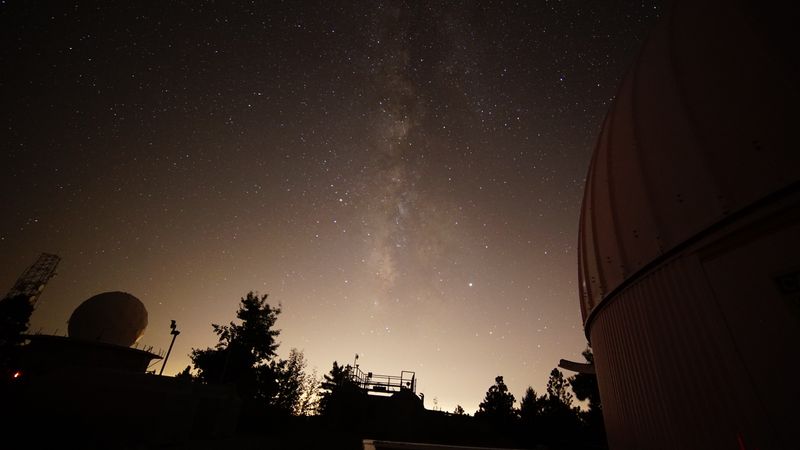
Spending five hours on a cold peak sounds daunting, but the center thinks of everything to keep guests happy. A light meal is part of the evening, typically sandwiches, chips, and cookies, and visitors say the food is tasty and plenty filling.
Between viewing sessions, a heated warm room offers a place to thaw out. There is a warm room and restroom right at the telescope dome, plus hot cocoa and coffee on chilly nights.
An indoor presentation about the telescopes happens in a comfortable heated building, giving everyone a cozy chance to learn before heading into the dark.
The gift shop stocks handy extras like blankets and hand warmers, along with beautiful photographs to take home. It is a thoughtful touch for anyone who underestimated the mountain chill.
Guests with dietary restrictions are encouraged to pack their own food, and bringing a few extra snacks never hurts. These small comforts turn a rugged mountaintop into a welcoming spot where the focus stays firmly on the stars.
Dressing for the Cold and Planning Your Visit
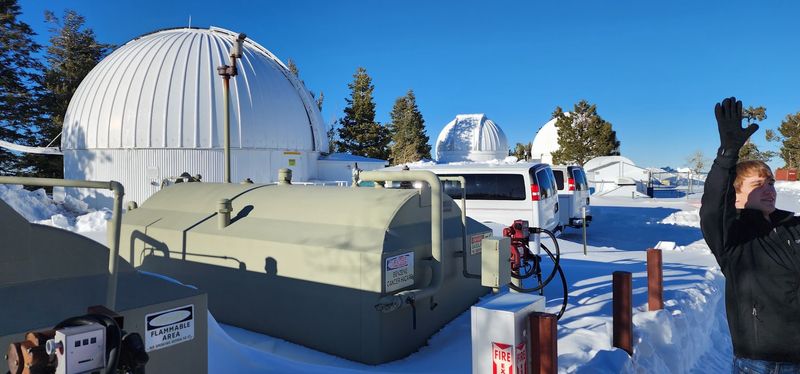
If the staff mention one thing over and over, it is this, dress warmer than you think you need to. The satellite dome opens directly to the sky, so the cold sinks in fast, even for folks who normally run warm.
Veterans recommend full coverage from head to toe, thermal layers, wool socks, a hat, gloves, and your heaviest coat. A blanket, and even battery-heated clothing, earns envious looks on the coldest nights.
Reservations are essential, since programs book up and gates close on schedule. Booking your ticket in advance is the surest way to secure a spot.
Give yourself extra driving time so you can stop for views without rushing. Sipping water on the way up helps ward off altitude sickness at these lofty heights.
The observatory can be reached at 520-626-8122 or through skycenter.arizona.edu for current program details and pricing. A little preparation, warm clothes, an advance booking, and a padded schedule, sets you up for a truly comfortable night beneath the stars.
Why This Mountaintop Night Is Worth the Trek
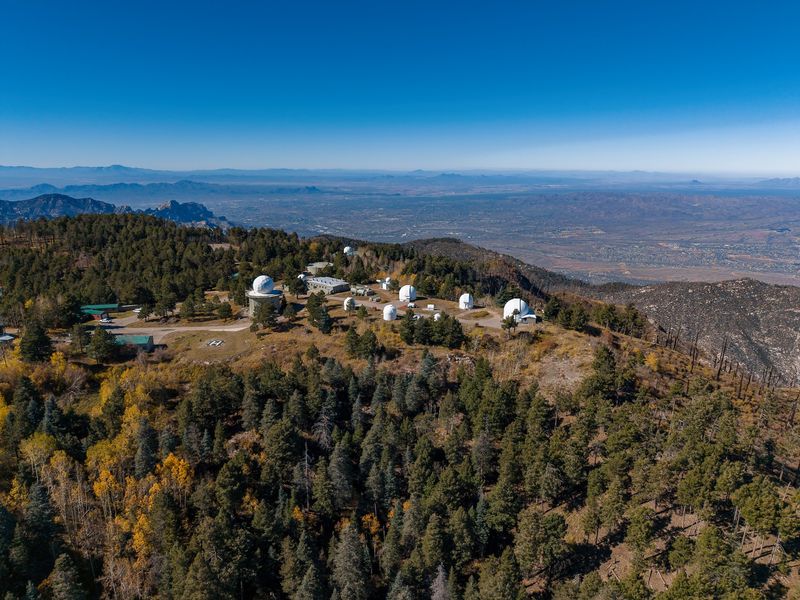
Few Arizona outings deliver the mix of science, scenery, and pure wonder found on this peak. Between the incredible sky, the powerful telescope, the funny and brilliant guides, and the occasional lucky surprise, many guests call it a once-in-a-lifetime night.
It suits a wide crowd, from armchair astronomy buffs to families with kids and complete beginners who have never named a star. The programs are educational without ever feeling like homework.
Keep in mind this is an investment of time, not a quick peek at the sky. For anyone with genuine curiosity, though, that depth is exactly the point, and the hours slip away far too fast.
Held in high regard across hundreds of visits, the experience earns repeat trips, with plenty of guests already planning to return with friends or try the overnight option.
Pack your warmest layers, book ahead, and give yourself a full evening. This mountaintop delivers a rare chance to feel truly close to the cosmos, and it is well worth every mile of the drive.