
You Ride A Historic Arizona Railroad To The Grand Canyon With Vintage-Style Cars And Scenic Views
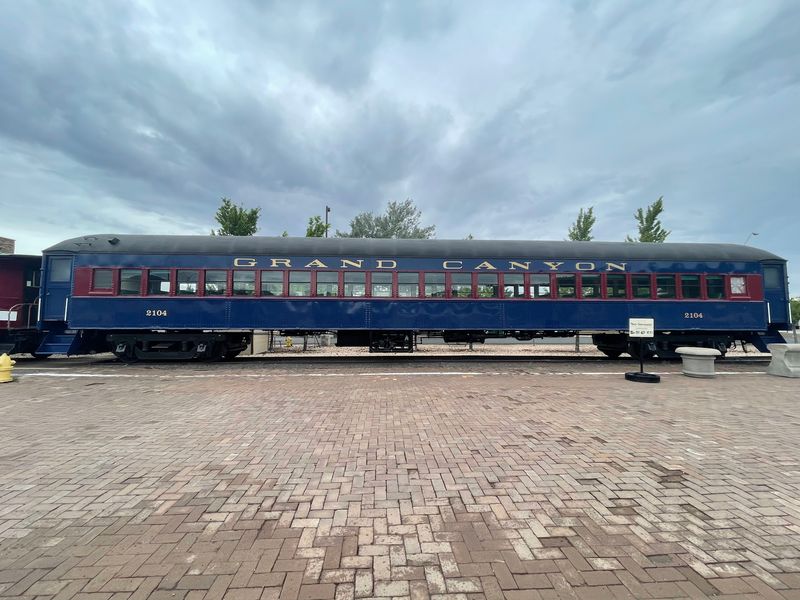
Imagine trading the traffic and parking headaches of a Grand Canyon road trip for a comfy seat aboard a beautifully restored train car in Arizona. This 65-mile journey rolls out of the small town of Williams and carries you straight to the South Rim, all while cowboy characters, live musicians, and a playful staged train robbery keep the ride lively.
It first opened way back in 1901, and today it remains one of the most charming ways to reach one of the world’s most famous natural wonders. Here is everything that makes this ride worth planning your day around.
Where the Whistle Blows in Williams
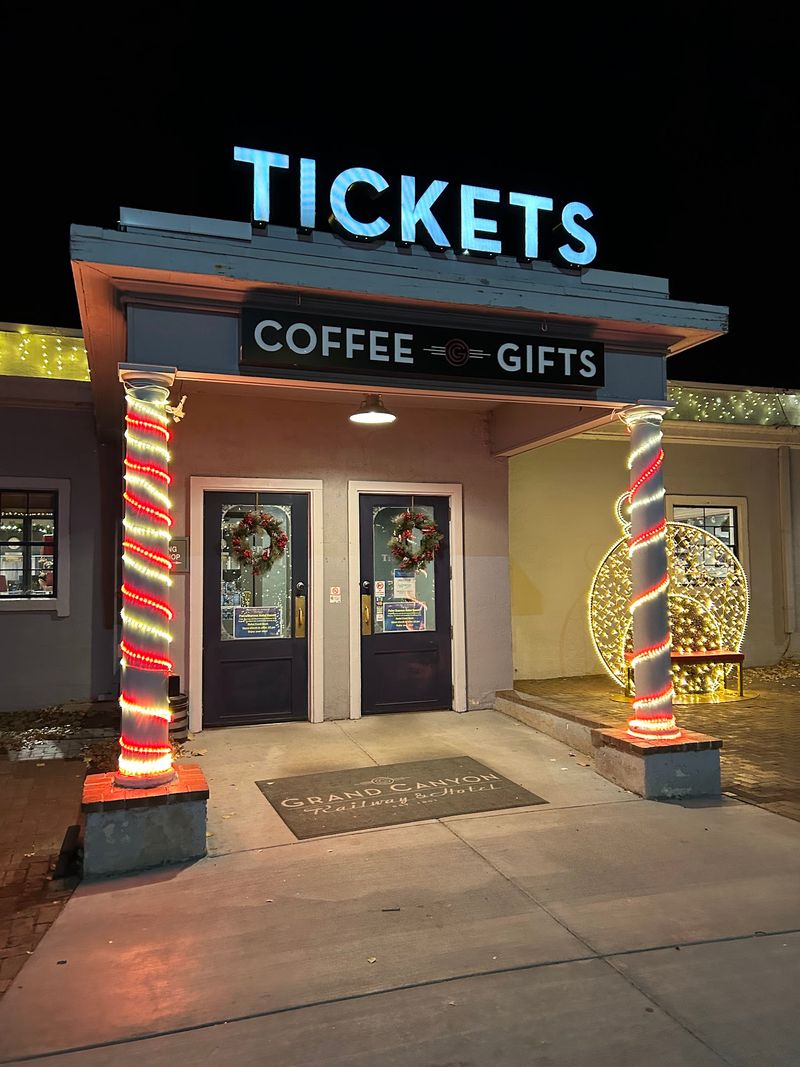
Right in the heart of Williams, a small northern Arizona town about 30 miles west of Flagstaff, sits the depot for the Grand Canyon Railway. Its address, 235 N Grand Canyon Blvd, marks the starting point for a 65-mile trip almost due north to the South Rim of Grand Canyon National Park.
The station itself feels like a step back in time. Even though tickets are often bought online, you pick them up at an old-school ticket window that sets the mood before you ever board.
Guests describe the pickup as smooth and easy, especially when tickets are reserved ahead.
The whole route stretches roughly 130 miles round trip and has been running since 1901, making it a genuine piece of Arizona history rather than a modern imitation. Departures happen daily, and the depot doubles as a hotel for those who want to make a longer stay of it.
What makes this spot special is convenience wrapped in charm. You leave the driving to someone else, skip the canyon parking chaos, and start your adventure the moment you walk up to that historic window.
A Century of Rails and Restoration
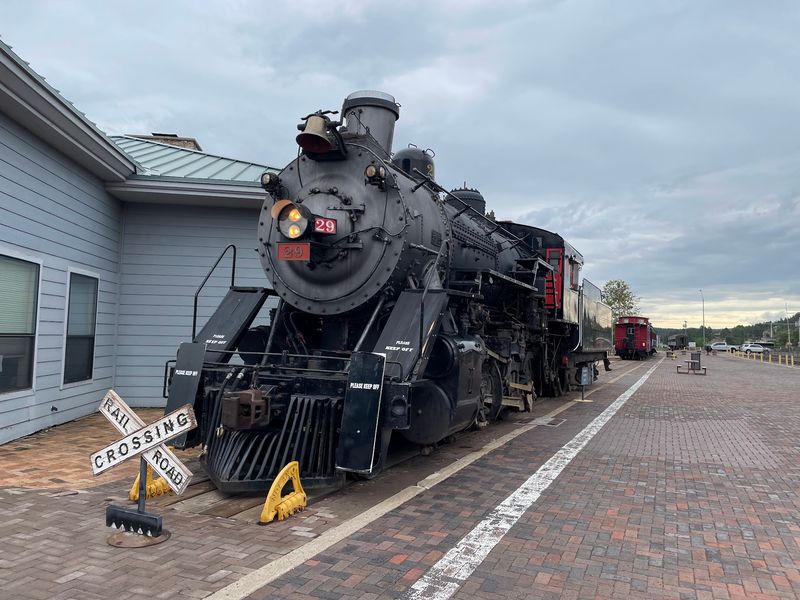
Back on September 17, 1901, the Atchison, Topeka and Santa Fe Railway finished building this line, and the date turned out to be more than a footnote. Originally laid down to haul ore, the railroad quickly shifted its focus to tourism, helping shape the Grand Canyon Village and grand hotels like the El Tovar.
Passenger service faded away in 1968, and for a while the tracks fell quiet. Then Max and Thelma Biegert stepped in to bring the railway back to life, reopening it on September 17, 1989, exactly 88 years to the day after its debut.
That kind of poetic timing is hard to script.
Today the route holds a spot on the National Register of Historic Places and is operated by the Xanterra Travel Collection. Riders often mention how much they enjoy the history stories shared onboard, from tales of the railroad itself to the individual cars.
Choosing this ride does more than move you from town to canyon. It quietly supports the preservation of a landmark that has been carrying dreamers north for well over a century.
Vintage Cars With Room to Choose
Forty-one passenger cars roll on this railway, giving it the largest fleet of any scenic railroad in the United States. That means there is a good chance you will find a class of service that fits both your budget and your mood.
Coach Class puts you in climate-controlled 1950s-era coaches with big viewing windows, air conditioning, a restroom, and drinking water. The seasonal Pullman Class uses 1920s cars with windows that actually open, and many travelers say feeling the fresh air on their faces beats the sealed comfort of coach.
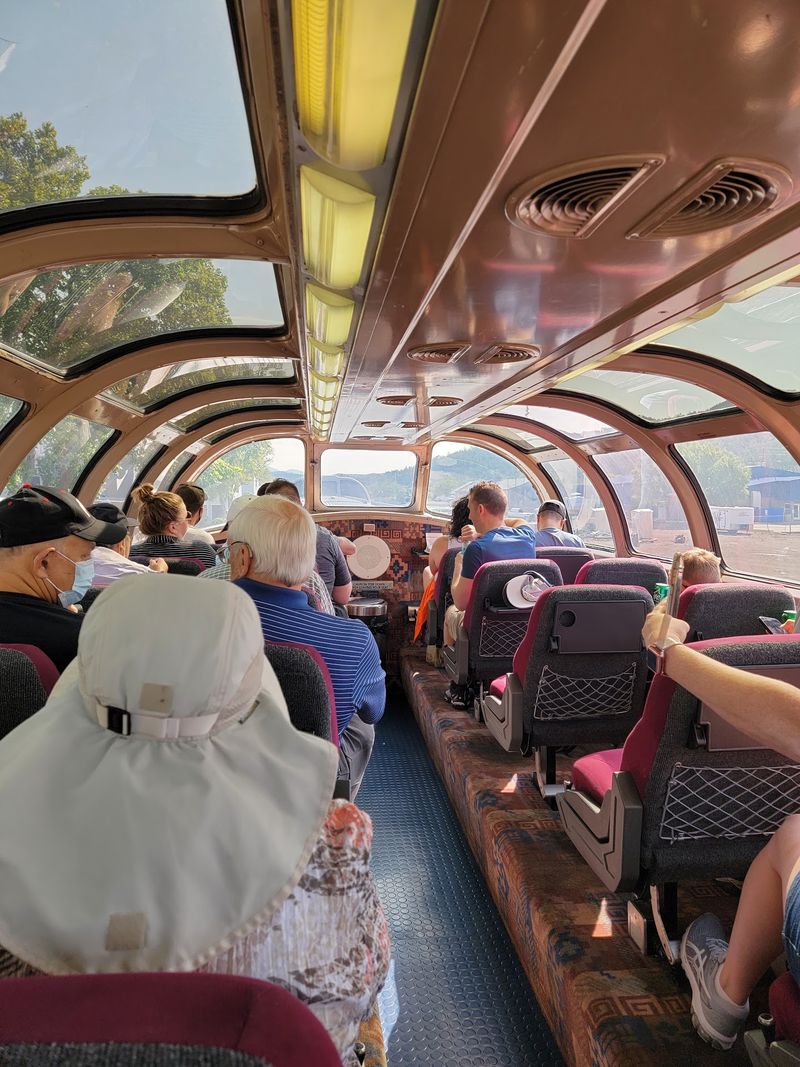
Want a loftier view? Observation Dome cars offer a second-story, glass-enclosed perch.
The Luxury Dome Class adds a full-length dome with a Victorian-styled downstairs lounge, while Luxury Parlor Class brings plush seats and an open-air deck at the very back of the train.
Regulars often praise how new the cars feel and how remarkably smooth the ride is, almost as quiet as welded rail. Many of these cars carried passengers on other lines before their careful refurbishment, so each one quietly carries a story of its own.
Scenery That Shifts Mile by Mile
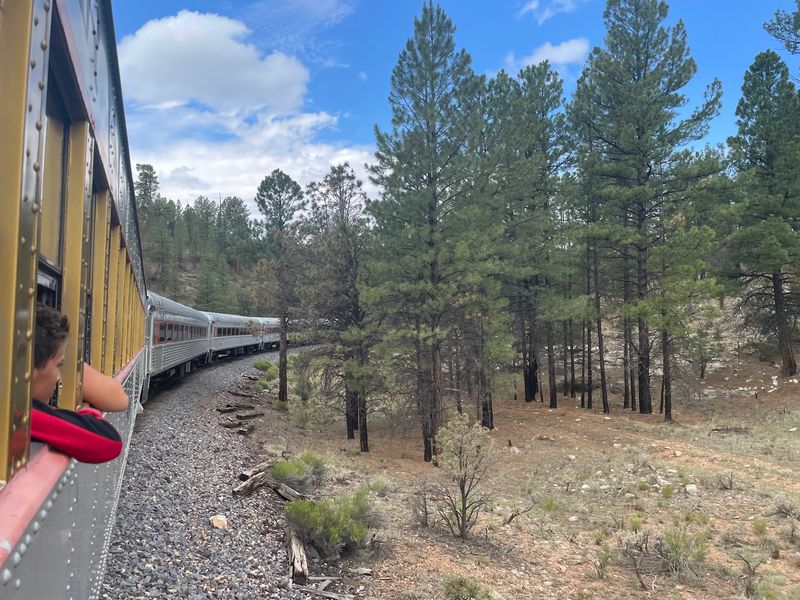
Leaving Williams, the train slips through tall Ponderosa pine forests before the trees give way to wide, open prairies. The changing view is one of the quiet joys of the trip, and it never stays the same for long.
As the elevation shifts, so does the terrain. Pinyon-Juniper woodlands appear, then sagebrush and scrappy brush like live oak, salt bush, and mountain ash.
It is a rolling lesson in Arizona’s surprising variety, all framed by your window.
Wildlife makes regular appearances too. Travelers frequently spot elk, mule deer, and pronghorn antelope grazing near the tracks, and many say the animal sightings were a highlight they did not expect.
Keeping your eyes on the horizon often pays off.
The whole one-way trip covers about 65 miles and takes roughly 2 hours and 15 minutes. That is just enough time to settle in, watch the landscape unfold, and let the slower pace remind you why the journey can matter as much as the destination.
By the time the scenery starts to hint at the canyon ahead, most riders are already glad they came along for the view.
Cowboys, Music, and a Playful Robbery
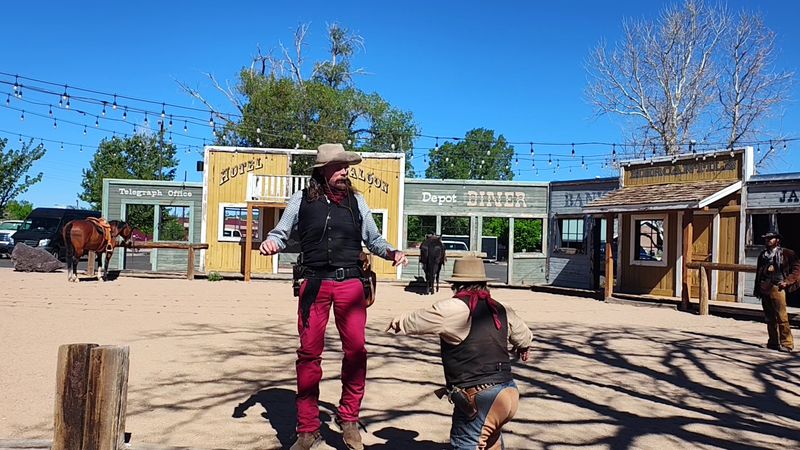
Long before the train pulls out, the fun begins. A morning cowboy skit at the station sets an old-western tone, and guests describe it as genuinely funny rather than cheesy.
Once aboard, the entertainment keeps rolling. A musician strolls through the cars playing guitar and singing, while car attendants weave in history and commentary about the route and the railroad.
Many riders single out these hosts by warmth and knowledge, remembering how much they added to the day.
The showstopper comes on the return trip. A band of costumed robbers boards the train in a staged holdup, complete with a hammy sheriff, and playfully asks for your money in good fun.
Kids especially love it, and families mention the mock robbery as one of the trip’s best surprises.
All of this turns a simple ride into a lively performance that unfolds around you. Between the live songs, the storytelling, and the western characters, there is rarely a dull stretch.
It is the kind of entertainment that feels authentic to the setting, giving the whole journey a friendly, theatrical spirit that appeals to grandparents and grandkids alike.
Three Hours at the South Rim
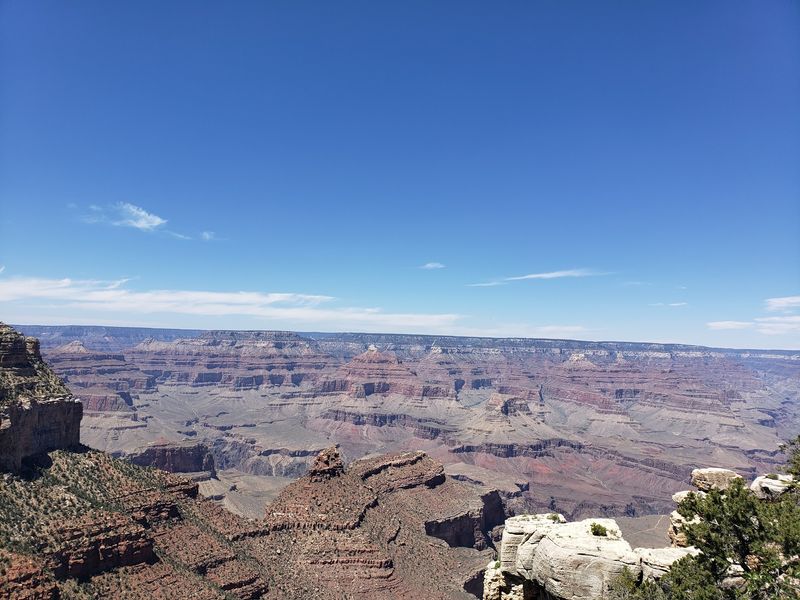
Step off the train at the Grand Canyon Depot and you are just steps from the South Rim, no shuttle or parking hunt required. That easy arrival is one of the biggest reasons people rave about this route.
You get more than three hours to explore the Historic Village and its viewpoints. Riders say that stretch is plenty for anyone not planning a long hike, leaving time to stroll the rim, snap photos, and grab lunch.
Walkways along the rim are mostly paved, though there is still plenty of walking once you reach the park. Comfortable shoes and water are smart choices, since the dry air and higher elevation tend to make you thirstier than usual.
Many families pair their walk with a meal at one of the village’s historic spots, and the El Tovar earns happy mentions for lunch. The pace suits day-trippers who want a full canyon experience without an overnight commitment.
By avoiding the drive, you also help keep roughly 50,000 cars out of the park each year. Your relaxed afternoon on the rim quietly doubles as a small favor to the canyon itself.
Planning Your Ride and What to Know
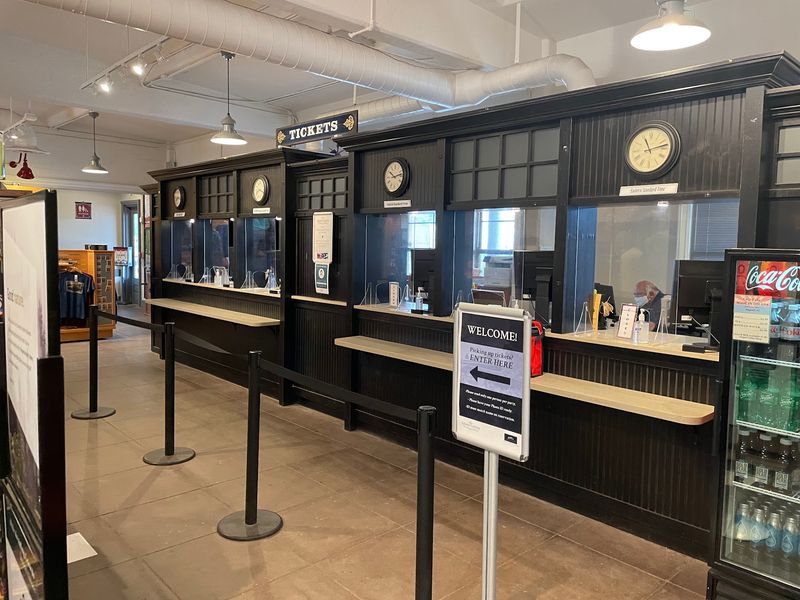
Timing matters here, so plan ahead. The depot opens at 7:30 AM daily and stays open until 6 PM, and departures leave on schedule with little patience for latecomers.
Guests warn that if you are late, the train will leave without you.
Booking in advance is the single most repeated tip. The train often fills up, and reserving early makes for a smooth pickup at the ticket window when you arrive.
Prices vary by class, and one family noted paying a little over $300 for everyone, so it can be a splurge worth budgeting for.
A few practical notes save money and hassle. If you hold a national parks pass, mention it when booking or park admission may be added to your fare.
Photo packages are available too, though some feel they run a bit pricey.
You do not have to stay at the associated hotel, since budget lodging options sit nearby in Williams. Plan for a full day either way, as many riders find themselves back at their car around 6 PM after the round trip and canyon time.
Why This Ride Sticks With You
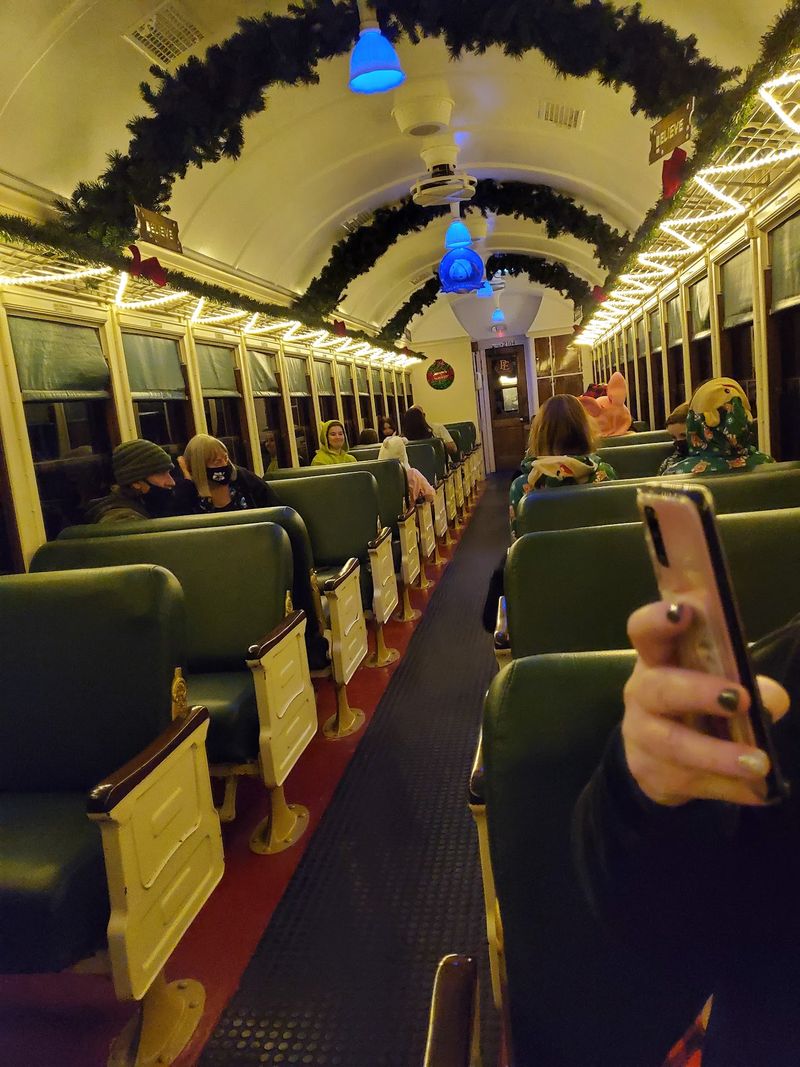
Some experiences stay memorable for decades, and this train seems to be one of them. One traveler recalled how her childhood ride 21 years earlier looked exactly the same, proving how authentic and consistent the whole thing remains.
What ties it all together is the blend of history, entertainment, and natural beauty in a single easygoing day. You get restored cars, sweeping Arizona scenery, live music, playful cowboys, and a canyon finale without ever touching a steering wheel.
It suits a wide range of people. Families with kids love the robbery and the songs, couples enjoy the relaxed pace, and older travelers appreciate skipping the drive and parking entirely.
Warm, professional staff earn steady praise for making guests feel looked after from start to finish.
Yes, it can be a pricey outing, and it eats up a full day from morning to early evening. Still, most riders walk away calling it well worth the time and money, the kind of trip they want to repeat and share with everyone they know.
For a memorable Arizona adventure that feels a little magical, this historic railway makes a strong case for letting the train do the work.