
Thousands Of Snow Geese Blanket This Washington Valley Every Fall And The Sight Stops You Cold
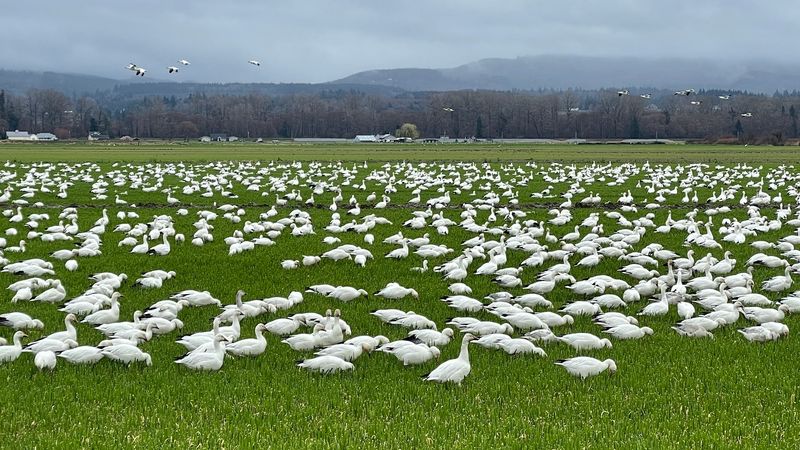
Every autumn, something wild happens in the flat farm country of Washington’s Skagit Valley. Tens of thousands of white birds pour out of the northern skies and settle across the fields like fresh snow that suddenly rises and swirls back into the air.
It is one of those free, jaw-dropping nature shows that most people never realize is happening just off a quiet country road. Best of all, seeing it costs nothing but a little gas and a warm jacket.
A Quiet Corner of the Skagit Valley
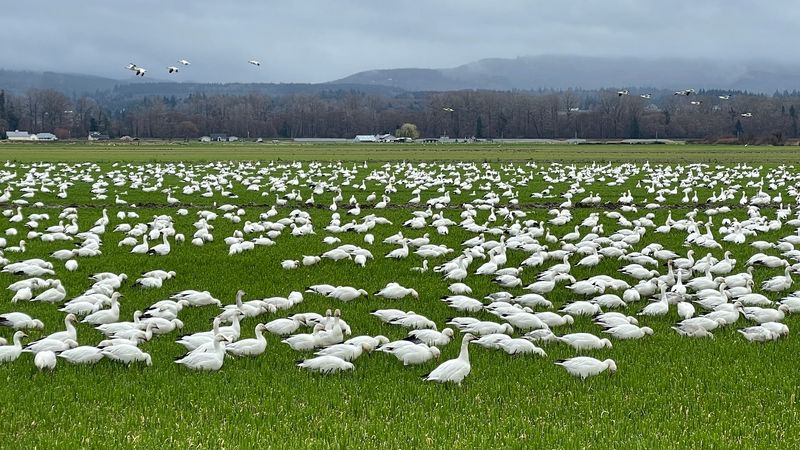
Way out on Fir Island, where the Skagit River splits into channels before spilling into Puget Sound, sits a modest patch of protected land at 15802 Fir Island Rd in Mount Vernon. It does not shout for attention.
There are no ticket booths, no gift shops, no crowds jostling for a photo.
What you get instead is a working farm reserve managed for wildlife, tucked into some of the flattest, most peaceful farmland in Washington. The mountains sit off in the distance, the fields stretch out wide, and the salt air drifts in from the sound.
Folks who wander out here often expect a plain country pull-off and leave stunned by what they found. Rated a near-perfect 4.9 stars, the reserve has quietly earned a loyal following among people who love birds, quiet walks, and big open skies.
It is the kind of place you might drive past a hundred times without knowing the show that unfolds here each fall, when the geese arrive by the thousands.
Why the Snow Geese Come Every Fall
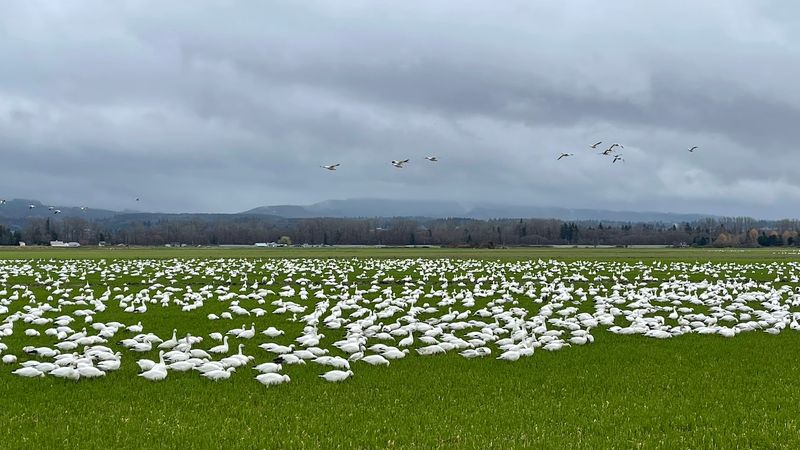
Picture a field so packed with white birds that the ground itself seems to have vanished under a living blanket. That is the scene at Fir Island each fall, and it happens for a good reason.
The snow geese that fill these fields travel an astonishing distance to get here. Many nest far to the north on Wrangel Island in Russia, then fly south to spend the cold months in the mild Skagit farmland, where leftover crops and marshy ground offer plenty to eat.
By late fall, their numbers can climb into the tens of thousands, transforming ordinary farm acreage into one of the most striking wildlife gatherings in the state.
The reserve was set aside partly to keep this feast going, planting fields with grasses and grains that draw the flocks. Come autumn, the birds reward that effort by showing up in overwhelming numbers.
Standing at the edge of the field, watching that white sea shift and ripple, you understand quickly why people drive from all over Washington to see it.
The Moment the Whole Flock Lifts Off
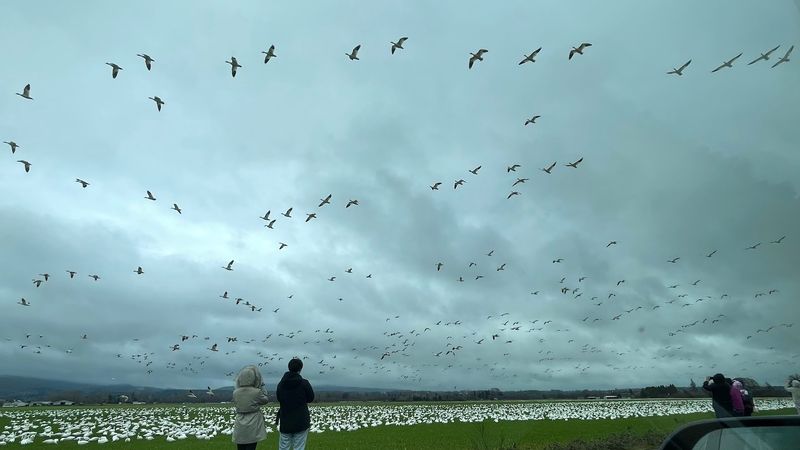
Nothing quite prepares you for the sound. One second the field is calm, a low murmur of honking drifting on the breeze, and the next a wall of white explodes upward as thousands of geese lift off together.
The roar of all those wings hits you in the chest. It rolls across the fields like distant thunder, and for a few seconds the whole sky turns into a swirling, spinning cloud of birds.
Something usually sets it off, maybe an eagle passing overhead or a sudden noise, and the entire flock reacts as one. They circle, wheel, and eventually settle back down in a slightly different spot, only to do it all again minutes later.
Visitors describe standing there completely frozen, cameras forgotten, just watching. It is the kind of natural spectacle that makes grown adults gasp out loud.
Photographers time their trips around these liftoffs, hoping to catch that split second when the field seems to erupt into the sky. When it happens right in front of you, it truly stops you cold.
A Short, Easy Walk Anyone Can Manage
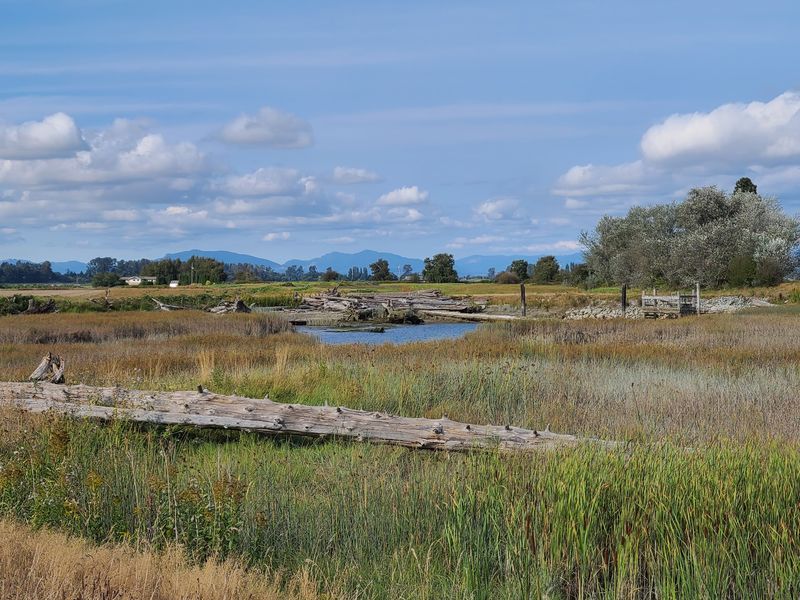
Good news for anyone who dreads a long, sweaty hike: this one is refreshingly gentle. The main path here is short and flat, making it welcoming for grandparents, little kids, and everyone in between.
Regulars often mention that the walk is delightful and scenic no matter the season, and that you do not need special gear or serious fitness to enjoy it. A comfy pair of shoes and maybe a warm layer will do just fine.
The trail follows the reserve’s edge, giving you clear views over the fields where the birds gather. Because it stays level and easy, you can take your time, stop often, and simply soak in the surroundings.
For families watching their budget, this checks a lot of boxes at once. It costs nothing, wears out the kids in a good way, and delivers a memory far bigger than the effort required.
Retirees especially appreciate a stroll that feels rewarding without being taxing. You get the wide-open beauty of the Skagit without a single steep climb standing between you and the view.
Beauty in Every Season, Not Just Fall
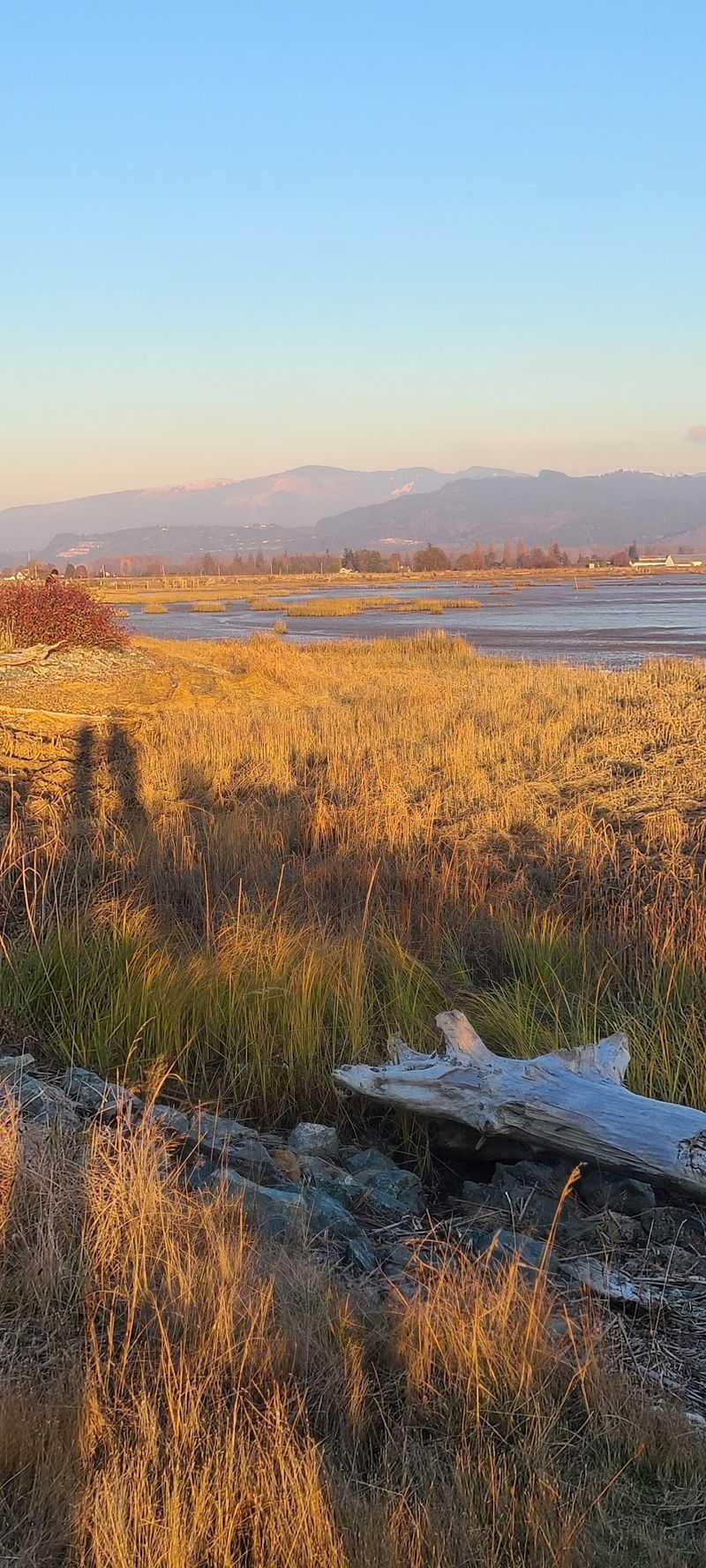
Autumn may steal the spotlight, but this reserve keeps giving all year long. Long-time visitors will tell you it stays lovely and worthwhile no matter which month you show up.
Spring brings fresh green fields and returning songbirds, while summer offers wide, sunny skies and long golden evenings perfect for a slow walk. Even winter has its charm, with misty mornings hanging over the marsh and the last of the geese still lingering in the fields.
Because the scenery shifts so much through the seasons, plenty of locals treat it as a place worth returning to again and again. Each visit hands you something a little different.
That year-round appeal makes it a smart pick for anyone building a list of low-cost Washington outings. You are never really wasting a trip, since there is always something happening in the sky or across the water.
Still, if you want the full, unforgettable spectacle, the cooler months are your window. That is when the flocks swell and the fields fill with that famous blanket of white.
A Birdwatcher’s Quiet Paradise
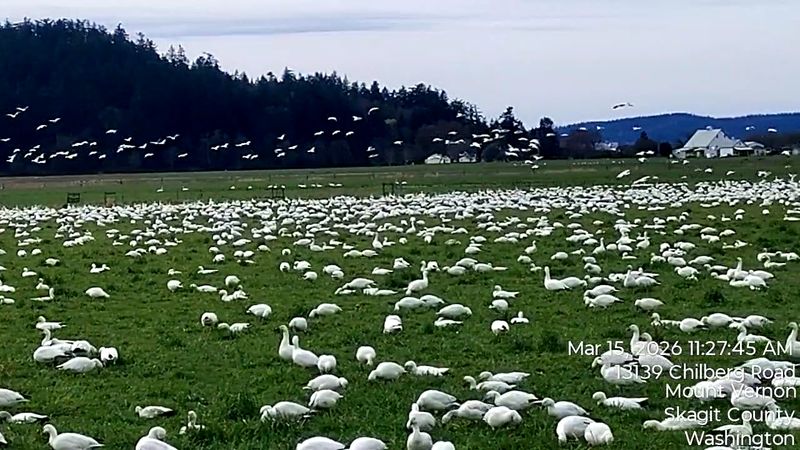
Snow geese may be the headliners, but they share this stage with a whole cast of feathered characters. Bring a pair of binoculars and you will quickly see why bird lovers rank this spot so highly.
Trumpeter swans sometimes drift through the fields, hawks and eagles patrol the skies overhead, and countless ducks and shorebirds work the wet ground along the water’s edge. On a good morning, the variety alone is worth the drive.
Those who come regularly note that this is an excellent place to walk and watch birds, with easy sightlines across open ground that let you spot movement from a distance.
One helpful tip from seasoned visitors: during hunting season, the birds tend to gather farther off, keeping their distance from people. Once that season passes, the flocks grow far bolder and settle much closer, giving you a front-row view.
For beginners and lifelong birders alike, the reserve offers a relaxed, unhurried setting. There is no pressure, no crowd, just you, your binoculars, and a valley full of wings.
Where the River Meets the Sound
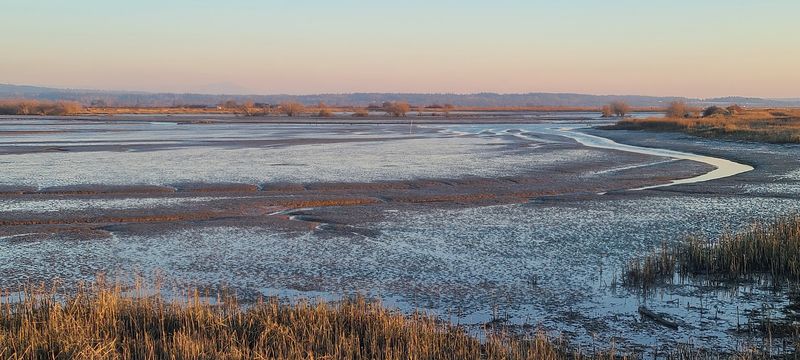
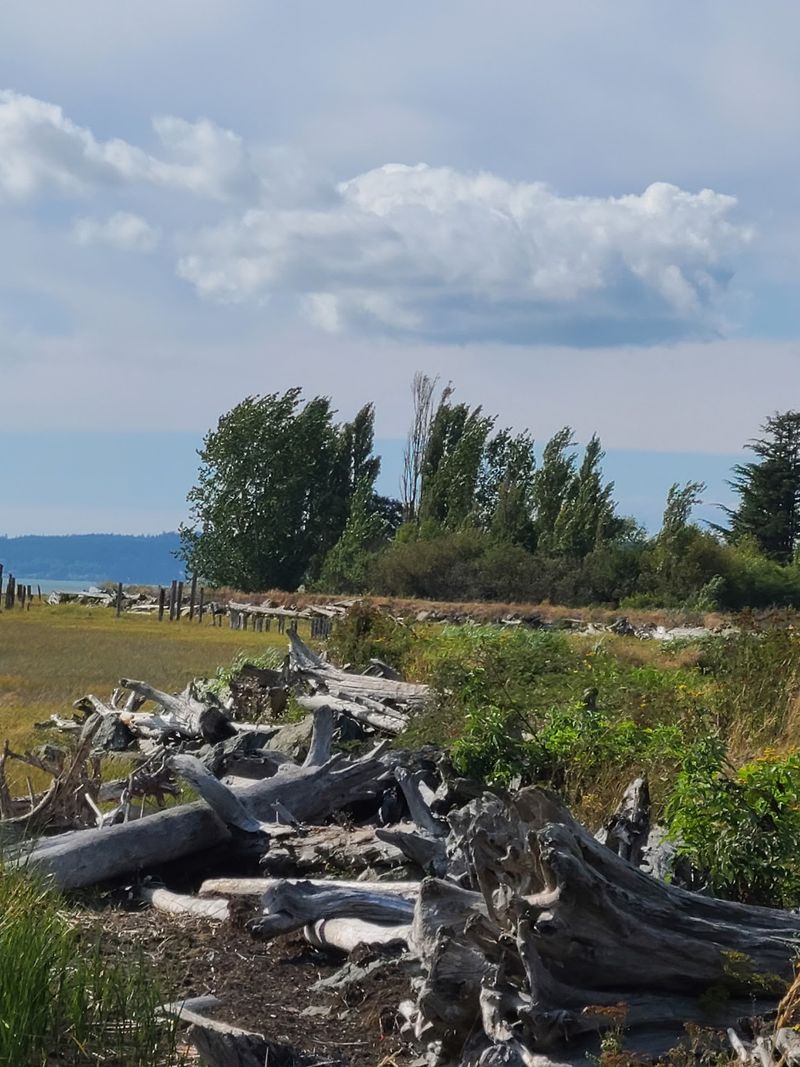
Geography plays a starring role in what makes this place special. Fir Island sits right where the Skagit River fans out into a maze of channels before emptying into Puget Sound, creating a rich mix of freshwater and saltwater habitat.
That blend of river, marsh, and tidal flats is exactly why so much wildlife thrives here. The muddy estuary teems with the kind of food that keeps huge flocks fed through the winter months.
Standing at the reserve, you can feel that meeting of worlds. The salty tang of the sound mingles with the earthy smell of farm fields, and the flat land opens up into water and sky in every direction.
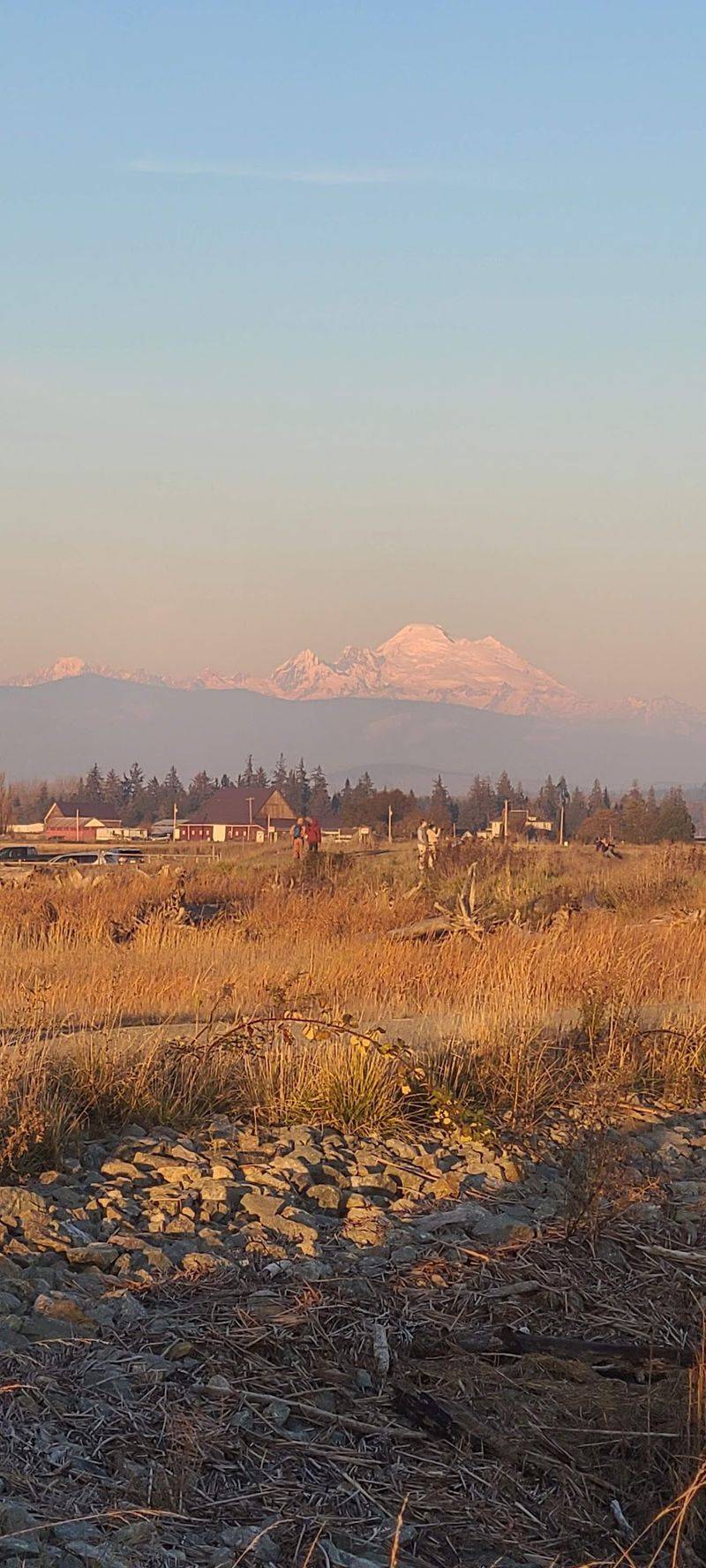
Distant islands and the outline of the Cascades give the horizon depth, especially when the light turns soft near sunset. It is a landscape that photographers adore.
Few spots in Washington capture the drama of an estuary this clearly, and even fewer make it so easy to reach. Here, the everyday miracle of a river meeting the sea plays out right beside a country road.
A Free Outing the Whole Family Can Afford
Let’s talk money, because that is where this outing really shines. Visiting the reserve costs absolutely nothing, which is rare for an experience this memorable.
There is no entry fee, no parking charge for the reserve itself, and no pricey add-ons waiting to nickel-and-dime you. You simply show up, walk, and watch one of nature’s best shows unfold at no cost.
For families stretching a tight budget, that combination is gold. Kids get fresh air, wide fields to marvel at, and the thrill of thousands of birds bursting into flight, all without a single ticket purchased.
Retirees keeping a close eye on spending can enjoy the same rewards. A tank of gas and a thermos of something warm may be your only real expense for the whole day.
Pack a simple lunch, bring the grandkids, and you have a full outing that costs less than a fast-food meal. In a state where entertainment can drain a wallet fast, a free spectacle this grand feels like getting away with something wonderful.
How to Find It From Mount Vernon
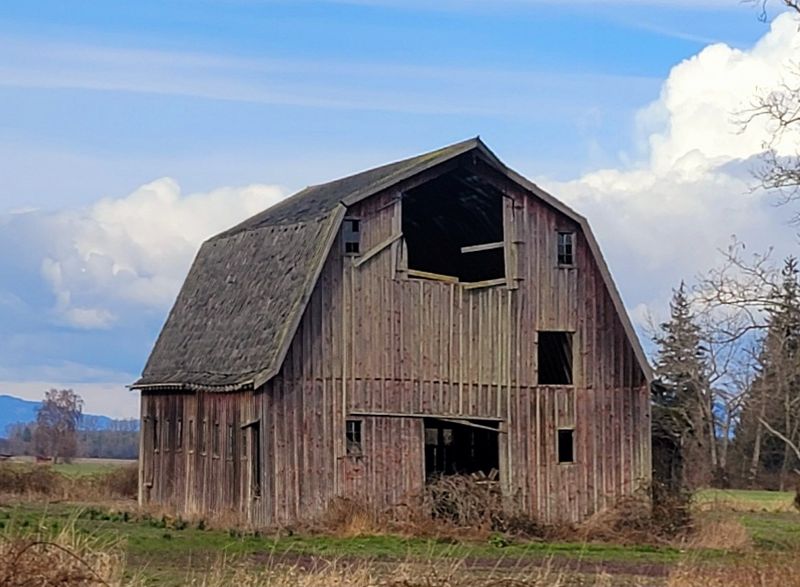
Getting here is part of the fun, since the drive rolls through some of the prettiest farmland in the state. The reserve sits at 15802 Fir Island Rd, just a short hop from Mount Vernon in Skagit County.
From Interstate 5, you exit near Mount Vernon and head west onto Fir Island Road, winding past fields, barns, and long stretches of open country. The whole route feels like a step back into small-town, agricultural Washington.
The address plugs easily into any map app, so you are unlikely to get lost. Watch for the reserve’s parking area along the road, where you can leave the car and set out on foot.
Because it sits only about an hour or so north of Seattle, it makes an easy day trip for Puget Sound families looking to escape the city for a few hours.
Give yourself time to enjoy the drive itself. Half the magic of Fir Island is the slow, scenic approach through farmland before the fields full of geese finally come into view.
Best Times of Day to Catch the Show
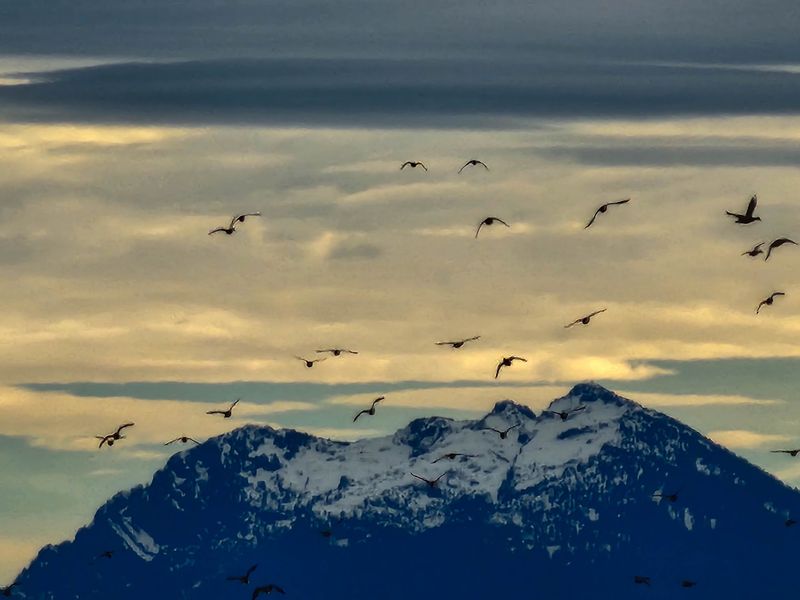
Timing can turn a good visit into a great one. Early mornings and late afternoons tend to reward patient watchers with the most action.
At dawn, the geese are often busy feeding, filling the fields and lifting off in waves as the day begins. The soft light also makes for gorgeous photos, with mist sometimes hanging low over the marsh.
Near sunset, the flocks grow restless again, and the golden glow across the fields gives the whole scene a warm, almost dreamlike quality. Photographers especially favor these edges of the day.
Midday visits still deliver plenty to see, though the birds may settle in for calmer stretches. Cloudy days can actually work in your favor, softening the light and keeping the flocks active.
One thing worth remembering is that nature keeps its own schedule. The geese might be right beside the road one day and far off the next, so a little patience goes a long way.
Arrive early, stay a while, and let the valley reveal its rhythm. The best moments often come to those willing to wait.
What to Bring for a Comfortable Visit
A little preparation makes all the difference out here, since the open fields leave you exposed to whatever the weather brings. Dressing warmly is your first smart move.
The wind coming off the sound can bite, especially in the cooler months when the geese are at their peak. Layers, a hat, and a windproof jacket will keep you comfortable enough to linger and enjoy the show.
Binoculars rank high on the list too, since some of the flocks gather at a distance. A pair of them turns faraway specks into a clear, close view of individual birds.
Photographers will want a camera with a decent zoom to capture those dramatic liftoffs. Even a phone can grab wide shots of the fields, but the real magic lives in the details.
Sturdy shoes handle the flat path with ease, and packing water and a snack means you can stay as long as you like. A folding chair is a nice touch for those who prefer to sit and watch the sky.
Come ready, and the reserve rewards you generously.
Making a Day of It in Skagit County
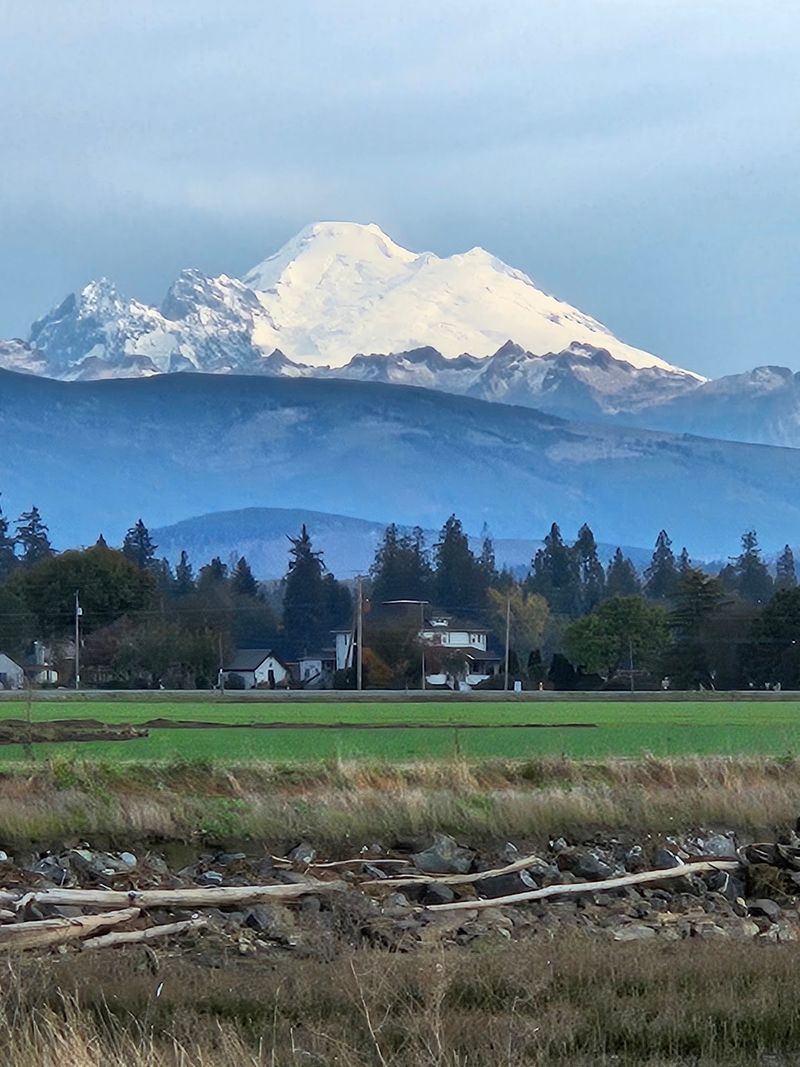
Stretch the trip a little and you will find the surrounding area every bit as inviting as the reserve itself. Skagit County brims with small-town charm and easy stops worth adding to your day.
Nearby Mount Vernon offers a walkable downtown with local shops and bakeries, perfect for warming up after a chilly morning by the fields. La Conner, a short drive away, delivers waterfront views and storybook streets that feel plucked from another era.
Farm stands dot the country roads, selling seasonal produce and treats that make great souvenirs of a Skagit outing. In fall, pumpkins and fresh apples add to the classic-Americana feel.
The whole valley leans into that unhurried, wholesome pace that day-trippers love. You can build a full itinerary out of birds, small towns, and farm goodies without spending much at all.
Because everything sits close together, you never spend the whole day in the car. A morning with the geese, an afternoon wandering a cozy main street, and you have a memory-rich weekend outing on a modest budget.
Why This Quiet Spot Deserves a Spot on Your List
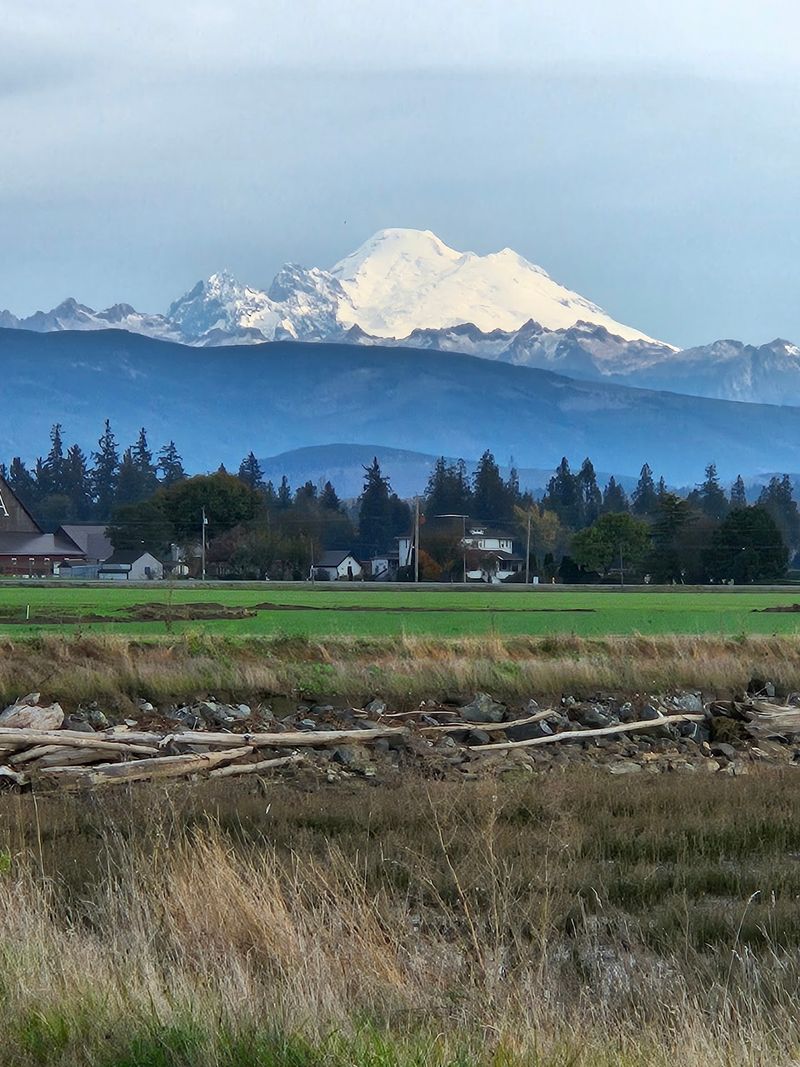
Some outings are worth the drive purely for how they make you feel, and this humble reserve delivers exactly that. Its near-perfect reputation among those who find it is no accident.
What sets it apart is the sheer scale of the spectacle paired with how effortless it is to enjoy. Thousands of geese, a flat and friendly path, no cost at all, and scenery that shifts beautifully through the year add up to a rare kind of Washington gem.
Families walk away with wide-eyed kids and a story to tell. Retirees find a peaceful, affordable escape that asks little and gives back plenty.
Bird lovers discover a genuine hotspot worth returning to season after season.
Above all, it offers that quiet thrill of stumbling onto something remarkable in an ordinary-looking place. You come expecting a simple country walk and leave having watched the sky fill with wings.
Pick a crisp fall morning, point the car toward Fir Island, and go see it for yourself. Chances are, that white blanket of geese will stay with you long after you drive home.