
7 Maine Buildings That Occasionally Open For Rare Public Tours
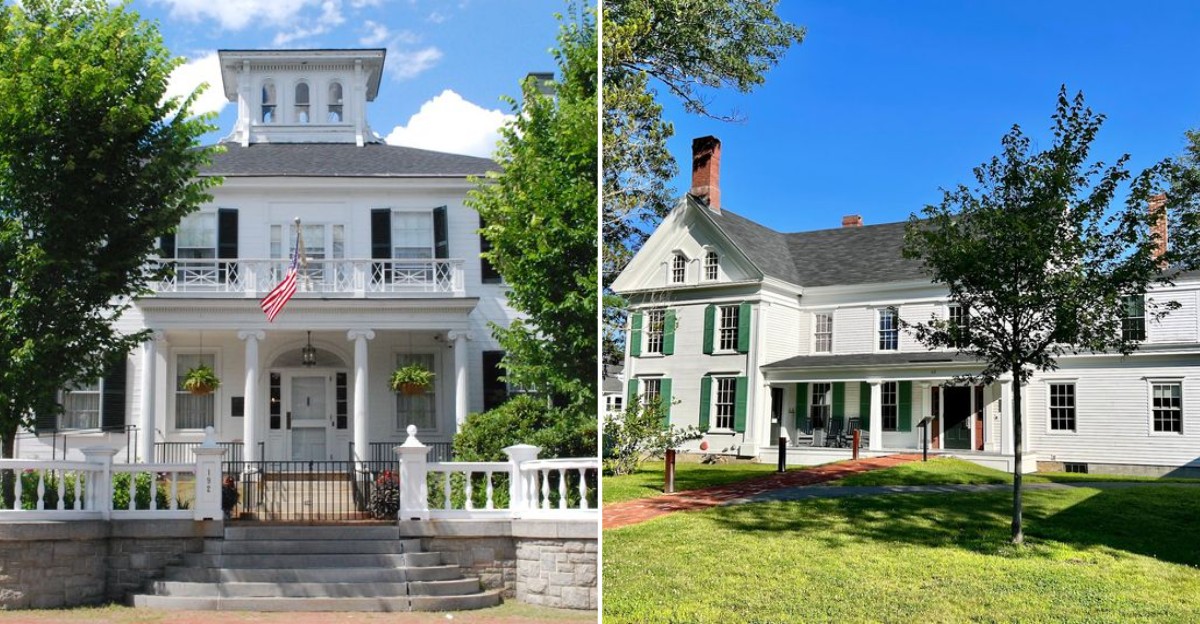
There is something extra tempting about a historic building when you know the public does not get inside every day. Maine has several landmarks where tours are limited, seasonal, or tied to special events, which makes getting through the door feel like part of the experience.
Inside, you might find grand government rooms, private gathering spaces, or homes connected to people who helped shape American history. The real fun is seeing the details that photos rarely capture and hearing the stories tied to the people who once spent time there.
A little planning definitely helps. Several of these places keep limited schedules, while others require reservations or only open certain areas to visitors.
The seven stops ahead are worth watching closely, especially when a tour date gives you the chance to see what normally stays behind closed doors.
United States Custom House, Portland

Few buildings in Portland make you stop and stare quite like this one at 312 Fore St, Portland, ME 04101. Built in the 1870s, it still handles government work today, which is exactly why the public rarely steps inside.
The interior surprises almost everyone who visits. Checkerboard marble floors, decorative plasterwork, and rich walnut details fill the interior, reflecting the building’s grand federal design.
Officials designed the space to impress ship captains and merchants who came to pay their taxes on goods arriving from across the sea.
During occasional open houses and special tours, visitors may get a look inside the impressive Customs Hall and other normally restricted spaces. You get to see spots that regular office workers pass every day without a second thought, now explained with rich stories about trade and the sailors who filled the docks.
The location sits right in Portland’s Old Port district, so you can pair your visit with a stroll along cobblestone streets afterward. Photographers especially love the tall arched windows that pour light across the polished surfaces inside.
Tours here tend to happen during special heritage weekends, and spots fill quickly. Checking ahead with local historic groups is the smart move, since these dates are not posted year round.
What makes the experience special is knowing this is a working federal building. That rarity gives every visit a slightly secretive feel, as if you have been let in on something most people never notice while walking past.
Wear comfortable shoes for the stairs, bring a camera, and take your time reading the details in the woodwork. A trip inside this granite landmark rewards curious travelers with a genuine slice of maritime history that stays hidden behind closed doors for most of the year.
Portland Masonic Temple, Portland

Mystery seems to hang in the air around the Masonic Temple at 415 Congress St, Portland, ME 04101. For generations, the fraternity that meets here kept its rooms private, sparking curiosity among passersby who wondered what happened behind those heavy doors.
On rare tour days, that curtain lifts. Visitors get to explore ornate meeting halls decorated with symbols, columns, and artwork that reflect the traditions of Freemasonry stretching back centuries.
The craftsmanship in the woodwork and painted ceilings often leaves guests speechless.
The building itself stands tall along Congress Street, one of Portland’s main avenues, making it easy to reach on foot from downtown shops and cafes. Its grand scale hints at the importance the organization placed on ceremony and gathering.
Guides share stories about the group’s history and explain the meaning behind many of the decorations. Rather than feeling secretive, these tours aim to welcome the public and clear up some of the myths that surround Masonic life.
Music lovers may recognize the temple too, since parts of the building have hosted concerts and events over the years. The acoustics in the larger halls add to the sense of grandeur.
Because access is limited, these openings usually tie in with community celebrations or open house programs. Watching for announcements from local historic organizations helps you catch the chance before dates disappear.
Bring your sense of wonder and plenty of questions, because the guides genuinely enjoy sharing details. Photography is often allowed, so you can capture the striking patterns and colors that fill the rooms.
Stepping out afterward onto lively Congress Street, you carry a new appreciation for a building thousands walk past without ever seeing inside. That contrast is what makes this rare tour so memorable for anyone lucky enough to attend.
Blaine House, Augusta
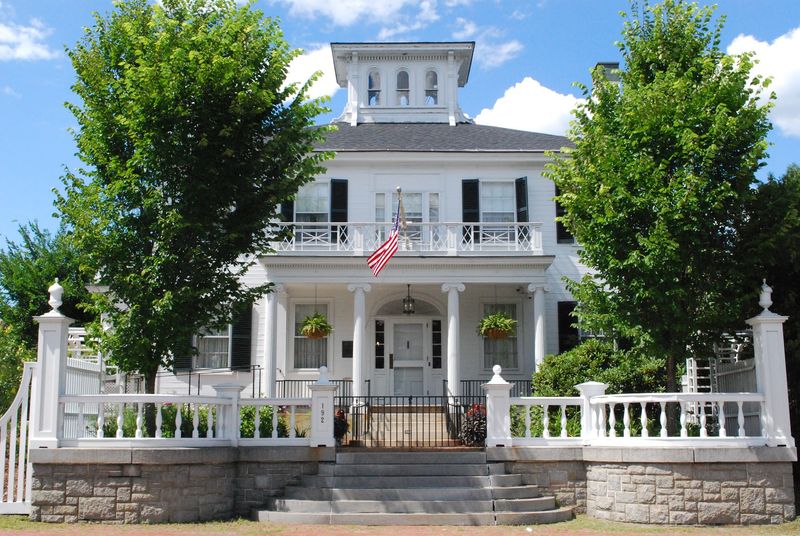
Here is a home where the governor of Maine actually lives, which makes touring it a genuine treat. Standing at 192 State St, Augusta, ME 04330, the Blaine House has served as the official residence since 1919.
The white mansion was built in 1833 and was later purchased by James G. Blaine in 1862 as a gift for his wife, Harriet.
Blaine’s daughter Harriet Blaine Beale gave the house to the state in 1919, and it became Maine’s official governor’s residence the following year.
Because it remains the governor’s official residence, free guided tours are offered on a regular weekday schedule and require advance reservations. When those days arrive, visitors walk through elegant rooms filled with historic furniture, portraits, and gifts collected over the decades.
Each room tells a piece of Maine’s political story. Guides lead visitors through first-floor spaces such as the Sun Room, State Dining Room, and Blaine Study while sharing the house’s political history.
The gardens outside deserve attention too. Carefully tended flower beds and pathways surround the house, giving the whole property a warm and welcoming feel that matches its role as the people’s home.
Located right across from the State House in Augusta, the mansion sits at the heart of Maine’s capital. You can easily combine a visit here with a look at other government landmarks nearby.
Reservations are usually required, and tours run on select weekdays. Planning ahead is essential since spots are limited to keep the family’s home comfortable and functional.
Respectful curiosity is the right attitude for this visit, as you are essentially a guest in someone’s residence. Dress neatly and follow the guide’s directions during your walk through.
Leaving the Blaine House, most visitors feel a closer connection to the state’s leadership and history, having seen a place normally reserved for private moments and official business.
Historic New England Marrett House, Standish
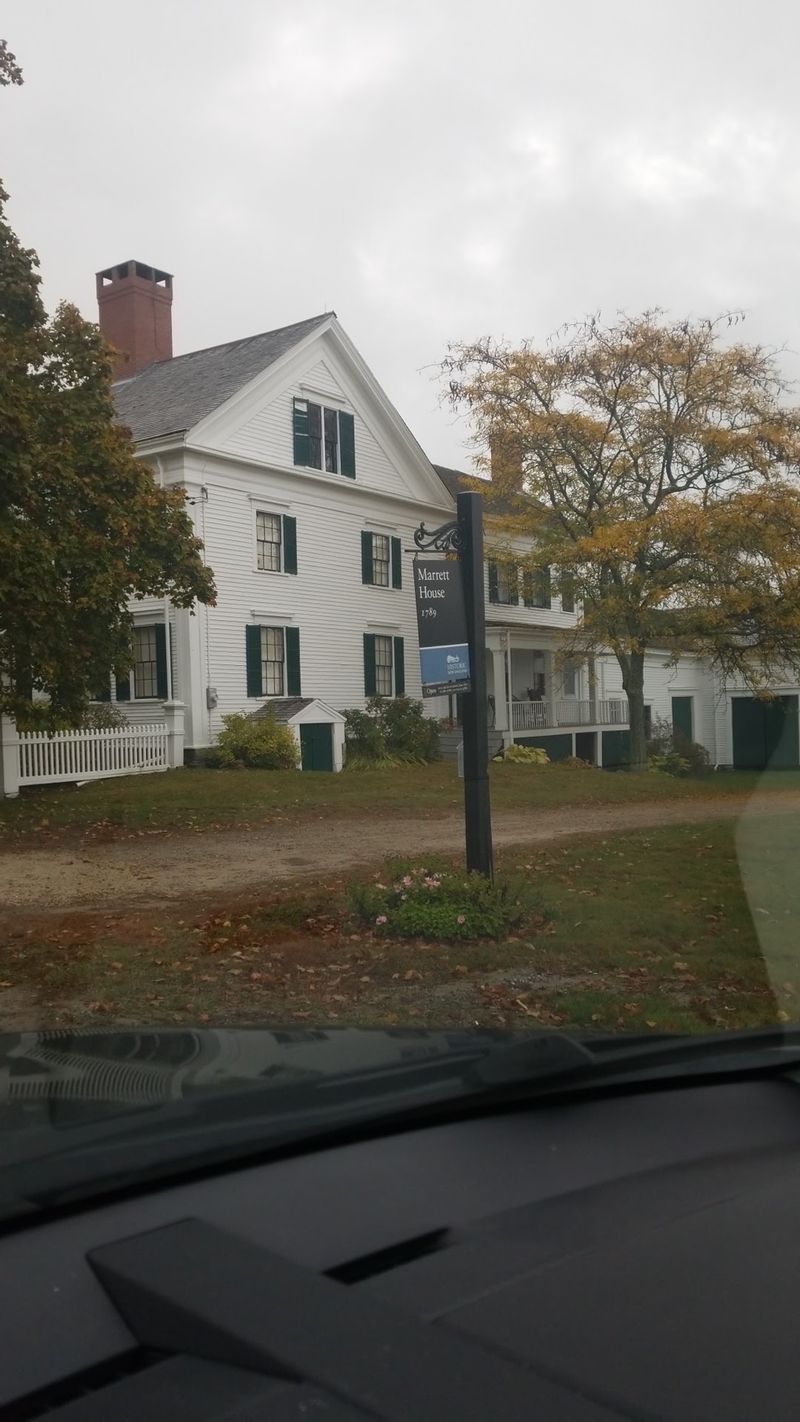
Time seems to slow down at the Marrett House, a Federal style home resting at 40 Ossipee Trail East, Standish, ME 04084. Owned by Historic New England, it opens seasonally so visitors can peek into rural life from long ago.
Reverend Daniel Marrett came to Standish in 1796 and made the house his family home shortly afterward. Because they changed so little over the years, the rooms preserve real layers of history stacked from different time periods.
During the War of 1812, Cumberland Bank sent gold and silver coin to the house for safekeeping, even reinforcing part of the floor to handle the weight. Stories like that give the tour an extra spark of excitement.
Inside, you will find wallpaper, furnishings, and decorations that show how tastes shifted across the 1800s. Guides explain how each generation added their own touches without erasing what came before.
The surrounding grounds include a lovely garden that blooms during the warmer months. Walking the paths outside gives you a feel for the quiet countryside the Marrett family enjoyed.
Since this is a seasonal site, tours generally run in summer and early fall on specific days. Checking the Historic New England schedule before driving out to Standish saves you from arriving on a closed afternoon.
The setting away from big city bustle makes the visit feel peaceful and unhurried. Families especially enjoy the relaxed pace and the chance to imagine everyday life two hundred years ago.
Guides here love answering questions about how people cooked, worked, and lived without modern gadgets. Their enthusiasm makes the past feel surprisingly close and real.
Rolling away from Standish, you carry a gentle reminder that ordinary homes can hold extraordinary stories when a family cares enough to keep them intact for future generations to discover.
Harriet Beecher Stowe House, Brunswick
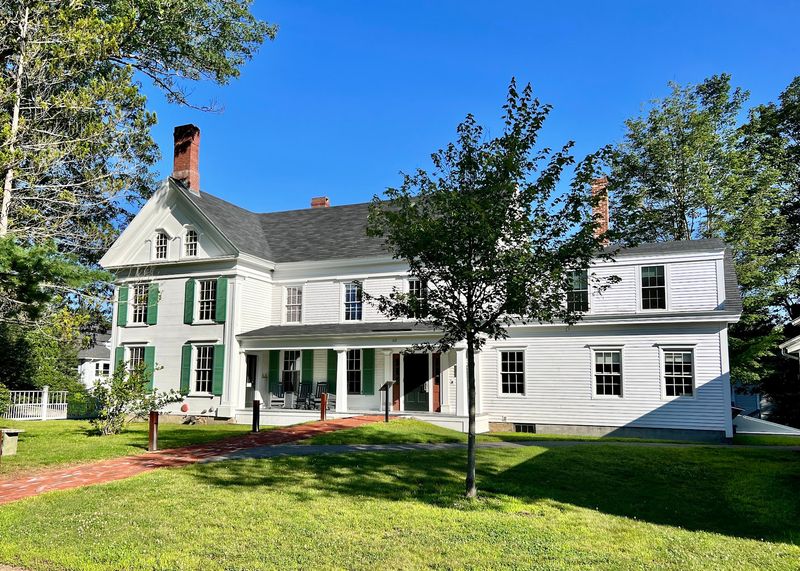
Literature fans get goosebumps at the house located at 63 Federal St, Brunswick, ME 04011. Harriet Beecher Stowe lived here from 1850 to 1852 while writing Uncle Tom’s Cabin during her years in Brunswick.
Her book stirred the whole country and helped change how many Americans thought about freedom and fairness. Standing in the very place where those words took shape gives visitors a powerful sense of connection to that turning point.
Bowdoin College now owns the building, and it has been carefully restored to honor Stowe’s legacy. Because it also serves educational purposes, full public tours only happen on select occasions.
When the doors open, guides share how Stowe balanced family life with her writing while her husband taught at the nearby college. Details about her daily routine make her feel like a real person rather than just a name in a textbook.
The house sits in Brunswick’s historic district, a charming area filled with old homes and tree lined streets. Strolling the neighborhood afterward extends the sense of stepping back into the 1800s.
Displays inside explain the impact her work had across the nation and beyond. Reading about the responses to her novel helps visitors understand just how important this modest house became.
Since access is limited, watching for special programs and heritage events is the best way to plan your visit. Coordinating with Bowdoin College or local historic groups keeps you informed.
Book lovers, history students, and curious travelers all find something meaningful here. The building rewards anyone who appreciates how one determined writer can shift the direction of a country.
Departing this quiet Brunswick landmark, you may feel inspired by the reminder that great ideas often begin in humble, everyday surroundings rather than grand palaces.
Lincoln County Museum, Wiscasset
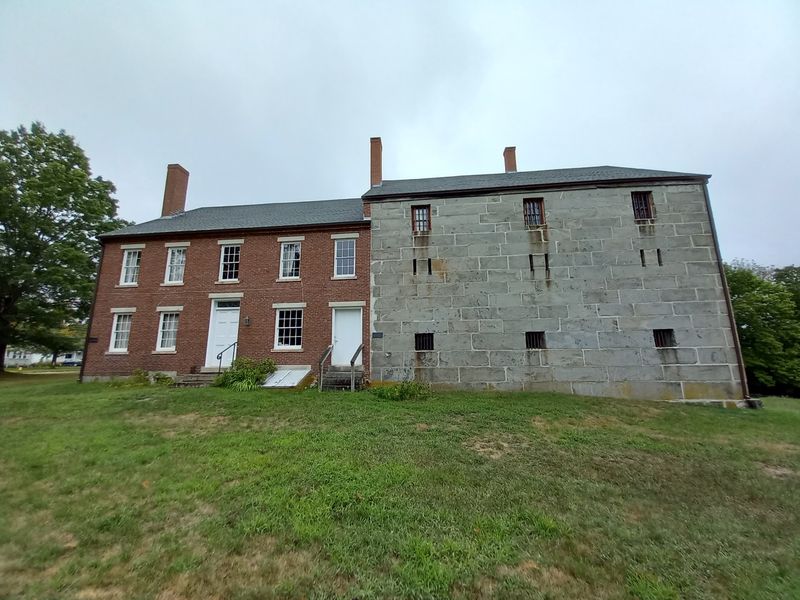
Curiosity gets the better of nearly everyone who spots the old stone building at 133 Federal St, Wiscasset, ME 04578. This former county jail now works as the Lincoln County Museum, and it holds tales unlike any other stop on this list.
Built between 1809 and 1811, the granite jail was designed to securely hold prisoners in early Lincoln County. Walking through the cells today, you can still see writing scratched onto the walls by people held here long ago.
The attached 1839 Jailer’s House shows how the keeper and his family lived beside the prisoners housed in the granite jail. That mix of stern and homey creates a fascinating experience.
Volunteers who staff the museum share vivid stories about daily routines, escapes, and the changing ideas about justice over the decades. Their knowledge turns cold stone rooms into lively history lessons.
The museum operates seasonally, with regular weekend hours during the summer and early fall and additional tours available by arrangement. Reaching out ahead of time ensures you catch it when the doors are unlocked.
Wiscasset itself is a picturesque coastal town, often called one of the prettiest villages in Maine. Combining your museum stop with a walk through the shops makes for a full and satisfying day.
The building’s thick granite walls remain one of its most striking features and reflect the secure design expected of an early nineteenth-century jail. Kids and adults alike find the cells surprisingly gripping to explore.
Displays throughout the museum include tools, documents, and objects that paint a picture of life in the 1800s. Each item adds another layer to the story.
Rolling out of Wiscasset, you leave with a richer understanding of how communities once handled law and order in the early days of Maine.
Castle Tucker, Wiscasset
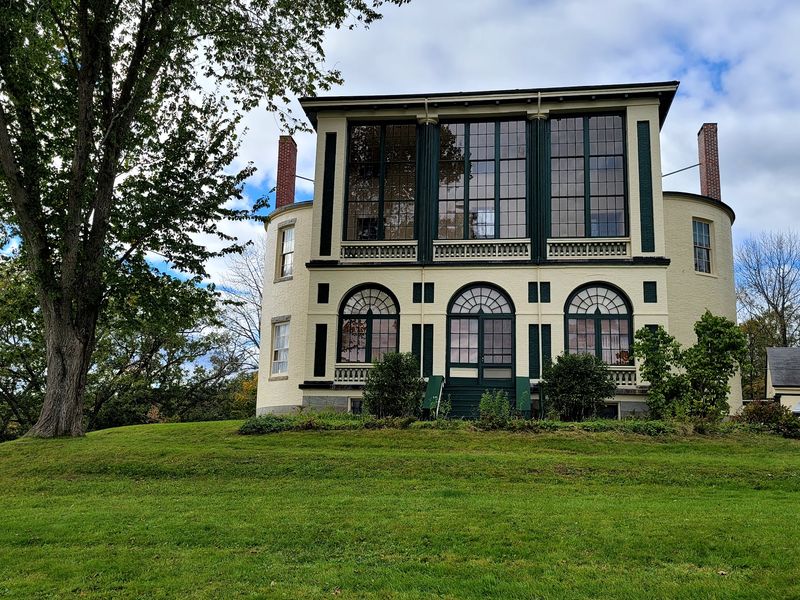
Perched above the water at 2 Lee St, Wiscasset, ME 04578, Castle Tucker looks every bit as dramatic as its name suggests. Built in 1807 for Judge Silas Lee, the grand mansion has overlooked the Sheepscot River for more than two centuries.
The Tucker family lived here for many years, and their belongings still fill the rooms. That means you see actual furniture, wallpaper, and decorations chosen by the people who called this place home.
Historic New England now cares for the property, opening it during select seasons for guided tours. Because it runs on a limited schedule, planning your visit around their calendar is a must.
A sweeping staircase and elegant parlors greet visitors inside. Guides describe how the family lived, entertained, and adapted the house to suit changing times across the 1800s and beyond.
The views from the mansion stretch across the river, adding natural beauty to the historic charm. Standing on the porch, you can imagine the family enjoying the very same scenery generations ago.
Wiscasset’s location on the coast makes Castle Tucker an easy addition to a day exploring the town’s shops and other landmarks. Two Historic New England sites sit within this single village.
What sets this house apart is how lived in it feels. Rather than a stiff museum, it seems like the family just stepped out, leaving everything in place for you to discover.
Guides love pointing out small personal touches that reveal the family’s personality and habits. These details make the tour feel intimate and genuine.
Wandering back down toward the water after your visit, you carry the sense of having been a welcomed guest in a home that quietly preserves two centuries of coastal Maine living for all who come to see it.