
This Tiny Michigan Food Truck Serves Farm-Raised Kielbasa And Pierogi People Drive Miles To Find
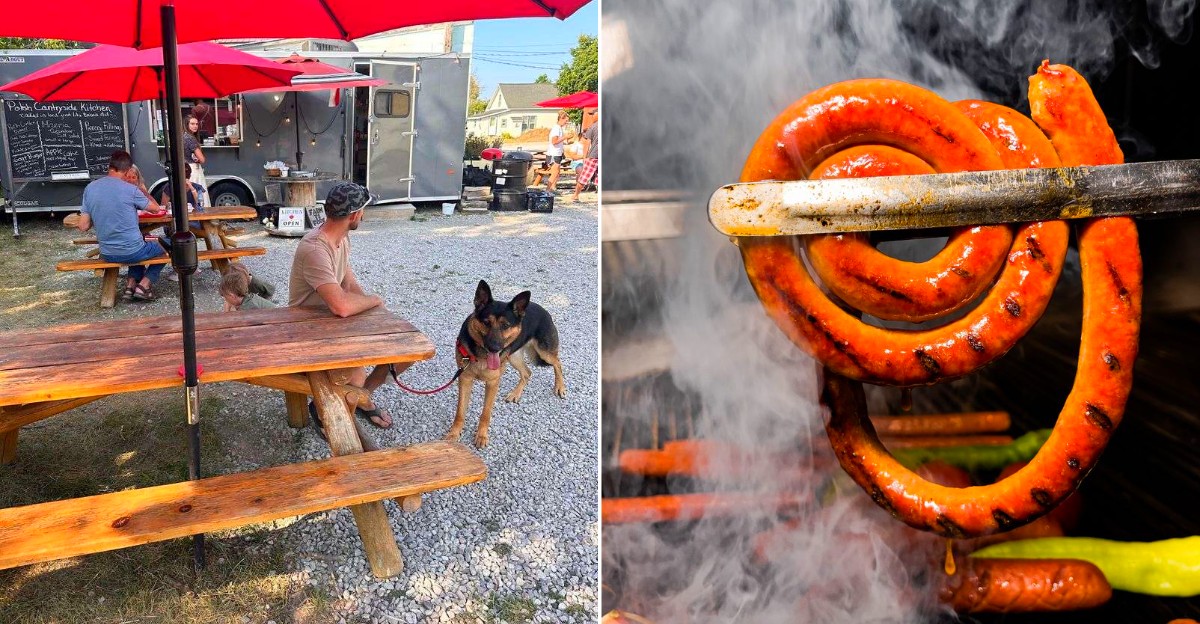
The distance between a food truck and a fourteen-acre farm shrinks to nothing at this Cedar operation in northern Michigan. Heritage-breed Mangalitsa pigs root in the soil while the owner runs the kitchen using old-world recipes passed down through generations.
His wife family has kept the Polish Art Center running in Hamtramck for over fifty years. Smoked kielbasa, pierogi, blood sausage, and golobki stuffed cabbage all come from meat raised on the homestead.
A butcher shop in Hamtramck processes it with exactly the expertise heritage pork demands. The menu extends to birch sap drinks imported from Poland that taste like nothing available at any other food truck in the state.
Cedar itself was settled by Polish immigrants from near Gdansk in the eighteen hundreds.
A Michigan food truck that raises its own pigs and serves old-world kielbasa proves that the best sausage starts long before it hits the grill.
Know Where The Pork Begins
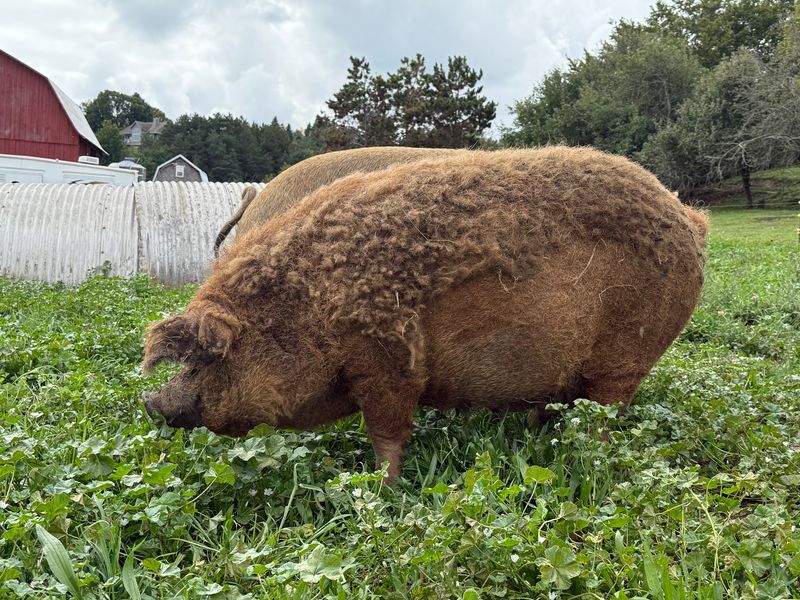
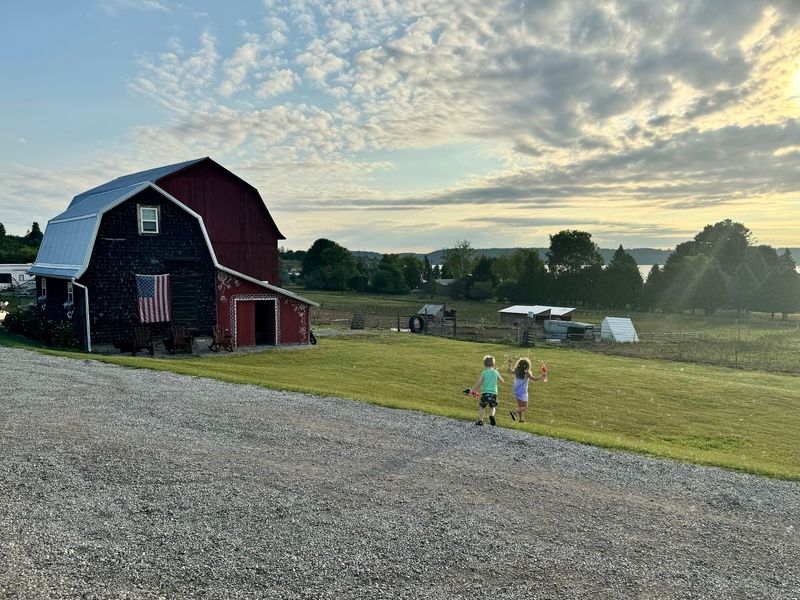
Long before kielbasa reaches the serving window, its story begins on the Koch family’s 14-acre homestead near Lake Leelanau. The farm raises Mangalitsa pigs, a woolly heritage breed valued for richly marbled meat.
That connection gives the phrase farm-to-fork a clear meaning rather than turning it into decorative menu language.
Marbling is fat woven through the meat, and it can contribute moisture, richness, and a fuller pork flavor. The breed therefore matters when tasting the truck’s kielbasa and other pork dishes.
Visitors interested in food origins can appreciate that the owners know how their animals were raised.
Keep this background in mind while choosing an order. A sausage may look simple in its bun or beside pierogi, yet much of its character started miles away on the farm.
Asking politely about available pork dishes can also reveal choices beyond the best-known sausage plate that day.
Find The Alley Behind The Art Center
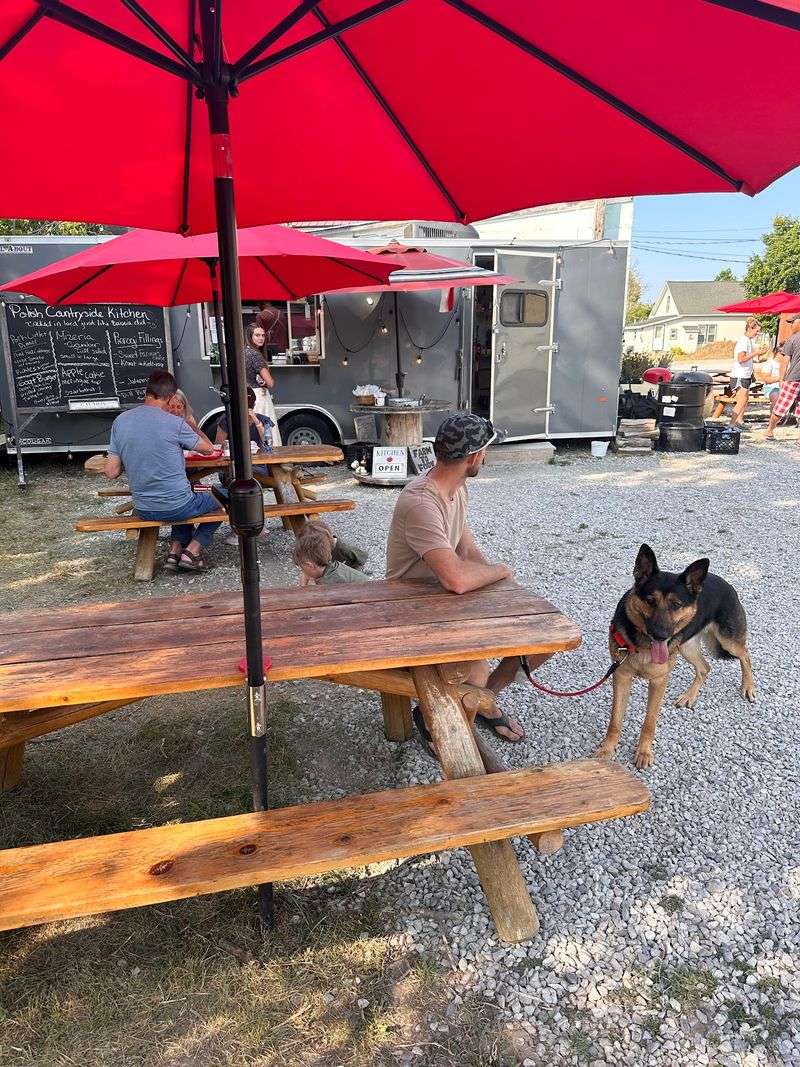
Polish Countryside Kitchen sits behind the Polish Art Center at 8994 S Kasson Street in downtown Cedar, Michigan. Kasson Street brings you straight through the tiny village center, and the Polish Art Center is the landmark to aim for rather than looking for the food truck from the road.
Once you reach the shop, the real destination is tucked behind it. Head into the lane at the Polish Art Center and the food truck setup opens up in back, with picnic tables around the serving area instead of a conventional restaurant entrance.
Park around the Polish Art Center property, then walk behind the store to the truck and outdoor seating. The last few steps are easier than the drive: find the Polish storefront first, then follow it around back.
Start With The Smoked Kielbasa
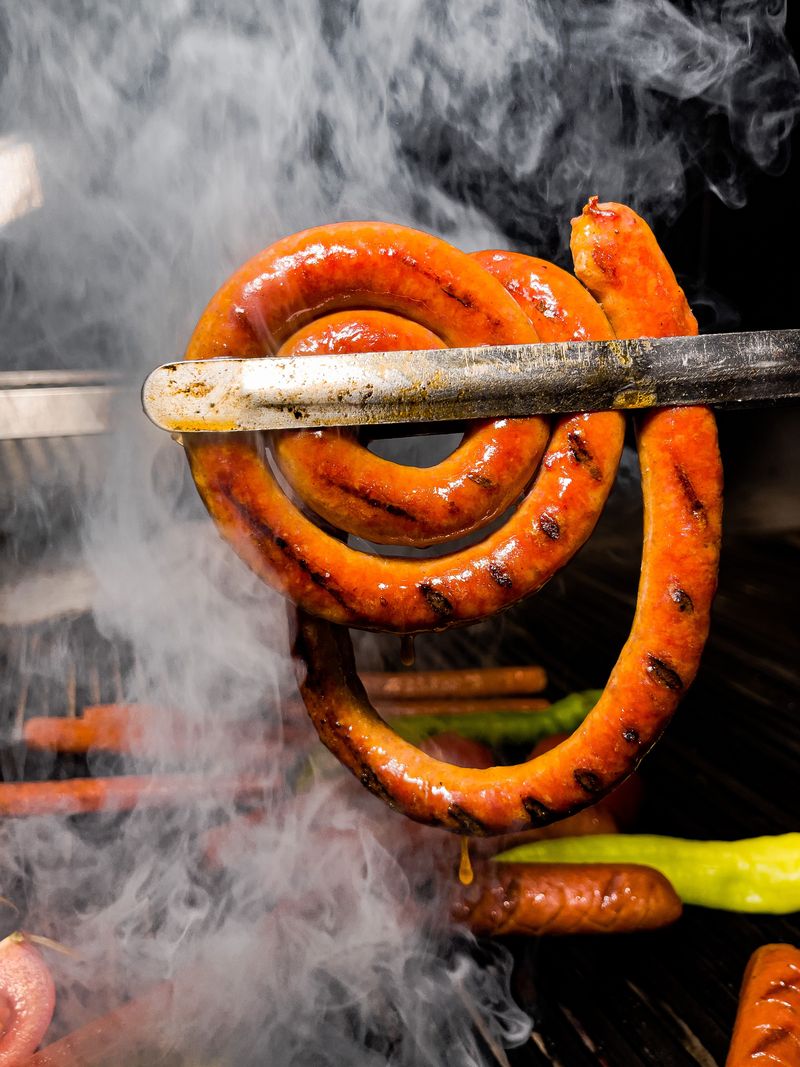
Smoky aroma does much of the announcing when kielbasa lands on the table. Tom Koch grew up in Hamtramck around Polish cooking, including meals shaped by his babcia’s kitchen.
That family background gives the sausage a cultural trail stretching from a well-known Michigan Polish community to a tiny alley in Cedar.
The smoked kielbasa is custom-made by Srodek’s Campau Quality butcher shop in Hamtramck. Its preparation draws on established Polish sausage craft, while pork from the Kochs’ farm supports the truck’s close link between agriculture and cooking.
For a first visit, kielbasa is a smart starting point because it quickly explains the whole operation: heritage, careful sourcing, smoke, and satisfying flavor. Eat a bite before covering it with extras so you can notice the seasoning and texture.
Then pair it with pierogi for the broadest introduction to the menu in one meal.
Save Space For Potato And Cheese Pierogi
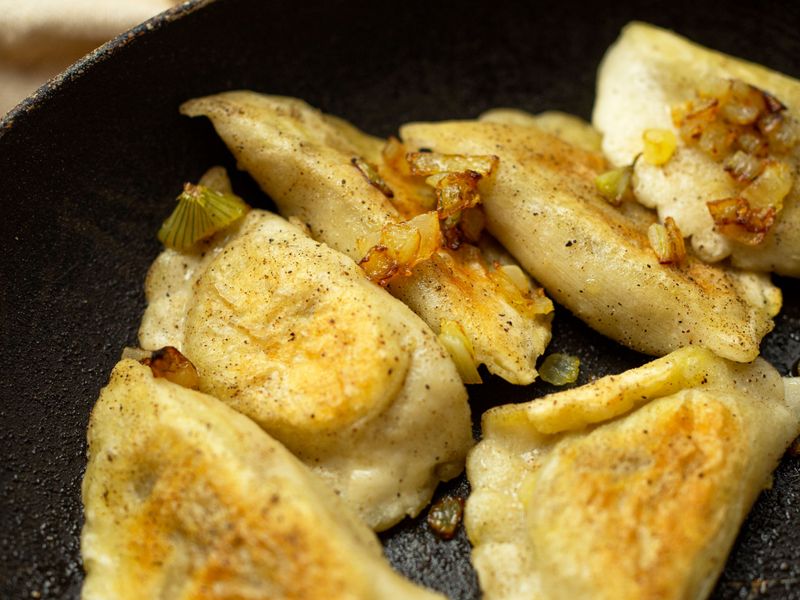
Pierogi arrive with none of the swagger of a towering sandwich, yet their quiet comfort can steal the meal. The truck serves the classic potato and cheese style commonly known as pierogi ruskie.
Soft dough holds a savory filling that works especially well beside the stronger smoke and seasoning of kielbasa.
Polish pierogi are traditionally boiled, and they may then be finished with browned butter or served with sour cream. Check how the day’s order is presented before adding anything.
A plain first bite makes it easier to notice the dough’s tenderness and the balance of potato and cheese.
Sharing is useful if several dishes sound tempting, but order enough to avoid negotiations over the final dumpling. Pierogi cool gently and travel fairly well, making them practical for carryout too.
Still, eating them at a picnic table keeps their texture at its best and saves the ride home from smelling painfully delicious.
Watch For Golobki And Rotating Plates
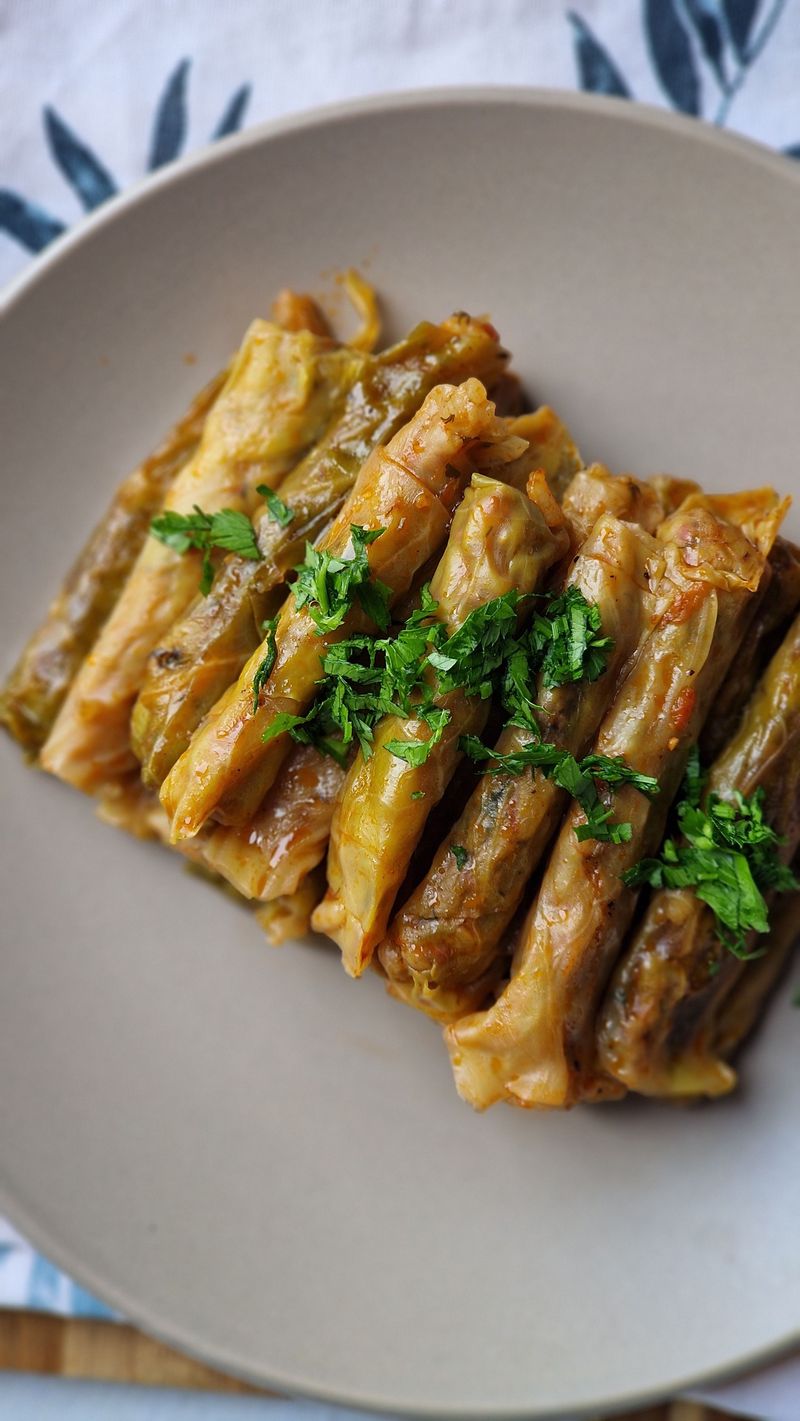
A cabbage leaf can look modest until it is wrapped around a hearty filling and covered with savory flavor. Golobki, the Polish stuffed cabbage served at the truck, combines the Kochs’ Mangalitsa pork with beef sourced from a local farmer.
It is a fine choice when you want something beyond the familiar kielbasa-and-pierogi pairing.
The broader menu can rotate, so one visit may not match another exactly. Pork cutlet dinners made with Mangalitsa ham have also appeared, bringing the farm’s rich pork into a different traditional format.
Availability naturally depends on the day’s plans and supplies.
Read the posted menu before automatically repeating an old favorite, and ask what is available without assuming every dish is permanent. Rotating plates reward flexible eaters and show more of Tom Koch’s old-world cooking.
If golobki appears, consider pairing it with a lighter side so the cabbage, meat, and seasoning remain the main event.
Finish With Chilled Szarlotka
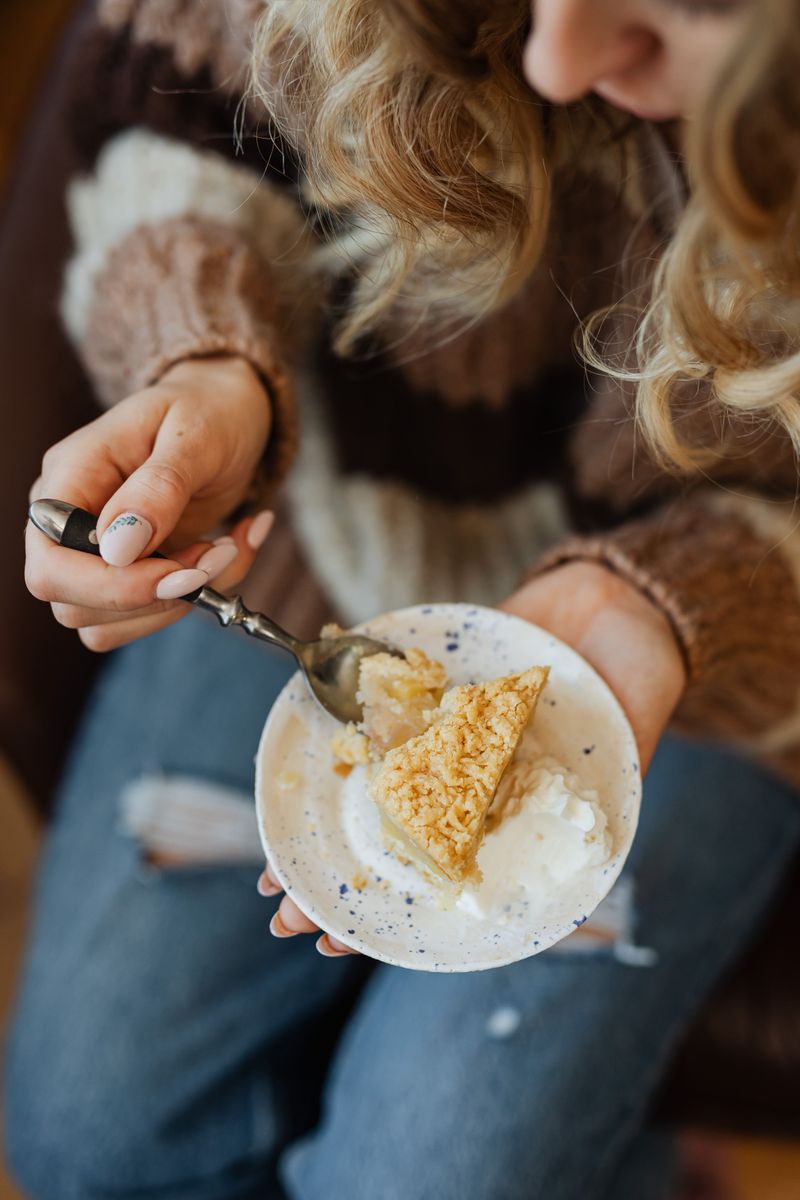
After smoked sausage and stuffed cabbage, a chilled apple dessert sounds almost unusually tidy. Szarlotka is a traditional Polish apple cake, and the truck serves it cold as a sweet finish.
Its fruit-centered character offers a welcome change of pace after the deeper, savory flavors that lead most orders.
Kathleen Koch has identified the dessert as a personal favorite, which gives curious diners another reason to notice it. Polish versions of apple cake vary, but apples and pastry are the central idea.
Here, the cool serving temperature is part of the experience rather than an accident of storage.
Order a slice early if dessert is important to you, since a small operation may have limited quantities. You can eat it immediately or save it until the main plates are cleared.
I prefer waiting a few minutes; the chilled sweetness feels brighter once the last smoky bite has faded from the palate.
Ask About Garden-Fresh Additions
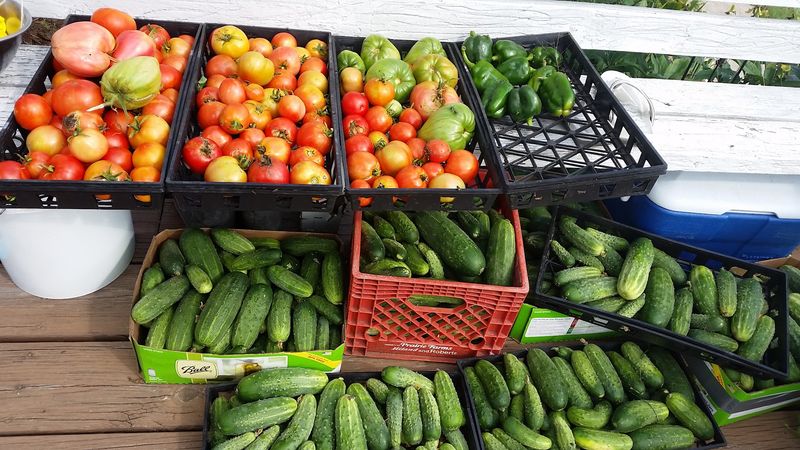
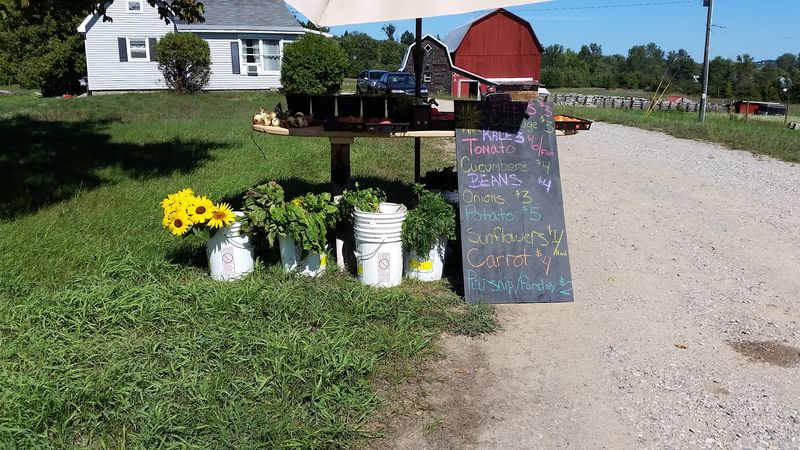
Garden beds have a way of making a fixed menu behave a little less predictably. The Kochs grow vegetables and herbs at their farm, and plantings have also been maintained near the food truck site.
Fresh harvests can shape seasonal touches alongside the Polish staples people travel to Cedar to find.
That means summer produce may bring colors and textures that differ from cooler-season meals. The farm has produced vegetables such as onions, cucumbers, tomatoes, and beets, although a past harvest does not guarantee any particular item during your visit.
Instead of expecting a specific garden side, look for posted specials or ask what recently came in. Seasonal ingredients are most enjoyable when treated as a bonus, not a promise.
They also reveal how the truck and homestead work together: one supplies the table with pork, while garden soil contributes smaller accents that can make a familiar plate feel newly awake.
Notice The Hamtramck-To-Cedar Story
Cedar may be the destination, but Hamtramck supplies much of the food truck’s cultural compass. Tom Koch was raised close to his Polish grandparents, with his babcia’s kitchen serving as a regular family meeting place.
Kathleen’s family operated a Polish import store in Hamtramck for more than half a century.
Those histories help explain why the truck feels connected to more than recipes. The Kochs first built a cultural presence in Cedar through the Polish Art Center, then expanded that work through food.
Cedar’s established Polish community made the location a natural fit for traditional cooking.
Pause inside the center if it is open, then eat behind it with that larger story in mind. Decorative art, imported goods, family knowledge, and farm ingredients belong to the same project here.
Lunch becomes more interesting when you see the truck not as an isolated business, but as another chapter in the Koch family’s preservation of Polish heritage.
Claim A Shady Picnic Table
Hand-hewn picnic tables make the alley feel more like a country gathering than a quick roadside stop. Umbrellas provide welcome shade, and Polish folk music may accompany lunch.
From the seating area, visitors can sometimes glimpse the neighboring Williams Orchards country farm stand, adding another rural note to downtown Cedar.
Outdoor dining calls for a small amount of planning. Check the weather, bring a light layer on breezy days, and choose carryout if rain looks determined.
Families should expect casual shared seating rather than a formal dining room.
Food tastes best before it spends too long sealed in a container, so claim a table when conditions are pleasant. Set napkins beneath anything light enough to wander in the wind.
Then slow down between bites. The atmosphere is not fancy, but the mix of umbrellas, carved wood, music, and hot Polish food creates a setting that deserves more than a hurried meal.
Confirm Hours Before Driving
A long drive becomes far less charming when the service window is closed. Published information has listed the truck’s usual schedule as Thursday through Monday, from 1 p.m. until 7 p.m., with operations beginning around the Memorial Day period.
Seasonal businesses, however, can adjust hours for weather, supplies, events, or staffing.
Check the official Polish Heritage Farm website or current business channels before leaving, especially if Cedar is well outside your normal route. Confirm both the day and the location because the farm itself is separate from the downtown food truck behind the Polish Art Center.
Arriving earlier in the service window may provide a wider choice when rotating dishes are offered. Carryout is available, while outdoor tables invite visitors to stay when the weather cooperates.
Build a little flexibility into the trip, and remember that posted historical hours are guidance, not a permanent guarantee. One quick check can protect an entire afternoon’s appetite.