
Every October, Arizona’s White Mountains Fill With The Eerie Bugle Of Wild Elk At Dawn
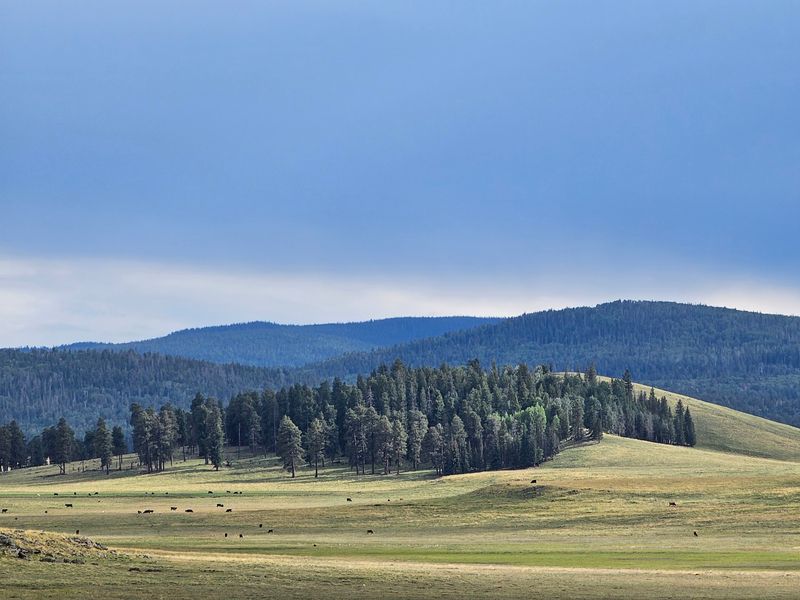
Every October, something strange and wonderful happens in Arizona’s high country. A wild, whistling call rings across the meadows at dawn, part deep growl and part eerie squeal, and it belongs to bull elk showing off during their yearly mating season.
Add golden aspens, crisp mountain air, and two million acres of forest, and you have one of the state’s most magical seasonal shows. Best part?
Most of it costs almost nothing to enjoy.
Where The Bugling Begins In Arizona’s High Country
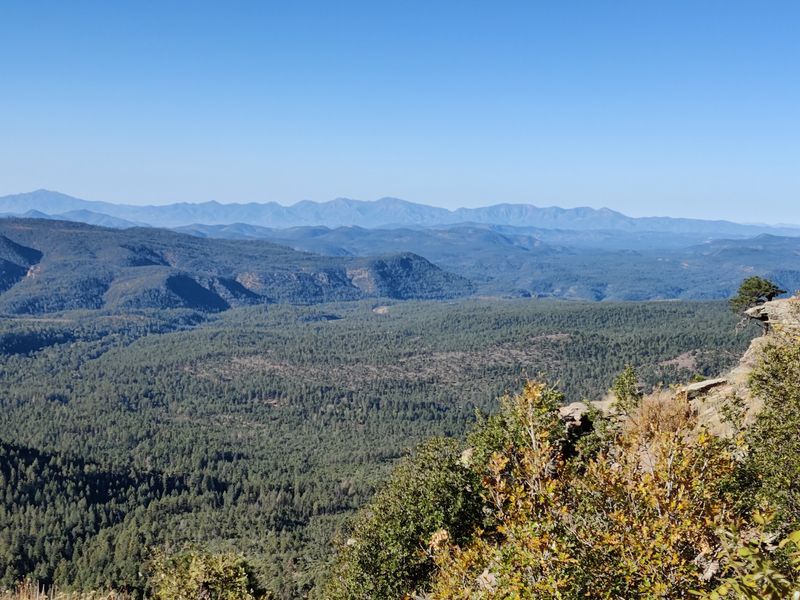
Roughly two million acres of mountain country stretch across eastern Arizona under one long name: the Apache-Sitgreaves National Forests. Its main ranger office sits at 30 South Chiricahua Drive in Springerville, a small town that makes a handy launch point for a fall trip.
What sets this place apart isn’t a single trailhead or lookout. It’s the sheer scale of forest, lakes, streams, valleys, and grassy meadows, all folded into the White Mountains region.
Elk wander freely here, and autumn is when they announce themselves.
Regulars describe the forest as a tonic for the soul, a phrase that fits once you hear that first bugle carry across a cool morning. The land holds a 4.7-star reputation across thousands of visits, and scenery is easily the most talked-about draw.
You don’t need a guide or fancy gear to enjoy it. A quiet drive down a forest road, a thermos, and a little patience often deliver more than any packed itinerary.
This is a place built for slowing down and letting nature do the talking.
The Sound That Echoes Through Fall Mornings
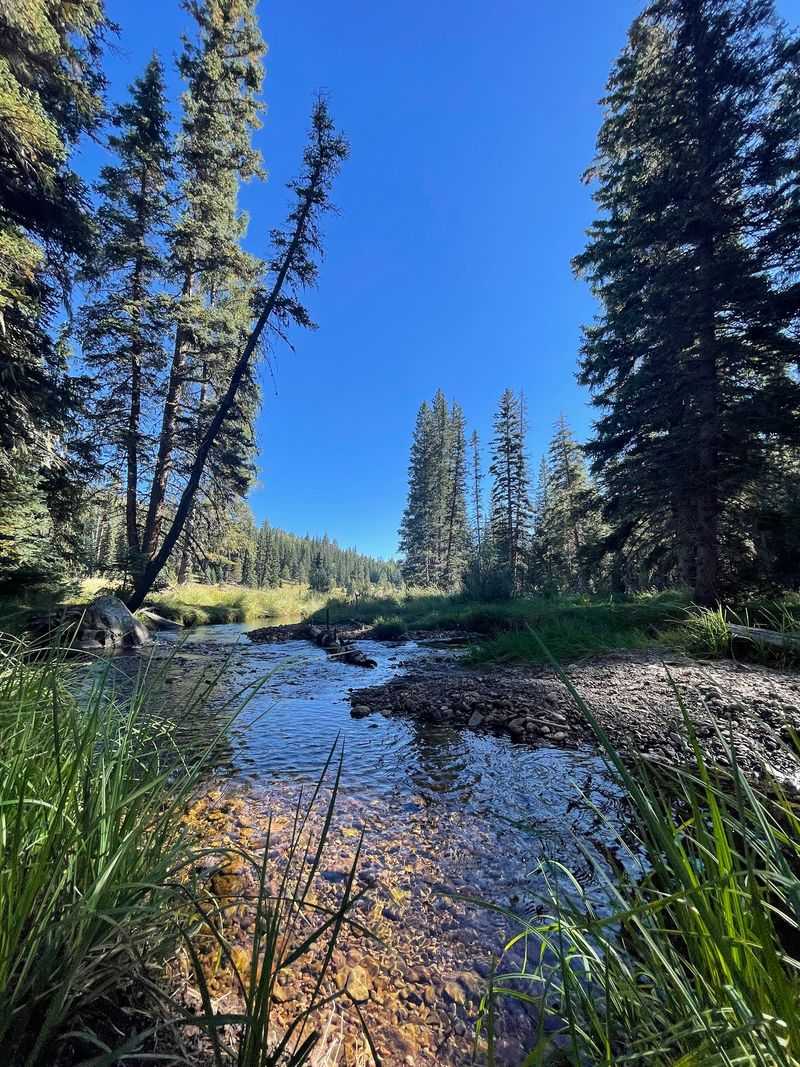
Close your eyes on an early October morning here and you might mistake it for something otherworldly. The elk bugle starts as a low, resonant tone, climbs into a high whistle or squeal, then finishes with a series of gruff grunts.
Once you’ve heard it, you never quite forget it.
Bull elk make this call for two reasons during their fall breeding season. They use it to attract cow elk and to warn rival males to keep their distance.
Cows answer with softer mews that signal their mood or point the herd in a direction.
The rut mainly runs through September and October, though calls can start in late August and stretch into early November. Peak bugling usually lands in early October before easing off later in the month.
Sound travels far in the crisp night air, so you may hear a distant bull long before you spot one. That mystery is half the fun.
Standing still in the dark, listening to the forest come alive, feels like being let in on a secret the mountains have kept for ages.
Greer And The Little Colorado River Valley
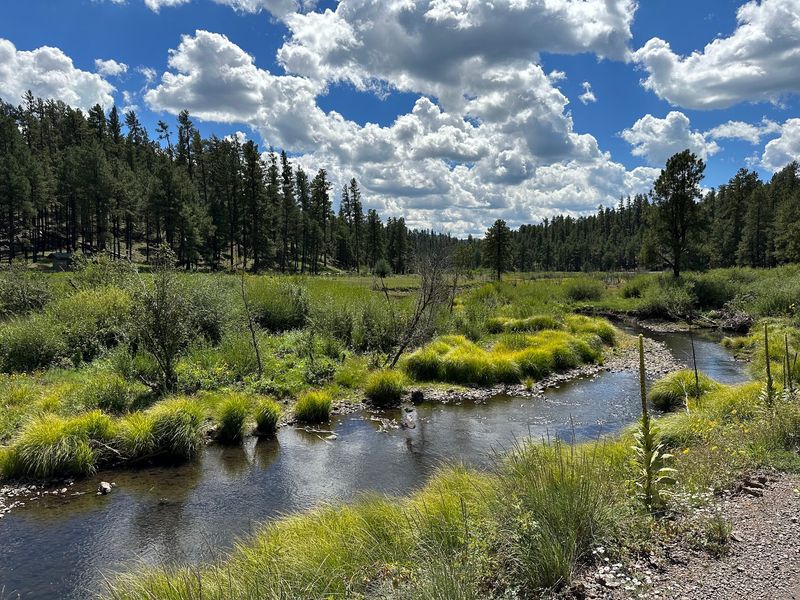
Tiny Greer feels tucked into a pocket of the world where time slows down. The Little Colorado River threads through the valley here, and the surrounding meadows make ideal grazing ground for elk during the rut.
Morning is the golden window. As mist lifts off the water and the sun catches the aspens, elk often drift out of the treeline into open pasture, and the bugling starts up in earnest.
The valley’s mix of river, grass, and forest gives the animals everything they need, which is exactly why they gather here. Visitors who arrive quietly and stay patient are frequently rewarded with a herd moving through the meadow.
Beyond wildlife, the setting alone earns the drive. Golden cottonwoods and aspens line the water, and the whole valley glows in that soft autumn light photographers chase.
Bring layers, because the mornings turn sharp and cold at this elevation. A pair of binoculars helps you watch from a respectful distance without spooking anything.
Slow, unhurried, and gorgeous, Greer sets the tone for the whole White Mountains experience.
Alpine And The Eastern White Mountains
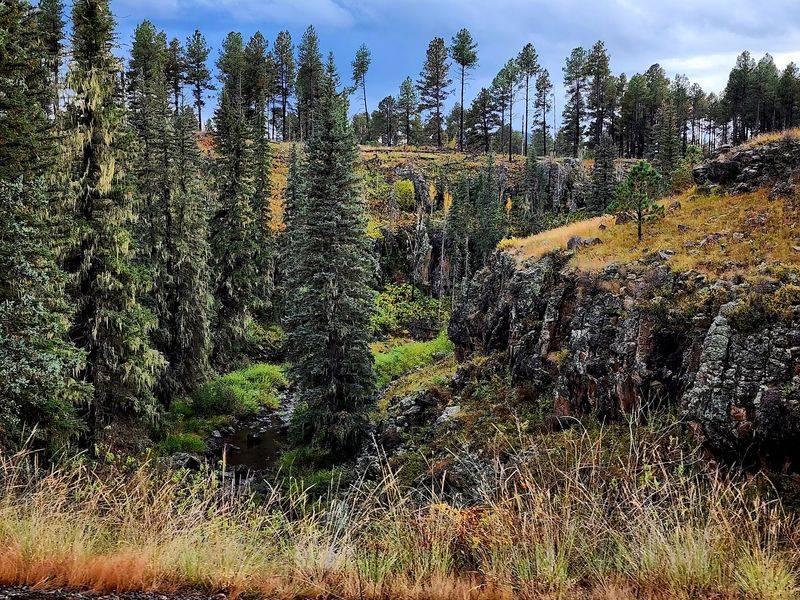
Sitting near the eastern edge of the forest, Alpine has a wilder, more remote feel that suits elk perfectly. Fewer crowds and wide stretches of unbroken forest mean the animals move with confidence out here.
Meadows edged by spruce and aspen create natural stages for the rut. At dusk, bulls step into the open, throw back their heads, and let loose calls that roll across the hills.
The country around Alpine can feel genuinely rugged, so a full tank, extra water, and a sense of adventure go a long way. Forest roads branch off in every direction, and some of the best viewing happens simply by pulling over and waiting.
What makes this corner special is the quiet. Away from busier lakes and campgrounds, you can hear a single bull answering another across a valley with nothing else competing for your attention.
Cool evenings and clear skies are part of the package. Once the light fades, the bugling seems to grow louder, carrying through air so still it feels like the whole forest is holding its breath alongside you.
Grasslands Around Springerville And Eagar
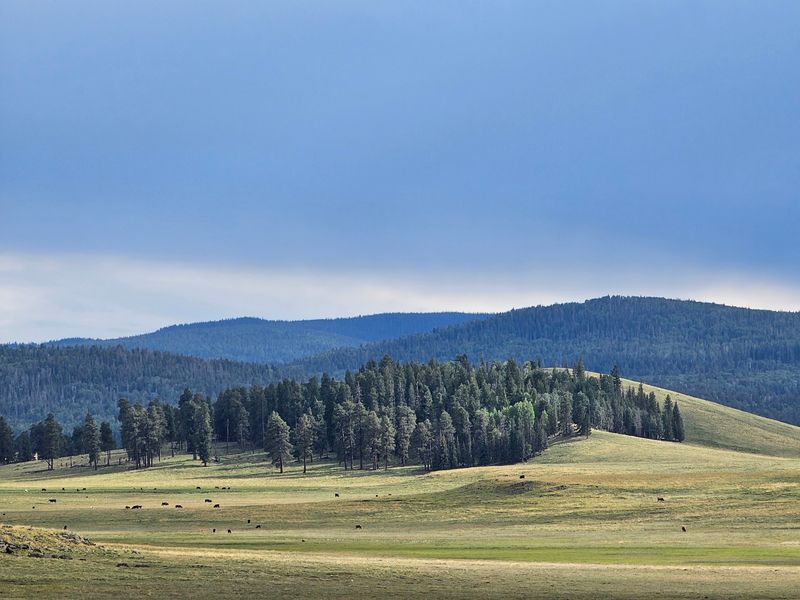
Wide-open grassland is the signature look around Springerville and Eagar, and elk love a good meadow. These sweeping fields, framed by forest on the horizon, give herds room to gather and grand sightlines for anyone watching.
Because the terrain opens up here, spotting animals gets easier. You don’t have to peer deep into the trees; elk often stand out plainly against the tawny grass, especially in early light.
Springerville doubles as the practical hub of the region. With the forest’s main office in town, it’s a smart base for picking up information before heading out to explore.
Sunrise over the grasslands has a soft, buttery quality that makes even a distant herd feel cinematic. Add the sound of bugling drifting across the flats, and the scene borders on unreal.
Both towns keep a relaxed, small-community feel that fits the pace of a fall trip. Fill your travel mug, roll out before dawn, and let the open country do the rest.
For anyone new to elk watching, these grasslands offer some of the most forgiving and generous viewing around.
Sipe White Mountain Wildlife Area
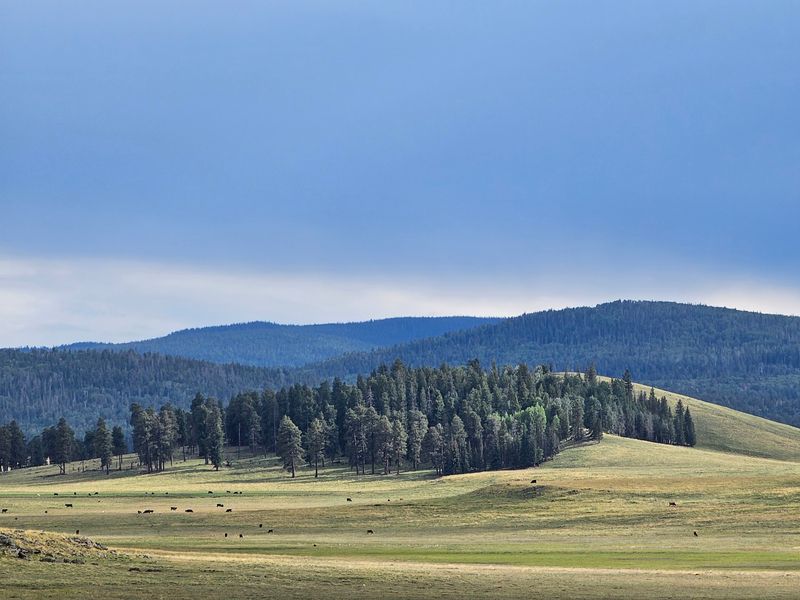
Designed with wildlife watchers in mind, the Sipe White Mountain Wildlife Area feels like a purpose-built window into the region’s animal life. Gentle trails wind past ponds and meadows where elk and other creatures come to feed.
The layout makes it welcoming for families and first-timers. You can walk easy paths, pause at overlooks, and scan the grasslands without needing a rugged vehicle or backcountry know-how.
Autumn brings elk into the open here, along with pronghorn and mule deer that share the same fields. Early and late in the day remain your best bets for activity and bugling.
Part of the charm is how peaceful it stays. The area rewards slow, quiet movement, and staying downwind keeps you from tipping off a wary herd.
Interpretive spots along the way help visitors understand what they’re seeing, turning a simple stroll into a bit of a learning trip. It’s the kind of place where kids and grandparents can share the same wonder.
Pack binoculars, wear layers, and give yourself unhurried time. Sipe rewards patience with some of the most reliable wildlife encounters in the White Mountains.
Fool Hollow Lake Recreation Area Near Show Low
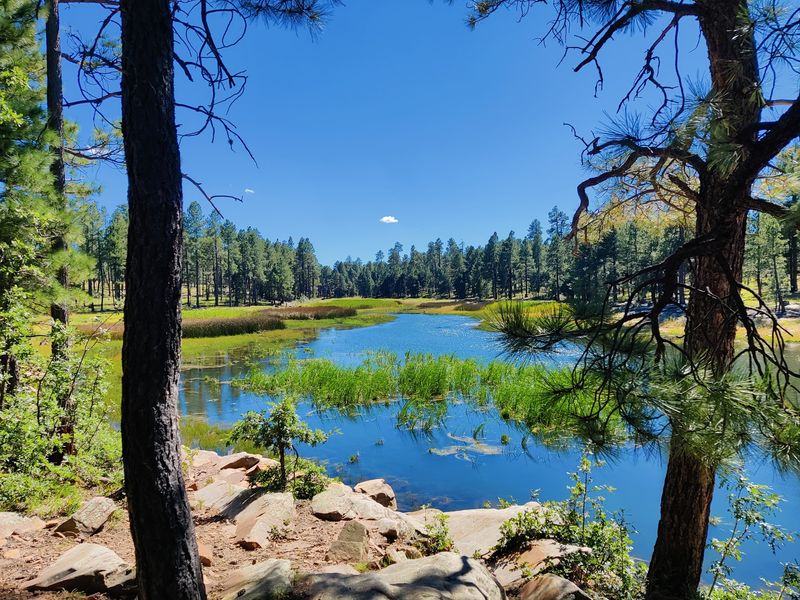
On the western side of the White Mountains, Fool Hollow Lake near Show Low pairs shimmering water with tall pines and easy access. It’s a favorite for families who want scenery and wildlife without a long backcountry trek.
The lake draws anglers, campers, and picnickers, and the surrounding woods bring elk and deer close enough to enjoy in the softer hours of the day. Autumn adds pops of gold to the shoreline for good measure.
Unlike much of the free-roaming forest, this developed recreation site may charge a small entrance fee. That modest cost helps keep the grounds tidy, with restrooms and maintained campsites on hand.
Weekdays tend to feel calmer than busy weekends, so a mid-week visit gives you quieter mornings and better odds of catching wildlife undisturbed.
Reflections of colored trees on still water make this a photographer’s easy win. Even if the fishing runs slow, the setting rarely disappoints.
For travelers who want comfort alongside nature, Fool Hollow strikes a friendly balance. Bring a chair, settle by the shore, and let the mountain air do its quiet work.
The Pole Knoll Loop And Trails Worth Walking
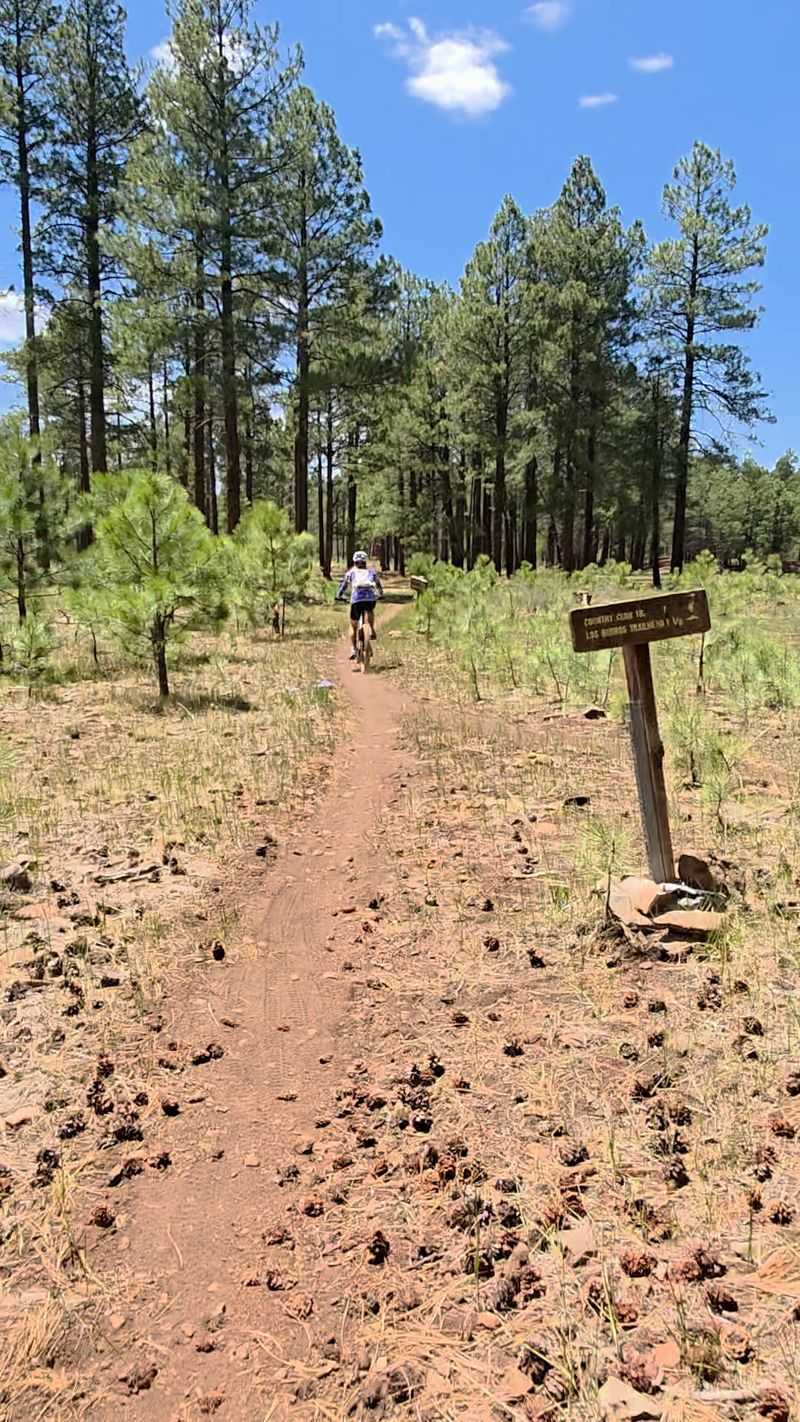
Lacing up for a walk changes the whole experience, and the Pole Knoll Loop is a great way to trade your car for your own two feet. Winding through pine and aspen, the trail puts you right inside the forest where elk actually live.
Movement on foot demands a different kind of attention. Step softly, watch the wind, and you might round a bend to find a herd feeding just off the path.
The White Mountains offer plenty of walking beyond this one loop. Trails like the East Baldy route lead past blue spruce, golden aspens, meadows, and creeks, delivering that deep, breathe-it-all-in escape from city life.
Fall coloring makes these paths especially rewarding, with aspens turning brilliant shades of gold across the hillsides. The crisp air keeps you comfortable even while climbing.
Remember that bull elk grow bolder during the rut, so keep a generous distance and never crowd an animal for a photo. Respect goes a long way out here.
Well-chosen shoes, water, and an early start make any of these trails a highlight of a White Mountains autumn.
Big Lake And Its Fall Foliage Reflections
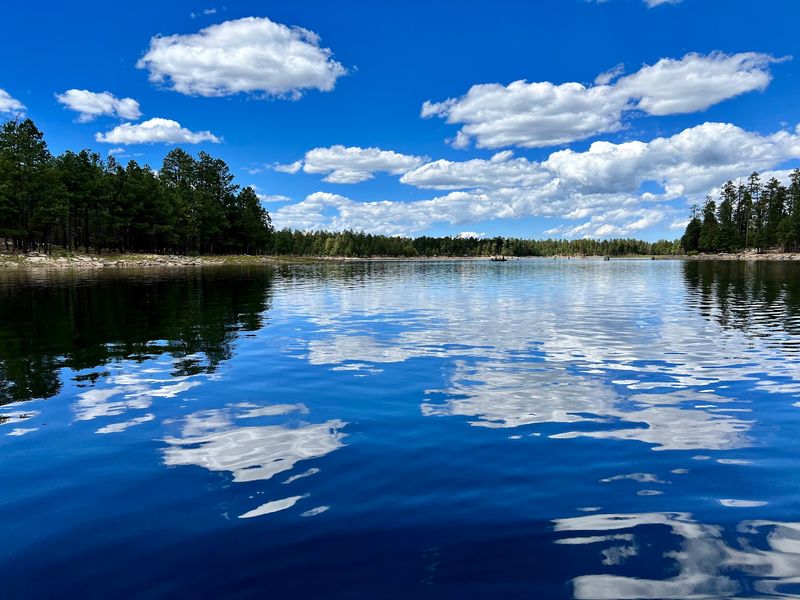
Shimmering water framed by turning trees makes Big Lake one of the most photogenic spots in the whole region. Beloved for its beauty and calm, it also happens to be a fine place to watch elk against a backdrop of fall color.
The combination is hard to beat. Aspens glow gold along the shore, the lake mirrors the sky, and herds drift through nearby meadows in the cool hours of morning and evening.
Families who’ve camped here for years return again and again, often for the scenery even when the fish aren’t biting. The weather up at this elevation runs pleasantly cool, a welcome change from lower desert heat.
Big Lake’s setting invites you to linger. Set up a chair by the water, keep your binoculars close, and let the reflections and the distant bugling fill the afternoon.
Because it’s a popular destination, weekdays offer more solitude than weekends. Arrive early to claim quiet time before other visitors roll in.
Between the golden foliage, the still water, and the chance of elk nearby, Big Lake gathers the season’s best features into one unforgettable stop.
Golden Aspens And The Autumn Color Show
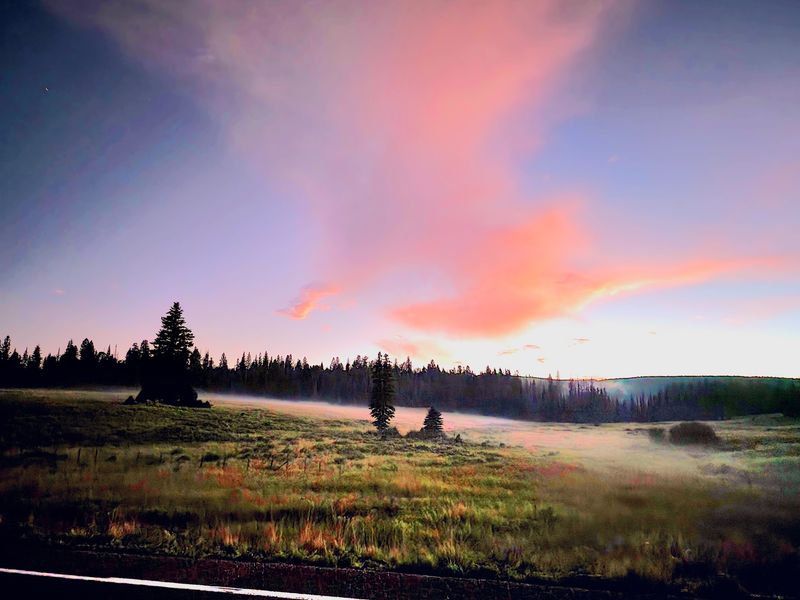
Elk may headline the season, but the aspens steal plenty of scenes on their own. Across the White Mountains, these slender trees flip to gold and crimson, turning entire hillsides into rolling color.
Peak usually lands in the first half of October, roughly between the 5th and 20th, though weather can nudge the timing earlier or later each year. Watching for those shifting dates is part of planning a good trip.
The effect layers beautifully with everything else. Golden aspens beside a creek, blue spruce standing tall, and a meadow catching morning light create postcard views at nearly every turn.
Hikers on the East Baldy area and similar trails often rave about the fall display, and it’s easy to see why once the leaves catch fire in the sun.
Color and wildlife peak around the same window, which is a happy coincidence for anyone timing a visit. Catch both and you’ve hit the season’s sweet spot.
A camera, a flexible schedule, and a willingness to chase the light will serve you well. When the aspens turn, the whole forest feels like it’s celebrating.
Beyond Elk: Deer, Pronghorn, Wild Horses And Birds
Elk get the spotlight, but they share this forest with a whole cast of characters. Mule deer, pronghorn antelope, and wild turkeys all roam the meadows and roadsides, and many visitors spot several species in a single outing.
Wild horses are a genuine crowd-pleaser here. Early risers often catch them running through camp areas at dawn, a sight that turns an ordinary morning into a memory.
Fall bird migration adds another layer of life. From late August into early November, various species pass through, filling the air with movement and song alongside the elk calls.
People who explore the forest roads slowly frequently report small herds of deer playing in open ground and cows or horses wandering near the shoulder. Keeping your eyes moving pays off.
The forest’s 4.7-star standing reflects just how consistently rewarding these wildlife encounters can be. Variety is part of the appeal.
Bring patience and give every animal room. Watching a mixed cast of creatures go about their day, all against a backdrop of golden trees, reminds you just how alive this high country really is in autumn.
Planning Your Visit: Timing, Gear And Getting There
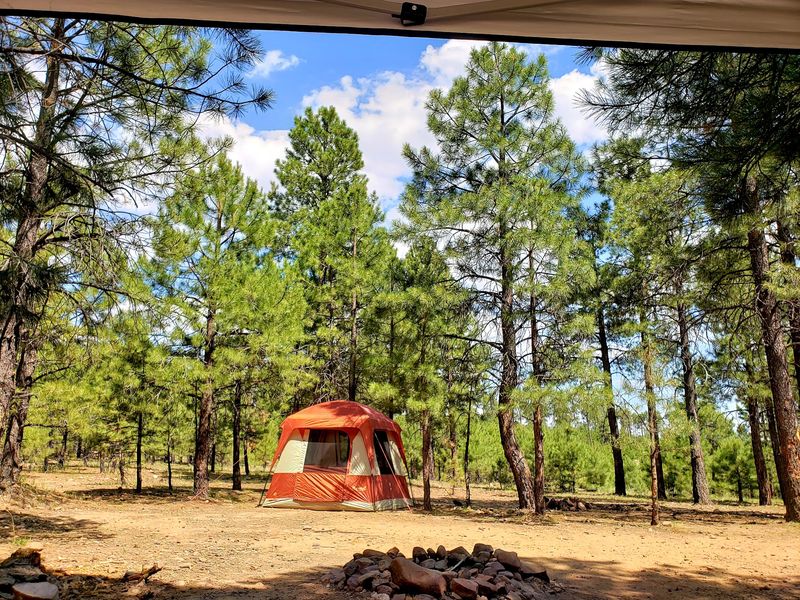
Timing shapes everything on an elk trip. Plan around dawn and dusk when the animals are most active, though bugling can carry through the night too.
Early October brings the peak of the action.
Springerville, home to the forest’s main office, makes a practical starting point for gathering directions and exploring the surrounding areas. Many forest roads are dirt and rock but manageable by car if you drive slowly and carefully.
Most viewing areas stay open to the public at no cost, part of what makes this such a budget-friendly adventure. Certain developed sites like Fool Hollow Lake may charge a small entrance fee, and permits apply for specific activities.
Gear-wise, a good pair of binoculars tops the list. Dress in warm layers for sharp mornings, pack plenty of water since some areas run remote, and always carry more than you think you’ll need.
Move slowly, mind the wind, and stay quiet to avoid startling elk. Bull elk turn more assertive during the rut, so keep a respectful distance at all times.
A little preparation turns a good day into a great one out here.
Why This Autumn Escape Is Worth The Drive
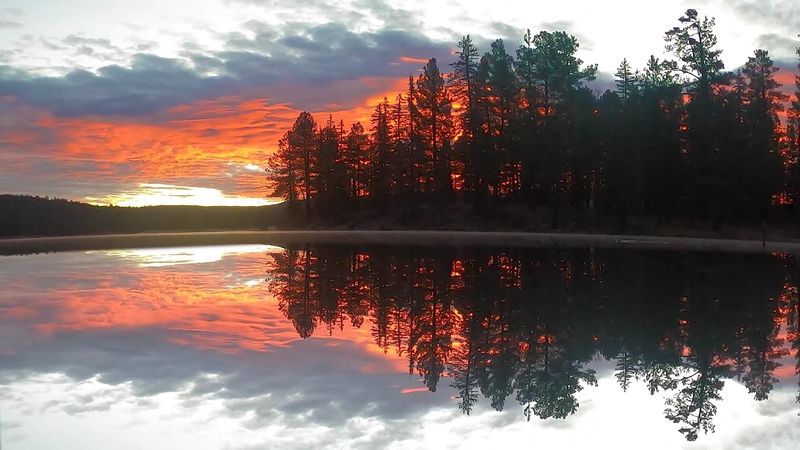
Some trips stick with you long after the drive home, and a White Mountains autumn is one of them. Between the haunting bugle of elk, hillsides of golden aspen, and cool, clean air, this corner of Arizona delivers a rare kind of everyday magic.
What makes it even better is how little it asks in return. Most of the forest is free to enjoy, and the biggest investment is simply getting up early enough to catch the show.
Longtime visitors call the forest peaceful, breathtaking, and a genuine tonic for the soul, and the season only deepens that feeling. With a 4.7-star reputation across thousands of visits, the enthusiasm clearly runs wide.
Whether you come for the wildlife, the color, the fishing, or just the quiet, the payoff feels far bigger than the effort. It’s the classic worth-the-drive find.
Grab a thermos, pack your binoculars, and point the car toward eastern Arizona this October. Somewhere out in those meadows, a bull elk is already tuning up, waiting for someone to stop, listen, and remember.