
You Can Walk Right Up To Rescued Bears And Big Cats At This Arizona Wildlife Sanctuary
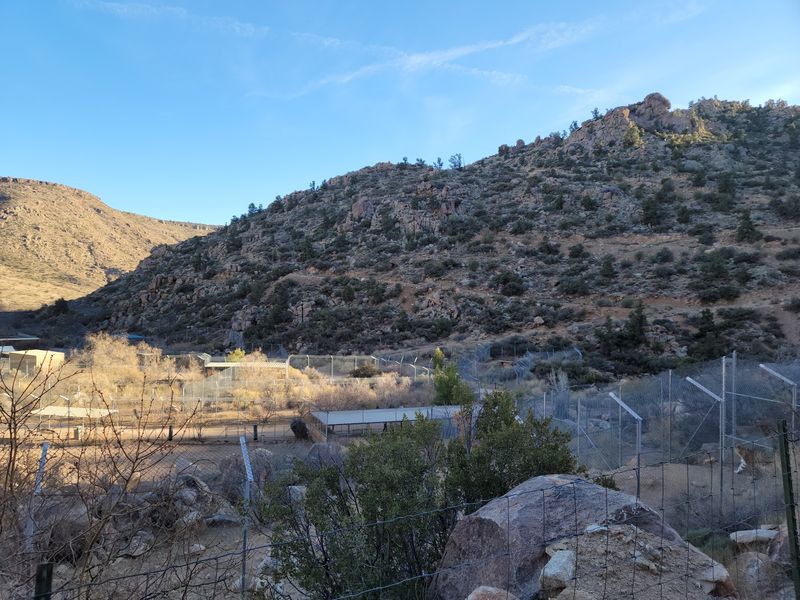
A white tiger that once starred in a national headline now spends its afternoons stretched out in the Arizona sun, safe at last. Out along Route 66 near Valentine, more than 130 species of rescued lions, tigers, bears, wolves, and monkeys have found a forever home on 175 wild acres.
Each one arrived with a rough backstory, and now they get spacious habitats and daily care from people who clearly adore them. It’s the kind of place that turns a simple drive into a day you’ll keep talking about.
A Refuge Along Historic Route 66
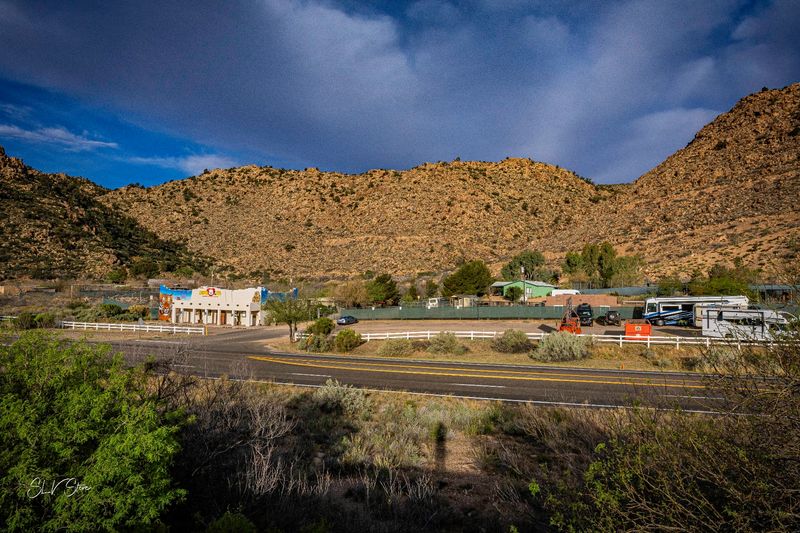
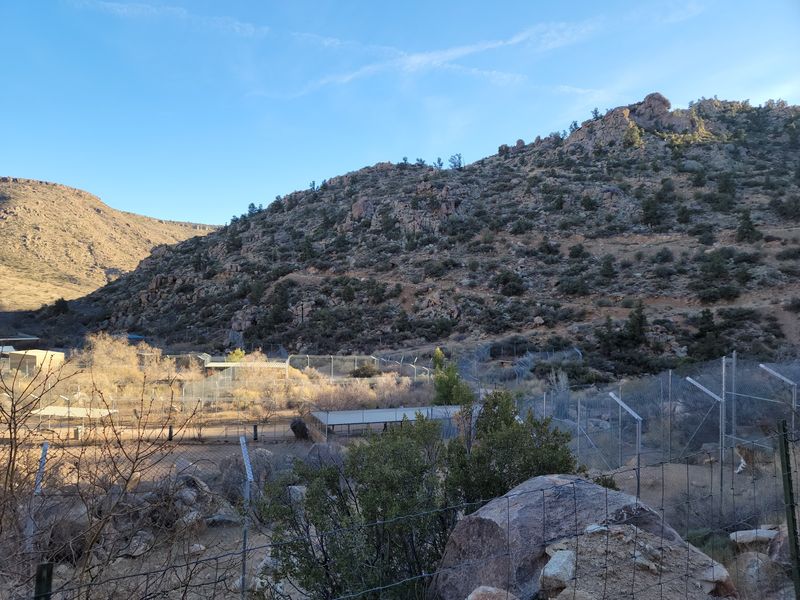
Roll down Arizona State Route 66 near the tiny community of Valentine and you’ll find something you never expected out in the open desert. Keepers of the Wild Nature Park sits at 13441 AZ-66, tucked into the rugged folds of Crozier Canyon where the terrain turns dramatic and quiet.
The drive itself earns half the praise. Regulars mention how beautiful the trip out feels, winding past canyon walls and open desert with barely another car in sight.
One heads-up worth remembering: there’s no cell service in the area. Charge your phone and load your directions before you leave, because GPS will need a little help once you get close.
What waits at the end is a 175-acre sanctuary that feels genuinely remote, far from crowded tourist stops. That isolation is part of the charm.
You’re not fighting elbow-to-elbow crowds here.
For anyone who loves the thrill of finding something unexpected off the beaten path, this corner of northwestern Arizona delivers in a big way. It’s a true hidden gem in the middle of nowhere, and that’s exactly why people fall for it.
Every Animal Carries a Story
Behind every set of eyes here is a tale of second chances. The animals at this sanctuary didn’t arrive from the wild.
They came from neglect, abandonment, shuttered roadside attractions, and homes where they never belonged in the first place.
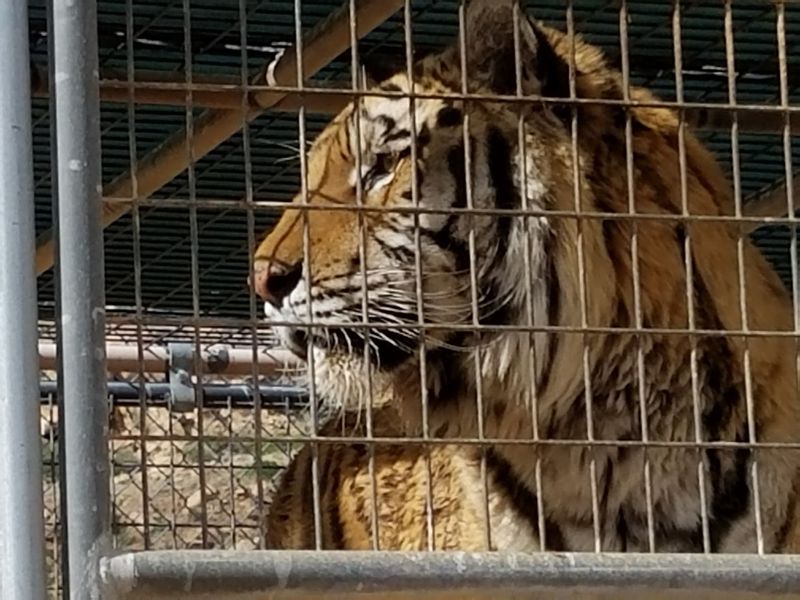
Some of the residents made headlines. Visitors light up talking about the tigers connected to the infamous Tiger King saga, now living peacefully in spacious habitats under the Arizona sky.
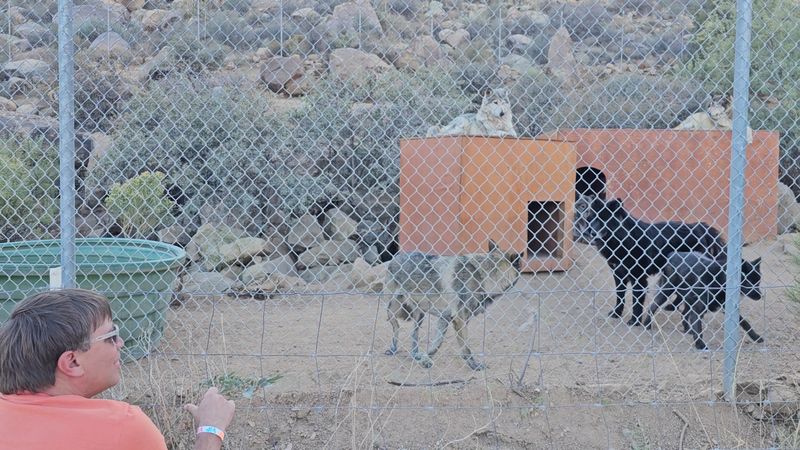
Other stories tug at the heart in quieter ways. There’s a monkey whose former owner pulled out its teeth hoping to stop it from biting, and wolves that survived a fire before finding safety here.
What ties it all together is that most of these animals could never be released. Hand-reared or captive their whole lives, they’d have no way to survive on their own.
People often ask whether the place feels sad. The honest answer is that the backstories are heavy, but seeing these creatures cared for, well-fed, and content flips that feeling into something hopeful.
This is where hard beginnings give way to peaceful, dignified days.
A Nonprofit Built on Compassion
Founded in 1995, this accredited nonprofit runs on a mission that’s simple to state and hard to pull off: protect and rehabilitate exotic and native wildlife that has nowhere else to turn.
Money to keep it going comes almost entirely from donations and the revenue the park generates. There’s no giant corporate backer here, which is exactly why what happens each day feels so genuine.
Visitors consistently notice how the staff treat the residents. The care isn’t performative.
Guides know each animal’s name, personality, and quirks, and that personal bond shows in everything they do.
The habitats reflect that dedication too. Enclosures are cleaned daily, the animals are fed well, and the whole property is kept clean and orderly across its sprawling acres.
Because every dollar circles back into feeding and housing the animals, browsing the gift shop or leaving a donation genuinely helps. It’s a rare spot where your visit directly supports the creatures you came to see.
For folks who value substance over flash, this quiet commitment to doing right by animals is the real draw. Compassion, not commercialization, sits at the center of it all.
Big Cats Front and Center
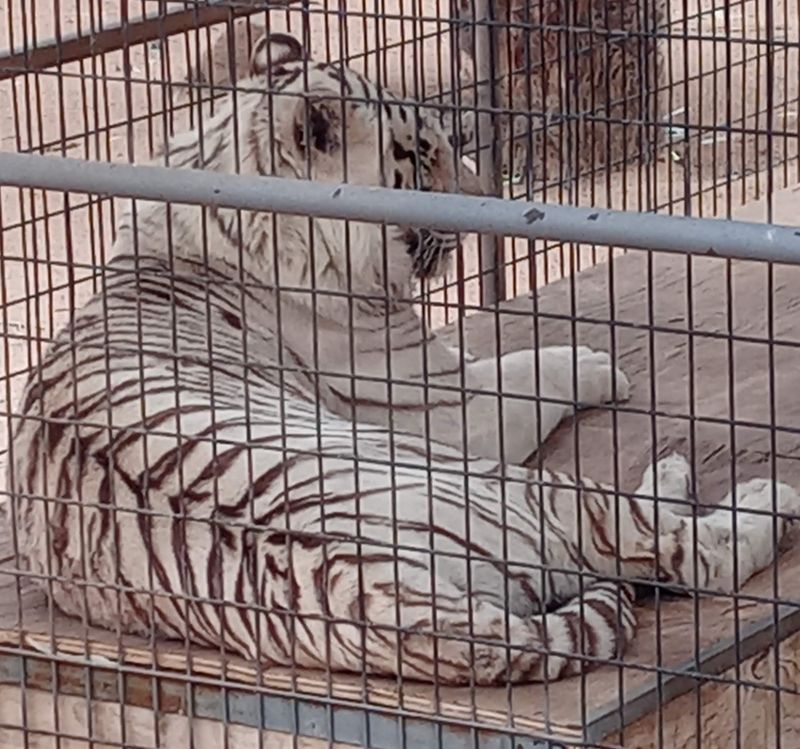
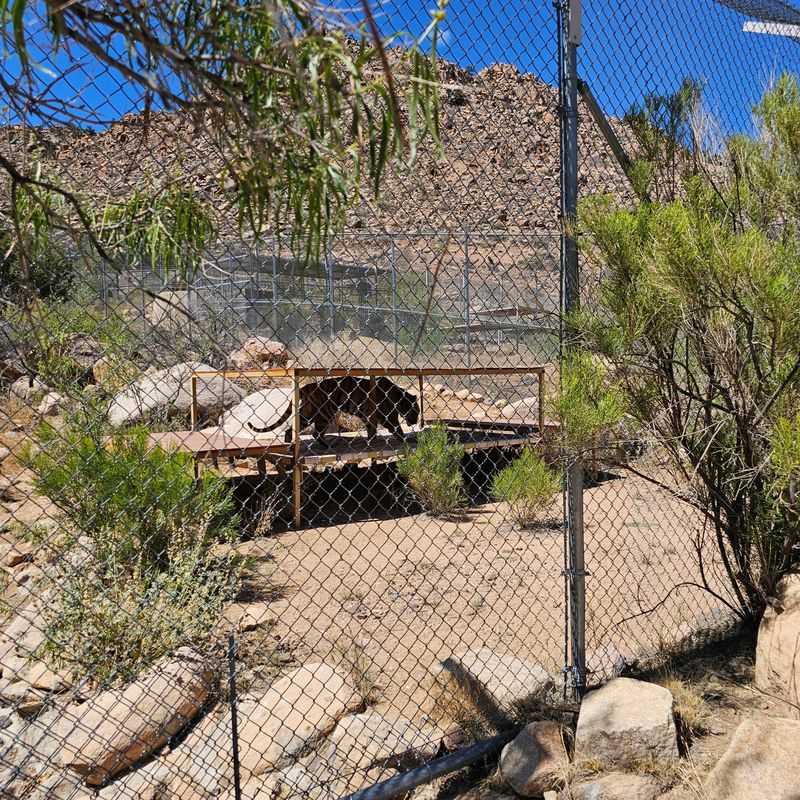
Lions, tigers, and leopards are the undisputed stars of this show, and standing near them is a jolt of pure awe. The sheer size and presence of these cats up close is something photographs never quite capture.
The white tiger draws a crowd every time. Rescued from a notorious situation, it now lounges in the sun as one of the park’s most beloved residents.
Timing can gift you an unforgettable moment. Guests have witnessed roaring matches break out between the lions, a sound that seems to rumble straight through the canyon walls.
Big cats aren’t the whole cast, though. Wolves, bears, monkeys, coyotes, and dozens of other species round out a lineup of more than 130 kinds of animals spread across the property.
Each enclosure is built to feel authentic, giving the animals room to roam, climb, and rest as naturally as possible in captivity. That thoughtful design is part of why the residents seem so relaxed.
Whether you’re a lifelong animal lover or just curious, getting this close to creatures you’d normally only see on a screen is the kind of thrill that sticks with you long after you drive home.
The Guided Tram Tour Experience
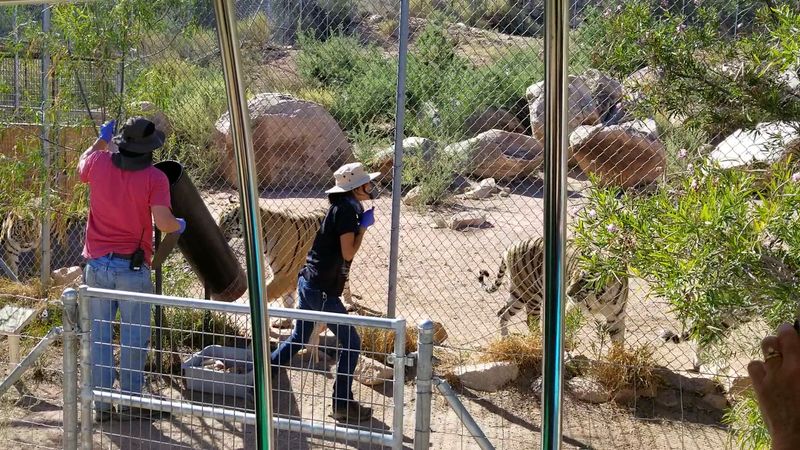
Hop aboard the tram tour and the whole park opens up through the eyes of someone who truly knows it. Running about an hour and fifteen minutes, this guided ride carries you close to the animals while an expert shares each one’s history and habits.
Guides are the heart of the experience. People rave about knowledgeable staff like Savannah and April, who answer endless questions and clearly hold a personal affection for every resident.
Small kindnesses set the tone. On one visit, the crew happily waited ten extra minutes so an elderly guest could make it up a gentle hill and board comfortably, with no rush at all.
The tour makes sure everyone gets their moment. A good guide positions the group so each person can see and photograph the animals that happen to be out and about.
While you can absolutely explore on foot, the tram offers a perspective that’s hard to match on your own. Hearing the rescue stories in real time, right beside the habitats, transforms a nice outing into a meaningful one.
For most guests, splurging on the guided tour turns out to be the smartest choice of the day.
Miles of Shaded Walking Paths
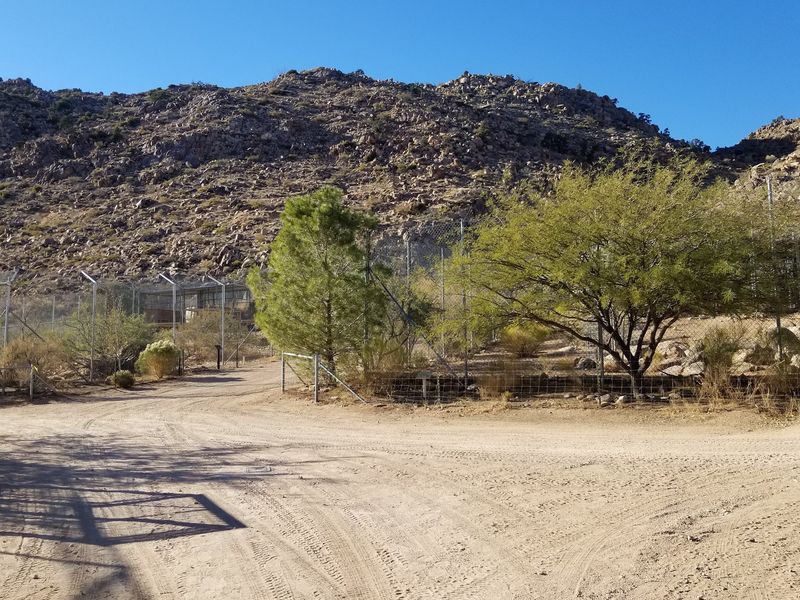
Prefer to wander at your own speed? Nearly two miles of walking paths thread through about 70 accessible acres, letting you linger as long as you like at any enclosure that catches your eye.
The self-guided route rewards patience. Many visitors do the tour first, then stroll the grounds afterward to revisit their favorite animals without a clock ticking.
Come prepared for the terrain. Expect a few hills if you plan to reach every corner, plus stretches of sand and pea gravel underfoot, so comfortable walking shoes make a real difference.
Shade helps, but the desert sun is no joke. Sunglasses and a bit of water go a long way toward keeping the walk pleasant, especially on brighter days.
Give yourself time, too. At minimum, plan for an hour on foot, though most people find a few hours slips by easily once they start people-watching the animals.
There’s a special freedom in setting your own pace here. You can pause at the monkey with the funny personality, watch a bear amble by, and simply soak in the quiet of this remote canyon at your leisure.
Afternoon Feeding Tours Steal the Show
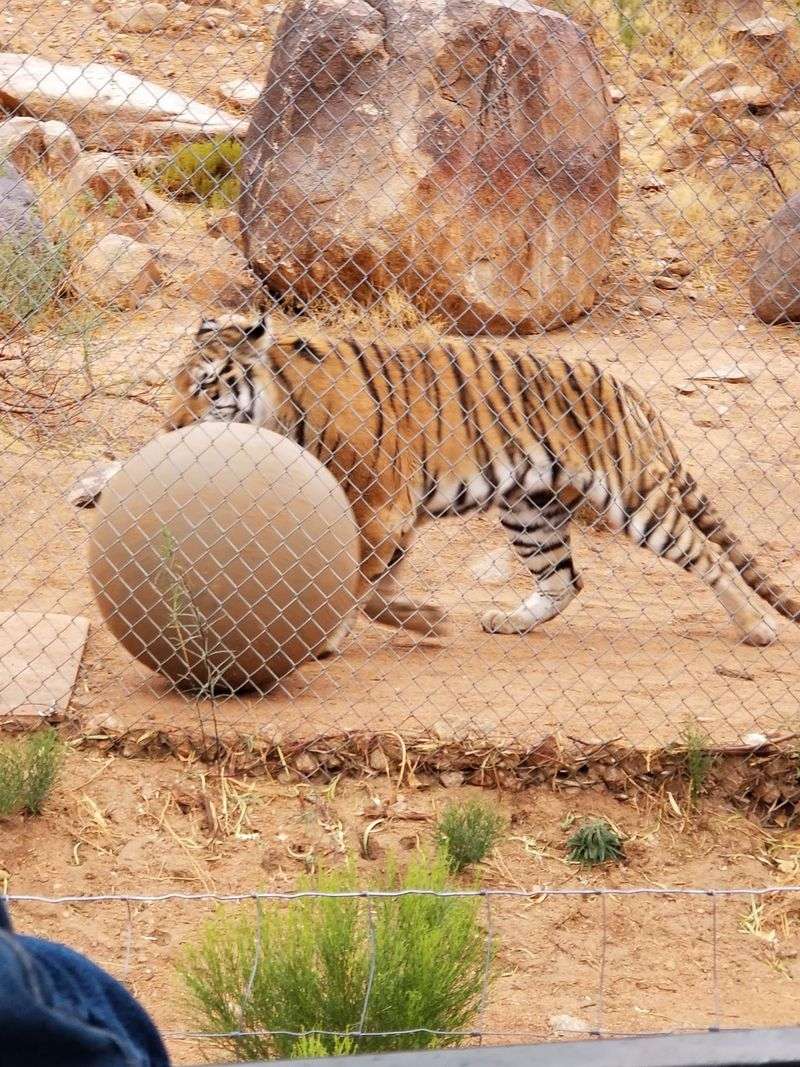
Want to see these animals at their liveliest? Aim for the 3:30 feeding tour, the last outing of the day and easily the most thrilling one on the schedule.
Feeding time flips a switch. The big cats that spent the afternoon dozing suddenly perk up, and watching the tigers and lions dig into their meals is a spectacle guests describe as an absolute must-see.
The energy is contagious. Animals that were tucked away in the shade come alive, giving you a completely different look at their power and personalities.
Plan your day around it if you can. Arriving mid-afternoon lets you walk the grounds first, then cap the visit with the feeding tour when everyone is most active.
Because it’s the final tour, it doubles as a perfect finale. Several visitors say the feeding hour turned an already good day into a memorable one, with a few marking birthdays and family trips around it.
Even if you miss the exact 3:30 slot, late afternoon generally brings the liveliest behavior. The animals stay cooler and more curious once the day starts to soften, and that’s when the magic really happens.
A Gift Shop and Snack Spot That Give Back
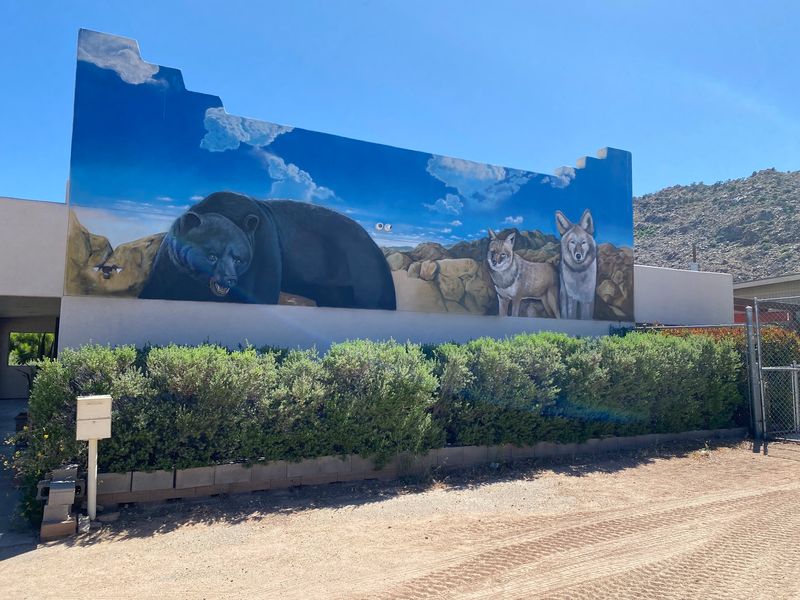
Before or after your tour, the gift shop is worth a real browse, and not just for souvenirs. Every purchase funnels straight back into feeding and caring for the animals, so a little shopping does genuine good.
The selection covers a lot of ground. Shelves hold trinkets, clothing, and small keepsakes, making it easy to grab a memento or a thoughtful gift for the animal lover in your life.
There’s a snack area, too. A nifty little spot offers drinks and bites, handy after all that walking under the desert sun.
You’re welcome to plan your own picnic as well. The park lets you bring your own food and provides chairs and tables, which turns lunch into a relaxed part of the day rather than an afterthought.
A couple of practical notes make things smoother. Bring cash, since the electricity has been known to flicker out in this remote canyon, and remember there’s no cell service to fall back on.
Grabbing a shirt or dropping a few dollars here feels less like spending and more like pitching in. It’s charming, low-key, and tied directly to the mission you came to support.
Planning Your Visit and Hours
Timing your trip well makes all the difference. The park welcomes guests Wednesday through Monday from 9 AM to 5 PM, and it’s closed on Tuesdays, so mark that on your calendar before heading out.
Season matters more than you’d think. On very hot summer days, the animals tend to tuck away in the shade to stay cool, which means less visibility, so the milder months are the sweet spot for spotting everyone out and about.
Discounts sometimes float around, too. Regulars mention deals showing up on Groupon, a nice bonus for an outing that already leans affordable.
Because of the remote setting, a little prep saves headaches. Charge your phone, download directions ahead of time, and pack cash for the entrance and gift shop in case the power blinks.
Give yourself room in the schedule. Between the tour, the walking paths, and lingering at your favorite habitats, most people spend a few hours here and wish they’d allowed even more.
Arrive by mid-afternoon and you can walk the grounds, then slide right into the day’s final feeding tour. That combination tends to make for the fullest, most satisfying visit.
Why This Sanctuary Is Worth the Drive
Long after the drive home, what lingers isn’t just the sight of a lion or a bear. It’s the feeling of having witnessed something rare: a place where animals with rough starts get to simply live in peace.
Value shows up everywhere here. There are no flashy gimmicks or inflated ticket gimmickry, just a genuine, educational experience that people consistently call well worth every penny.
It suits a wide range of visitors. Families, road-trippers passing through Kingman, animal lovers, and anyone chasing an authentic Arizona find will feel right at home on these quiet acres.
The sense of connection is what sets it apart. Learning each animal’s story from guides who clearly adore them turns casual sightseeing into something that actually sticks with you.
Repeat trips are common. Plenty of guests say they’ll return the next time they pass through Arizona, and some go more than once in a single season.
If you crave a day that mixes wonder, meaning, and a scenic drive through the desert, this remote sanctuary near Valentine delivers all three. Slow down, wander, and you’ll leave with a heart full of something genuinely good.