
This Free Colorado Museum Hides the Most Comprehensive Collection of Colorado Mineral Treasures in the World
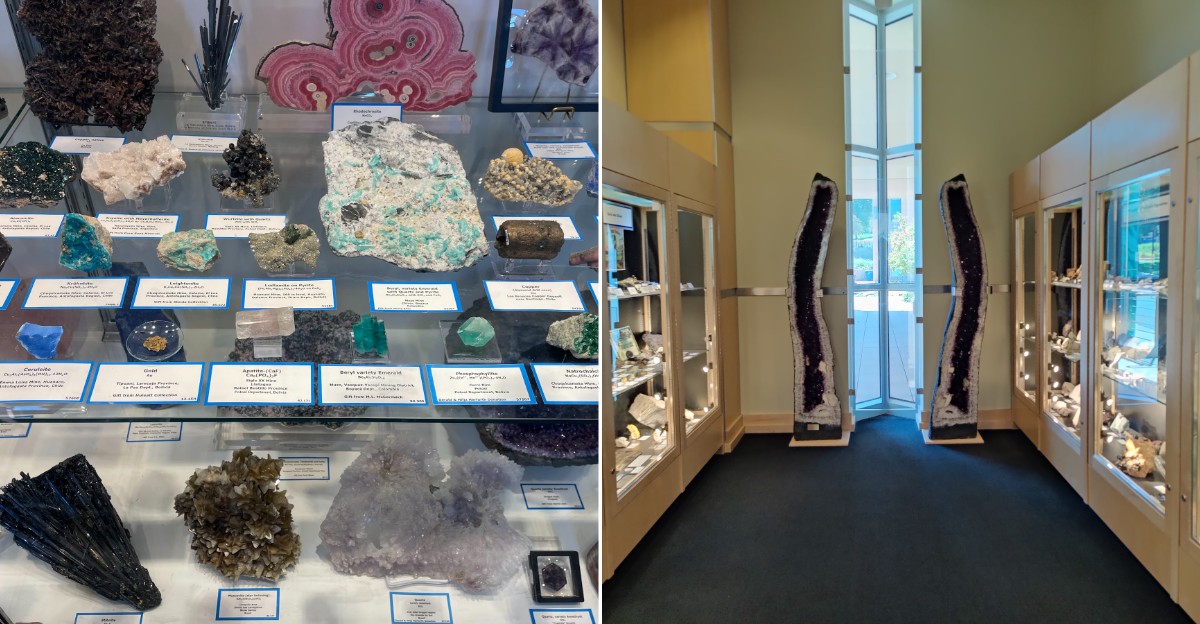
Rocks get far more interesting when one of them came from the moon. On a university campus in Golden, a free museum turns geology into something closer to a treasure hunt, with glittering minerals, mining history, fossils, and specimens that reward anyone willing to look twice.
You do not need to be a science person to get pulled in. Beneath the glass, stories about Colorado unfold through crystals, metals, and materials that helped shape communities.
Kids can chase the shiniest display, adults can linger over the stranger pieces, and solo visitors can move at their own pace without watching the clock. The price helps too, because free admission makes curiosity an easy decision.
Somewhere between the sparkling cases and the lunar sample, you realize how much of Colorado can be understood by looking down instead of out. That is a clever trick for a museum built around what lies underground.
A Free Stop On The Colorado School Of Mines Campus
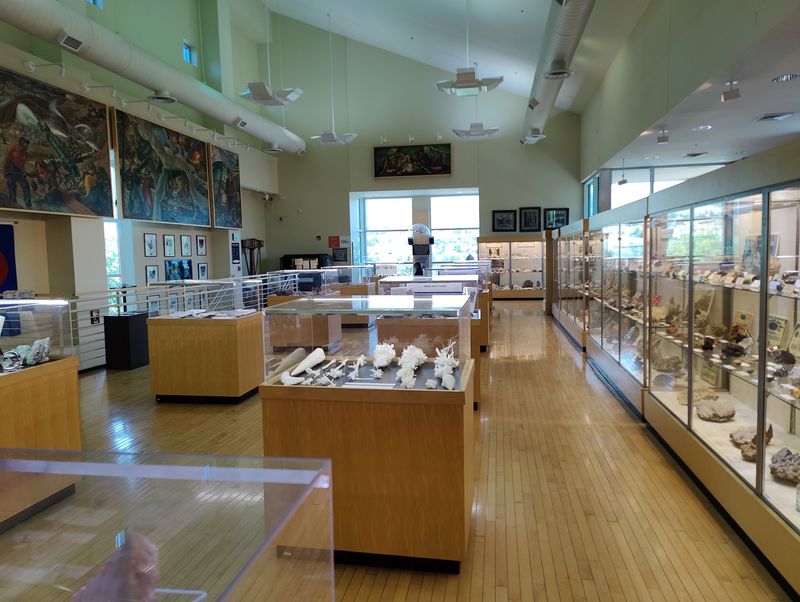
A plan gets easier when the price is zero and the subject is more interesting than another errand. The Mines Museum of Earth Science at 1310 Maple St, Golden, CO 80401 gives visitors a free museum visit on the Colorado School of Mines campus, which feels fitting because the school is known for earth science and engineering.
The museum is open to the public and focuses on minerals, fossils, meteorites, mining history, and other earth science displays. That means a quick stop can still feel useful, especially for travelers who want a Colorado outing that does not require trail shoes, timed tickets, or a family meeting in the parking lot.
Golden adds helpful context. The city sits along the Front Range, where Colorado’s geology is not some distant classroom idea.
The Mines Museum of Earth Science makes that landscape easier to understand by putting real specimens in front of visitors. It is a smart choice for a chilly afternoon outing, a campus visit add on, or a simple Saturday detour with curious people in tow.
Colorado Minerals Take The Lead Here
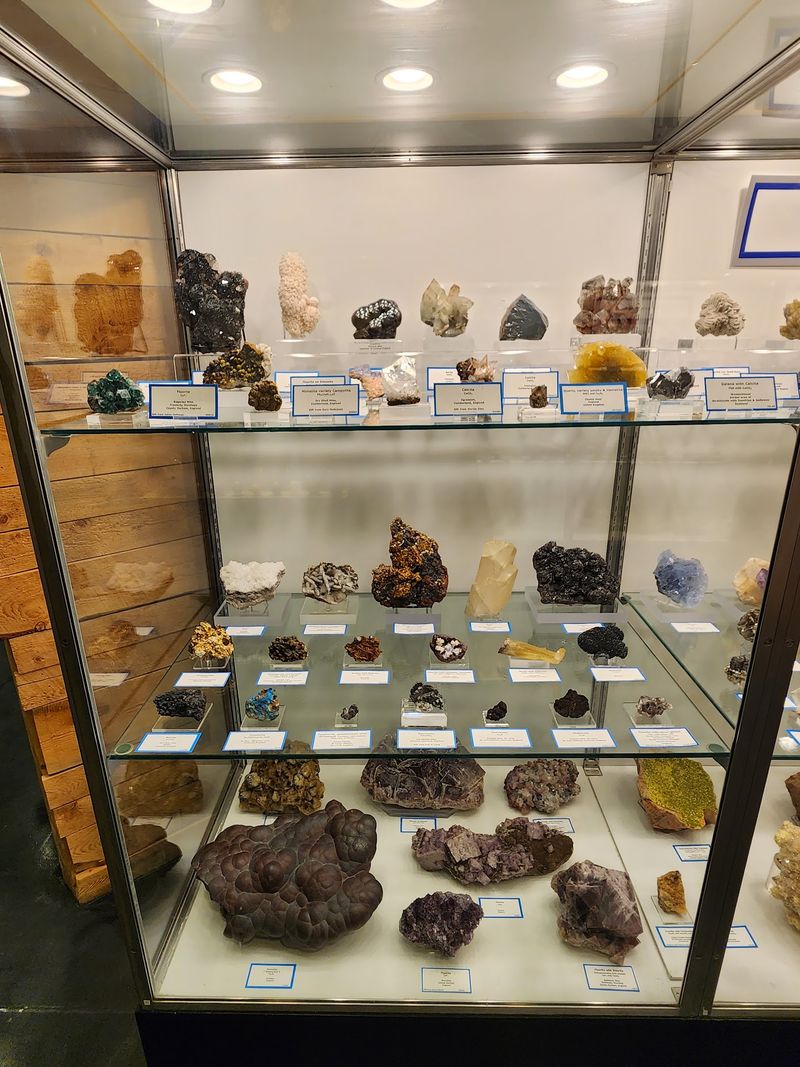
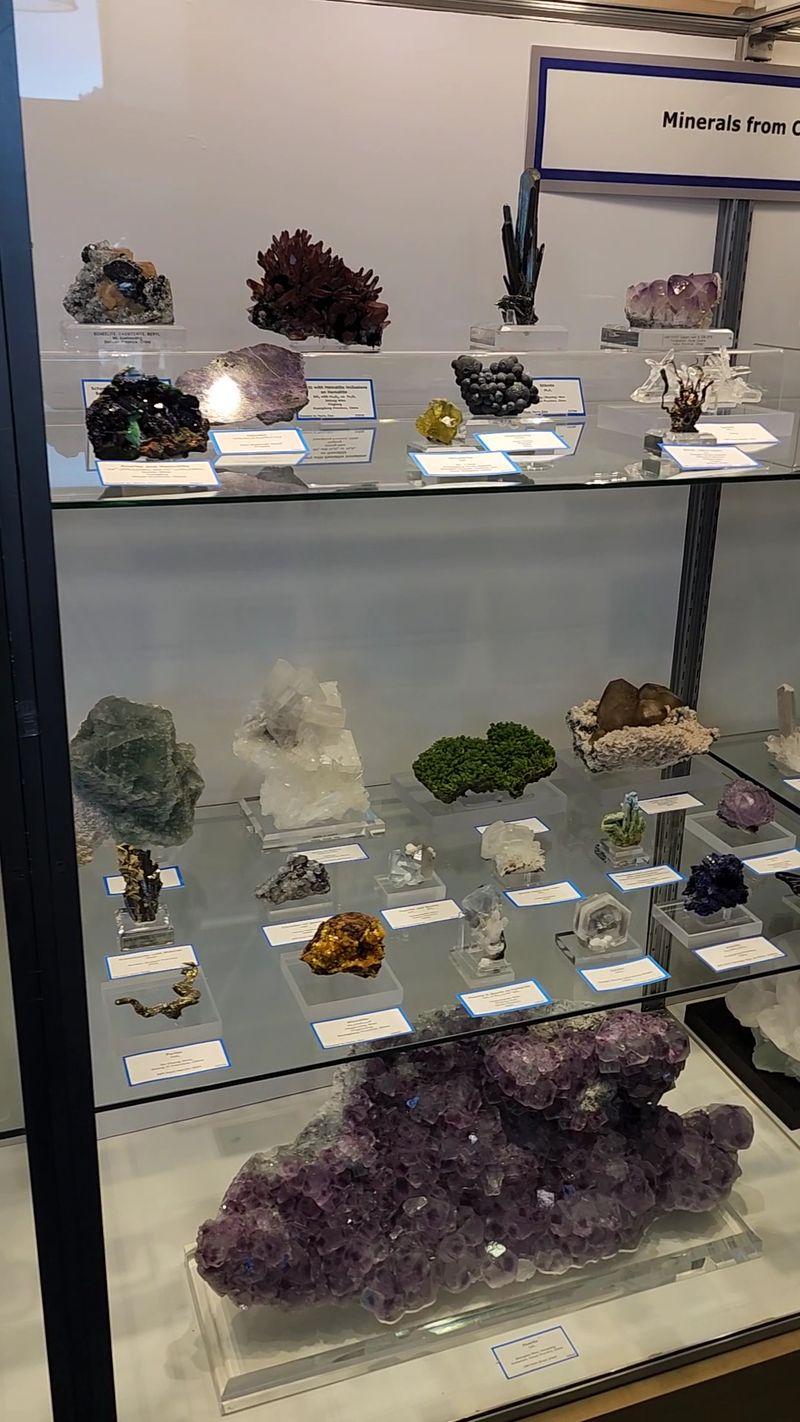
Colorado’s mineral story can sound huge, and here it is organized into something a normal person can actually follow before lunch. The Mines Museum of Earth Science is known for holding the Colorado State Mineral Collection, a major public collection tied to the state’s geological heritage.
That matters because Colorado is not just a pretty backdrop with mountains doing all the public relations work. Its rocks helped shape mining towns, scientific study, and the state’s economy.
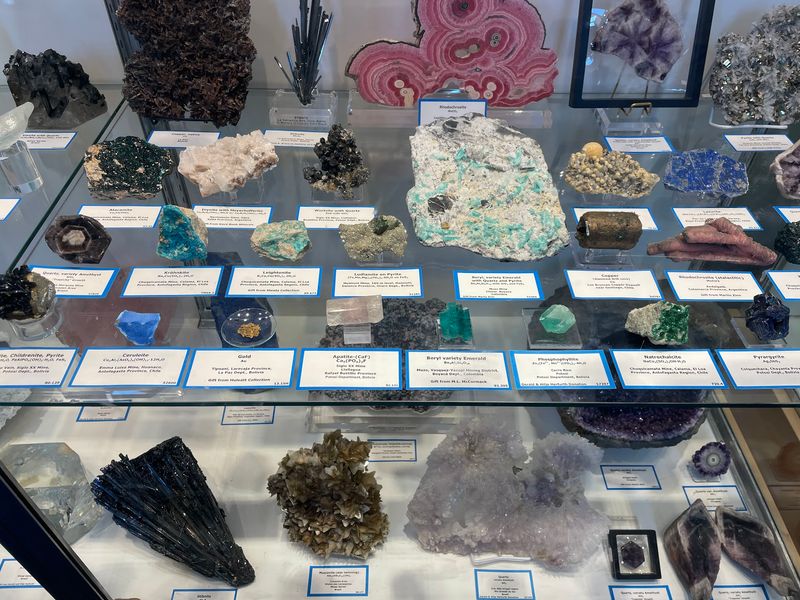
Seeing minerals grouped and labeled gives visitors a clearer sense of where these materials came from and why people cared enough to dig, study, preserve, and display them.
The collection includes specimens from Colorado and around the world, but the state material is the headline. Bright crystals, metallic ores, and carefully identified samples help turn a big subject into a series of small discoveries.
Even visitors who cannot tell quartz from a kitchen countertop can enjoy the simple pleasure of looking closely. The museum does not ask you to be an expert.
It quietly supplies the evidence and lets curiosity do the rest.
Moon Rocks Give The Museum A Cosmic Twist
Just when the visit seems firmly grounded in Colorado, the museum calmly brings in the moon. The Mines Museum of Earth Science displays moon rocks from the Apollo missions, adding a space age surprise to a place already packed with minerals and fossils.
That detail changes the rhythm of the visit. One moment, a person may be thinking about mountain geology or old mining districts.
A few steps later, the topic has expanded to material collected far beyond Earth. It is the kind of shift that works especially well for mixed groups, because almost everyone can agree that moon rocks deserve at least a pause.
The museum also includes meteorites, which help connect earth science with space science without making the subject feel like a textbook took over the room. For children, the appeal is immediate.
For adults, it is a useful reminder that science museums do not need to be enormous to contain something astonishing. A free museum in Golden showing both Colorado minerals and lunar samples is a very efficient use of curiosity.
Two Floors Keep The Visit Manageable
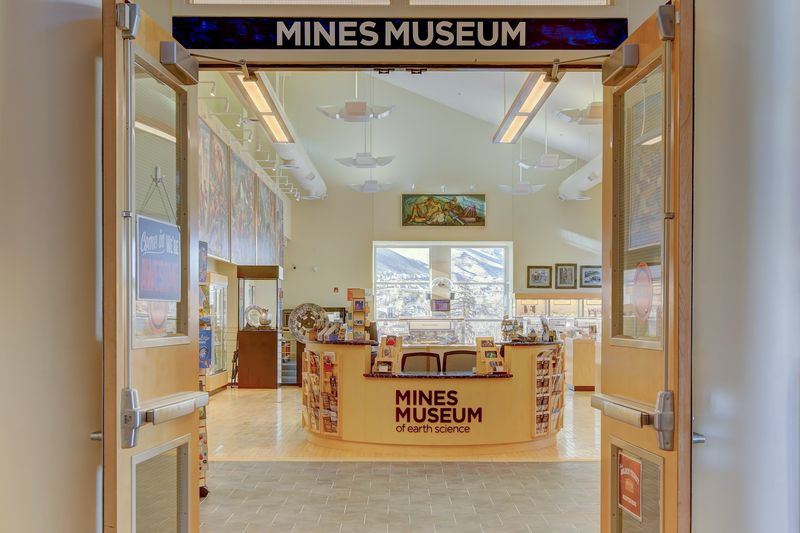
Some museums require stamina, snacks, and a quiet agreement that nobody will read every label. This one is more merciful.
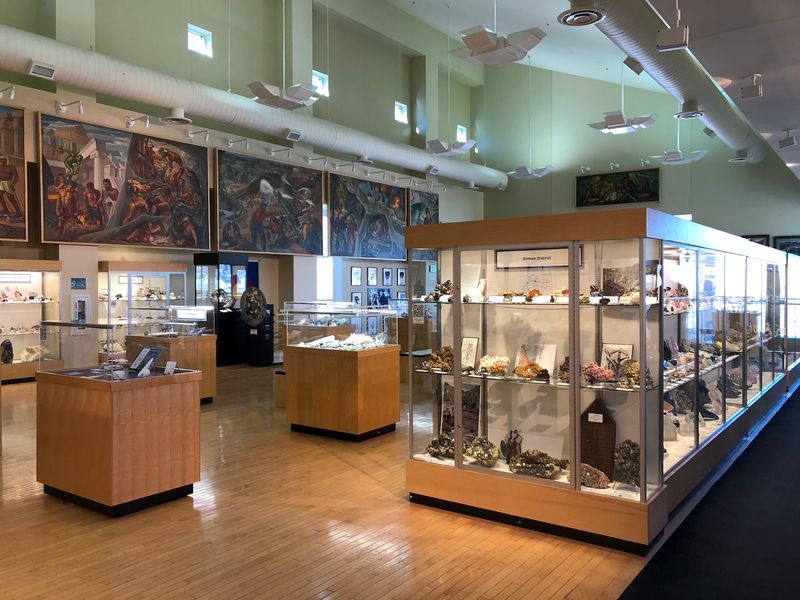
The Mines Museum of Earth Science presents exhibits across two floors, giving visitors enough to explore without turning the outing into an endurance event.
The layout helps different kinds of travelers set their own pace. A family can move between displays as attention spans allow.
A solo visitor can slow down for labels about mineral formation, mining, fossils, or meteorites. Couples can wander without needing a strict route, which is always nicer than pretending to understand a map designed by a committee.
The two floor setup also gives the museum variety. Displays include geological specimens, paleontological material, mining history exhibits, and a gift shop.
That mix keeps the visit from becoming one long row of similar cases. Practical advice is simple: allow enough time to look closely, but do not feel pressured to treat it like a full day assignment.
The museum works because it is concentrated. It gives plenty of substance in a format that still respects a normal weekend schedule.
Fossils And Ancient Life Add Another Layer
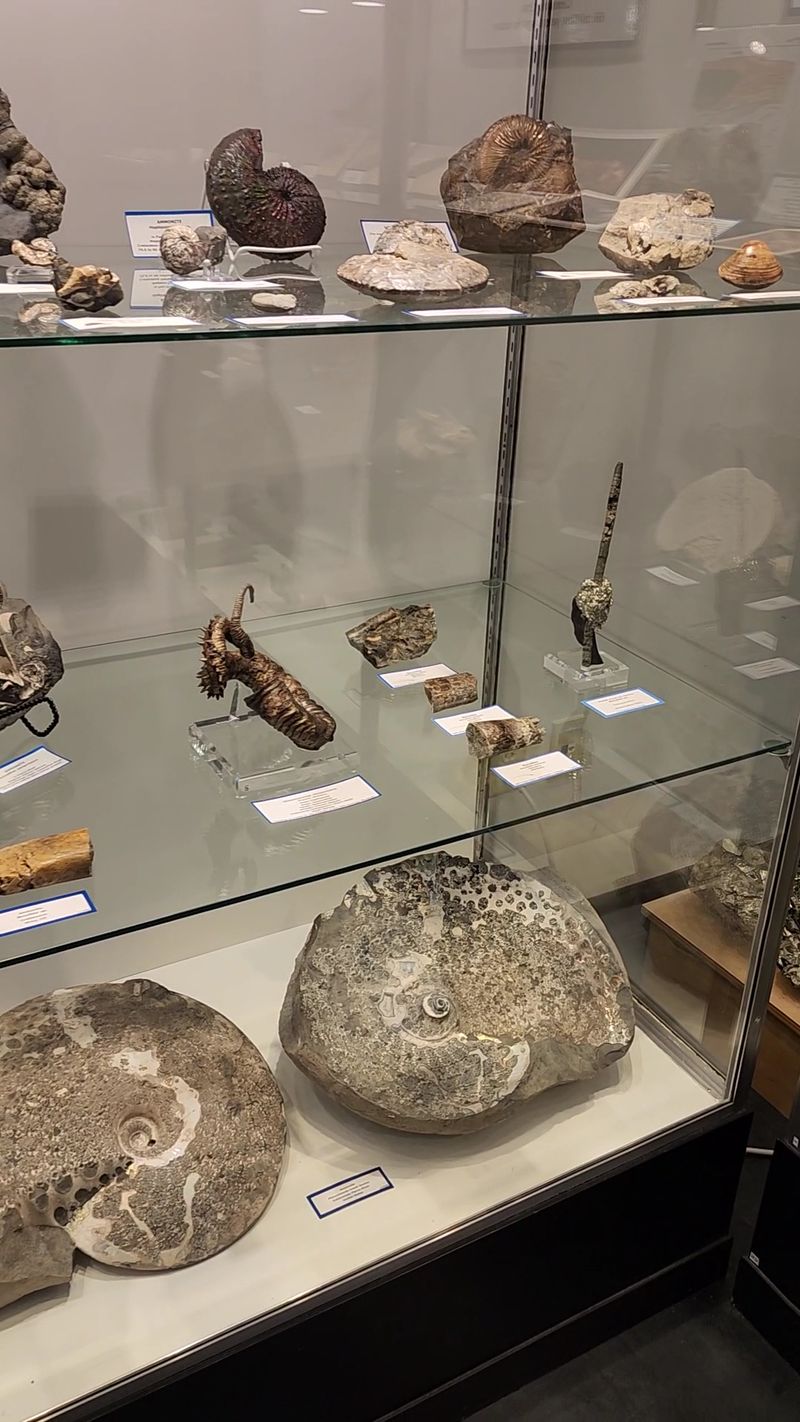
Minerals may get top billing, but fossils make the museum feel less like a jewel box and more like a timeline. The Mines Museum of Earth Science includes paleontological specimens, giving visitors a look at ancient life alongside the rocks that help tell Earth’s longer story.
This is useful for people who arrive with different interests. One person may care about crystals because they look dramatic under lights.
Another may be pulled toward fossils because they make deep time easier to picture. Put both in the same museum, and suddenly the group has fewer reasons to negotiate like diplomats over what to do next.
Fossils also help younger visitors connect with earth science quickly. A mineral label can require patience, but ancient remains often provide a more immediate doorway into questions about time, change, and the planet’s past.
Adults get something out of that, too. The museum’s strength is not only the number of objects it holds, but the way those objects widen the subject.
Colorado minerals may anchor the visit, while fossils remind everyone that stone can carry evidence of worlds long gone.
Mining History Stays Close To The Specimens
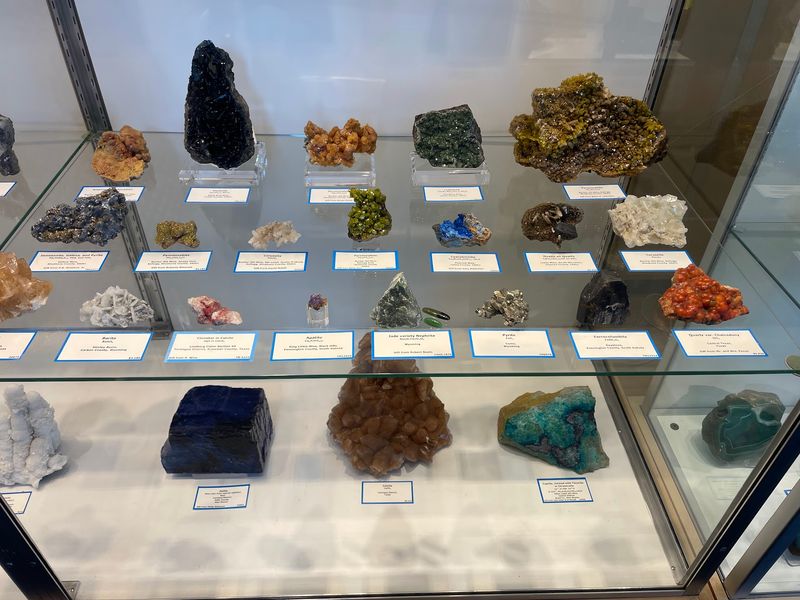
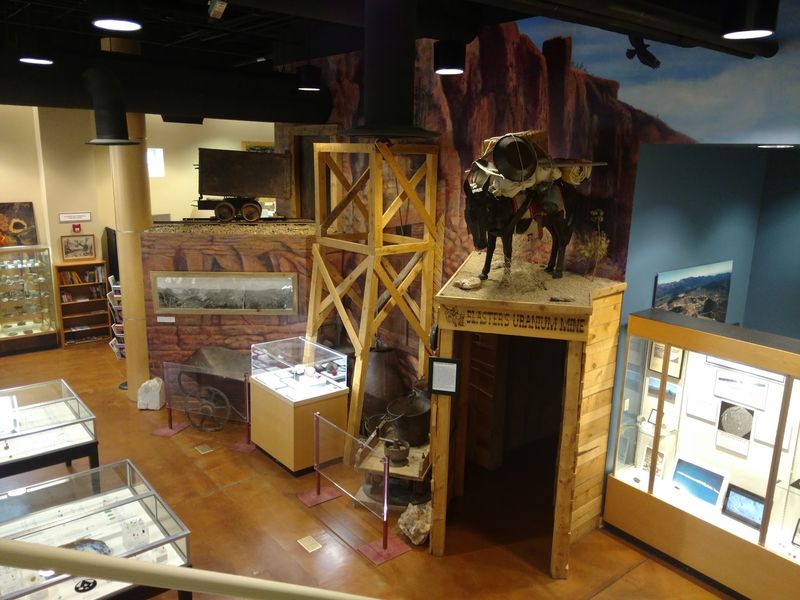
Rocks become more interesting when the story does not stop at being shiny. At the Mines Museum of Earth Science, mining history appears beside the mineral displays, connecting beautiful specimens to the human effort and technical knowledge involved in finding and using them.
That context is important in Golden, where the Colorado School of Mines gives the subject an academic backbone. Visitors are not just seeing pretty samples in glass.
They are seeing material tied to engineering, extraction, identification, and the long relationship between Colorado communities and the ground beneath them.
The museum includes exhibits related to mining history and earth science, which helps adults explain the visit without falling back on, well, that one is blue. It also gives children something concrete to connect with, especially when displays show how raw materials relate to familiar uses.
Good museum stops often do this quiet work: they make ordinary objects feel less ordinary. After spending time here, a phone, building, road, or ring may seem a little more connected to geology than it did before.
That is a sneaky educational victory, and nobody had to assign homework.
The Collection Is Bigger Than The Building Looks
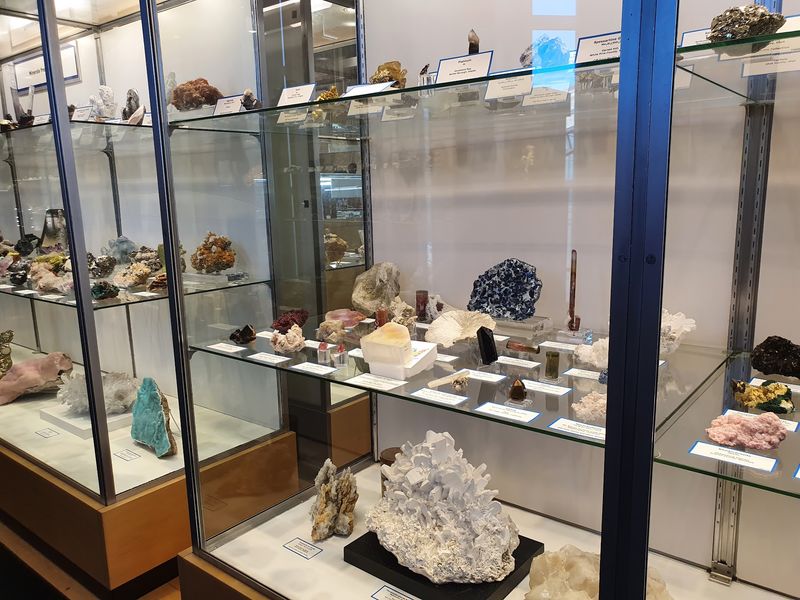
A modest museum can still hold a serious collection, which is one of the pleasing surprises here. The Mines Museum of Earth Science cares for more than 50,000 objects, with thousands of geological and paleontological specimens represented through exhibits and collections.
That scale matters because it explains why the museum feels more substantial than a casual campus stop might suggest. The displays are not random pretty rocks gathered into a room because someone had spare shelves.
They are part of a long established museum collection connected to Colorado School of Mines and the study of earth materials.
For visitors, the practical benefit is variety. The collection reaches across minerals, gems, fossils, meteorites, and mining related material, so attention can shift naturally from color to shape to history to science.
People who like labels can linger. People who prefer visual browsing can still follow along.
The museum’s size also makes repeat visits reasonable, especially for anyone living near Golden or returning to Colorado with guests. A place with deep holdings does not need to show everything at once to make its point.
It simply needs enough range to reward close looking, and this one has that covered.
The Scavenger Hunt Helps Younger Visitors Focus
Children often need a mission, because simply admiring labels can wear thin before the adults are finished pretending they remember geology. The Mines Museum of Earth Science offers a scavenger hunt for younger visitors, and completing it can earn a free rock or mineral.
That small feature is more useful than it sounds. A scavenger hunt gives children a reason to look carefully instead of drifting from case to case at top speed.
It also turns the museum into a search, which is easier to sell than please appreciate the mineralogical significance of this specimen.
Families can use the activity as a gentle structure for the visit. It does not require complicated planning, special gear, or a long attention span.
Adults can still enjoy the Colorado minerals, fossils, and moon rock displays while kids have a task that makes the room feel interactive. The take home rock or mineral adds a simple reward without turning the outing into a shopping negotiation.
For parents and grandparents, that is a rare little gift. The museum manages to be educational without making the visit feel like school followed everyone into the weekend.
Gem Displays Bring A Little Pageantry
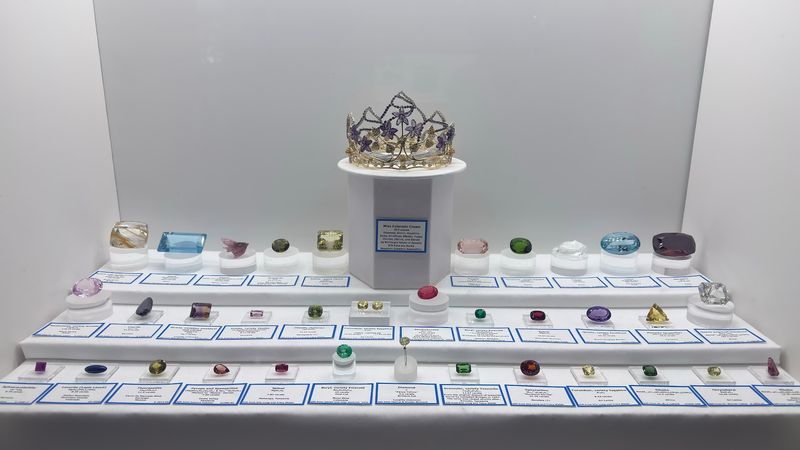
Every serious science museum benefits from one display that makes people stop and grin. At the Mines Museum of Earth Science, the Miss Colorado Crown brings that bit of pageantry, with more than 600 gemstones used in its design.
The crown is a clever change of pace because it shows minerals after people have cut, polished, arranged, and assigned them ceremony. That is a different kind of lesson from a raw specimen in a case.
It reminds visitors that geology does not stay underground or in laboratories. It turns up in art, symbols, technology, jewelry, buildings, and plenty of everyday objects we rarely pause to question.
For couples or adult visitors, the gem displays add visual drama without requiring deep scientific background. For children, the sparkle is an easy entry point.
For anyone who came mainly for Colorado mining history, the crown broadens the story by showing what can happen after a mineral leaves the ground. The museum is at its best when it lets these contrasts sit near each other: raw and polished, scientific and decorative, ancient and modern.
Somehow, a crown in a geology museum makes complete sense.
Golden Makes The Geology Feel Close At Hand
Golden is not a random backdrop for this museum. The city sits at the edge of the Front Range, and the Colorado School of Mines campus gives the Mines Museum of Earth Science a setting where geology feels connected to both landscape and study.
That setting helps visitors understand why the museum belongs here. Colorado’s rocks, ores, and minerals are part of the state’s identity, but they can seem abstract when viewed only from a car window or trail overlook.
Inside the museum, those materials gain names, origins, and context. Outside, the foothills remind visitors that the subject is not sealed away in display cases.
The campus location also gives the visit a different tone from a stand alone roadside attraction. It sits within an institution focused on science, engineering, and earth resources, so the exhibits feel tied to ongoing learning rather than simple decoration.
For road trippers passing through Golden, that makes the stop feel grounded. For locals planning a low effort outing, it offers a way to see familiar Colorado terrain with sharper eyes.
The museum does not need to oversell the connection. The address and the collection already do the quiet work.
Planning A Visit Is Refreshingly Simple
Some outings ask for reservations, parking strategy, and the emotional strength to compare ticket packages. The Mines Museum of Earth Science keeps the basics much simpler.
Admission is free, and the museum is located at 1310 Maple St, Golden, CO 80401 on the Colorado School of Mines campus.
Current public hours should be checked before leaving, because schedules can change for holidays, campus needs, or special circumstances. The museum generally operates daytime hours, which makes it easier to fit into a quick stop while already in town.
That planning cue is the sweet spot here: not a grand itinerary, just a smart little addition to a Golden day.
Parking around a university campus can require attention, so visitors should look for official museum or campus parking guidance before arrival. Once inside, the visit can be as brief or as unhurried as the group wants.
Families may follow the scavenger hunt. Solo visitors may read more labels.
Weekend travelers may simply enjoy a free indoor stop with real substance. The best advice is plain: confirm the hours, give yourself a little time, and do not underestimate how long bright rocks can hold adult attention.
Why This Free Museum Stays In Your Head
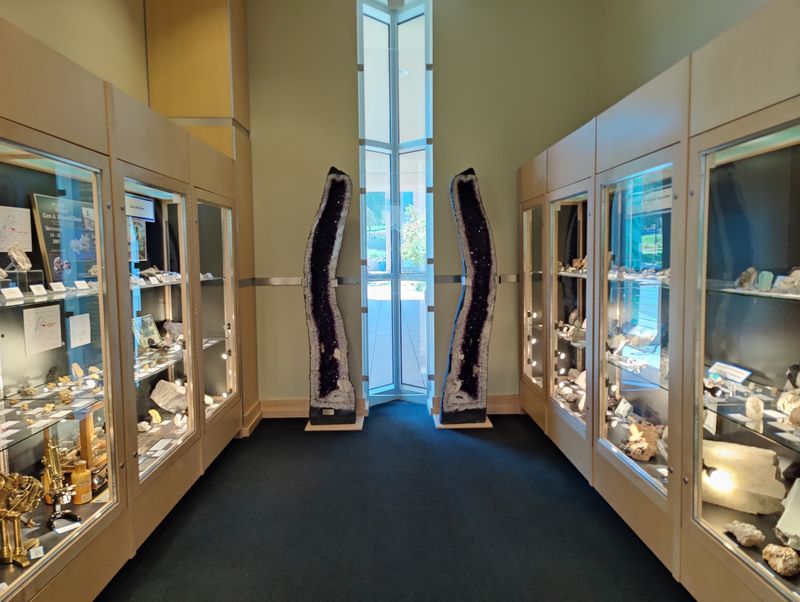
The lasting appeal is not just that the museum is free, although free remains a deeply persuasive word in modern life. The Mines Museum of Earth Science gives visitors a concentrated look at Colorado minerals, fossils, meteorites, mining history, gemstones, and moon rocks in one approachable place.
That range is what makes the stop memorable. It can satisfy a child hunting for a rock prize, an adult interested in Colorado history, a couple looking for a quiet shared activity, or a traveler who wants something indoors that still feels tied to the region.
Nobody has to pretend the visit is grander than it is. The strength is in the collection and the clarity of its purpose.
Colorado has plenty of outdoor drama, but this museum points attention to the quieter drama inside the ground itself. Golden gives it a fitting home, and the Colorado School of Mines connection gives it authority without making the visit feel stiff.
By the end, a rock is less likely to seem like just a rock. Text a friend this: go see the moon rocks, stay for the Colorado minerals, and try not to leave suddenly opinionated about crystals.