
12 Budget-Friendly Michigan Fall Day Trips Packed With Seasonal Fun
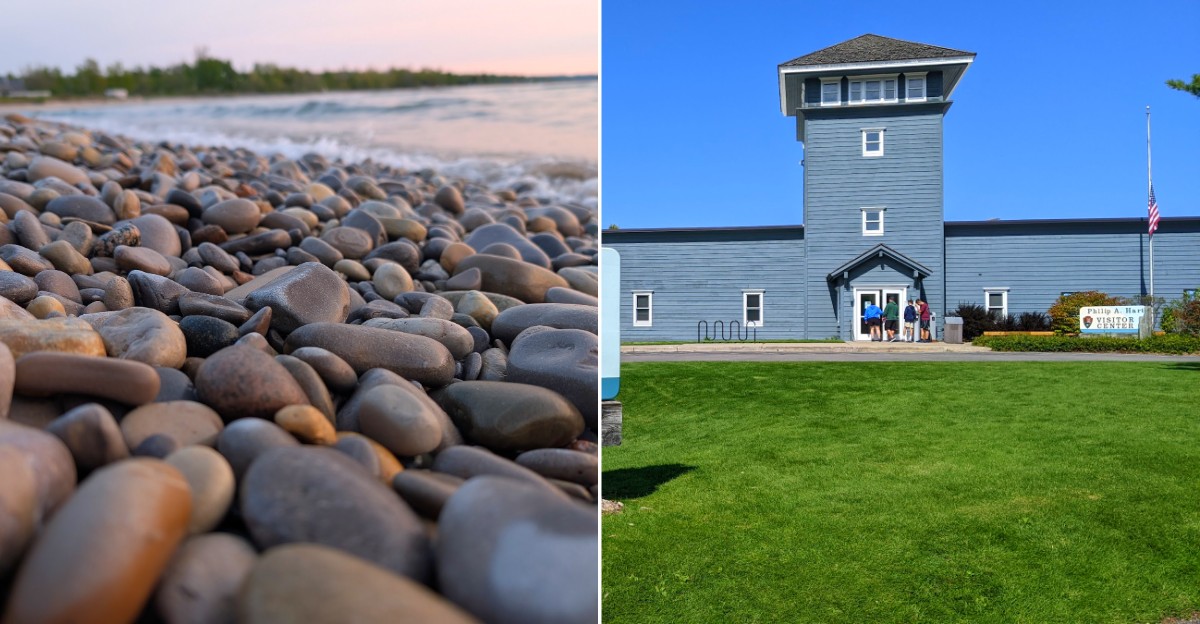
Golden dune grass bends against a steel-blue lake. A lighthouse pier stretches into water so clear you can count the stones below. Old-growth pines filter afternoon light onto a trail that smells like rain even when the sky is dry.
Fall in this state does not ask much of your wallet. State park entry costs a few dollars. Most lighthouses are free to walk. The best overlooks require nothing but the willingness to climb a wooden staircase or two.
Dune climbs that leave your calves burning for days. Ghost towns where nineteenth-century buildings still stand on the shore.
Waterfalls that turn amber with the tannins in the water. Hardwood forests blazing red plus gold surround them. Each trip takes less than a full tank of gas from most starting points. Dune climbs, lighthouse walks, plus old-growth forests fill day trips that deliver big on fun in Michigan.
1. Warren Dunes State Park
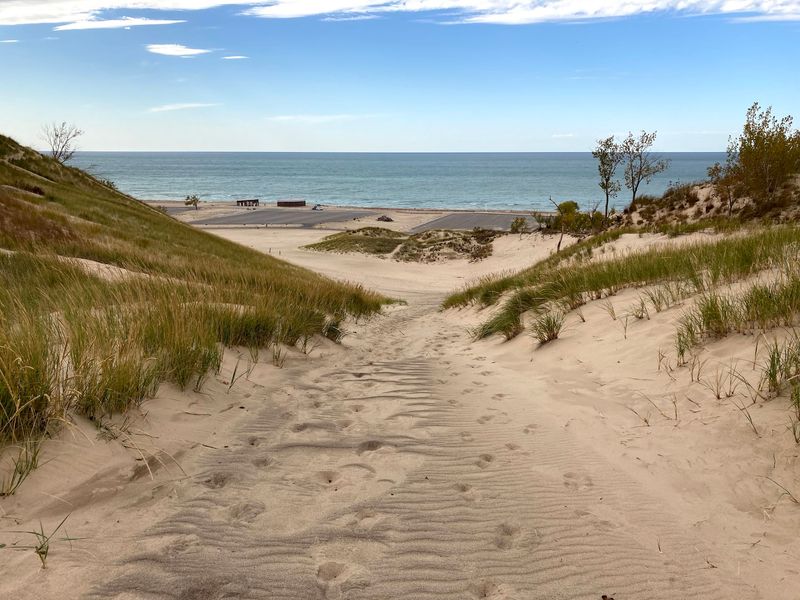
Sand has a sneaky way of turning an ordinary walk into a cheerful workout at Warren Dunes State Park. Tower Hill rises more than 200 feet above Lake Michigan, and reaching its sandy top brings broad views of blue water, pale dunes, and hardwood trees dressed in autumn color.
The park covers nearly 2,000 acres and offers about six miles of marked hiking trails, including woodland routes that feel especially peaceful after summer crowds leave. Edward K.
Warren, a local inventor and conservation supporter, helped protect this remarkable shoreline during the early 1900s.
Bring sturdy shoes, water, and a picnic rather than buying lunch nearby. A Michigan Recreation Passport covers vehicle entry for residents, while nonresidents pay the posted day-use fee.
Wind can quickly cool the beach, so carry a jacket even when the parking lot feels warm. Arriving early also makes popular trailheads easier to enjoy.
2. Holland State Park
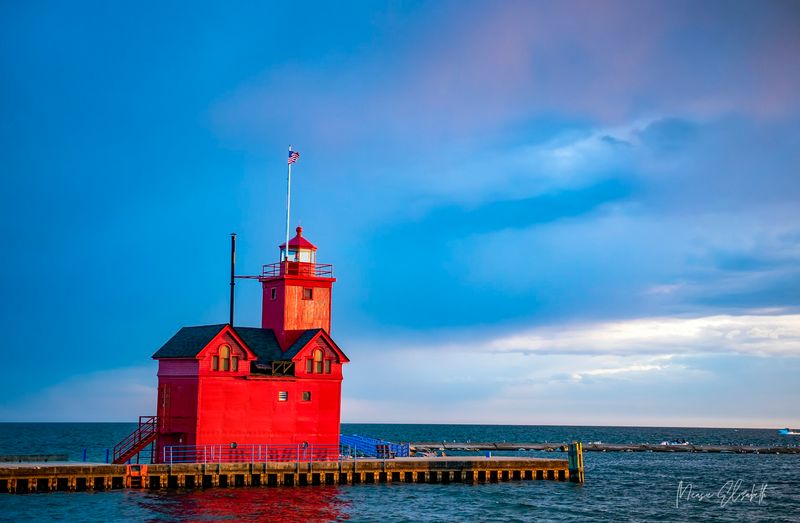
Across the channel, Big Red looks almost too perfectly matched to Michigan’s autumn maples. Holland Harbor Lighthouse supplies the bold centerpiece at Holland State Park, while the broad Lake Michigan beach becomes quieter, cooler, and wonderfully spacious once the busiest summer weeks have passed.
Follow the paved walkway, watch boats move between Lake Macatawa and the big lake, or search the sand for smooth stones. The lighthouse stands on the opposite side of the channel, so binoculars or a zoom lens help visitors appreciate its unusual shape without trespassing near restricted areas.
Pack a windproof layer because lake breezes can bite, even under bright sunshine. Residents can enter with a Recreation Passport; everyone else should check current vehicle fees before leaving home.
A packed breakfast makes an early visit inexpensive, and nearby Holland adds free window-shopping, public art, and pleasant downtown walks. Sunset is beautiful, but temperatures fall quickly afterward.
3. Grand Haven State Park
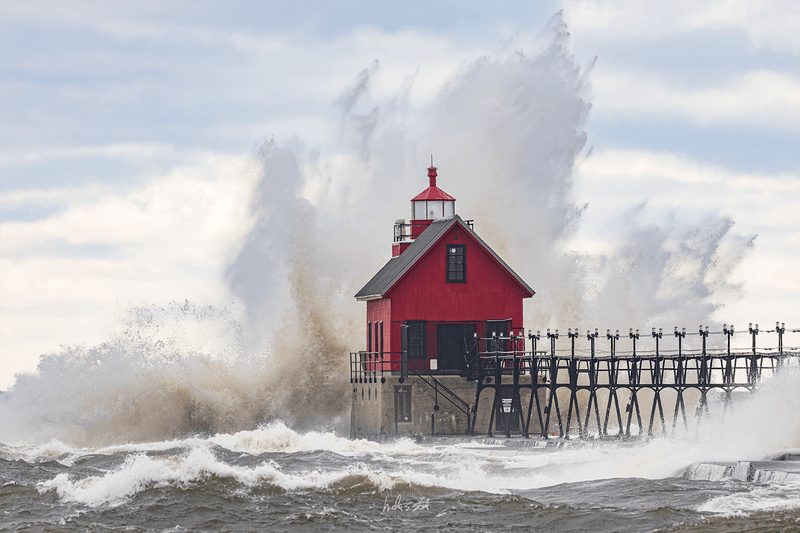
Red pier lights, gray waves, and brisk air give Grand Haven’s waterfront the look of a maritime postcard. The main pierhead light was first illuminated in 1905, while the older fog signal building recalls the days when sound mattered as much as light to sailors navigating rough weather.
Begin at Grand Haven State Park, then walk toward the pier for close views of both structures. Stay off the pier whenever waves wash across it, ice forms, or warning gates are closed; Lake Michigan can turn serious with little notice.
The adjacent boardwalk offers a safer alternative and continues toward downtown.
Keeping costs low is easy with a packed snack and a Recreation Passport or appropriate daily entry permit. Metered and seasonal parking rules can vary outside the park, so read signs carefully.
Fall sunsets arrive earlier than many visitors expect, making a morning or midafternoon trip better for unhurried beach walking and photographs before daylight disappears.
4. Petoskey State Park
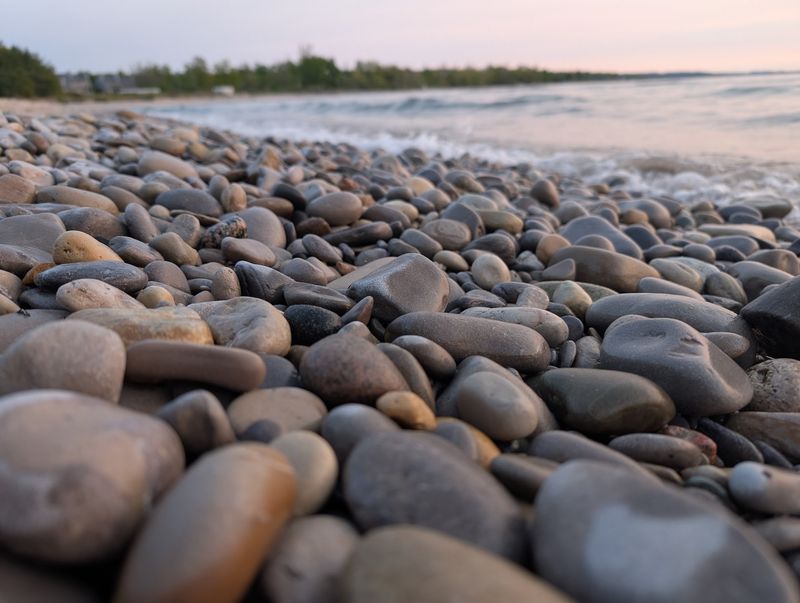
A wet Petoskey stone reveals its honeycomb pattern like a tiny secret written by an ancient sea. These treasured Michigan rocks are fossilized colonial coral, and the shoreline at Petoskey State Park gives patient beachcombers a chance to look for them while Little Traverse Bay sparkles nearby.
Two sandy beaches and trails through wooded dunes provide simple fall entertainment without a packed schedule. Search near the waterline, where wet stones are easier to identify, but remember that collecting is limited in Michigan state parks.
Check current Department of Natural Resources rules before taking anything home.
Cool mornings usually bring fewer people and softer light across the bay. Wear shoes with solid traction because damp stones roll underfoot, and bring a small towel for examining finds.
Entry requires a Recreation Passport or nonresident permit. A homemade lunch, followed by a walk through downtown Petoskey, keeps the outing affordable while adding shops, historic buildings, and bay views.
5. Sleeping Bear Dunes National Lakeshore And Philip A. Hart Visitor Center
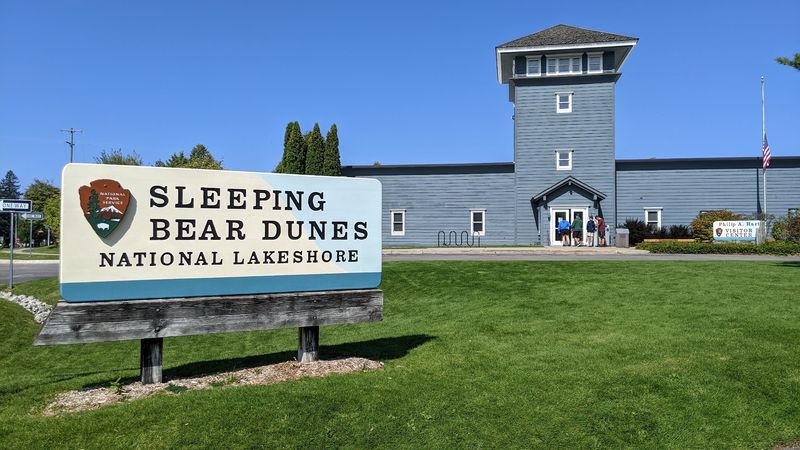
Scale plays tricks at Sleeping Bear Dunes, where distant water can look close despite steep sand and enormous open spaces. Start at the Philip A.
Hart Visitor Center in Empire to collect maps, confirm closures, and learn how glaciers shaped the dunes, forests, and long Lake Michigan shoreline.
The Dune Climb offers energetic fun, but visitors should not attempt steep bluff descents toward the lake. Rescues can be costly, and climbing back up takes far longer than going down.
Pierce Stocking Scenic Drive provides easier access to major overlooks when the route is open, with autumn woods filling the spaces between stops.
A national park entrance pass is required, so bringing everyone in one vehicle can stretch the budget. Pack food and refillable water bottles because services are limited within the lakeshore.
Weather shifts rapidly above Lake Michigan, making layers essential. Check official alerts before departure, particularly late in fall when seasonal roads or facilities may close.
6. Tahquamenon Falls State Park
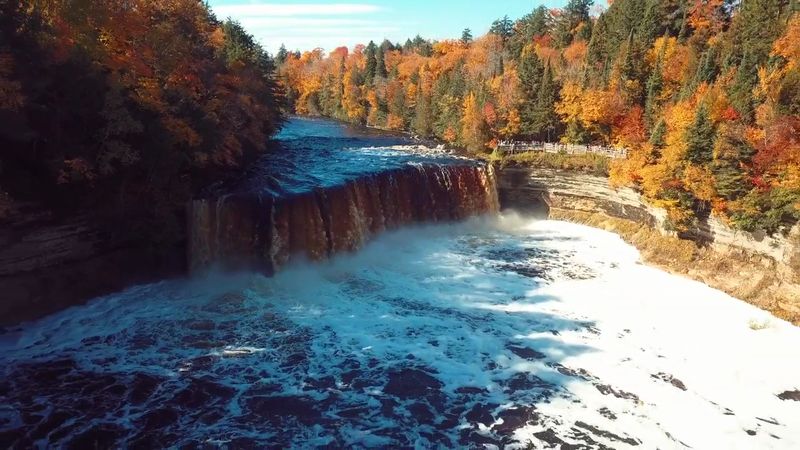
Copper-colored water tumbles over Tahquamenon’s ledge with enough foam to resemble an enormous mug of root beer. Natural tannins from cedar, spruce, and hemlock wetlands create the unusual shade, not mud, giving the Upper Falls extra drama when surrounding leaves turn scarlet and yellow.
Boardwalks and viewing areas make the Upper Falls the simplest stop, while the Lower Falls offer island scenery and additional trails. The River Trail connecting both areas is roughly five miles one way and includes roots, slopes, and muddy stretches, so it is not a casual shortcut between parking lots.
Choose one area for a relaxed, low-cost day, or arrange transportation before attempting the longer hike. A Recreation Passport or daily vehicle permit covers park entry, but optional services may cost extra.
Bring lunch, rain protection, and shoes that grip wet ground. Cell service can be unreliable, so download maps and park information before driving into the forest.
7. Hartwick Pines State Park
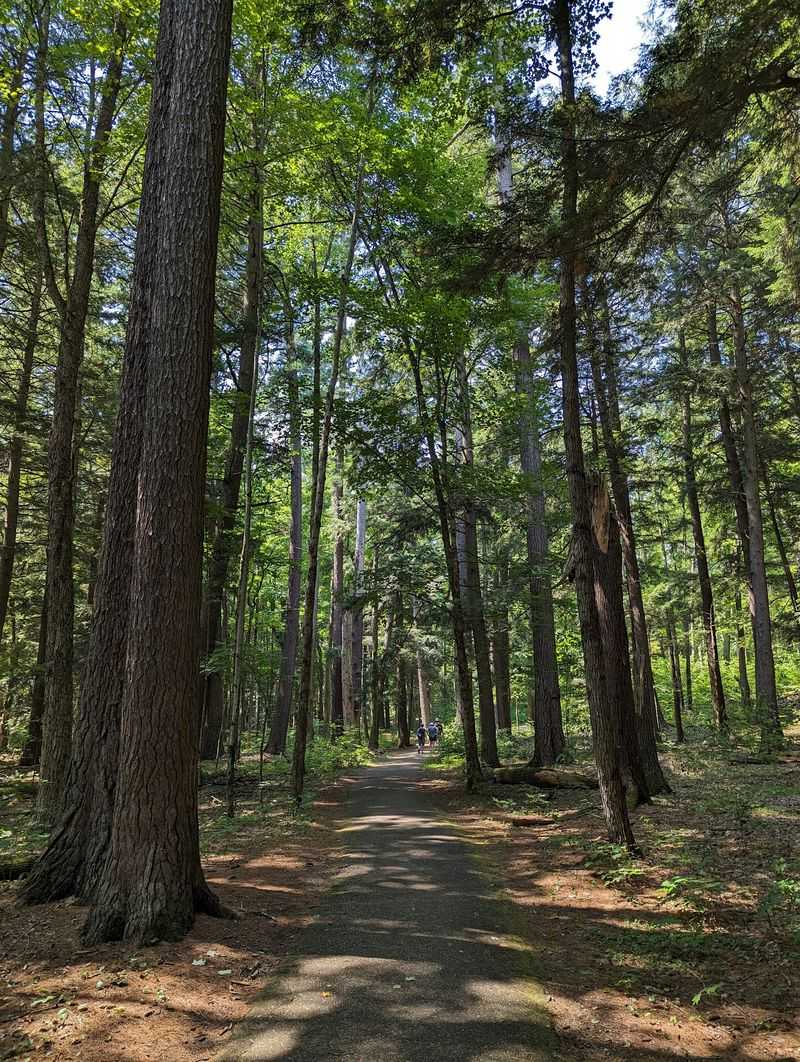
Even the loudest travel companion tends to lower their voice beneath Hartwick Pines’ towering old-growth trees. A protected stand of white and red pines preserves a rare glimpse of the forest that once covered northern Michigan, with some trunks rising well above the younger woodland surrounding them.
Karen Michelson Hartwick donated the original land to Michigan in 1927 as a memorial to her husband, Edward. Today, the paved Old Growth Forest Trail offers an approachable walk, and the seasonal Logging Museum explains how timber camps, tools, and workers shaped the state’s economy and landscape.
Confirm museum and visitor-center hours before making the drive because fall schedules may change. The forest itself remains the main attraction, especially when golden hardwood leaves brighten the dark pine canopy.
Pack a thermos and lunch, use a Recreation Passport or daily permit for entry, and allow time to read trail signs. Mosquitoes may linger during warm autumn weather, so repellent still belongs in the bag.
8. Porcupine Mountains Wilderness State Park
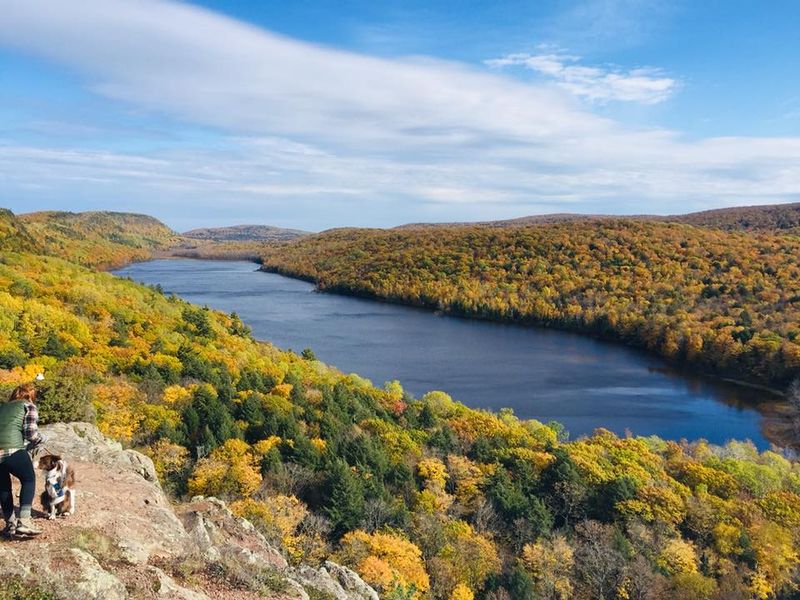
At Lake of the Clouds, autumn seems to spill across every ridge until the forest finally meets the horizon. Porcupine Mountains Wilderness State Park protects about 60,000 acres in the western Upper Peninsula, making it Michigan’s largest state park and one of its boldest displays of fall color.
The famous overlook is reached by a short paved path from nearby parking, allowing broad views without a long backcountry hike. Summit Peak adds another elevated perspective, while more than 90 miles of trails serve visitors prepared for rougher ground.
Accessible color-viewing devices with EnChroma lenses have also been installed at selected scenic locations.
Distances inside the park are substantial, so fill the fuel tank and download maps beforehand. Bring food, water, and emergency layers because shops are not close to every trailhead.
Vehicle entry requires a Recreation Passport or permit. Peak-color weekends become busy, and arriving early protects both the budget and valuable daylight for exploring safely.
9. Tawas Point State Park
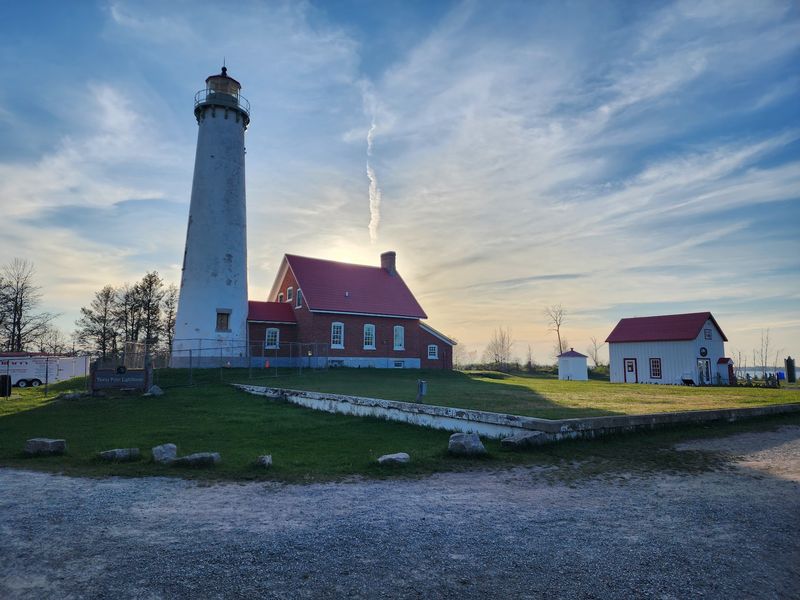
Bird traffic replaces beach traffic at Tawas Point when autumn migration gathers pace. The narrow sandy peninsula reaches into Lake Huron and shelters Tawas Bay, creating a useful resting place for songbirds, raptors, and waterfowl traveling south as temperatures drop across northern regions.
The historic Tawas Point Lighthouse adds a crisp white tower and red roof to the shoreline scene. Access to the building, tours, and restoration areas can change by season, but visitors can still enjoy designated trails, open views, and calm stretches of beach.
Binoculars turn even a short walk into an absorbing scavenger hunt.
Morning often brings the best bird activity, along with colder wind, so gloves and a hat are sensible additions. Keep away from posted nesting or restoration zones and avoid disturbing resting flocks.
A Recreation Passport or daily permit handles vehicle admission. Packing breakfast saves money, while nearby East Tawas offers a compact downtown and waterfront for an easy second stop before heading home.
10. Silver Lake State Park
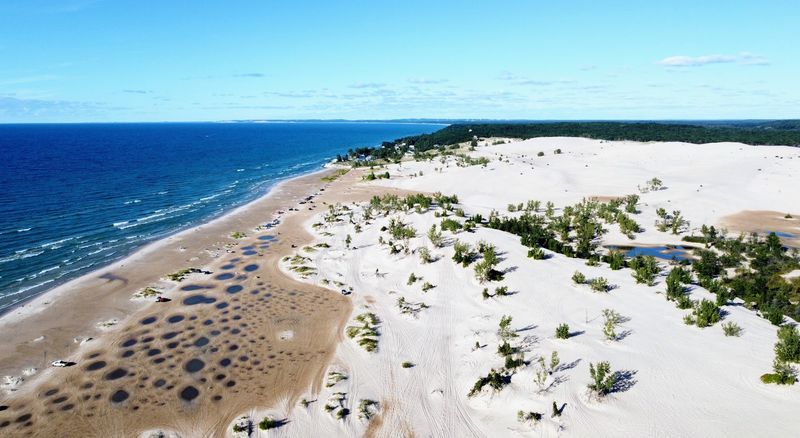
Silver Lake’s dunes behave like a pale, rolling desert that somehow misplaced itself beside fresh water. The landscape contains separate areas for pedestrians, privately operated tours, and permitted off-road vehicles, so following boundary signs matters as much as choosing comfortable shoes for a fall visit.
Nearby Little Sable Point Lighthouse rises 115 feet above Lake Michigan and dates to 1874. Seasonal climbing opportunities may end before late autumn, yet the brick tower remains striking from the beach.
Check official hours and fees if reaching the top is part of the plan rather than assuming access.
Walking designated park areas and enjoying the shoreline can keep the day inexpensive, especially with a packed meal and Recreation Passport or entry permit. Motorized dune activities involve separate rules, equipment, and costs, so budget travelers may prefer the pedestrian experience.
Bring eye protection on windy days because blowing sand stings. Sunset is memorable, but carry a flashlight for the return to parking areas.
11. Fayette Historic State Park
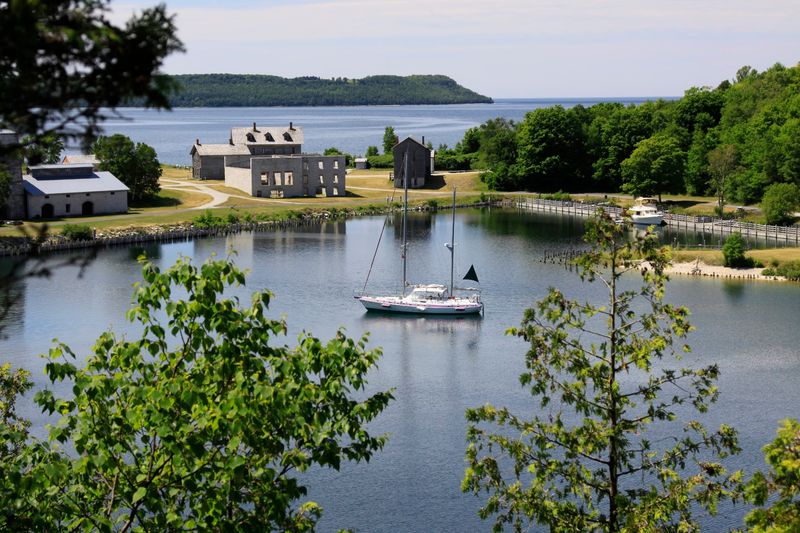
Fayette’s empty company buildings make footsteps sound unusually important, as though the former iron town is listening. Between 1867 and 1891, workers here produced pig iron using local hardwood converted into charcoal and limestone gathered from nearby cliffs, all beside sheltered Snail Shell Harbor.
More than 20 historic structures remain, including furnace ruins, workers’ housing, and community buildings. Interpretive signs explain daily life without requiring a paid guided activity, while roughly five miles of trails lead through woods and along limestone bluffs.
Autumn color softens the industrial remains without hiding their scale.
Allow several hours because the site rewards slow exploration rather than a quick photograph. Buildings and visitor services may follow seasonal schedules, so check current information before driving across the Garden Peninsula.
Entry requires a Recreation Passport or daily permit. Bring lunch, water, and a warm layer; nearby services are limited.
Staying on marked paths protects both visitors and fragile historic features.
12. Orchard Beach State Park
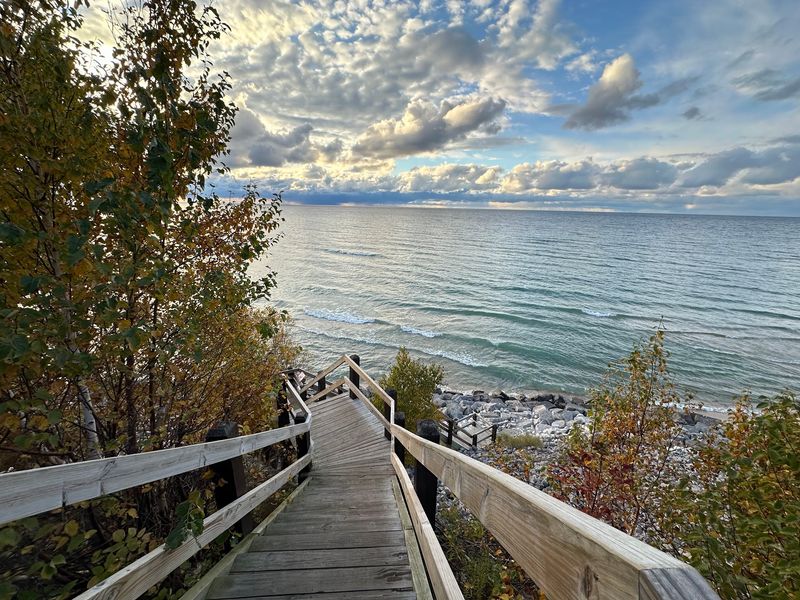
Lake Michigan appears suddenly between the trees at Orchard Beach State Park, a blue surprise below high wooded bluffs. Autumn leaves frame the view in copper and gold, while short park paths and picnic spaces make the destination manageable for travelers who prefer an easygoing day over a demanding hike.
Shoreline access has changed because bluff erosion prompted closures and protective projects, so never cross barriers or assume old stairways remain usable. Check current park notices before visiting.
The elevated setting still provides lake views, fresh air, and a quieter atmosphere after the summer camping season.
A Recreation Passport or daily vehicle permit keeps admission simple. Pack soup in a thermos and use the picnic area for an inexpensive lunch, then drive a few minutes into Manistee.
Its Riverwalk, historic downtown buildings, and window-shopping add variety without requiring another entrance charge. Comfortable shoes help on leaf-covered paths, and an early start leaves enough daylight to explore both park and town.