
There’s A Rustic Colorado Restaurant Near Downtown Denver Still Serving Alligator, Elk, And Buffalo Since 1893
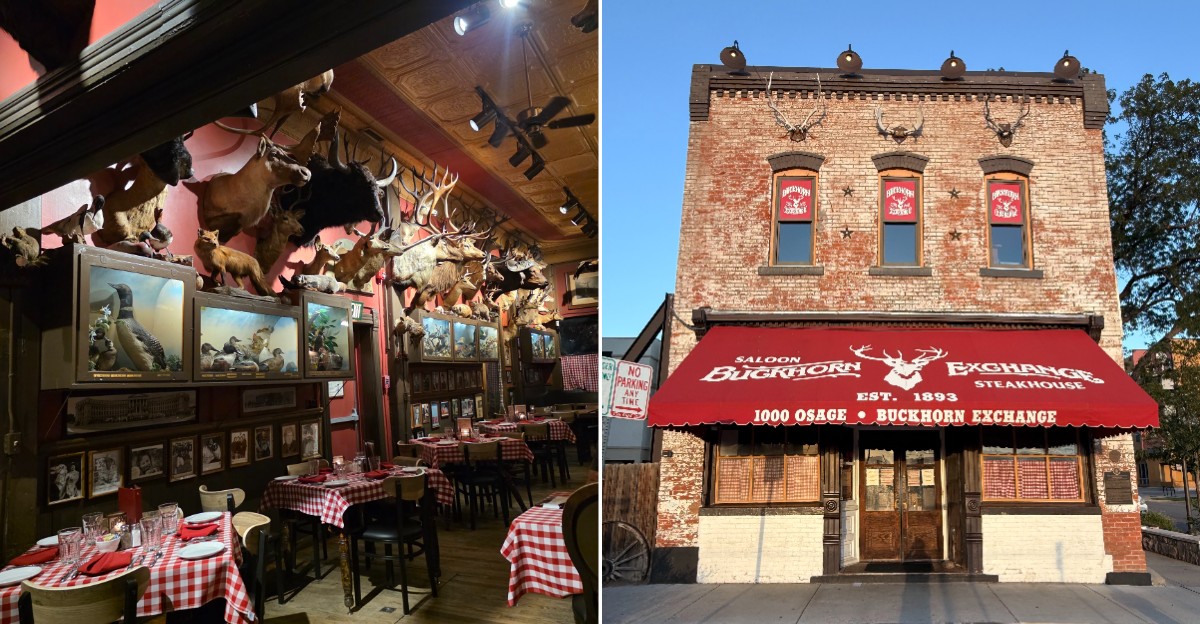
Few dinner menus can double as a history lesson, and fewer still have been doing it since 1893. Inside this long-running dining room, wild game is not a novelty added for attention.
Alligator, elk, and buffalo have helped define the experience for generations, giving the menu the kind of personality you remember long after the plates disappear. Near downtown, the setting also preserves a slice of Colorado history through antique-filled rooms and an old frontier sensibility that is difficult to manufacture today.
You might arrive curious about one unusual dish and end up studying the walls between bites. That is part of the fun here.
Dinner keeps bouncing between food, history, and the surprise of seeing choices that rarely share one menu anymore. For travelers who like their meals with a story attached, this corner of Colorado offers something specific: a restaurant where the past is still at the table.
A Frontier Dining Room With A Denver Address
A few blocks from the speed and glass of modern Denver, an 1890s dining room keeps a very different rhythm. The building does not need neon tricks to get attention.
Its story begins with rail yards, frontier travelers, and a city still figuring out what it wanted to become.
It opened in November 1893, founded by Henry H. Zietz, who was widely known as Shorty Scout and had ties to Buffalo Bill Cody.
That background matters because the place still leans into Western history without pretending it was invented last Tuesday for social media.
Visitors today come for the unusual menu, but the address itself is part of the draw. It places the meal close to downtown Denver while still feeling separate from the usual business dinner circuit.
For families, couples, or road trippers, it offers a low effort way to add a real Denver story to the evening.
Alligator On The Menu Still Raises Eyebrows
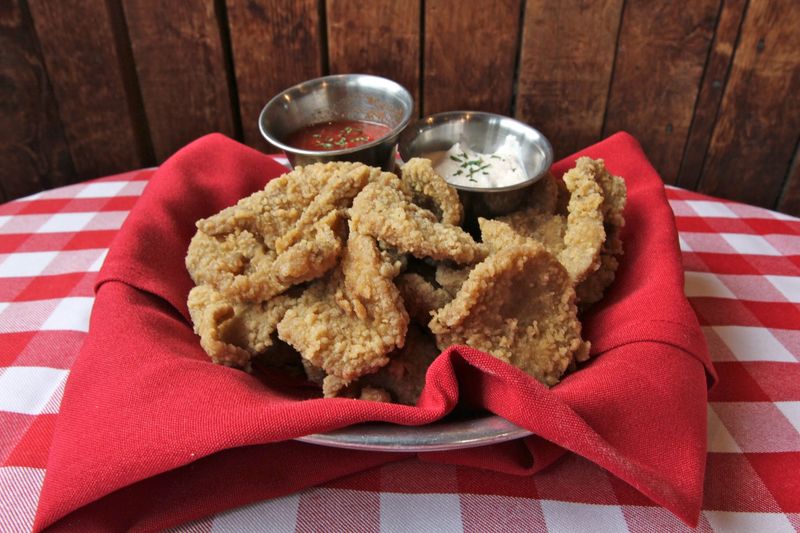
Alligator on a Denver menu is the kind of detail that makes people pause, reread, and then quietly check whether someone else at the table is feeling brave. Buckhorn Exchange currently lists alligator among its game offerings, including alligator tail as an appetizer.
That single menu item tells readers a lot about the restaurant’s personality. It is not trying to be a plain downtown steakhouse with one unusual garnish.
The kitchen keeps a wider game selection in view, which helps explain why Buckhorn Exchange has remained such a conversation starter in Colorado dining circles.
Practical advice helps here: treat alligator as a shared starter if your group is curious but cautious. That keeps the choice playful rather than making one diner commit their whole meal to a new experience.
It also gives families with older kids or couples on a date an easy talking point before bigger plates arrive.
Menu availability can change, so checking the current restaurant menu before going is sensible. Still, alligator remains one of the headline reasons this 1893 Denver address feels different from dinner as usual.
Elk Gives The Old West Theme Real Bite
Elk sounds like campfire folklore until it shows up on a real menu in the middle of Denver. At Buckhorn Exchange, elk is part of the current wild game lineup, which helps the restaurant’s Old West identity feel connected to the plate instead of only the walls.
For diners who usually order beef, elk can be a sensible step into game meats. It is familiar enough in steak form to feel manageable, yet different enough to make the meal memorable.
That balance is one reason the restaurant works for groups with mixed comfort levels. One person can choose a classic steak while another orders something tied more closely to the restaurant’s Colorado character.
The smarter move is to read the menu slowly instead of rushing into the most adventurous choice. Buckhorn Exchange often presents game in several formats, and the options may vary.
Asking staff for guidance is reasonable, especially if someone at the table is new to elk.
What keeps the dish from feeling like a stunt is the restaurant’s long record with Western fare. Elk fits the room, the history, and the reason people seek out Buckhorn Exchange in the first place.
Buffalo Connects The Plate To Colorado History
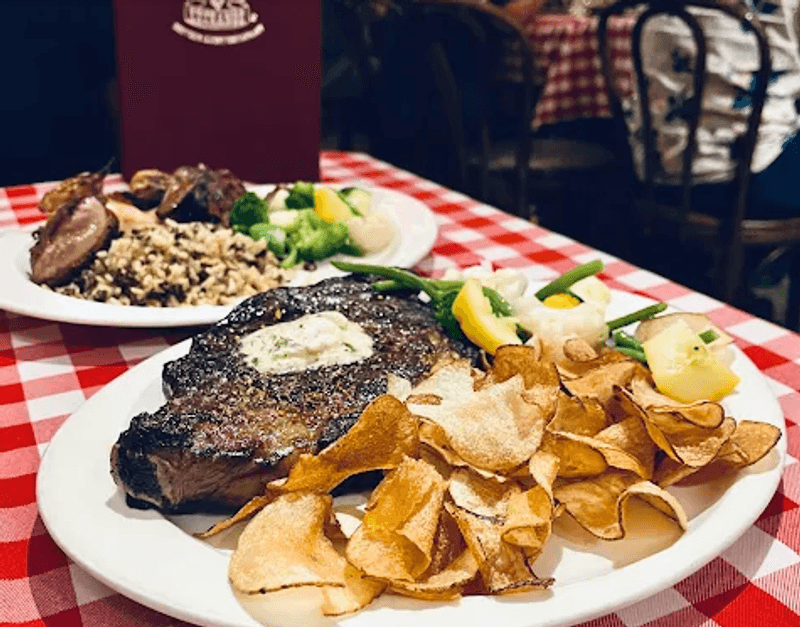
Buffalo is not just a novelty here. It is one of the menu words most closely tied to the Buckhorn Exchange story, and it gives the meal a clear link to the wider history of the American West.
The restaurant currently features buffalo options, including buffalo steak and buffalo prime rib preparations noted on current menu and visitor materials. That gives diners a way to order something distinctive without moving too far outside the steakhouse frame.
For many adults, especially those planning a weekend meal in Colorado, that middle ground is appealing.
There is also practical value in choosing buffalo at a place known for serving game. The kitchen’s identity has long been built around Western meats, not a one week special added for attention.
Buckhorn Exchange has had more than a century to become associated with this style of dining, even as Denver around it changed dramatically.
If your table is split between cautious eaters and the curious ones, buffalo can act as the bridge. It feels less surprising than alligator but more place specific than a standard steak.
That is a useful little compromise, which is often how good dinners with groups actually happen.
The Walls Carry Their Own Conversation
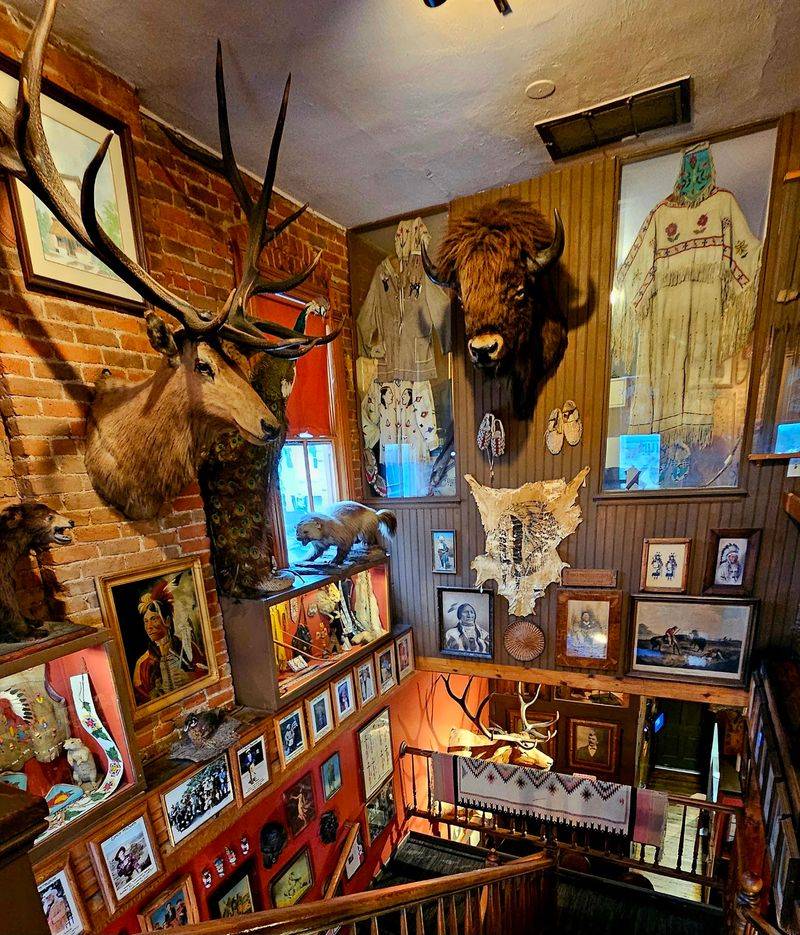
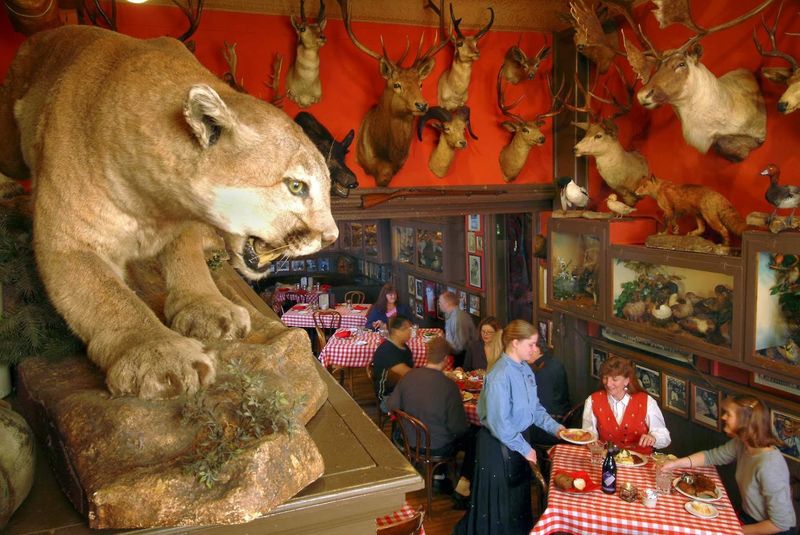
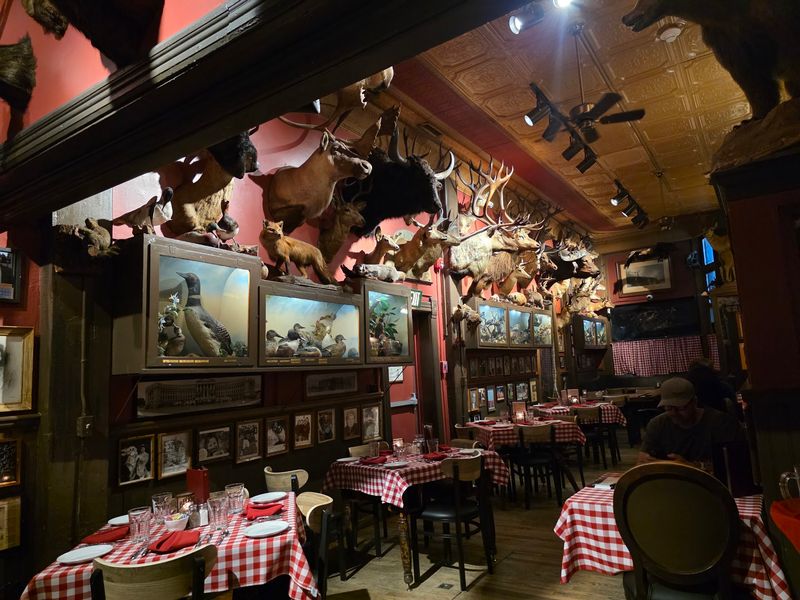
Plenty of restaurants hang old photos and call it history. Buckhorn Exchange goes several steps further, with dining rooms that function almost like a compact museum of frontier memorabilia.
The official story highlights an extensive collection of mounted game, antique firearms, historic photographs, and Western artifacts.
That kind of setting changes the pace of a meal. People tend to look around between courses, notice details, and ask questions they would not ask in a plain room.
For families, the visual history can give kids something to study besides a phone screen. For couples, it turns dinner into a shared curiosity hunt, minus the pressure of planning a grand night out.
The building itself adds another layer. The restaurant occupies a historic two story brick structure, and Denver designated it a local landmark in the 1970s.
Those facts help separate Buckhorn Exchange from themed restaurants that borrow Western style without roots.
Not every diner loves taxidermy, so knowing the setting ahead of time is useful. The room is part of the experience, not background decoration.
For travelers seeking a very Colorado story near downtown, that honesty helps with the decision.
An Easy Stop Near Downtown Without A Big Production
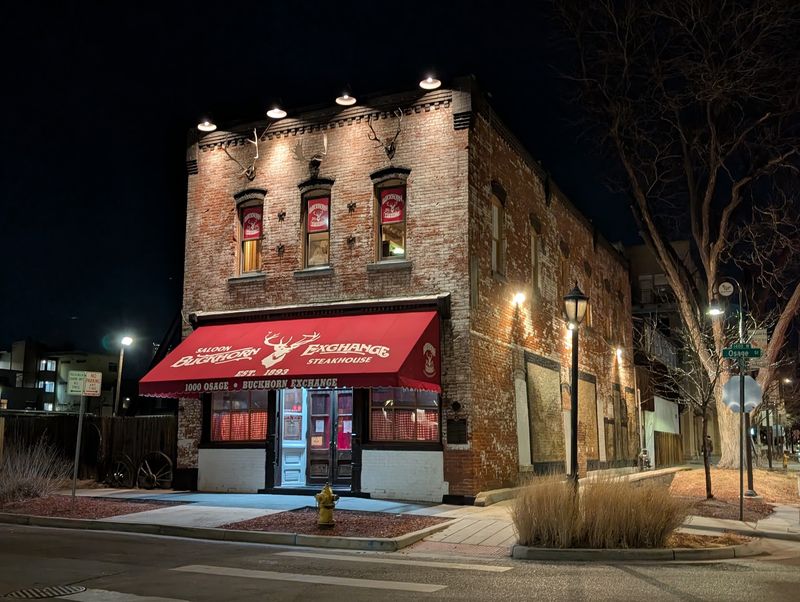
A good Denver dinner plan does not always need a full itinerary and three backup options. Buckhorn Exchange is straightforward to place into an ordinary day because it is close to downtown and served by the light rail stop across Osage Street.
The verified address is 1000 Osage St, Denver, CO 80204, and that matters for planning. You can build the evening around the meal itself rather than pretending the restaurant is just a quick bite between bigger events.
Current listed hours are evening focused, so checking the day’s schedule before heading over is a smart habit.
Here is the simple local life version: finish errands, wrap up work, or make a weekend detour, then let dinner be the main plan. No complicated route is needed if the timing works.
The restaurant’s history and menu provide enough interest once you arrive.
Reservations are a sensible idea, especially for groups, since Buckhorn Exchange draws both travelers and Denver diners curious about its long story. The room can handle more than a tiny cafe, but a famous 1893 restaurant is not the place to rely only on luck.
A little planning keeps the evening relaxed.
Why Buckhorn Exchange Still Feels Specific To Denver
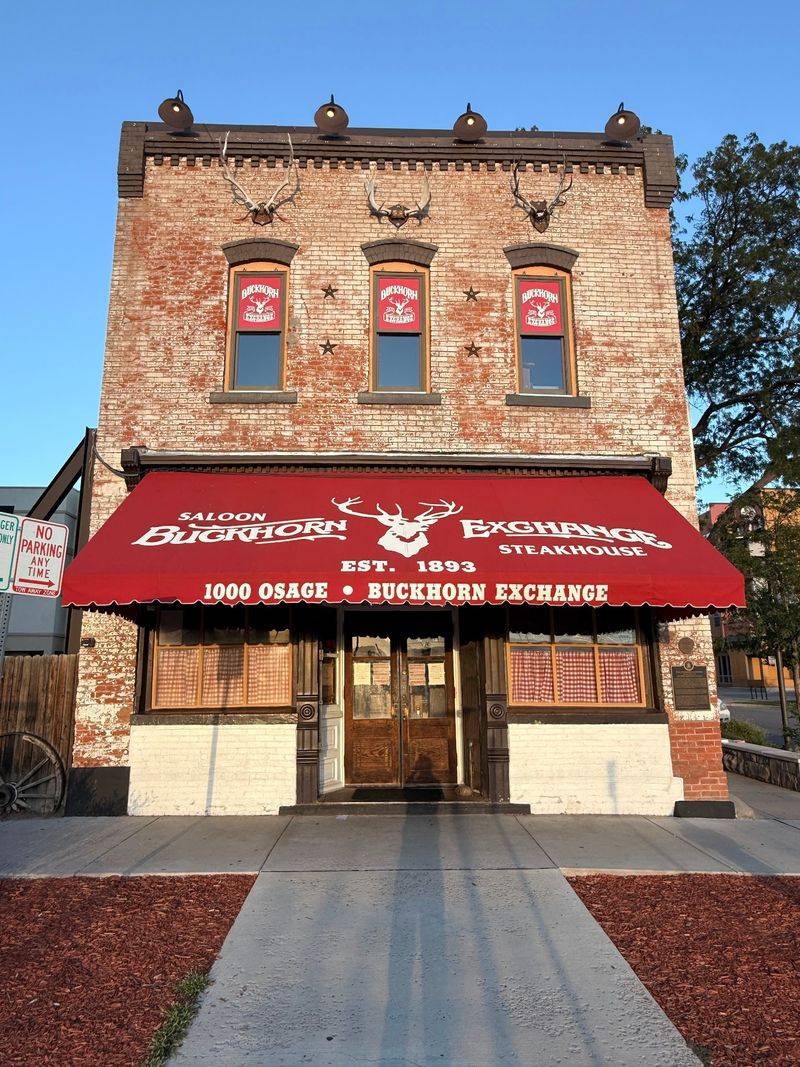
The lasting appeal of Buckhorn Exchange is not only that it is old. Age alone can make a place dusty; a clear identity keeps it useful.
Here, the 1893 opening date, the founder’s frontier connections, the landmark building, and the wild game menu all point in the same direction.
That focus is why the restaurant still makes sense for different kinds of diners. A solo business traveler can get a Denver story with dinner.
A couple can choose a meal that is more memorable than another anonymous steakhouse reservation. Families and road trippers can connect food, history, and place without turning the evening into a lecture.
Colorado appears on the menu in spirit as much as geography. Elk and buffalo fit the state’s Western image, while alligator adds the little jolt that makes the title of the meal travel home with you.
Buckhorn Exchange does not need to chase every modern dining trend because its best material was already unusually strong.
The most helpful way to think about it is simple: go when you want dinner to carry a story. In a city that keeps rebuilding and rising, Buckhorn Exchange still answers from Osage Street with game meats, old rooms, and 1893 written into its bones.