
This Michigan Asian Market Packs A Food Court, Gift Shop, And Global Finds Under One Roof
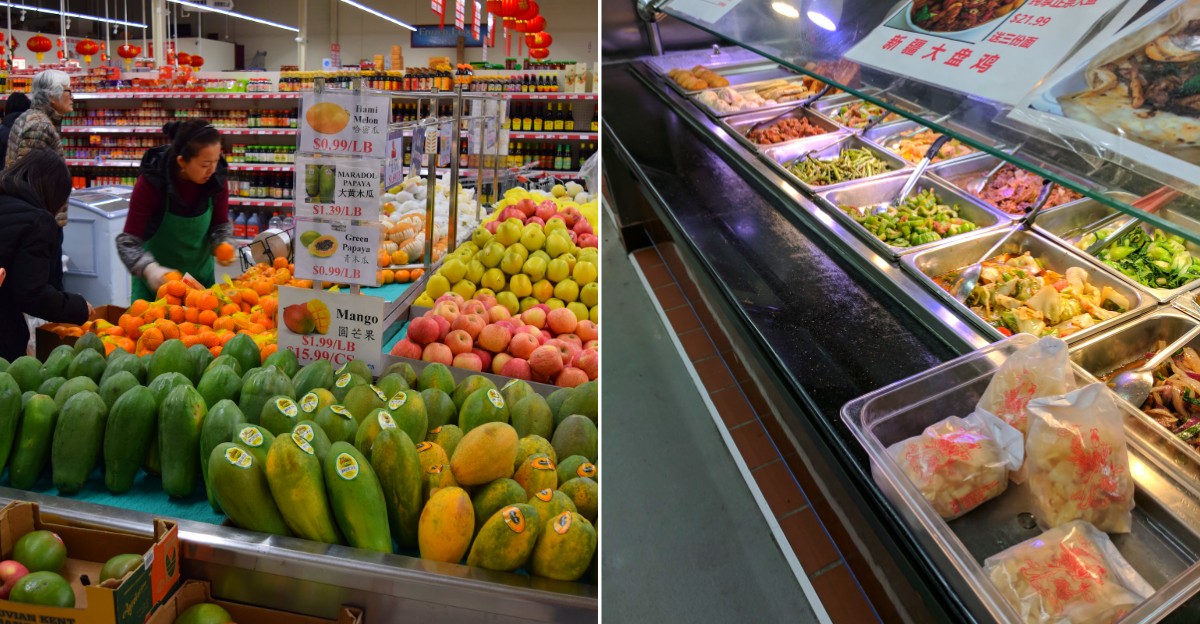
Three hours lost on the first visit alone. Not because the store is confusing but because every aisle led to something you had never seen before.
Live crabs tapping against tank glass.
Bags of dried mushrooms lining the walls. A whole section of chili pastes organized by heat level.
The food court pulls you in next. Six counters, each run by a different kitchen, each turning out dishes that would cost triple at a sit-down restaurant.
Hand-pulled noodles at one stall. Dim sum at another.
Bubble tea calling from a third. The name comes from Chinese numerology meaning the beginning of the road to riches, a lucky number for a place that started as a small grocery plus grew into 38,000 square feet of pan-Asian discovery.
Michigan shoppers can lose an entire afternoon at this Asian market, and the food court rivals any restaurant strip.
Food Court Flavors Worth Pausing For
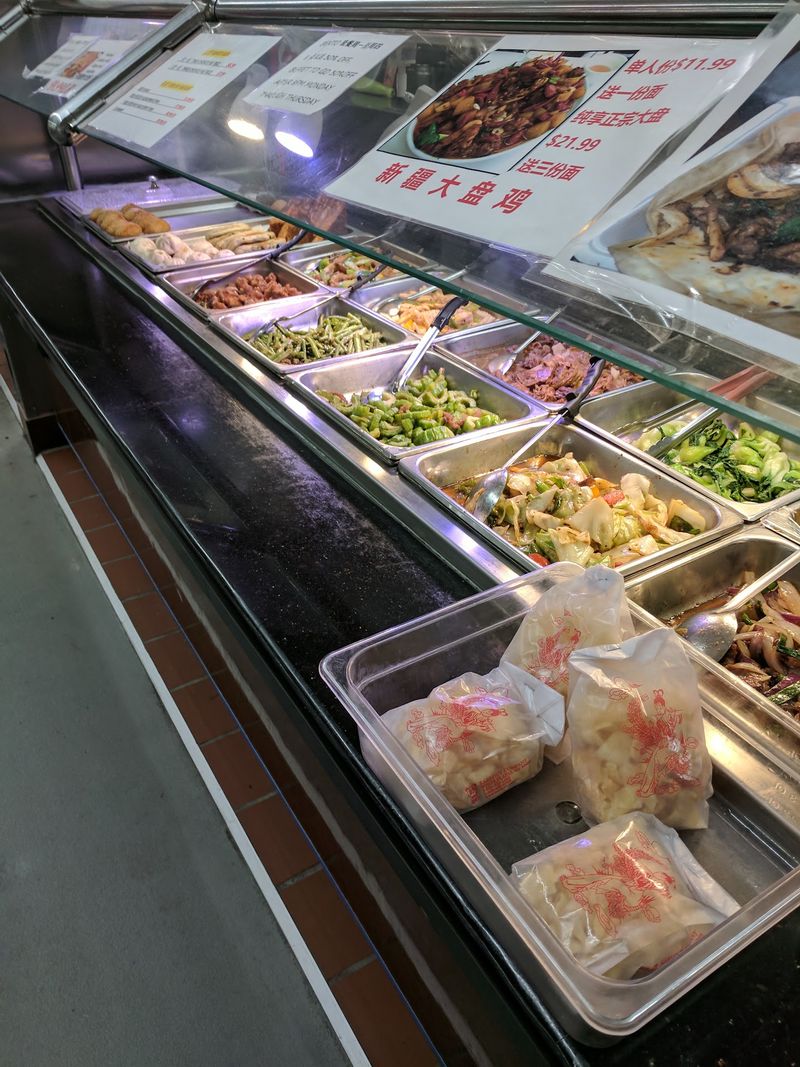
Steam, conversation, and the clatter of trays give the food court its own cheerful rhythm. Counters serve several Asian cooking styles, turning the market into a practical lunch or dinner stop rather than merely somewhere to fill a pantry.
Cheng’s offers Hong Kong-style dim sum such as dumplings, bao buns, spring rolls, and rice noodle rolls. Oishi Ramen builds warming bowls with handmade noodles and chashu pork, while Yuan Yang serves sweet soups, tofu pudding, fruit drinks, and other choices.
I suggest eating before tackling the grocery aisles, especially when shopping hungry encourages wild snack decisions. Vendor menus and availability can change, so walk the full court first, compare portions, and choose whether to dine there or carry food home.
A Market Built For Discovery
168 Asian Mart sits at 32393 John R Road in Madison Heights, Michigan, along the busy commercial strip north of Detroit. John R Road is the street to stay with on the final approach, with the market occupying a large roadside property rather than hiding inside a mall.
The last stretch is packed with shopping centers and chain businesses, but the market’s scale helps it stand out. Once the broad storefront and large grocery footprint come into view along John R, you are at the right place.
Pull into the property from John R Road and use the customer parking lot in front of the market. From there, head straight for the main entrance and the food hall sits inside with the rest of the store.
Malatang Made Your Way
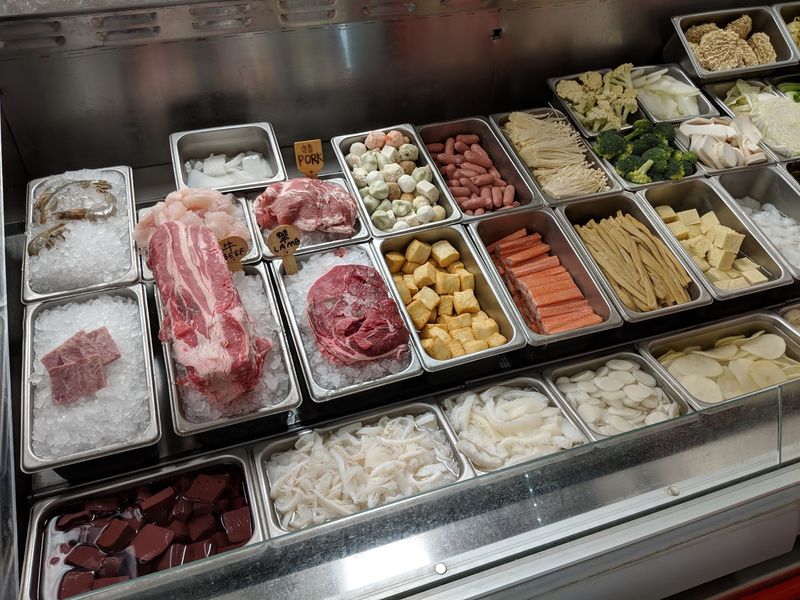
A row of vegetables, tofu, noodles, and meats makes choosing lunch feel pleasantly similar to assembling a colorful science project. Mala Town specializes in malatang, a Chinese dish that lets diners select ingredients before they are cooked together in a seasoned broth.
Customization is the attraction, but a little planning prevents an overloaded bowl. Pick one noodle, add contrasting vegetables, include tofu or meat if desired, and remember that many small choices can create a surprisingly large meal.
Spice levels are adjustable, which helps cautious diners begin comfortably.
Ask the counter staff how ordering and pricing work before filling your container because procedures may vary. Anyone unfamiliar with an ingredient can choose a modest amount, making the meal an easy, low-pressure introduction to something new.
Produce With Passport Energy
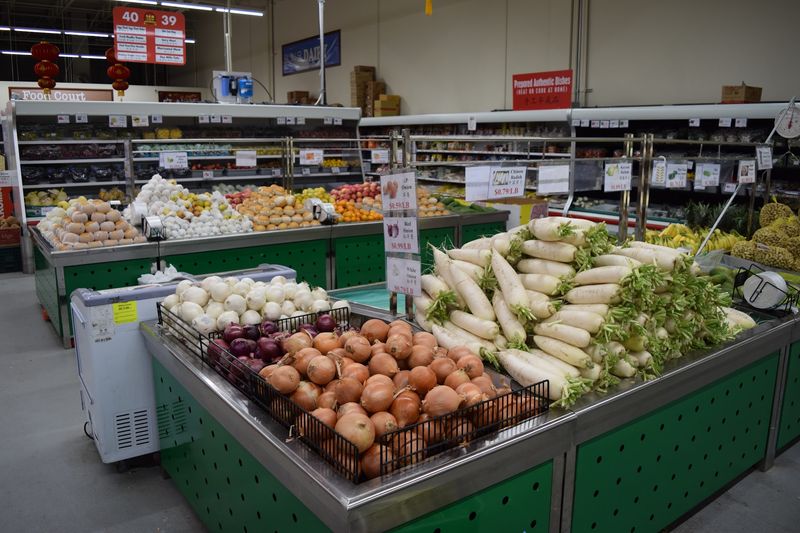
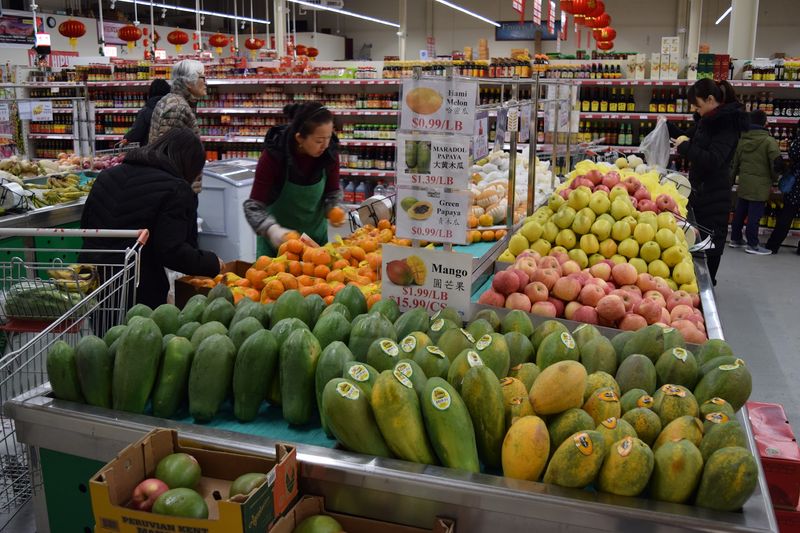
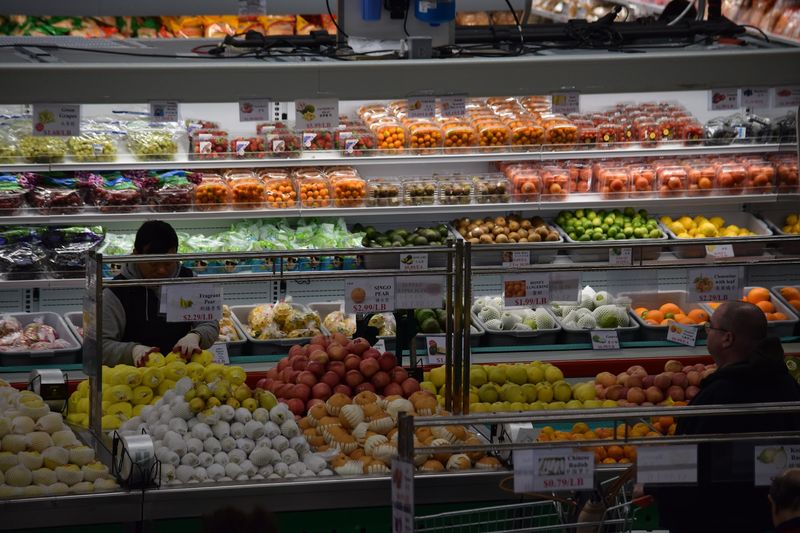
Korean radishes sit near kabocha squash, while king oyster mushrooms look almost too sculptural for supper. The produce department rewards slow observation with bok choy, purple eggplants, fresh coconuts, Korean pears, lychee, Taiwanese melons, Chinese nagaimo, and other useful finds.
Some fruits and vegetables may be unfamiliar, yet labels provide a starting point for learning. Choose one new item instead of five, then find a trusted recipe before cooking it.
That approach keeps experimentation affordable and reduces the chance of forgotten produce quietly aging in the refrigerator.
Season and shipment schedules can affect what appears, so treat any specific item as a possibility rather than a promise. Check firmness, color, and condition as usual, and keep delicate greens separate from heavy groceries inside the cart.
Seafood Counters Full Of Motion
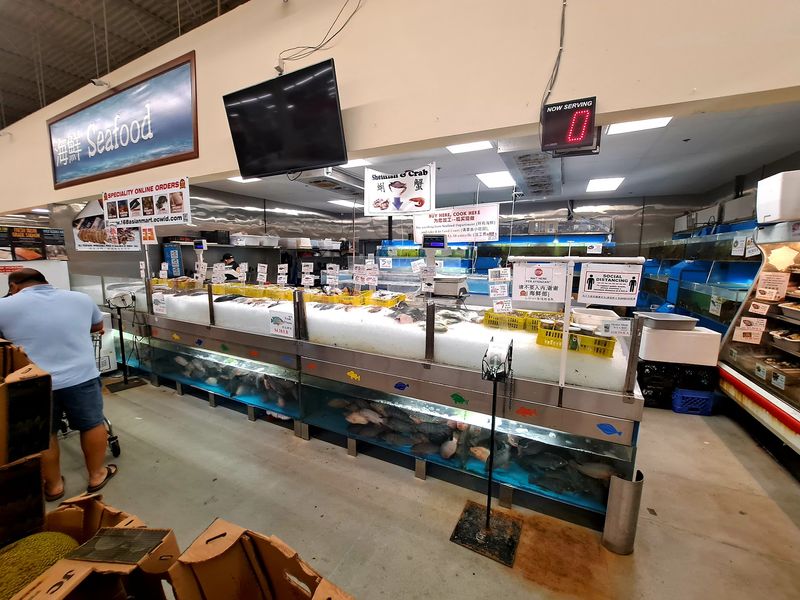
Water flickers inside the live tanks, creating one of the market’s most memorable sensory corners. The seafood department carries live fish, fresh shellfish, and harder-to-find selections that may include conch or razor clams, depending on current supply.
Nearby meat counters add premium cuts and marinated choices suited to hot pot, stir-fries, grilling, and family meals. Both departments help cooks find ingredients cut or prepared differently from the standard options at many conventional supermarkets.
Visit these counters late in your route so chilled purchases spend less time in the cart. Bring an insulated bag if the drive home is long, ask employees about available services, and confirm storage plans before buying unfamiliar seafood.
Fresh inventory changes, making flexibility especially useful here.
Pantry Aisles Across Asia
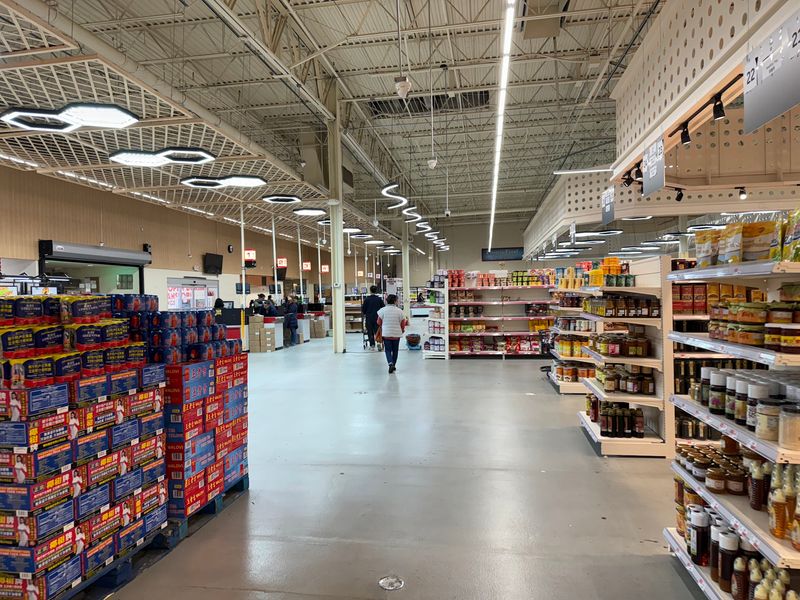
One sauce aisle can send a shopping list into complete disarray, usually in the best possible way. Shelves hold products connected to China, Korea, Japan, Vietnam, Thailand, Malaysia, Indonesia, and other places, including noodles, rice, beans, seasonings, snacks, and cooking sauces.
Frozen cases continue the trip with dumplings, buns, desserts, and ice cream. Rather than guessing from package artwork, use the translated label to check ingredients, cooking directions, allergens, and serving size.
Expiration dates deserve the same careful look given at any grocery store.
For a useful first visit, shop around one planned meal and select only the sauce or noodle it requires. Smartphone translation can help with labels, while a quick shelf photograph makes finding a favorite product easier next time.
Bakery Treats And Prepared Meals
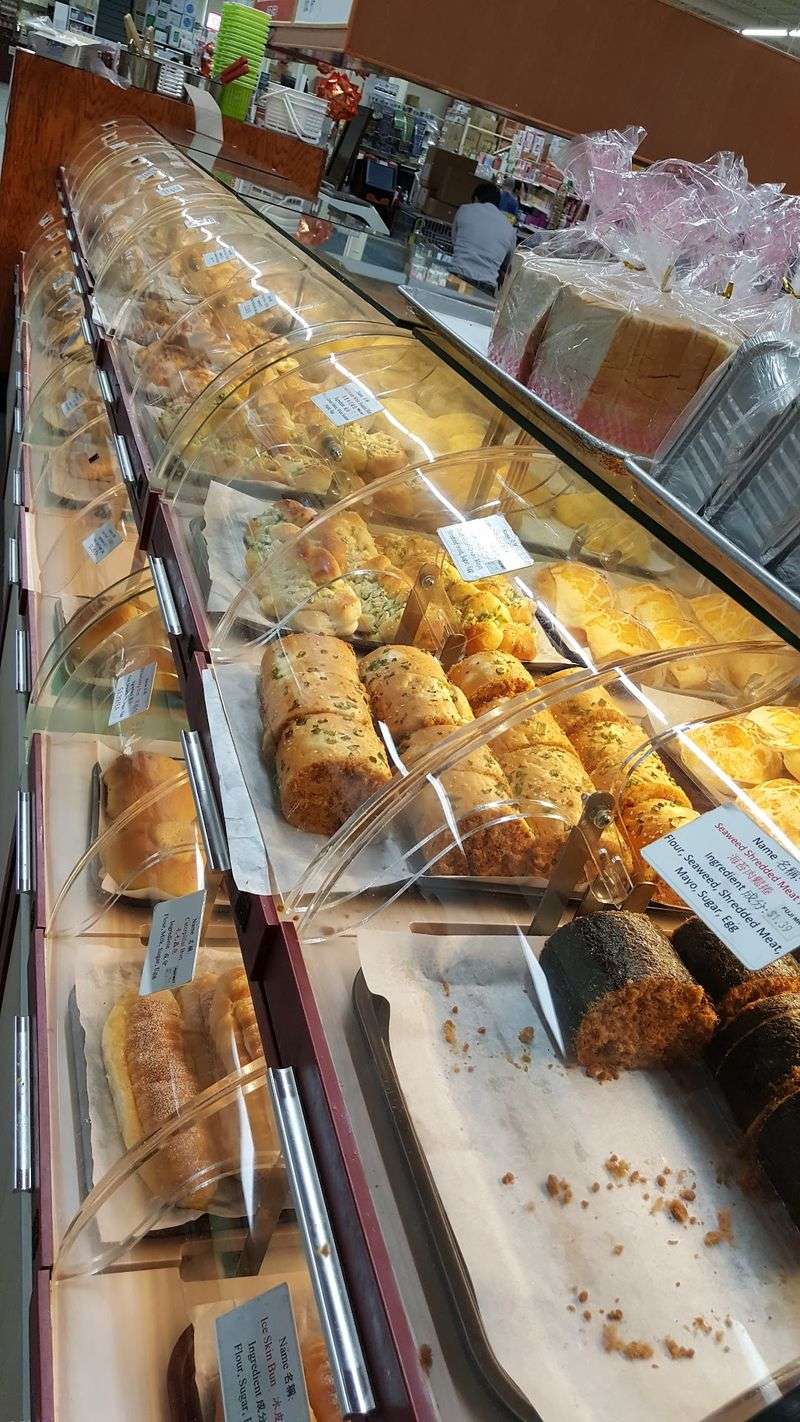
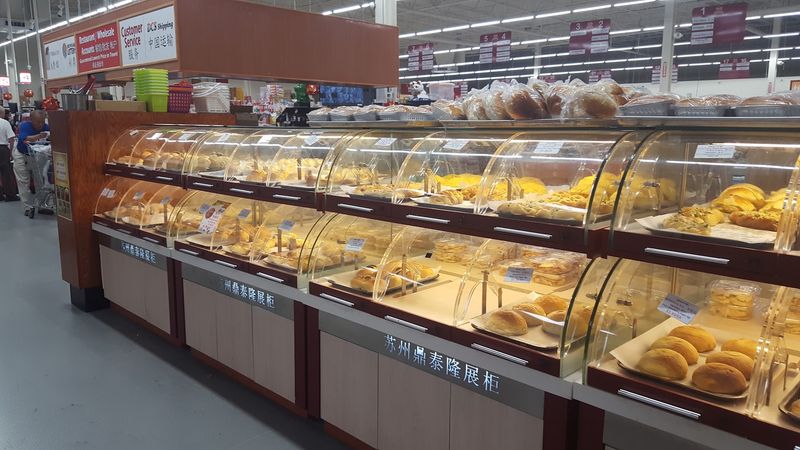
Buttery bakery aromas provide a gentle break from the bright ranks of packaged groceries. Fresh displays can include sweet and savory buns, pineapple custard buns, Swiss rolls, and custom cakes, giving visitors an easy treat for the drive home or tomorrow’s breakfast.
Prepared-food cases offer another practical shortcut when cooking feels ambitious after a long shopping trip. Selections may vary by day, so inspect the displays before committing to a food-court meal.
Check labels, dates, reheating directions, and storage guidance before placing refrigerated items in the cart.
A small bakery box also makes a thoughtful shareable purchase when visiting friends or family. Choose different textures rather than several similar breads, and carry delicate cakes separately so a bag of rice does not become an accidental cake press.
Gifts Gear And Helpful Logistics
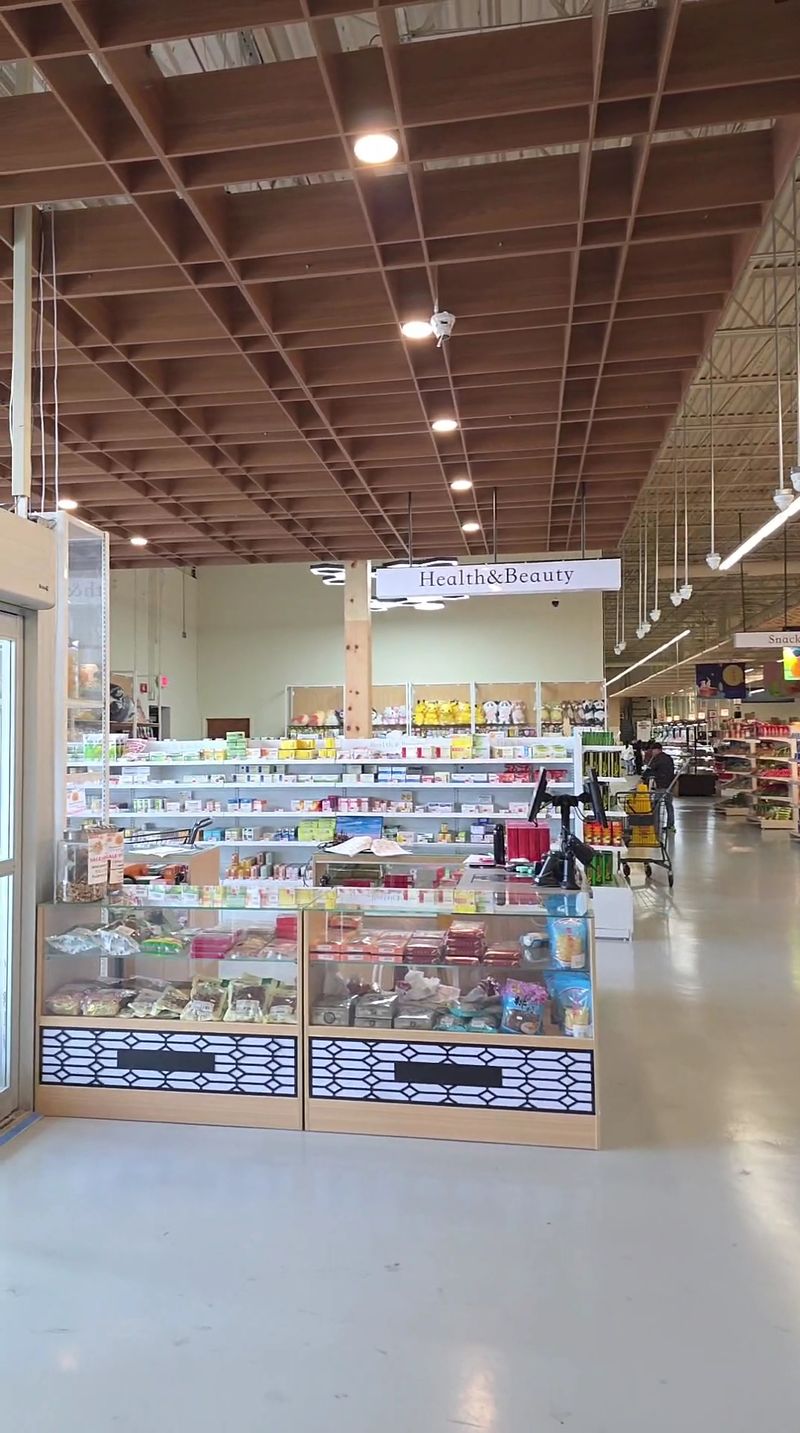
Cute trinkets appear where a grocery shopper might least expect them, alongside items that are firmly practical. Beyond food, 168 Asian Mart carries kitchenware, tableware, cookware, household essentials, beauty products, toys, décor, and gift novelties, including character-themed merchandise when stocked.
Look here for tools suited to ingredients sold elsewhere in the market, such as hot-pot gear, rice cookers, serving bowls, or chopsticks. Compare dimensions and care instructions before purchasing cookware, especially if cabinet space is tight or a particular stove type requires compatibility.
The store sits in a large shopping center at 32393 John R Road in Madison Heights. Current listed hours are 9 a.m. to 9 p.m. daily, but checking the official website before a holiday trip remains a sensible habit.
Frozen Cases Ready For Dinner
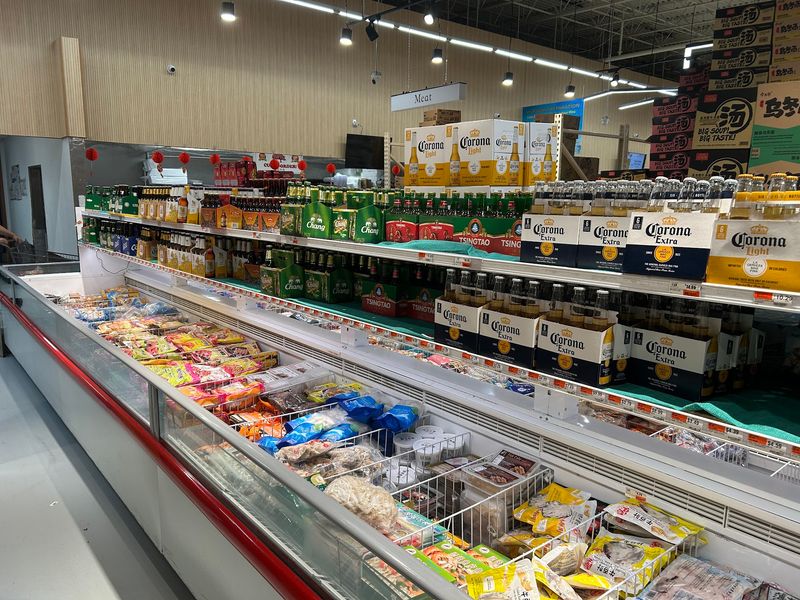
A freezer door can feel like a shortcut to dinner after a long day. Dumplings, buns, noodles, hot pot ingredients, and frozen desserts offer quick options, while packages from several countries make comparing styles part of the fun.
Start with one unfamiliar item rather than filling the cart blindly. Check cooking directions and serving sizes, since wrappers may look similar but require steaming, boiling, or pan-frying.
An insulated bag helps protect purchases on the ride home. For easier planning, pair dumplings with greens or broth and save sweet rice cakes or mochi for a simple family treat later that evening.
Sweet Sips From Near And Far
Bright bottles and colorful cans turn the drink aisles into a small adventure. Shoppers may spot milk tea, fruit drinks, canned coffee, herbal teas, and flavors that are harder to find in standard grocery stores.
Read the sweetness level and caffeine details before choosing, especially when buying for children or late evenings. Single servings make taste testing.
Grab a familiar favorite plus something new, then share both at home.
Chilled drinks are handy during a food court meal, but bottled teas also pair well with spicy noodles, dumplings, or grilled dishes. Save the label if one becomes a repeat buy.
Seasonal Displays Rich With Tradition
Holiday displays can change an ordinary shopping trip into a lesson in tradition. Around Lunar New Year and other celebrations, watch for gift boxes, lucky colors, special sweets, and ingredients tied to family meals across many Asian cultures.
Decorative packaging often carries symbolism of its own, so even a quick walk through seasonal aisles can reveal how food, color, and presentation work together during important occasions.
Displays vary by season, so visiting more than once may reveal something different. Ask staff what an unfamiliar item means or how it is commonly served; respectful curiosity often leads to better choices.
Shoppers may also find limited-edition snacks, tea sets, fruit baskets, or specialty pantry items that appear only around certain holidays and disappear soon afterward.
If bringing a gift, check whether the package contains nuts, alcohol, or other ingredients the recipient avoids. Photos of labels can help families remember favorites for the next celebration.