
This Massive Pennsylvania Lake Has Become A Total Breeding Ground For Water Snakes
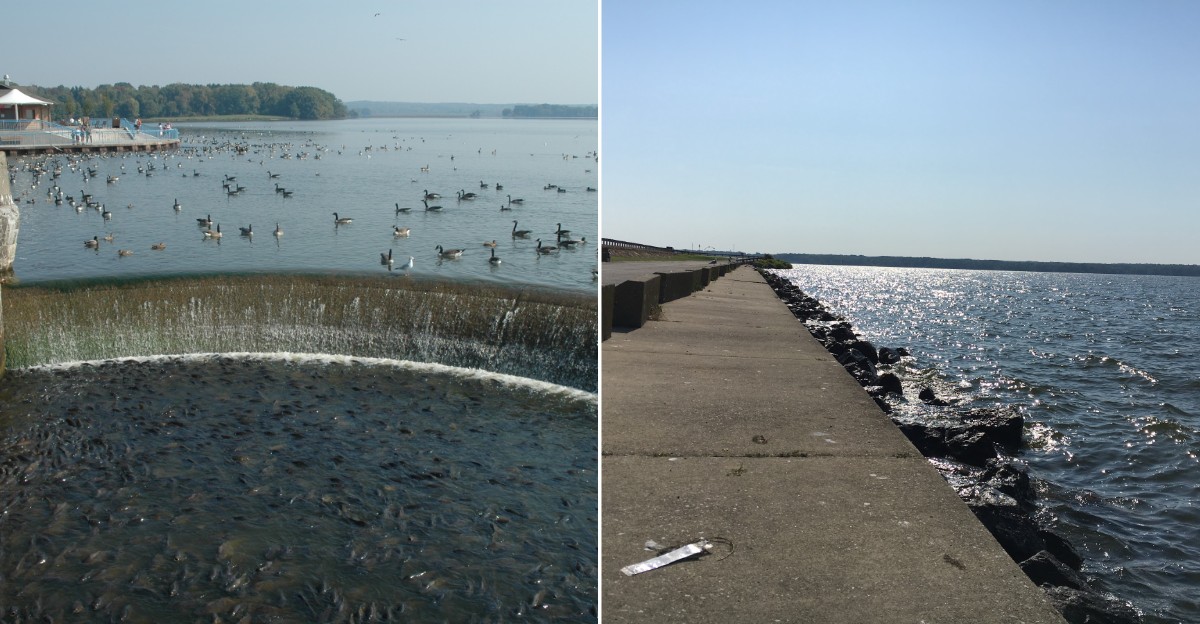
I learned very quickly that a calm lake can still keep you alert.
One summer, I was walking near the water when something slipped through the shallows and vanished before I could get a proper look. After that, every ripple earned my attention.
That is the kind of awareness this massive Pennsylvania reservoir can inspire.
Water snakes are part of the landscape, especially around warm shallows, rocky edges, and quiet shoreline cover.
Seeing one does not mean the whole day is ruined, but it can definitely change how casually you step near the water.
The lake is still beautiful, wide open, and worth exploring. You just share it with more wildlife than you might expect.
Personally, I do not need a dramatic encounter to respect the hint.
A quick movement near the bank is enough to make me slow down, watch my footing, and give the shoreline a little more space.
I would rather admire the view than accidentally surprise whatever got there first.
A Man Made Giant Stretching Across Two States
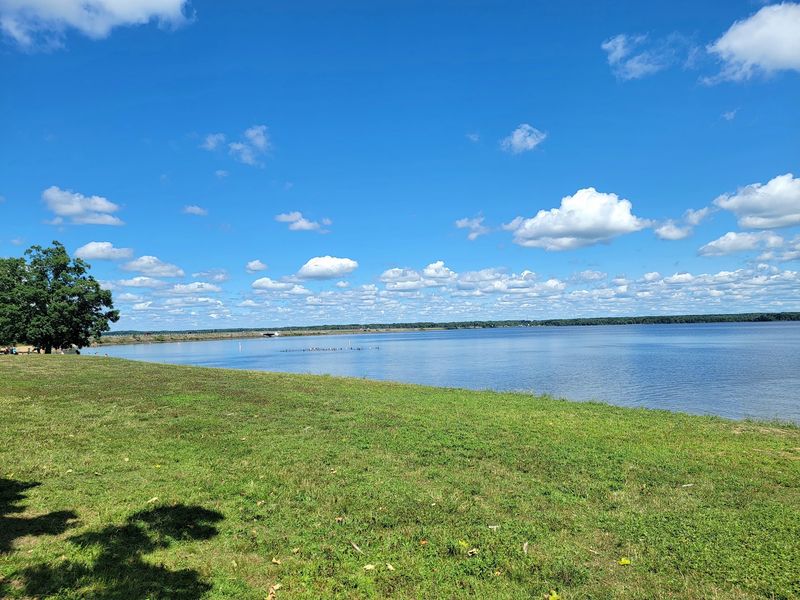
Water covers roughly seventeen thousand acres here, which makes this the largest lake in the western half of the state.
The reservoir sits in Crawford County, Pennsylvania, and spills over the border into Ohio, so half your fishing trip technically happens in another state.
Construction wrapped up in the 1930s after engineers dammed the Shenango River, flooding a huge wetland known as the Pymatuning Swamp.
That flooded swamp matters more than most visitors realize.
Shallow bays, drowned stumps, and soft muddy edges were left behind, and those features are exactly what reptiles and amphibians love.
I walked a stretch of shoreline where the water barely reached my ankles for thirty feet out, warm as bathwater by mid afternoon.
Snakes need that kind of shallow, sun soaked habitat to hunt and warm up.
When you build a lake on top of a swamp, you do not erase the swamp, you simply give it more room to spread out and thrive.
Northern Water Snakes Rule The Shallows
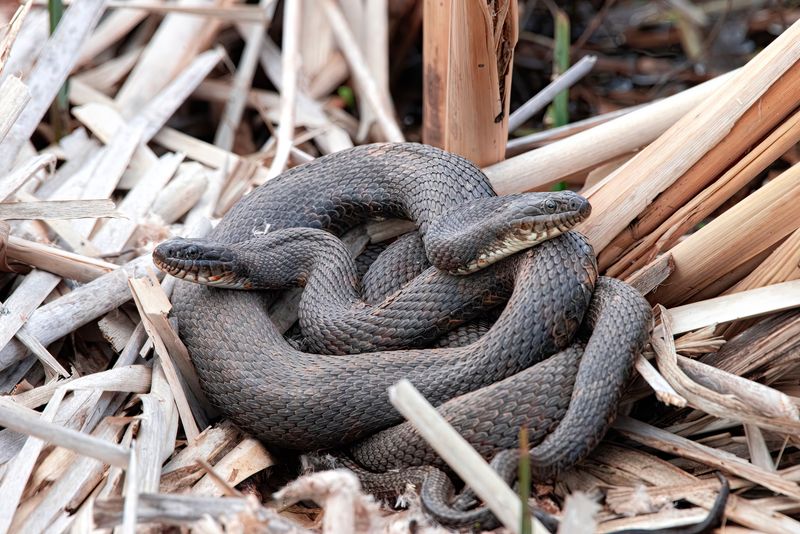
Northern water snakes are common, but not every swimming snake here can be identified as that species.
Adults grow between two and four feet long, wear brown or reddish bands, and darken with age until some look almost black.
Nonvenomous, entirely. They cannot inject venom, though a startled one will absolutely bite and thrash if you grab it, so hands stay in pockets.
Their whole lifestyle revolves around water. They hunt in it, rest beside it, and dart back into it the instant a person gets close.
I once counted four of them sunning on the same rock pile near a boat launch, stacked like carelessly dropped rope.
Here is a detail worth remembering. Water snakes give birth to live young rather than laying eggs, and females average about twenty young in late summer or early fall.
That biology suits many marshy Pennsylvania shorelines, but no official count shows unusual growth there.
The Spillway Fish Buffet Feeds Everything
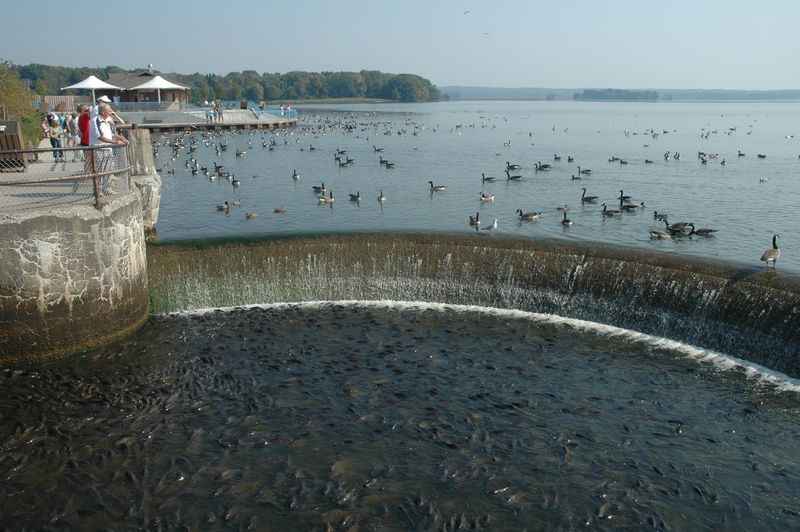
Thousands of carp crowd the shallow water below the spillway, packed so tightly that ducks genuinely walk across their backs.
Visitors have tossed bread there for generations, and the fish learned to gather in ridiculous numbers.
Watching it costs nothing, and the sound alone is unforgettable, a wet slapping churn of fins and open mouths.
All that fish life can attract predators, and northern water snakes mainly eat fish and frogs. Small fish, amphibians, and tadpoles can become meals for a hungry water snake.
Food that plentiful can make shoreline habitat attractive to animals that naturally feed on fish and amphibians.
I leaned on the railing there for twenty minutes and watched a small snake work the edge of the crowd, ignored completely by the frenzy.
The lesson sticks with you. Productive water can support plenty of wildlife, but no official evidence shows that spillway feeding has created unusually high water snake numbers around this corner of Pennsylvania.
Marshes And Wetlands Act Like Snake Nurseries
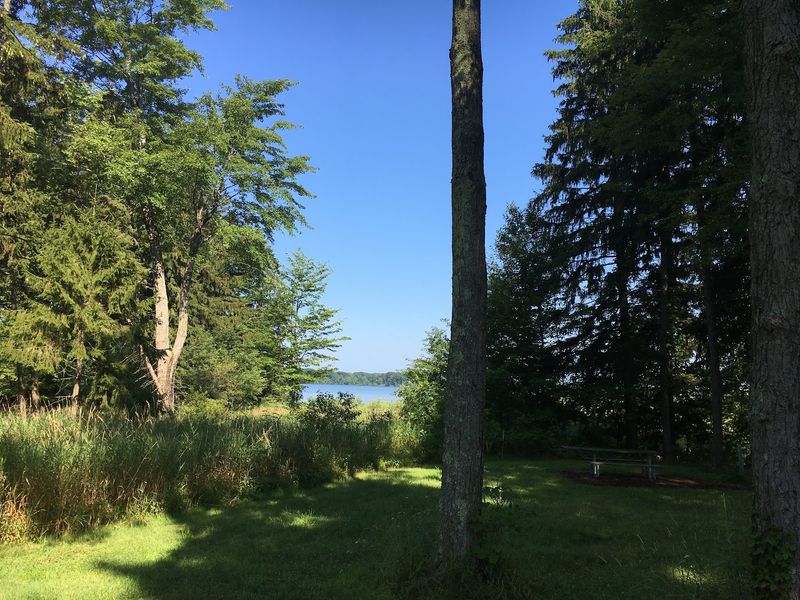
Cattails, lily pads, and mud flats wrap around parts of the northern reservoir in thick green tangles.
Black Jack Swamp Natural Area protects 725 acres of forest, coves, channels, and wetlands with no trails or facilities.
Frogs breed in wetlands each spring, providing prey that northern water snakes commonly eat throughout Pennsylvania.
Newborn water snakes are barely pencil thick and need cover to survive their first months. Dense vegetation hides them from herons, raccoons, and bass.
A marsh gives them shade, warmth, tiny prey, and escape routes all in one place.
I paddled a quiet channel near the marsh edge once and spotted three separate youngsters draped over floating stems, no thicker than shoelaces.
Wetlands rarely get the credit they deserve.
People picture swamps as empty and buggy, but in Pennsylvania they provide productive habitat for amphibians, reptiles, birds, and other wildlife that visitors may later notice out on the open water across Pymatuning.
Rocky Riprap Along The Dam Doubles As A Sunroom
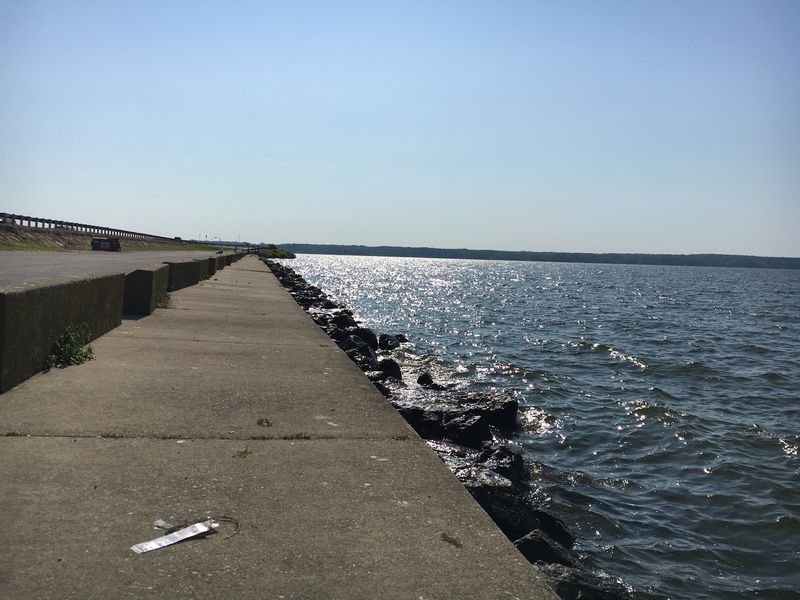
Chunky gray stone lines much of the dam and several causeway edges, placed there to stop erosion. Snakes adopted it immediately.
Gaps between rocks hold heat late into the evening and offer instant hiding spots whenever footsteps approach.
Cold blooded animals depend on outside warmth to digest food and move quickly, so a sun baked rock wall beside a fish filled lake is close to ideal real estate.
Add the crevices for shelter and you have a complete home with a built in pantry.
I stepped onto one of those embankments in July and heard three quick slithers before I even looked down.
Practical tip for anyone shore fishing along stone banks anywhere in Pennsylvania.
Walk with deliberate steps, watch where your hands land when climbing, and give any basking snake a wide path.
They want distance far more than you do, and nine times out of ten they vanish into the water before you finish reaching for your phone camera.
Mistaken Identity Fuels Most Of The Panic
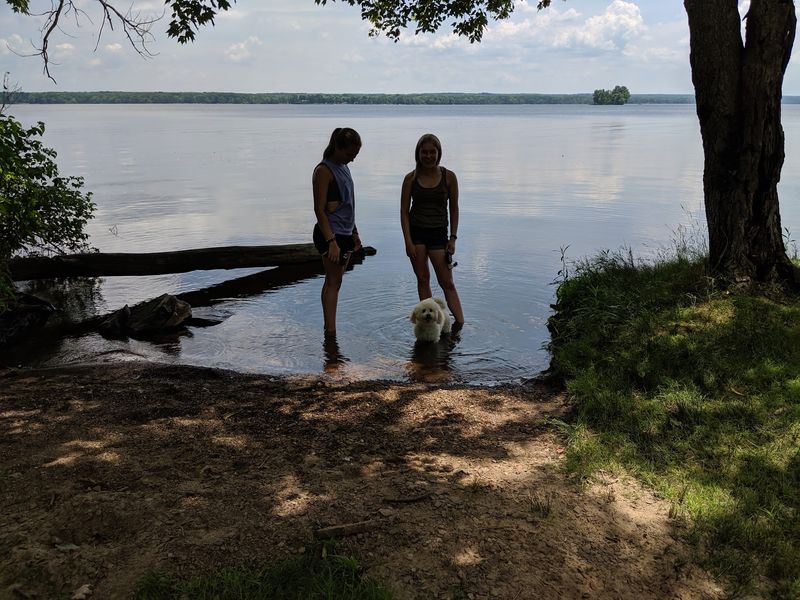
Ask around the lake and somebody will swear they saw a water moccasin.
That species does not live anywhere in the state, not even close, since its range stops well south of here.
A likely candidate is the northern water snake, which can flatten its head when threatened and looks far more intimidating than it actually is.
Identification takes more than watching how a snake swims. Northern water snakes have bands and blotches, while copperheads have distinctive hourglass-shaped crossbands and a copper-colored, largely unmarked head.
Water snakes also have round pupils, unlike Pennsylvania’s venomous pit vipers.
I watched a family nearly abandon a perfectly good picnic spot over one harmless swimmer near the bank. Knowing the difference turns fear into curiosity.
Pennsylvania has only three native venomous snake species, while northern water snakes are nonvenomous and commonly occur around lakes, ponds, rivers, swamps, and other aquatic habitats throughout Pennsylvania during the warmer parts of each year.
Fishing Stays Excellent Despite The Reptile Rumors
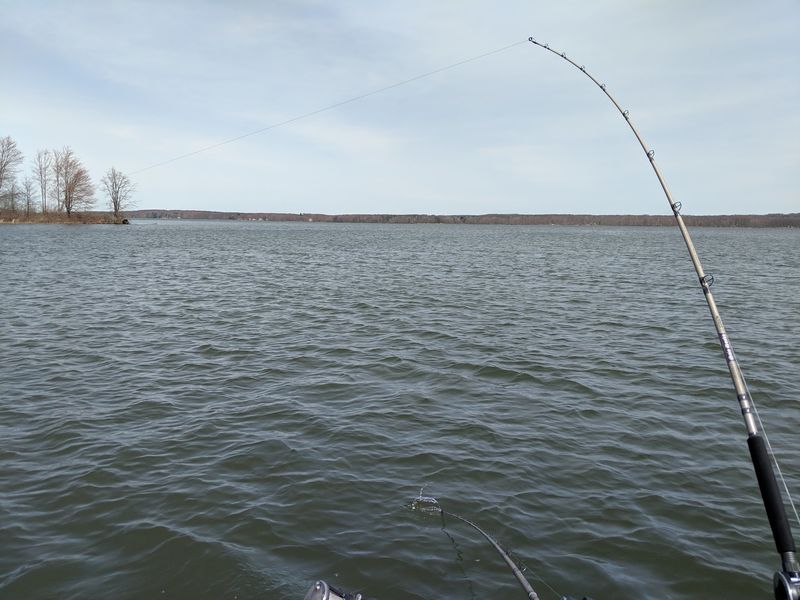
Walleye, largemouth bass, crappie, muskie, and perch all swim these waters, and the lake has a reputation as one of the better fisheries in the region.
A twenty horsepower motor limit keeps things quiet and slow, which many anglers consider a feature rather than a restriction.
Boat launches and rental pontoons make access easy for people without their own rig.
Snakes and anglers coexist without much drama. A water snake eating minnows is not competing for your trophy walleye, and it will clear out long before your line hits the water.
Shore fishing does mean sharing rocks with the occasional basking resident.
I caught more here in one morning than on several previous outings combined, and the only snake I saw slipped away as I unfolded my chair.
Early morning and late evening bring the best bites and the fewest crowds.
Bring bug spray, since the same wetlands that shelter reptiles also raise plenty of mosquitoes across this part of Pennsylvania.
Spring Warmth Brings The Biggest Gatherings
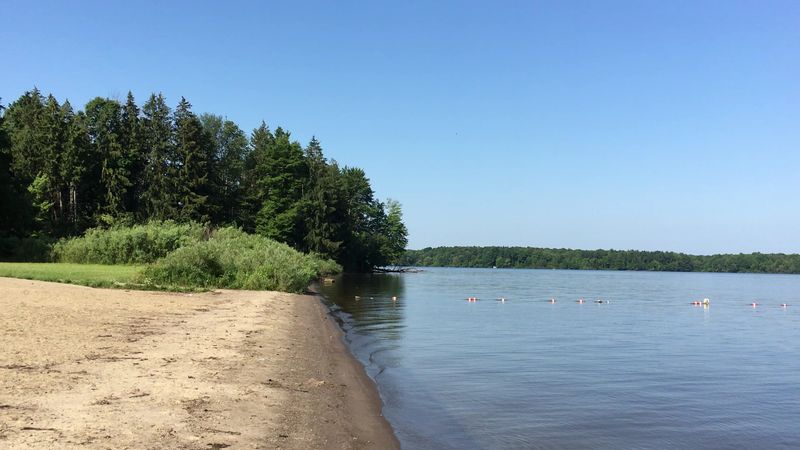
Water snakes emerge from hibernation in April and are most active from May through July.
They mate between April and June, sometimes appearing together around basking sites near the water.
Chilly nights followed by bright mornings can bring basking snakes into the open where visitors are more likely to notice them.
Timing your visit around that pattern works both ways.
Wildlife watchers may have good chances through spring and early summer, while anyone hoping to avoid reptiles should remember that activity can remain high well into July.
Babies arrive in late summer or early fall, which can bring another period of sightings around shoreline cover nearby.
I stumbled onto four snakes sharing a single downed tree in May and stood frozen for a full minute before realizing none of them cared about me.
Bring binoculars and watch from ten feet back. The whole show is fascinating from a respectful distance, and the animals usually stay calm.
State Park Rules Protect Every Slithering Resident
Hurting or harassing snakes inside a state park is against the rules, and northern water snakes are a protected native species.
Park staff will tell you the same thing every time, leave them alone and they leave you alone.
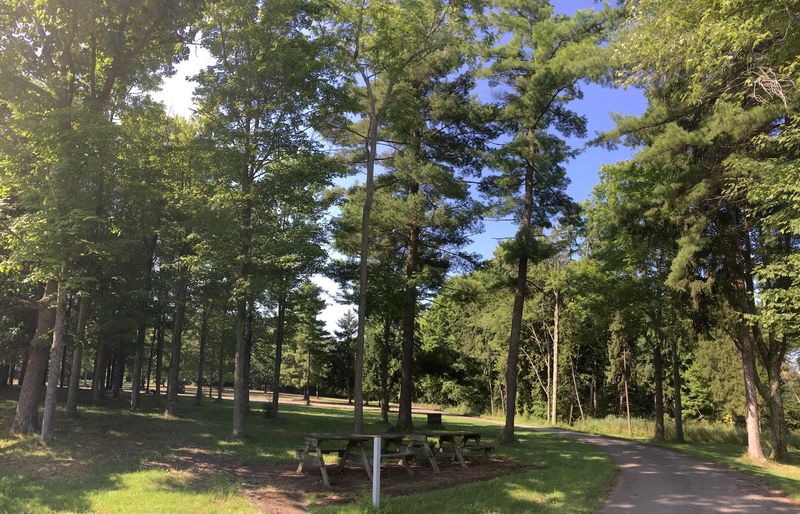
The reservoir sits within a large state park with campgrounds, cabins, beaches, and marinas spread along its shores.
Protection makes ecological sense. Snakes keep fish and amphibian numbers in balance and serve as food for hawks, herons, and larger mammals.
Remove them and the whole shoreline system wobbles.
I noticed a small posted sign near a beach explaining exactly this, and it struck me as a smarter approach than pretending wildlife does not exist.
Campers can help by keeping food sealed, not flipping rocks for fun, and teaching kids to observe rather than chase.
Those simple habits keep both visitors and animals safe, and they are worth practicing at every lake and park across Pennsylvania, not just this one.
Watching Wildlife Here Beats Worrying About It
Snakes are only one act in a very busy show.
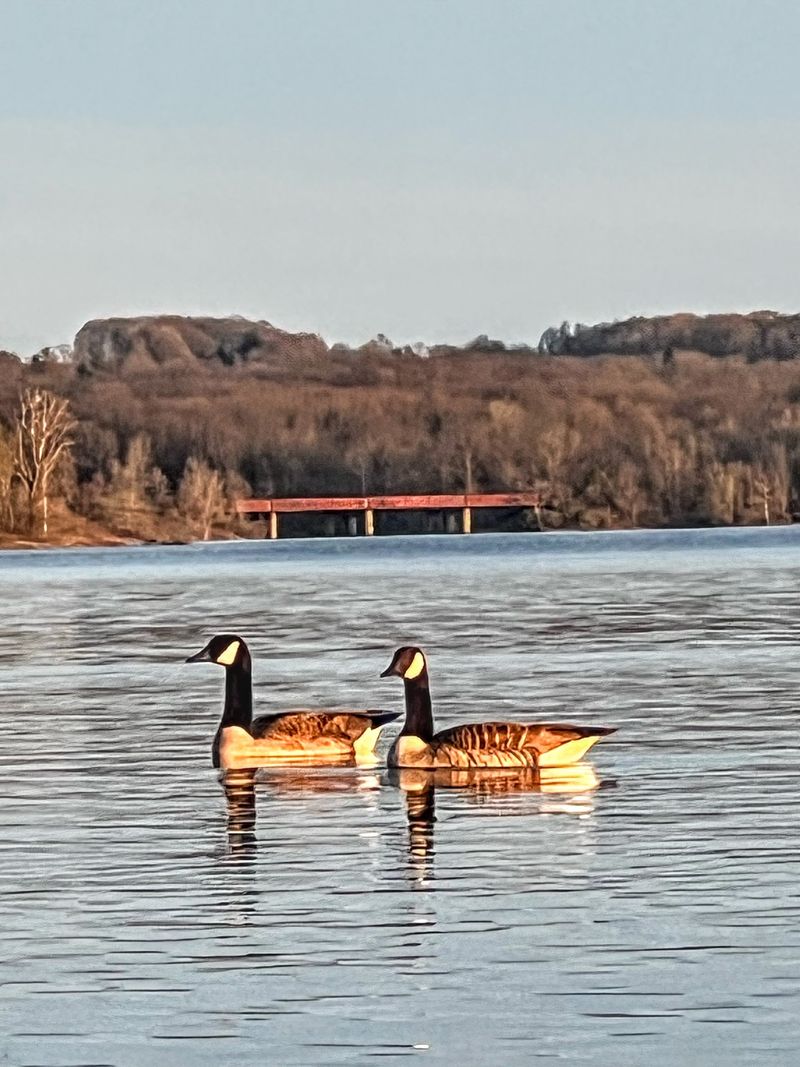
Bald eagles nest around the lake, thousands of geese and ducks stop through during migration, and herons stalk the shallows all summer long.
Deer wander the campground edges at dusk, and turtles line up on every available log.
Approaching the place with curiosity instead of caution changes everything. Bring a camera with decent zoom, walk the quieter shoreline trails early, and let the wildlife set the pace.
Ice cream shops and small friendly towns sit just down the road when you want a break.
My last visit ended with a sunset over open water, geese calling overhead, and a ripple near the reeds that I chose to simply enjoy rather than investigate.
Pymatuning Reservoir in Crawford County, Pennsylvania, provides suitable habitat for northern water snakes, but officials document no unusual population boom.
Healthy wetlands support diverse wildlife throughout this large Pennsylvania reservoir.