
11 Haunted Roads In Michigan That Locals Would Rather Not Drive After Dark
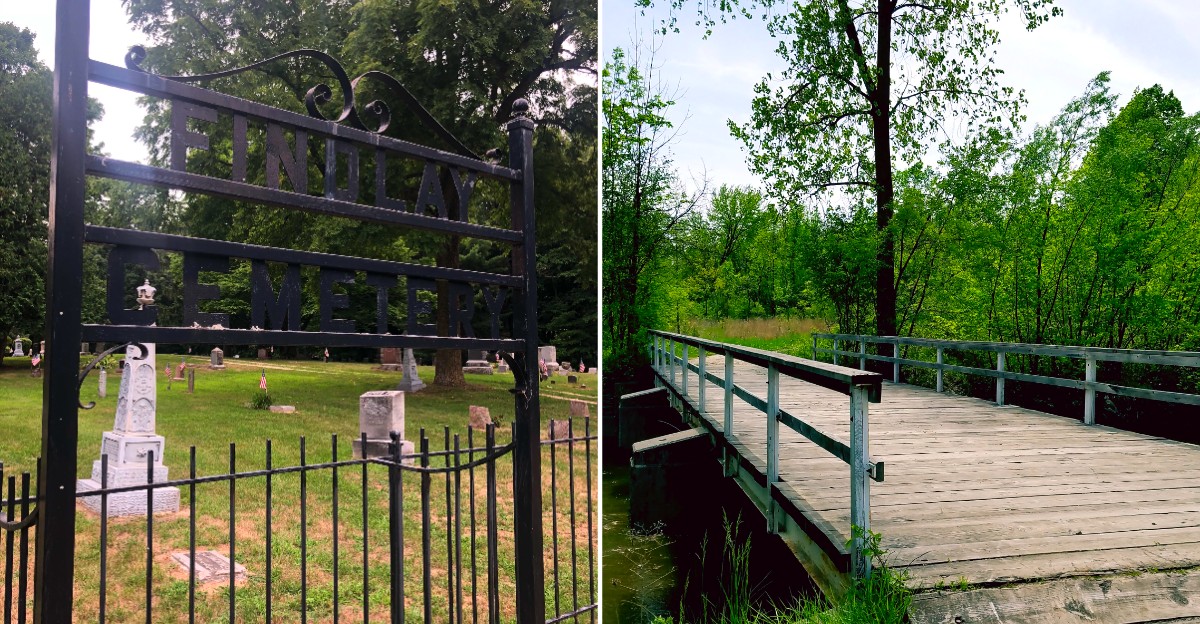
Michigan holds plenty of dark stretches where headlights catch something that should not be standing on the shoulder. A bridge outside Belleville glows blue when the fog rolls in late at night.
A dirt road in Metamora earned its name from blood staining the asphalt decades ago. Near Ada, a witch supposedly still haunts the cemetery at the end of a dead-end lane.
A road near Dansville carries the legend of seven gables and a house that no longer stands but refuses to stop scaring anyone who drives past. Some of these stories trace back to real events.
Others grew from teenage dares that spiraled into local folklore over decades of retelling. None of them end well for anyone who parks and turns off the engine.
These eleven Michigan roads have enough history to make anyone think twice about taking the long way home after midnight.
11. Denton Road And The Blue Lady Bridge
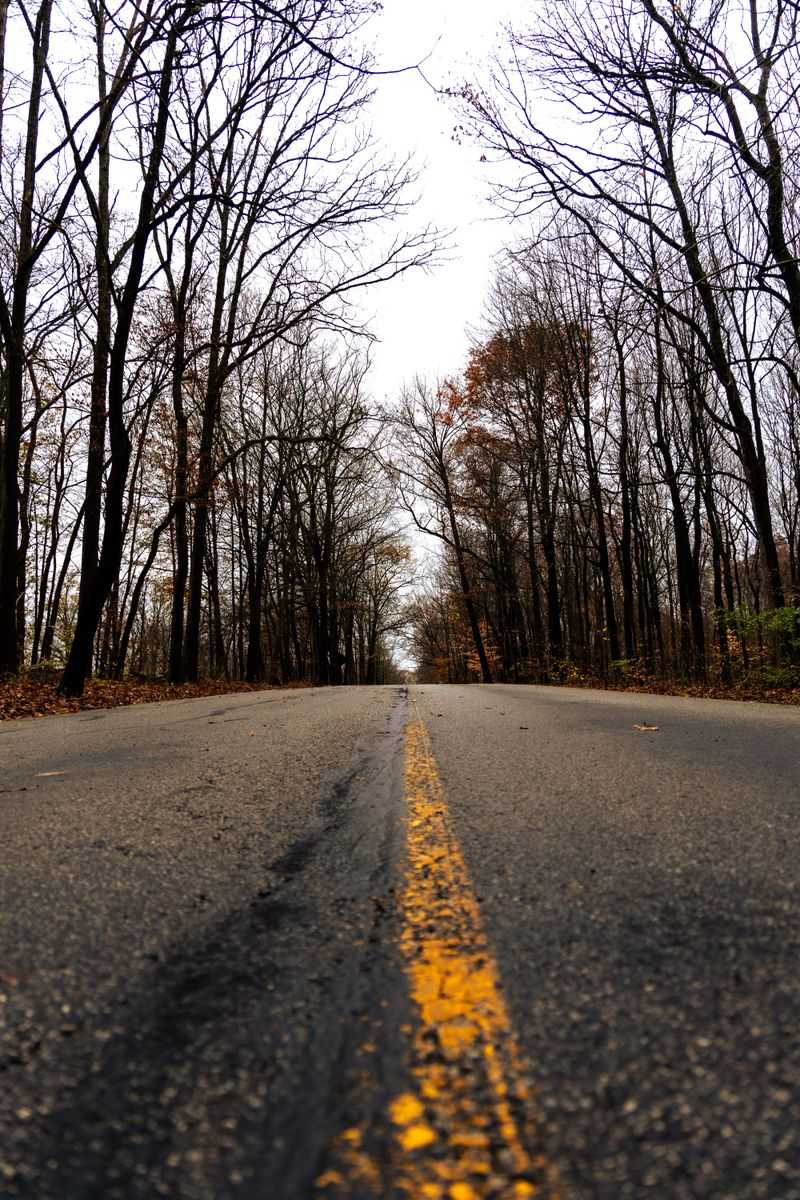
Water, woods, and a quiet bridge give Denton Road near Belleville an uneasy mood after sunset. Local folklore links the crossing to a glowing Blue Lady who supposedly appears beside the water, sometimes with the distant sound of a crying baby.
Versions of her identity and tragedy differ, so the tale should be treated as community legend rather than documented history.
Drivers also trade stories about cold air, failing radios, and a strange sense that someone is nearby. Ordinary causes, including weather, weak signals, and reflections, may explain such moments.
Stay inside your vehicle, obey posted limits, and avoid stopping on the bridge for photographs. The surrounding roads remain active, and nearby land may be private.
Visiting during daylight offers a safer look at the setting without blocking traffic or disturbing residents who live around the bridge.
10. Morrow Road After The Sun Sets
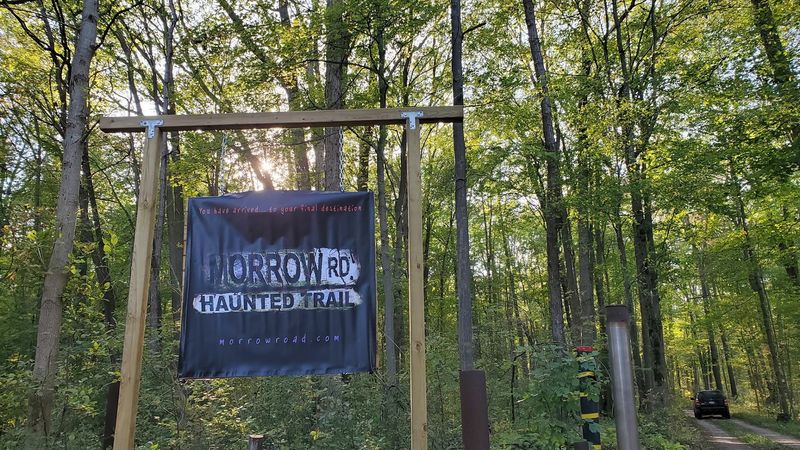
Michigan’s Morrow Road legend has survived for generations because its central image is simple and difficult to forget. A grieving mother supposedly wanders the rural road between the Marine City and Algonac areas, still searching for the child she lost more than a century ago.
Most versions describe a woman who disappeared or died while desperately looking for her young son. Some add crying near one of the former bridges, a pale figure beside the roadway, or a woman in a nightgown appearing just beyond the reach of headlights.
Morrow Road itself stretches for roughly a few miles through Clay and Cottrellville townships, with flat countryside, drainage channels, scattered homes, and long sections where darkness becomes complete quickly. The bridges mentioned in older stories have been replaced by culverts, but changing infrastructure has done very little to weaken the legend.
There is no firm historical record confirming the famous mother-and-child tragedy exactly as locals tell it. Like many roadside legends, the tale appears to have gathered new details as it passed between families, teenagers, and paranormal enthusiasts.
That makes the drive more interesting rather than less. Rural darkness removes visual reference points, fog gathers close to the ground, and roadside movement becomes harder to identify.
9. Listen Carefully On Strasburg Street
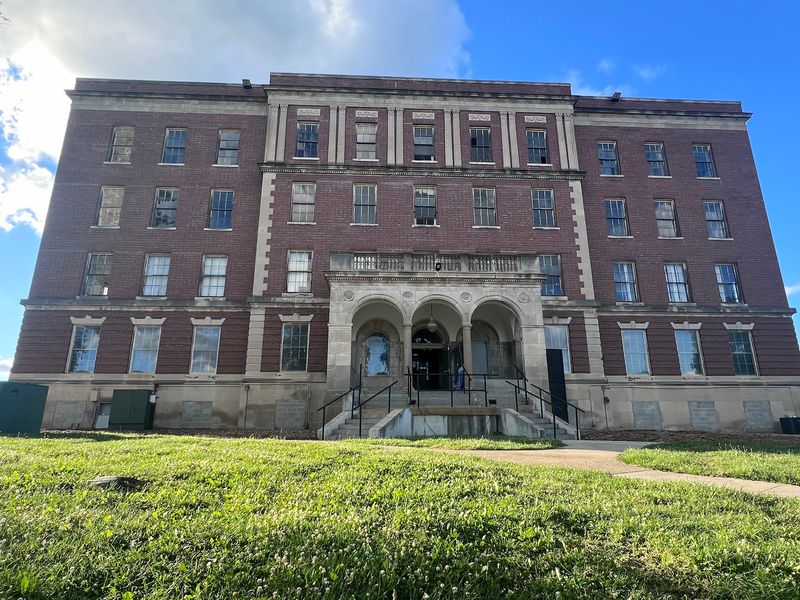
Knocking sounds are the unsettling signature of Strasburg Street in Detroit folklore. Often nicknamed Knock-Knock Road in paranormal lists, the street is associated with a story about a young girl killed by a driver who fled.
According to the legend, taps on vehicle doors or windows signal that she is still searching for the person responsible. Reliable documentation for that story is difficult to establish.
Unlike a remote forest lane, Strasburg passes through residential neighborhoods where families deserve privacy. Sightseers should not creep past houses, film residents, test the legend, or stop in travel lanes.
Building sounds, loose vehicle parts, branches, and changes in pavement can all create surprising knocks. If you pass through, drive normally and remain alert at intersections.
Detroit has many legitimate historic destinations to explore during open hours, making them better choices for travelers interested in the city beyond an eerie roadside tale.
8. Dice Road Carries Several Legends
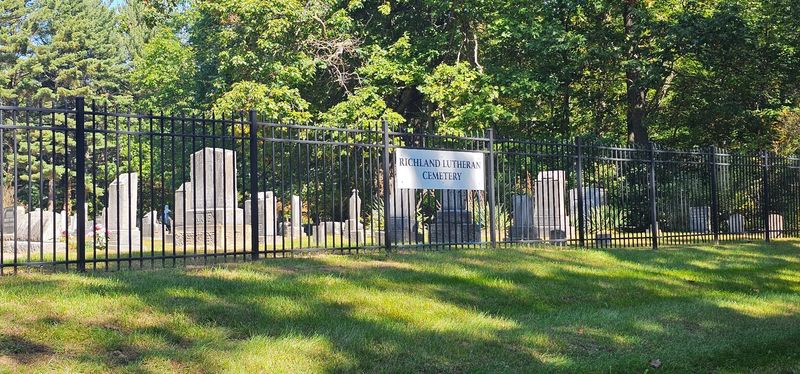
Few Michigan routes collect spooky stories as eagerly as Dice Road in Saginaw County. The road passes rural fields, wooded stretches, and Dice Road Cemetery, all of which help create its shadowy reputation.
Tales mention wandering lights, odd pounding sounds, and an apparition tied to Anna Rhodes Millerton. Details vary widely between retellings, and claims about her death should not be accepted without dependable historical records.
The cemetery is a burial ground, not a stage set, so visit only when rules and posted hours allow. Never touch stones, enter neighboring property, or use paranormal equipment around mourners.
Rural darkness also hides soft shoulders, farm vehicles, animals, and sudden bends better than any supposed spirit could. Bring a charged phone, tell someone your route, and leave during bad weather.
A calm daytime drive provides the landscape and folklore context while reducing risks to visitors and local residents.
7. Watch For The Paulding Light
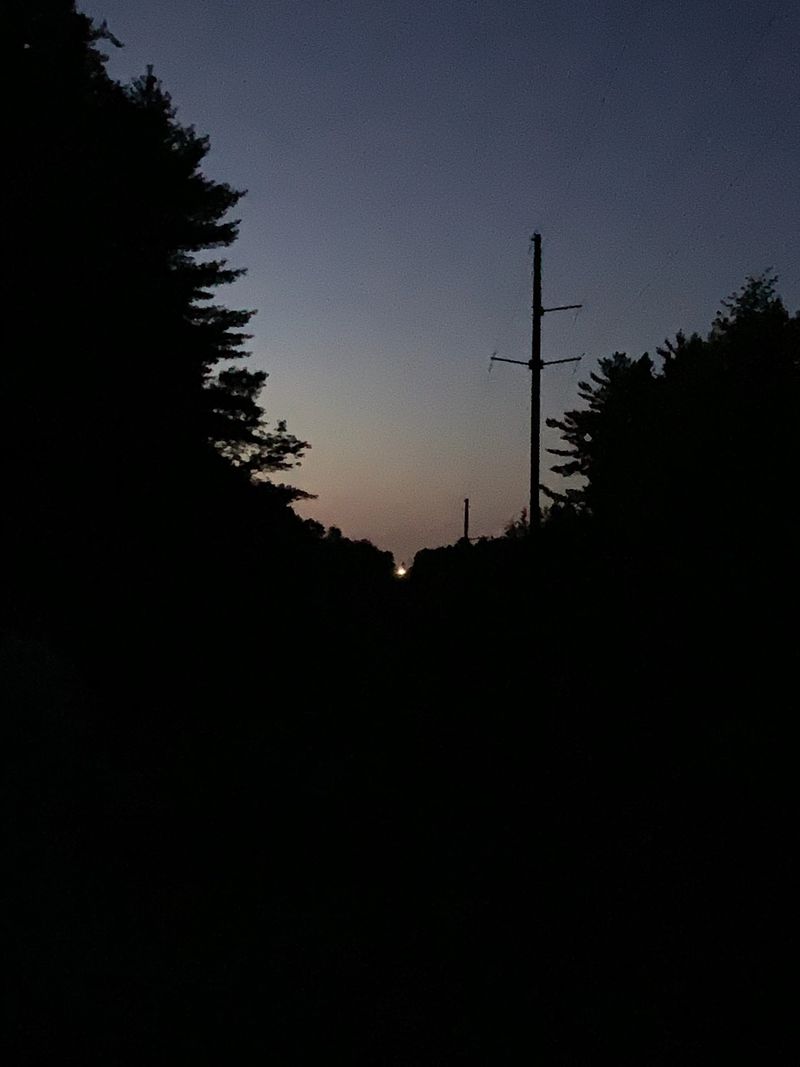
A pinprick of light in an Upper Peninsula valley has drawn curious visitors for decades. Seen from a viewing area near Paulding, the Paulding Light can appear, brighten, move, or change color above the distant tree line.
Folklore calls it a ghostly railroad lantern, sometimes carried by a worker who died on the tracks. Researchers have also demonstrated that vehicle headlights on a distant highway can produce the effect.
The natural setting still makes the experience memorable, especially when the forest becomes completely dark. Reach the observation area using current maps, since navigation services may label nearby roads differently, and expect limited facilities.
Pack a flashlight, warm layers, and insect repellent according to the season. Avoid walking beyond barriers or onto unmarked land.
Patient eyes need time to adjust, while binoculars may reveal more. Even with a scientific explanation, that lonely light remains wonderfully strange.
6. Hines Drive Turns Quiet At Night
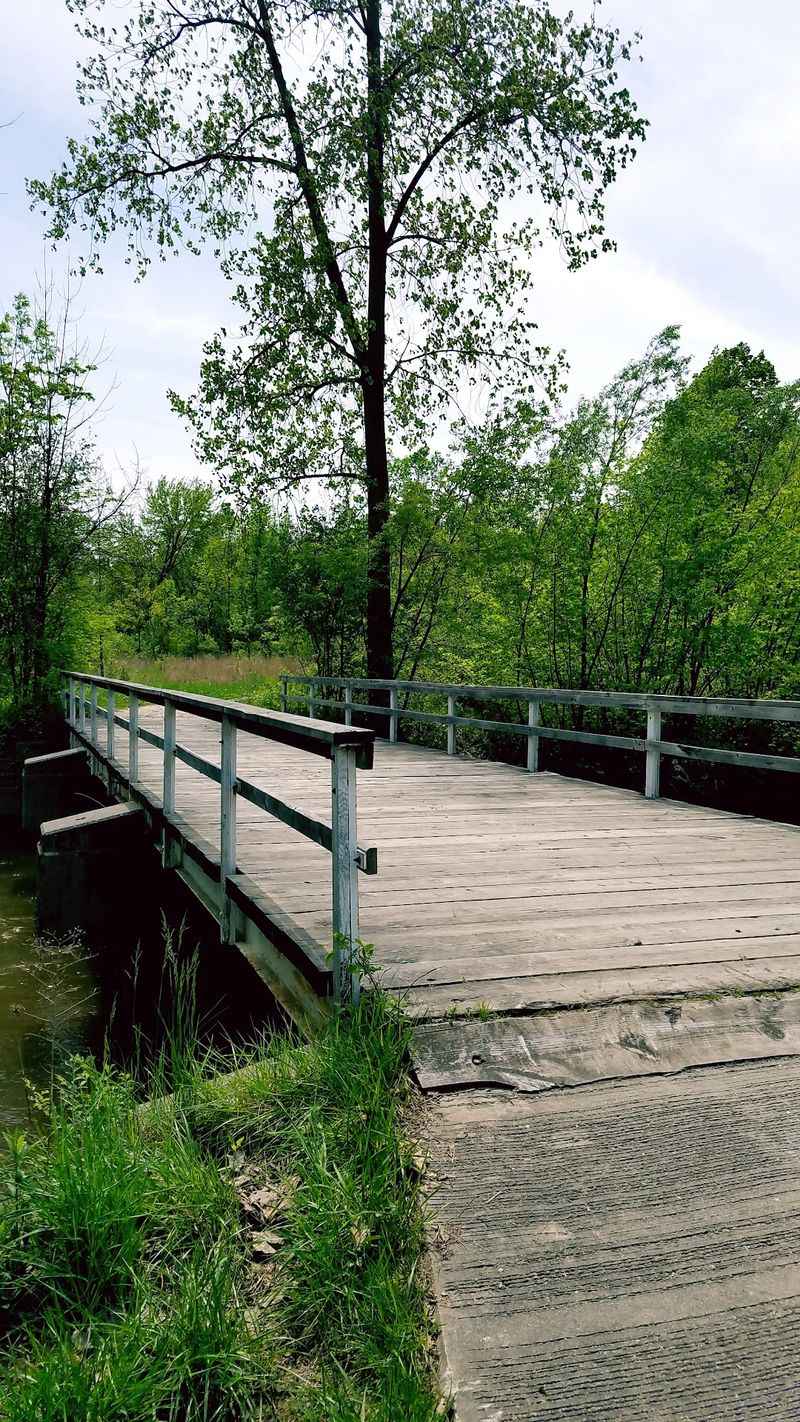
Long parkways have room for many stories, and Hines Drive has gathered its share. The route follows the Middle Rouge River through a chain of Wayne County parks, passing bridges, wooded bends, picnic areas, and flood-prone lowlands.
Paranormal accounts mention cold patches, shadowy forms, and the feeling of being watched, but the reports differ by location and lack firm proof.
Real hazards deserve more attention here. Sections can close because of flooding, storms, maintenance, or seasonal rules, and park areas may have separate hours.
Check Wayne County notices before leaving, follow every closure, and never drive around a barricade. Cyclists, runners, deer, and fallen branches can be difficult to see at dusk.
I find the historic parkway most rewarding in daylight, when its landscape design becomes clearer. After dark, steady speed and full attention matter far more than searching the trees for shadows.
5. Henry Ruff Road Meets Butler Cemetery
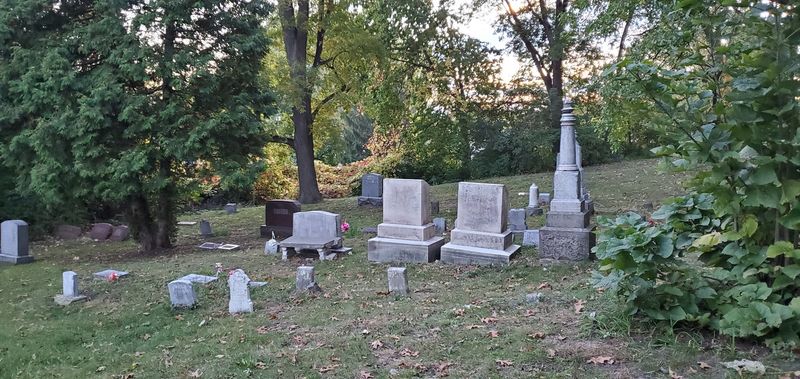
Cemetery stories rarely need much help becoming creepy, and the old burial ground near Henry Ruff Road already has enough atmosphere on its own. The Westland area cemetery commonly associated with Butler and Ganong family history contains weathered graves that connect the landscape to generations who lived here long before surrounding suburbs appeared.
Local folklore adds a woman sometimes nicknamed the Deadly Blonde. She is usually described as pale, blond, and unexpectedly visible near the cemetery or roadside, although different versions offer different explanations for who she might have been.
There is little dependable historical evidence connecting a particular woman to the apparition. That puts the tale firmly in the category of local ghost lore rather than a documented tragedy that can be retold as established fact.
The cemetery itself provides something more interesting than an invented biography. Old gravestones preserve names, dates, family relationships, and fragments of community history that explain why burial grounds become powerful places for storytelling in the first place.
Visitors should stay within permitted areas and normal access times. Stopping unpredictably along Henry Ruff Road, entering private property, or treating graves as paranormal props turns an interesting legend into a nuisance for people who actually live nearby.
4. Blood Road Has An Ominous Name
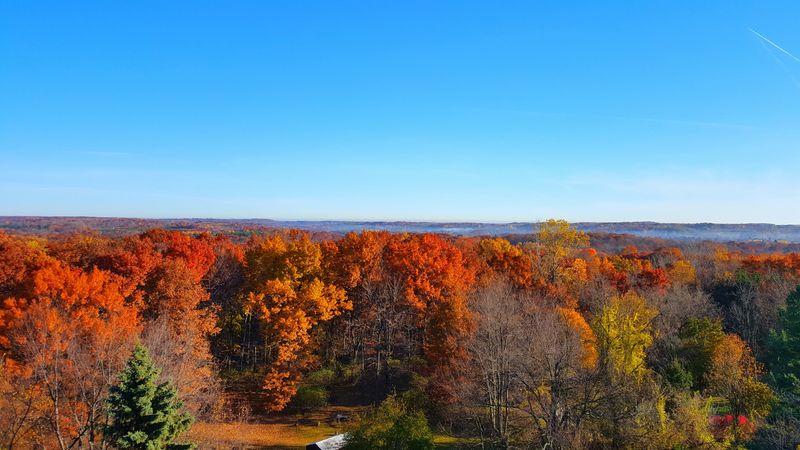
The road sign does much of the spooky work before the landscape even gets involved. Blood Road, in the Metamora area of Lapeer County, passes wetlands and wooded rural scenery that can feel isolated at night.
Stories claim roadside water turns red or branches fall behind passing cars. Iron-rich soil, tannins, seasonal plants, storms, and coincidence offer less dramatic possibilities for unusual colors or falling limbs.
Whatever explanation you prefer, a swamp-lined road is not forgiving when visibility drops. Expect wildlife, muddy shoulders, drifting fog, and possible gaps in cellular service.
Download directions beforehand, keep fuel above empty, and skip the trip during high winds or heavy rain. Do not collect water samples from private land or wander into wetlands, where footing can be dangerous.
Daylight reveals a quiet country setting, while the memorable name explains why ordinary natural details have grown into lasting local folklore.
3. Ada Witch Country Winds Through Woods
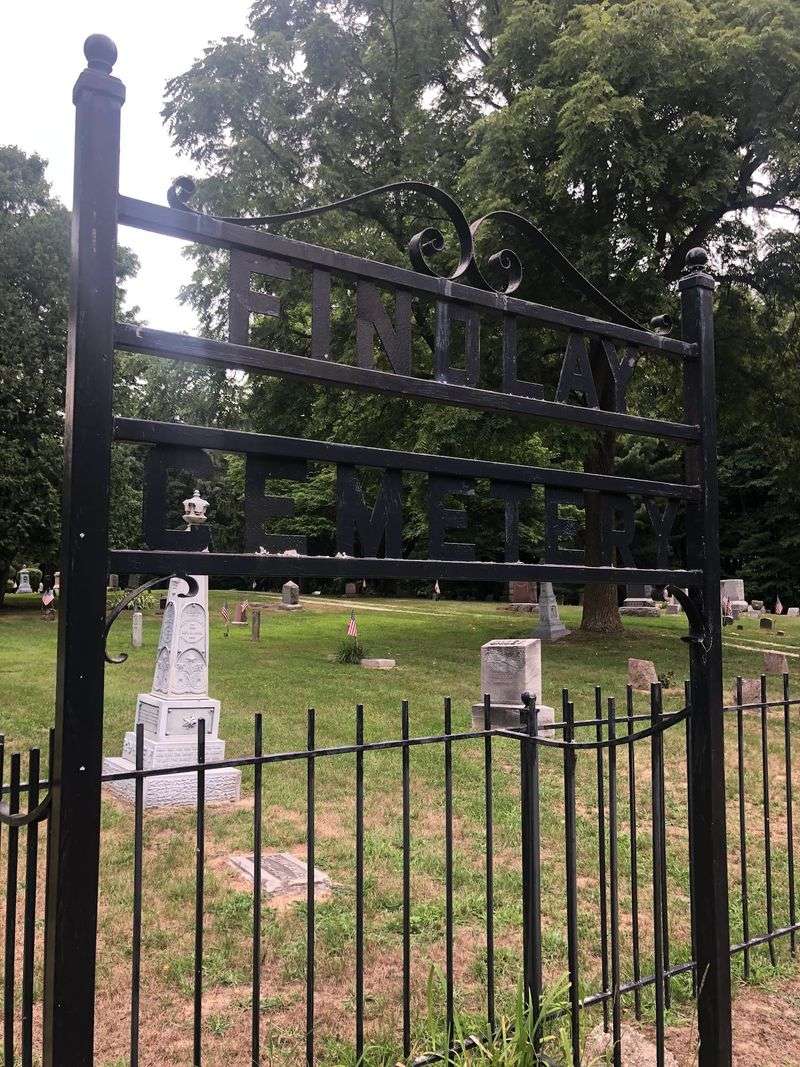
Dense woods close around the roads near Ada, where a wandering woman in white has become part of West Michigan folklore. The broad nickname Ada Witch Country is often linked with Honey Creek Road, nearby rural lanes, local cemeteries, and land around Seidman Park.
Retellings disagree about the woman’s identity and even the exact place connected to her, which makes the legend difficult to verify.
Seidman Park has marked trails and official access points, but park hours and rules still apply. Night visitors should never park at cemetery entrances, walk onto private farms, or block narrow roads while waiting for an apparition.
Curves, hills, runners, cyclists, and deer provide enough genuine surprises. For a safer experience, explore the public trails by day, carry a map, and leave before closing.
Autumn color adds atmosphere without requiring darkness, while the winding roads explain how fleeting shapes become powerful stories.
2. Do Not Cross Gates On Seven Gables Road
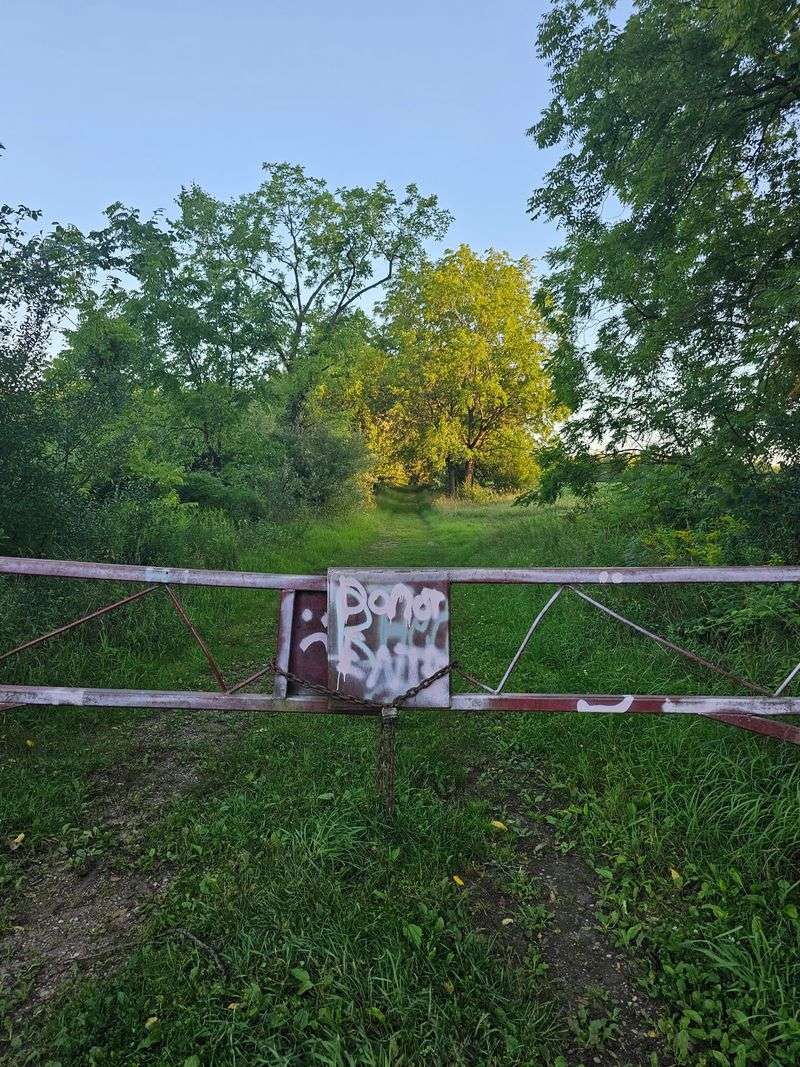
Seven Gables Road near Dansville looks almost designed to generate ghost stories. Pavement gives way to a rougher rural stretch, thick trees close around the route, and the road eventually reaches a gate near land belonging to the Dansville State Game Area.
The most famous legend claims a house once stood beyond the road with seven distinctive gables. Depending on the version, a witch cursed the property, a family died violently, the house burned, or a scream in the woods means someone nearby is about to suffer the consequences.
The details change so dramatically that the contradictions become part of the attraction. Local accounts have also suggested that some of the stories were deliberately invented or exaggerated by residents and teenagers over the years, while no solid evidence supports the most gruesome versions.
The landscape does explain why the legend survived. A wooded dead-end road beside state game land can feel genuinely isolated, and animal sounds become difficult to identify when you cannot see what produced them.
Public game land also brings real rules and seasonal hunting activity. Gates, posted restrictions, and private boundaries should always be respected, while blaze orange is sensible during hunting seasons.
1. North Adams Road Keeps A Quiet Tale
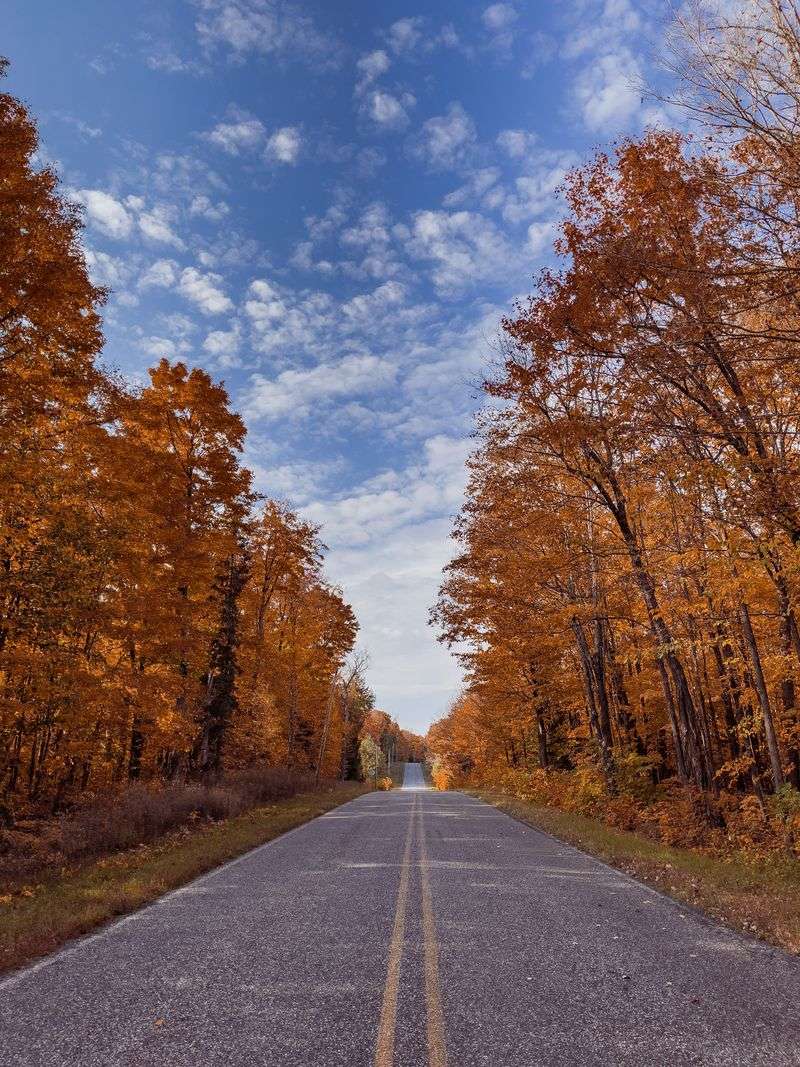
North Adams Road near Addison carries one of the quieter ghost stories on this list. Instead of glowing figures or cursed houses, the legend revolves around unexplained knocking and the story of a young girl supposedly killed near the road.
In the most repeated version, she was struck while waiting for a school bus and never fully left the area. Residents and visitors later claimed to hear knocks around homes or vehicles, along with occasional cold spots that became part of the same story.
The difficulty comes when folklore is compared with history. Public versions rarely provide a consistent name, date, newspaper account, or other record that would allow the supposed accident to be confidently identified.
That makes the tale better understood as local oral tradition than as a confirmed tragedy. Knocking sounds in rural areas can come from trees, houses expanding and contracting, loose vehicle components, animals, or countless other sources that become more noticeable once everything else goes quiet.
North Adams Road also passes real homes, farms, driveways, and school-bus routes. Anyone curious about the legend should drive normally rather than slowing beside houses or bothering residents for stories.