
Meteor Showers And The Milky Way Blaze Overhead At This Free Washington Dark-Sky Park
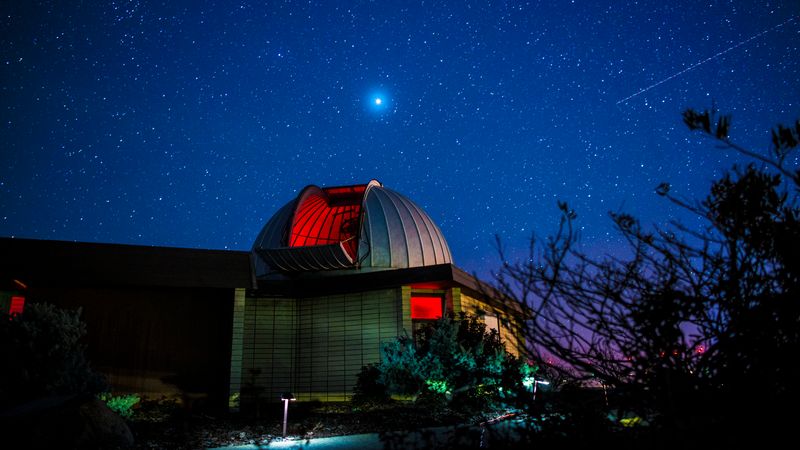
Imagine standing in the dark, tilting your head back, and watching the Milky Way stretch across the sky like spilled sugar. That kind of view feels rare these days, but Washington happens to hide one of the best spots for it, and getting in costs nothing.
The stars really do put on a show here, with planets, nebulas, and even meteor streaks visible through big telescopes. Best of all, it’s the sort of weekend adventure a family or a curious retiree could actually plan for this month.
A Hilltop Perch Above Goldendale
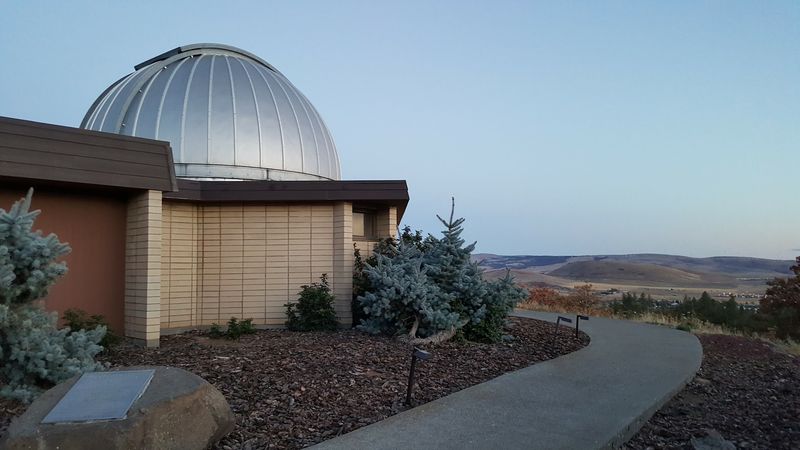
Perched on a windswept hill just above the small town of Goldendale, this state park sits at 1602 Observatory Dr in south-central Washington, not far from the Columbia River. The elevation and dry, clear air make it one of the finest places in the state to look up.
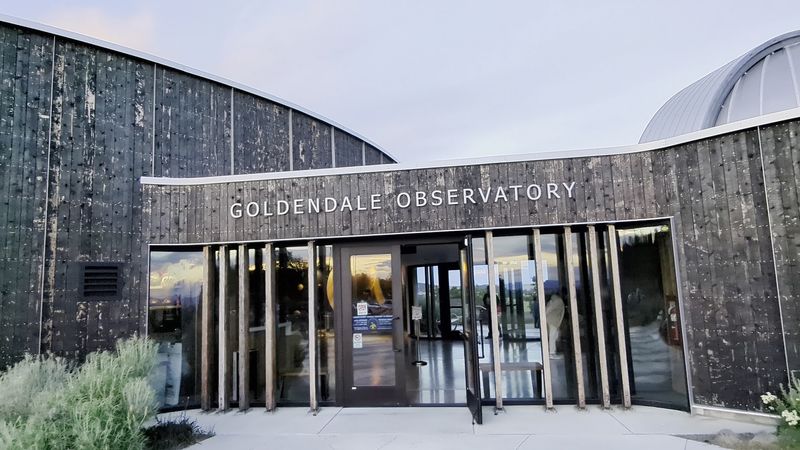
What you’ll find here is a working observatory topped with a big white dome, surrounded by open landscape rather than city lights. That distance from bright towns is exactly what lets the night sky glow so vividly overhead.
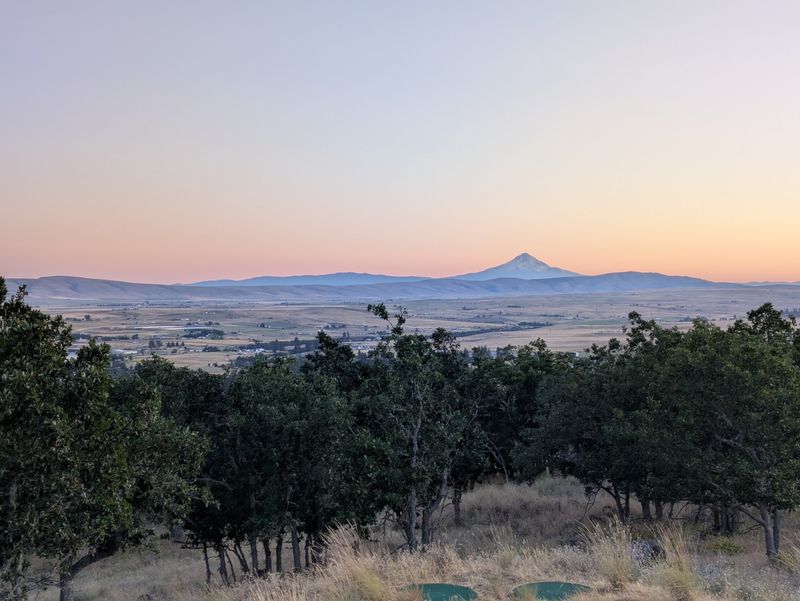
The setting doubles as a scenic lookout, too. From the grounds, visitors can trace a panorama of Pacific Northwest peaks stretching across the horizon, a rare treat before the sun even sets.
Reaching it takes a bit of a drive for most Washington folks, but that remoteness is the whole point. Fewer lights mean darker skies, and darker skies mean stars you simply cannot see from the suburbs.
It’s a quiet, breezy corner of the state built for wonder.
The Free Admission That Surprises Everyone
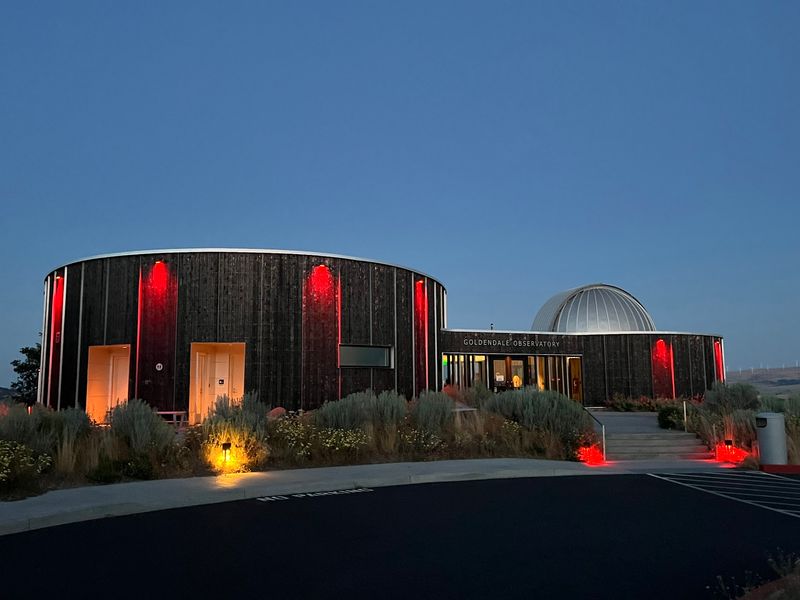
Here’s the part that makes people do a double take: getting into the astronomy programs costs absolutely nothing. Admission is free with an online reservation, which puts a world-class star experience within reach of nearly any budget.
Regulars mention that snagging a spot does take a little planning, since slots fill up fast, especially in summer. One couple driving up from Oregon found only two openings left for the whole season and grabbed them just in time.
The park runs on donations and merchandise sales, so buying a t-shirt or dropping a few dollars in the jar helps keep the lights on, so to speak. Many visitors happily chip in because the value they receive feels enormous compared to the cost.
For families counting pennies or retirees stretching a fixed income, a free evening of planets, nebulas, and expert teaching is a genuine gift. It’s the kind of outing that proves memorable experiences in Washington don’t have to drain the wallet.
Reserve early, arrive ready to learn, and let the sky do the rest.
Peering Through the Big Telescope
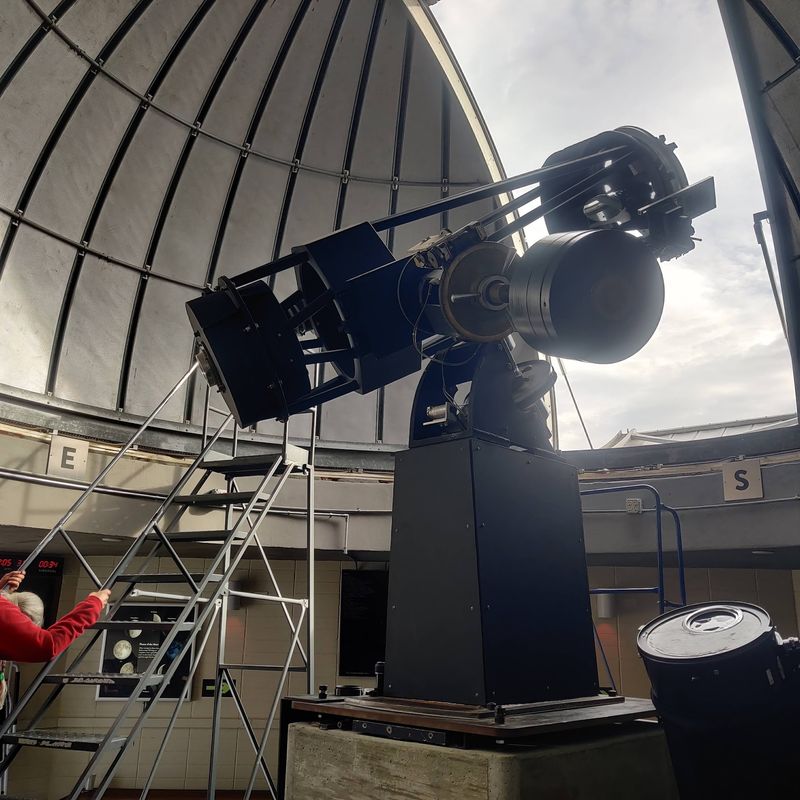
Nothing quite prepares you for that first look through the observatory’s large telescope. Visitors from Seattle and beyond describe the thrill of spotting Jupiter’s stripes or Saturn’s rings with their own eyes, no screen involved.
The instrument is the star of the show, mentioned again and again by guests who leave amazed. Depending on the night and the season, the lineup might include Venus, the Andromeda galaxy, the Ring Nebula, the Dumbbell Nebula, or a sparkling open star cluster.
Reaching the eyepiece sometimes means climbing a short ladder, so sensible shoes are a smart call. Staff guide each person to the view, and the sense of awe in the dome is contagious.
Weather can shift what’s visible on any given evening, and clouds occasionally roll in. Even so, guests report that a lucky break in the clouds still delivered Jupiter or a swath of the Milky Way.
Seeing those distant worlds through real glass, rather than a photo, tends to stick with people for years afterward.
Rangers Who Turn Space Into a Story
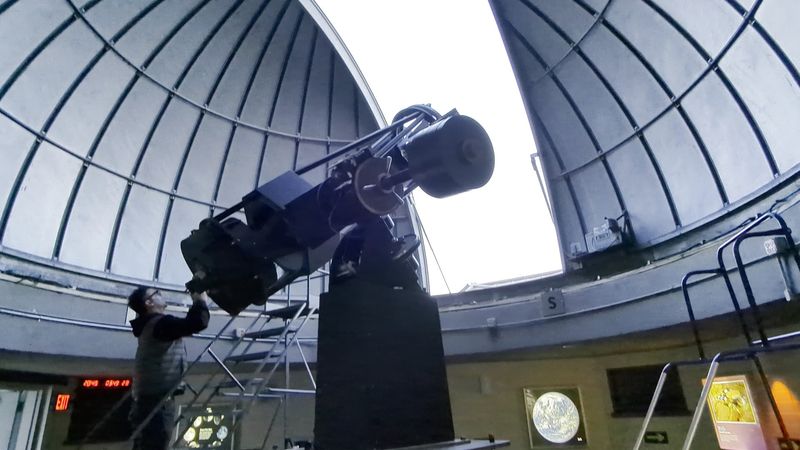
Ask anyone who has been, and the conversation quickly turns to the people running the show. Educator Troy Carpenter, with more than 15 years of teaching under his belt, has a gift for making the cosmos click without ever dumbing it down.
His presentations blend real depth with genuine humor, walking guests through how scientists collect signals from space and figure out what distant objects are made of. Even folks who found astronomy confusing in school say it finally made sense here.
He isn’t the only standout. Laura, sometimes spelled Larra by grateful guests, earns steady praise for being warm, attentive, and quick to answer every question one on one.
Together the rangers create an atmosphere that feels both smart and welcoming. Their obvious passion, still burning bright after all these years, is what many people remember most.
It’s rare to find educators this dedicated, and their enthusiasm turns a simple stargazing night into something that inspires kids and adults alike to keep looking up.
The Sun Show for Daytime Visitors
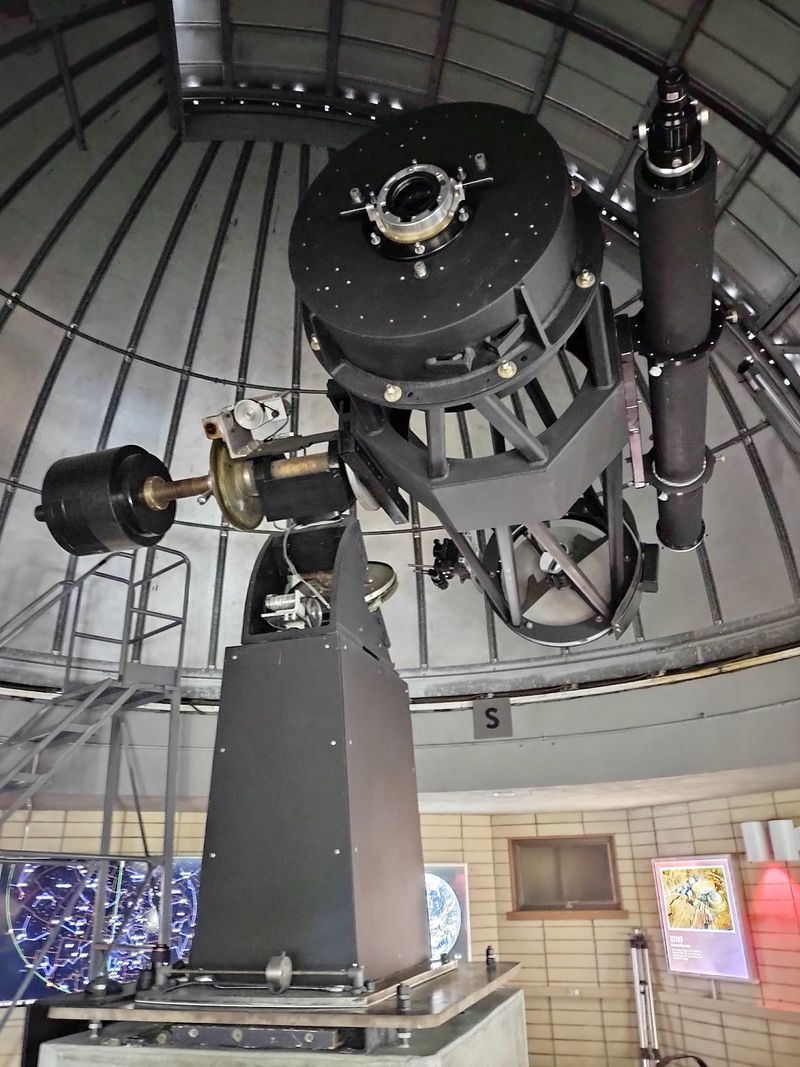
Stargazing gets all the glory, but the daytime sun show is a hidden gem in its own right. Using a special solar telescope, guests can safely study our nearest star and its fiery details.
Even on cloudy afternoons, the program doesn’t fall apart. When the sun hides, staff move everyone into the indoor presentation room for a lively lesson on the sun and the wider solar system.
People who thought they already knew the basics from school come away surprised by how much more there is to learn. The sessions manage to be both genuinely fun and packed with fresh information.
The solar program suits families with younger kids who might not last through a late-night event. It fits neatly into a daytime Washington road trip and still delivers that jolt of wonder.
One friendly heads-up from regulars: watch for deer near the parking lot, since they gather in numbers just beyond the pavement and sometimes wander across the road. Drive slowly and enjoy the wildlife bonus before the show even begins.
A Panorama of Three Volcanic Peaks
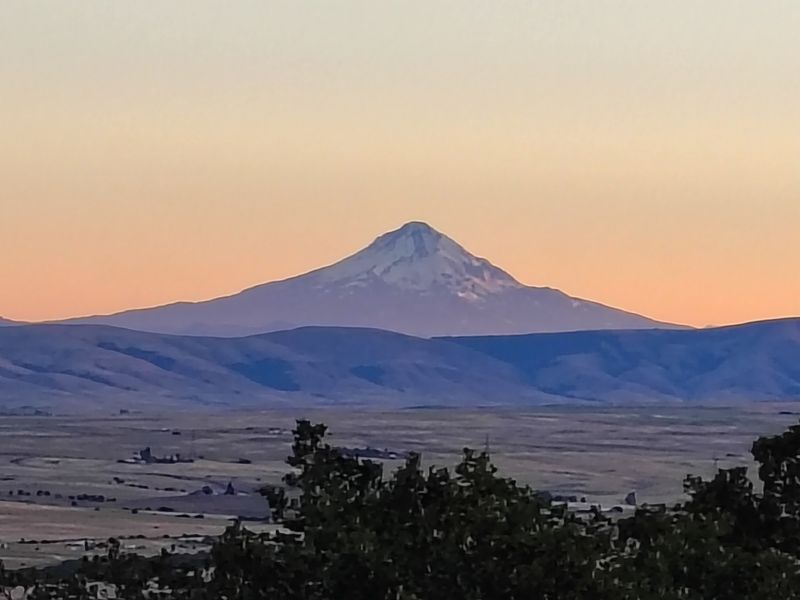
Long before the stars appear, the view from this hill earns its own gasps. On a clear day, the lookout frames Mount St. Helens, Mount Adams, and Mount Hood all lined up across the horizon in one sweeping panorama.
Seeing those iconic peaks stand shoulder to shoulder feels almost staged, like nature arranged them for the perfect photo. The fresh air and open landscape only add to the sense of standing somewhere special.
Standing binoculars are set up outside, letting curious visitors zoom in on the town below or scan the rolling hills that drop away from the summit. It’s a simple pleasure that keeps kids busy while grown-ups soak in the scenery.
The peaceful, breezy atmosphere makes this a lovely spot to pause even if you never step inside the dome. Whether you come for the mountains, the quiet, or just a moment in nature, the daytime beauty of this Pacific Northwest perch makes the drive worthwhile all on its own.
A Device-Free Evening Under the Stars
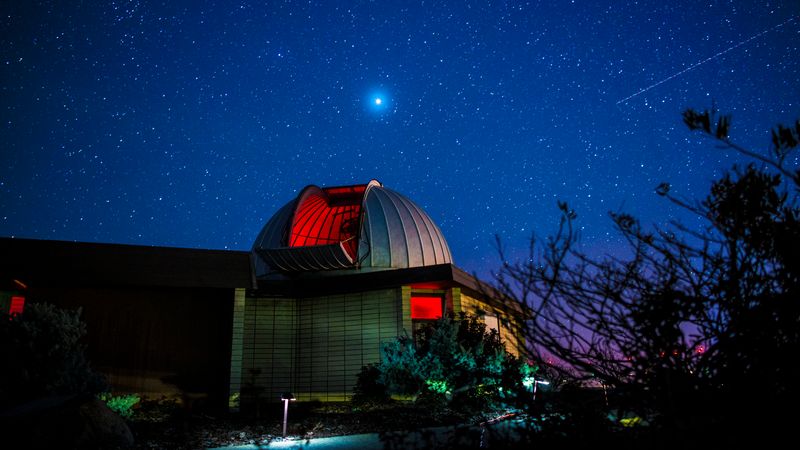
Leave your phone in the car, and mean it. The observatory takes its no-device policy seriously, and guests can actually be asked to step out for having a screen glowing during the event.
There’s a good reason behind the strictness. Bright light ruins night vision, which can take up to an hour to fully recover, so even the parking lot asks drivers to keep headlights off.
The result is a rare kind of evening, unplugged and fully present. Instead of scrolling or snapping pictures, you’re simply looking up, letting your eyes adjust until faint stars and the Milky Way slowly reveal themselves.
Many people describe the experience as deeply relaxing, a genuine break from the constant buzz of notifications. Brushing up on a little space trivia beforehand helps, since you won’t be reaching for a search bar.
For families, it’s a chance to share undivided attention beneath a spectacular sky. For anyone craving quiet, it delivers a peaceful, screen-free night that feels increasingly precious in a world glued to devices.
The Classroom That Ties It All Together
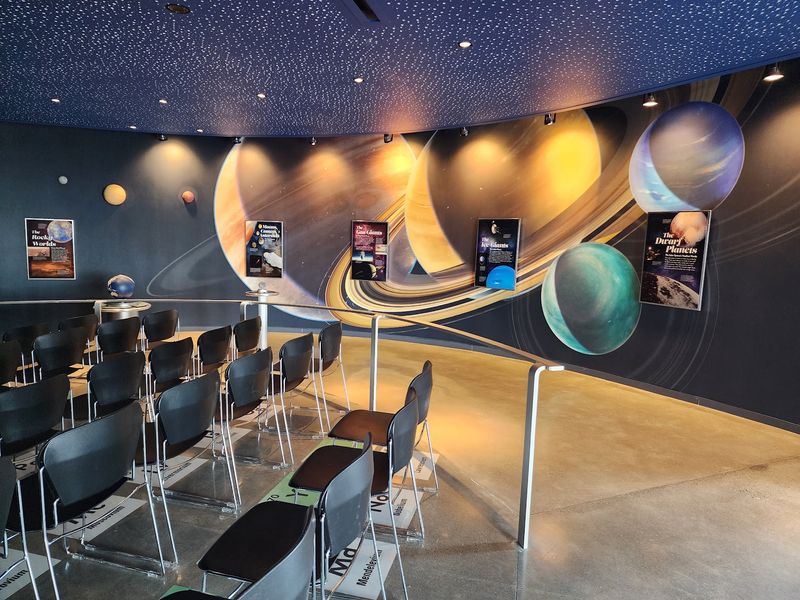
Between the telescope viewings, the program tucks in classroom time, and that structure is part of the magic. Guests love the rhythm of it: some viewing, then indoor learning, then more viewing under the stars.
The indoor sessions bring everything together, turning scattered facts into a clear picture of how the universe fits. First-time observatory visitors especially appreciate how the lessons make sense of what they’re seeing overhead.
Plenty of time is set aside for questions, and the rangers welcome them without rushing. That open, curious atmosphere keeps teens and adults engaged, which is no small feat during a three-hour evening.
People walk out saying they learned more in the first 45 minutes than they ever expected. The blend of hands-on stargazing and thoughtful teaching is what elevates the visit from a quick peek to a real education.
It’s the kind of format that respects your intelligence while still keeping things light and fun. For families wanting a memory-rich, low-cost outing that also sparks a lifelong interest in science, this balance is hard to beat.
Reservations, Parking Passes, and the Fine Print
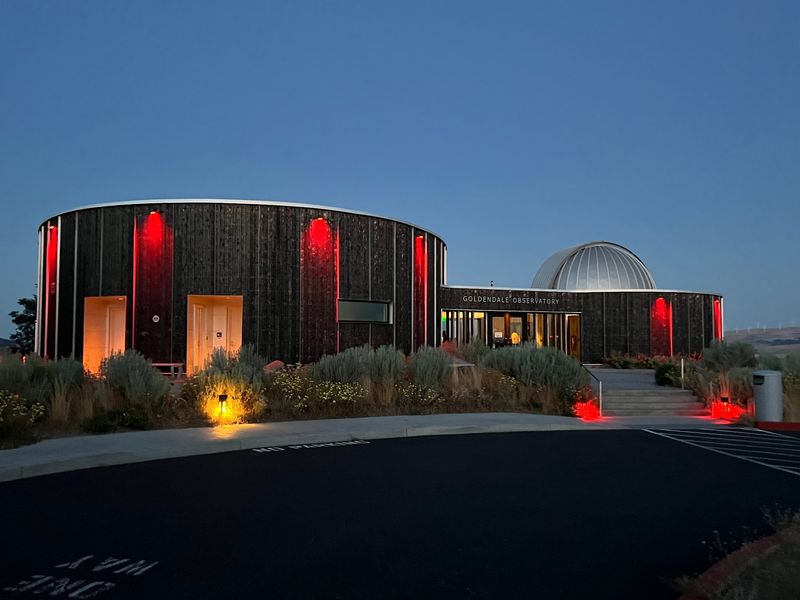
A little planning saves headaches here. Program admission is free, but you must book online ahead of time, and popular dates disappear quickly, so don’t count on walking up.
Parking is the one spot where money changes hands. You’ll need a Washington Discover Pass, or you can pay to park on site; passes and merchandise are available at the front desk.
The observatory sometimes operates by appointment, so checking the schedule before you drive out prevents a wasted trip. Because it sits well off the beaten path, many visitors turn the outing into an overnight stay in Goldendale to catch the full evening program.
On-site restrooms are clean and warm, a welcome comfort on chilly nights. Parking is plentiful, so crowding in the lot isn’t a concern.
One thing worth knowing: popular evenings can book many guests at once, which means waits between telescope turns. Arriving with realistic expectations, a snack, and patience helps everyone in your group enjoy the night without frustration.
Dressing for a Cold, Breezy Night
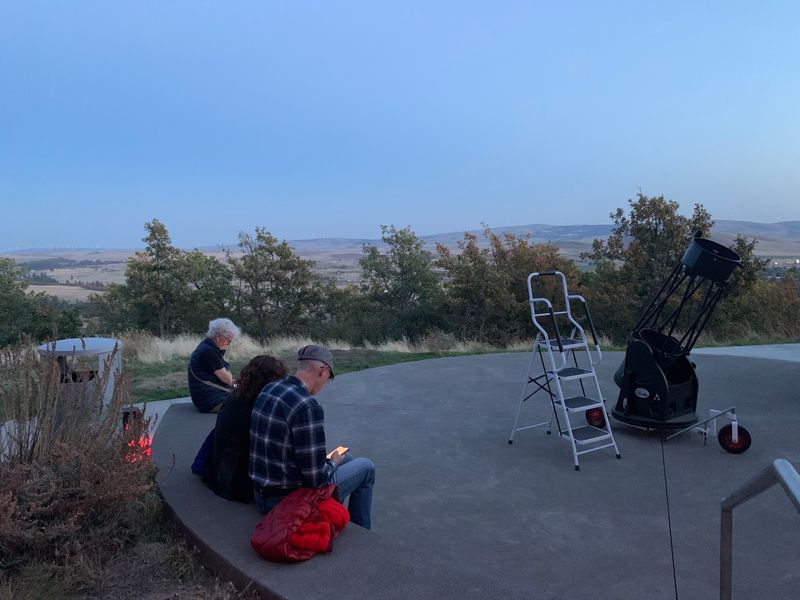
Here’s a tip that can make or break your visit: bundle up more than you think you need. Even on warm days, the hilltop turns windy and cold once the sun drops, catching plenty of first-timers off guard.
Seasoned guests recommend layering, with a long-sleeve shirt tucked under a hoodie or a warm jacket. That combination handles the evening chill nicely as temperatures fall through the night.
Worth noting, the gift shop stocks fun items like glow-in-the-dark star shirts and magnets, but it doesn’t sell hoodies, so pack your own cozy layer from home. A water bottle and a snack round out the smart-packing list, especially for the longer three-hour programs.
Comfortable, sturdy shoes matter too, since you may be walking in the dark and climbing a short ladder to the telescope. Sensible footwear keeps things safe and easy.
Come prepared, and the cold becomes a non-issue, letting you focus entirely on the sky. A warm jacket is honestly the difference between shivering and savoring the whole magical evening.
Who This Adventure Suits Best
Curious minds of nearly every age find something to love here, though a few groups get an extra thrill. Older children and teens, in particular, tend to soak up the deeper science and leave genuinely inspired.
Families are warmly encouraged to bring everyone along, kids and grandparents included. The shared sense of awe as planets swing into view makes for the kind of memory a household talks about for years.
Retirees and lifelong learners will appreciate the substance behind the fun, since the rangers never water down their knowledge. It’s an outing that respects your curiosity while keeping the mood light and welcoming.
A word of care for visitors with mobility concerns: you’ll be walking in the dark and possibly climbing to reach the eyepiece, so extra caution helps. Very young children may tire during the long evening events, making the daytime sun show a gentler alternative.
For anyone chasing an affordable, screen-free, genuinely enriching experience in Washington, this ranks near the top. It rewards the curious, the patient, and the wonder-hungry in equal measure.
Meteor Showers and Milky Way Season
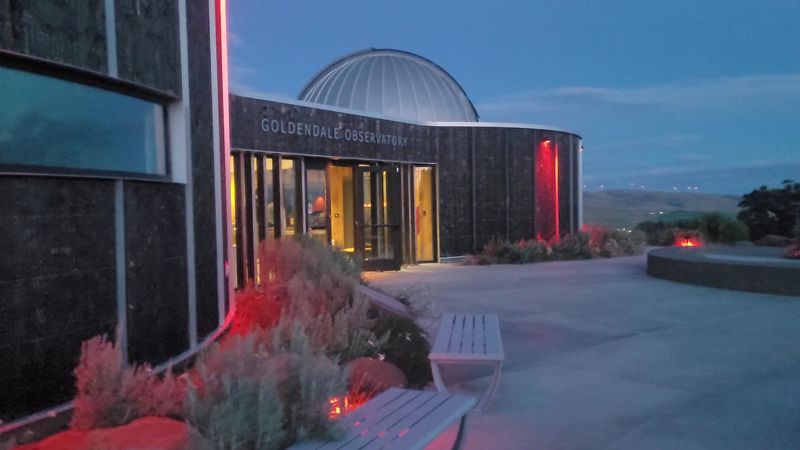
The real spectacle overhead is the Milky Way itself, which stretches across the sky for much of the night when conditions cooperate. Guests describe watching that glowing band, spotting constellations, and catching the International Space Station gliding past.
Summer evenings tend to reward patience, with clear, dark skies that let the galaxy shine at its brightest. The park’s distance from city glow is precisely why these views feel so vivid and complete.
Timing your visit around a meteor shower can add streaks of light to an already dazzling scene, turning an ordinary night into something unforgettable. Planning ahead pays off, since the calendar and the weather both play a role.
People often leave filled with a sense of awe that words struggle to capture. Three hours slip by in what feels like minutes as the sky slowly reveals its secrets.
For a weekend in Washington built around genuine wonder, timing a trip to catch the Milky Way and a possible meteor display is about as memorable as free outings get. Check the seasonal schedule and aim for clear skies.
Why the Drive Is Worth It
Plenty of people admit the observatory sits a fair distance from home, yet almost none regret making the trek. Travelers from Seattle, Oregon, and small towns across the region keep saying the same thing: worth every mile.
The combination is hard to find anywhere else in Washington. Free admission, passionate teachers, real telescopes, sweeping mountain views, and a sky untouched by city light add up to a rare kind of value.
What sticks with guests isn’t just the planets or the nebulas, but the feeling of standing under a sky bigger than everyday life. Many leave already planning a return visit, often promising to bring friends and family next time.
Pack a warm layer, book your spot early, and set aside patience for the drive and the occasional wait. Do that, and you’re rewarded with an evening that feels genuinely magical.
For a wallet-friendly Washington weekend that trades screens for stars, this hilltop delivers something you’ll be talking about long after the drive home. It’s the sort of discovery that reminds you the state still hides real treasures.