
You’ll Find One Of America’s Most Remarkable Zoos Right In Pennsylvania
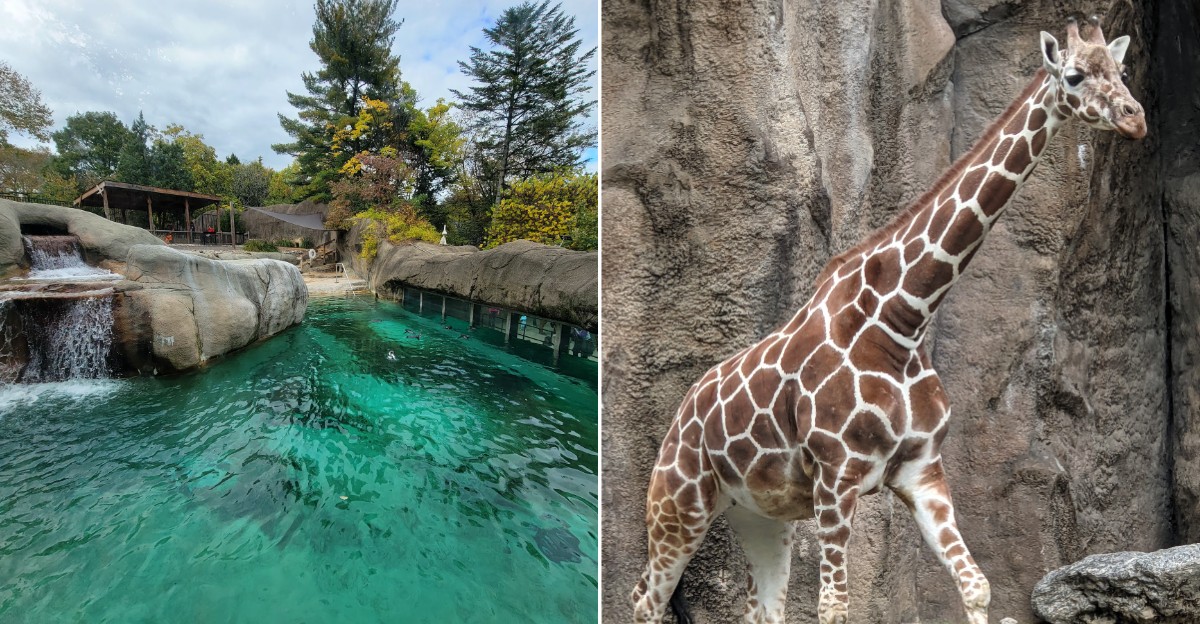
By the end of a good zoo day, your camera roll is full, your feet are tired, and somehow you are still talking about the animal that ignored you completely.
Pennsylvania has one zoo that can turn a casual visit into an all-day adventure without needing much persuasion.
Part of the fun comes from never quite knowing which exhibit will steal your attention.
You may arrive excited about one animal and leave telling everyone about another. That unpredictability keeps the day moving and gives every corner a little suspense.
I once spent far too long waiting for an animal to do something interesting while everyone else in my group moved ahead. Nothing happened.
Then, just as I finally turned to leave, it wandered straight toward the viewing area like it had been waiting for perfect comic timing.
I laughed harder than I expected and immediately forgot how long I had been standing there.
Those small, unscripted moments are exactly why I can never treat a zoo visit like a quick stop.
America’s Very First Zoo Opened Its Gates Here
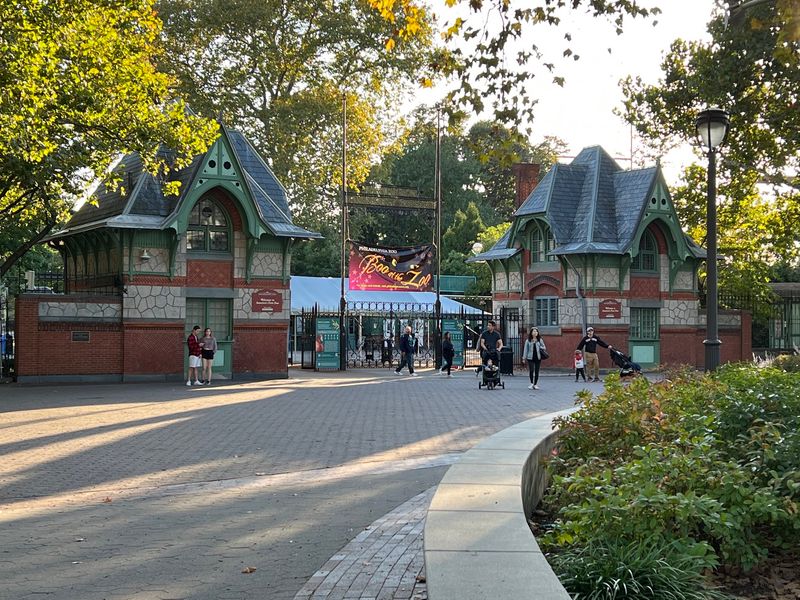
Long before theme parks and animal documentaries existed, this Pennsylvania institution was already charging admission.
Opening in 1874, it holds the title of the first true zoo in the United States.
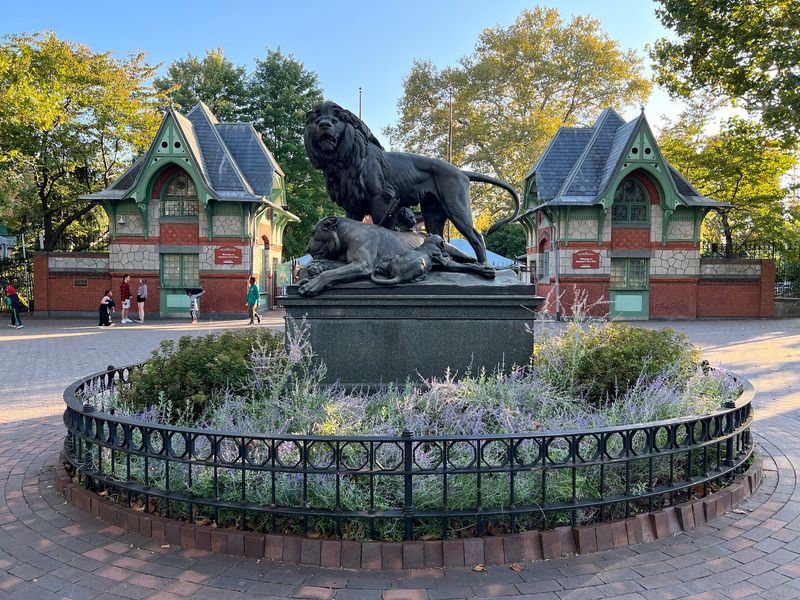
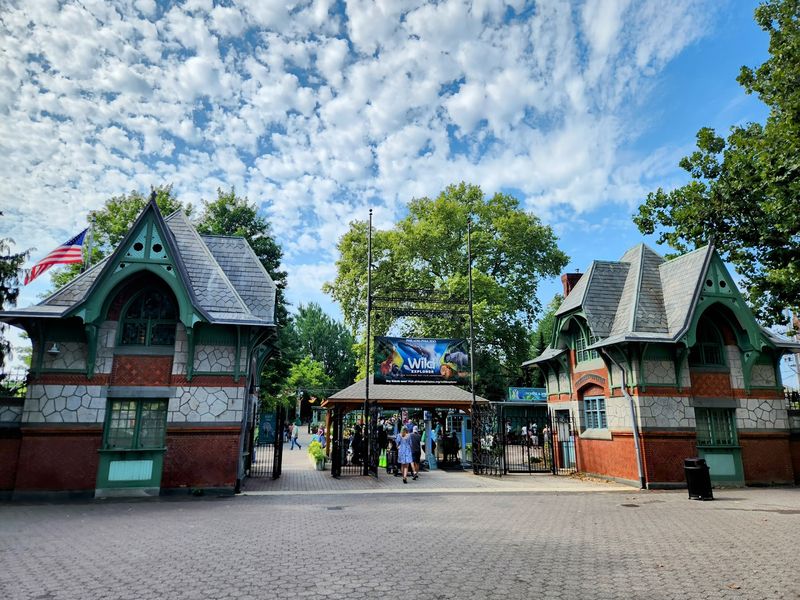
You can feel that age in the best possible way. The paths are wide, the trees are enormous, and the original Victorian gatehouse still greets visitors at the entrance.
There is even a historic house sitting on the grounds, a reminder that this land had stories long before any animals arrived.
I learned about the first-zoo status while standing near the entrance, and it completely changed how I looked at the rest of the day.
Newer zoos often feel engineered and glossy. Here the atmosphere leans calm and shaded, more botanical park than attraction.
If you enjoy history layered under your entertainment, this detail alone justifies the trip.
Few American cities can claim a founding moment in an entire industry, and Philadelphia quietly holds this one.
Overhead Trails Let Animals Walk Above You
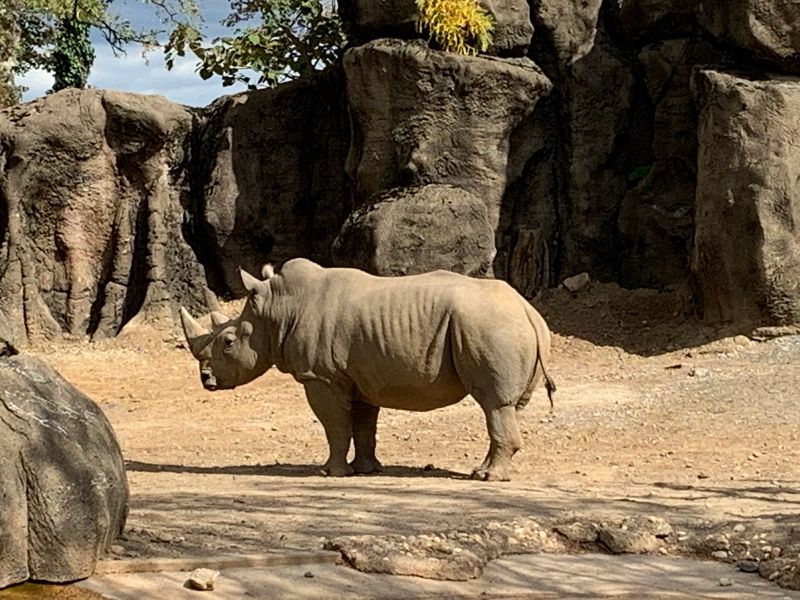
Nothing prepares you for glancing upward and seeing a tiger padding along a mesh tunnel a few feet over your shoulder.
The system is called Zoo360, and it is the single most talked-about feature on the property.
Instead of keeping animals confined to one enclosure, these elevated trails let big cats, monkeys, and other residents travel across the grounds through suspended passageways.
The animals get exercise and choice about where they spend their day. Visitors get views that feel almost accidental, like you happened to catch something private.
I stood under one trail for a solid ten minutes hoping for movement, then nearly dropped my phone when a tiger appeared without warning.
Meerkats have their own maze-like version closer to the ground, which is every bit as charming.
Bring a camera you can operate quickly, because these moments arrive unannounced and end just as fast.
Honestly, I wish more zoos across Pennsylvania borrowed this idea.
Gorillas Steal The Show Almost Every Time
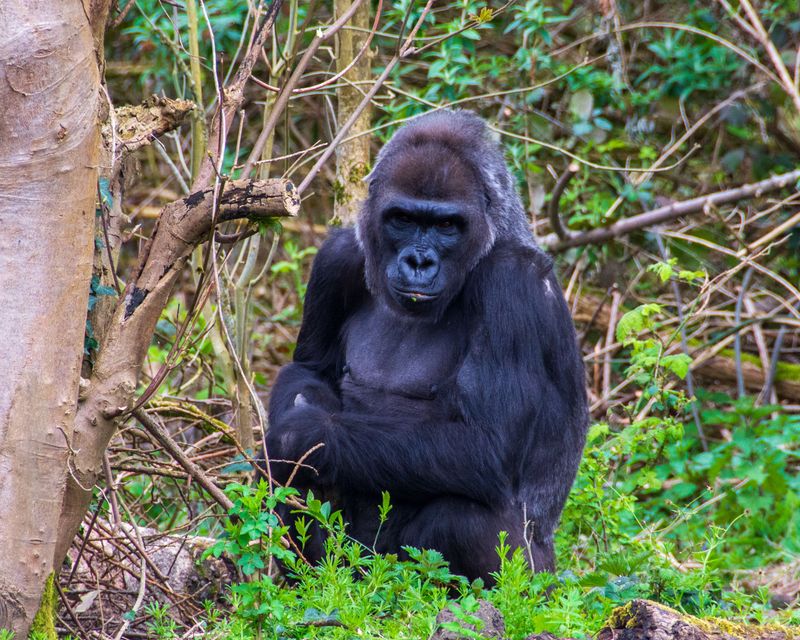
Ask anyone what they remember most and the gorillas come up more than any other animal here.
The primate building draws crowds that linger far longer than they planned.
Watching a young gorilla wrestle with a rope or flop dramatically onto its back is genuinely better entertainment than most things on television.
The adults tend to sit with an air of quiet authority, occasionally glancing at the crowd as if mildly bored by us. It is humbling and funny at the same time.
Plan to spend real time in this area rather than passing through. Mornings are often calmer, and the animals seem more active before the midday crowd builds.
The glass can get smudged by countless small handprints, so position yourself carefully for photos.
Of all the things I saw that day, the gorillas are the reason I started planning a second visit before I reached the parking lot.
Feeding A Giraffe Costs Less Than Lunch
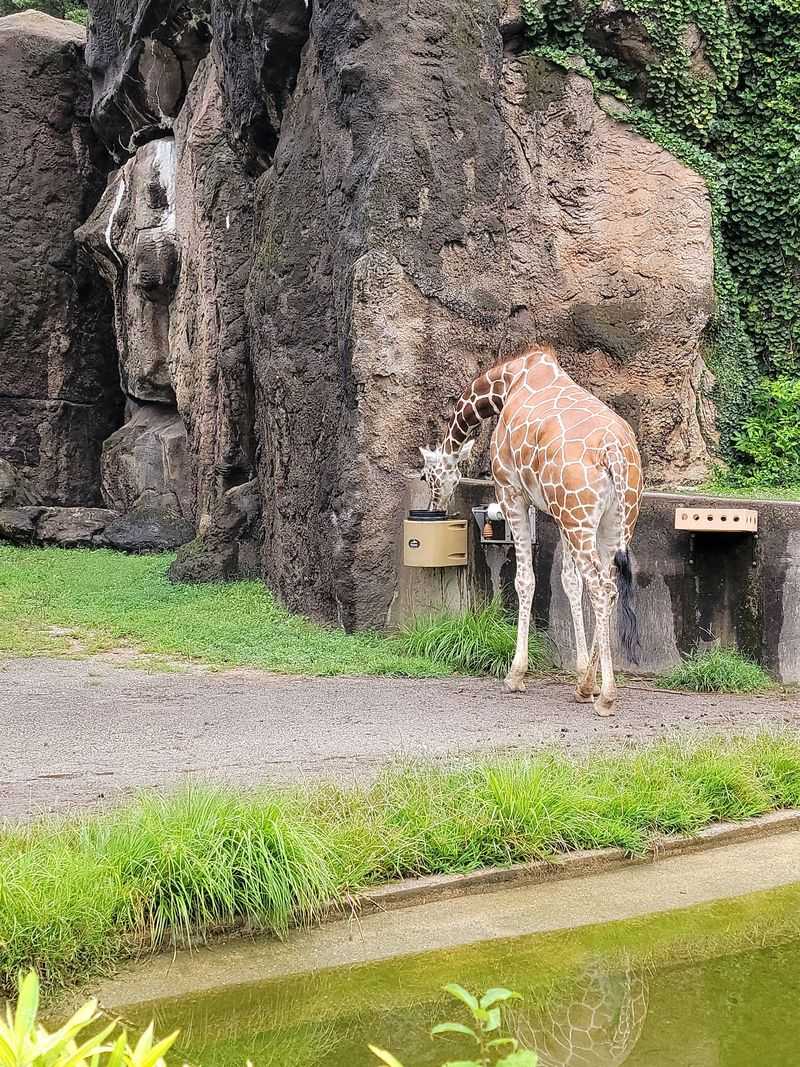
For about ten dollars you can hand food to a creature with a tongue longer than your forearm.
Giraffe feeding is a really memorable add-on experience on the property. Staff members run the experience and clearly love talking about the animals.
Mine explained how giraffe tongues are dark to protect them from sun exposure, a detail I have repeated to roughly everyone I know since.
They also offer to take photos, which saves you from attempting a one-handed selfie while a giraffe leans toward your snack.
The feeding runs on a daily schedule in season and is weather and animal dependent, so check availability rather than assuming it will be open.
Lines can form during busy afternoons. Arriving early can give you a shorter wait before the experience gets busier.
Small add-on experiences like this transform a nice zoo day into something people actually talk about for years afterward.
Bear Country Reopened With Serious Upgrades
After a long stretch of construction fencing and disappointed visitors, the bear area came back looking dramatically better.
The expansion gave the residents more room, more water, and more places to hide when they want privacy.
That last part matters more than it sounds. A habitat where animals can retreat means you will not see every creature on every visit.
Some people find that frustrating. I found it reassuring, because it means the animals are not permanently on display for our convenience.
When the bears do come out, the viewing spots put you closer than you might expect. Watching one wade through the water is a slow, satisfying kind of entertainment.
Construction projects rotate through the grounds regularly, so check which areas are open before you buy tickets if a specific animal is your whole reason for going.
The bear upgrade proves this Pennsylvania landmark keeps reinvesting rather than resting on its long history.
Ticket Prices Shift Depending On The Day
Here is the practical tip that saves real money: pricing changes based on the date you visit.
Weekends and busy holidays can cost more than quiet weekdays.
Advance online reservations are required for general admission. Expect somewhere around thirty dollars for an adult on a popular day, less if you plan ahead or choose an off-peak date.
Parking runs exactly twenty-two dollars on top of admission, which surprises plenty of first-timers. Budget for it so it does not sour your morning.
Frequent visitors should look hard at membership. A family-style annual pass covering a few people plus parking can pay for itself in two trips.
There is also a twenty-five-dollar attractions bundle covering the carousel, train, Pherris Wheel, and Wild Explorer instead of buying each separately.
I found out about it on my way out, which was mildly painful. Do the math before you arrive and the whole day feels better.
Rides And A Ferris Wheel Round Out The Day
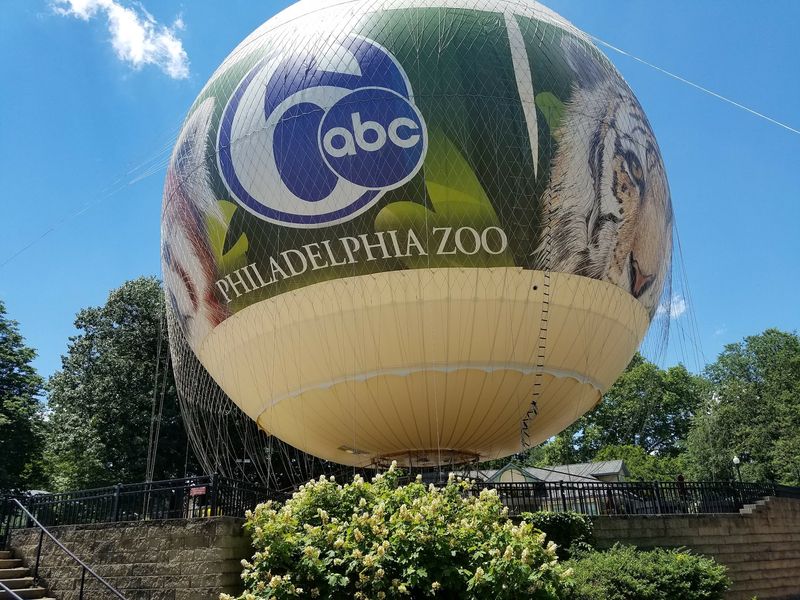
Animals are the main event, but the rides give tired legs a well-earned break.
A Ferris wheel, a small train, a carousel, and a few other attractions sit scattered across the grounds.
The train ride comes with a conductor narration that can be surprisingly delightful depending on who is working. Kids treat it like the highlight of the entire trip.
From the top of the Ferris wheel you get a view over the treetops and out toward the Philadelphia skyline, which is a nice reward for the climb.
Each ride costs extra individually, so the all-day activity pass makes sense for families planning to hit several.
There is also a petting area with goats and sheep who have clearly made peace with being adored by strangers. They are remarkably patient.
Mixing a few rides between animal exhibits keeps younger visitors cheerful through what can easily become a five-hour day.
Indoor Houses Rescue You From The Weather
Philadelphia summers get sticky and winters get sharp, which is exactly why the indoor buildings matter so much.
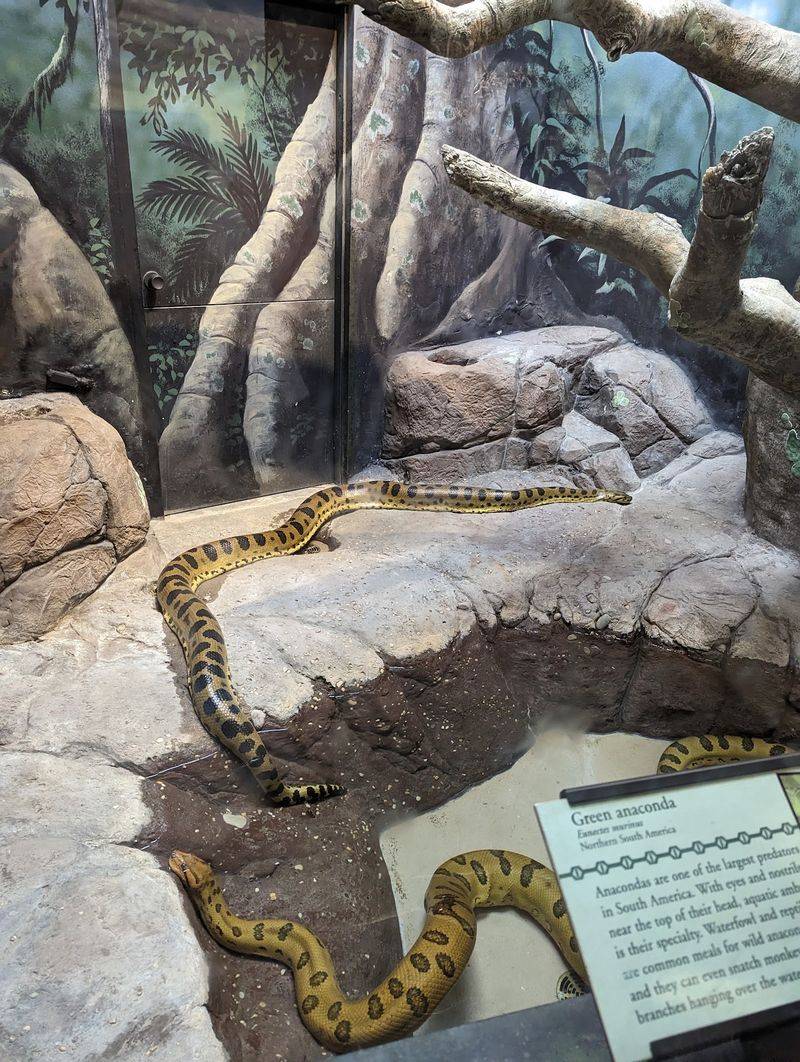
The Reptile and Amphibian House, McNeil Avian Center, and PECO Primate Reserve offer indoor relief.
Wings of the World is a bird stop, but it is a weather-dependent free-flight attraction rather than an indoor building.
I ducked into McNeil Avian Center on a hot afternoon and ended up staying nearly an hour. The rainforest setting is lush, and the pace slows right down.
Families with small children should know these buildings double as excellent reset spots when moods start slipping.
The balance between indoor and outdoor viewing means a rainy forecast does not automatically ruin your plans. You simply restructure the route around the open buildings.
Few attractions in Pennsylvania give you this many indoor options alongside outdoor exhibits, and it helps make the zoo a genuine year-round option rather than a summer-only outing.
Conservation Work Runs Deeper Than The Exhibits
Behind the fun there is serious science happening.
Many residents here belong to rare or endangered species, and the zoo supports conservation programs both on-site and in the wild.
The zoo participates in breeding and recovery programs, celebrates successful hatchings, and runs education initiatives focused on teaching visitors why any of this matters.
Keepers I spoke with clearly cared about the animals in a way that went past job requirements. They knew individual personalities, habits, and histories.
Signage throughout the grounds explains habitat loss and what small choices visitors can make at home. It never feels preachy, just informative.
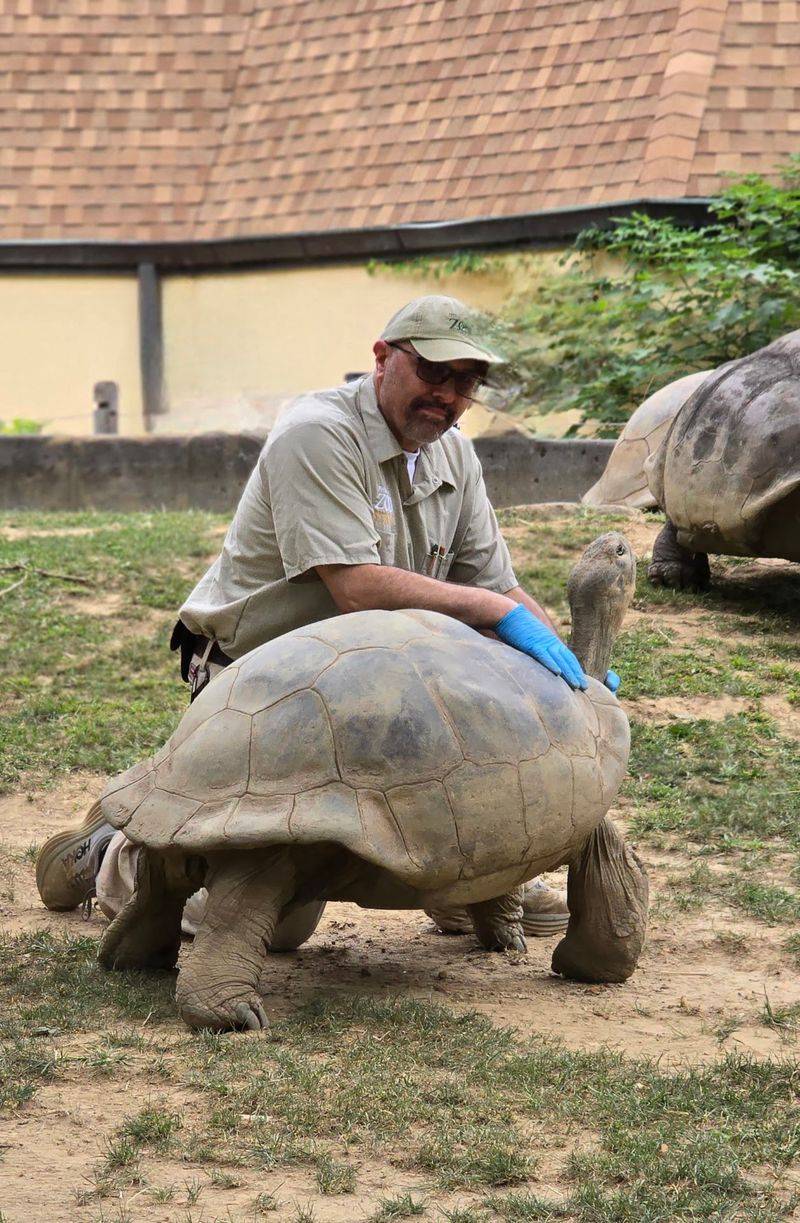
Mommy, a Galapagos tortoise who arrived at Philadelphia Zoo in 1932, remarkably became the oldest first-time mother of her species and produced sixteen hatchlings in 2025.
You can enjoy a completely lighthearted day here and still walk out knowing more about wildlife protection than you did at breakfast.
That combination is harder to pull off than it looks.
Events And Festivals Fill The Calendar Year-Round
Show up during the right weekend and the whole place transforms.
Halloween brings trick-or-treat stations, costumes, and themed activities during the zoo’s annual Boo at the Zoo.
Cultural celebrations also land on the calendar, including community events across the grounds. I stumbled into one without planning it and it became the surprise of the day.
Holiday light displays return too, but LumiNature is a separately ticketed nighttime event rather than something included with regular daytime admission.
Checking the event schedule before choosing your date can seriously upgrade the experience for the same ticket price.
Gates currently open at 9:30 AM daily with closing at 5 PM and last entry at 4 PM, so confirm current hours before driving over.
You will find it all at Philadelphia Zoo, 3400 W. Girard Ave., Philadelphia, PA 19104.
Between the animals, the history, and the constant programming, this Pennsylvania original earns every bit of its reputation. I left tired, sunburned, and already scheming about the next visit.