
Colorado’s Oldest Candy Factory Still Gives Tours Like It’s The 1950s
Some outings earn extra credit simply by refusing to become a logistical nightmare. No reservations puzzle, no trail map, no footwear debate, just a factory tour, handmade candy, and the very reasonable possibility of leaving with your pockets smelling like sugar.
A century of candy making gives this Denver stop a genuine place in Colorado history, and that matters when so many attractions seem designed mainly for photo ops. Kids can watch how the sweets come together, while adults get the rare pleasure of being nosy in a completely acceptable setting.
The visit also works because curiosity does most of the heavy lifting. You do not need to be a candy expert to enjoy machinery, old-school techniques, or rows of treats waiting nearby.
For an easy outing with actual personality, few stops in Colorado combine nostalgia, movement, and dessert this neatly. Even parking apps cannot ruin that kind of afternoon.
A Denver Factory With Real Sugar History
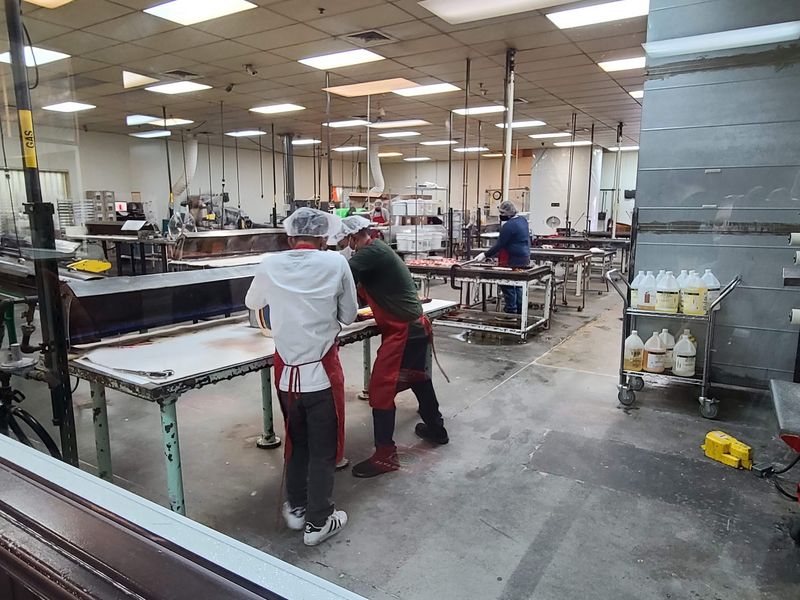
A plan gets easier when the destination explains itself before anyone starts debating. This is exactly that kind of stop: a working candy factory, a store, and a tour site under one familiar Colorado name.
The company began in Denver in 1920, when Carl T. Hammond Sr. started making candy by hand.
More than a century later, Hammond’s Candies still leans into that identity with lollipops, candy canes, ribbon candy, chocolates, marshmallows, and other sweets connected to old school candy making.
The address places it in a practical part of Denver rather than a staged vacation district, which is part of the appeal. You are not pretending you found a storybook village.
You are visiting a real production space where candy remains the main event.
For travelers in Colorado, that matters. So many quick outings promise scenery or shopping, then quietly demand more time than expected.
Hammond’s Candies offers a clearer bargain: show up for a short factory visit, learn how the sweets are made, and browse without turning the day into a project.
The Free Tour Keeps The Old Factory Feeling Alive
The tour promise is refreshingly plain: visitors can see candy being made at Hammond’s Candies without needing a long class, a costume, or a special vocabulary for sugar. The factory tour is known as a free visitor offering, though advance booking is a smart move because tour space can fill.
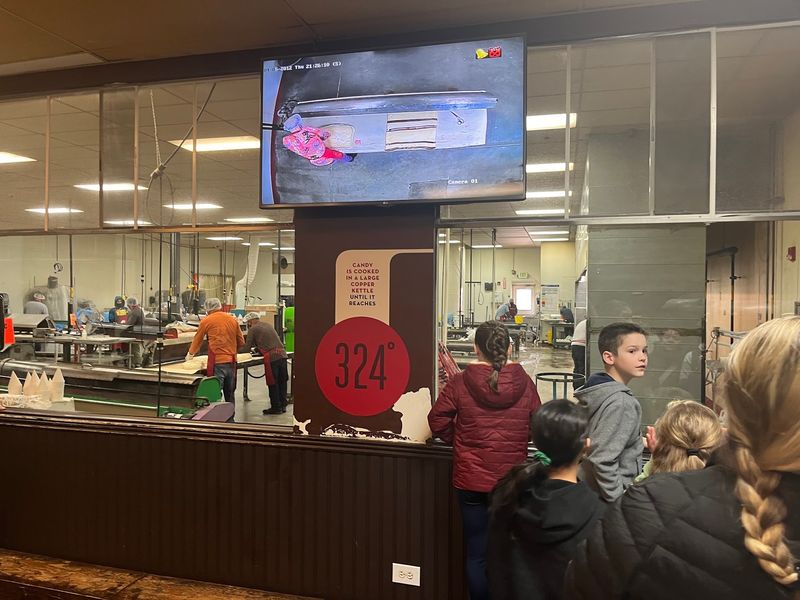
The experience commonly begins with a short history video before guests move to viewing areas where production can be observed. What you see depends on the day’s schedule, because a working factory does not perform like a stage show.
That little uncertainty is useful, not disappointing.
Instead of pretending every candy appears on command, Hammond’s Candies gives visitors a look at a real process. Some days may show more activity than others, but the basic idea stays steady: handmade candy takes trained people, repeated steps, and more patience than most kitchen counters can handle.
For families, that makes the stop understandable. Kids can watch rather than sit through a lecture, and adults get enough background to appreciate the work.
In Colorado, where many outings involve gear and weather decisions, a short indoor tour feels almost suspiciously reasonable.
Handmade Candy Is Still The Main Character
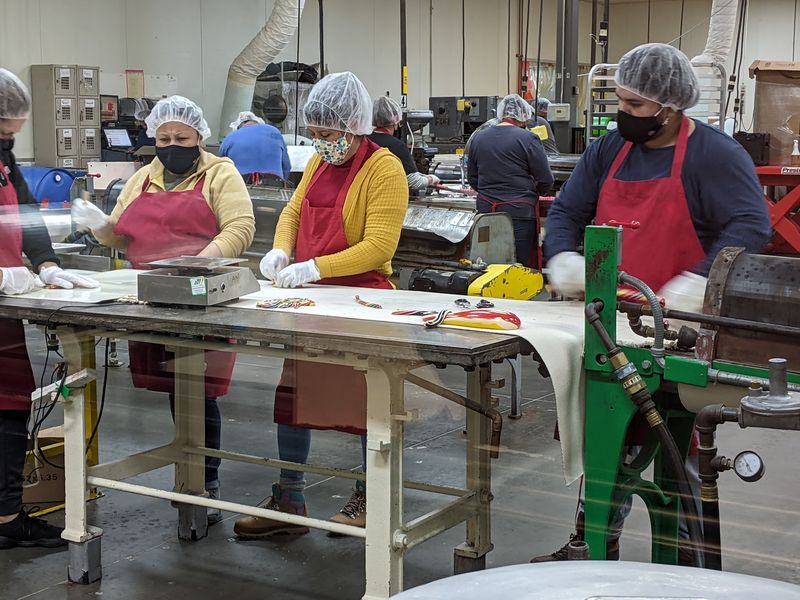
Modern food production can feel invisible, as if snacks simply appear after someone clicks the correct warehouse button. Hammond’s Candies pushes back on that idea by keeping handmade candy at the center of its public identity and factory tour.
The company is especially known for hard candy, lollipops, candy canes, chocolates, caramels, and marshmallow treats. Watching those categories come from a production floor rather than a supermarket shelf gives the visit its small jolt of common sense.
Candy is fun, yes, but it is also work.
The phrase “like it’s the 1950s” fits best as a mood, not a claim that nothing has changed. The factory uses current business practices, but the visitor appeal comes from seeing people handle traditional sweets with visible skill.
That beats staring at another sealed package and pretending the barcode has a personality.
Hammond’s Candies also gives adults a reason to pay attention. The shapes, colors, and familiar holiday styles connect to the kind of candy many people remember from grandparents’ houses, office bowls, or December gift boxes.
Nostalgia lands better when someone is actually making the thing in front of you.
The Store Turns Browsing Into A Sugar Map
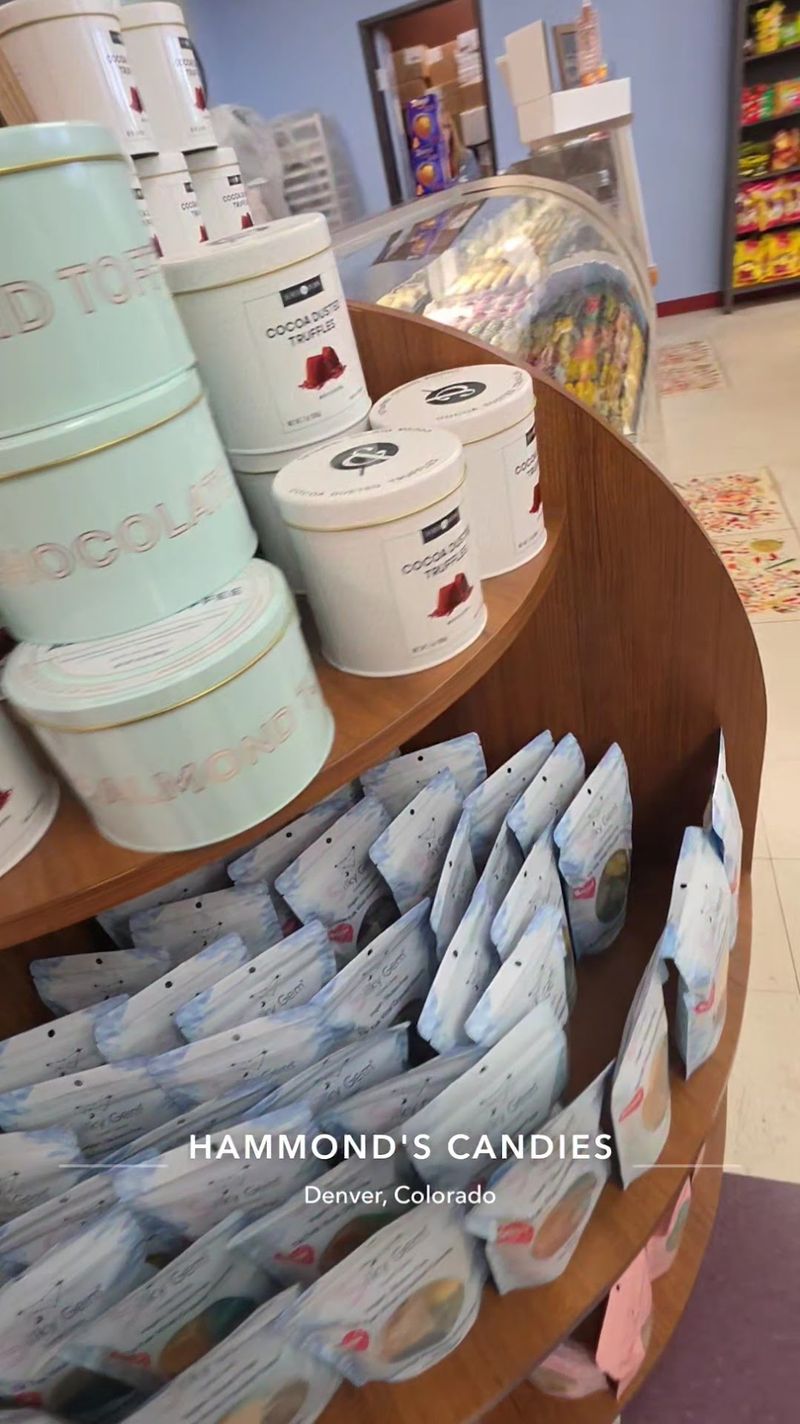
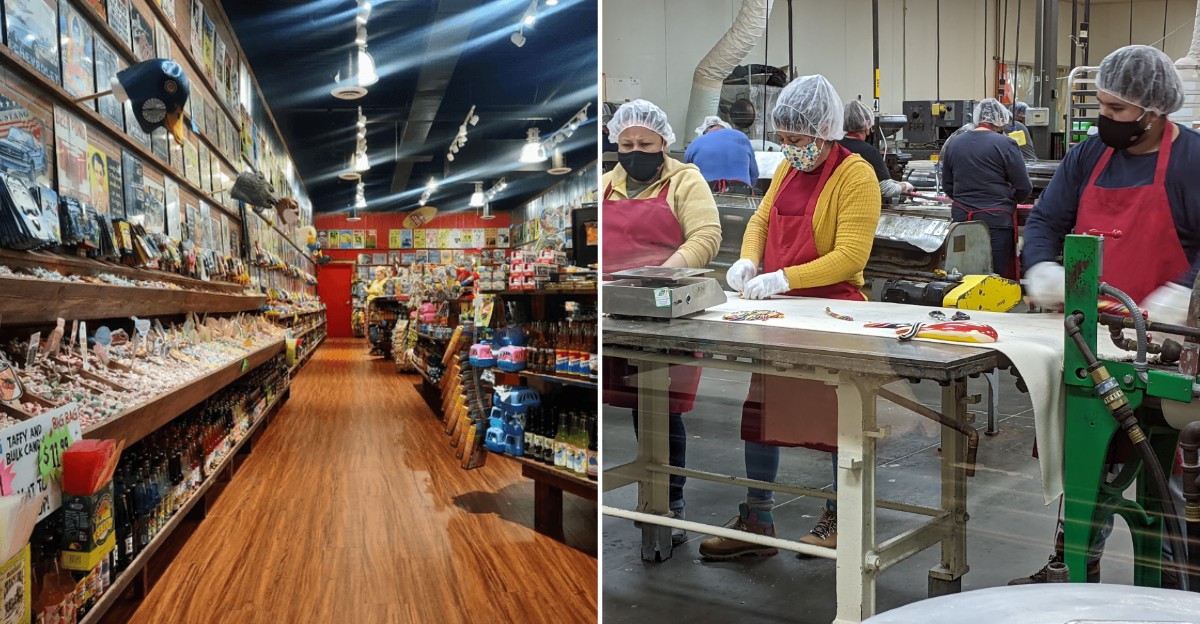
The factory store is where restraint goes to negotiate with jelly beans. After the tour, Hammond’s Candies leads visitors back into a retail space stocked with its own sweets plus gift items and other candy selections, which is a tidy bit of planning by people who understand human nature.
Browsing here works because the categories are easy to read. Hard candy, lollipops, chocolate, marshmallow treats, popcorn, and seasonal items give different kinds of visitors a way in.
Nobody needs to pretend they are a candy scholar, although that title would improve many business cards.
One useful detail is the presence of discounted “Oops” candy, a name that does more public relations work than most corporate slogans. These are imperfect pieces sold separately, and they make sense for shoppers who care more about taste than showroom symmetry.
Good To Know: The store can be enjoyed even without taking the tour, though the tour adds helpful context before shopping.
For Colorado travelers juggling different ages and attention spans, that flexibility matters. Hammond’s Candies can be a quick shopping stop, a tour outing, or both.
The visit does not collapse if one person cares about history and another person only wants chocolate.
A Short Visit That Suits Real People
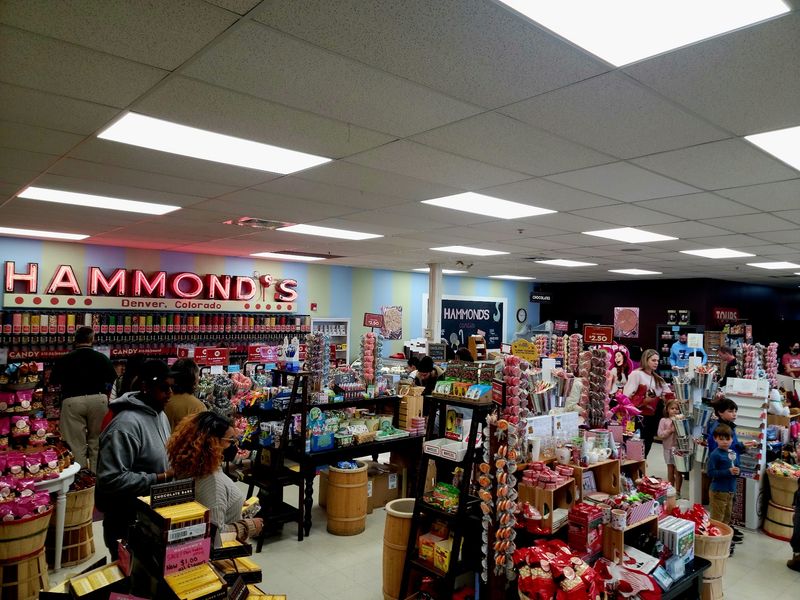
Not every outing needs to prove moral character through mileage. Hammond’s Candies works for real schedules because the tour is relatively short, the store is on site, and the point of the place is clear from the first few minutes.
Families can appreciate a visit where children have something visible to watch and a treat based reward does not require a sales pitch from a cartoon raccoon. Couples may like it as a low pressure daytime stop, especially when dinner plans are later and nobody wants to fill the afternoon with furniture shopping.
Solo visitors get a different benefit. A factory tour gives structure without forcing small talk, and the shop offers enough browsing to make the stop feel complete.
Weekend travelers in Denver can also use Hammond’s Candies as a compact Colorado experience, especially when larger plans need a simpler indoor companion.
The place is not trying to be an amusement park, and that is useful to know. Production activity varies, reservations are wise, and the best attitude is curious rather than demanding.
Show up expecting a working candy company with a visitor friendly window into its process, and the visit makes good practical sense.
Plan It Like A Simple Saturday Detour
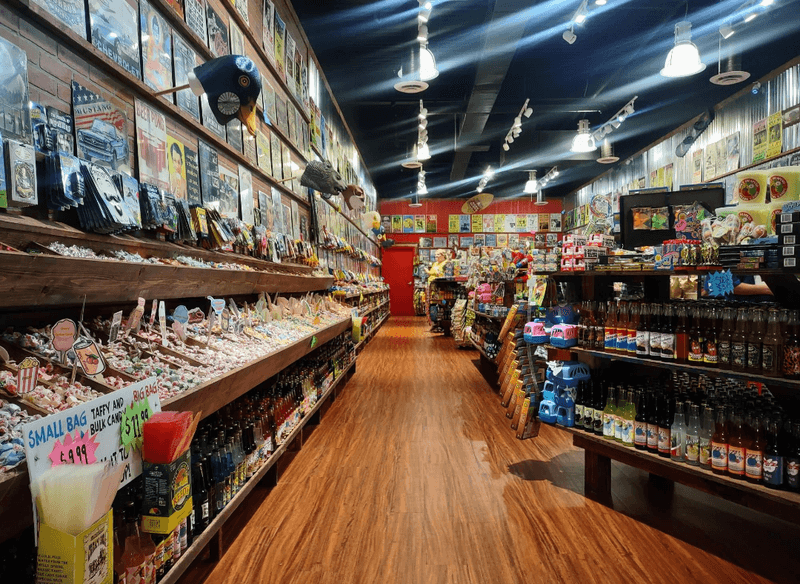
A simple Saturday detour is probably the right mental category for Hammond’s Candies at 5735 Washington Street, Denver, CO 80216. It is specific enough to feel like a plan, but not so involved that someone needs to create a shared document with color coded snack breaks.
Current listed hours generally show daytime operation, with the factory store open most days and shorter Sunday hours. Because hours and tour availability can change, visitors should confirm details through Hammond’s Candies before heading over, especially around holidays or busy weekends.
Reservations are a practical idea for the free factory tour. The tour is the part most likely to have a capacity limit, while shopping can be simpler if you are only stopping by for gifts or a sugar based morale adjustment after errands.
Parking is listed on site by many visitor reports, but the smarter planning advice is still basic: give yourself a few extra minutes to find the correct entrance, then avoid overpacking the day. In Colorado, where weather, traffic, and ambition sometimes form an unhelpful committee, one focused stop can be the better plan.
Hammond’s Candies rewards that modest approach.
Why The 1920 Origin Still Matters
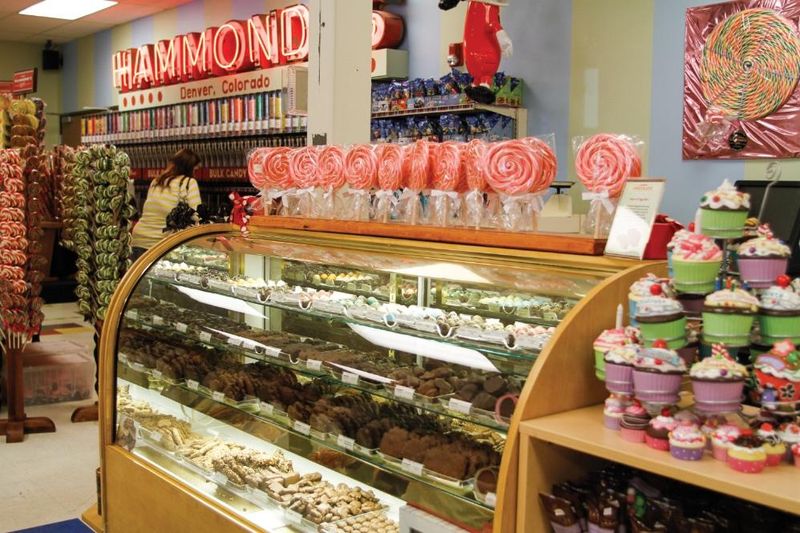
A founding date can be just a number unless the place still gives visitors a reason to care. Hammond’s Candies has that reason because its 1920 Denver origin connects directly to what people can still see: candy making, retail shelves, and a company identity built around traditional sweets.
The factory tour usually includes a history component, which helps keep the old name from becoming background decoration. Carl T.
Hammond Sr. started the company more than 100 years ago, and the modern business still uses that story as part of its public face.
That does not mean visitors are stepping into an untouched time capsule. Businesses change, equipment changes, packaging changes, and nobody should expect the past to arrive shrink wrapped.
The better point is that Hammond’s Candies makes its history visible enough for a short visit to feel rooted in Denver rather than copied from a mall kiosk.
For travelers interested in Colorado food traditions, the stop offers a manageable slice of local manufacturing history. It is not a museum in the formal sense, but the tour turns a candy purchase into a small lesson about labor, craft, and why handmade sweets still carry emotional weight.
The Factory Setting Keeps The Visit Honest
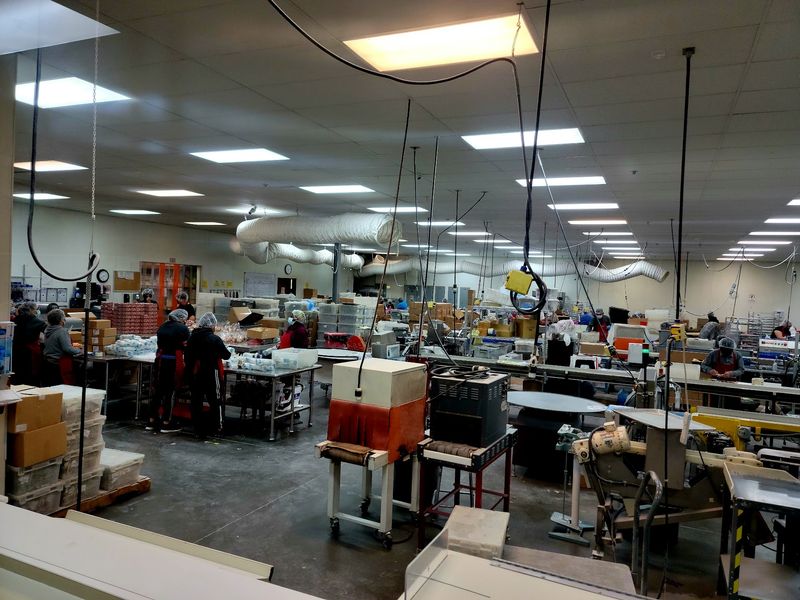
The setting helps manage expectations in the best possible way. Hammond’s Candies sits in Denver as a working factory and store, not as a polished theme attraction pretending that candy elves handle inventory in the back.
That practical setting gives the visit a useful honesty. You are coming to a production business that allows public tours, so the layout, schedule, and activity level follow factory reality.
Candy makers may be working on different items depending on the day, and some processes may be easier to view than others.
This is where adults often find the visit more interesting than expected. The experience is not only about buying sweets.
It is about seeing how a familiar product moves through a workplace, from history video to viewing area to packaging glimpses to store shelves.
In Colorado travel planning, where many famous stops are outdoors and weather dependent, an indoor factory visit fills a useful gap. Hammond’s Candies can sit comfortably in a Denver day without pretending to replace mountains, museums, or long meals.
It is smaller in commitment, clear in purpose, and satisfyingly specific.
That combination is rarer than it sounds, especially when a group contains both planners and people who claim they are “fine with anything.”
Candy Canes Are More Than Holiday Decoration Here
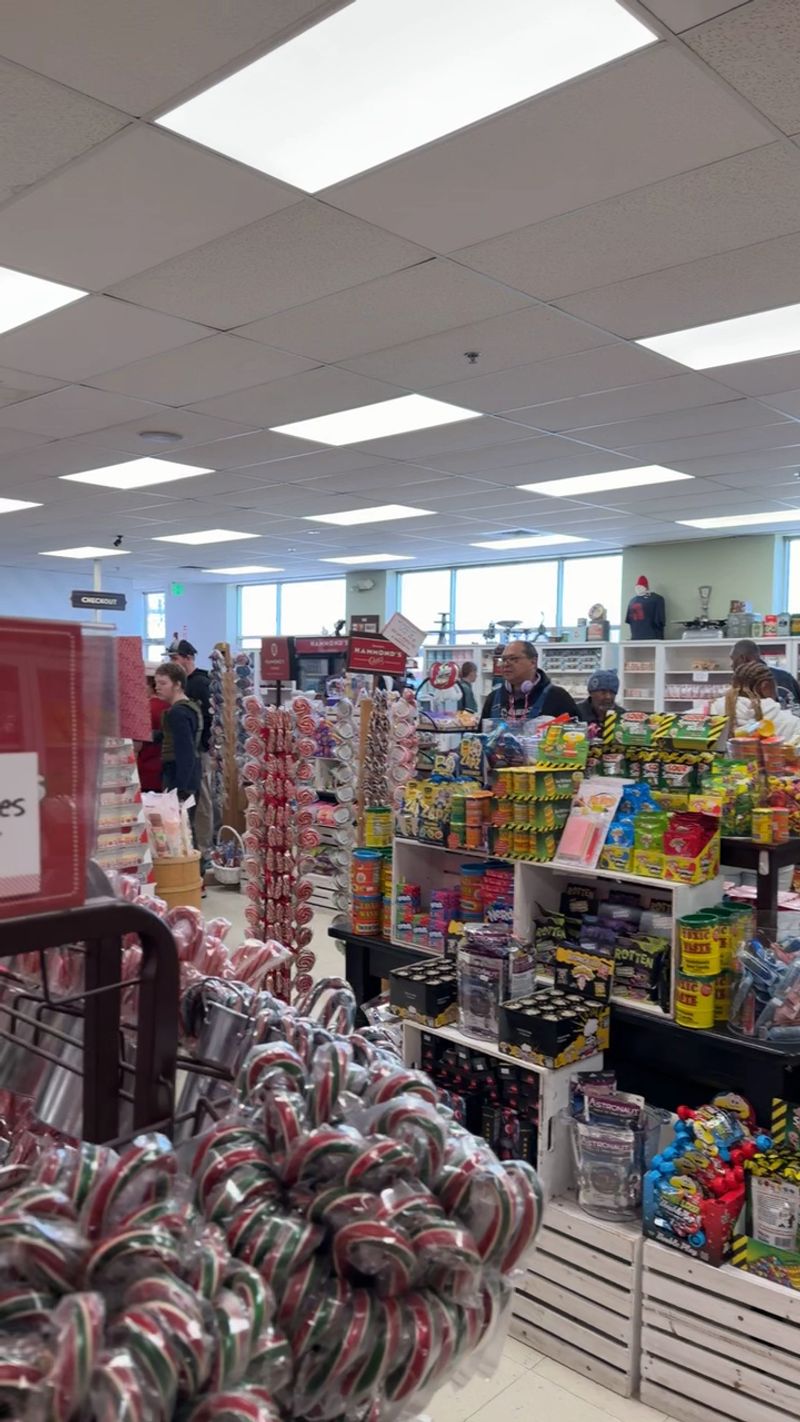
Candy canes can become background objects in December, hanging around like striped punctuation. At Hammond’s Candies, they return to being a product with a process, which is far more interesting than watching them tumble out of a bulk bin.
The company is widely associated with handmade candy canes, along with lollipops and other hard candy. Tour guests may see different production work depending on the schedule, but candy cane making remains one of the strongest images tied to the brand.
That matters because familiar foods often become invisible. Most people know what a candy cane looks like, but fewer stop to think about pulling, shaping, cooling, packaging, and quality checks.
Hammond’s Candies turns that ordinary object into a quick lesson in repetition and skill.
The nostalgia is not complicated. Candy canes show up in office bowls, school gifts, stockings, and kitchen jars that somehow survive every cupboard cleanout.
Seeing them connected to a Denver factory gives that memory a local address. For Colorado visitors, the stop adds a regional footnote to a national sweet, which is the kind of small travel detail that sneaks up on you later when someone offers you peppermint after lunch.
A Sweet Stop With A Practical Ending
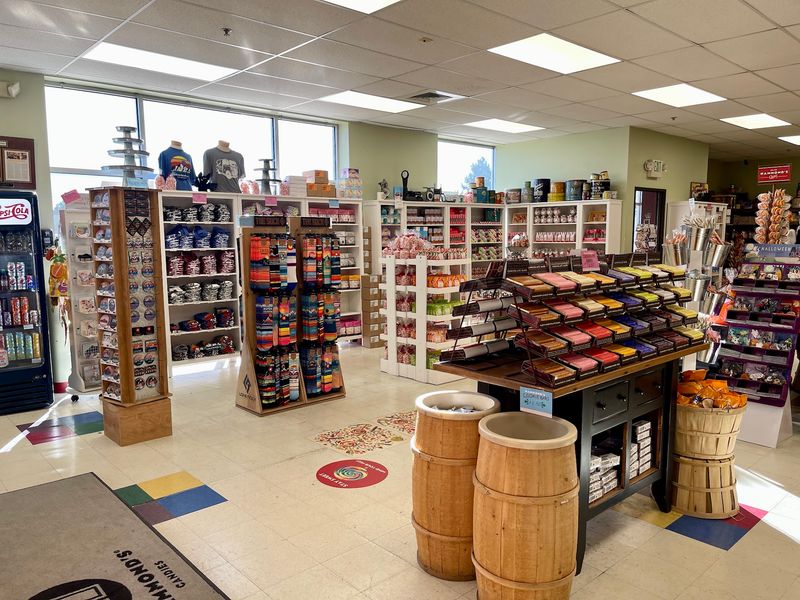
The best part of a focused stop is knowing when it has done its job. Hammond’s Candies gives visitors a beginning, middle, and end: learn a little history, watch part of the candy making process when available, browse the store, and leave with sweets that do not require assembly.
That tidy shape is why the factory still stands out in Denver. It turns a simple candy run into a short look at Colorado manufacturing history without demanding a full day or a complicated route.
The visit respects limited attention spans, which may be one of the great unlisted amenities of modern life.
Hammond’s Candies also avoids the trap of being only for children. Kids may be the easiest audience for colorful sweets, but adults often understand the deeper appeal: a familiar product, made by real people, inside a business that has carried its name since 1920.
As a final planning thought, check the official tour schedule, reserve ahead when possible, and keep expectations tied to a real working factory. Production can vary, but the core reason to go remains steady.
Hammond’s Candies is the Denver stop for when you want old school sugar, local history, and a plan that does not argue back.