
Follow This Free Washington Boardwalk Into A Marsh Where Herons And Eagles Feed At Dawn
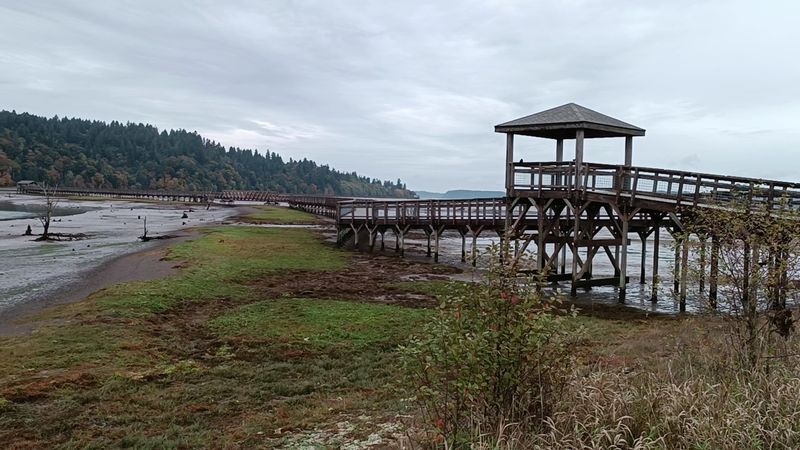
Just off busy Interstate 5 in Washington sits a river delta so quiet you can hear the wingbeats of eagles overhead. Thousands of birds gather here, seals surface in the tide channels, and a long wooden walkway carries you deep into the marsh without ever getting your shoes muddy.
It costs next to nothing to visit, yet the memories tend to stick around for years. Come early, bring binoculars, and let the water and the birds do the rest.
A River Delta Just Off the Interstate
Nobody expects a wild estuary to be sitting right beside one of the busiest freeways in the state, but that is exactly where this 762-acre refuge waits. Named for Billy Frank Jr., a beloved Nisqually leader, it protects the spot where the Nisqually River spreads out and meets the salt water of Puget Sound.
You will find it at 100 Brown Farm Rd NE in Olympia, an easy exit for anyone driving through the region. Regulars describe it as a lovely oasis close to the interstate, the kind of place that is genuinely easy to miss if you are just passing through.
What makes the delta special is the mixing of fresh and salt water, which creates a brackish landscape rich with life. Birds, seals, otters, and deer all take advantage of the shifting tides.
Because it is a national wildlife refuge, the whole area is carefully conserved rather than developed. That protection is what keeps the marsh feeling wild, even with cars humming by in the distance.
The Long Boardwalk Reaching Into the Marsh
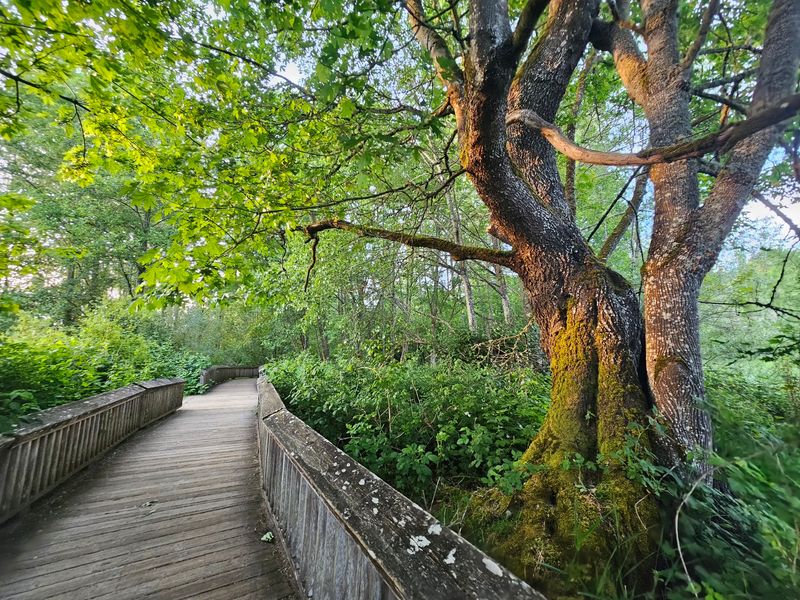
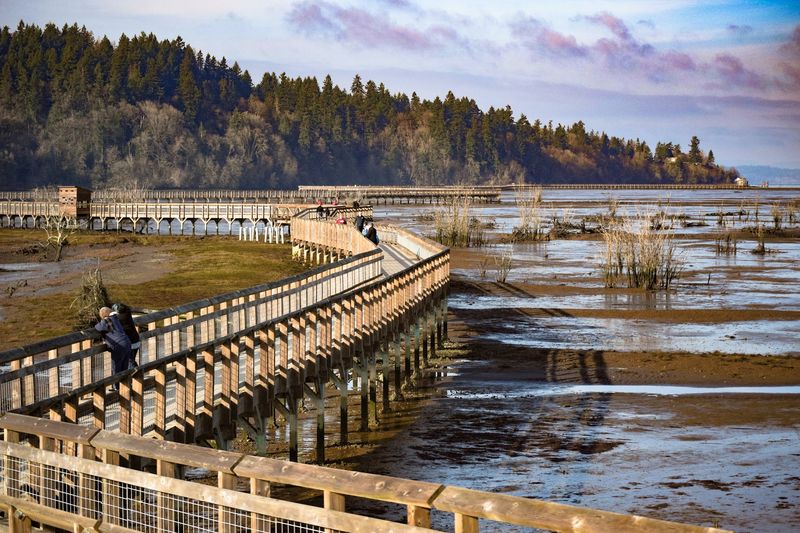
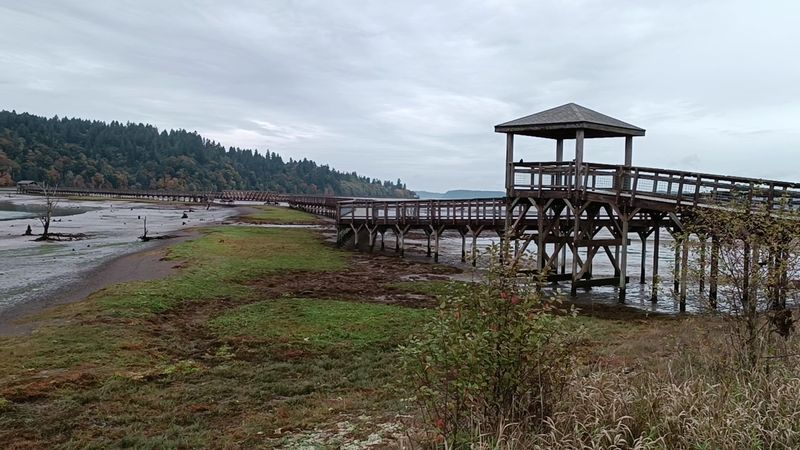
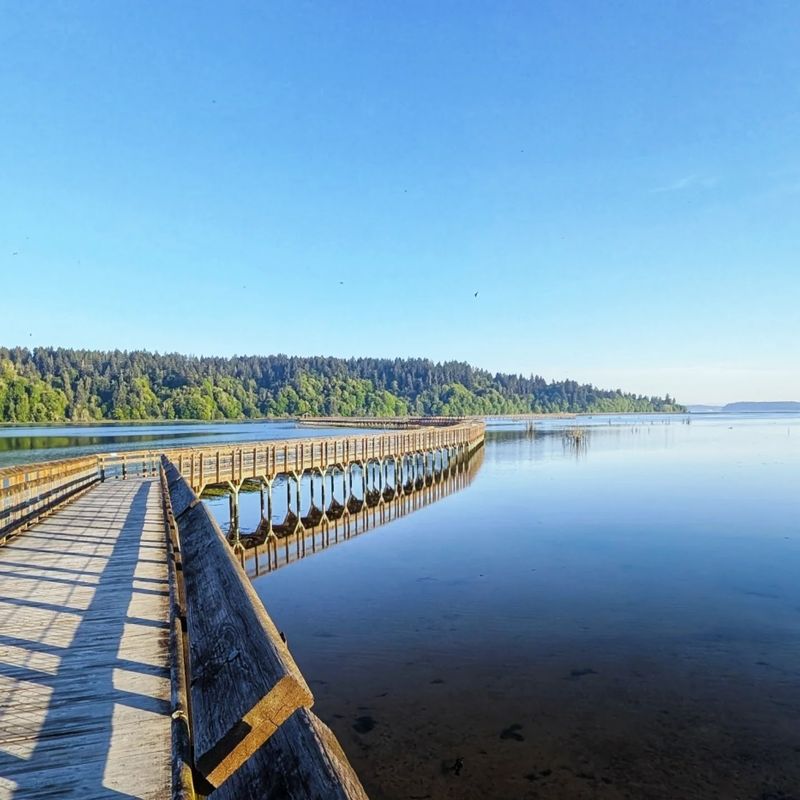
The star of the whole refuge is a wooden boardwalk that reaches roughly three-quarters of a mile out into the inlet, well capped and sturdy underfoot. Walk it and you feel like you are floating above the marsh, with water and reeds spreading in every direction.
Visitors mention that the boardwalk is well maintained no matter the season, and that it stays interesting regardless of the tide. At low water you might spot sand dollars and mudflats; at high tide the channels fill and seals slip through.
Because the surface is flat and smooth, it welcomes strollers, wagons, and wheelchairs. Families with small kids find it especially easy, since there is plenty of room to wander without steep climbs or rough ground.
Reaching the very end and coming back adds up to a pleasant walk of a few miles. One returning guest, who had not visited since the late 1980s, was thrilled to find the boardwalk now stretching all the way out to the bay.
Eagles, Herons and Thousands of Birds
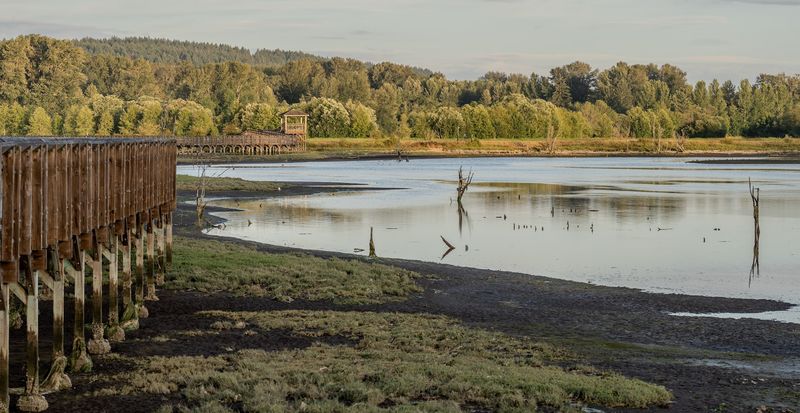
Look up at the right moment and the sky can fill with wings. One visitor arrived expecting only fall colors and was stunned to see thousands of birds flying overhead, a sight that turned an ordinary afternoon into pure magic.
Bald eagles are a regular thrill here, mentioned again and again by those who make the walk out to the estuary. Great blue herons stalk the shallows, egrets stand tall in the grasses, and woodpeckers, songbirds, ducks, and cormorants round out the cast.
Dawn and dusk are the golden hours for feeding activity, which is why serious bird watchers time their visits early. Binoculars are strongly recommended, since so much happens out across the water.
The refuge draws both local and migratory species thanks to its well conserved habitat. Every season shifts the lineup, so a spring trip may reward you with completely different visitors than one in fall.
Many guests say they spot something new up close on every single walk.
Seals, Otters and Surprises in the Tide
Birds may headline the refuge, but the water hides plenty of four-legged and finned surprises. One returning family put it perfectly: last visit they saw many eagles, and the next time they came, seals were the stars of the show.
Seals turn up often enough that they have become one of the most talked-about sights here, especially along the tide channels near the boardwalk. Otters, beavers, turtles, and bullfrogs all make appearances too, delighting kids who did not expect so much movement in a quiet marsh.
Deer wander the edges of the trails, and low tide reveals sand dollars resting in the mud. The changing water level basically rewrites the scenery every few hours.
That element of the unknown keeps people coming back. As one regular wondered aloud, what will we see next time?
Nobody can promise a seal or an otter on any given morning, but the odds improve when you arrive early and keep your eyes on the water.
Flat, Easy Trails for Every Pace
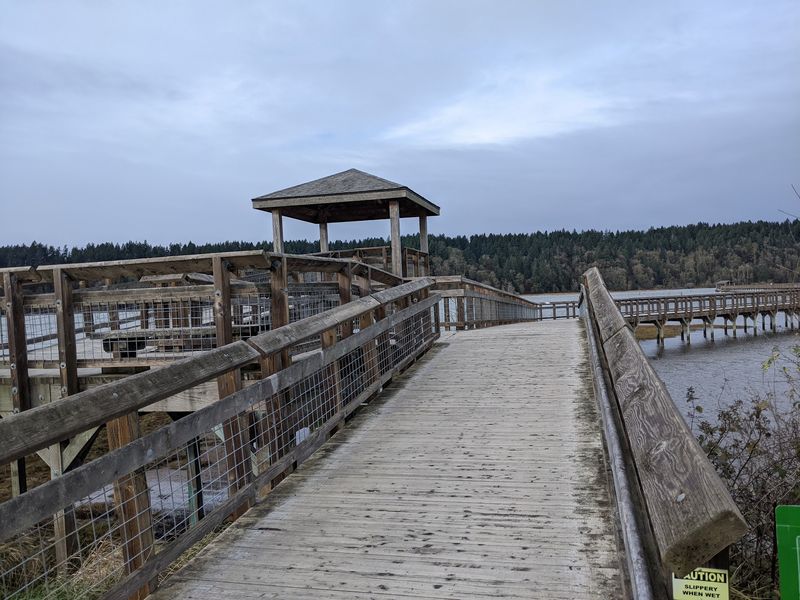
Not everyone wants a strenuous hike, and this refuge understands that completely. The trails are famously flat and wide, well suited to folks who would not call themselves great hikers.
You have choices when it comes to routes. A smooth boardwalk carries you out toward the water, while a gravel path and a wooded loop offer different scenery along the river and creeks.
There are out-and-back options and a loop, so you can shape the day around your energy level.
Round trips tend to land somewhere between three and five miles, an easy casual walk rather than a workout. Benches and chairs are scattered around for anyone who needs a rest, and shaded stretches feel wonderful on hot summer days.
Guests appreciate how peaceful the trails stay even when the parking lots fill up. The refuge simply absorbs the crowd, so the walking never feels busy.
Just remember that dogs and joggers are not allowed, which helps keep the paths calm and the wildlife undisturbed.
Historic Barns and the Twin Barns Loop
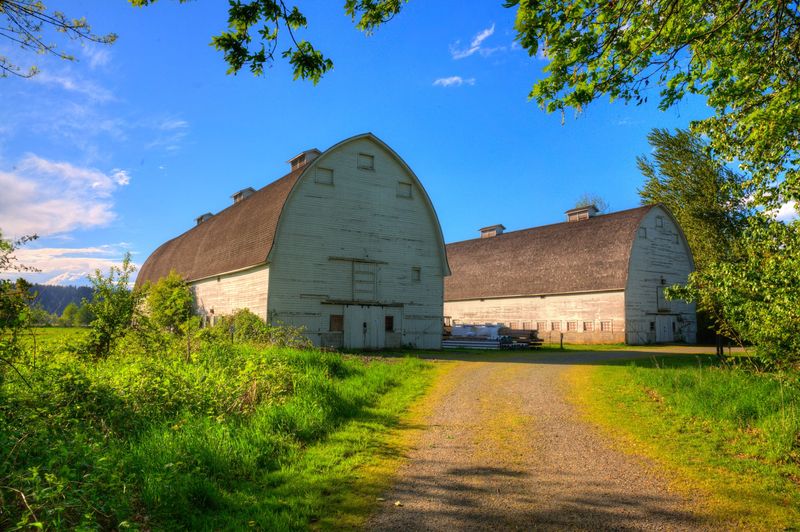
Long before it became a refuge, this land was farmed, and reminders of that past still stand near the entrance. The historic barns are worth pausing for, a photogenic nod to the delta’s agricultural history.
The Twin Barns Loop Trail takes its name from these structures and offers a shorter, gentle circuit for visitors who want scenery without the full trek to the bay. It winds through wooded and wetland areas, giving you a taste of everything the refuge protects.
Weathered wood against a backdrop of marsh grass and old-growth trees makes for a striking scene, especially in soft morning light. Many people slow down here simply to admire how the buildings anchor the landscape.
There is real care evident in how the refuge preserves and interprets this history rather than tearing it away. Combined with the natural beauty, the barns give the place a sense of layered story.
It is the kind of detail that turns a simple walk into something you remember long after you have driven home.
The Visitor Center and Gift Shop
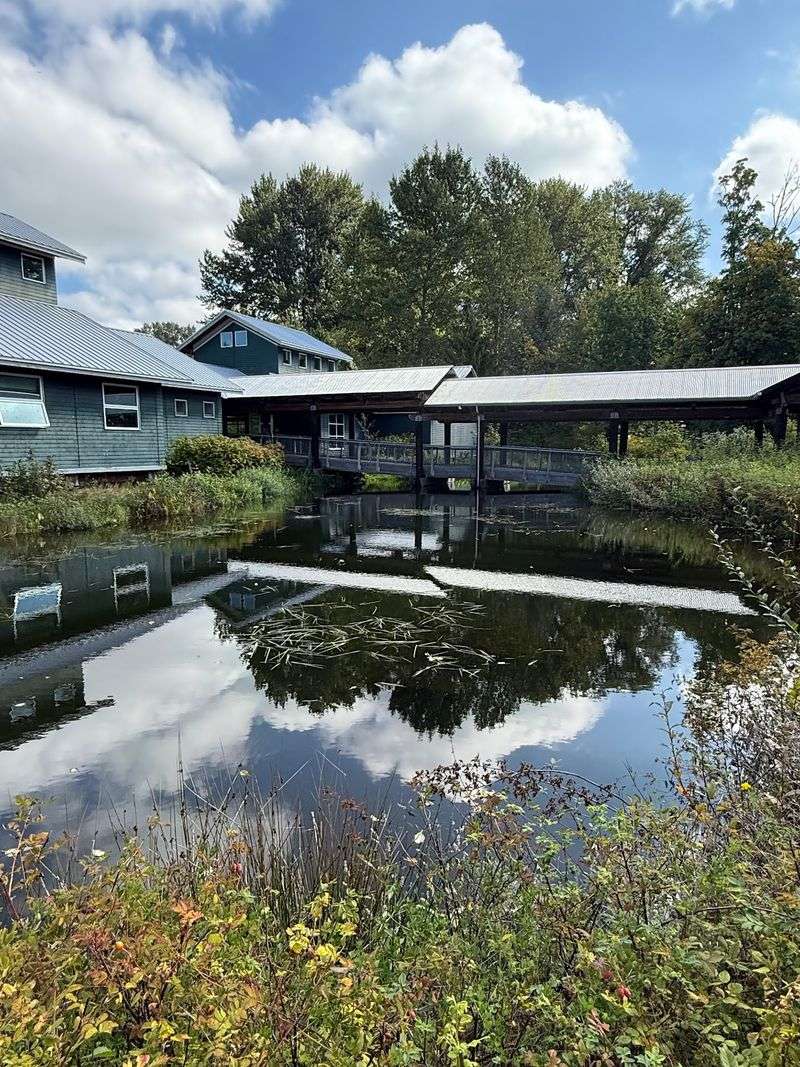
Some travelers arrive for the marsh and end up falling for the visitor center. One guest was genuinely surprised by how much she loved it, praising the incredible selection of nature books, gifts, and apparel.
The little shop is packed with cool souvenirs, from field guides to T-shirts. Feeling chilly during her walk, one visitor bought a shirt to layer under her clothes and still keeps it years later as a memento of the trip.
Staff here get consistent praise for being friendly and welcoming, the kind of warmth that makes a stop feel personal rather than routine. On some days a ranger sets up a tactile exhibit with animal pelts and bones from local wildlife, a hands-on treat for curious kids.
Restrooms at the visitor center earn special mention for being clean and well kept, with a porta potty further down the trail for longer walks. It is a comfortable, informative launch point that adds real value before you ever set foot on the boardwalk.
Getting There, Hours and the $3 Fee
Few outings this rewarding cost so little. Entry runs just $3, which covers up to four adults, and children under sixteen get in free.
That fee is cash only, so tuck a few bills into your pocket before you go.
If you already hold an America the Beautiful pass, entry is free, since this is a federal site. Keep in mind that a state pass will not work here, and rangers suggest carrying your pass with you on the trail.
Parking is the one real challenge. Two lots fill quickly, and on busy weekends like Mother’s Day they can reach capacity, so arriving early in the morning or later in the day is smart.
Midweek visits are noticeably easier.
You will find the refuge at 100 Brown Farm Rd NE in Olympia, tucked conveniently near the interstate. Bring binoculars, plan around the porta potty locations, and consider packing a snack for the small picnic area beneath the old-growth trees.
Why This Peaceful Spot Stays With You
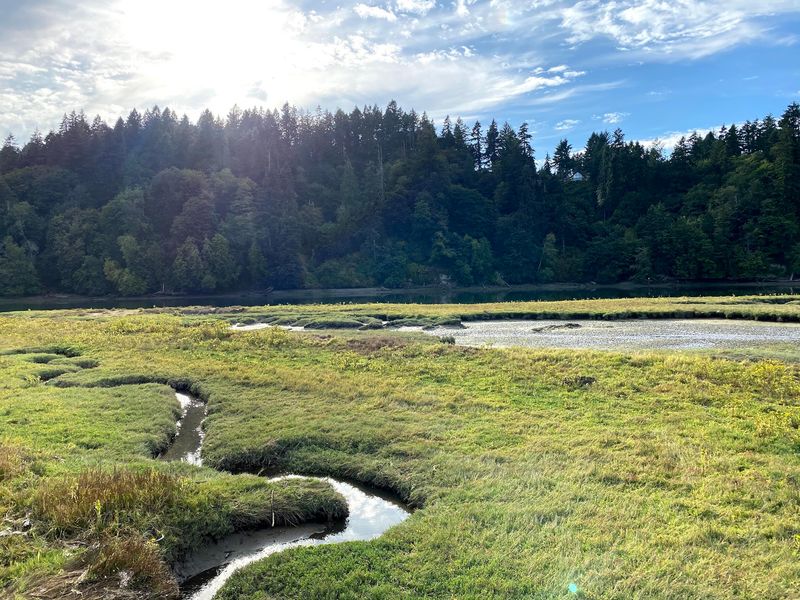
Something about this refuge encourages you to slow down and simply enjoy where you are. On a clear day you can spot both Mount Rainier and the Olympic Mountains from the trails, a bonus that leaves first-timers grinning.
Families love it for the room to let kids explore, retirees appreciate the flat paths and clean facilities, and photographers chase the changing light across the water. It suits a solo morning of quiet as easily as a group outing with friends.
Guests often describe the experience as calming and peaceful, one that stays with them long after the drive home. For a $3 bill and a little early rising, that is a remarkable return.
Come at different tides and seasons and you will meet a different refuge each time. Whether you walk the full boardwalk to the bay or just amble the loop near the barns, this stretch of Washington marsh has a gentle way of making an ordinary weekend feel memorable.