
This Downtown Detroit, Michigan, Gallery Bridges Museum-Quality Art and Street Murals Under One Roof
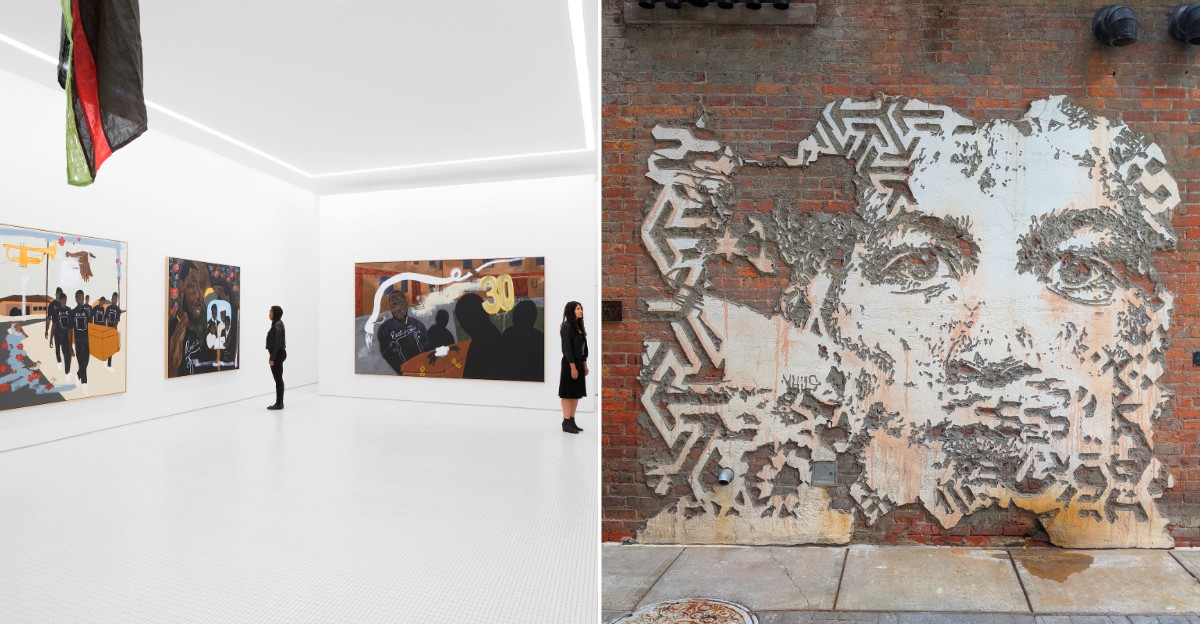
Gallery hopping in Michigan usually means choosing between polished museum wings and rough-edged street art. This place erased that choice.
I walked in expecting a standard white-wall exhibition and found myself standing between a massive wall installation and a restored Romanesque church next door that the gallery converted into a cultural center with a library and a performing arts theater.
The main space rotates contemporary shows that pull artists from across the country. The church next door holds community workshops, film screenings, and exhibitions that feel nothing like what you find in traditional institutions.
I spent an afternoon moving between both buildings without once feeling like I had seen the same thing twice.
The neighborhood around it has been building something real for years, and the gallery keeps pulling the block along with it. Two buildings, one vision, and an entire neighborhood in Michigan that got its art scene back.
Walk Through The Belt
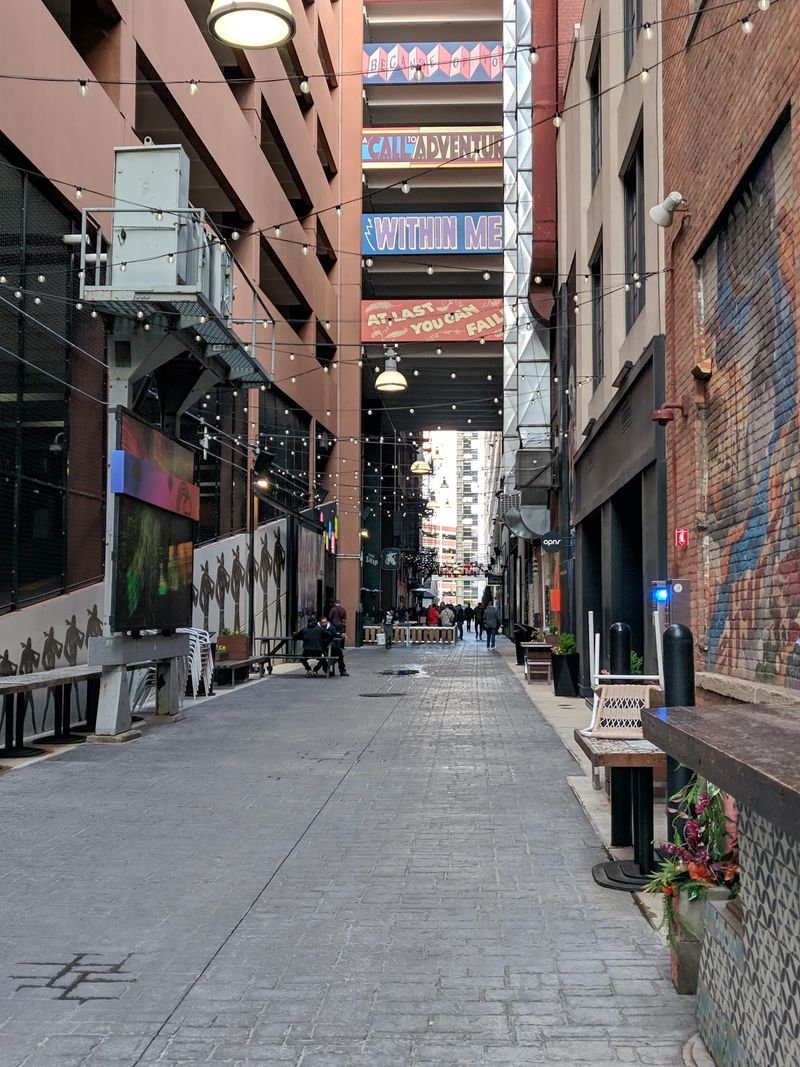
A narrow alley near the gallery holds the plot twist: The Belt works like an outdoor exhibition corridor in downtown Detroit. Library Street Collective helped conceptualize and curate the project, turning a former service lane into a public art space.
Murals and installations can change, so older photographs may not match the walls waiting during your own visit.
Walk slowly between Broadway and Library Street, along the passage linking Gratiot Avenue and Grand River Avenue. Look upward as well as straight ahead, since artwork and design details may occupy doors, upper walls, or unexpected corners.
Daylight reveals colors clearly, while overcast skies often reduce harsh glare in photographs. Keep the lane clear for others, and avoid touching painted surfaces or installations.
The Gallery Hides Inside The Alley
Library Street Collective sits at 1274 Library Street in downtown Detroit, Michigan, but the useful landmark is The Belt rather than the street address alone. The alley runs between Library Street and Broadway and connects Gratiot Avenue with Grand River Avenue.
The final approach feels less like finding a conventional gallery and more like slipping into a public art corridor. Once you reach The Belt, the murals and installations take over the walls, and the gallery entrance is tucked directly into that pedestrian alley.
Park in one of the downtown garages or legal street spaces nearby, then finish the trip on foot through The Belt. Once you are inside the alley, follow the art-lined passage toward the Library Street side and the gallery entrance.
Notice The Sculpted Brick Portal
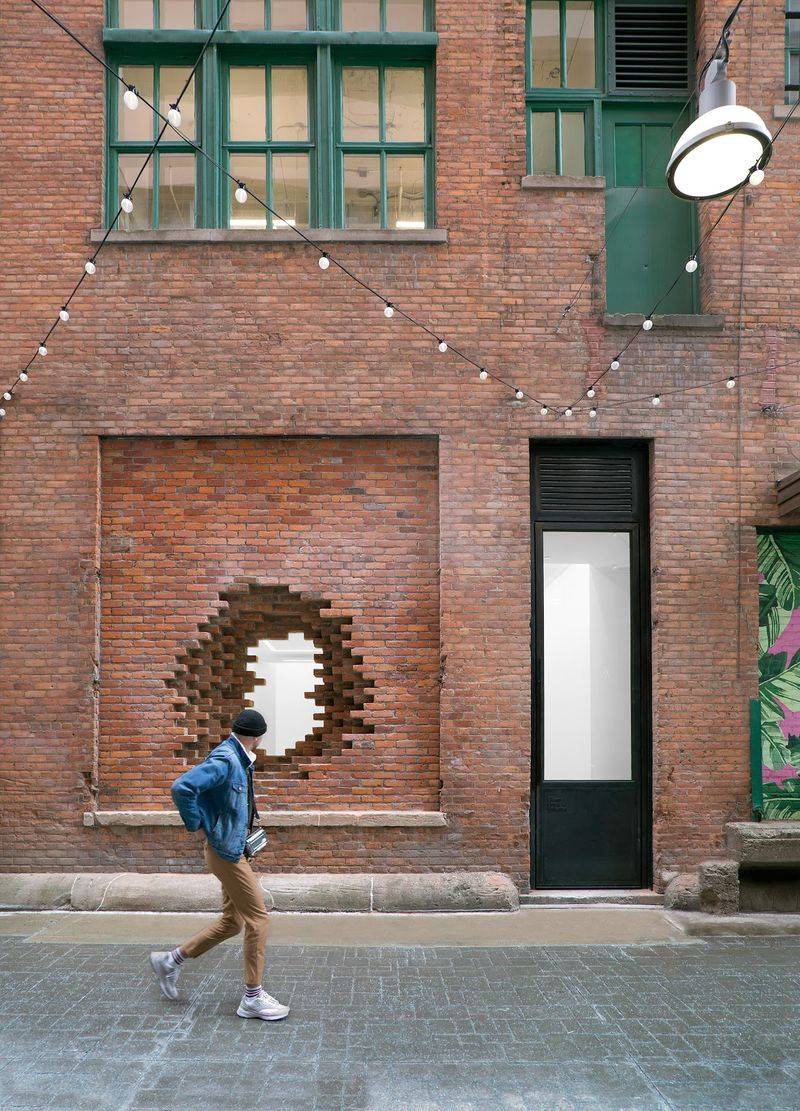
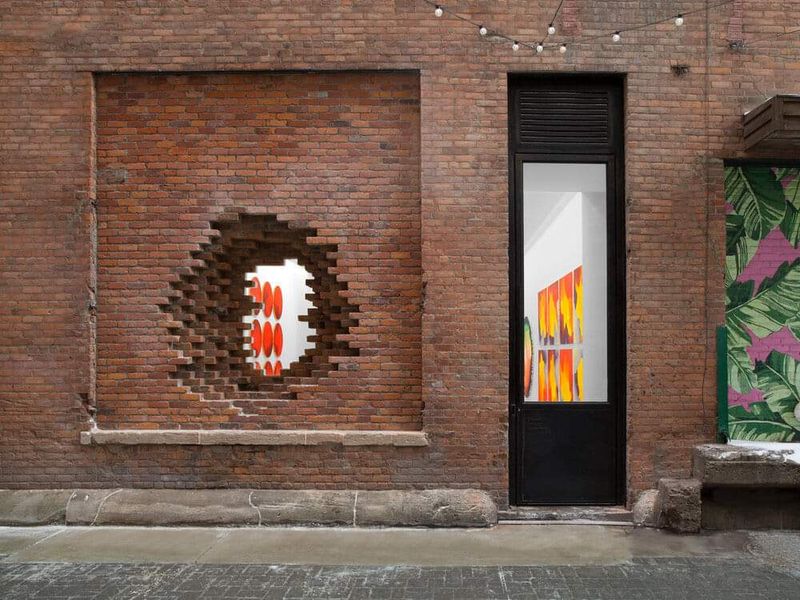
Brick seems to loosen and fold around the gallery entrance, producing a doorway that feels part architecture and part sculpture. New York design studio Snarkitecture created this intervention for the historic L.B.
King and Company Building. The opening draws people from The Belt toward the exhibition room while preserving a strong visual link to the older facade.
Pause outside before entering and study how the brick pattern changes around the portal. From inside, turn back toward the opening to see daylight frame the alley differently.
That second view explains how the design links private exhibition space with public space without using a loud sign. Photograph from a respectful distance, particularly when other visitors are passing through the relatively narrow entrance.
Let The Interior Slow You Down
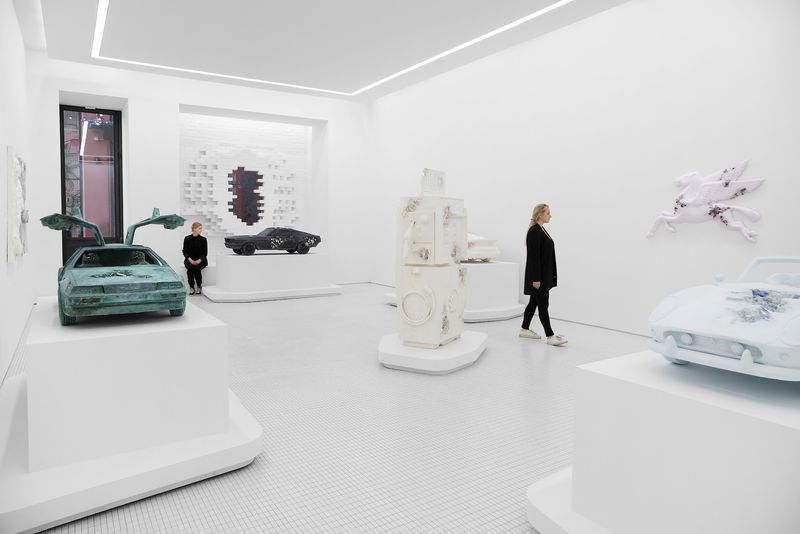
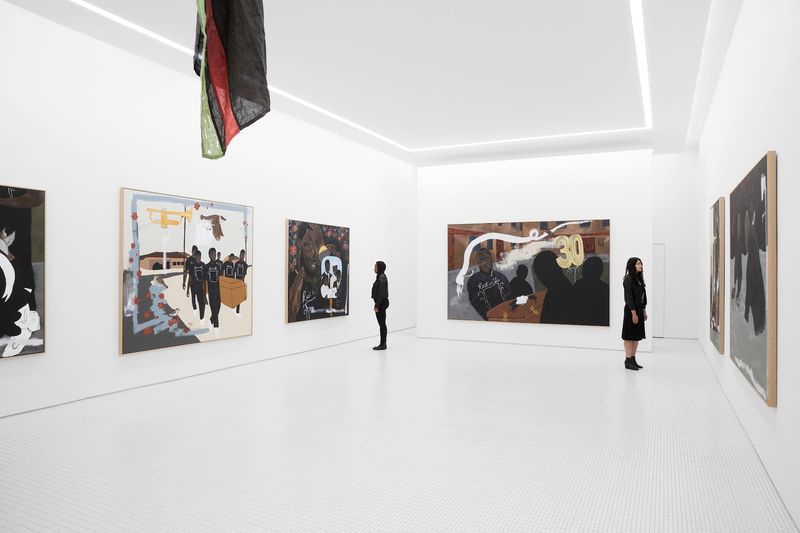
Inside, the city noise drops away and a bright, measured room takes over. High ceilings, pale exhibition walls, historic brick, mosaic flooring, marble details, and controlled lighting create a polished setting without overwhelming the artwork.
The gallery is compact enough to understand quickly, but visual details reward anyone willing to make another circuit.
Resist the urge to scan every wall in one fast sweep. Choose one artwork, step back, then move closer only where gallery rules allow.
Changes in distance can reveal brushwork, layering, edges, or scale that disappear in a quick photograph. A rear display wall also helps organize the space and separates public galleries from working areas, giving the interior its tidy, almost puzzle-like rhythm.
Look Beyond Famous Names
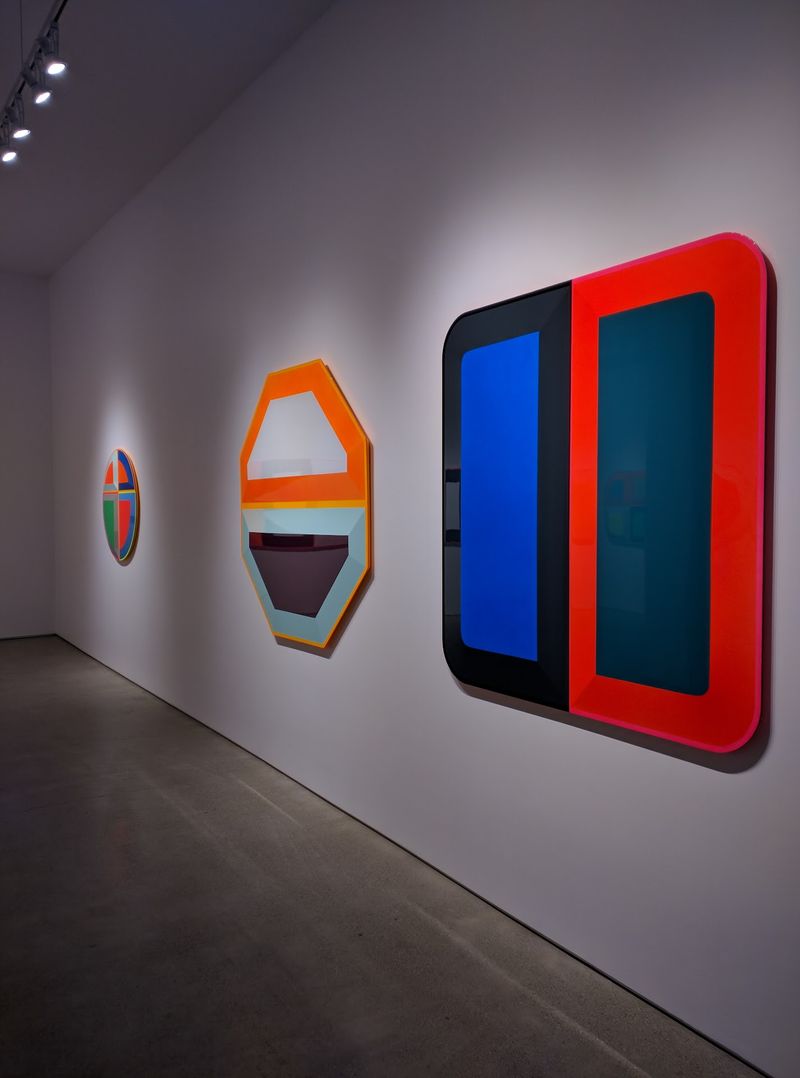
Recognition is not required at the door, which is part of the pleasure here. Library Street Collective presents established figures alongside emerging artists, including creators whose visual language developed through murals and other public spaces.
Past programming has included artists such as McArthur Binion, Frank Stella, Jammie Holmes, and Natalie Wadlington, although exhibitions continually rotate.
Instead of judging a show by familiar names, compare how different works handle line, surface, memory, or place. Wall text can supply context, but looking first may produce a more personal response.
I usually note one piece that surprises me, then read about its maker before returning for another look. That simple habit turns a small gallery visit into an active exercise rather than a quick checklist stop.
Connect Fine Art With Street Practice

One doorway separates two art experiences that museums often place in different categories. Inside are carefully installed contemporary works; nearby, The Belt carries murals and public installations into an everyday pedestrian route.
Library Street Collective’s programming makes those settings feel connected rather than ranked, especially when featured artists draw from practices developed in public space.
Try comparing one indoor work with one outdoor piece. Notice whether each uses scale, repeated symbols, sharp lettering, loose marks, or materials shaped by its surroundings.
Weather, brick, and street movement affect outdoor art, while gallery lighting offers tighter control indoors. The useful question is not which setting is better, but how each location changes your attention.
That comparison gives the visit its strongest thread.
Check The Exhibition Calendar First
Rotating exhibitions are the gallery’s heartbeat, so yesterday’s images are not a reliable guide to today’s walls. Before leaving, open Library Street Collective’s official website and confirm the current show, dates, special programs, and any schedule changes.
That quick check prevents disappointment between installations, when a gallery may need time to prepare its next presentation.
Reading a short artist biography beforehand can also make unfamiliar work easier to approach without spoiling discovery. Save deeper research until afterward if you prefer an unfiltered first impression.
Exhibition openings and events may bring larger crowds, while regular afternoon hours generally support quieter viewing. If a particular artist matters to you, contact the gallery directly for current access details rather than depending on an old event listing.
Visit During The Posted Hours
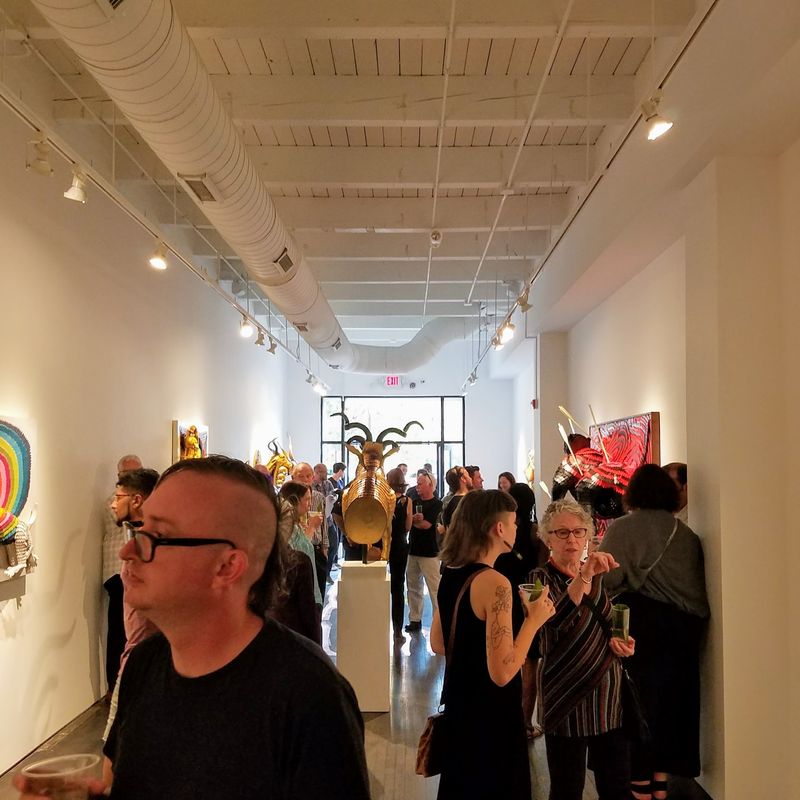
Timing matters because this is not an all-week museum with long daily hours. The listed public schedule is Thursday through Saturday, noon to 6 p.m., with Sunday through Wednesday closed.
Hours can change for installations, holidays, private events, or special programs, so confirm them through the official website before traveling downtown.
A focused visit may take less time than a large museum, but avoid arriving just before closing. Allow roughly thirty to sixty minutes for the interior, then reserve extra time for The Belt.
Earlier daylight can make outdoor colors easier to study and photograph. The address is 1274 Library Street, Detroit, Michigan 48226.
Save it in your map app, since nearby downtown buildings and one-way streets can distract first-time visitors.
Ask A Focused Question
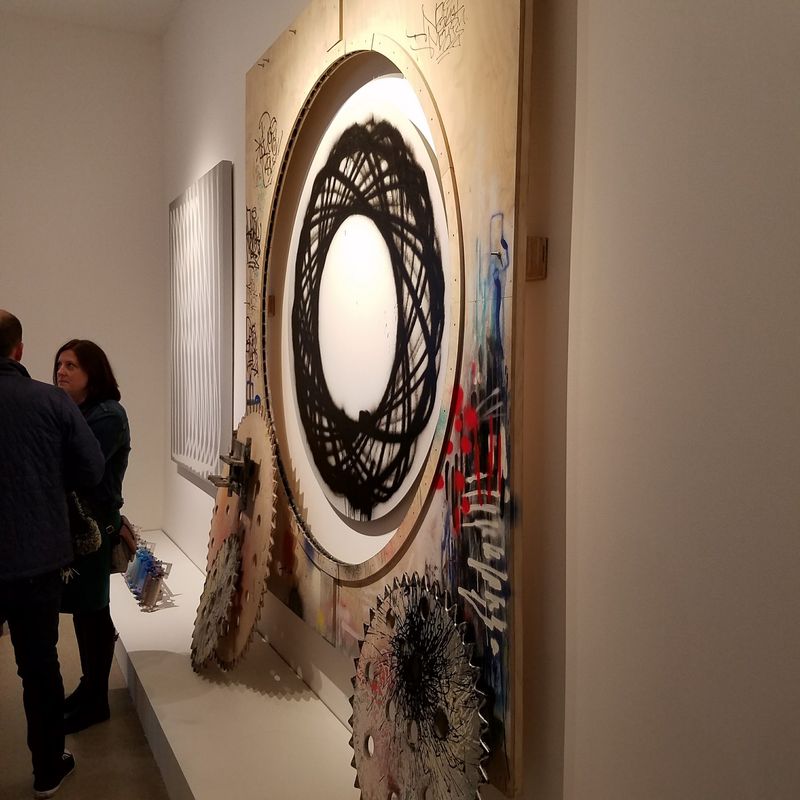
Contemporary art occasionally refuses to explain itself, which can be more invitation than problem. When the room is not busy, ask gallery staff a focused question about an artist, material, or installation choice.
A specific starting point often leads to helpful context while leaving enough mystery for your own interpretation.
You might ask whether a piece relates to Detroit, how an unusual surface was made, or where the artist has shown previously. Avoid requesting a complete meaning, since artists and viewers may approach the same work differently.
I prefer asking what detail is easiest to miss, then returning to the piece with that clue. Keep conversations brief when others need assistance, and remember that thoughtful curiosity is entirely welcome in a commercial gallery.
Photograph With Care
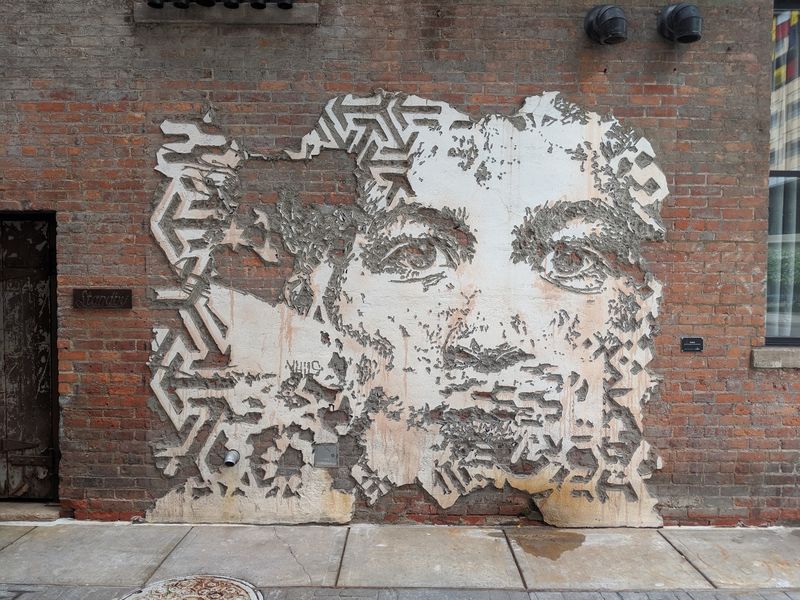
Bright walls and striking murals tempt the camera almost immediately, but good gallery manners improve both pictures and visits. Check posted rules before photographing indoors, and ask staff when guidance is unclear.
Keep flash off, maintain distance from artworks, and never lean against a wall or installation while framing a shot.
Outside, The Belt offers wider compositions, textured brick, and changing light, yet it remains a shared passage rather than a private photo set. Step aside for pedestrians and avoid blocking doors.
A straight-on image records an entire mural, while an angled view can show how the artwork fits the alley. Take one photograph, then spend a quiet minute looking without a screen.
Your memory deserves some space beside the camera roll.
Make The Small Scale Work
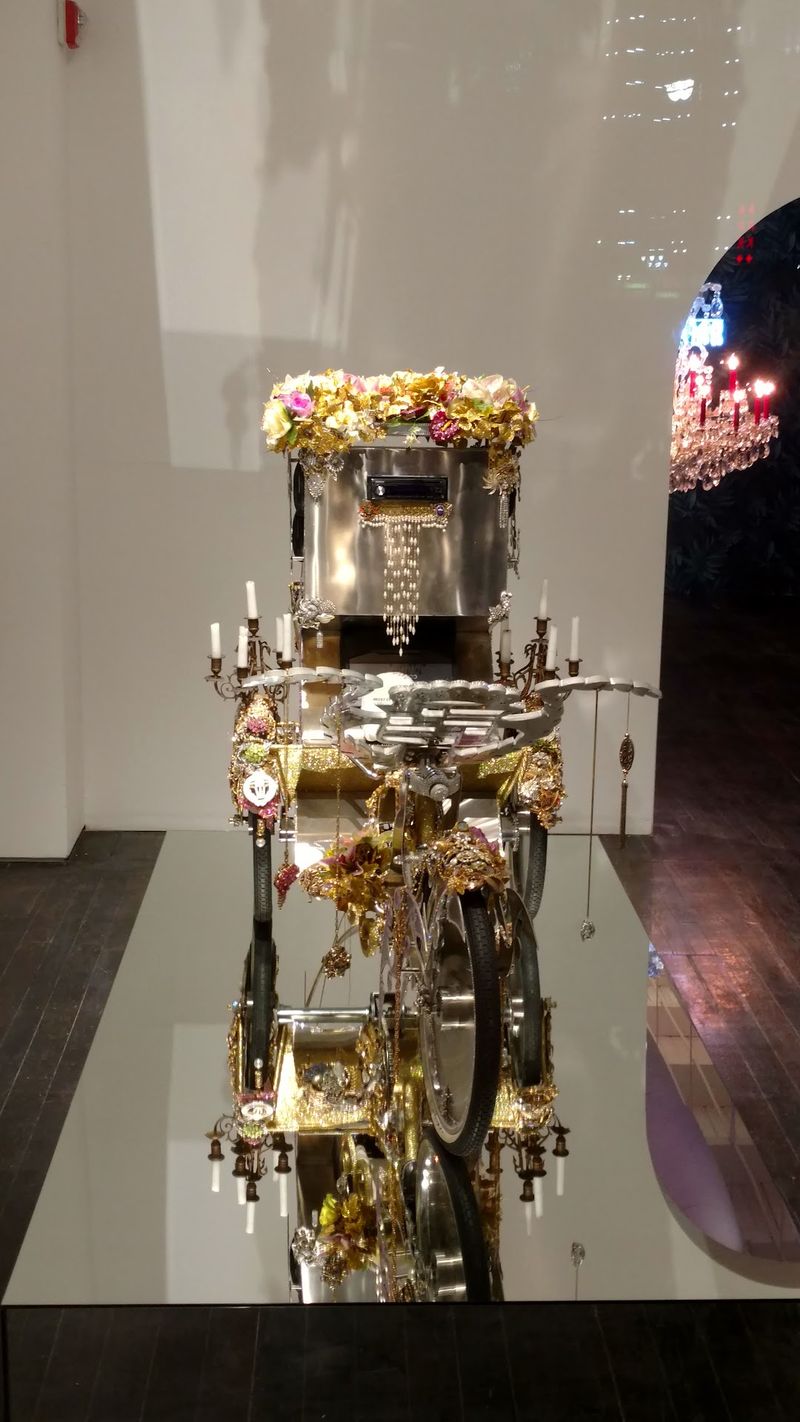
Small does not mean slight here; it means you can look without battling museum fatigue. Library Street Collective’s intimate footprint makes it easy to include during a downtown outing, yet rushing would miss the relationships among artworks, architecture, and The Belt.
Treat the space as a concentrated chapter rather than a shortened museum.
Make two passes through the exhibition. On the first, follow your instincts and notice what pulls you across the room.
On the second, read labels, inspect less obvious corners, and reconsider anything you skipped. Finish outside, where public art changes the mood and scale of the experience.
Because exhibitions rotate, another visit may introduce a completely different visual argument inside the same carefully designed setting. That repeatability is one of its quiet strengths.