
10 Tennessee Counties Where Black Bears Are Showing Up More Often
Think black bears checked “Great Smoky Mountains” on the lease and never bothered moving? Tennessee has news for you.
Bear sightings are showing up farther beyond their familiar East Tennessee strongholds, with wildlife officials reporting more activity in the middle of the state and occasional appearances out west. In other words, the state’s bear map is getting a few unexpected updates.
Some of these visitors are simply passing through, which can turn an ordinary trail-camera check into the wildlife equivalent of a surprise celebrity cameo. One minute it’s squirrels.
Next upload? Well, that escalated.
This does not mean every county suddenly has a permanent bear population. It does mean sightings outside the usual mountain territory deserve attention.
These Tennessee counties offer a fascinating look at where black bears have recently been turning up more often.
1. Cheatham County, Kingston Springs
Nobody expects a bear to show up at their morning routine, but Cheatham County residents near Kingston Springs got exactly that kind of wake-up call.
In June 2026, photos and videos began circulating of a black bear casually exploring yards, climbing onto a deck, and investigating bird feeders with the confidence of someone who owns the place.
A follow-up sighting near Pegram later that same month confirmed this was not a one-time wander.
Wildlife officials noted multiple bears moving through the region during this period. The TWRA was quick to clarify that these were likely transient bears, young animals dispersing from established populations to the east.
They were not setting up permanent households, just passing through and checking out the scenery.
Bird feeders, unsecured trash, and outdoor pet food are basically a five-star invitation for a curious bear. The best move is removing those attractants entirely during active bear season.
Cheatham County’s moment in the wildlife spotlight is a genuinely thrilling reminder that nature operates on its own schedule, completely unbothered by ours.
2. Dickson County

Dickson County had its own headline moment when a sizable black bear was spotted strolling through a property on Jesse Work Road in early June 2026. Imagine stepping outside with your morning coffee and finding that particular scene unfolding in your backyard.
The TWRA specifically flagged Dickson County as an area of recent bear activity, which means this was not an isolated fluke.
A second report followed near Charlotte in July, adding weight to the idea that bears are actively moving through this part of Middle Tennessee. These are typically young males, often called boars, striking out on their own after leaving their mother’s range.
They can cover surprising distances in a short time, which explains how they end up in places that seem so far from traditional bear country.
Garbage cans, compost bins, and even the lingering aroma from a backyard grill can pull a traveling bear off its intended path. Securing food sources is genuinely the most effective tool residents have.
Dickson County is now firmly part of the conversation about Tennessee’s expanding bear range, and that is a story worth paying attention to.
3. Hickman County
Hickman County might not have made your wildlife bingo card, but wildlife officials specifically identified it as an area of black bear activity during spring and early summer 2026. That designation matters, because it signals a documented pattern rather than a random one-off encounter.
The county’s rural landscape, with its mix of forests and farmland, makes it an appealing corridor for bears on the move.
Most of the bears showing up in places like Hickman County are juveniles. When a young bear gets pushed out of its home range, it starts walking, sometimes covering 50 miles or more in search of unclaimed territory.
Hickman County happens to sit along a natural travel route that connects eastern Tennessee’s established bear populations to the wider Middle Tennessee landscape.
Residents here are not looking at a permanent bear colony moving in next door. What they are seeing is nature doing what it has always done, expanding, adapting, and reclaiming old ground.
Keeping outdoor spaces free of food attractants gives these traveling bears every reason to keep moving peacefully. Hickman County is quietly becoming a key chapter in Tennessee’s broader bear comeback story.
4. Robertson County
On June 15, 2026, Robertson County logged its first confirmed bear report of the year near Horseshoe Road and Interstate 65 in Cross Plains. A bear near an interstate is the kind of news that stops a scroll in its tracks.
It is also a vivid illustration of just how far these animals are willing to travel when they are exploring new ground.
Additional reports followed from around White House later in the season, building a picture of consistent bear movement across the northern reaches of Middle Tennessee. Robertson County borders Kentucky and sits well west of the traditional Appalachian bear range, which makes these sightings genuinely significant from a wildlife perspective.
The TWRA monitors these movements carefully to understand the pace and direction of range expansion.
For drivers, the message is simple: be alert, especially near wooded areas and at dawn or dusk when bears are most active. For residents, the usual guidance applies.
Secure your trash, bring in pet food, and resist the urge to approach any bear you encounter. Robertson County is now part of a growing list of Middle Tennessee counties where a bear sighting is not just possible, it is increasingly plausible.
5. Smith County
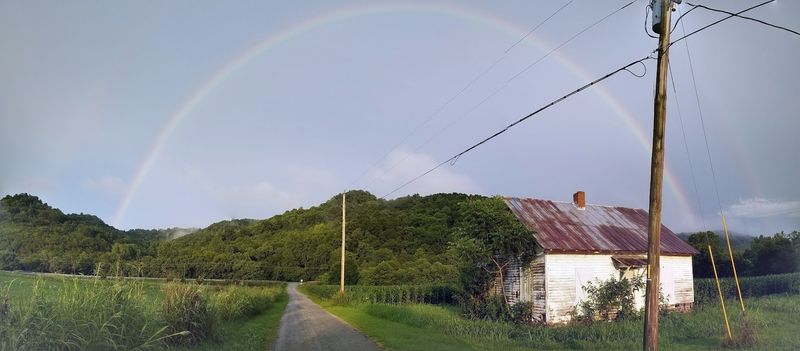
Smith County may not have had a bear walk directly into someone’s garden in 2026, but the conversation arrived loud and clear. The Smith County Insider published a timely TWRA reminder in June 2026 alerting residents that black bears were on the move across Middle Tennessee.
That kind of regional advisory does not appear for no reason. It signals that wildlife managers see credible evidence of bears operating in the broader area.
Being part of a region-wide alert is meaningful. It means Smith County sits within the expanding footprint of bear activity, even if individual sightings remain infrequent.
Think of it like hearing that a new restaurant is opening in your neighborhood. The experience has not happened yet, but the conditions are clearly in place.
The TWRA guidance shared with Smith County residents covered the basics of bear awareness, from securing trash and removing bird feeders to knowing what to do during an unexpected encounter. That information is just as relevant whether a bear has been spotted on your street or simply in your general region.
Smith County is watching the map change in real time, and being prepared is the smartest response to that shift.
6. Sumner County
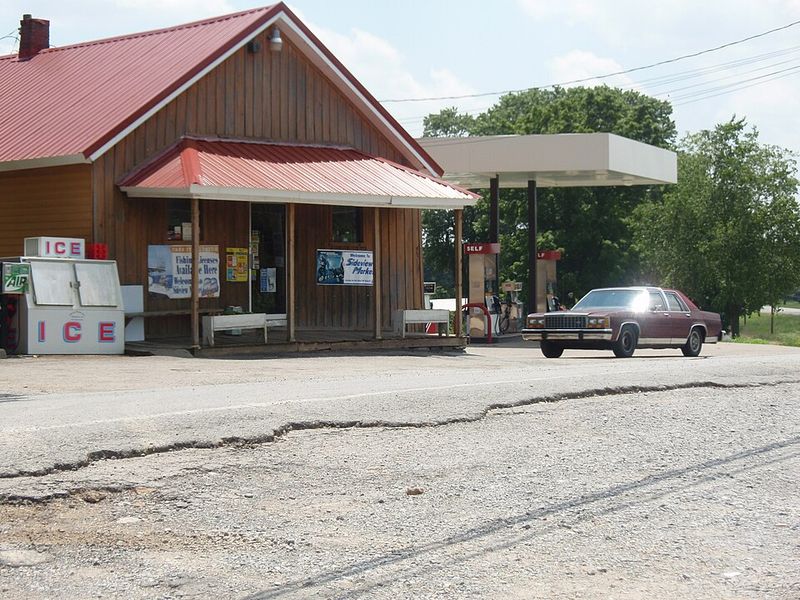
Sumner County delivered two very different kinds of bear stories in 2026, and together they paint a fascinating picture of how these animals interact with human spaces. First, trail camera footage near Westmoreland in April 2026 captured a black bear quietly moving through rural land after dark.
It was the kind of footage that makes you realize how much wildlife activity happens while you are fast asleep.
Then came the beehive incident near Bethpage in June 2026. A bear discovered a set of beehives and helped itself to the contents, causing real damage in the process.
Bears have an extraordinary sense of smell, reportedly seven times stronger than a bloodhound, and concentrated food sources like honey are nearly impossible for them to resist. This was not mischief.
It was pure bear logic at work.
The two scenarios together illustrate something important. A bear passing quietly through is very different from a bear that has found a reliable food source and keeps returning.
Removing or securing attractants before a bear discovers them is far easier than dealing with a repeat visitor. Sumner County’s 2026 bear activity is a practical classroom in coexistence, and the lessons are worth learning before your beehives become the next case study.
7. Wilson County, Lebanon
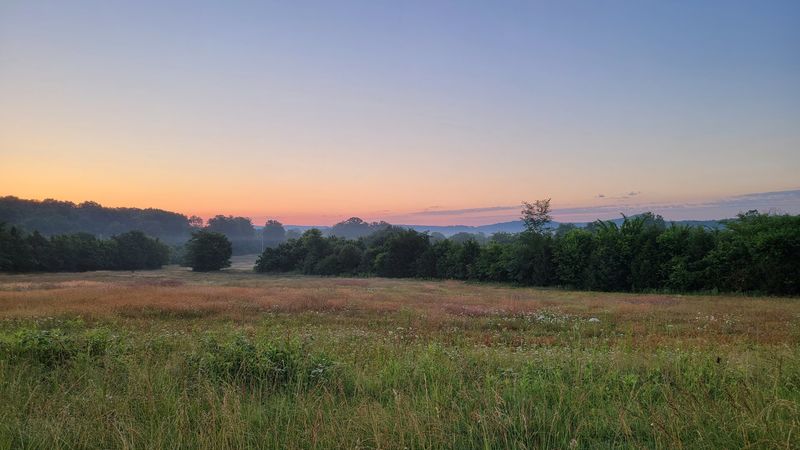
Wilson County joining the list of Middle Tennessee counties with documented bear activity in 2026 is the kind of plot development that raises eyebrows. Wildlife officials specifically named Wilson County alongside Hickman, Dickson, and Sumner as areas experiencing recent bear presence.
For a county that includes a city like Lebanon, that is a genuinely surprising development worth unpacking.
Bears showing up near more developed areas are almost always transient animals. They are not scouting real estate or planning a long-term stay.
They are moving through, following scent trails and natural corridors, often without any intention of lingering. The TWRA is clear that increased sightings do not automatically mean an established breeding population has formed.
Range expansion and a permanent colony are two very different things.
That said, a bear moving through a suburban area creates real safety considerations. Outdoor grills, unsecured garbage, and even fruit trees can slow a bear down considerably.
Wilson County residents who stay informed and take simple precautionary steps will be far better positioned to share their landscape gracefully with these passing travelers. The fact that bears are reaching Wilson County at all is a genuine conservation milestone worth celebrating with appropriate caution.
8. Putnam County, Cookeville

Putnam County residents have a bit more context for bear sightings than some of their western neighbors, given that the eastern portion of the county already falls within an established TWRA bear hunt zone. Still, increased activity reported near Baxter and Cookeville in May 2026 marked a notable uptick for the season.
When bears start showing up closer to a city like Cookeville, people pay attention.
A specific report from Algood highlighted the role of accessible trash in attracting bears to residential areas. This is a pattern the TWRA sees repeatedly.
A bear that finds an easy meal is a bear that comes back. Removing that incentive is the single most effective thing a community can do to reduce conflict and keep bears moving along their natural routes.
Putnam County’s geography, sitting at the edge of the Cumberland Plateau, makes it a natural gateway for bears moving between the eastern mountains and central Tennessee. The bears appearing near Cookeville are likely following creek corridors and forested ridgelines that connect the wilder east to the more populated west.
Putnam County is essentially ground zero for watching Tennessee’s bear expansion unfold in real time.
9. Moore County
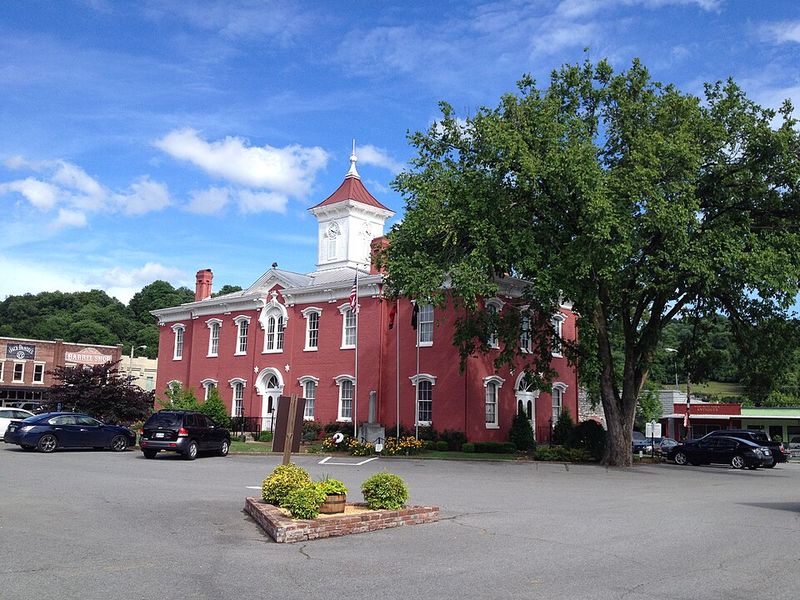
Moore County is best known for something entirely different, but in April 2026, The Lynchburg Times brought a new kind of story to its readers. A black bear sighting at Fiery Gizzard State Park was reported as a significant indicator of the broader trend of bears returning to Middle Tennessee.
The publication framed the news as directly relevant to Moore County residents, reflecting an understanding that the regional shift is real and ongoing.
Wildlife biologists have long noted that black bears once roamed the entire state of Tennessee before habitat loss and hunting pressure pushed them into isolated mountain strongholds. What is happening now is a natural reclamation of that historical range, supported by decades of conservation work and growing bear populations in the east.
Fiery Gizzard sits close enough to Moore County to make the connection feel immediate.
For a small, quiet county like Moore, a bear story carries weight. It prompts conversations about coexistence, about what it means to share a landscape with a species that is simply returning home.
The TWRA encourages residents throughout the region to stay informed and respect these animals from a safe distance. Moore County’s wildlife chapter is just getting started, and it is one worth following closely.
10. Madison County
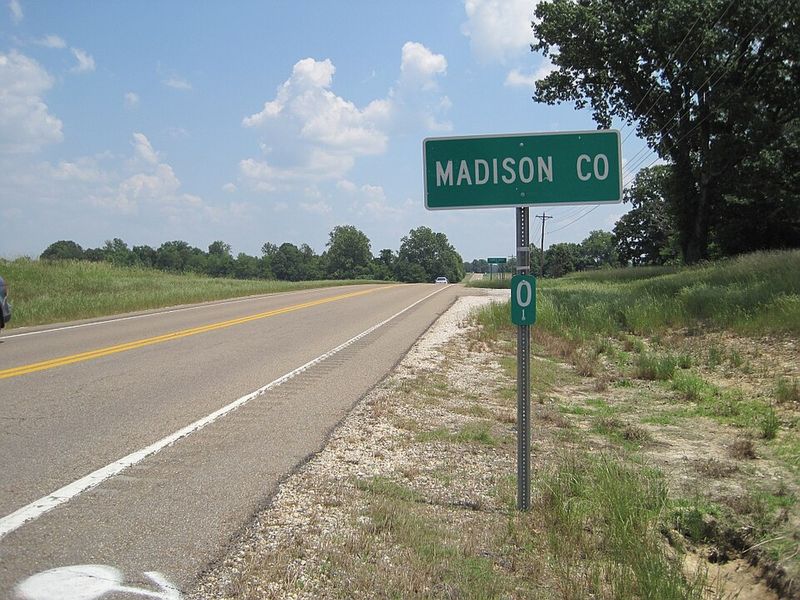
When a black bear shows up in Jackson, Tennessee, you know the range expansion story has reached a genuinely dramatic new chapter. In July 2026, a bear that had been tracked near the Carroll and Henderson county line continued its westward journey and entered Madison County.
Residents near Christmasville Road and Henderson Road reported sightings, and camera footage confirmed the bear was moving through residential areas with calm, purposeful energy.
A TWRA spokesperson confirmed that the bear was exhibiting typical dispersal behavior, the kind of long-distance travel that young bears undertake when establishing their own range. West Tennessee has not seen this kind of wildlife activity in a very long time.
The sighting sparked genuine excitement and a healthy dose of neighborly curiosity across Jackson’s community channels.
Madison County’s bear visit is perhaps the most striking entry on this entire list, because it represents how far the story has traveled, literally and figuratively. From the Smoky Mountains to the banks of the Forked Deer River, Tennessee’s black bears are rewriting expectations one county at a time.
As Tennessee’s wildlife map continues to shift, one question lingers for all of us: are you ready to be a good neighbor to the wild?