
10 Rhode Island Hiking Trails Where October’s Deer Rut Can Make Encounters More Common
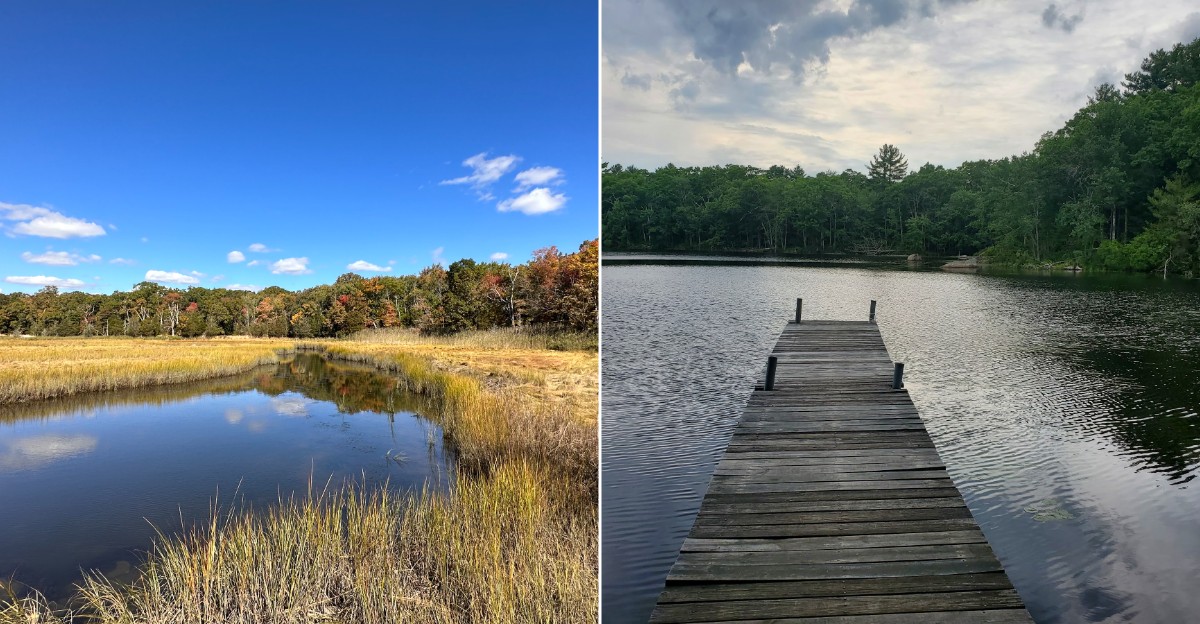
Why did the buck cross the trail? By late October in Rhode Island, there is actually a pretty good biological excuse.
That is when the white-tailed deer rut begins stirring things up. Bucks start covering more ground as breeding season gets underway, which means a quiet woodland hike can occasionally come with an unexpected pair of antlers in the background.
Think less Disney forest scene, more “Okay, everybody stop moving for a second.”
November brings the busiest part of the rut, but late October is when that extra movement starts becoming noticeable.
There is one important fall accessory, though, and it is not optional in certain public areas. Fluorescent orange.
With hunting seasons underway, hikers should check the rules for each property before heading out.
These Rhode Island trails pair October scenery with places where deer are already part of the landscape.
1. Sachuest Point National Wildlife Refuge
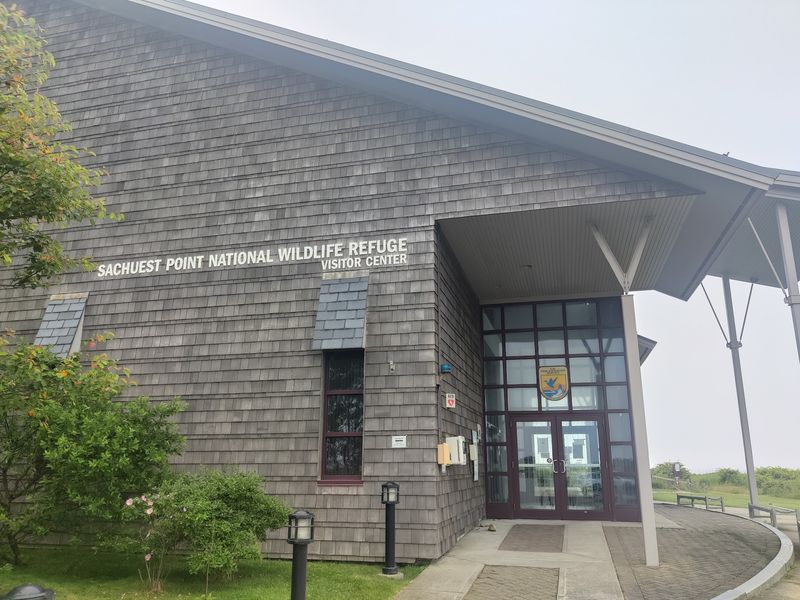
Picture three miles of winding coastal trail, salt air on your face, and a white-tailed deer casually grazing like it owns the whole peninsula. That is the Sachuest Point experience in a nutshell.
Located at 769 Sachuest Point Road, Middletown, RI 02842, this refuge sits on a dramatic rocky point flanked by two beaches, making it one of the most visually stunning places to hike in the entire state.
White-tailed deer are spotted here year-round, and as late October rolls in and the rut begins building momentum, bucks become noticeably more restless. The shrubby coastal thickets provide excellent cover, so keep your eyes scanning the edges of the vegetation rather than the open ground.
Early morning visits tend to reward the most patient hikers.
One of the biggest perks at Sachuest Point is that hunting of any kind is not permitted here, so you can hike freely without worrying about orange vests or seasonal closures. The refuge is open sunrise to sunset every day.
Bring binoculars, walk softly, and let the scenery do the heavy lifting. Coastal deer encounters with ocean backdrops are genuinely rare, and Sachuest Point delivers that combination beautifully.
2. Ninigret National Wildlife Refuge
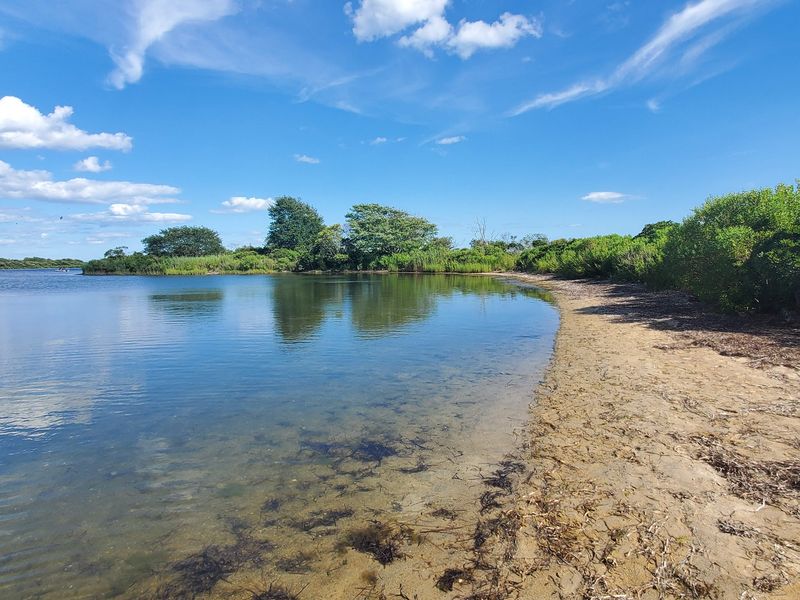
There is something almost cinematic about watching deer emerge onto the wide, open restored runways at Ninigret as the sun drops low in the October sky. This refuge has a reputation among wildlife watchers for exactly that kind of moment.
Ninigret National Wildlife Refuge, located at 50 Bend Road, Charlestown, RI 02813, sits along the edge of Ninigret Pond and offers a varied landscape of grasslands, shrubs, and woodland edges that deer absolutely love.
The Salt Pond Unit is particularly known for deer congregating in the evenings, which lines up perfectly with late October rut behavior when bucks push through open areas searching for does.
Trails are open sunrise to sunset, and the Kettle Pond Visitor Center is open daily from 10 AM to 4 PM if you want a quick orientation before hitting the path.
Hunting is permitted in designated areas of this refuge, so wearing bright colors is strongly recommended for all visitors during the season. Also worth noting: the Salt Pond Unit will be closed to all users during the Veteran Deer Hunt on November 14 and 15, 2026.
Plan your late October visit before those closures kick in and you will have the trails at their most active and accessible.
3. Trustom Pond National Wildlife Refuge
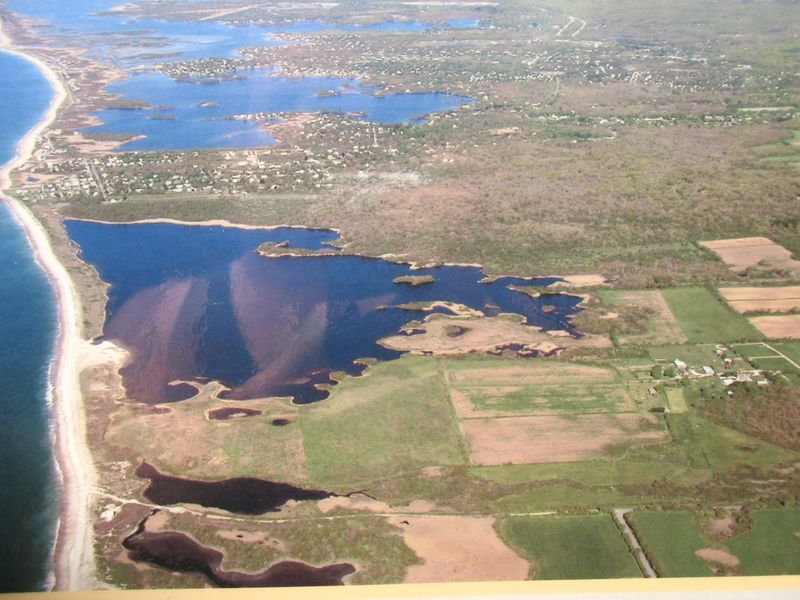
Trustom Pond has this quiet, almost secretive quality that makes every wildlife sighting feel like a personal gift. The refuge is the only undeveloped coastal pond in Rhode Island, and that undisturbed shoreline creates ideal habitat for white-tailed deer moving along field margins during the early rut.
The address is 1040 Matunuck Schoolhouse Road, South Kingstown, RI 02879, and it is worth every mile of the drive.
Deer are regularly documented here, particularly along the grassy edges where woodland meets open coastal habitat. Late October is when buck movement starts picking up, so early morning hikes along the pond trail offer a real shot at a close encounter.
The light at that hour, bouncing off the water with autumn color all around, makes the whole thing feel almost unreal.
A heads-up on timing: the refuge runs archery-only deer hunts by lottery permit, and the entire refuge closes to all other activities during hunting sessions scheduled for November 4 to 10, 2026. Your late October window is wide open before those dates, so take advantage of it.
Trustom Pond is one of those places that rewards visitors who show up without expectations and simply pay attention to what the landscape is doing.
4. George B. Parker Woodland Wildlife Refuge
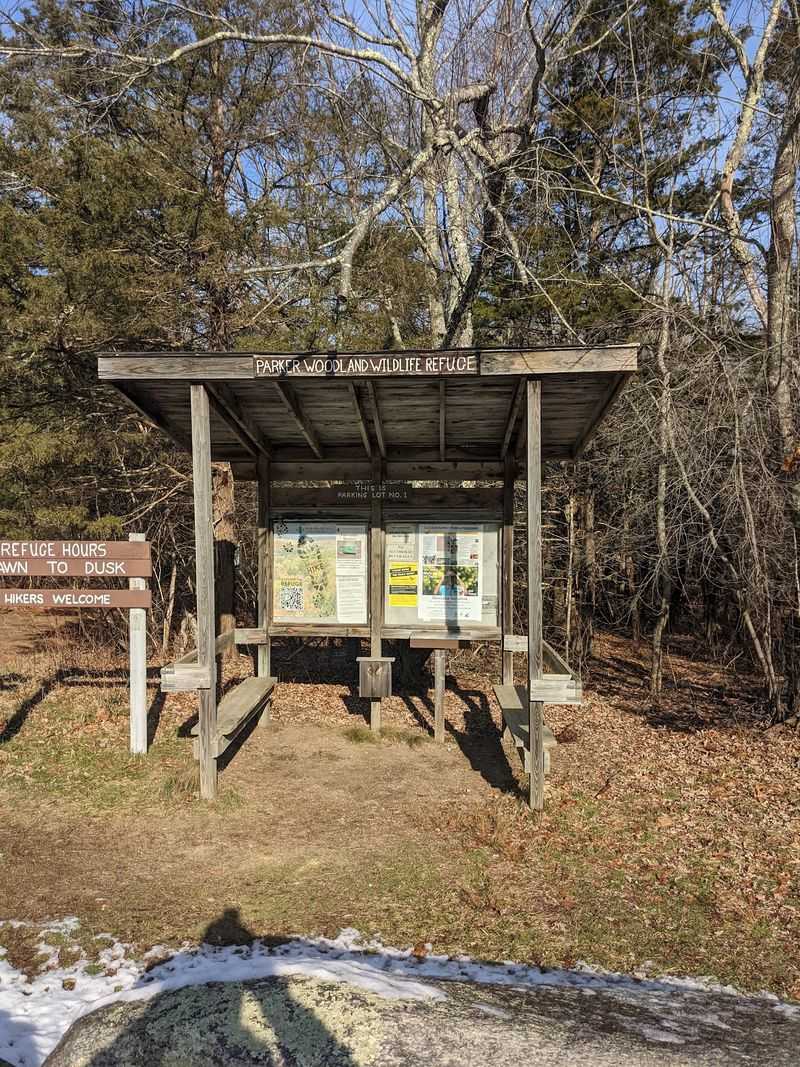
George B. Parker Woodland is the kind of place that feels like it was designed specifically for people who want to get genuinely lost in nature, in the best possible way.
The trail system here is extensive and sometimes challenging, winding through a richly layered forest that feels a world away from the rest of Rhode Island. The refuge is located near 1670 Maple Valley Road, Coventry, RI 02827, managed by the Audubon Society of Rhode Island.
Deer are among the documented wildlife at Parker Woodland, and the dense forest interior mixed with open clearings creates the kind of varied habitat that white-tailed deer favor during the rut.
Bucks in late October begin expanding their home ranges, which means trails that cut through different habitat types, like this one does, are especially productive for sightings.
Because this is an Audubon Society property, hunting, fishing, and trapping are not permitted here at all. That makes it a genuinely relaxed hiking environment with no need for blaze orange or seasonal scheduling worries.
Dogs are not allowed on the trails, which actually works in your favor since fewer disturbances mean more wildlife activity close to the path. Parker Woodland rewards hikers who move slowly and keep their eyes on the forest floor transitions.
5. Fisherville Brook Wildlife Refuge
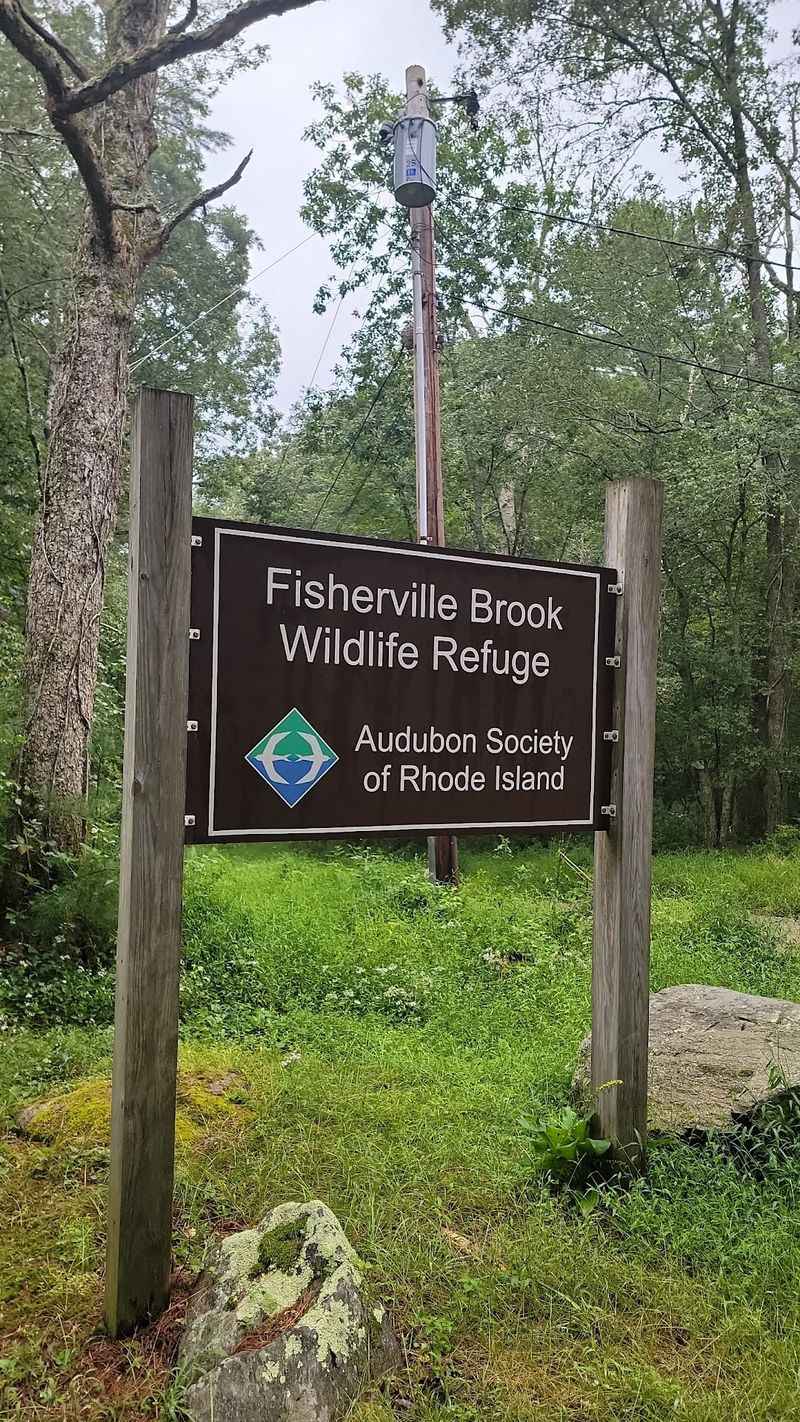
Fisherville Brook holds a pretty impressive title as the largest public property managed by the Audubon Society of Rhode Island, and it earns that distinction with miles of trails through wetlands, upland forests, and meadows that feel genuinely wild.
Located at 99 Pardon Joslin Road, Exeter, RI 02822, this refuge gives you the kind of elbow room that makes wildlife encounters feel organic rather than staged.
White-tailed deer share the land here with beaver, otter, and fox, which tells you something about the quality of the habitat. During late October, as the rut begins building, deer movement increases noticeably around dawn and dusk.
The brook corridors and wetland edges are particularly good spots to pause and watch, since deer use water sources as natural travel routes when they are covering more ground.
Hunting, fishing, and trapping are not permitted at Fisherville Brook, so the whole property is a relaxed, no-pressure environment for hikers of all experience levels. Dogs are not allowed on the trails, keeping the atmosphere calm for wildlife.
If you want a long, immersive autumn hike where a deer encounter feels genuinely earned rather than accidental, Fisherville Brook has the space and the habitat to make that happen in a memorable way.
6. Touisset Marsh Wildlife Refuge
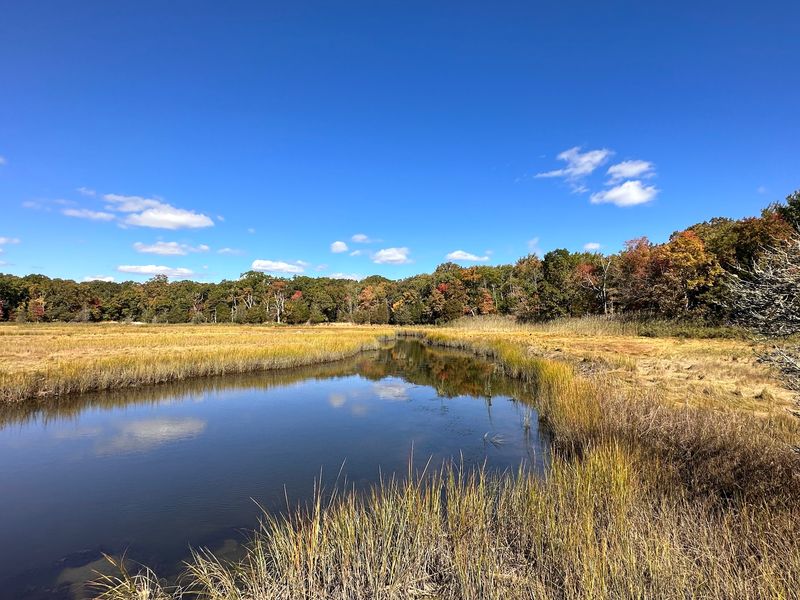
Not every great wildlife trail needs to be an epic all-day expedition, and Touisset Marsh makes that point beautifully. This compact 1.2-mile loop packs a surprising variety of habitats into a short walk, moving through salt marsh, upland forest, and shrubby coastal edges that attract a wide range of wildlife.
The refuge is at 99 Touisset Road, Warren, RI 02885, right on the eastern shore of Narragansett Bay.
Deer are among the wildlife documented at Touisset Marsh, and the mix of open marsh edges and wooded corridors creates natural travel lanes that deer use regularly.
As the late October rut begins to stir, even a short loop like this one can produce an unexpected close encounter, especially if you walk slowly and pause often at habitat transitions.
The marsh reflections in October light are a bonus you did not know you needed.
Hunting is not permitted here, and the Audubon Society manages the property with a no-dogs policy to protect the sensitive marsh ecosystem. Trails can be seasonally wet and muddy in autumn, so waterproof footwear is genuinely useful rather than just optional.
Touisset Marsh is proof that sometimes the best wildlife experiences come from the places you almost overlooked on the map.
7. Maxwell Mays Wildlife Refuge
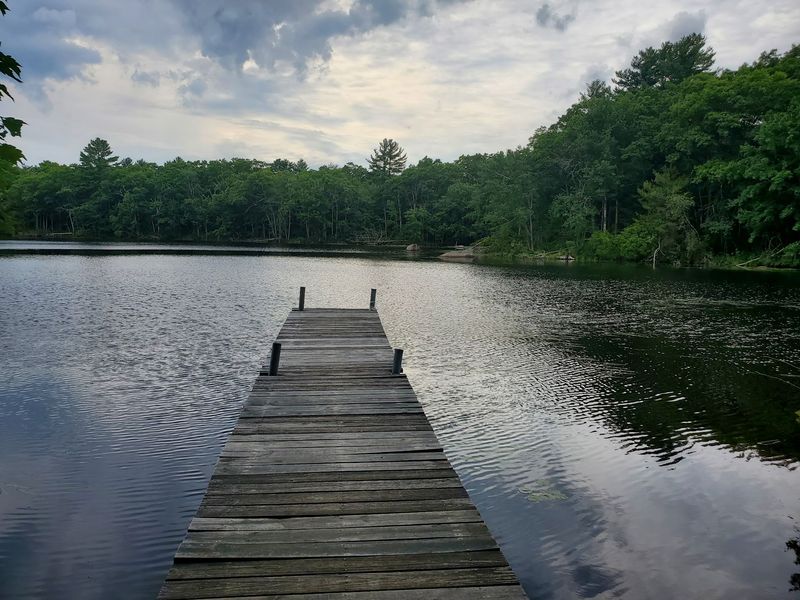
Maxwell Mays has a personality all its own. The trails here wind through an almost theatrical variety of terrain, from upland forests and open meadows to wetlands, streams, and quiet ponds, all packed into one remarkably well-connected property.
This Audubon Society refuge is at 2082 Victory Highway, Coventry, RI 02816, and it is the kind of place where the landscape keeps surprising you around every bend.
White-tailed deer are among the documented wildlife at Maxwell Mays, and the diversity of habitat types here is exactly what makes late October visits so interesting. Bucks in the early rut tend to move between habitat edges, which this refuge has in abundance.
Open meadow borders backed by dense woodland are classic rut-movement corridors, and Maxwell Mays has several of them strung along its trail system.
Because this is an Audubon property, no hunting is permitted, which means you can focus entirely on the experience without scheduling around seasonal restrictions. Dogs are not allowed on the trails, keeping the wildlife undisturbed and more likely to appear at predictable times.
Arrive at first light if you can, because deer movement in the early rut peaks around dawn and the meadow sections of this trail deliver some genuinely breathtaking morning scenes worth waking up early for.
8. Emilie Ruecker Wildlife Refuge
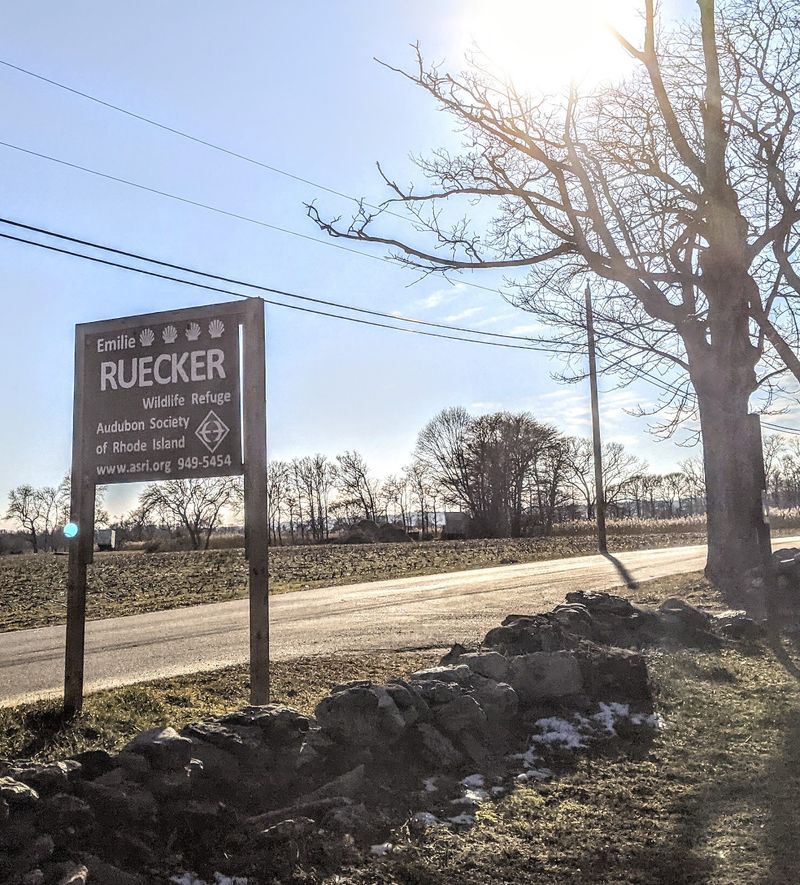
Emilie Ruecker is one of those refuges that feels like a well-kept secret, even though it is right there on the map. The trails wind through a lovely combination of upland woods and open salt marsh, and the tidal edges create a moody, atmospheric backdrop that is especially striking when October foliage peaks.
The refuge is located at 116 Seapowet Avenue, Tiverton, RI 02878, tucked along the Sakonnet River estuary.
Deer are documented wildlife at Emilie Ruecker, and the woodland-to-marsh transition zones are natural movement corridors that become more active as the rut begins in late October. Deer often use marsh edges for travel, keeping the tree line close for cover while moving between feeding and bedding areas.
Slow, patient walking along the wooded sections rewards hikers who resist the urge to rush through.
Managed by the Audubon Society, the refuge prohibits hunting, fishing, and trapping, making it a welcoming space for wildlife watchers at any experience level. Dogs are not permitted on the trails.
The combination of tidal marsh views and the possibility of a deer stepping out of the autumn woods makes Emilie Ruecker one of the most atmospheric refuges on this entire list. Sometimes the quietest trails hold the most remarkable moments.
9. Fort Wildlife Refuge
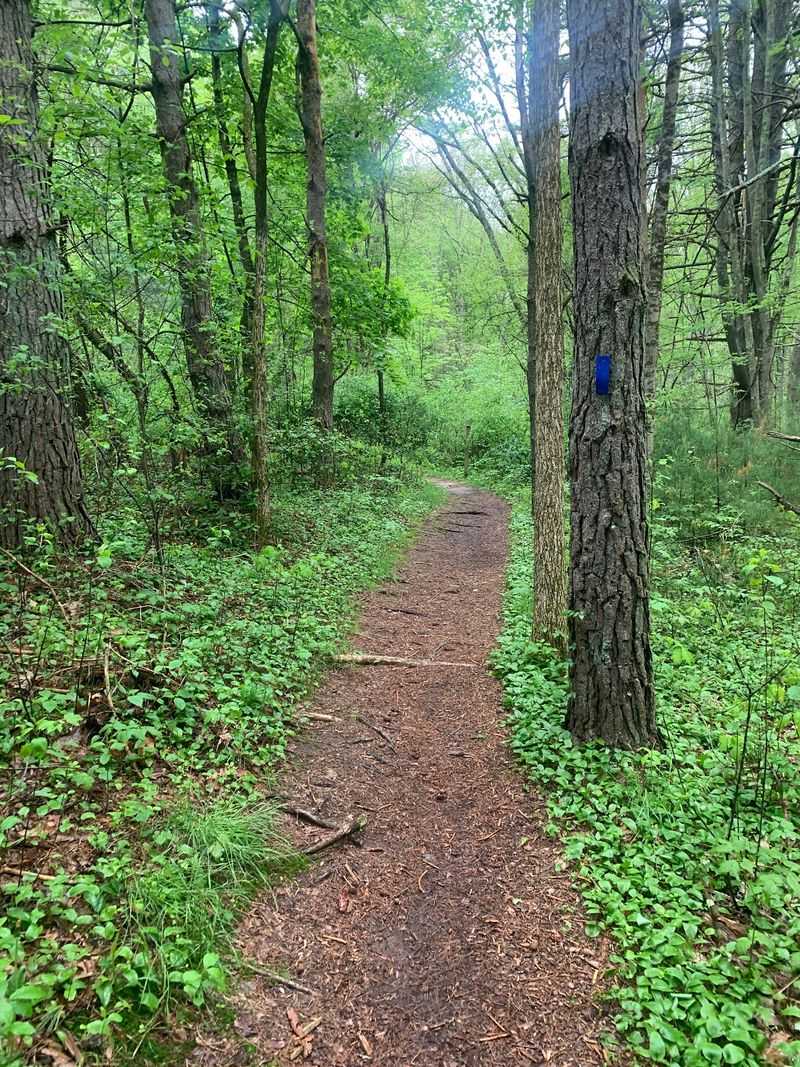
Fort Wildlife Refuge sits quietly in the northern corner of Rhode Island, and it has a kind of unhurried, old-growth energy that feels genuinely rare in a small state. With 3.5 miles of trails moving through mixed forest and open areas, there is enough variety here to keep a hike interesting from start to finish.
The refuge is at 1445 Providence Pike, North Smithfield, RI 02896, managed by the Audubon Society of Rhode Island.
Deer are among the animals documented at Fort Wildlife Refuge, and the forested interior with its patchwork of clearings creates solid habitat for white-tailed deer year-round.
As late October arrives and the rut begins picking up pace, bucks start covering more ground, and trails that pass through varied forest structure like this one tend to produce more frequent sightings.
Keep an eye on any open areas where sunlight breaks through the canopy.
Hunting is not permitted at Fort Wildlife Refuge, and dogs are prohibited on the trails. That combination of no hunting pressure and minimal trail disturbance means the deer here tend to behave more naturally and less warily than in areas with active hunting seasons nearby.
Fort Wildlife Refuge is the kind of place that makes you wonder why you ever drove past it without stopping, and late October is the perfect reason to finally turn in.
10. Powder Mill Ledges Wildlife Refuge
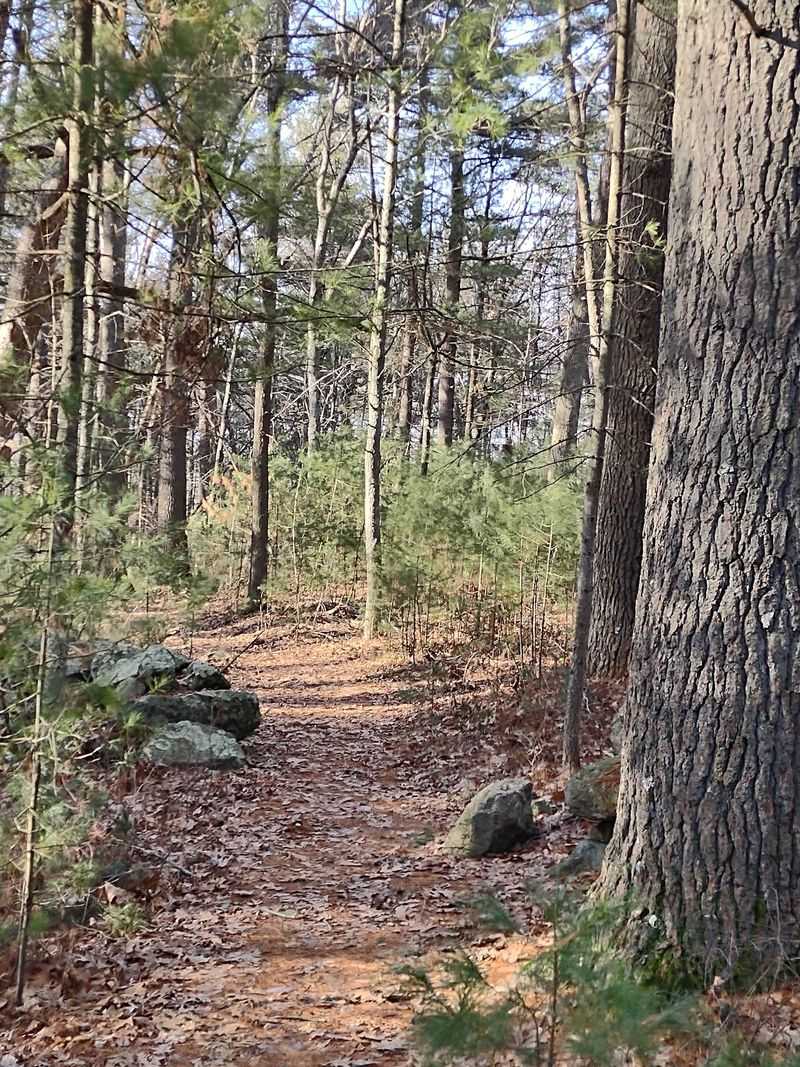
Powder Mill Ledges carries a certain prestige as the headquarters of the Audubon Society of Rhode Island, and the trails here reflect that standing with a well-maintained, thoughtfully designed network through rocky upland forest.
Located at 12 Sanderson Road, Smithfield, RI 02917, this refuge offers a genuinely beautiful autumn hike where the rocky ledge outcroppings add dramatic texture to the October foliage backdrop.
White-tailed deer make their home at Powder Mill Ledges and are among the wildlife regularly sighted on the property. The mix of dense woodland, open understory sections, and rocky terrain creates the kind of layered habitat that deer navigate naturally during the rut.
Late October visits, particularly in the early morning hours, give hikers the best chance of catching a buck moving through the trees with purpose rather than just browsing casually.
Hunting is not permitted here, and dogs are not allowed on the refuge trails. Restrooms are available when the Audubon Society office is open, typically Monday through Friday from 9:30 AM to 4:30 PM.
Powder Mill Ledges is a fitting place to wrap up this list, because it captures everything that makes Rhode Island wildlife refuges so special in October. Have you found your favorite trail on this list yet?
There is only one way to know for sure.