
This Traverse City, Michigan, Warehouse Packs Salvaged Doors, Industrial Lights, and Vintage Finds Into Every Corner
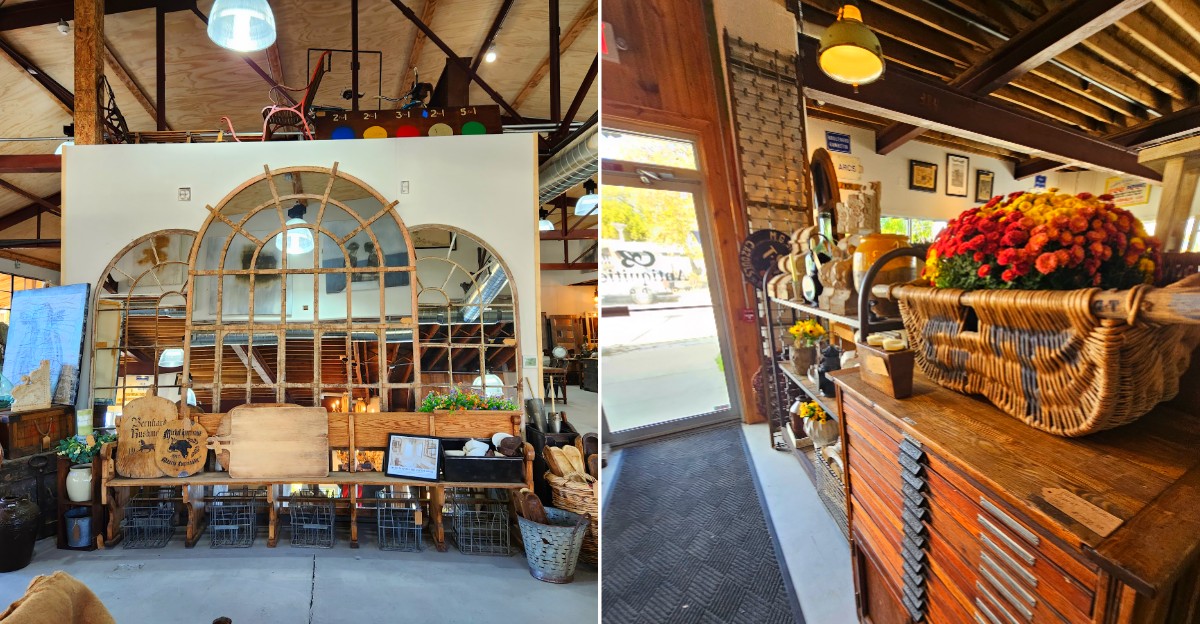
Seven thousand square feet and I could not find the exit. Not because the layout is confusing, but because every corner held something I wanted to take home.
French doors stacked against a wall of reclaimed shutters.
Industrial pendant lights hanging from iron pipes. A table made from a factory cart that I measured twice because it would fit my kitchen.
The warehouse specializes in architectural salvage, which means the inventory shifts constantly as shipments arrive from demolished buildings across the Midwest.
I watched a couple debate a set of church pews while another customer loaded brass hinges into a bag without checking the price.
Nothing here is mass-produced. Nothing here exists in a catalog.
You buy it on the spot or you spend the drive home thinking about what you left behind. Every salvaged door and vintage fixture in this Michigan warehouse has a past worth knowing.
Measure Before Meeting The Doors
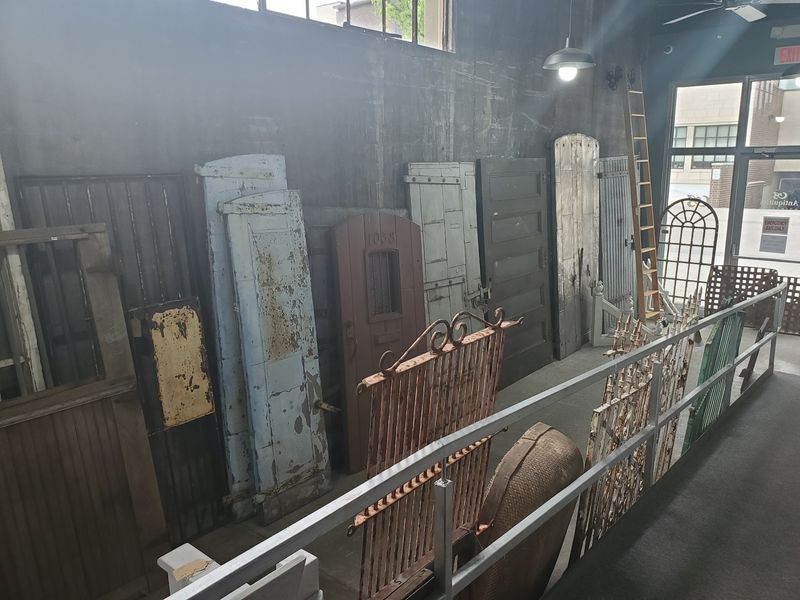
Doors command attention here like tall, silent characters. The inventory can include barn doors, French doors, glass doors, shutters, and sturdy metal examples sourced from Europe and the United States.
Their worn paint, old hardware, and unusual proportions provide character that newly manufactured pieces often imitate.
Bring exact measurements for your opening, wall, ceiling, hallway, vehicle, and stairway. Dimensions for aged doors can naturally vary by one to three inches, so confirm every measurement in person before buying.
Ask whether a suitable piece is stored off-site if the showroom does not reveal the right match. Photographs of your project can also help staff understand the intended use.
Remember to allow space for hinges, tracks, trim, handles, and professional installation at home.
Folgarelli’s Across The Street Is The Clue
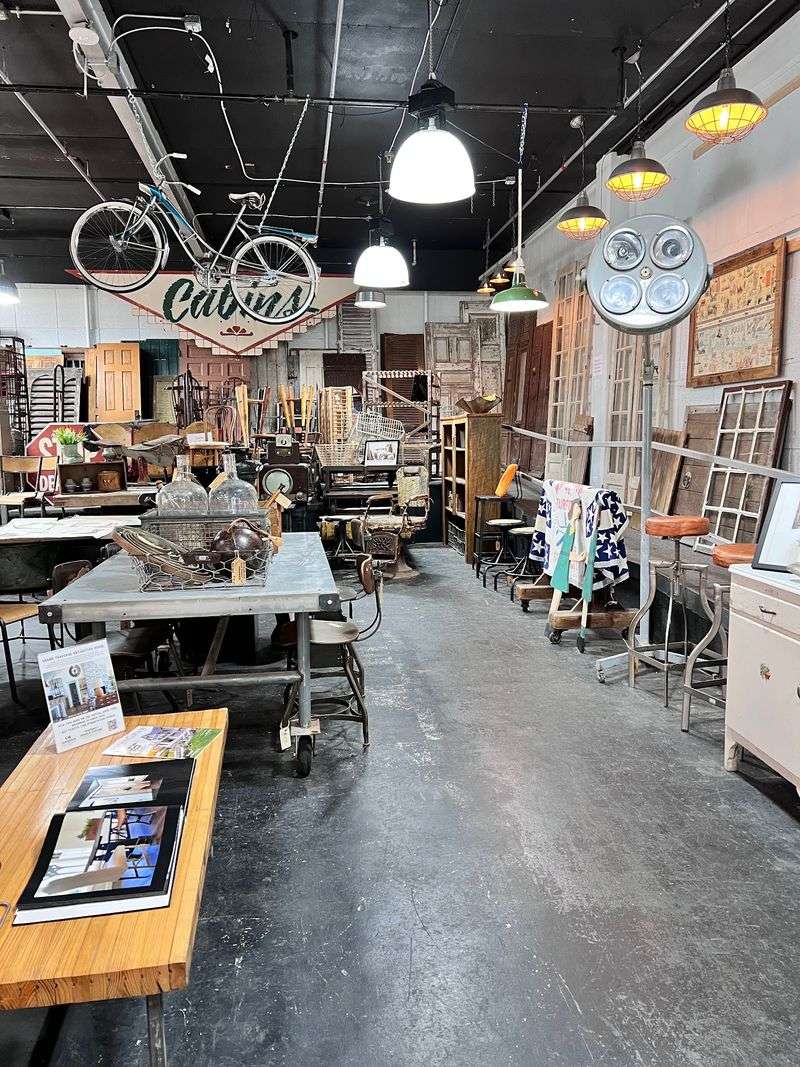
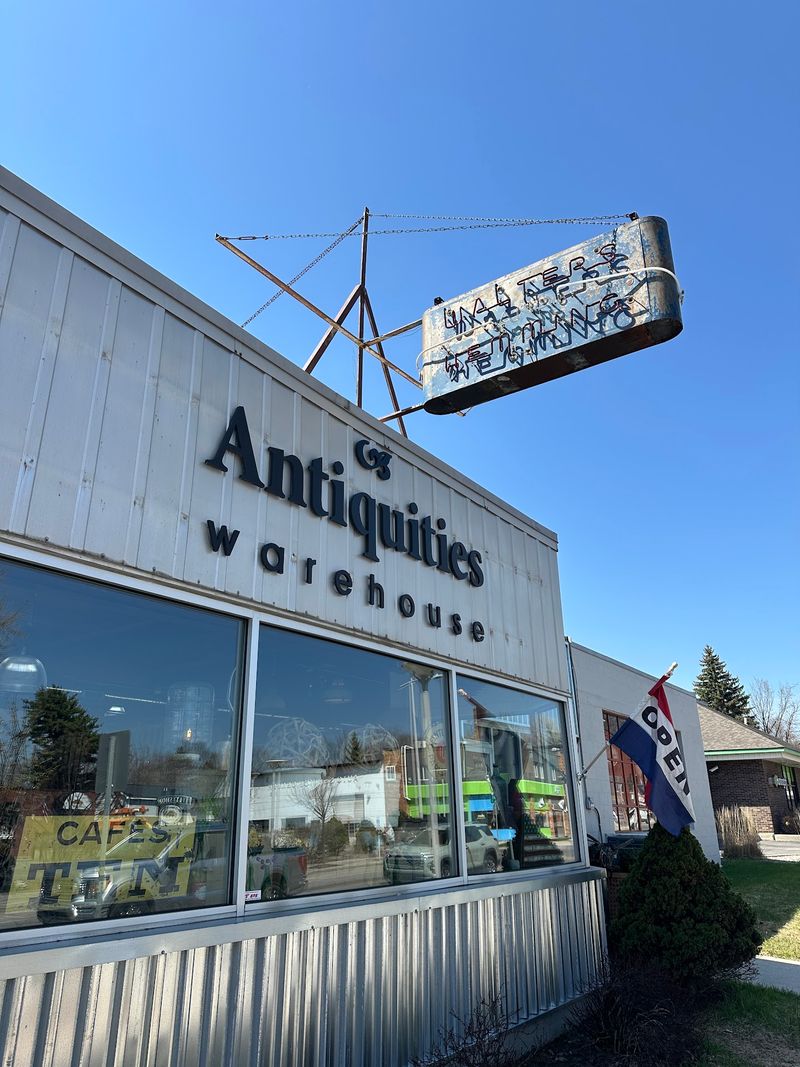
Antiquities Warehouse of Grand Traverse sits at 421 W Front Street in downtown Traverse City, Michigan. West Front Street is the road to aim for, with the showroom set just beyond the busier heart of downtown.
The easiest way to place it is by the neighbors: Folgarelli’s Market is directly across the street, while the warehouse sits between Huntington Bank and Lume. Once those landmarks line up, you are in the right block.
Pull into the free customer parking lot at the showroom and head straight inside from there. No garage or downtown parking hunt is necessary unless the on-site spaces are full.
Look Up For Industrial Light
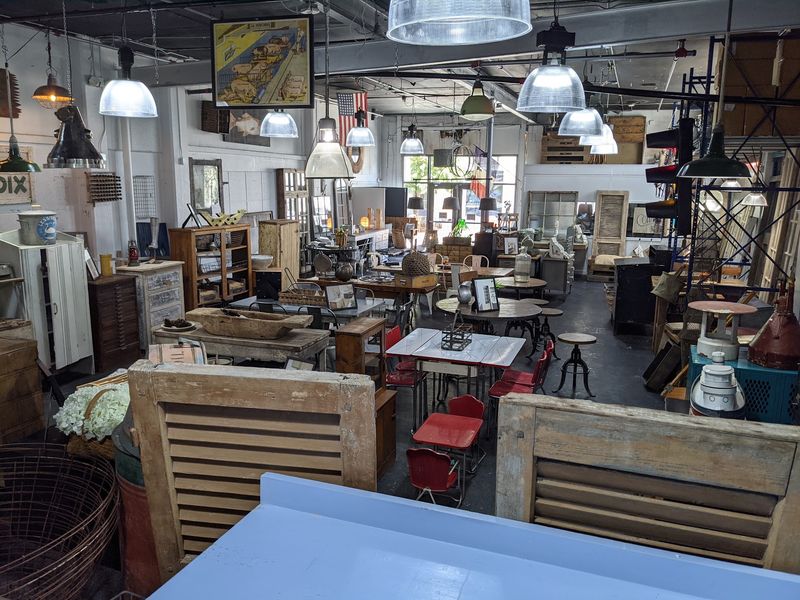
Overhead, the lighting display rewards anyone who remembers to look up. Possible finds include Holophane glass warehouse pendants, antique brass fixtures, German scissor lights, iron cage pendants, and black porcelain industrial lights.
Many designs began in factories, where durability and useful illumination mattered more than decoration.
Before choosing one, note the ceiling height and room size at home. A heavy pendant that looks balanced inside a warehouse may dominate a compact dining area or hang too low above a walkway.
Ask what electrical updates have been completed and consult a qualified electrician about safe installation. Check the canopy, chain, cord, socket, shade, and mounting needs carefully.
Old fixtures offer strong personality, but proper wiring and suitable bulbs matter just as much.
Notice How Old Windows Change
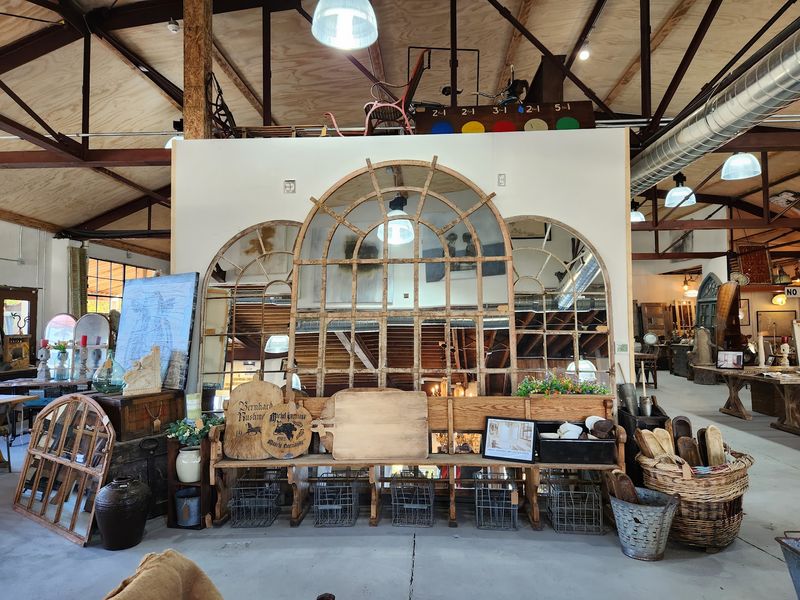
A factory window becomes something entirely different when its panes reflect the room. Antiquities Warehouse features salvaged windows transformed into grand mirrors, preserving divided frames and weathered surfaces while giving the structure a practical new job.
The result can enlarge a room visually without hiding the object’s industrial past.
Study the frame from several angles before deciding. Look for loose sections, sharp edges, uneven backing, and mounting points, then estimate whether the wall can safely support the full weight.
Placement deserves equal thought because a mirror reflects whatever faces it. Aim it toward daylight, artwork, or an uncluttered view rather than storage or passing traffic.
Measure doorways and stairs too, since a broad factory frame may prove challenging once it leaves the showroom.
Read The Patina Carefully
Peeling paint, softened edges, scratches, and oxidation form a visual record, but age alone should not make the decision. Examine each surface closely to understand whether wear is stable, useful, and suitable for your household.
A rough tabletop and a decorative wall panel face very different kinds of contact.
I like to circle a piece rather than trusting its most flattering side. Check joints, undersides, backs, feet, drawers, hardware, repairs, and signs of movement before discussing how it might function.
Ask staff what is known about the object’s origin, materials, and repurposing. Avoid sanding or sealing historic finishes without expert guidance, particularly when old coatings are unidentified.
Thoughtful care can preserve character while making the item safer and easier to live with.
Search Below The Statement Pieces
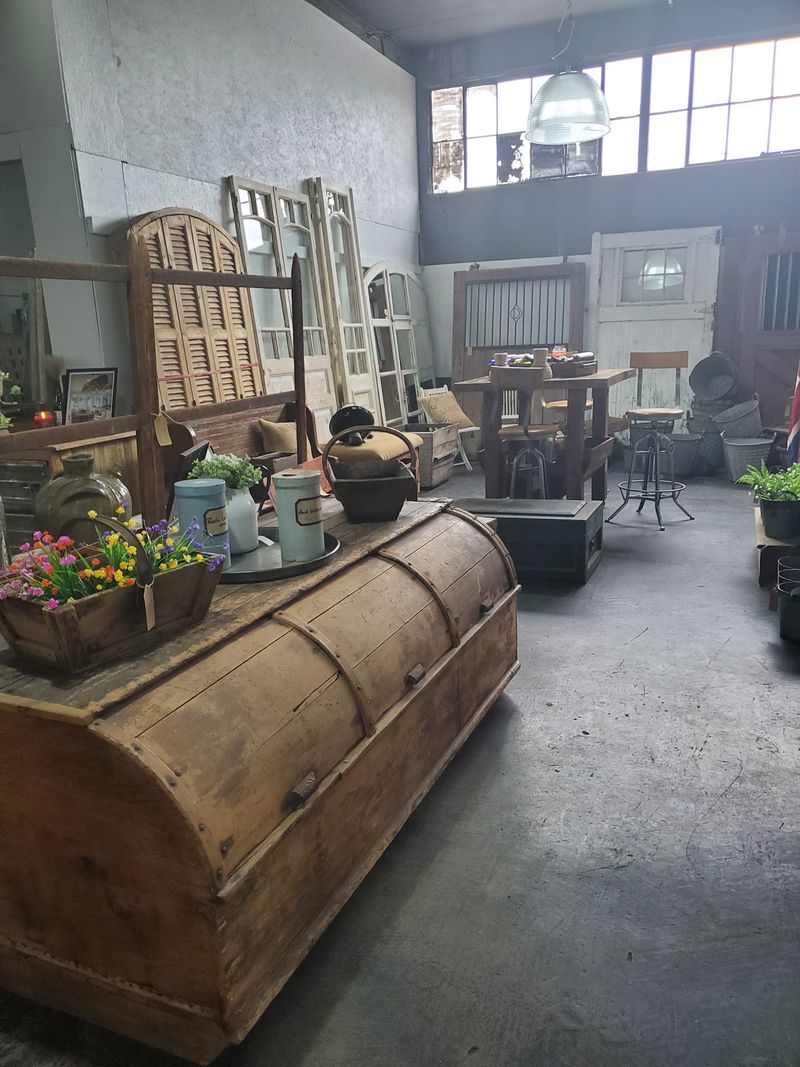
Grand tables and towering doors naturally steal the room, yet some of the most adaptable objects sit lower. Vintage baskets, factory bins, confit pots, bottles, breadboards, and storage pieces can add texture without requiring a renovation.
Scan under tables, inside cubbies, and across shelves rather than following eye level alone.
One locally connected example is storage cubbies salvaged from the Merrill-Nash Auto Dealership, a Traverse City business operating from the 1940s until 1952. Details like that can give an everyday organizer a deeper sense of place.
Choose smaller finds with a clear purpose, such as holding towels, tools, mail, or plants. Inspect interiors for residue and damage, and avoid using an old container with food unless its material and finish are confirmed safe.
Match Scale To Real Life
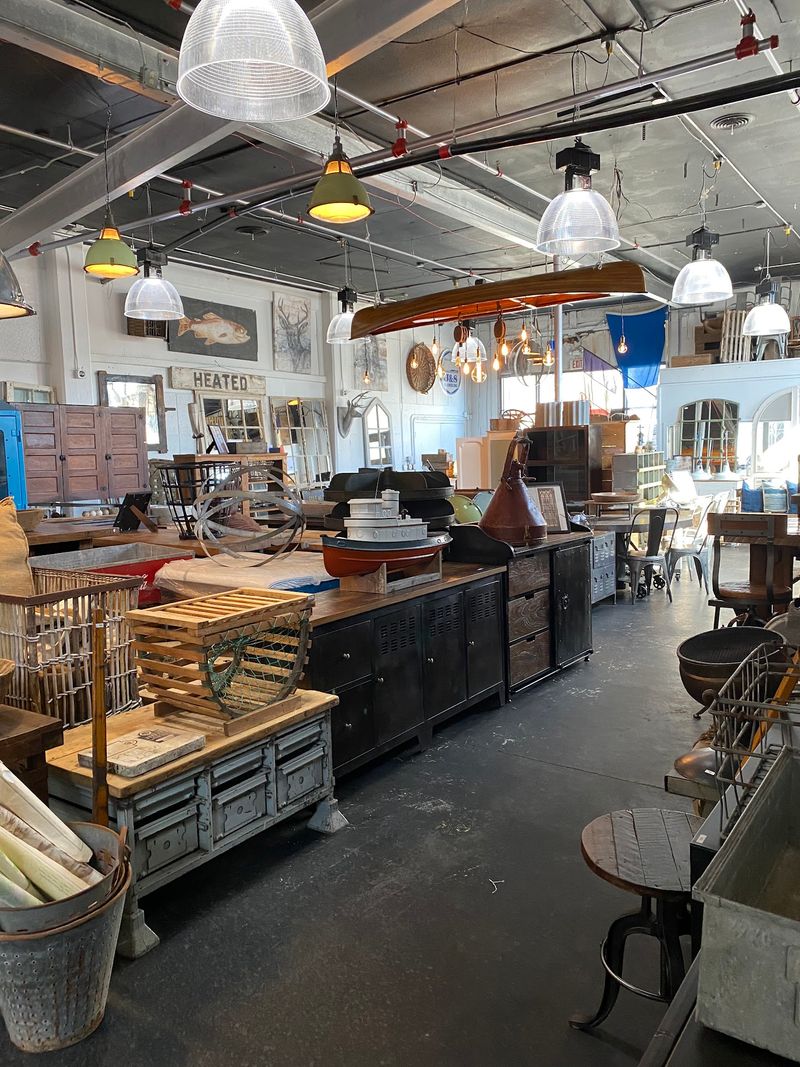
Warehouse proportions can play a quiet trick on the eye. A long table, tall sideboard, or oversized mirror may appear moderate beneath high ceilings and among equally substantial objects.
Back home, the same piece could crowd a doorway, block an outlet, or leave too little room for chairs.
Carry a written floor plan with room, elevator, hallway, and entrance measurements. Painter’s tape used at home can outline the proposed footprint, making the item’s actual reach easier to understand before purchase.
Include breathing room in the calculation rather than checking whether furniture technically fits. Dining chairs need space to slide back, doors need room to swing, and drawers must open fully.
Photographing the price tag and dimensions together also prevents confusion when comparing several large possibilities later.
Ask About Origins And Alterations
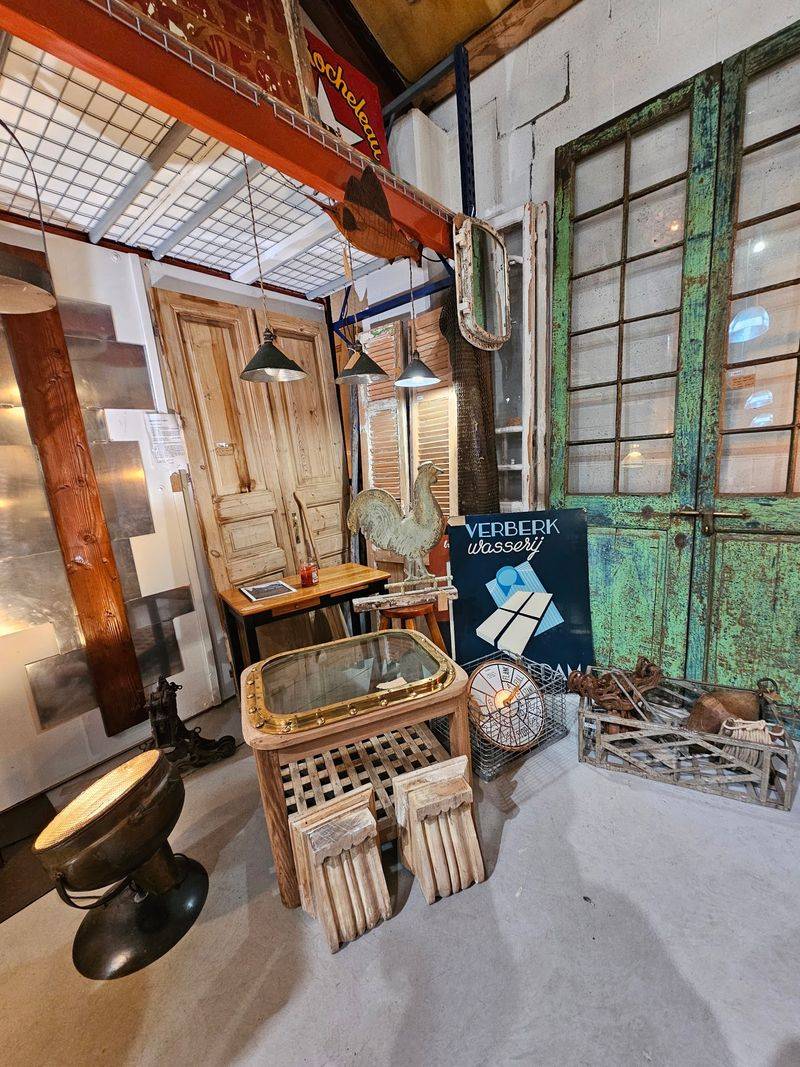
Every scar suggests a story, although not every story can be fully documented. Pieces at Antiquities Warehouse come from Europe, especially France and Belgium, as well as the Midwest and East Coast.
Some remain close to their original form, while others have been thoughtfully rebuilt for new uses.
Ask which details are known and which remain uncertain. Useful questions cover origin, approximate age, original function, materials, repairs, replacement parts, and later alterations.
That conversation matters when deciding how much change you are comfortable accepting. A factory window converted into a mirror is clearly repurposed, while another object’s newer elements may be less obvious.
Let the available facts guide your choice, and buy because the piece suits your space rather than relying on an imagined history.
Plan Transport Before Purchase
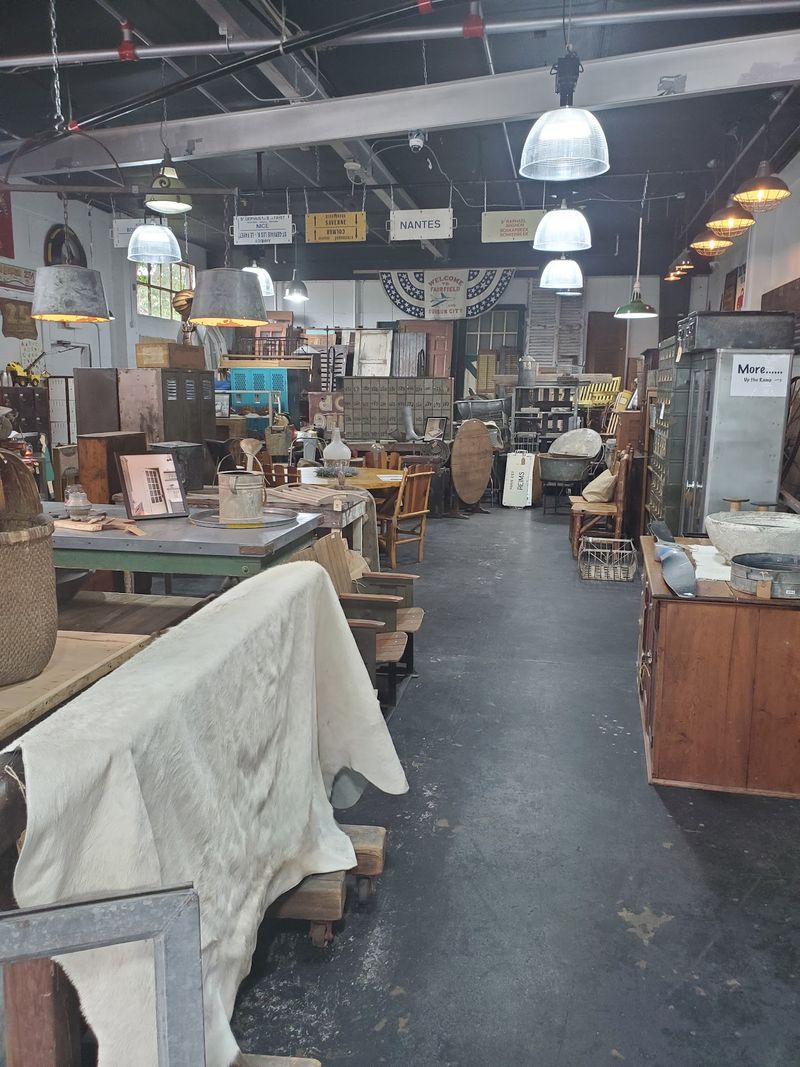
Falling for a twelve-foot sideboard is easier than moving one. Antiquities Warehouse does not provide in-house delivery or restoration, although the team can recommend trusted local vendors.
Discuss those options before paying for any object that cannot be safely lifted, protected, and transported in your own vehicle.
Measure the cargo opening, not merely the vehicle’s interior. Bring blankets, cardboard, straps, and corner protection only when self-transport is practical, and never overload a roof or trailer.
Large doors, stone-topped tables, mirrors, and iron fixtures may require professional equipment or several trained movers. Confirm pickup timing, access conditions, and how the piece should be carried.
Planning the final journey early protects the object, your home, your vehicle, and everyone helping along the way.
Check Current Hours Before Leaving
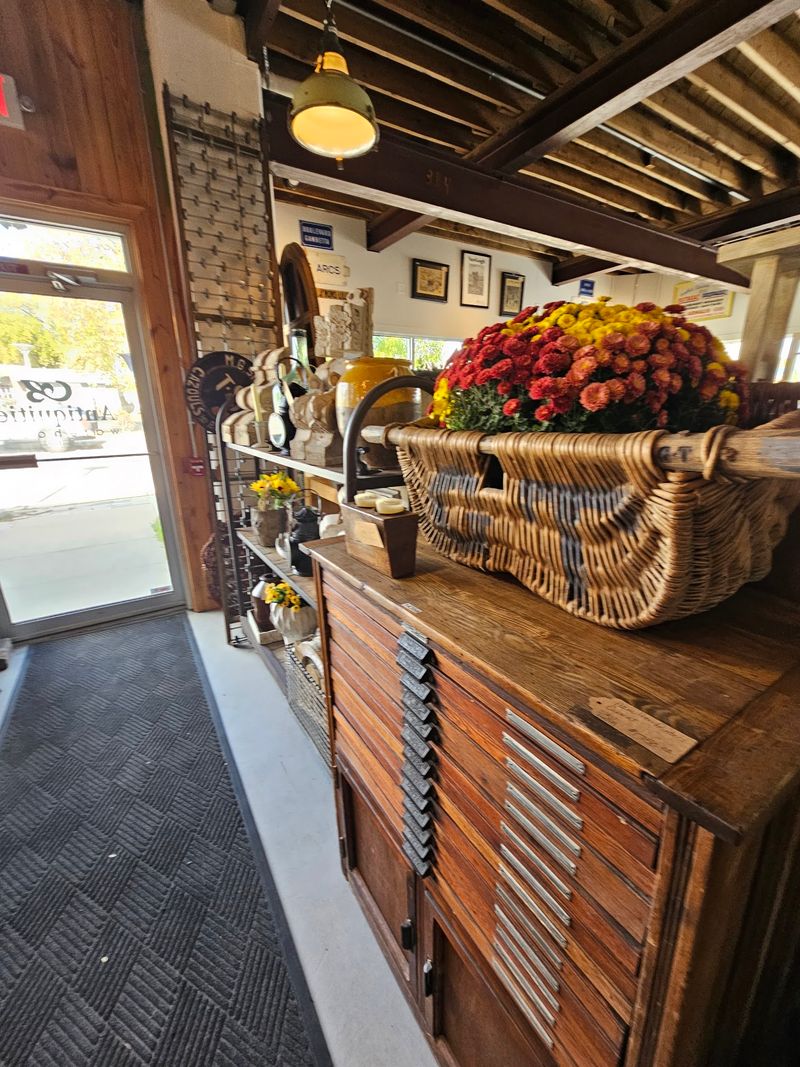
A smooth treasure hunt begins with a quick schedule check. Antiquities Warehouse of Grand Traverse is located at 421 W Front St in Traverse City and has on-site parking.
Current map information lists opening hours as 10 a.m. to 5 p.m. Tuesday through Saturday, with Sunday and Monday closed.
Hours can change for holidays, weather, or business needs, so confirm them on the official website or by calling 231-943-2121 before traveling. An earlier source lists Monday among operating days, making direct confirmation especially sensible.
Allow enough time to inspect pieces without racing the clock. Arriving well before closing gives staff time to answer questions, locate off-site inventory information, and help with measurements.
Keep parking limited to the period when you are actively visiting the store.
Leave Room For A Second Look
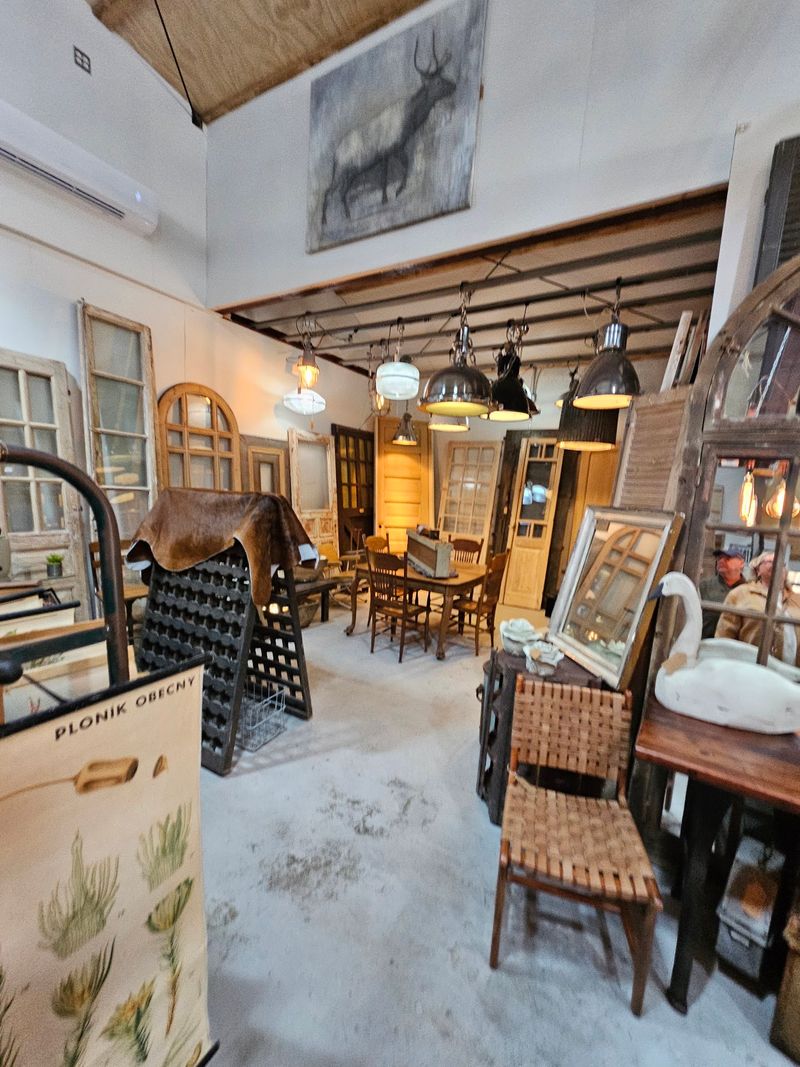
Some places reveal themselves in one sweep; this warehouse prefers a second look. Layered displays place mirrors near doors, lights above tables, and compact finds between larger forms.
Changing your direction often exposes hardware, construction details, or small objects that remained hidden on the first pass.
Before leaving, revisit two or three serious choices and compare them against your notes. Consider function, dimensions, condition, transport, installation, and budget rather than letting rarity create false urgency.
The showroom continues Louise McDermott’s original vision under the operation of her son and niece, so its selection reflects an ongoing family approach to global sourcing and creative reuse. Even without a purchase, careful browsing offers practical lessons about proportion, materials, preservation, and imaginative design for future projects.