
This Michigan Train Ride Pairs Delicious Meals With Gorgeous Views
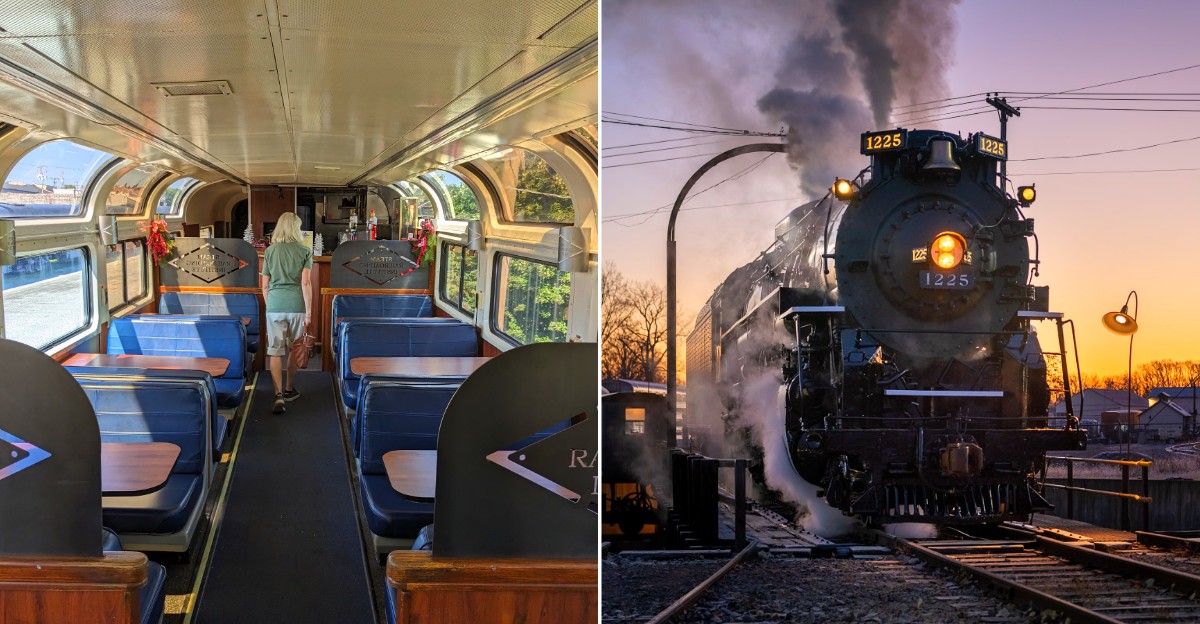
The locomotive weighs four hundred tons. It pulls passenger cars through Michigan farmland while passengers inside eat off real china with silver cutlery. This institute preserves one of the largest operating steam locomotives in the country.
The Pere Marquette 1225 became the visual model for the animated film about a train heading to the North Pole. Dinner train events seat roughly forty guests in a restored 1958 Budd Company dining car.
Courses arrive while the countryside rolls past at twelve miles per hour. Previous menus have paired bourbon tastings with slow-smoked meats.
The experience runs on select dates throughout the year and sells out months ahead.
Holiday trains draw families with hot cocoa and sleigh bells. Evening dinner runs attract couples and rail enthusiasts equally.
A steam locomotive that inspired a beloved holiday film now carries dinner guests through Michigan scenery at a pace that makes every course last.
Meet Pere Marquette 1225
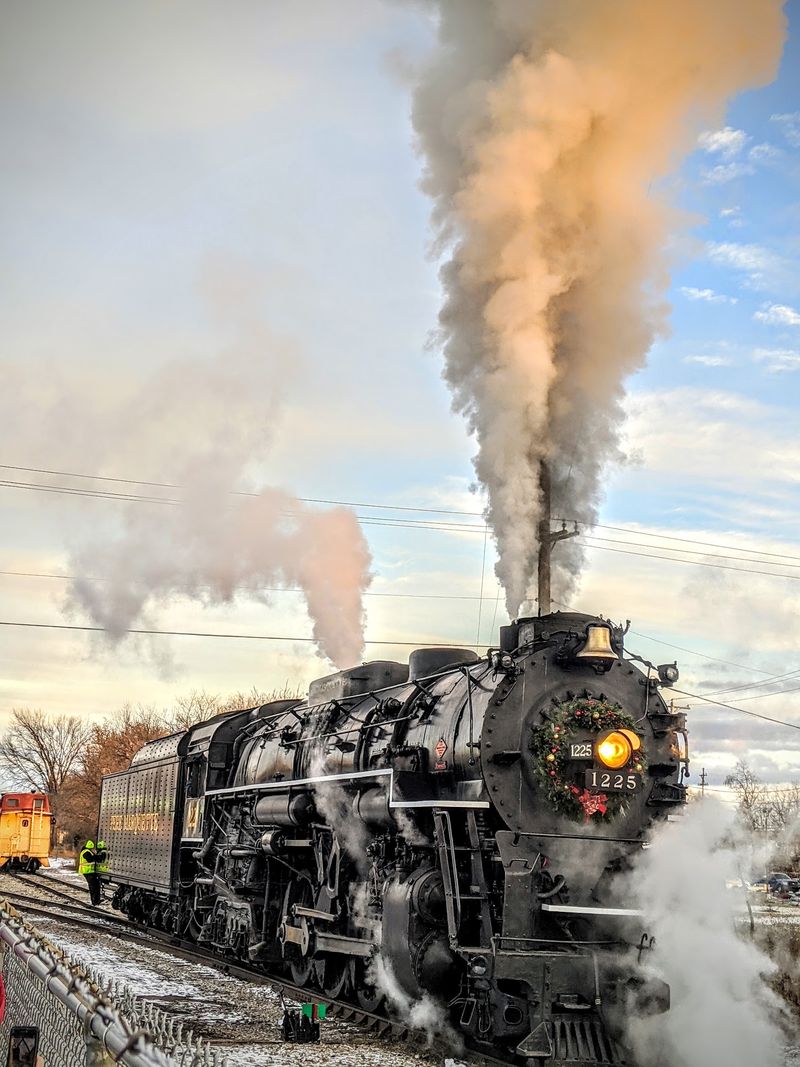
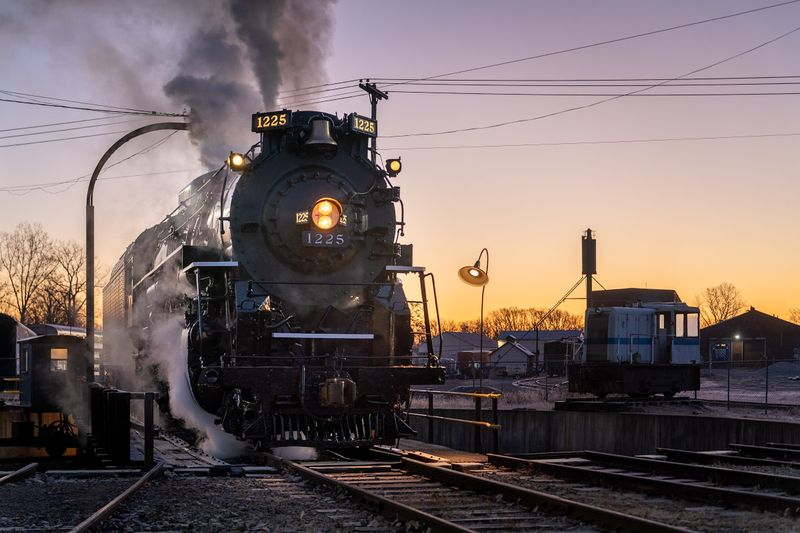
Nothing quite prepares you for the size of Pere Marquette 1225 when it fills your view. Built in 1941, the Berkshire-type locomotive once hauled freight for the Pere Marquette Railway across Michigan and neighboring territory, turning fuel, water, and skilled labor into tremendous power.
Its shape and recorded sounds helped inspire the locomotive in The Polar Express, but the real machine deserves attention beyond that movie connection. Look closely at its driving wheels, rods, piping, bell, and towering boiler.
Each part reveals practical engineering rather than decoration.
Ask whether 1225 is operating during your visit because maintenance or event needs can require another locomotive. Even when resting inside the backshop, it remains an unforgettable lesson in Michigan’s industrial history for visitors of every age.
The Tracks Tell You You’re Close
Steam Railroading Institute sits at 405 S Washington Street in Owosso, Michigan, just south of downtown. South Washington Street is the final approach, with the museum grounds stretched along the old railroad property rather than tucked inside a conventional city block.
The last stretch starts looking unmistakably industrial: tracks, rail equipment, and the historic shop complex take over the view as you near the site. Once the railroad yard opens up beside Washington Street, you are at the right place.
Pull into the Institute grounds and use the free visitor parking, then head first to the Welcome Center to check in. Accessible parking is available on the north side of the Welcome Center, with a ramp leading to the door.
Choose A Window-Friendly Seat
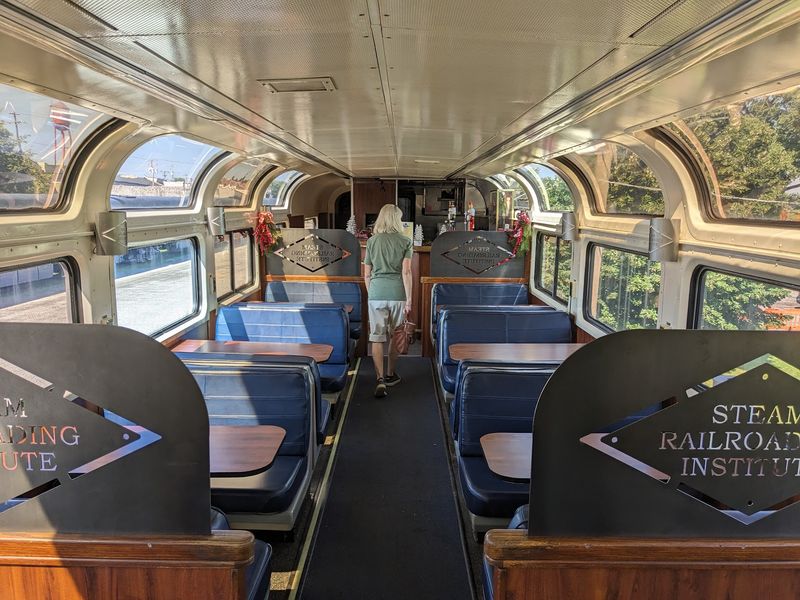
A passing barn can vanish before your camera decides to focus, so seat choice matters on a scenic railway trip. Review the listed car types before booking, since different excursions may use coaches, dining cars, lounge-style seats, or other historic equipment with distinct layouts.
Window access is especially useful when autumn color, farmland, and small Michigan communities become part of the show. Swiveling seats, when offered, can make viewing easier, while booths create a sociable setting for meals.
Available equipment varies, so study official ticket details rather than relying on old photographs.
Once aboard, keep bags clear of aisles and share the glass fairly. Clean your phone lens beforehand, silence the flash, and occasionally put the camera down.
Moving scenery rewards patient eyes best.
Let The Menu Match The Journey
The pleasant surprise of railway dining is how quickly an ordinary plate feels special once the landscape starts moving. Menus at Steam Railroading Institute events are not fixed year-round, and past excursions have used different formats, including themed dinners, barbecue, snacks, and holiday treats.
Read the current event description for the exact meal plan and contact the institute before booking if anyone has allergies or dietary needs. Historic kitchens, outside caterers, and limited onboard storage may restrict substitutions.
Asking early gives staff the best chance to explain available choices.
Avoid packing a large cooler because coolers are not permitted aboard. Light snacks and nonalcoholic drinks may be allowed under current rules, but verify that policy for your trip.
Come hungry, not unprepared, and enjoy the pace.
Watch Michigan Roll Past
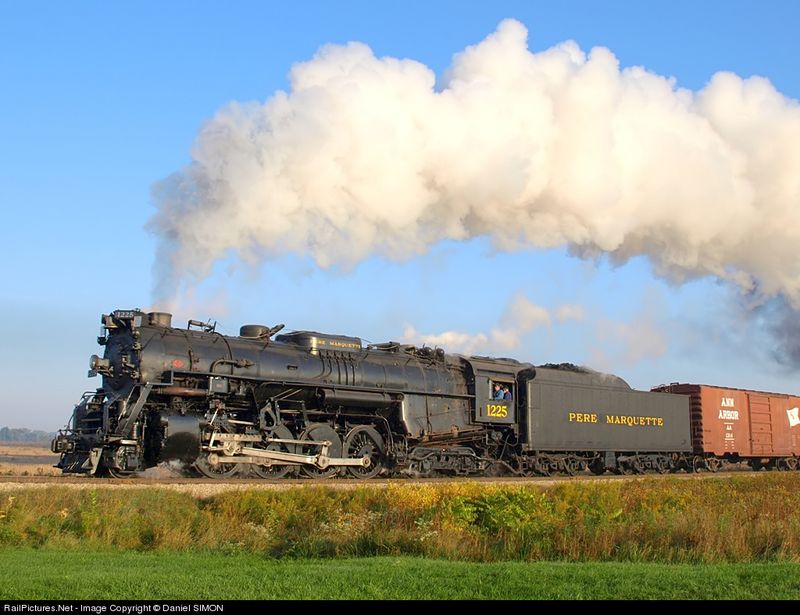
Michigan scenery does not need mountains to hold attention. From a moving railcar, open fields, wooded stretches, road crossings, old buildings, and compact towns arrive in layers, giving passengers a view of the state that highways often hide behind traffic and signs.
Seasonal color can make the route especially striking, although fall excursions are not guaranteed every year. Check the current calendar instead of planning around an excursion offered in a past season.
Weather also changes what you will see, from bright leaves to misty fields or snowy edges.
Choose daylight departures when scenery is your main goal. Sit back from the glass to reduce reflections, and use clothing or your hand to shade a camera lens.
Quiet observation often catches details hurried photography misses.
Explore The Welcome Center
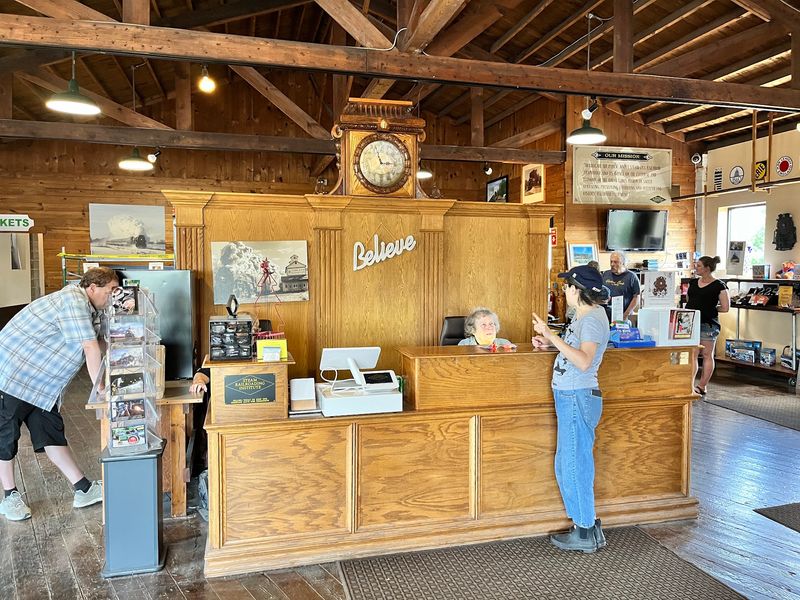
Before the wheels begin turning, the Welcome Center offers a useful first chapter. Housed in a renovated freight warehouse with roots in the late nineteenth century, the building introduces the institute’s collection through displays, railway objects, a model railroad, and visitor information.
Arriving early leaves time to explore without watching the clock. Examine the models for route and equipment details, then browse the gift shop for books or railway-themed keepsakes.
Restrooms are also available here, making it a sensible stop before boarding.
Operating hours can differ from excursion schedules, so confirm when the museum opens on your chosen date. Ask staff where check-in occurs and how soon passengers should gather.
A calm start is far better than sprinting toward a historic train with lunch bouncing behind you.
Listen To The Volunteers
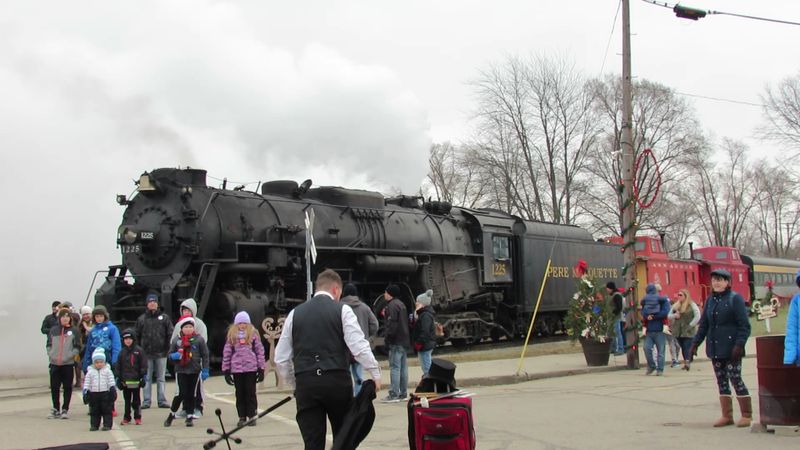
A small metal fitting becomes far more interesting when someone explains why a locomotive could not run safely without it. The institute relies heavily on volunteers who preserve equipment, interpret railway history, guide visitors, and help operate special events.
Take a tour when one is available, and bring questions about machinery, passenger cars, or the former Ann Arbor Railroad property. Guides can connect large objects with the human skills behind them, from firing a locomotive to inspecting running gear.
Their knowledge turns heavy steel into understandable history.
Stay within marked visitor areas because the grounds remain an active railway environment. Children should remain close to an adult, particularly around tracks and equipment.
Listen when a guide gives safety directions, and thank the crew whose careful work keeps the collection accessible.
Dress For Historic Equipment
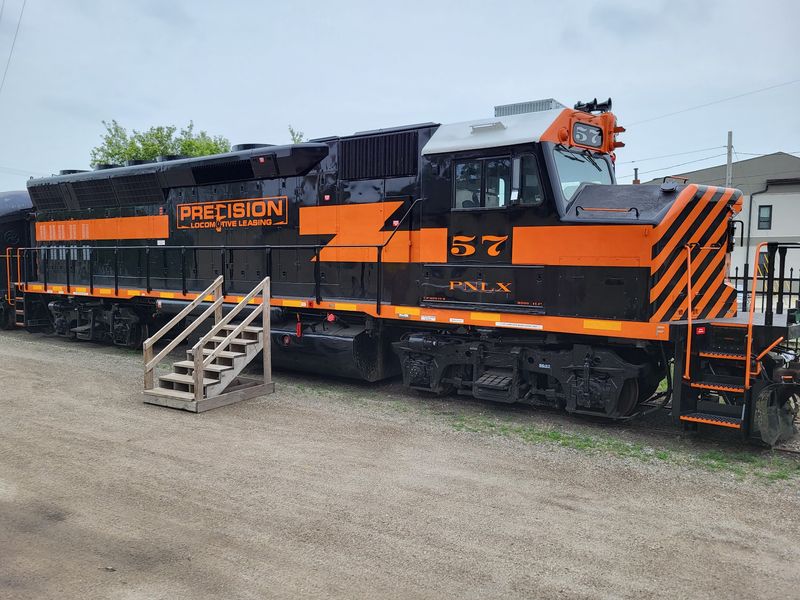
Vintage trains were built for another era, and their stairs have not become younger with age. Wear sturdy, closed-toe shoes that grip well while boarding, walking through the museum grounds, and crossing uneven surfaces near historic railway equipment.
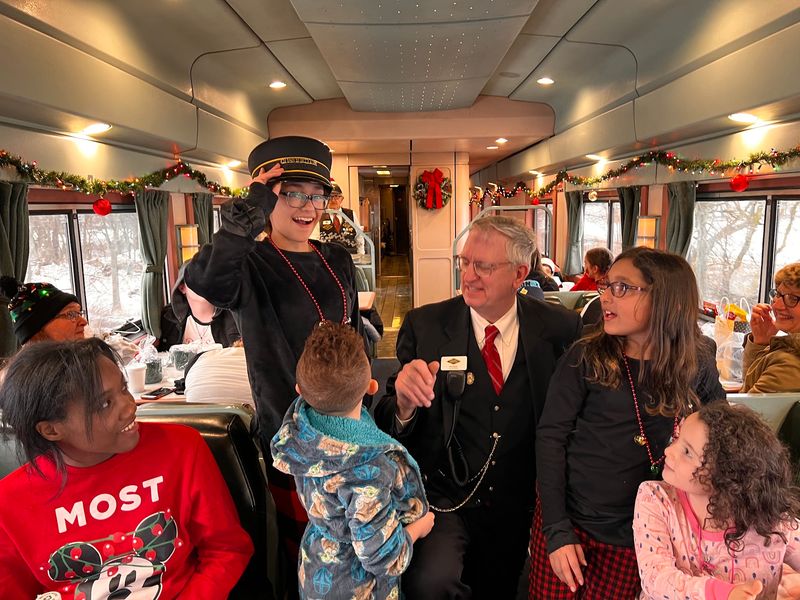
Layers are useful because Michigan weather can shift while the train maintains its own indoor climate. Excursion coaches are generally heated or cooled, yet platforms and outdoor waiting areas may feel quite different.
A compact coat is easier to manage than bulky gear at a dining table.
Passenger cars are not fully accessible under modern ADA standards, and boarding may require climbing steps. Contact the institute before buying tickets if someone in your party has mobility concerns.
Staff can explain current equipment and limitations, allowing families to make an informed plan.
Plan Restroom Stops Wisely
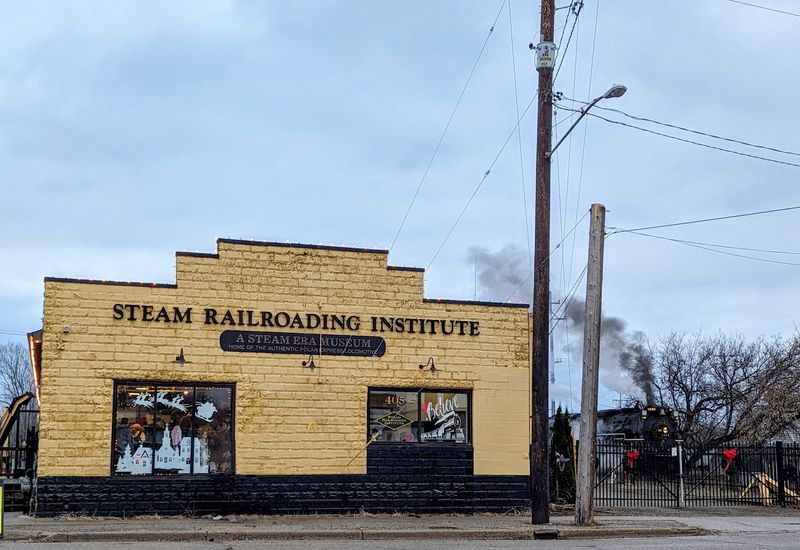
Railway romance is lovely, but knowing where the restroom is can rescue an entire afternoon. Facilities are available in the Welcome Center and aboard coach cars, while dining cars do not contain their own restrooms.
Locations and access can depend on the train’s arrangement.
Use the Welcome Center facilities before boarding, especially when traveling with children. Once the train is moving, reaching a coach restroom may require walking between cars or traveling some distance through the consist.
Follow crew instructions whenever changing cars.
Pack only essentials in a small bag so narrow aisles remain easy to navigate. Parents may want wipes, tissues, and a change of clothing for younger riders.
Asking your car host about the closest facility after boarding prevents a rushed search later on.
See Preservation In Progress
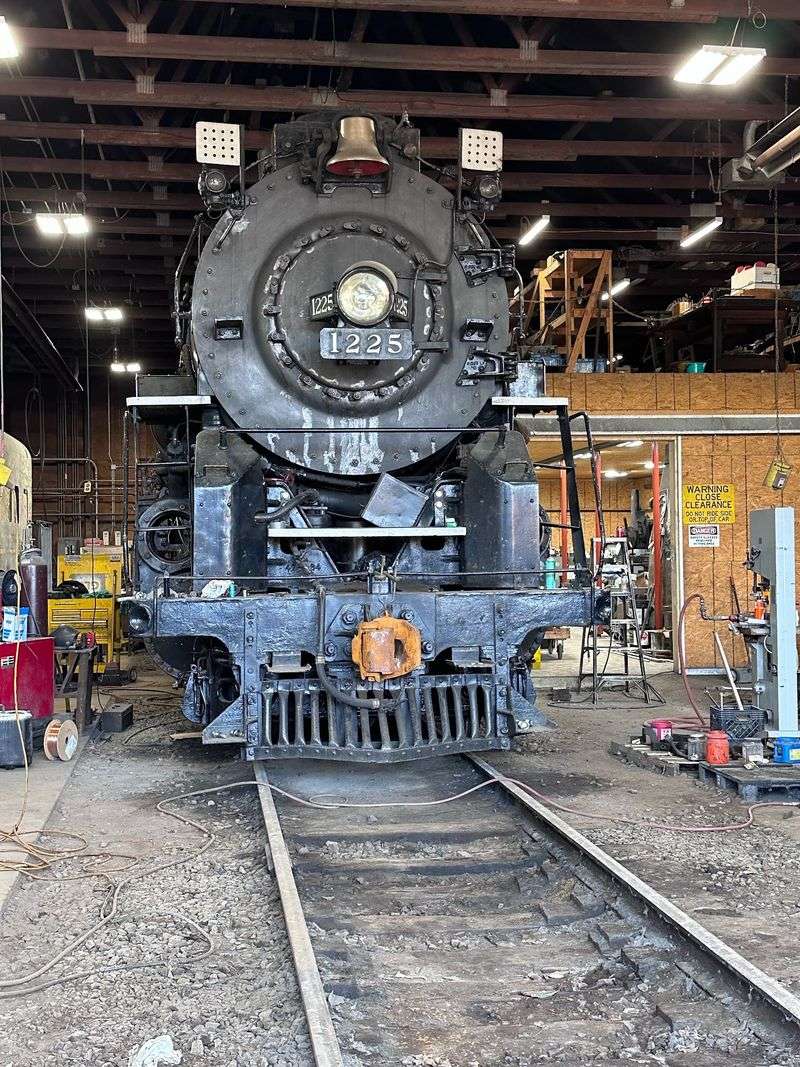
Grease, tools, and partly exposed machinery tell a more honest story than a perfectly polished display. The institute occupies former Ann Arbor Railroad shop grounds, where preservation work continues through inspection, repair, restoration, and the passing of specialized mechanical skills.
When access is offered, look into the backshop and notice how much labor hides behind one operating locomotive. Wheels, brakes, rods, boilers, and countless smaller components require careful attention. Pere Marquette 1225 may be housed there when it is not pulling an excursion.
Respect barriers and avoid touching equipment unless a guide invites it. Maintenance schedules can limit what visitors see, but an engine under repair is not a failed attraction.
It is evidence that operating history requires patience, funding, skilled hands, and serious safety work.
Confirm The Locomotive Before Departure
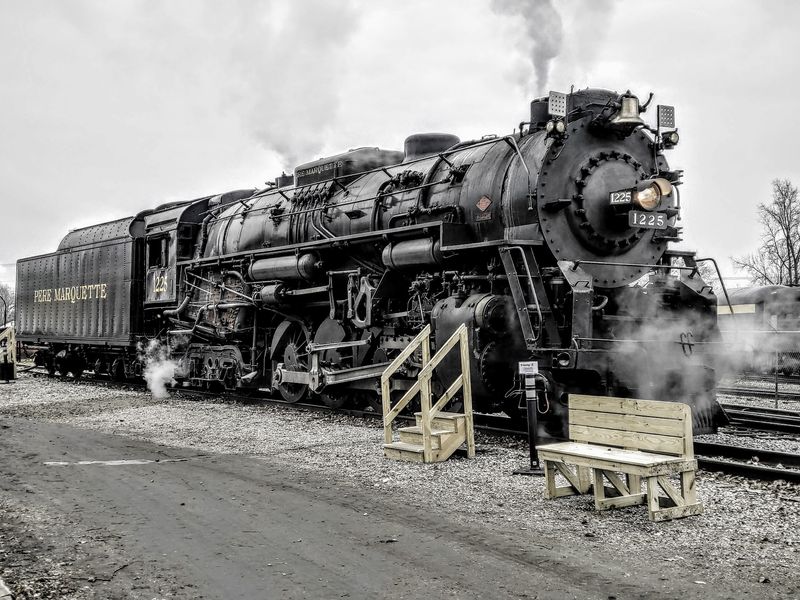
A ticket promises an excursion, not always a particular engine. Pere Marquette 1225 is a working historic locomotive that requires regular maintenance, and operational needs can lead the institute to use diesel power or other equipment for a scheduled trip.
Check the event listing and official updates close to departure, especially if seeing steam operation is your main reason for visiting. Mechanical condition, railway coordination, weather, and safety requirements can affect plans.
Flexible expectations protect the day from needless disappointment.
Even with a substitute locomotive, historic passenger cars, onboard hosts, museum context, meals, and Michigan views still shape the experience. Arrive at 405 South Washington Street with enough time for parking and check-in.
Then listen for boarding instructions rather than wandering near active tracks for photographs alone.