
A Massive Rhododendron Collection Is Hiding In A Michigan Garden
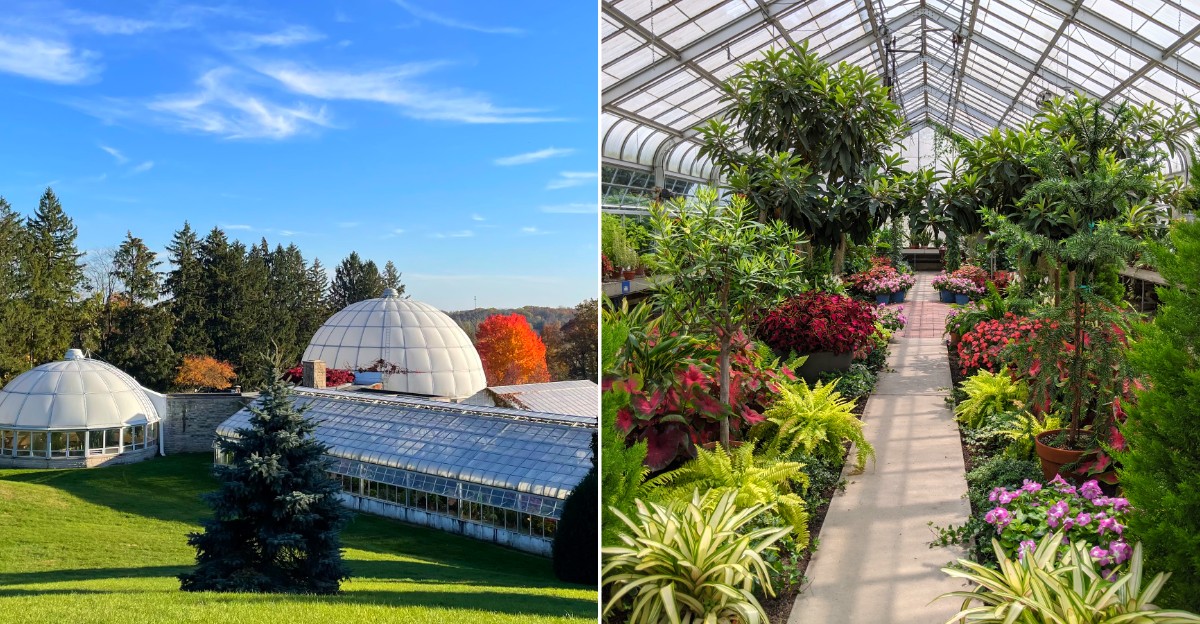
Three dollars buys entrance to seven hundred and fifty-five acres of cultivated forest and gardens. The rhododendron collection spills across hillsides in colors that shift from pale cream to deep violet between May and July.
Azaleas follow close behind. A bonsai courtyard displays trees older than most visitors.
Dwarf conifers line a rare collection path that few gardens can match.
A canopy walk rises forty feet above the ground on a steel path stretching over fourteen hundred feet through mature hardwoods. The view from the top reveals rolling terrain that most drivers pass without a second glance.
Michigan State University has operated the property since the nineteen forties. The founding donation came from a man who wanted a private nursery and ended up giving away one of the best garden preserves in the state.
Three dollars and seven hundred acres of rhododendrons make this Michigan garden one of the best deals in the state.
Watch For The Quiet Spring Awakening
Spring does not flip on like a light switch here. First come softer air, swelling buds, and small green signs that reward anyone willing to look closely.
Rhododendrons prepare quietly before their clustered flowers turn parts of the garden into bright pockets.
Bloom timing changes with Michigan weather, so check Hidden Lake Gardens’ official website or call before making a flower-focused trip. An April 2025 update reported magnolias, rhododendrons, daffodils, and tulips flowering together, but another year may move that calendar.
Arrive near opening for cooler paths and gentler light on the petals. I also like leaving room in the schedule for a return visit, since tight buds and full blooms give the same landscape completely different personalities altogether.
The Boulder At The Entrance Is Your Cue
Hidden Lake Gardens sits at 6214 W Monroe Road in Tipton, Michigan, along M-50 in the Irish Hills. Monroe Road is the route to stay with on the final approach, with the gardens set back from the highway behind a wooded entrance rather than opening straight onto a commercial strip.
The last stretch becomes noticeably greener, and the entrance is marked by a large stone sign before the drive disappears into the trees. Once you turn in, the road winds through the woods toward the visitor area, making the arrival feel more like entering an estate than pulling into a roadside attraction.
Follow the internal drive to the visitor center and park there before exploring the grounds on foot. From that point, the conservatory, collections, and walking areas branch out deeper into the gardens.
Pause Inside Elardo Garden
Near the Visitors Center, Elardo Garden offers a more polished pause before the property stretches into wilder scenery. Its ornamental beds gather seasonal flowers and foliage into an easy viewing area, making it useful for visitors who want beauty without beginning with a long hike.
Staff-led ornamental garden tours may highlight what is blooming here, including details that hurried eyes could miss. Elardo Garden is not solely a rhododendron garden, yet its seasonal plantings add context to the larger spring display across the grounds.
Use this area to study color, leaf shape, and planting combinations at close range. Then compare its careful design with shrubs encountered beside woodland roads.
That contrast makes the wider garden feel richer and more thoughtfully connected.
Catch The Richest Spring Colors
Pink and purple flower clusters can make the spring landscape look suddenly theatrical, although the surrounding woods keep the scene grounded. Rhododendrons stand out especially well against new green leaves, where their dense blossoms appear almost too bright for the quiet setting.
Magnolias, daffodils, and tulips may join the show, as they did during April 2025. Because bloom dates depend on temperature and weather, treat past reports as clues rather than promises.
Current garden updates remain the best planning tool.
Cloudy days are surprisingly good for photographs because softer light protects flower details from harsh shadows. Step back for landscape views, then move closer without entering planted beds.
Comparing entire shrubs with individual blooms reveals just how complex each colorful cluster can be.
Cruise Along Woodland Drive
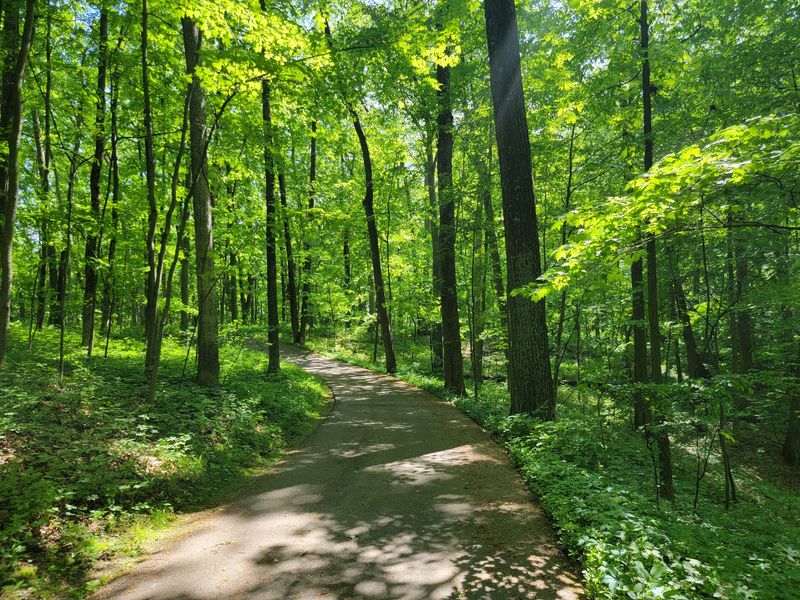
Six miles of paved scenic roads make this enormous garden easier to understand without wearing out your shoes immediately. Woodland Drive winds through changing terrain, where flowering shrubs can appear beside the tree line like colorful guests who arrived without announcing themselves.
Driving slowly allows passengers to notice plant collections, woodland edges, and views that would otherwise pass too quickly. Use designated places to stop rather than pausing in the roadway, and watch for walkers sharing areas near garden features and trail access points.
A drive also helps visitors decide where to spend their walking energy later. Mark promising areas on the garden map, complete the loop, and return to favorites.
That simple plan combines broad views with closer study while respecting the property’s impressive scale.
Find A Corner That Feels Secret
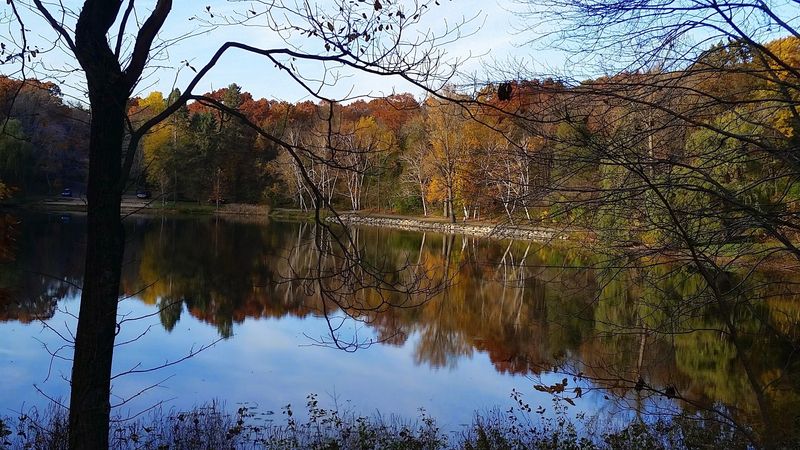
With 755 acres available, quiet corners are not difficult to find once visitors move beyond the busiest features. A bend in a trail may reveal flowering shrubs, a shaded woodland view, or a calm opening where the garden seems to have briefly forgotten everyone else.
Carry a map, but allow time for small detours along marked routes. The property includes extensive hiking trails as well as scenic roads, so exploration can match different energy levels.
Staying on established paths protects roots, soil, and carefully maintained plantings.
Silence becomes part of the display in these tucked-away spaces. Pause long enough to notice birds, moving leaves, and changes in light across the flowers.
Personal discoveries often become the strongest memories, even when they lack a grand sign.
Notice The Skill Behind The Blooms
Healthy flower clusters do not appear through luck alone. Hidden Lake Gardens operates as a Michigan State University arboretum and botanical garden, where horticultural knowledge supports plant care, study, preservation, and the demanding work of maintaining a large public landscape.
Look beyond the blossoms and notice spacing, shelter, soil coverage, and the condition of the leaves. Those quieter details show how shrubs fit into broader collections that also include conifers, hostas, bonsai, flowers, and many other plants across the property.
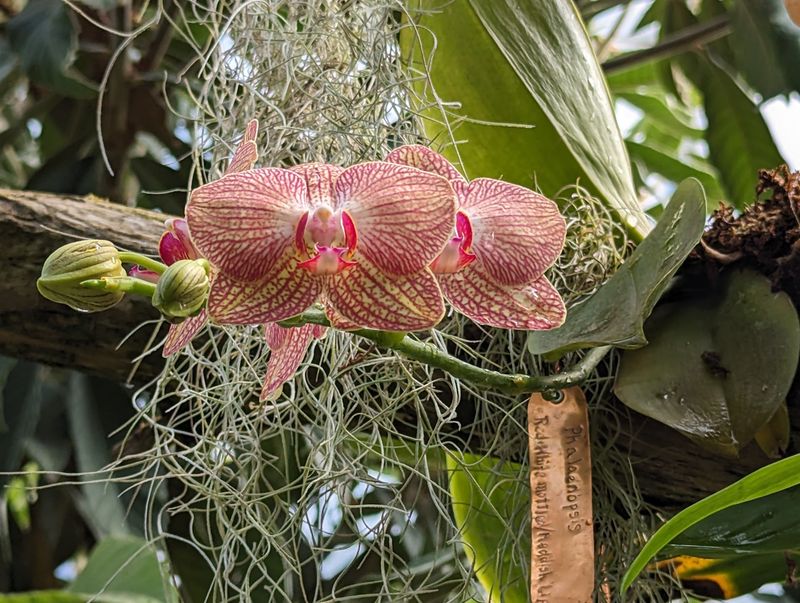
Plant labels can help, although not every specimen is equally easy to identify. Photograph any readable label beside the plant, then research it later instead of guessing.
That habit turns a pretty walk into a useful lesson and keeps curiosity growing after the visit.
Leave Time To Linger
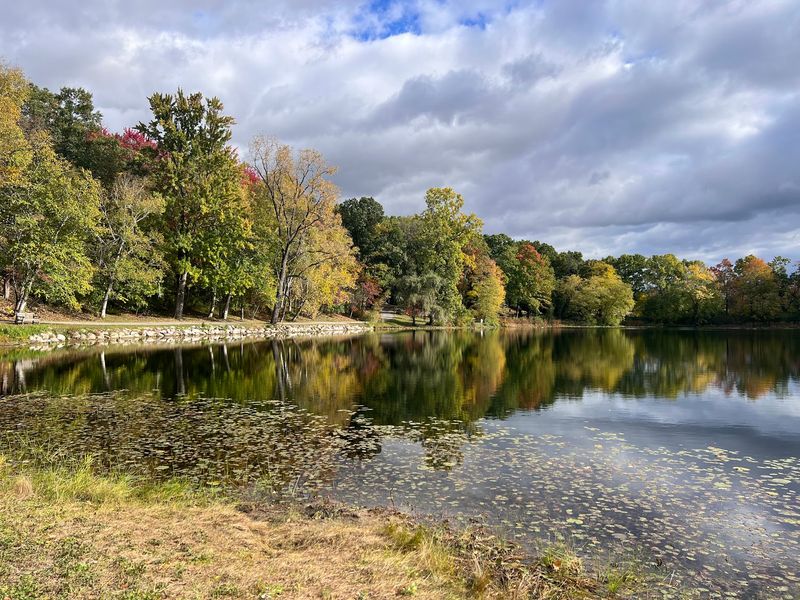
A bench near flowering shrubs can become more tempting than another mile of trail, and that is perfectly reasonable here. Rolling land, mature trees, and peaceful water encourage a slower rhythm that suits the detailed blossoms of rhododendrons particularly well.
Plan several hours rather than squeezing the garden between other stops. Bring water and snacks, since food choices may be limited, and consider using one of the picnic areas.
Keeping the schedule loose makes room for rests, photographs, and unexpected plant discoveries.
Try spending five quiet minutes in one spot before moving again. Colors sharpen, background sounds emerge, and individual flowers stop blending into one large mass.
Hidden Lake Gardens rewards distance, but lingering reveals the smaller textures that give the landscape its character.
Plan Around The Seasons
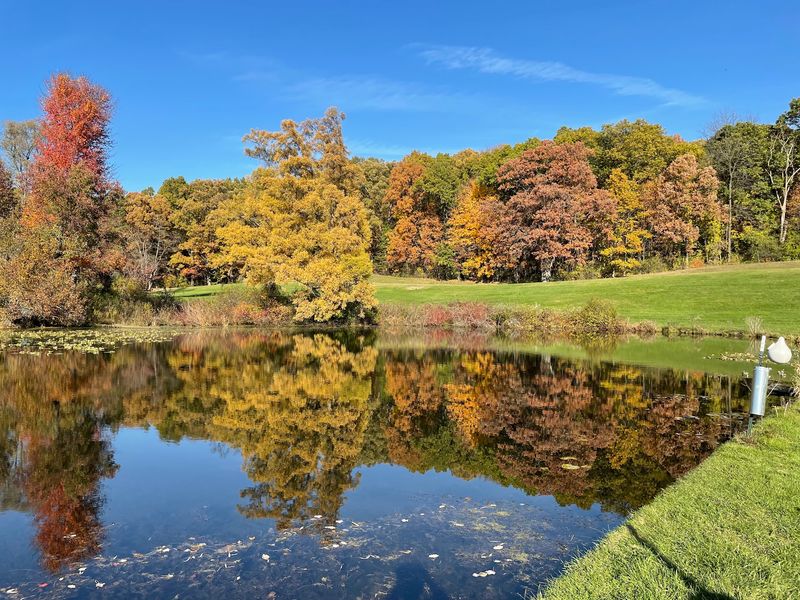
Every season changes the garden’s personality, but spring carries the loudest botanical conversation. Rhododendrons, magnolias, daffodils, and tulips can overlap, creating layers of color that shift as temperatures rise and different plants reach their peak.
Before leaving home, confirm current hours, admission information, events, and bloom reports through the official website. Hidden Lake Gardens is generally open Tuesday through Sunday and closed Monday, but schedules may change for holidays, weather, maintenance, or special programs.
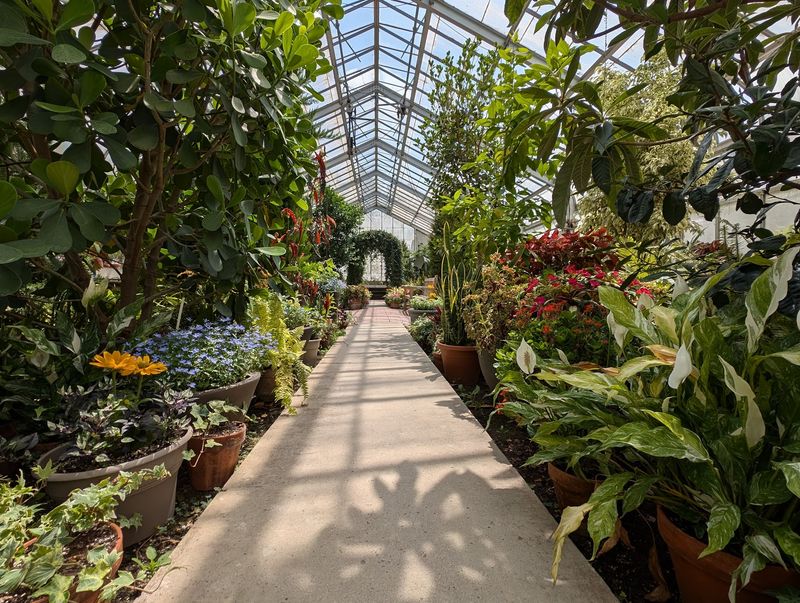
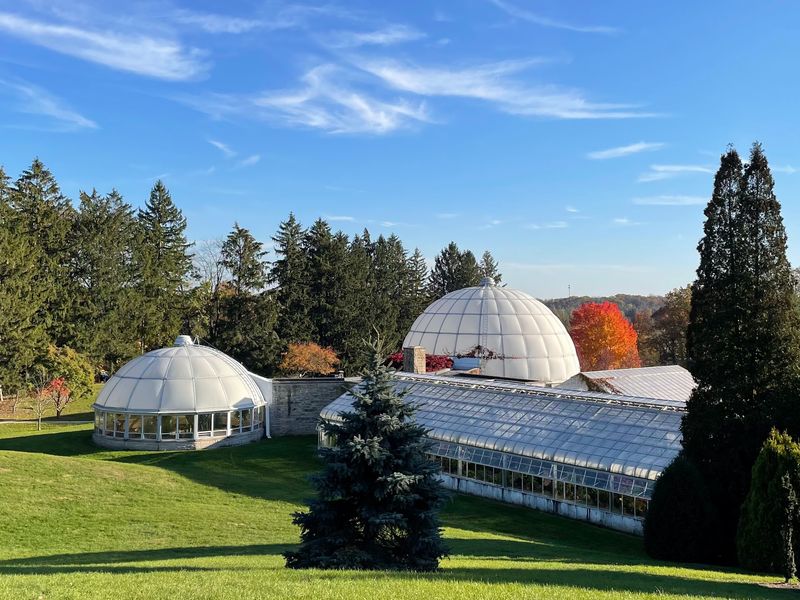
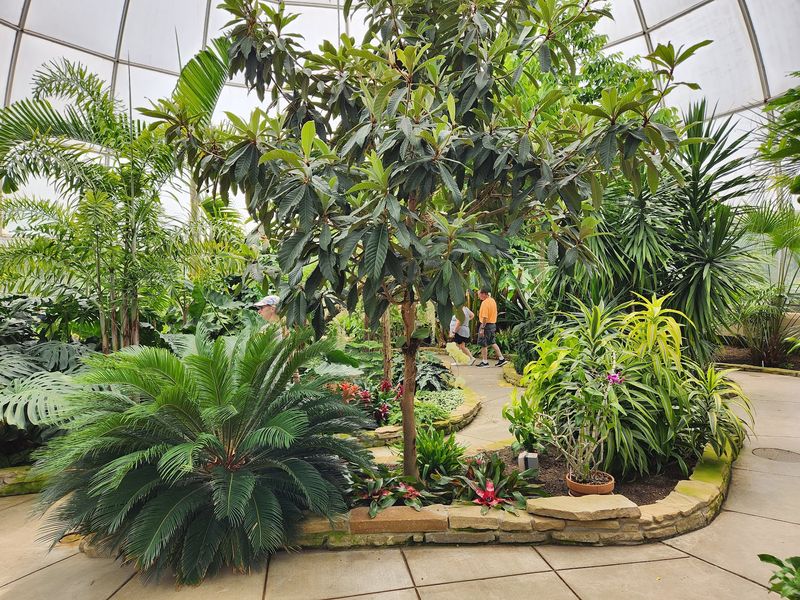
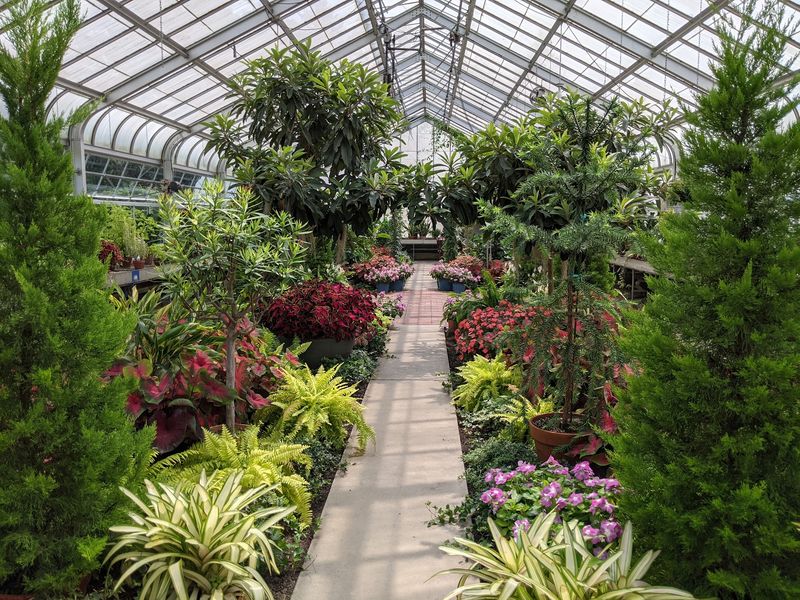
Cold or rainy conditions need not end the visit because the conservatory displays tropical, temperate, and arid plants indoors. Save that stop for rough weather or midday.
The contrast between controlled indoor climates and Michigan’s outdoor spring makes both settings more interesting and easier to appreciate.
Walk Beyond The Flower Beds
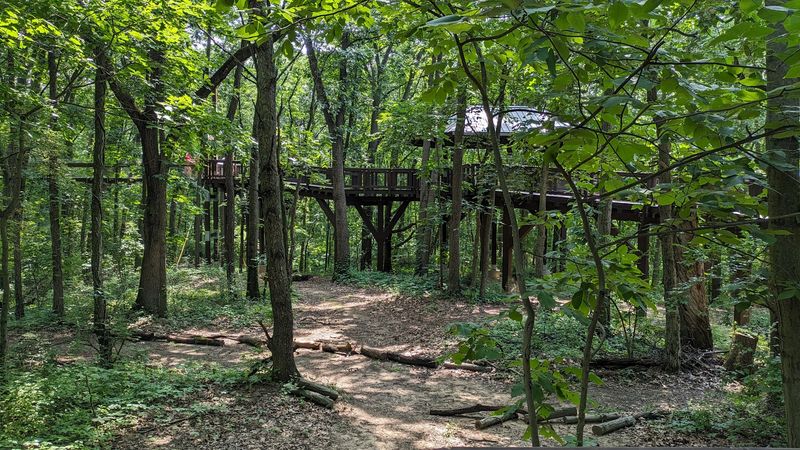
Twelve miles of hiking trails prove that the property is much more than a collection of formal flower beds. Routes pass through natural areas, including oak-hickory woodland, where changing elevation and mature trees provide a broader picture of southern Michigan’s landscape.
Choose footwear with supportive soles because surfaces can include pavement, gravel, hills, and rustic trail sections. Water, sun protection, and insect repellent are sensible additions, particularly when a short garden walk grows into several hours of wandering.
Pair one woodland route with time among the rhododendrons instead of attempting every trail at once. The shift from colorful cultivated shrubs to quieter forest plants refreshes the eye.
It also shows how carefully designed collections and natural habitats share the same expansive property.
Save Energy For The Canopy Walk
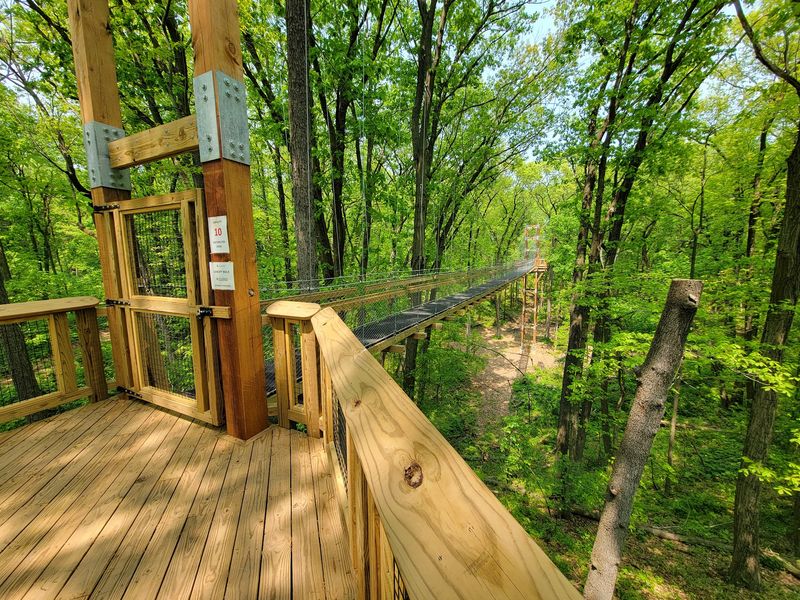
High among the trees, the Canopy Walk adds a lively finish to a flower-centered day. Its suspension bridges sway, so the experience feels different from the steady garden paths below, while elevated views reveal the depth and shape of the surrounding woodland.
Reaching it requires a walk that includes hills and gravel, making sturdy shoes helpful. Visitors with mobility needs should contact the garden before arrival for current access guidance, parking details, and route conditions rather than assuming every approach will work comfortably.
Visit the rhododendrons first if blooms are your main goal, then tackle the bridge while energy remains. Move patiently, follow posted capacity rules, and let faster walkers pass when practical.
The treetop perspective provides a fitting reminder of how vast Hidden Lake Gardens really is.