
12 Michigan Nature Parks With Treehouses, Trails And Outdoor Adventure
A nature park in Michigan can mean many things. A three-hundred-acre preserve built on a former dairy farm.
A forest with a canopy walk stretching fourteen hundred feet above the ground.
A nature center that rehabilitates injured raptors and lets visitors watch eagles eat lunch. Twelve parks across the state offer experiences far beyond a simple walking path.
Some have adventure courses with high ropes and zip lines. Others keep resident animals that cannot return to the wild.
A few hide rare dwarf conifer collections and bonsai courtyards. One sits on a sand dune overlooking Lake Michigan.
Another features a historic village alongside its trails. The variety is the point.
Families looking for a Saturday outing and solo hikers chasing quiet boardwalks through wetlands will both find what they need. Twelve Michigan nature parks with trails, treehouses, and outdoor adventure make it easy to forget you are still in the state.
12. For-Mar Nature Preserve & Arboretum
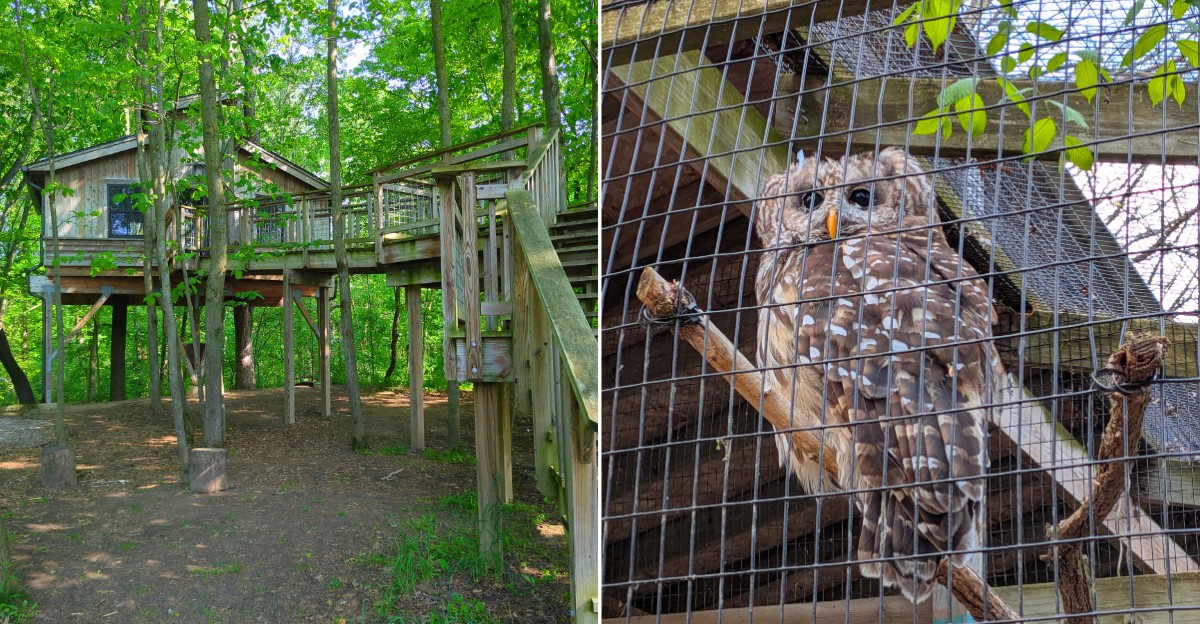
A treehouse built for broad access gives For-Mar an adventurous spirit without leaving anyone behind. Nature’s Superheroes Treehouse rises within the woods and uses a barrier-free design, letting visitors experience the canopy from an unusual angle.
The surrounding 383-acre preserve contains more than seven miles of trails crossing meadows, ponds, forest, and the Kearsley Creek floodplain.
Leave time for the arboretum, where over 1,800 woody specimens turn a simple walk into a leafy scavenger hunt. Gardens, wildlife sightings, and a wetland observation tower add variety for families who dislike following one long route.
Trail surfaces and seasonal conditions can change, so check current park information before arriving. Comfortable shoes, insect repellent, and binoculars are sensible additions.
Located at 2142 N Genesee Road in Burton, For-Mar also schedules naturalist programs that can make unfamiliar plants and animals much easier to notice.
11. Pine River Nature Center
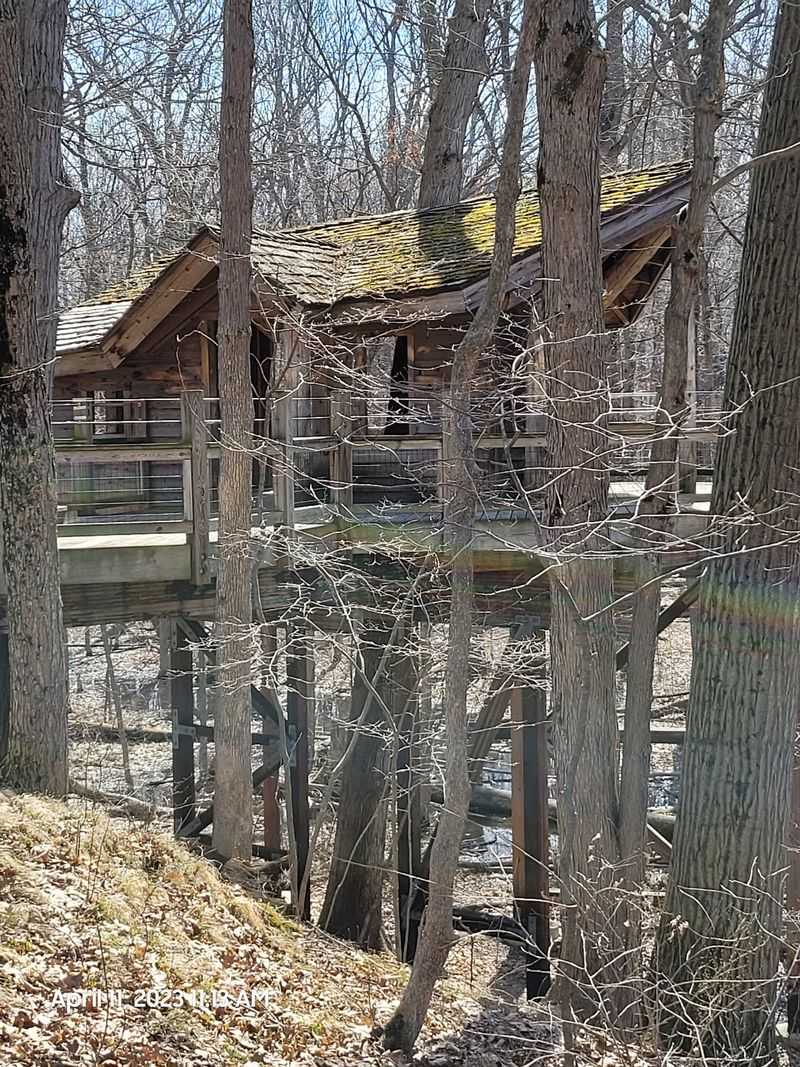
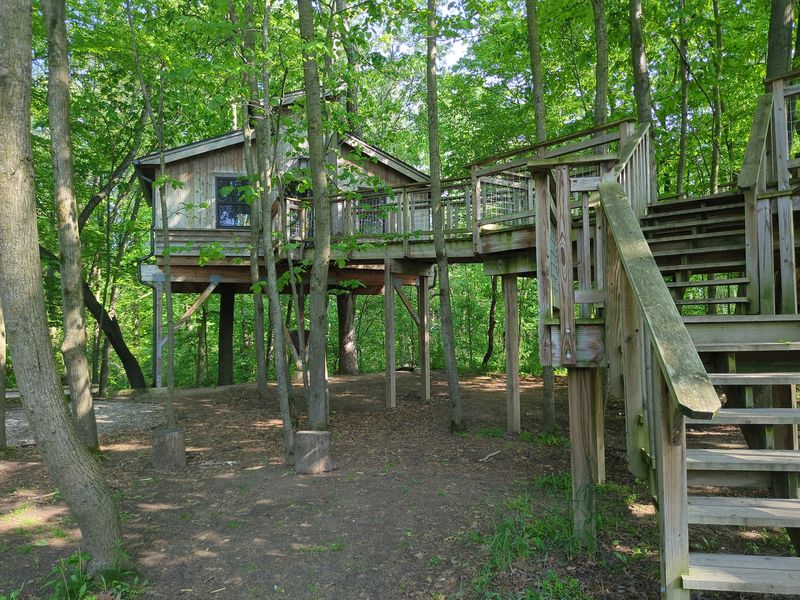
Thirty feet above the ground, the accessible treehouse at Pine River Nature Center changes how a familiar Michigan forest looks. It was the state’s first publicly owned, universally accessible treehouse, with an elevated route designed to welcome visitors with different mobility needs.
From above, branches, birds, and changing leaves become the main attraction rather than background scenery.
Back at ground level, more than three miles of marked trails cross the 80-acre property. Routes pass mature hardwoods, prairie, wetlands, and a one-mile stretch of the Pine River, so scenery shifts quickly during a short outing.
Spring brings trilliums, while deer and birds may appear throughout the year. Families can look for StoryWalk displays along the Wildflower Trail when offered.
Before traveling to 2585 Castor Road in Goodells, confirm public hours and trail notices. Bring binoculars, water, and shoes that can handle damp soil after rain.
10. Wild Encounters At Howell Nature Center
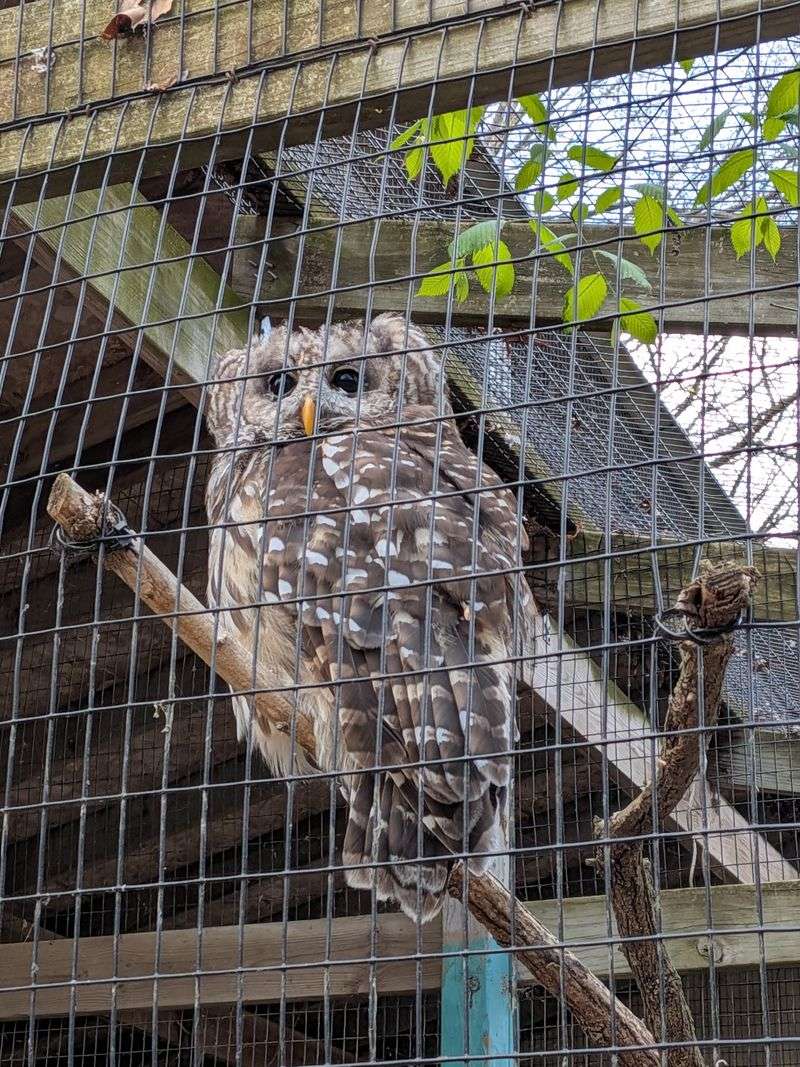
Wildlife rehabilitation gives Howell Nature Center a purpose that reaches beyond a pleasant woodland walk. The center cares for injured and orphaned wild animals while teaching visitors how Michigan species live and survive.
Its Wild Wonders Wildlife Park provides educational encounters with animals that cannot return to the wild, creating a thoughtful stop for children and adults.
Wooded trails and outdoor learning spaces spread across the property near Triangle Lake, while organized programs may include climbing, zip lines, camping, and seasonal family activities. Availability, admission rules, and adventure requirements vary, making advance planning especially useful here.
Wear closed-toe shoes if participating in active programs, and never feed or disturb animals along the paths. The center is located at 1005 Triangle Lake Road in Howell.
Allow enough time to read exhibit signs rather than rushing through. Checking the official calendar before departure helps visitors match their trip with current hours, programs, and age guidelines.
9. Sleep Above Ground At Idema Explorers Camp
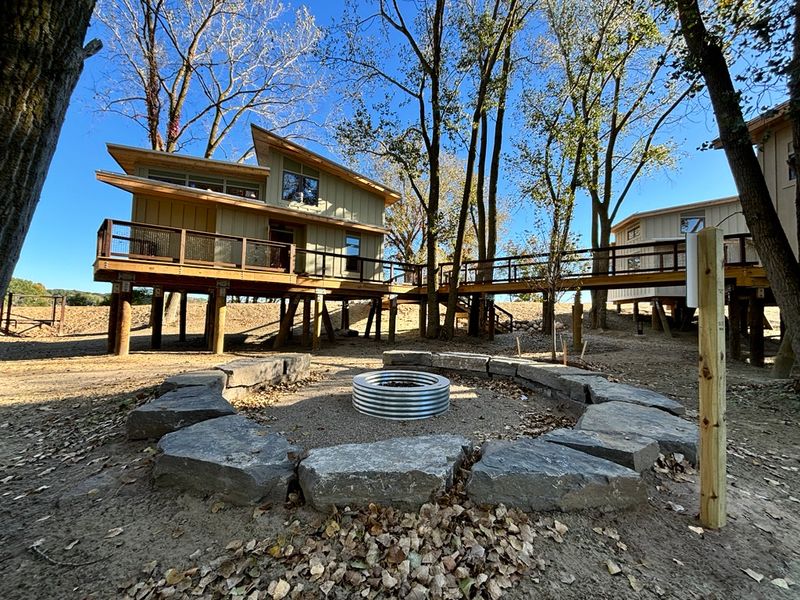
Sleeping among the branches feels delightfully unusual at Idema Explorers Camp, an overnight area inside Ottawa Sands. The camp includes three elevated treehouses, five yurts, and ten tent pads, offering choices beyond ordinary car camping.
Its setting within the 345-acre park puts dunes, woodland, water, and connected trail systems close to camp.
Daylight hours can be filled with birding, hiking, or paddling from the kayak launch on the Grand River. Nearby routes connect the broader landscape with North Ottawa Dunes and P.J.
Hoffmaster State Park, creating options for longer explorations. ADA-accessible pathways help more travelers enjoy the property, although individual lodging features should be confirmed before booking.
Reserve early because the distinctive shelters can attract attention during popular weekends. Pack for Lake Michigan’s quick weather changes, store food properly, and bring lighting for nighttime movement.
The entrance is at 18153 North Shore Drive in Ferrysburg.
8. A Canopy Walk Above Whiting Forest
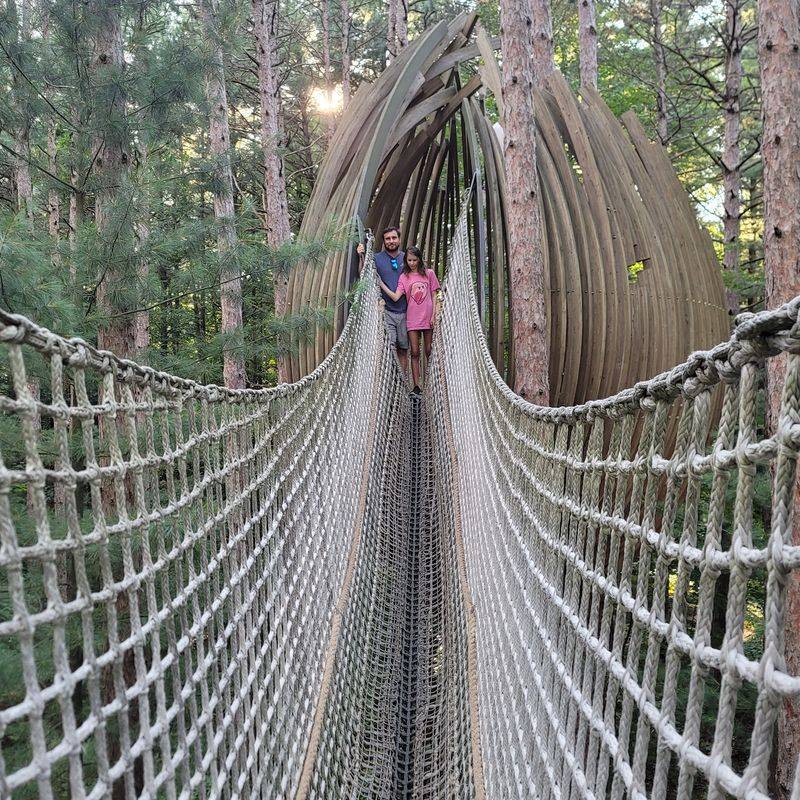
Few walkways make adults grin quite like the canopy route at Whiting Forest of Dow Gardens. Stretching 1,400 feet and climbing as high as 40 feet, it is recognized as the nation’s longest canopy walk.
Three arms extend toward different scenes, including an orchard, pond, and glass-floor section that adds a mild flutter to the experience.
The 54-acre forest also holds woodland paths, water features, a wildflower meadow, and a nature-inspired playground. Families can split their visit between elevated views and ground-level wandering, which keeps restless young explorers interested.
The structure is designed for accessibility, but visitors should consult Dow Gardens for current admission, hours, and weather closures. Arriving earlier can mean cooler temperatures and quieter platforms.
Secure loose items before stepping onto the glass area, and keep children within reach on busy days. Find the entrance at 1809 Eastman Avenue in Midland.
7. Meet The Woods At Blandford Nature Center
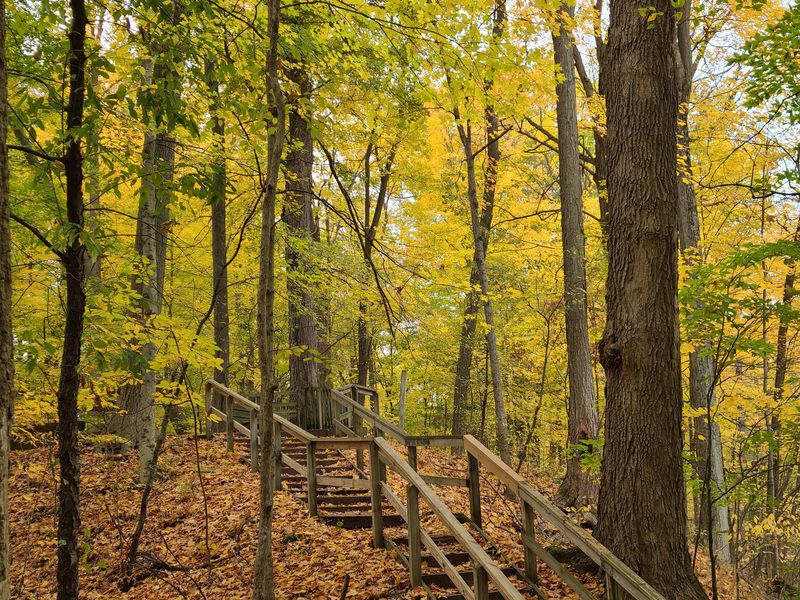
Just beyond Grand Rapids neighborhoods, Blandford Nature Center feels surprisingly removed from city routines. Trails cross forests, meadows, wetlands, and farm landscapes, offering short outings that still show several habitats.
The Wildlife Education Center houses native animals that cannot survive independently in the wild, while interpretive displays explain their stories and ecological roles.
Blandford’s historic buildings and working farm bring local history into the outdoor experience. Depending on the season, scheduled programs may cover maple syrup, wildlife, gardening, or guided exploration, so the event calendar deserves a look.
Stay on marked paths to protect sensitive areas, and give every wild animal plenty of room. Mud is common after wet weather, making sturdy shoes more useful than spotless sneakers.
Located at 1715 Hillburn Avenue NW, the center may charge admission or require registration for certain activities. Budget extra time for unhurried observation, since quiet visitors often notice movement beside the trail.
6. Walk The Wetlands At Outdoor Discovery Center

A rustle in the reeds can stop an entire group at Outdoor Discovery Center, where wetlands support abundant birdlife. The Holland property protects varied habitats, including ponds, prairie, forest, and marsh.
A broad trail network links wildlife viewing areas and educational spaces, making it possible to shape an outing around available time and energy.
Live animal exhibits and nature programs help connect trail sightings with larger conservation lessons. Archery, paddling, fishing, and other activities may be offered through scheduled events rather than daily drop-in access, so confirm details beforehand.
Bring sun protection for open prairie sections and insect repellent for warmer months near water. Young visitors usually benefit from a slow pace, binoculars, and a simple list of animals to find.
The center stands at 4214 56th Street in Holland, away from the busiest lakeshore crowds. Seasonal trail conditions vary, and staying on designated routes protects nesting areas and restored plant communities.
5. Treetop Views At Sarett Nature Center
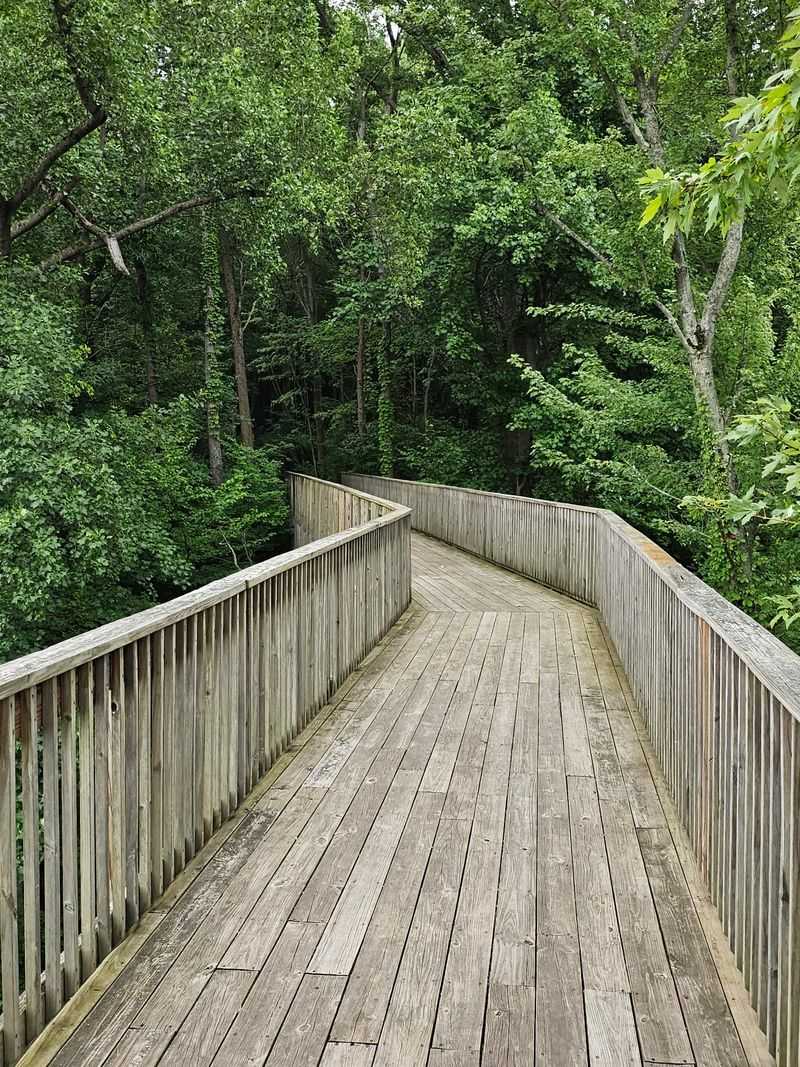
Autumn turns Sarett Nature Center’s treetop walkway into a front-row seat for blazing forest color. The accessible elevated path is only one piece of a preserve covering more than 1,000 acres.
Eight miles of trails, boardwalks, and observation platforms reveal wetlands, rare fens, wooded slopes, and bluffs above the Paw Paw River.
Warmer months bring a butterfly house, generally operating from May through September, while a nature playground gives energetic children room to scramble. Programs may include canoeing and kayaking, and winter conditions can open opportunities for cross-country skiing.
Rental availability and seasonal schedules should always be checked directly. Waterproof footwear helps on low, damp routes, and binoculars earn their space in a daypack.
Start with the visitor center for trail guidance, especially if time is limited or accessibility matters. Sarett is located at 2300 N Benton Center Road in Benton Harbor, with habitats rich enough to reward repeat trips.
4. Boardwalk Country Along Grass River
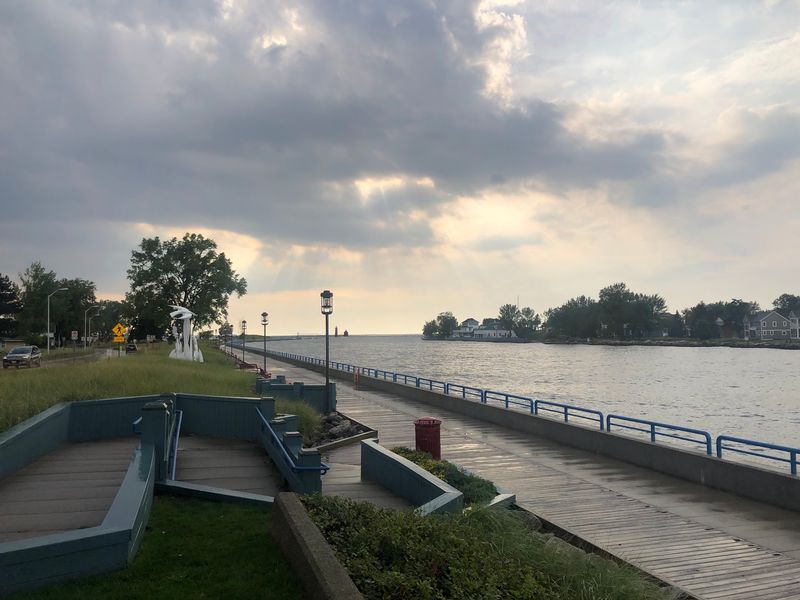
Cedar scent and the soft knock of shoes on boardwalk announce a visit to Grass River Natural Area. Spread across 1,502 acres near Bellaire, the protected landscape includes northern fen, wetlands, river habitat, and upland forest.
Seven miles of maintained routes provide choices, with about 1.5 miles of accessible trails and boardwalks.
Sedge Meadow and Fern trails carry walkers over wetter ground, while Woodland and Algonquin routes use forested dirt paths. Guided kayak trips may offer a water-level view of the river, and snowy months invite snowshoeing or cross-country skiing when conditions cooperate.
An accessible natural playground adds another option for families. Mosquitoes can be energetic in summer, so repellent and long sleeves are wise.
Boardwalks may become slick after rain or frost, making deliberate steps essential. Begin at 6500 Alden Highway and check the nature center for maps, programs, closures, and updated paddling information.
3. Gardens Meet The Wild At Fernwood
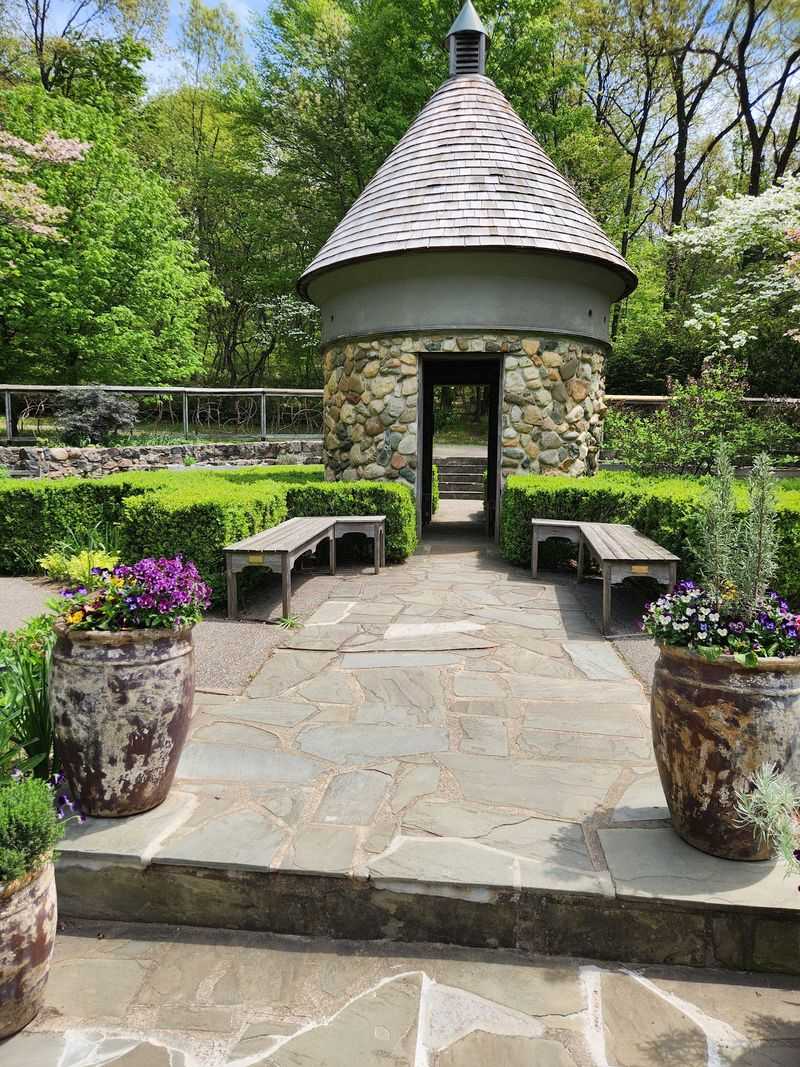
Manicured beds slowly give way to untidy, fascinating woods at Fernwood Botanical Garden. The 105-acre property occupies part of the St. Joseph River valley, combining cultivated gardens with a 55-acre nature preserve.
That contrast makes one visit feel like two different outings, one carefully arranged and another shaped by water, weather, and time.
Preserve trails pass dry forest, wet woods, streams, ponds, and reconstructed tallgrass prairie. Some sections climb steeply, while gentler routes and paved garden paths provide easier alternatives.
Boardwalks and steps help hikers cross difficult ground, although bare earth and wood chips can become slippery. Birders should pause near habitat edges, where open and wooded areas meet.
Check admission prices, hours, and current trail conditions before visiting 13988 Range Line Road in Niles. A map is helpful because route difficulty varies, and comfortable footwear leaves more attention for ferns, flowers, and river-valley birds.
2. Quiet Science At Pierce Cedar Creek Institute
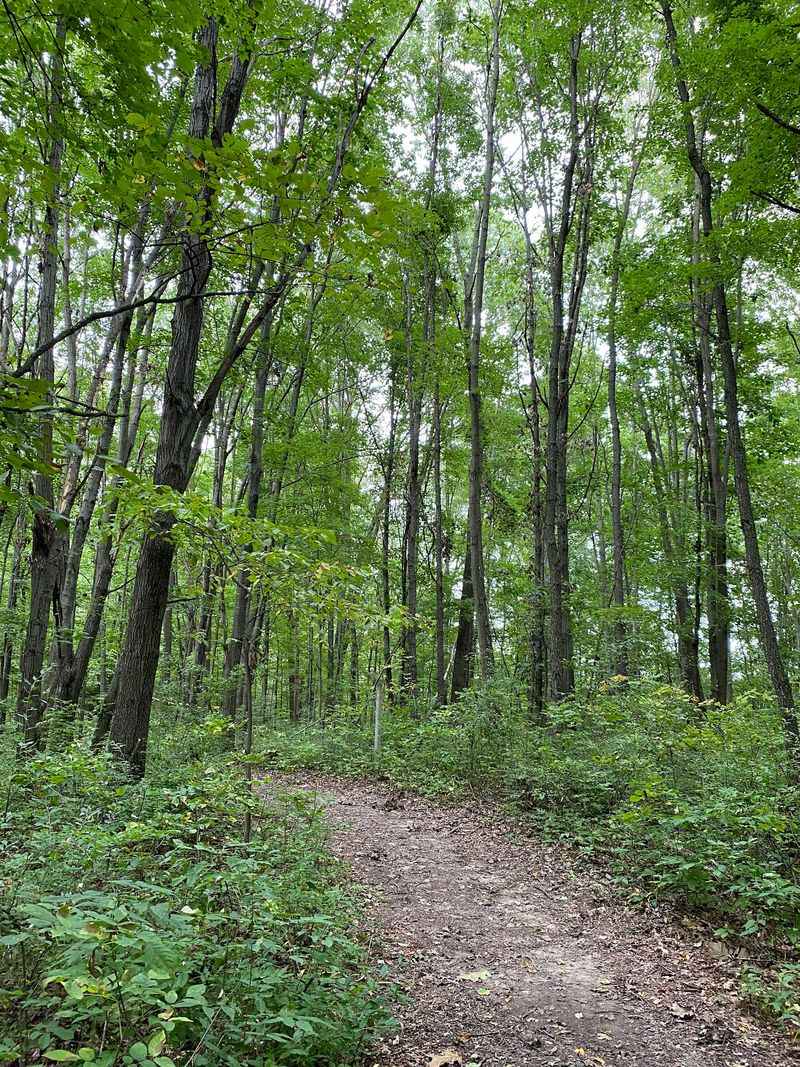
Science feels pleasantly close to the trail at Pierce Cedar Creek Institute, where research and public education share a protected landscape. Forests, wetlands, streams, and lakeshore habitats support ecological study while giving visitors room to walk quietly.
A system of marked trails offers changing terrain and frequent chances to observe birds, plants, and signs of wildlife.
Public programs may feature guided hikes, lectures, citizen science, or seasonal topics, adding useful context to whatever appears outdoors. Because research and conservation guide management decisions, visitors should respect closures, signs, and boundaries around sensitive work areas.
Download or collect a trail map before setting out, carry water, and expect muddy patches after rain. Quiet voices improve the odds of hearing frogs or woodland birds.
The institute is located at 701 W Cloverdale Road near Hastings. Confirm public access details and program registration in advance, since schedules and facility availability can change throughout the year.
1. Do Not Miss Hidden Lake Gardens
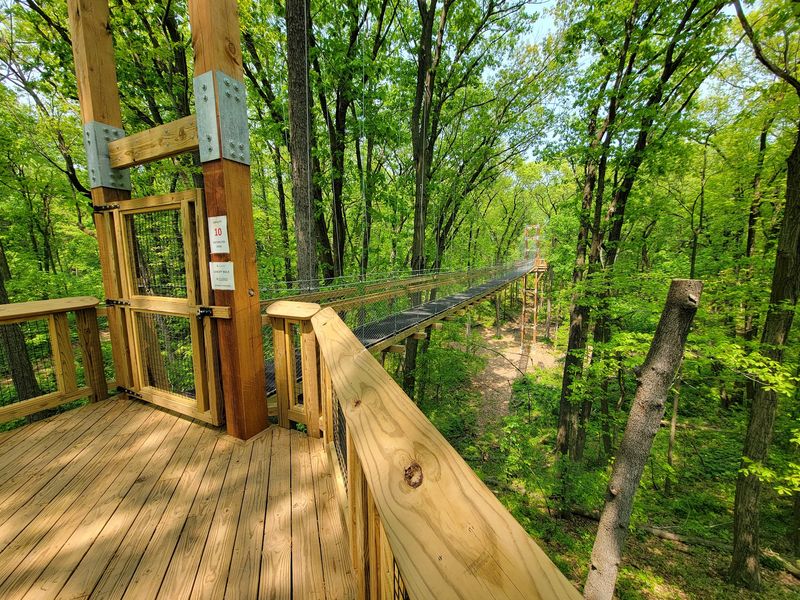
Rolling hills hide and reveal water throughout Hidden Lake Gardens, making every bend feel carefully timed. Michigan State University manages this 755-acre botanical garden and arboretum near Tipton.
Collections, natural areas, and miles of roads and trails create an outing that can be adjusted for hikers, garden lovers, and visitors who prefer scenic driving.
The Reach for the Sky Canopy Walk adds an elevated forest experience, with connected structures and pathways designed to bring visitors among the branches. Elsewhere, the conservatory, bonsai collection, lake views, and woodland routes reward a full afternoon.
Entry fees, canopy access, and seasonal hours should be verified before traveling. Bring a site map because the property is large, and choose footwear suited to hills if leaving paved areas.
Fall color draws crowds, while spring offers fresh growth and flowering collections. The entrance is at 6214 W Monroe Road in Tipton, where weather can affect outdoor features.