
Maine’s Moose Map Reveals Where The State’s Biggest Animals Are Most Common
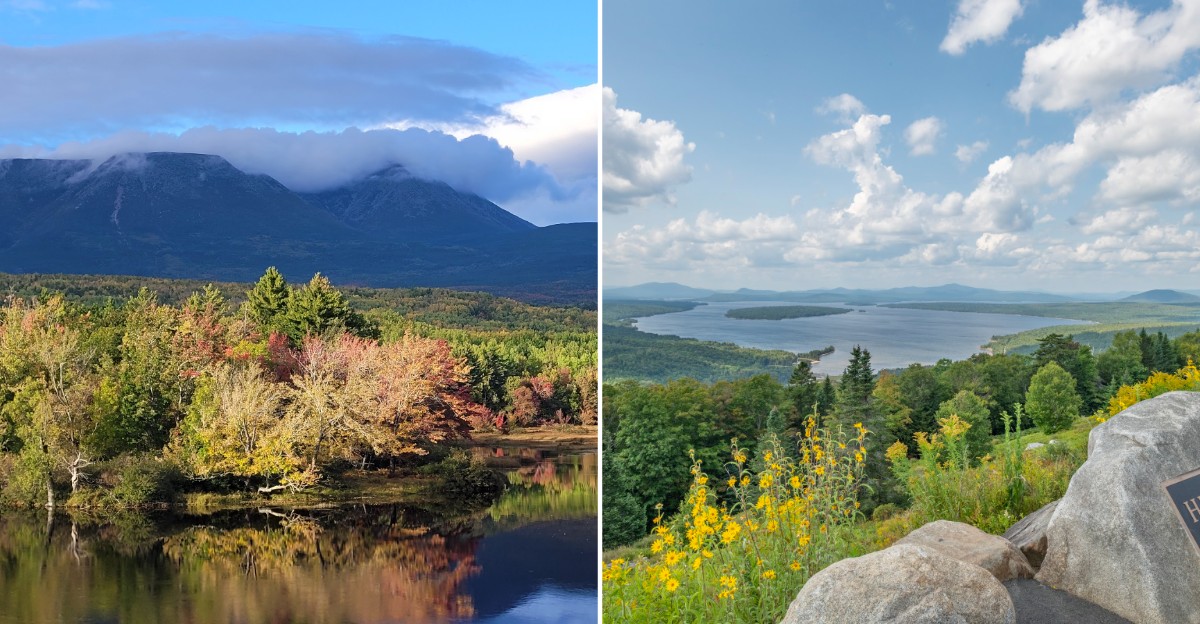
Seeing a moose in the wild is the kind of thing that can stop you in your tracks. These animals are huge, surprisingly quiet, and not always easy to find.
Maine has the largest moose population in the Lower 48, but your chances get much better in certain parts of the state.
That usually means heading toward quieter roads, ponds, and forested areas where moose have room to roam. Early morning and evening are often the best times to look, though sightings are never guaranteed.
The spots ahead are known for strong moose habitat and good wildlife-watching opportunities. Bring binoculars, stay patient, and give every animal plenty of space.
With a little luck, a simple Maine road trip could turn into one of those wildlife moments you end up talking about for years.
Allagash Wilderness Waterway, Northern Maine
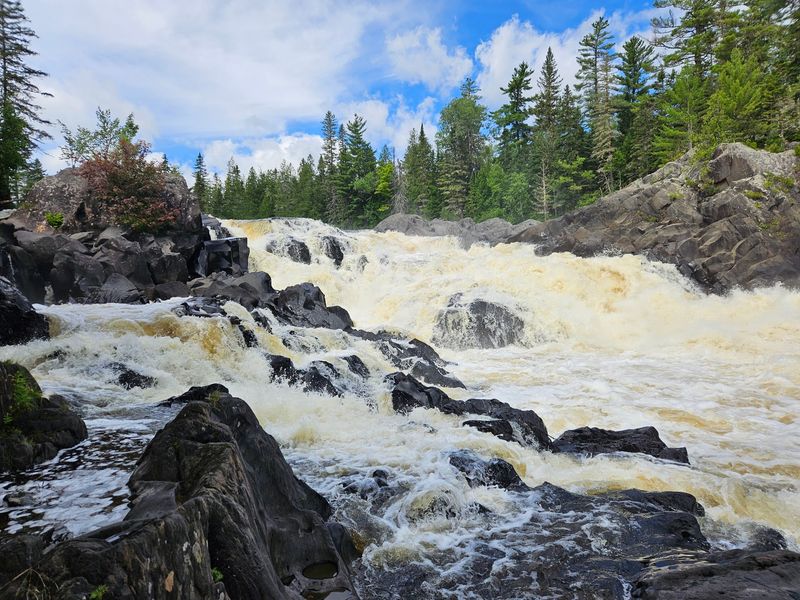
Few places in Maine feel as wild and untouched as this stretch of protected river country. Winding through 92 miles of lakes, ponds, and streams, the Allagash Wilderness Waterway sits deep in Northern Maine, far from busy roads and crowds.
Moose thrive here because the water and marshy edges give them plenty of the plants they love to eat. Paddlers gliding along in canoes often round a bend and find a moose knee-deep in the shallows, calmly feeding as if nobody is watching.
Early morning and just before dusk are the golden hours for sightings, so plan your trip around those quiet times. Since this area is remote, you will want to pack extra supplies, tell someone your route, and bring a map because cell service is basically nonexistent out here.
Camping along the waterway lets you wake up to birdsong and the chance of a moose wandering near your site. Guides and outfitters in the region can help beginners feel comfortable, which is smart if you have never handled a canoe on open water.
Keep a respectful distance from any moose you meet, especially cows with calves, since these animals are much stronger than they look. Bring binoculars, a waterproof camera bag, and a sense of adventure.
For travelers who dream of true backcountry, this waterway delivers solitude and giant four-legged neighbors in equal measure. Leave with photos, memories, and a deep respect for Maine’s wild north.
Katahdin Woods And Waters National Monument, North-Central Maine
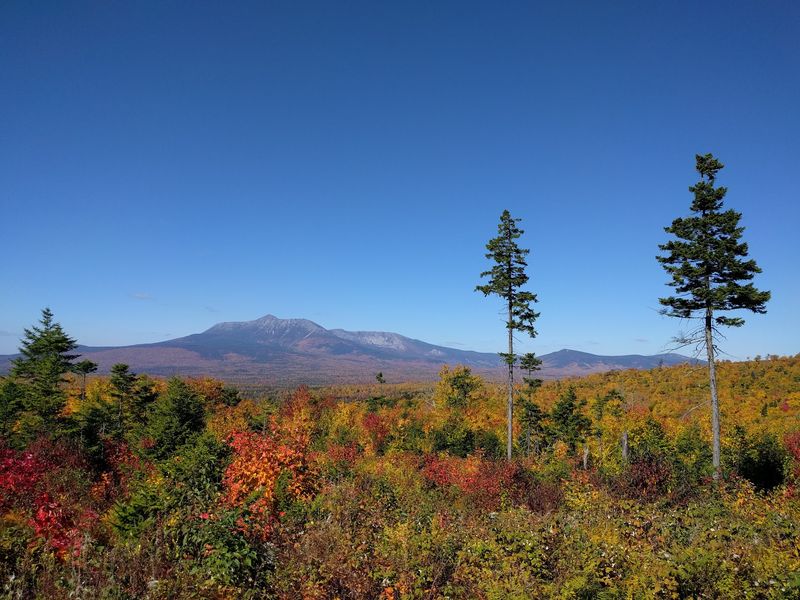
Sprawling across roughly 87,000 acres, this national monument in North-Central Maine protects some of the most rugged and beautiful land in the state. It became a national monument in 2016, which is fairly young as far as protected lands go.
The mix of forests, rivers, and open clearings creates excellent moose habitat, and the animals are regularly seen within the monument. The scenic Loop Road offers slow driving with frequent pull-offs, perfect for scanning the tree line and wetlands.
Sunrise brings a special kind of magic here, with mist rising off the water and the outline of Mount Katahdin glowing in the distance. That early light also happens to be prime moose-watching time, so set your alarm and pack a warm layer.
Hiking and biking trails let you cover more ground, though it helps to move quietly and keep your eyes peeled near ponds. Because services are limited, fill your tank, carry snacks, and download maps before you arrive.
Photographers adore the way the mountain backdrop frames wildlife shots, turning an ordinary moose sighting into a postcard-worthy moment. Stay in your vehicle or keep plenty of space between yourself and any animal you find.
Fall paints the forest in fiery colors, adding another reason to visit during the cooler months. Whether you come for the peaks or the wildlife, this young monument rewards every curious traveler who takes the time to slow down and look.
Baxter State Park, Millinocket Area
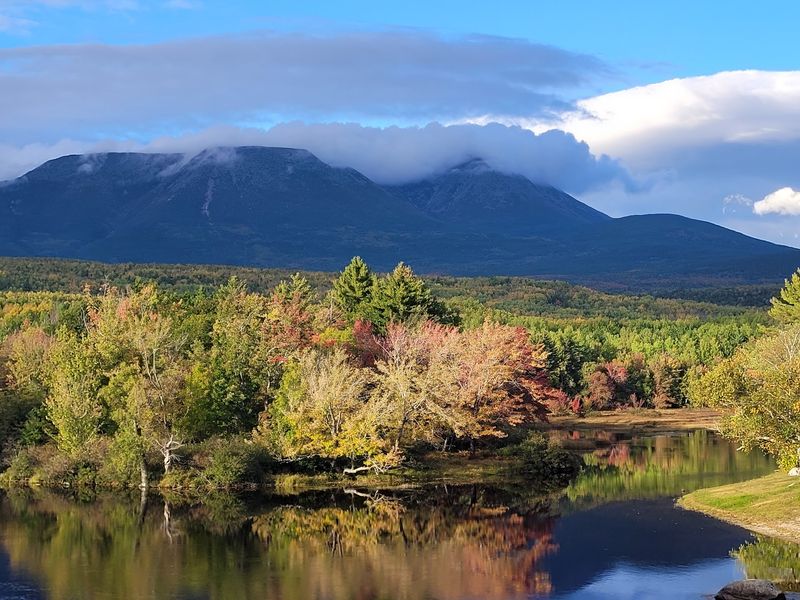
Ask any Maine local where to see a moose, and Baxter State Park near the Millinocket area will almost always land near the top of the list. This enormous park covers more than 200,000 acres and was gifted to the people of Maine by former Governor Percival Baxter.
Sandy Stream Pond and Stump Pond rank among the most reliable moose-watching spots in the entire state. On calm mornings, it is common to see several moose feeding at once, their heads dipping below the surface for tasty aquatic plants.
The park keeps things rustic on purpose, meaning limited pavement and a strong focus on preserving the natural setting. Reservations for day-use parking fill up fast during peak season, so book early and arrive before the gates get crowded.
Trails range from easy pond loops to the famous climb up Mount Katahdin, giving hikers of every level something to enjoy. Even short walks can lead to unforgettable wildlife encounters if you stay quiet and patient.
Rangers here take conservation seriously, so follow posted rules and never approach the animals. A zoom lens will be your best friend for capturing moose from a respectful distance.
Pack a picnic, bring plenty of water, and give yourself a full day to soak it all in. Baxter blends towering peaks with peaceful ponds, making it one of the most rewarding moose destinations Maine has to offer.
Lily Bay State Park, Moosehead Lake
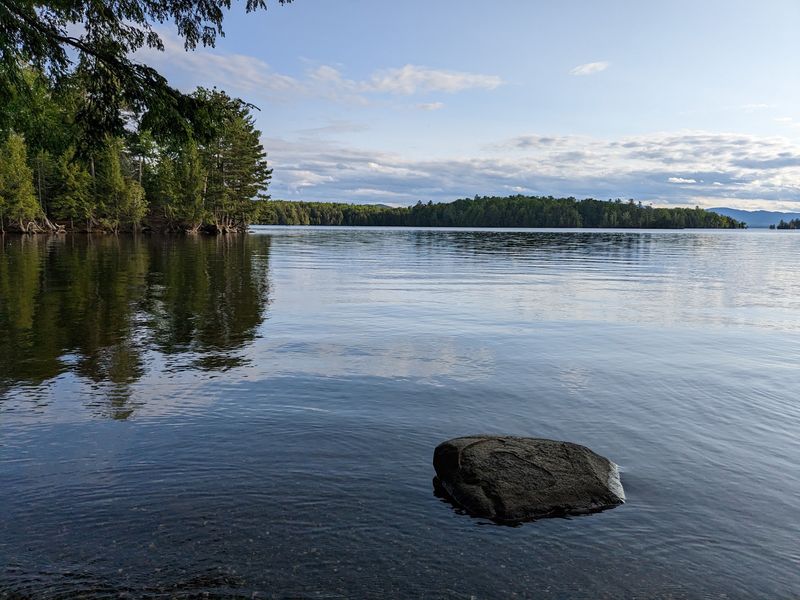
The name of the region alone tells you what to expect, since Moosehead Lake is the largest lake in Maine and a legendary hangout for these big animals. Lily Bay State Park sits right along its shore and offers a relaxed base for wildlife lovers.
The broader Moosehead Lake region has excellent moose habitat, and nearby wetlands and quiet shorelines can offer opportunities to spot wildlife, especially early in the day.
Camping here puts you close to the action, with sites tucked among the trees and easy access to the water. Two campgrounds provide space for tents and vehicles, so families can settle in and make a weekend of it.
The lake itself is huge, covering around 75,000 acres, which means there is always more shoreline to explore by boat or kayak. Fishing, swimming, and picnicking round out the list of things to do between wildlife outings.
Guided moose tours run out of nearby Greenville for folks who want expert help finding the animals. These trips often boost your chances and teach you interesting facts along the way.
Keep noise low and movements slow whenever a moose appears, and always let the animal set the distance. With its calm waters and towering visitors, Lily Bay wraps wildlife and lakeside fun into one memorable Maine getaway that campers return to year after year.
Rangeley Lake State Park, Rangeley
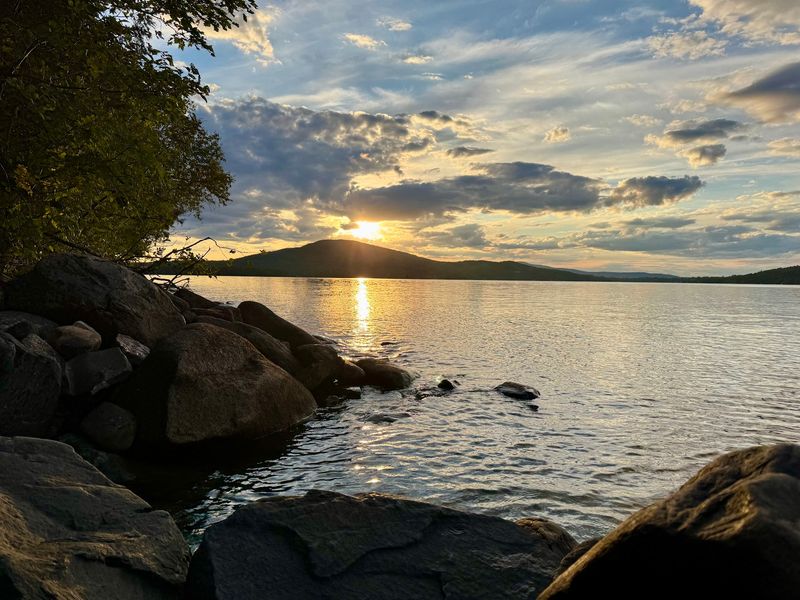
Western Maine holds its own moose secrets, and Rangeley Lake State Park in the town of Rangeley is one of the best. This peaceful park hugs the southern shore of Rangeley Lake, ringed by mountains and thick forest.
The surrounding region is famous for wildlife, and moose often appear in the boggy areas and roadside ponds nearby. Drivers along the local routes should slow down at dawn and dusk, both to spot moose and to stay safe on the road.
Inside the park, campers enjoy well-kept sites, a boat launch, and a swimming area that makes summer days breezy and fun. The clear mountain air and quiet setting create a calm mood that draws visitors back season after season.
Anglers love this lake for its trout and salmon, so pack a rod if fishing is your thing. Between casts, keep an eye on the shoreline where moose sometimes wander out for a drink.
Because moose are most active during cooler parts of the day, plan your outings early and carry bug spray during the warmer months. A quiet paddle around the lake can turn up sightings that road travelers miss entirely.
Bring binoculars, dress in layers, and stay patient, since wildlife rarely runs on a schedule. Rangeley blends mountain views and sparkling water with easy access to a region well known for moose sightings.
Height Of Land, Route 17 Near Rangeley
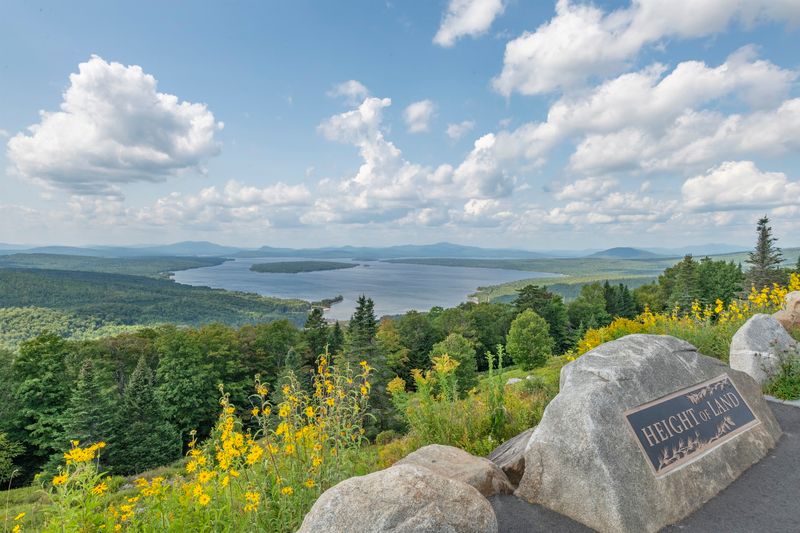
Some spots are known for jaw-dropping views, and Height of Land along Route 17 near Rangeley delivers one of the finest scenic overlooks in all of Maine. This roadside pull-off looks out over Mooselookmeguntic Lake and miles of rolling forest.
The area earns its place on any moose map thanks to the wetlands and bogs scattered along the highway. Travelers driving this stretch at sunrise or sunset frequently glimpse moose feeding near the road, so keep your speed gentle and your eyes sharp.
The overlook itself has a parking area and interpretive signs that explain the landscape spread out below. It also marks a point along the famous Appalachian Trail, adding a bit of hiking history to the stop.
Photographers flock here for golden-hour light that sets the lake and mountains aglow. Combining the view with a moose sighting makes for a truly special memory worth the trip.
Since this is a working highway, always pull fully off the road before stopping and never block traffic to snap a picture. Watch for moose crossing signs, which are posted because these animals really do wander across the pavement.
Bring a jacket, as the elevation can make it breezy even on warm days. A visit here works perfectly as part of a larger Rangeley adventure, giving you sweeping scenery and a solid shot at meeting Maine’s tallest residents along the way.
Nahmakanta Public Reserved Land, North Woods Near Millinocket
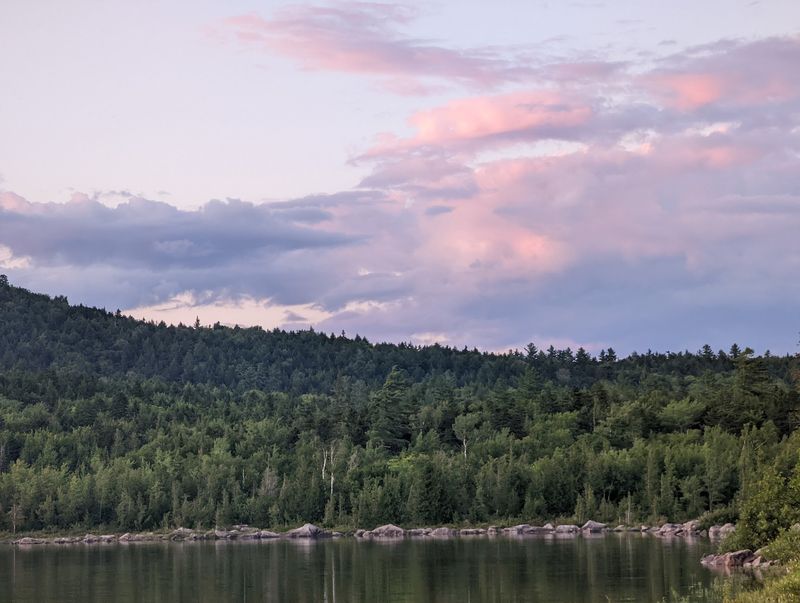
Deep in the North Woods near Millinocket lies a quiet stretch of wilderness that many travelers have never heard of. Nahmakanta Public Reserved Land covers roughly 43,000 acres of ponds, ridges, and old forest with hardly a crowd in sight.
This remoteness is exactly why moose feel at home here, roaming freely among the many ponds and streams. Visitors willing to venture off the beaten path are rewarded with peaceful trails and strong chances of spotting wildlife.
Dozens of ponds dot the land, and the shallow, plant-filled edges make ideal feeding grounds for moose. Paddling a quiet pond at first light often leads to close, calm encounters that feel almost private.
Getting here takes some effort, usually along gravel logging roads, so a sturdy vehicle and a good map help a lot. Cell service disappears quickly, meaning you should plan ahead and let someone know your route.
Primitive campsites and hiking trails, including a section of the Appalachian Trail, give adventurers plenty to explore. The sense of solitude out here is part of the reward, so slow down and enjoy the stillness.
Pack everything you need, from water to bug protection, since services are far away. Always keep your distance from any moose and let them go about their business undisturbed.
For those who crave real backcountry quiet paired with excellent wildlife odds, Nahmakanta stands out as one of Maine’s hidden treasures worth the extra miles.
Aroostook State Park, Presque Isle
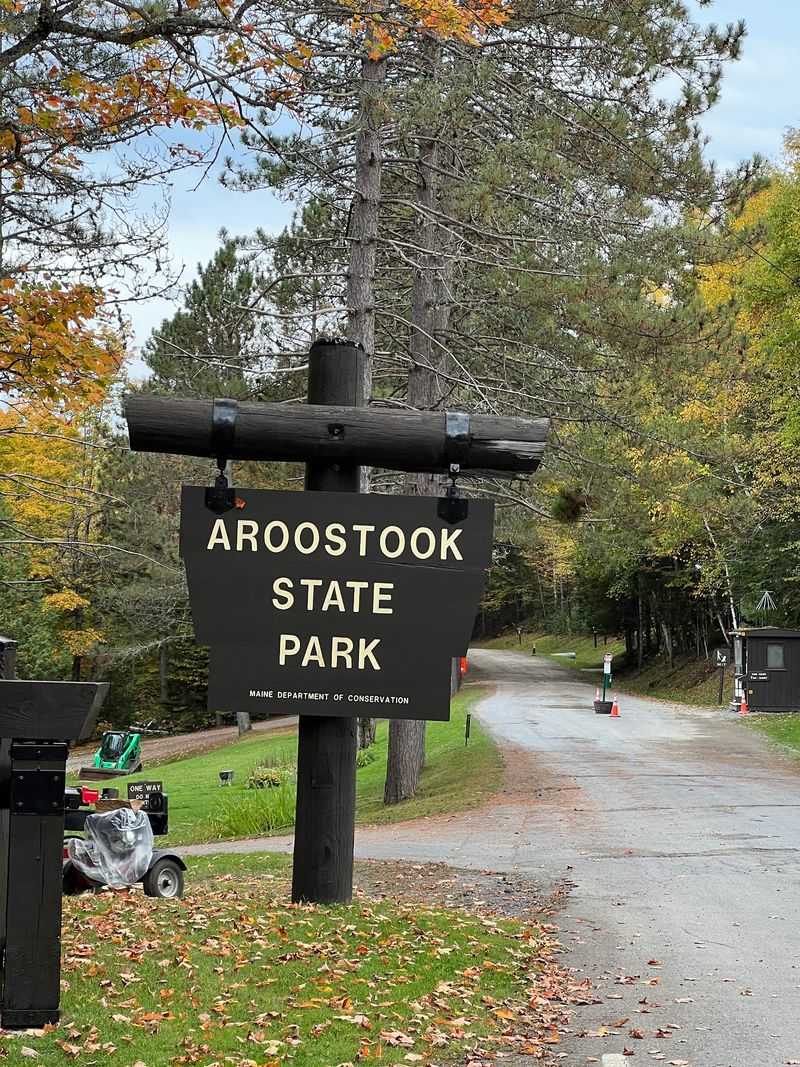
Way up in Maine’s northernmost county, Aroostook State Park near Presque Isle holds the honor of being the very first state park in Maine, established back in 1939. That long history makes it a beloved spot for locals and travelers alike.
Quaggy Jo Mountain rises above Echo Lake, and the surrounding forests and wetlands attract moose throughout the warmer seasons. Hikers climbing the mountain trails sometimes catch sight of these giants moving through the trees below.
The park keeps a friendly, welcoming feel, with a swimming beach, picnic areas, and campsites for families who want a comfortable base. Echo Lake invites gentle paddling, and quiet mornings on the water can bring unexpected wildlife company.
Because this region sees fewer tourists than the central parks, you often get trails and viewpoints nearly to yourself. That calm atmosphere makes it easier to hear rustling in the brush that might signal a moose nearby.
Fall visitors enjoy brilliant foliage and cooler air that keeps the animals active longer into the day. Bring layers, since northern Maine can turn chilly quickly once the sun dips.
Keep a safe, respectful distance from any moose you meet and use a zoom lens for photos. Trails here range from easy strolls to a steeper climb up Quaggy Jo for those wanting a workout.
Rich in history and tucked into Maine’s far north, Aroostook State Park closes out this moose journey with quiet charm and genuine wilderness appeal.