
Almost Nobody Knows This Pennsylvania City Was Once The State Capital
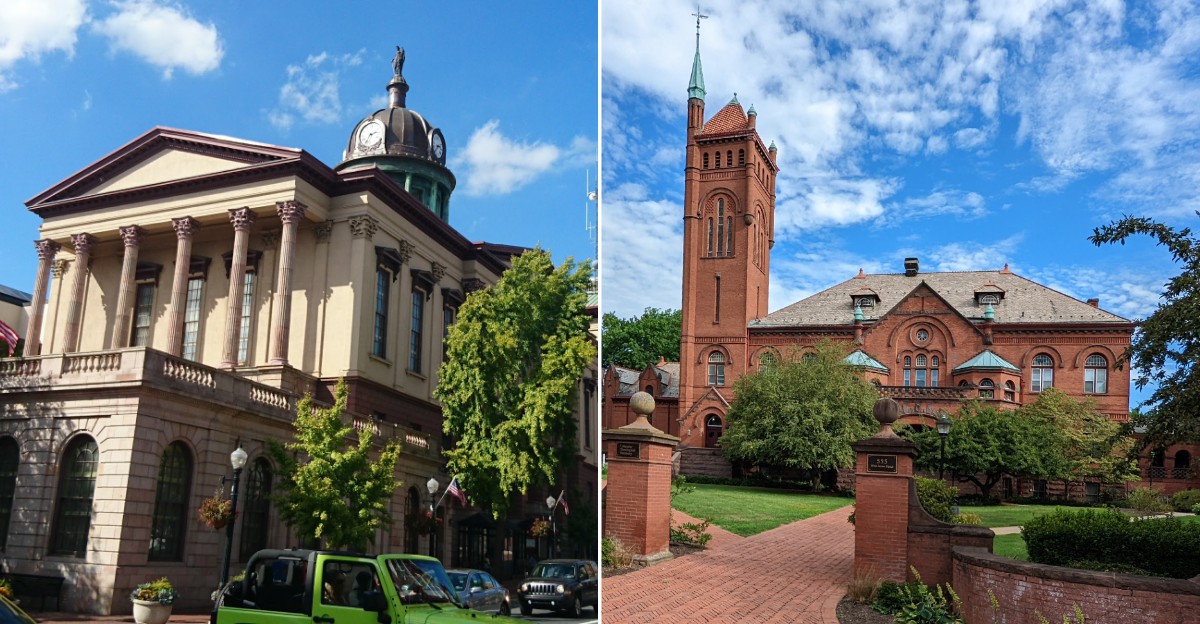
Pennsylvania once ran its government from a city that many travelers now know better for markets, old streets, and nearby farmland.
That forgotten chapter gives the place a fun little twist.
Long before the current capital took over, this city spent years at the center of state politics, quietly holding a role that surprises plenty of visitors today.
The history is still there if you know what to look for, but it does not announce itself loudly.
That makes discovering it feel almost like finding a fact someone forgot to put in the guidebook. I love stumbling across details like that when I travel.
On one trip, I learned halfway through the day that a town I had been casually exploring once held a much bigger political role than I realized.
I immediately started looking at the streets differently, wondering what meetings, arguments, and decisions had happened nearby.
Ever since, I have had a weakness for places that keep their best history hiding in plain sight.
The Capital Years Nobody Talks About
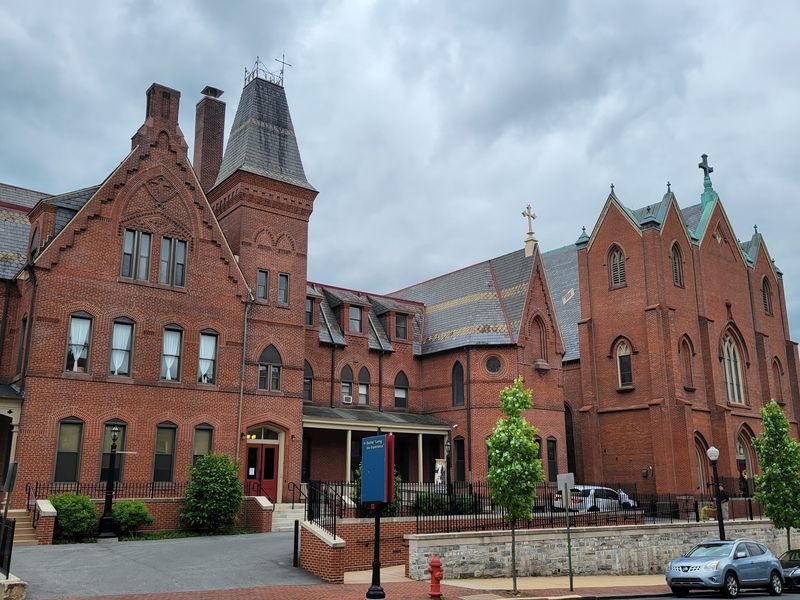
Between 1799 and 1812, Pennsylvania’s state legislature met right here for sessions inside a courthouse on Penn Square rather than in a purpose built capitol.
Lawmakers had grown uneasy with Philadelphia and wanted somewhere more central, so they packed up records and moved inland to a busy inland town surrounded by farms.
For thirteen years, bills were debated, governors were sworn in, and some state offices occupied rented space in buildings near Penn Square.
Eventually the legislature decided it wanted to be even farther west, and Harrisburg won the prize in 1812 thanks to its position on the Susquehanna River.
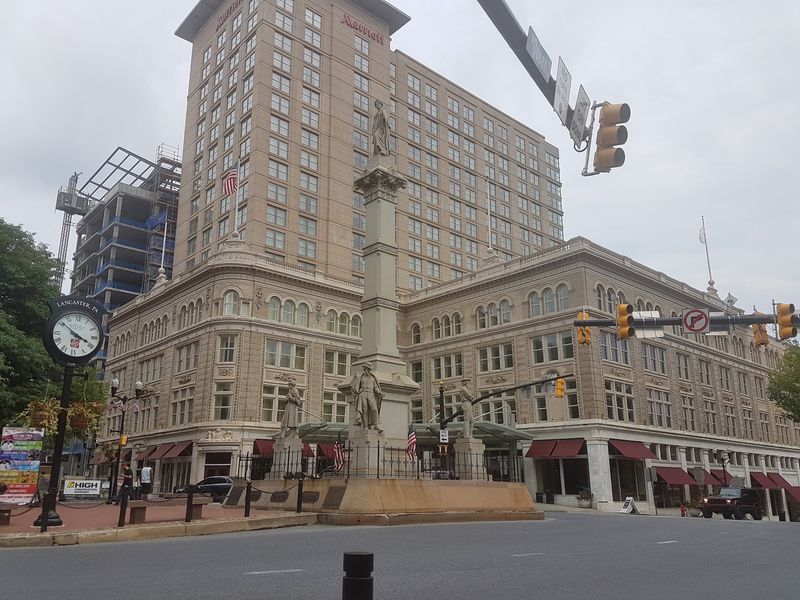
Walking Penn Square today, I found it strange that such a short chapter left almost no fanfare behind, just a marker and a lot of traffic.
If you visit, look for the historical plaques near the square before you wander off toward the market.
Knowing that Pennsylvania once governed itself from this exact spot changes how the whole downtown feels underfoot.
One Very Busy Day As The Nation’s Capital
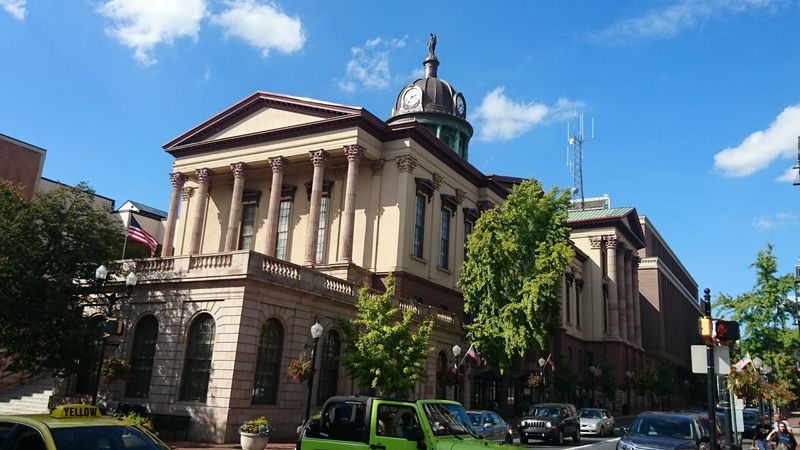
Long before the state government arrived, this city held the title of capital of the entire country for exactly one day.
On September 27, 1777, the Continental Congress fled Philadelphia ahead of British troops and met here before continuing on to York the following day.
That single session makes it one of the shortest capital stints in American history, and yet it absolutely counts.
I love the mental picture of delegates arriving dusty and tired, holding a meeting, then immediately deciding to keep moving west.
The story tends to surprise visitors who assume Philadelphia held the role without interruption during the Revolution.
Historical markers downtown mention the moment, though you have to slow down and actually read them to catch it.
For anyone touring Pennsylvania with kids, it is a fantastic trivia nugget that sticks in young memories better than dates ever do.
One day, one meeting, one permanent claim to fame that almost nobody outside the county seems to know about.
America’s Oldest Continuously Running Public Market
Central Market has been feeding this city since the 1730s, which makes it the oldest continuously operating farmers market in the country.
The current Romanesque brick building went up in 1889, and its twin towers still anchor the block just off Penn Square.
Inside, stalls sell sweet bologna, horseradish that clears your sinuses, shoofly pie, cut flowers, and fresh produce from nearby fields.
I arrived shortly after opening on a Tuesday and had space to browse, which never happens on Saturday mornings.
Vendors here often represent the third or fourth generation of the same family behind the counter, and they will happily explain what you are buying.
Cash still moves faster than cards at several stands, so tuck a few bills in your pocket before you go.
Nothing else in Pennsylvania quite captures the mix of old commerce and daily routine the way this hall does.
Come hungry, leave with a tote bag you did not plan on carrying.
A President Called It Home
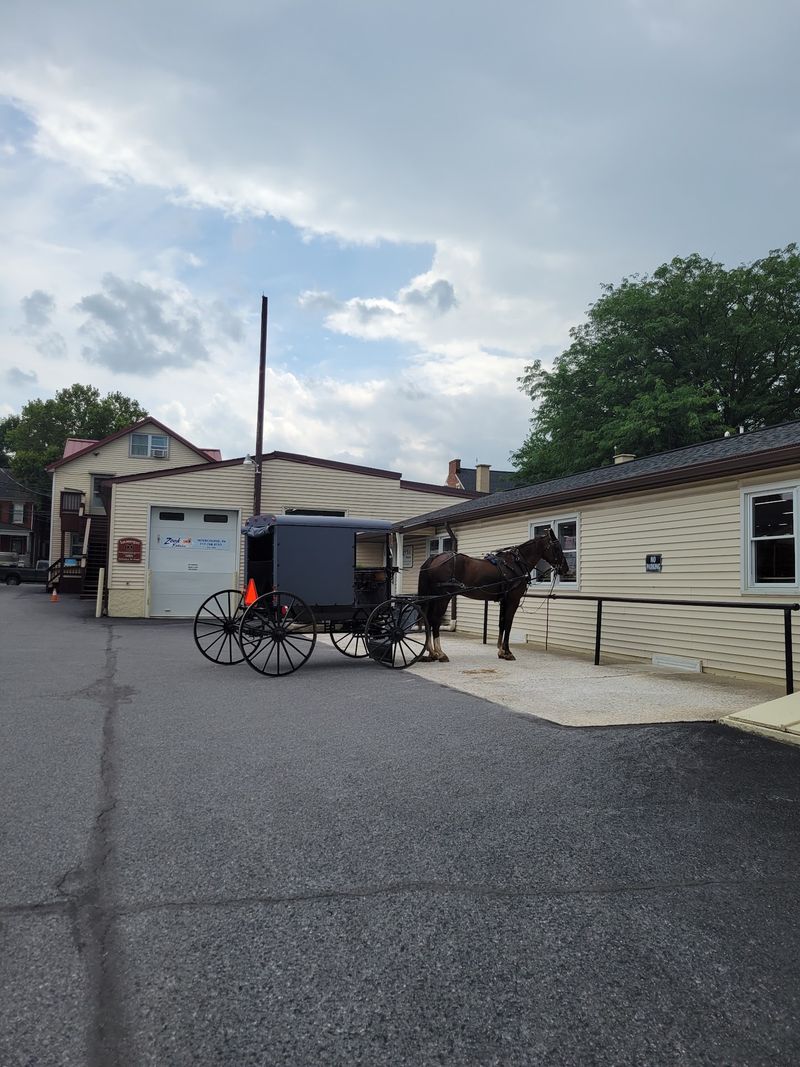
James Buchanan, the fifteenth president and one of two born in Pennsylvania, lived at an estate called Wheatland on the western edge of the city.
He bought the Federal style brick house in 1848, ran his 1856 campaign from the front porch, and returned here after leaving Washington.
Guided tours walk through rooms filled with his original furniture, books, and even his hat, which somehow makes the whole thing feel very personal.
The property sits on Marietta Avenue and shares grounds with a local history museum, so one ticket covers a lot of ground.
I found the library especially interesting, since that is where he wrote and worried and received visitors.
Costumed guides handle questions about his complicated legacy honestly rather than glossing over it.
Spring and fall visits are lovely because the surrounding trees put on a show.
For presidential history fans, this stop turns a vague name from a textbook into an actual person who lived down the road.
Inland Empire Of Early American Industry
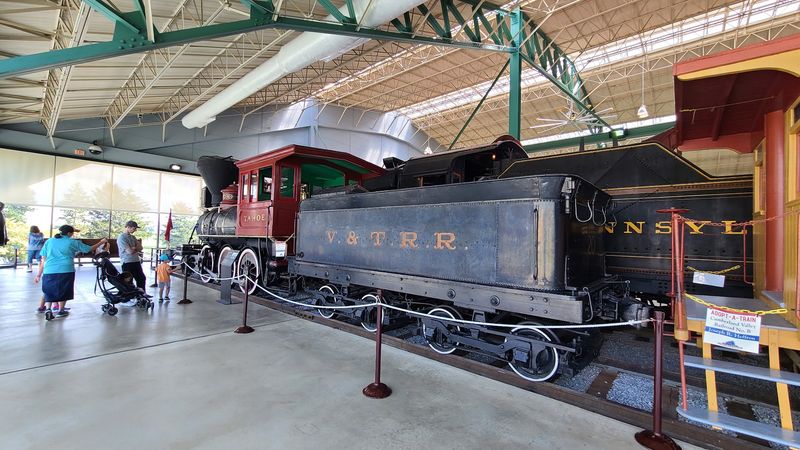
By the time of the Revolution, this was the largest inland city in the thirteen colonies, and it earned that spot through skilled hands.
Gunsmiths here perfected the Pennsylvania long rifle, a slender, accurate firearm that became famous with frontier hunters and colonial riflemen.
Wagon builders in the nearby Conestoga valley created the broad canvas topped wagons that hauled freight over the mountains for generations.
Printers, clockmakers, ironworkers, and pottery shops filled the streets, turning a farm town into a manufacturing hub.
Museums around the county display these rifles and wagons, and seeing the craftsmanship up close explains the reputation instantly.
I had assumed the city was always mostly agricultural, so learning it was an early industrial powerhouse reset my thinking.
That workshop energy is part of why lawmakers considered it a serious candidate for the capital in the first place.
Skilled trades built the place long before tourism ever thought about it.
Farmland That Feeds Far Beyond The County
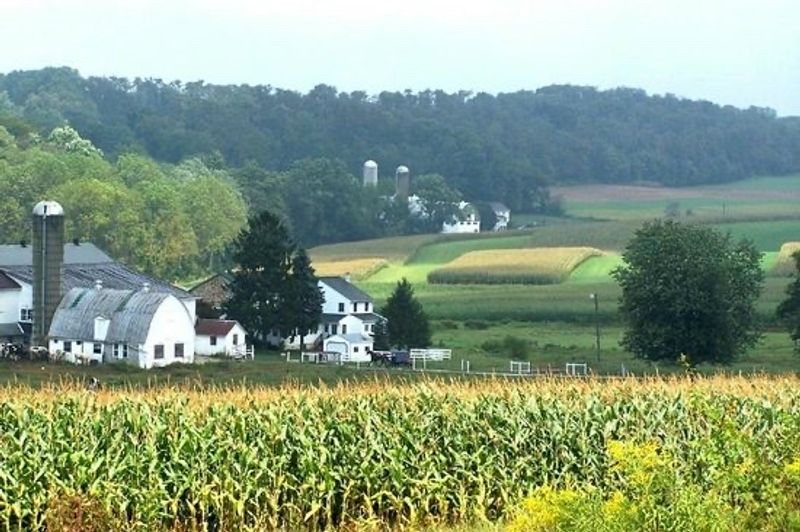
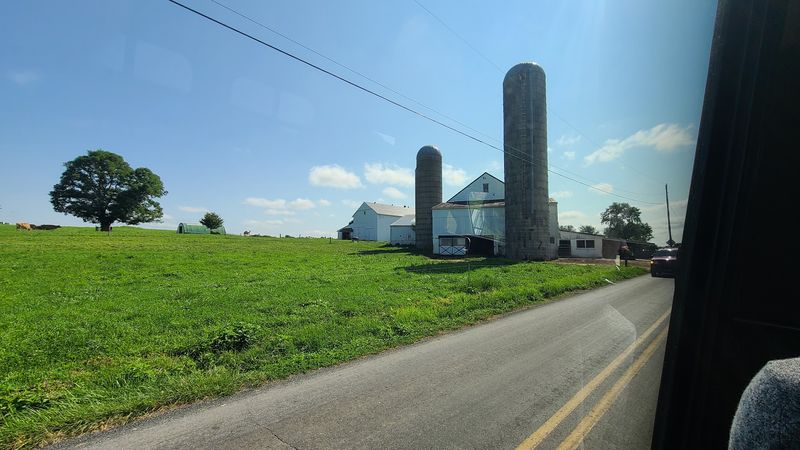
Drive ten minutes in almost any direction and the city gives way to some of the most productive non irrigated farmland in the United States.
Lancaster County consistently ranks among the top agricultural counties in the nation, which is remarkable given how small it is.
Dairy barns, corn rows, and tobacco sheds share the landscape with horse drawn equipment still in regular use.
Plain communities including Amish and Mennonite families have farmed these fields for generations, alongside other farmers working Lancaster County’s exceptionally productive soils.
Roadside stands work on the honor system in many spots, with a coffee can for payment and no attendant in sight.
I stopped at one for a jar of pickled beets and left money in a metal box, which felt refreshingly trusting.
Many Amish-owned businesses close Sundays, but country drives remain possible; watch carefully for horse-and-buggy traffic on roads.
Those fields are the reason market stalls downtown look so good.
Fulton Theatre And Its Long Applause
Opened in 1852 on North Prince Street, the Fulton Theatre is among the oldest continuously operating theaters anywhere in America.
Its ornate interior, gilded balconies, and painted ceiling survived when so many similar halls were demolished or converted.
The building carries National Historic Landmark status, and the resident company stages musicals, dramas, and holiday shows throughout the year.
Stepping inside felt like walking into a jewel box that somehow still has a working sound system.
Tickets for weeknight performances often cost less than weekend shows, and the upper balcony has better sightlines than you might expect.
Street parking downtown fills quickly before curtain, so a nearby garage saves stress.
Longtime residents talk about seeing shows here as children and later bringing their own kids, which says plenty about staying power.
Pennsylvania has grander venues in bigger cities, but few have kept the lights on this consistently for this long.
Brick Alleys And Walkable Blocks
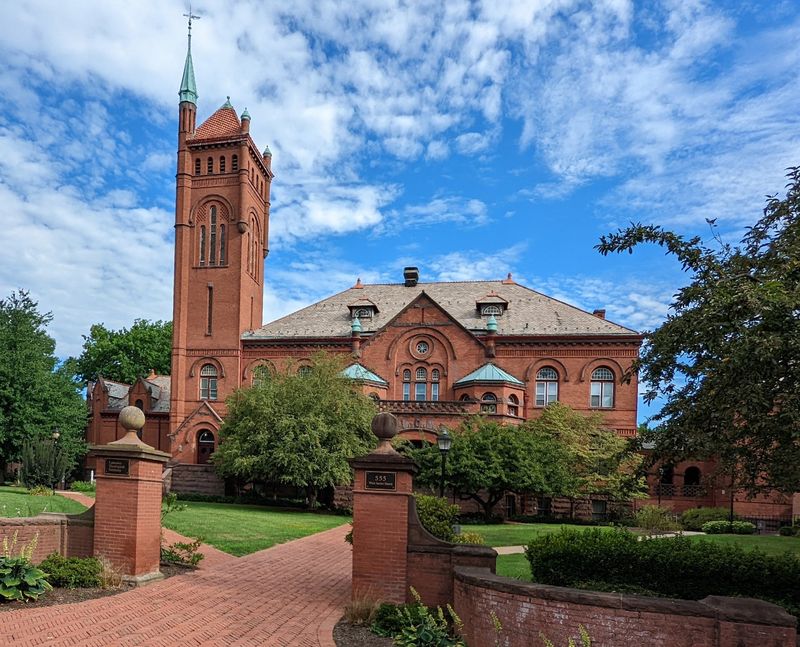
Downtown still follows the grid laid out in 1730, which means the blocks are short and the walking is easy.
Rowhouses, iron railings, and narrow alleys create a compact center you can cross on foot in about twenty minutes.
Gallery Row along North Prince Street hosts First Friday events where studios and shops stay open late and the sidewalks get busy.
I wandered without a map for an afternoon and kept stumbling onto murals, bookshops, and tiny courtyards behind wrought iron gates.
Comfortable shoes matter more than a detailed itinerary here, since brick sidewalks can be uneven in older sections.
Benches and small plazas give you places to rest, and coffee shops appear at convenient intervals.
Compared with sprawling cities, this scale feels genuinely human, the kind of place where you recognize a storefront on your second pass.
Give yourself a full day and resist the urge to rush.
Sweet Bologna, Whoopie Pies, And Pretzel Roots
Pennsylvania Dutch cooking dominates local menus, and the vocabulary takes a minute to learn.
Shoofly pie carries a molasses filling with a crumb top, chow chow is a tangy pickled vegetable mix, and scrapple is a breakfast item best tried before you ask questions.
Whoopie pies here come in flavors well beyond chocolate, including pumpkin and oatmeal versions that sell out early.
Soft pretzels have deep roots in this region, with commercial baking traditions stretching back to the nineteenth century in nearby towns.
My favorite discovery was sweet bologna, a smoky ring style sausage that tastes nothing like the lunch meat name suggests.
Family style restaurants serve enormous shared platters, which works beautifully for groups and terribly for anyone hoping to eat lightly.
Market vendors are generous with samples if you show real curiosity about what they make.
Bring an appetite and a cooler bag for the ride home.
Why The Capital Moved And What Stayed Behind
Geography decided the whole thing in the end.
As settlers pushed west across Pennsylvania, legislators wanted a capital closer to the state’s growing middle, and Harrisburg sat on a major river with better transport options.
The 1812 move stripped away political importance but left the courthouse, the market, the churches, and the workshops entirely intact.
Instead of fading, the city leaned into agriculture, manufacturing, and later medicine and education, which kept it steady through centuries of change.
What strikes me most is how little the place brags about its capital era, treating it as one line in a much longer story.
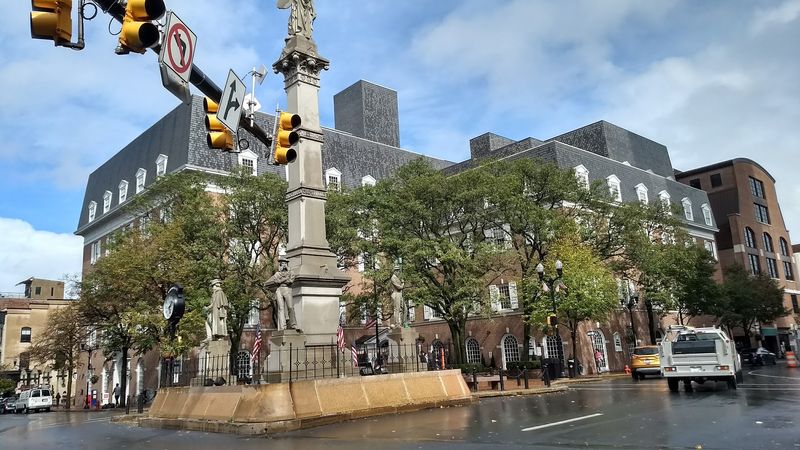
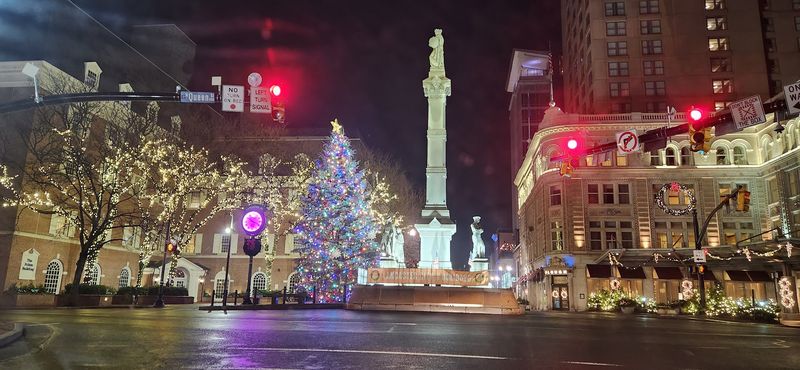
You can stand on Penn Square, look at the traffic circling the monument, and find almost no hint of the lawmakers who once argued nearby.
History here hides in plain sight, which honestly makes finding it more satisfying.
Lancaster lost a title and kept a soul, and that trade seems to have worked out fine.