
What You Need To Know About Snake Season In Hot Springs, Arkansas
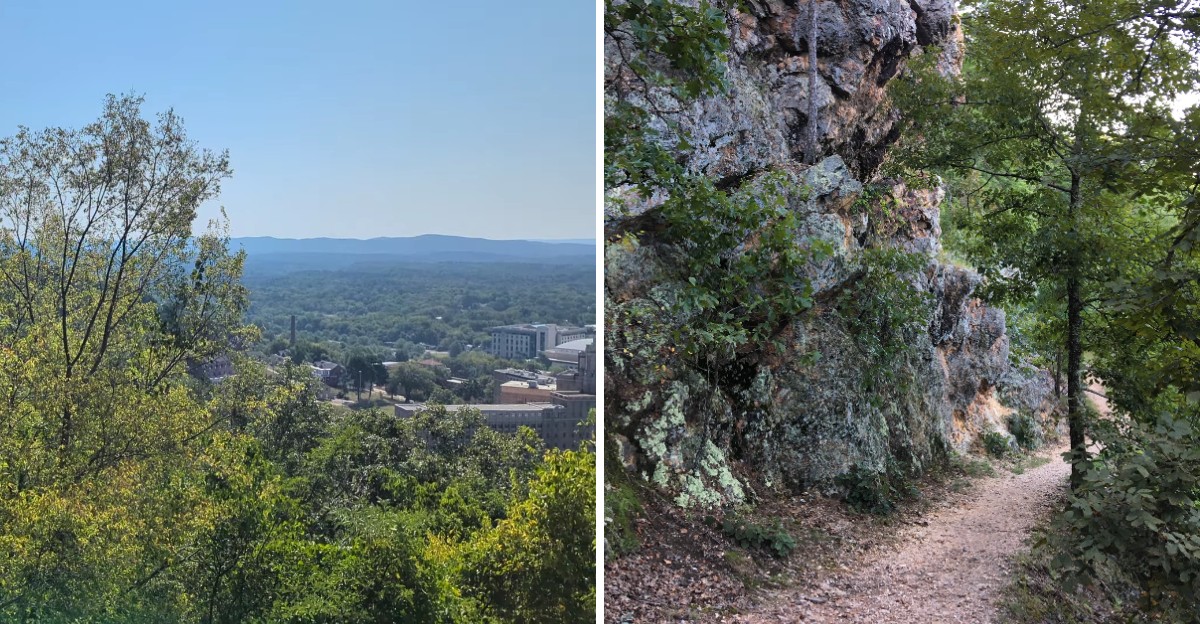
A quiet trail can feel completely different the second something moves in the leaves. Snake season in Arkansas tends to bring more questions than encounters, especially for hikers who are unsure when reptiles are active or where they like to rest.
The answers change with temperature and season. Sunlit rocks can attract snakes during cooler periods, while summer heat may shift activity toward later hours and shaded cover.
Creek banks add another place to watch, and fallen leaves can make camouflage surprisingly effective. That is why awareness matters more than fear.
Look before stepping over obstacles and keep hands away from blind spaces. Give wildlife room as well.
Those habits fit naturally into a hike. The sections ahead focus on the patterns worth knowing before hitting the trail, including how activity changes through the year and how to handle a sighting without turning an unexpected moment into a bigger problem.
Snake Activity Picks Up Along The Trails
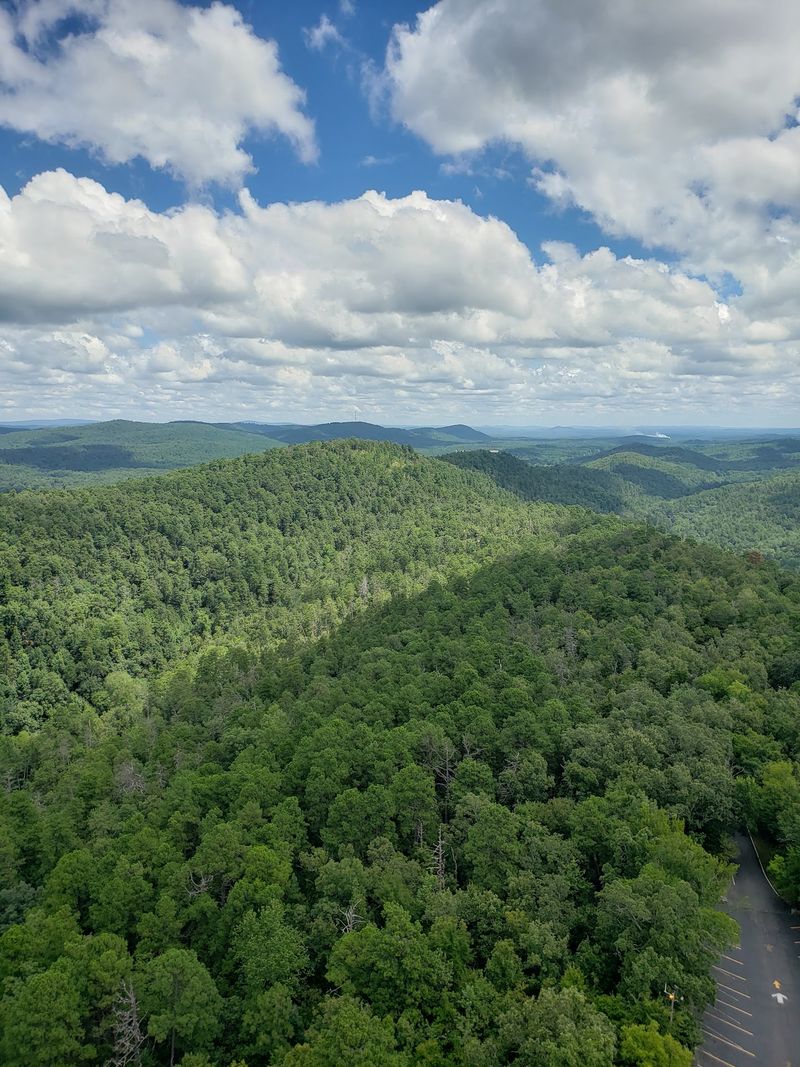
Warm weather changes the mood on wooded paths in ways that catch hikers off guard. Once spring settles in, cold-blooded residents start moving again, and the trails become shared space.
Snake activity changes with temperature rather than following one pattern. In hot summer weather, snakes are more active at night, while early spring and late fall bring more daytime movement.
Twenty-six miles of trails wind through these hills, so encounters are part of the scenery. Most sightings last only a few seconds, since the animal usually wants distance as much as you do.
I find it reassuring that the vast majority of snakes in the area are harmless and quietly useful. Rodent control is their day job, and they handle it without asking for a paycheck.
Trail traffic near downtown stays steady, which often nudges wildlife toward quieter edges of the woods. Even so, a sunny afternoon can bring a snake right onto the packed dirt.
Hikers who watch the ground ahead and keep an unhurried pace rarely run into trouble. Rangers answer wildlife questions at 501-620-6715, which beats guessing at the trailhead.
Posted park hours run 5 AM to 10 PM, so early risers share dawn with plenty of wildlife. Those trails all belong to Hot Springs National Park in Hot Springs, Garland County, Arkansas.
Rocky Trail Edges Deserve Extra Attention
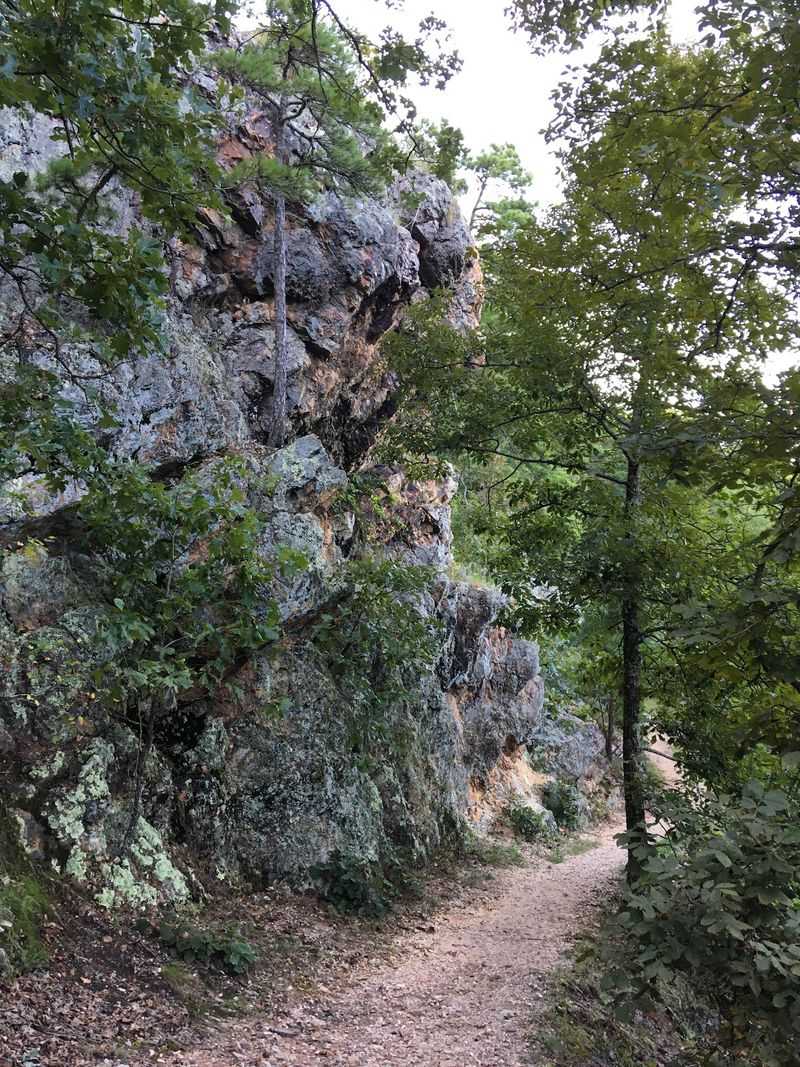
Loose stones along Goat Rock and the Gulpha Gorge Trail hide plenty of cool, shady crevices. Those gaps make excellent hiding spots for small animals, and snakes tend to follow their food.
Rock ledges also hold heat well into the evening, which makes them appealing resting places. A snake tucked beside a boulder can be nearly invisible until a boot lands close by.
Walking on the cleared center of the path lowers the odds of an unexpected meeting. Stepping wide onto rocky shoulders to let others pass is where most surprises happen.
Scrambling near overlooks calls for hands in visible places rather than blind reaching. A quick glance before gripping a ledge costs nothing and prevents awkward moments.
Sturdy boots and long pants add a simple layer of protection on rocky stretches. Trekking poles help as well, since tapping ahead gives shy animals a reason to move along.
Vibration matters more than noise, because snakes sense footsteps long before they see anyone. Most slip away quietly, leaving behind nothing but a rustle in the grass.
The rockier routes reward that extra care with wide views over the valley and downtown rooftops. Watching the trail closely does not mean missing the scenery, just timing your glances better.
Copperheads Are Worth Watching For
Among the venomous species living in this part of Arkansas, one blends in remarkably well. Copperheads wear pale tan skin marked with darker crossbands that vanish against dry leaves.
Freezing in place is their first defense, so many hikers walk right past without noticing. Bites usually happen when somebody tries to pick up, poke, or move the animal.
Distance solves the problem nearly every time, since a copperhead has no interest in a chase. Backing up a few steps and walking around gives both parties a clean exit.
Venomous snakebites can cause serious injury and need prompt medical attention. Keep still and calm, call emergency help, and avoid ice or homemade remedies after a bite.
I appreciate that these animals act more like quiet neighbors than villains, keeping rodent numbers low. Respect beats curiosity when one is stretched across the path.
Evening hikes in late spring and summer raise the chance of crossing paths with one. A headlamp and a slow pace make dusk walking far less eventful.
Children hiking here do best with a simple rule about looking without touching anything that moves. Adults who model that habit rarely need to repeat it twice.
Copperheads are protected inside the park, so harming one breaks the rules and helps nobody. Leaving room to pass is the simpler choice anyway.
Fallen Leaves Can Hide More Than You Expect
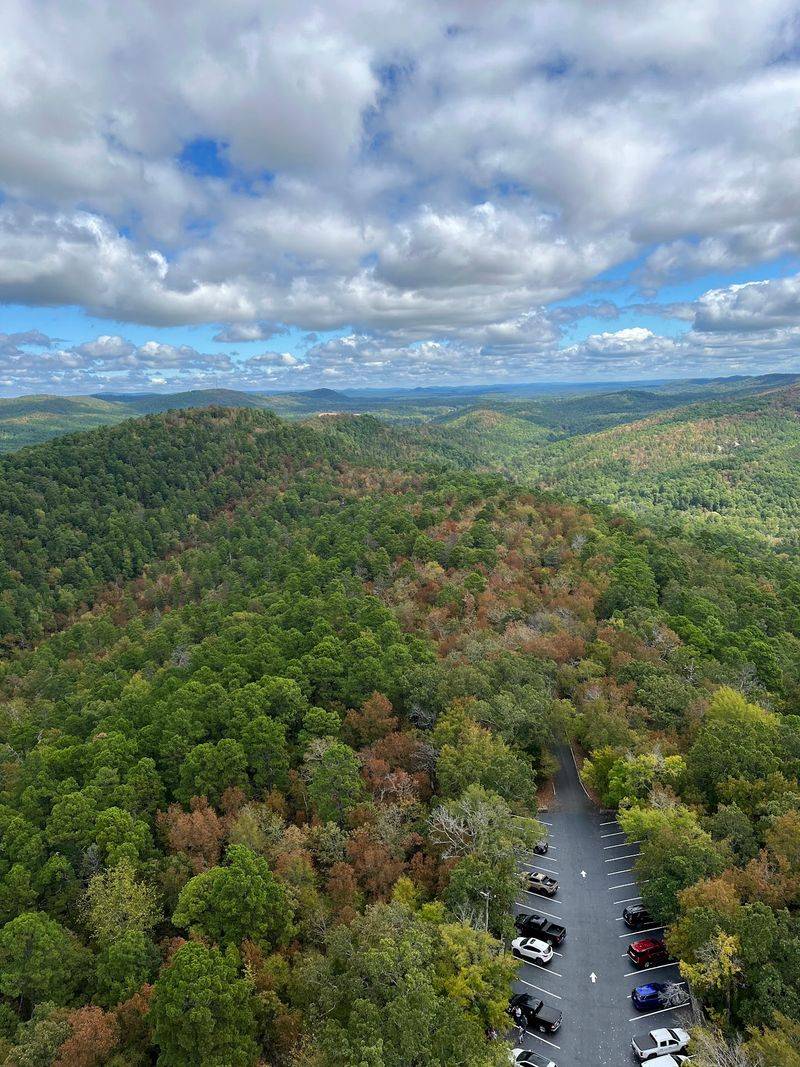
Autumn turns the Sunset Trail into a crunchy carpet of oak and hickory leaves. That colorful cover also erases the outline of anything quietly resting underneath it.
Leaf litter holds warmth and moisture, which draws insects, mice, and the snakes that hunt them. Fall doubles as a travel season for reptiles searching out winter shelter in rocky ground.
Stepping on logs instead of over them, then checking before the next step down, helps plenty. Blind spots behind stumps and fallen branches are exactly where surprises like to wait.
Kicking through deep piles is fun, though it is not the clearest way to see the ground. Staying on the packed tread keeps feet where visibility stays best and shoes stay dry.
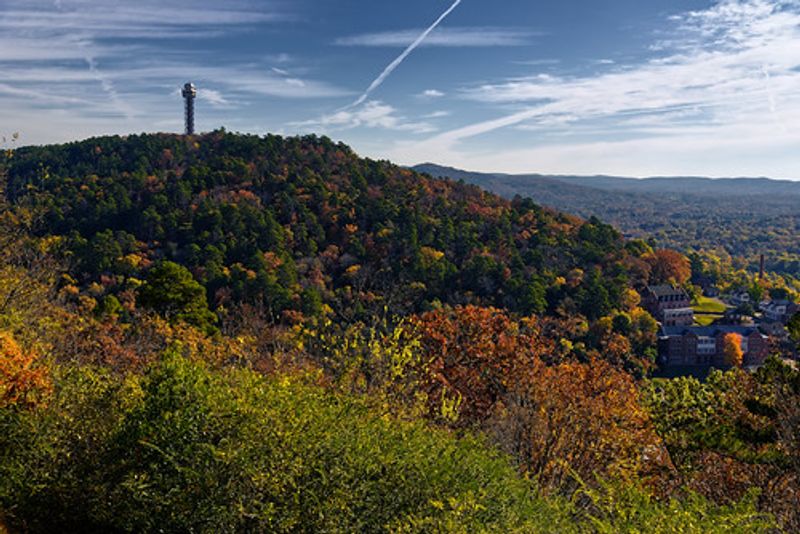
I find the fall color here genuinely underrated, with glowing hillsides rising above the historic downtown. A bit of careful foot-watching hardly spoils that view, and the payoff is worth it.
Sound becomes a useful tool in autumn, since dry leaves amplify every small movement. A sudden rustle is usually a squirrel, yet pausing to look never hurts.
Crews clear much of the path, though windy nights pile drifts along the edges again. Thoughtful footwork turns leaf season into one of the best times on these trails.
Creekside Paths Bring A Different Kind Of Wildlife
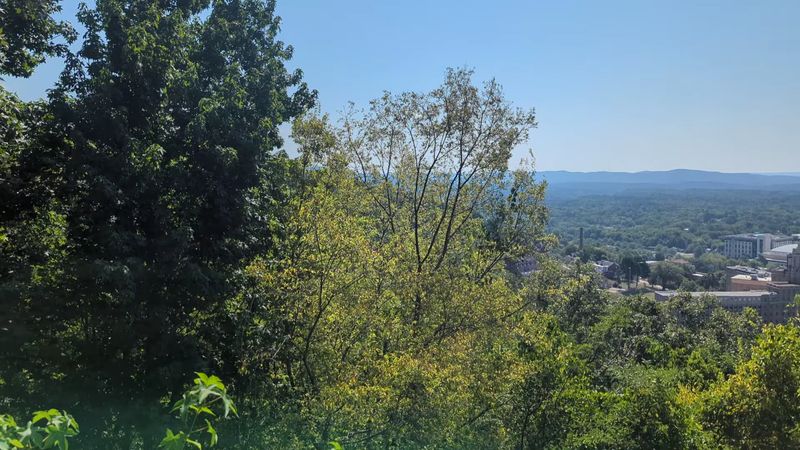
Gulpha Creek runs cool and shallow near the campground, and water shifts the cast of characters. Streams attract frogs and small fish, which in turn attract the snakes that swim after them.
Nonvenomous water snakes may be seen along the banks and on rocks, but cottonmouths are also documented inside the park. Identification from a safe distance remains the better approach for hikers here.
Families wading in the shallows in June enjoy the natural cooling and the little drops in the stream. Checking submerged rocks before sitting down is a small habit with real value.
The picnic area beside the campground offers tables and a restroom with running water. Shady grass there invites bare feet, though shoes remain the wiser choice near the water line.
Dogs love creeks, which is why a short leash matters more here than anywhere. A curious nose in a rock pile creates the kind of excitement nobody wants.
Snakes near water usually retreat at the first splash of approaching footsteps on gravel. Giving them a moment to move along solves almost every standoff on the bank.
Morning visits bring quieter water and cooler stones underfoot. Later in the day, warm gravel bars become popular with sunbathers of the scaly variety.
Sun-Warmed Rocks Can Attract Resting Snakes
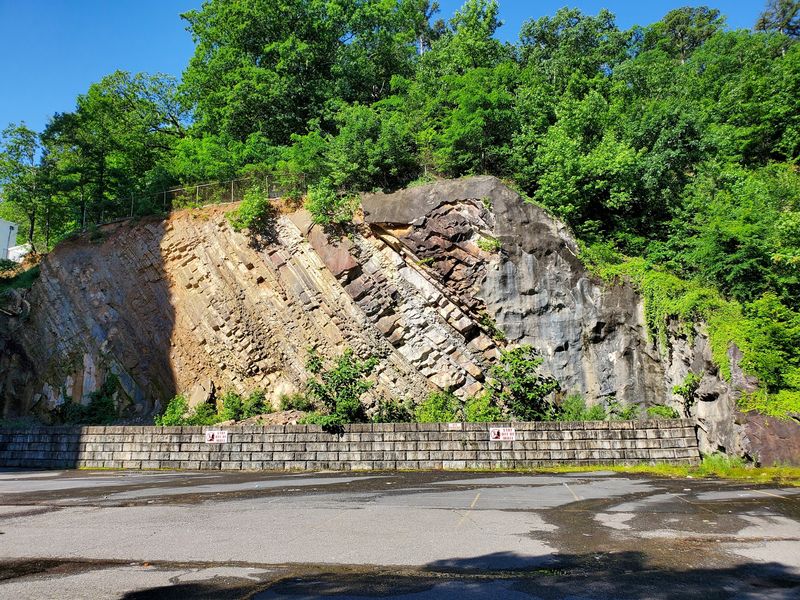
Stone walls along the Grand Promenade soak up morning sunshine and hold the heat for hours. Reptiles cannot make their own body warmth, so they borrow it from surfaces like these.
Spring mornings in Arkansas can start chilly, which makes a sunny rock the hottest property around. A basking snake looks lazy, yet it is simply charging up for the day ahead.
Pullouts along Hot Springs Mountain Drive feature low rock walls that catch afternoon light. Sitting down without scanning the ledge first is how people meet a resting neighbor.
Quartz outcrops and gravel patches on the higher trails serve the same purpose. Snakes stretched across warm gravel often blend right in with the color of the path itself.
Midday heat in July flips the pattern, sending most reptiles into shade until evening. Summer hikers therefore notice more activity soon after sunrise and again in the last hour of light.
I like that this habit makes snake behavior fairly predictable once you know the pattern. Warm surfaces on cool mornings tell most of the story.
Benches and steps near the trailheads get plenty of foot traffic, which keeps them clear. Remote ledges, on the other hand, deserve a careful look before hands or seats arrive.
Safe Distance Matters During Trail Encounters
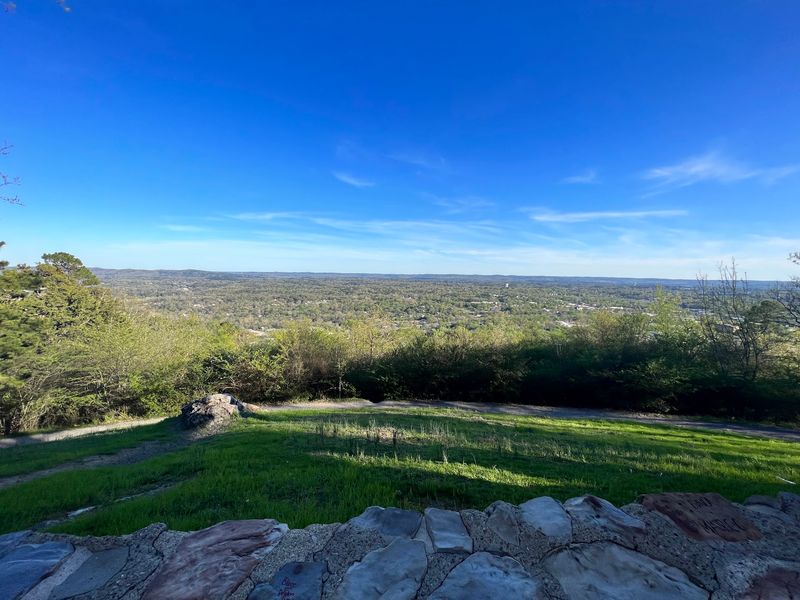
Encounters go smoothly when the first move is a step backward rather than a closer photo. Snakes strike only within a short reach, so a few paces of space ends the tension.
Most snakebites happen when snakes are harassed or threatened, including attempts to handle or harm them. Hands stay back, and everybody has a safer encounter instead.
Wildlife inside the park is protected, which means harming a snake is both pointless and prohibited. Photographs taken with zoom rather than proximity capture the moment just fine.
If a snake is resting across the trail, step back and allow it to pass safely. Do not throw sticks or try to move the animal yourself.
Groups do well to call out a sighting so nobody behind steps into the same spot. Kids ahead on the trail benefit from staying within sight.
Leashed pets cannot dash into brush after something they cannot identify. That single rule prevents most wildlife mishaps involving four-legged hiking partners.
Reporting an unusual sighting at the visitor center helps staff track activity across the park. Staff can also confirm which trails have seen recent movement.
Calm beats panic in every version of this situation, and calm is a learnable skill. Most hikers here finish the day having seen nothing more dramatic than a tail disappearing.
Cooler Days Bring Quieter Snake Activity
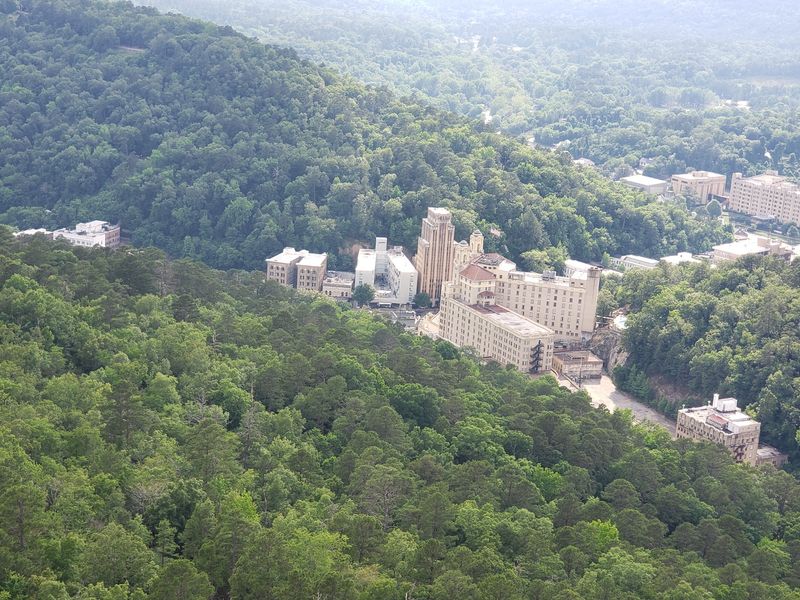
Late November brings a noticeable hush to the woods above the bathhouses. Cooling ground temperatures push snakes toward rock crevices and burrows for a long rest.
Reptiles do not truly hibernate, instead entering a sluggish state called brumation. Activity drops sharply once daytime highs settle into the forties and fifties.
December through February counts as the calmest stretch for anyone nervous about scaly neighbors. Trails stay open, and bare trees reveal views hidden during the leafy months.
Warm winter afternoons can still coax a snake out for a short sunbath. A sixty-degree day in January occasionally produces a sighting that surprises everybody.
Spring reverses the pattern quickly, with activity climbing through March and April. Autumn cool-downs work the same way in reverse, tapering off through October.
I find winter hiking here quietly rewarding, with steam drifting off the springs in the cold air. Fewer footsteps on the path make the whole park feel roomier.
Layers matter more than snake worries in that season, along with early sunset planning. Posted hours still allow plenty of daylight for a loop up the mountain.
Snake season shapes the rhythm of these hills without ever needing to cancel a hike. A little attention and sensible footwear keep the trails welcoming through every month in Arkansas.