
11 Haunted Roads Across Colorado Locals Avoid After Dark Every October
Darkness does not make a road haunted, but it can make every curve feel suspicious. Once the sun drops behind the mountains, certain roads in Colorado become harder to read and much easier to imagine stories about.
Some carry old ghost tales, while others get their reputation from tunnels, cliff edges, tight turns, and long stretches where headlights seem to be the only company. October gives those routes an extra charge, especially when the passenger beside you suddenly becomes very interested in checking the locks.
The stories are part of the fun, but the pavement still deserves real attention after dark. By October, curious drivers across Colorado often seek out these eerie routes for the atmosphere as much as the legends.
Slow down, watch the curves, and save the dramatic soundtrack for later. A spooky drive is much more enjoyable when the only thing raising your pulse is the story you came to hear.
1. Riverdale Road, Colorado

Riverdale Road has the kind of reputation that makes even practical drivers check the mirror twice. Running through Adams County between Thornton and Brighton, Riverdale Road is a public rural corridor, not a staged Halloween attraction, which is exactly why its stories travel so well.
The road is often linked with Colorado ghost lore, but its real-world setting does plenty of work on its own. Long open stretches, farm edges, and dark gaps between developed areas can make nighttime driving feel oddly exposed, like the landscape has decided not to offer small talk.
That does not mean visitors should treat Riverdale Road like a dare. It is still an active road used by residents, commuters, and service vehicles.
Pulling over carelessly, blocking driveways, or creeping along with a phone out is a fine way to annoy people who live there.
Go in daylight if curiosity wins, and save the after-dark legends for conversation rather than experiments. In October, Riverdale Road proves that a haunted reputation works best when the ordinary details already feel just a little off.
2. Phantom Canyon Road, Colorado
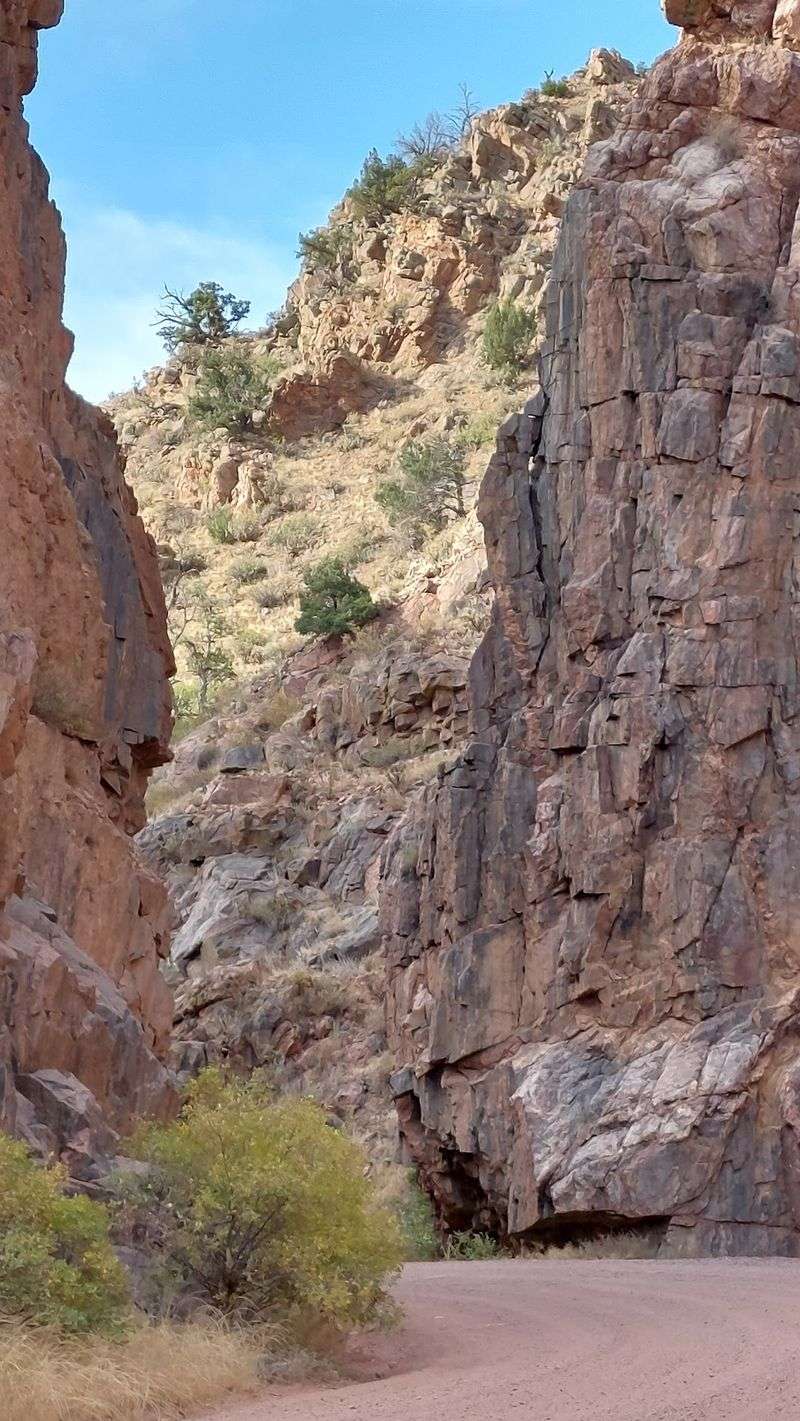
A road named Phantom Canyon does not need much help from folklore. Phantom Canyon Road links the Cañon City area with Victor through rugged backcountry, following a route known for canyon walls, narrow passages, and old railroad-era tunnels.
The drive belongs to the Gold Belt Tour Scenic and Historic Byway system, and that history matters. Railroads once carried ore and supplies through this rough country, so today’s road still feels shaped by hard engineering rather than modern convenience.
After dark, the practical concerns become more important than the ghostly ones. The route is unpaved in stretches, remote, and slower than a normal highway.
Cell service can be unreliable in canyon country, and weather can change the mood of the road quickly.
Phantom Canyon Road makes sense on this list because it blends real history with a setting that naturally raises the neck hairs. Plan it as a daytime scenic drive, bring patience, and let the tunnels be interesting rather than dramatic.
Colorado has enough actual hazards without asking the phantoms to manage traffic.
3. Gold Camp Road, Colorado
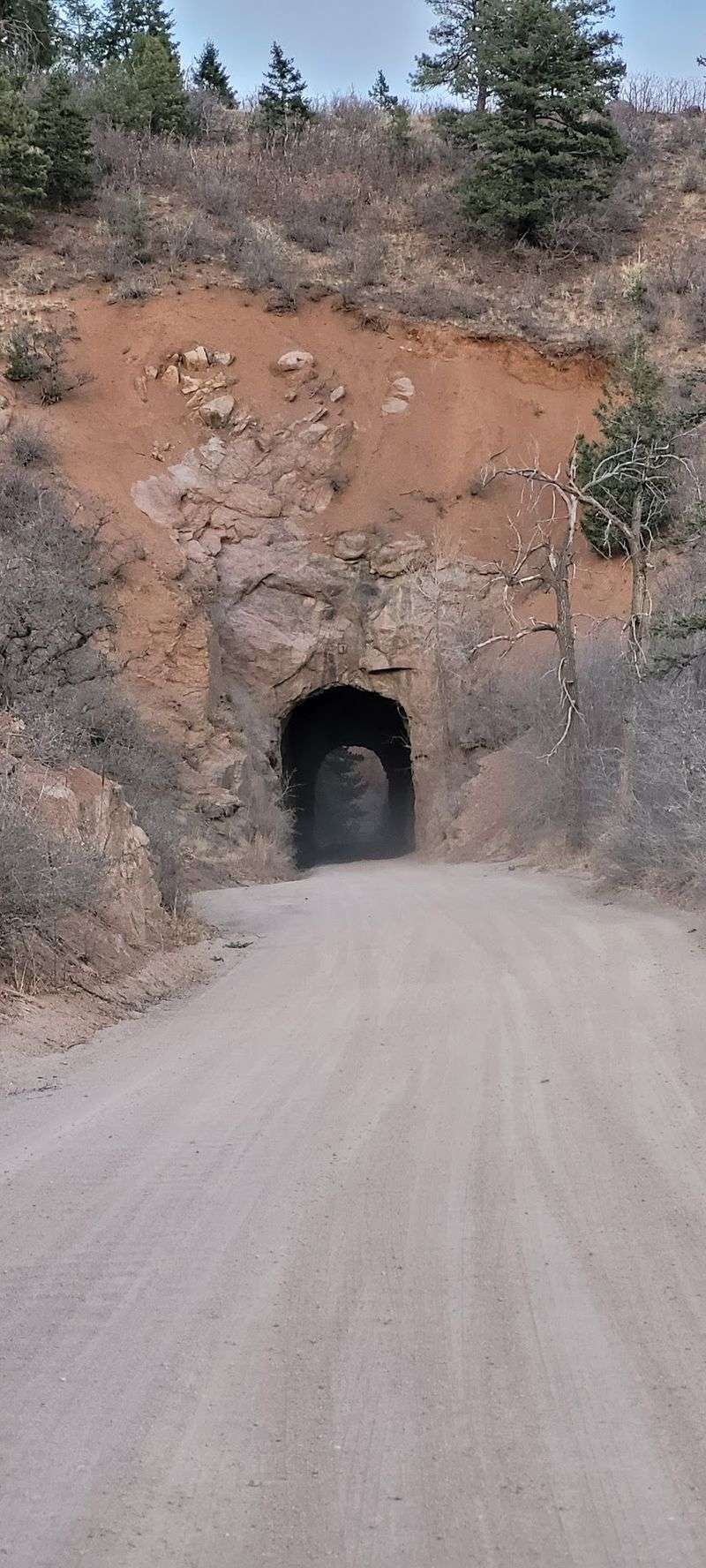
Old railway tunnels have a special talent for making adults act like campers with flashlights. Gold Camp Road near Colorado Springs is described as a disused track with switchbacks and old railway tunnels, now used by hikers and mountain bikers.
The route follows part of the former railroad grade tied to the Cripple Creek mining district. That gives Gold Camp Road more substance than a simple scary-road rumor.
Its curves, grades, and tunnel remains come from transportation history, not theme-park design.
Its haunted reputation often centers on the tunnels, especially the collapsed and closed sections that have fueled local stories for years. Visitors should pay attention to posted closures and avoid entering unsafe areas.
Old infrastructure is interesting, but gravity remains undefeated.
For a practical October visit, treat Gold Camp Road as an outdoor route first and a ghost story second. Daylight helps with footing, cyclists, trail users, and the uneven mountain setting.
The best version of the experience is noticing how closely Colorado Springs sits to roads that still feel tied to the mining boom.
4. Million Dollar Highway, Colorado
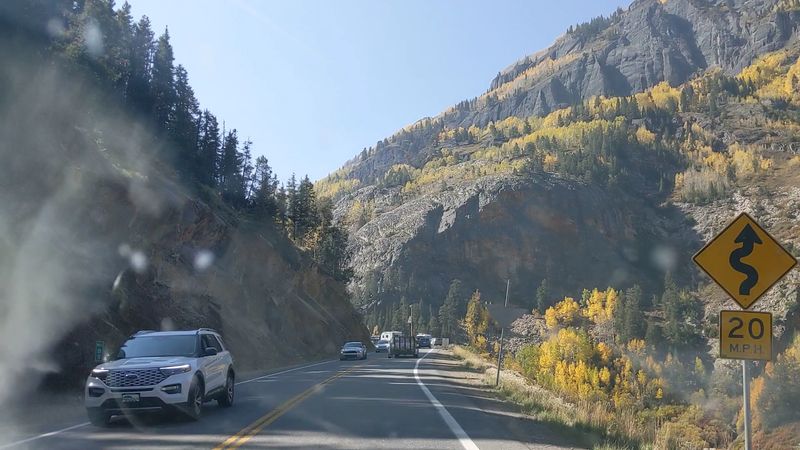
The Million Dollar Highway sounds glamorous until the cliff edges arrive. This high-elevation stretch of U.S.
Route 550 crosses the San Juan Mountains between Ouray and Silverton, where steep drop-offs and tight curves keep drivers humble.
Its name has several origin stories, but the road’s identity is easier to verify from behind a windshield: mountain grades, exposed sections, and big views that do not leave much room for daydreaming. Colorado road trippers know it as one of the state’s most intense scenic drives.
October can add another layer of decision-making. Fall color may be beautiful in the region, but mountain weather, early darkness, and possible icy patches can change conditions faster than a travel plan can adapt.
Checking road reports before leaving is not overthinking; it is simply behaving like someone who enjoys arriving.
The haunted feeling here comes less from a single legend and more from scale. The Million Dollar Highway makes a car feel small, which is useful perspective and slightly inconvenient for anyone prone to nervous jokes from the passenger seat.
5. Guanella Pass, Colorado
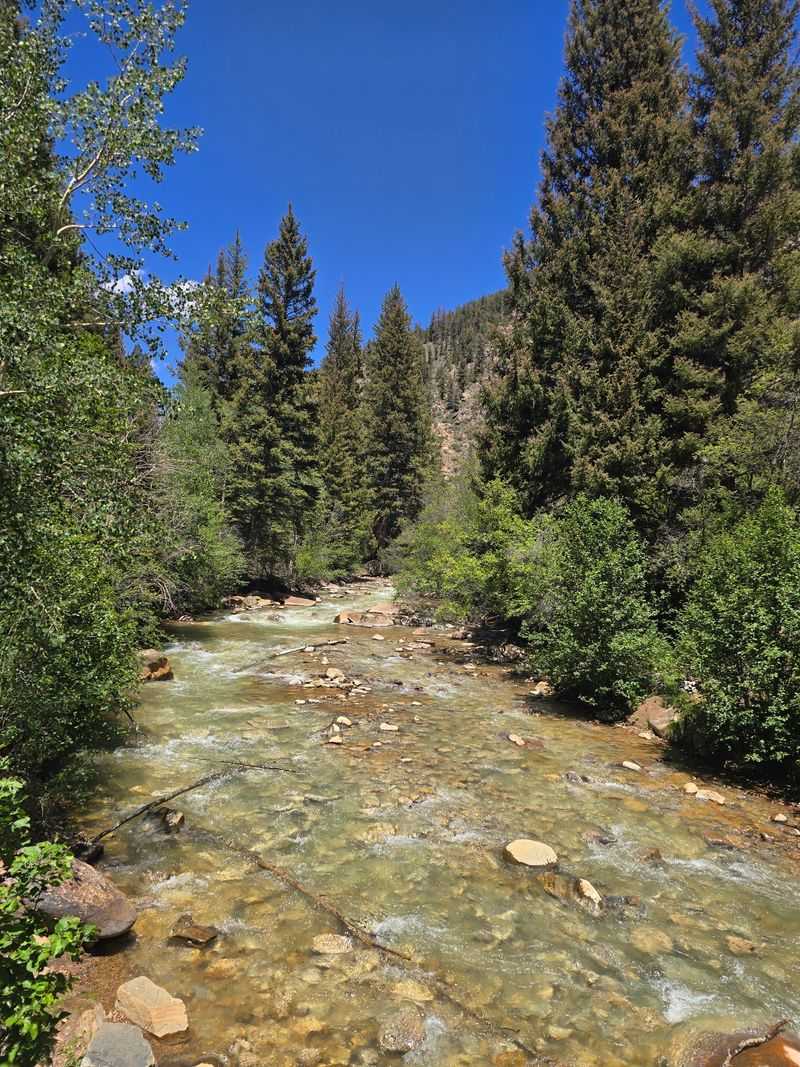
Guanella Pass can look cheerful in fall, which is exactly how it tricks people into forgetting it is still a mountain road. The pass reaches 11,670 feet and is known for scenic views, hiking access, and routes toward 14,065-foot Mount Bierstadt.
During autumn, the aspen color along the corridor can draw heavy traffic, especially when leaf conditions get public attention. That popularity matters because a narrow, curving road feels very different when everyone else also decided to admire the same yellow trees.
Guanella Pass belongs in a haunted-roads article because after dark, its beauty gives way to practical mountain concerns. Curves, elevation, wildlife possibility, and limited visibility can turn a casual drive into a tense one.
Add October’s early evenings, and the pass becomes less photo album and more steering-wheel focus.
Visitors should check seasonal access and weather before going, since high Colorado passes can change quickly. Keep plans flexible, pack patience, and do not stop in unsafe pullouts for one more picture.
Guanella Pass is memorable enough without turning the drive home into a suspense scene.
6. Shelf Road, Colorado
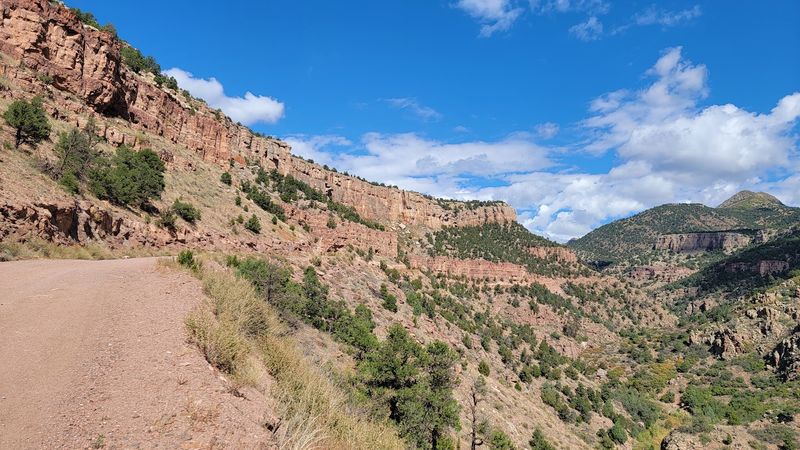
Shelf Road is not subtle about its main feature. North of Cañon City, the route is carved into canyon cliffs, giving drivers the clear impression that the road and the rock had a serious negotiation.
Historically, Shelf Road helped connect Cañon City with the Cripple Creek mining area, and its placement along the canyon wall still explains the name better than any brochure could. The route is rugged, exposed in places, and far removed from the comfort of wide city lanes.
That makes nighttime a poor time for sightseeing. Headlights flatten depth, shadows hide the road edge, and unfamiliar drivers may find the narrow sections more tiring than thrilling.
Colorado has many roads that reward slow attention, and Shelf Road is firmly in that club.
The smart approach is to drive it in daylight, allow extra time, and avoid treating it like a shortcut. Its appeal comes from the way history, geology, and nerve all meet on the same shelf.
After dark, even confident drivers may suddenly develop a deep respect for guardrails, especially where there are not many.
7. Kenosha Pass, Colorado
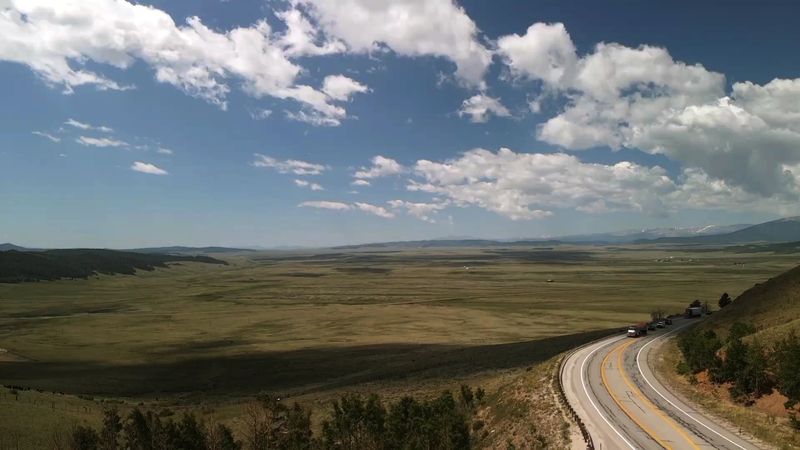
Kenosha Pass has a daytime personality that is all golden aspens and big Park County sky. Sitting around 10,000 feet along U.S.
Highway 285, Kenosha Pass is known for fall color, forested trails, and access to the Colorado Trail.
That friendly reputation can make the after-dark version feel surprising. Once the leaf peepers leave and the light drops, the pass becomes a high mountain roadway where distance, speed, and visibility deserve attention.
Wildlife, changing weather, and tired drivers are more realistic worries than any campfire-style ghost.
Its place in October lore comes partly from contrast. A road that feels busy and bright in the afternoon can feel isolated later, especially when the trees close around the highway and the temperature starts behaving like it read the calendar.
For families or casual hikers, Kenosha Pass is best planned with daylight built into the schedule. Use designated parking areas, respect trailhead facilities, and keep an eye on conditions before heading over U.S. 285.
The pass does not need invented drama; elevation and darkness already provide enough plot.
8. Loveland Pass, Colorado
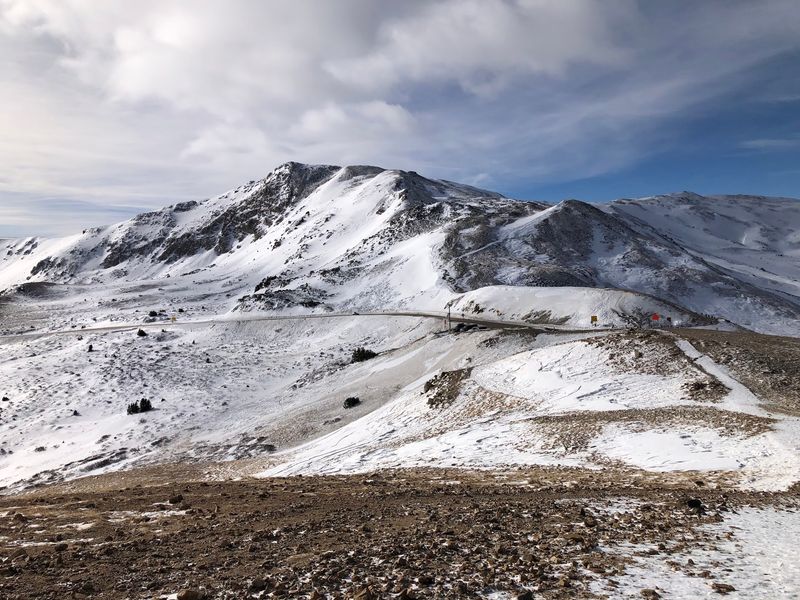
Loveland Pass is the sort of place where the map looks simple and the road has other ideas. Located on the Continental Divide, the pass reaches about 11,990 feet and follows winding U.S.
Highway 6 above the Eisenhower Tunnel corridor.
The views are the headline, with alpine terrain, broad mountain sightlines, and a short walk near the top to take in the high-country setting. That openness also means weather has very little reason to behave politely.
At night in October, Loveland Pass can feel exposed in a way that gets everyone in the car speaking more softly. Curves, grades, wind, and rapidly changing conditions make it a road for alert drivers, not ghost hunters leaning across the dashboard for blurry photos.
Its haunted-road appeal is less about a single tale and more about the strange drama of crossing the Divide after dark. Check conditions before committing to the pass, especially outside calm weather.
Loveland Pass rewards respect, and it has no patience for drivers who confuse a scenic road with a casual neighborhood loop.
9. Independence Pass, Colorado
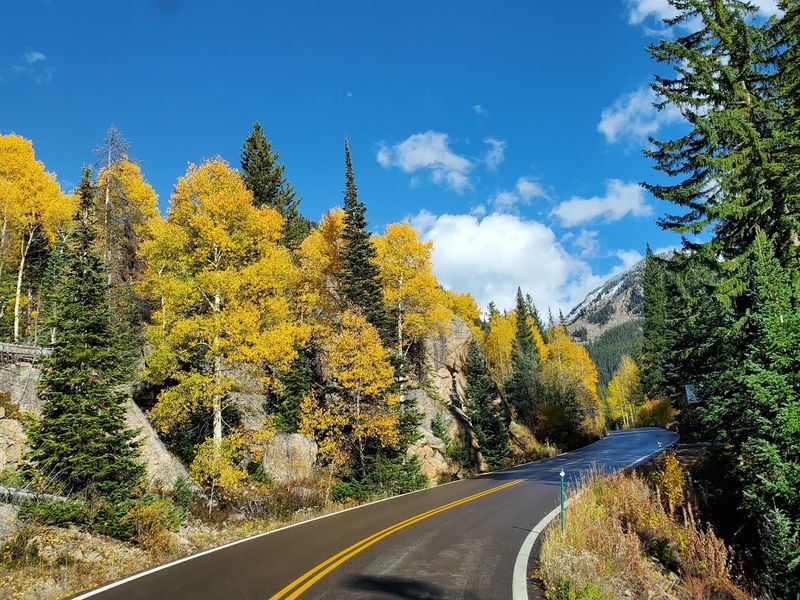
Independence Pass feels like a road that took the dramatic route on purpose. Rising to 12,095 feet on the Continental Divide, this scenic mountain road on State Highway 82 is known for a vista point and seasonal access.
The seasonal part is not a footnote. Independence Pass closes in winter, and that tells drivers plenty about the elevation, exposure, and weather patterns involved.
In autumn, the road can still deliver fall color and wide mountain views, but October is also when conditions start asking sharper questions.
The Independence ghost-town area nearby adds historical texture to the drive, giving the route more than just altitude. Mining-era remains and mountain geography make the corridor feel connected to an older Colorado, one that was not especially concerned with comfortable lane widths.
After dark, the pass is better respected than tested. Narrow sections, limited sightlines, and high elevation make nighttime driving a serious choice.
Check official road status before planning the route, bring layers, and leave enough daylight for the return. Independence Pass is grand, but it is not casual.
10. Skyline Drive, Cañon City, CO
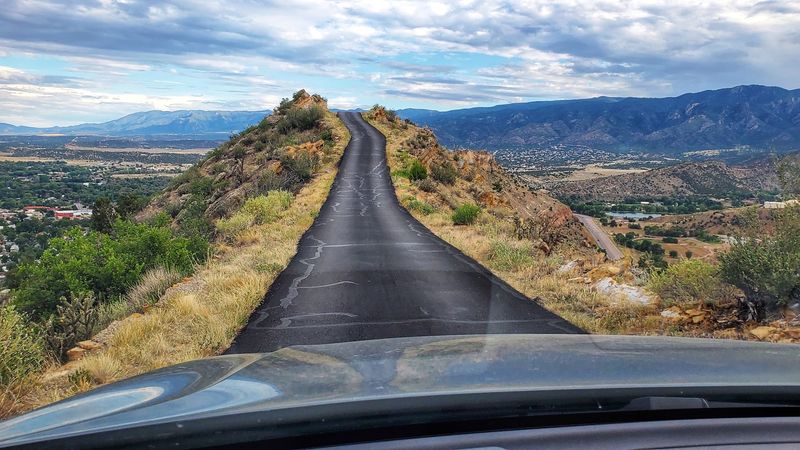
Skyline Drive is short, paved, and still perfectly capable of making a passenger reconsider breakfast. In Cañon City, this single-lane road runs along a narrow rocky ridge, with views over town and the surrounding landscape.
The road is known for vistas and dinosaur tracks, which gives it a wonderfully Colorado combination of scenery, geology, and mild steering-wheel anxiety. Its official hours are listed as 5 AM to 11 PM, and there is free parking available.
Because the drive is narrow, it asks for patience rather than speed. Pullouts and hiking access give visitors a chance to stop safely, but stopping wherever the nerves strike is not a plan.
The road can be completed fairly quickly if staying in the car, though many visitors allow more time for views.
Skyline Drive fits the October haunted-road mood because darkness changes the whole calculation. The ridge, the drop-offs, and the one-lane layout feel more intense when headlights take over.
Daylight is the wiser choice, unless your hobby is turning ordinary lane position into a group discussion.
11. Slumgullion Pass, Colorado
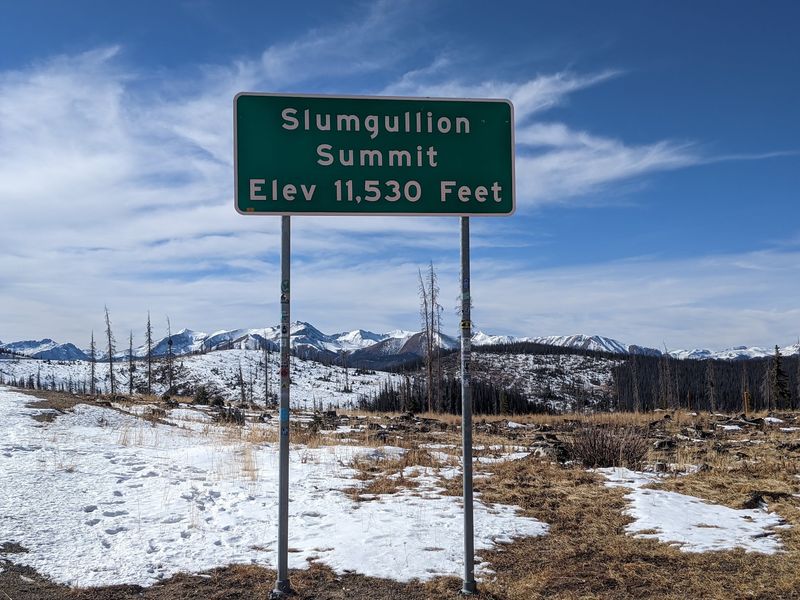
Slumgullion Pass has a name that sounds invented during a long card game, but the road is very real. Located in Hinsdale County along Colorado Highway 149, Slumgullion Pass climbs through high country near the San Juan Mountains.
The area is associated with views toward the mountains and the Lake San Cristobal region, and the drive to the top is part of the appeal. In fall, the landscape can turn especially colorful, which draws travelers who like their October scenery with a side of altitude.
At night, the pass earns its place among Colorado roads that feel better left to locals and well-prepared drivers. Remote mountain routes mean fewer services, longer distances between towns, and more reason to know the weather before leaving.
Off-road users may also be present in the broader area, so awareness matters near access points.
Slumgullion Pass is not spooky because of theatrics. It is spooky because the map gets quiet, the road climbs, and the mountains do not care about anyone’s schedule.
Keep the drive in daylight, and the odd name becomes the strangest part.