
10 Secret Michigan Beach Glass Spots That Locals Usually Keep Quiet
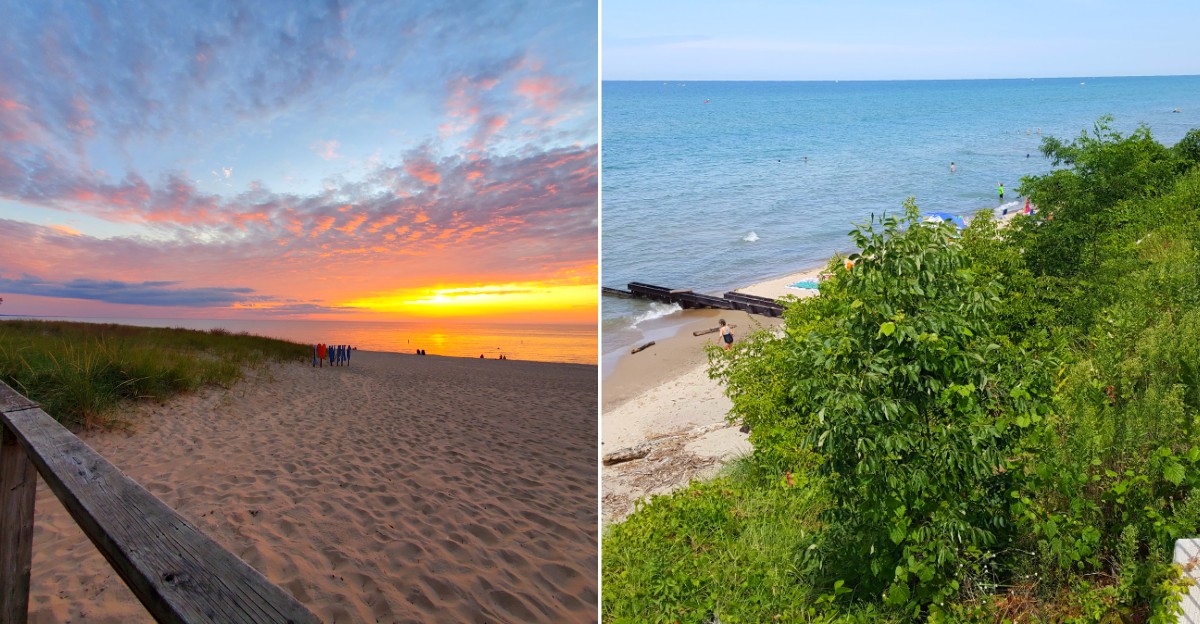
Beach glass hunters guard their spots the way morel mushroom foragers guard their woods. Ask a local and you will get a vague wave toward the lake.
The ten beaches on this list produce consistent finds because they combine rocky shorelines with lighter foot traffic than the famous swimming destinations. Grand Mere sits inside a National Natural Landmark where the dunes keep casual visitors walking past the glass.
Christmas Cove offers twelve parking spots and a mile of quiet shore near Northport. Bayfront Park in Petoskey yields both Petoskey stones and smooth glass fragments in the same handful.
Rocky Gap earned its name honestly, with rock formations that trap glass in every crevice, and the gaps between stones trap fragments that other beaches lose to the current. Ten quiet stretches of shoreline hold enough glass to fill a jar in Michigan, provided you know which rocks to check and when.
10. Grand Mere State Park
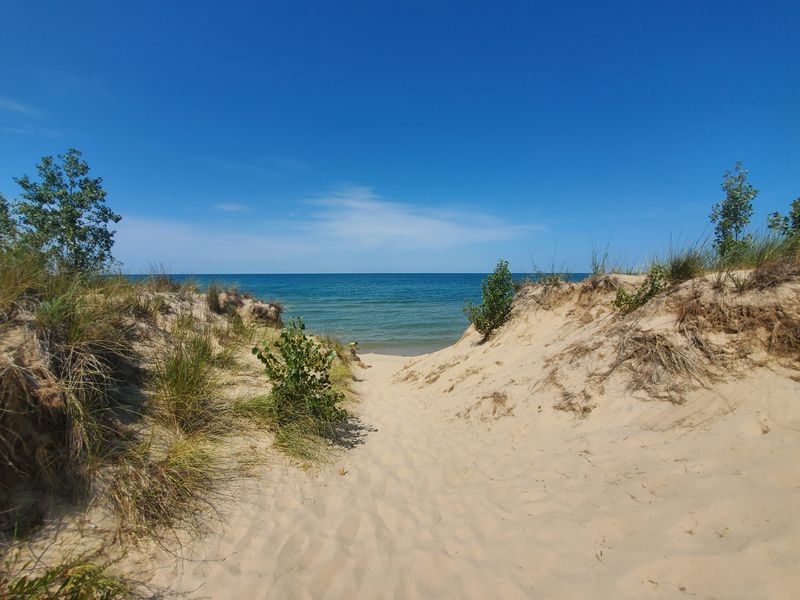
Reaching Lake Michigan requires enough effort here to thin the crowd before the shoreline even appears. Grand Mere State Park protects roughly 1,200 acres of dunes, inland lakes, wetlands, and forest southwest of St. Joseph, with about half a mile of Lake Michigan shoreline reached by two trails.
The sand can make the hike deceptively tiring, particularly on warm days. Once at the water, concentrate on narrow bands where waves have deposited pebbles rather than spending the entire search staring at broad stretches of clean sand.
Changing wind and wave direction can completely rearrange those deposits. Frosted green, brown, and clear fragments can blend surprisingly well with wet stones, so walking slowly and looking from several angles works better than covering as much beach as possible.
Grand Mere is also a National Natural Landmark, and the fragile dune environment deserves more attention than whatever might fit in a pocket. Stay on established routes through vegetated areas and avoid trampling dune plants while moving toward the shore.
A Michigan Recreation Passport is required for vehicle entry. Hunting also occurs in designated parts of the park during legal seasons, so seasonal visitors should stay aware of posted information.
9. Hagar Park Beach
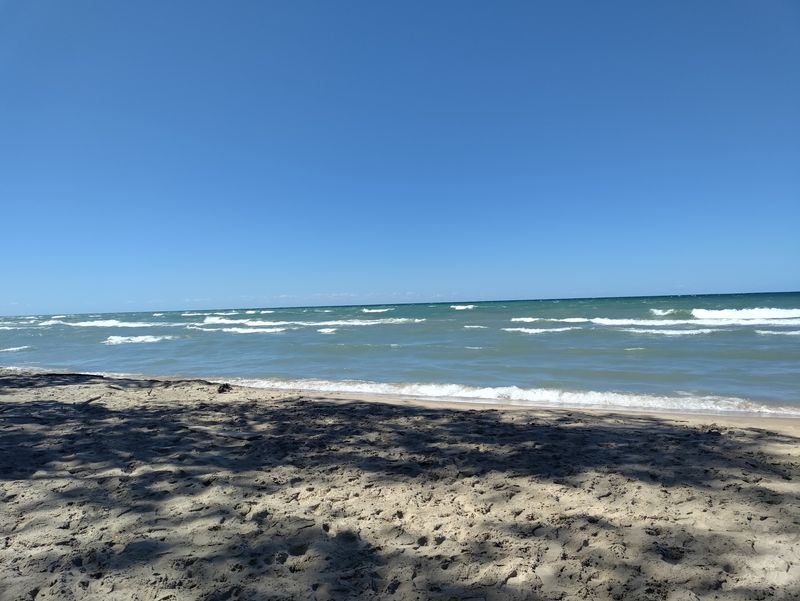
A long staircase down the bluff creates an immediate separation between the parking area and the shoreline below. Hagar Park in Coloma offers a smaller Lake Michigan beach where patches of stones can interrupt the sand and give patient glass hunters something more interesting to inspect.
The best places to slow down are wherever small pebbles have collected after waves or changing water levels. Wet glass can disappear among polished stones until light catches its frosted surface, so searching with the sun at an angle rather than directly ahead often makes subtle colors easier to recognize.
Beach width can vary dramatically from one season to another. Lake levels, storms, and erosion reshape this stretch constantly, meaning yesterday’s productive patch may be under water or buried beneath fresh sand on the next visit.
The climb back to the bluff is worth remembering before filling bags with unnecessary gear. Carry water, use shoes that handle both stairs and stones, and keep the access route clear for other visitors.
Hagar Township maintains the park, and current regulations should be checked before collecting anything from the shoreline. Dogs and seasonal access rules can also change, so posted signs deserve attention.
8. Rocky Gap County Park
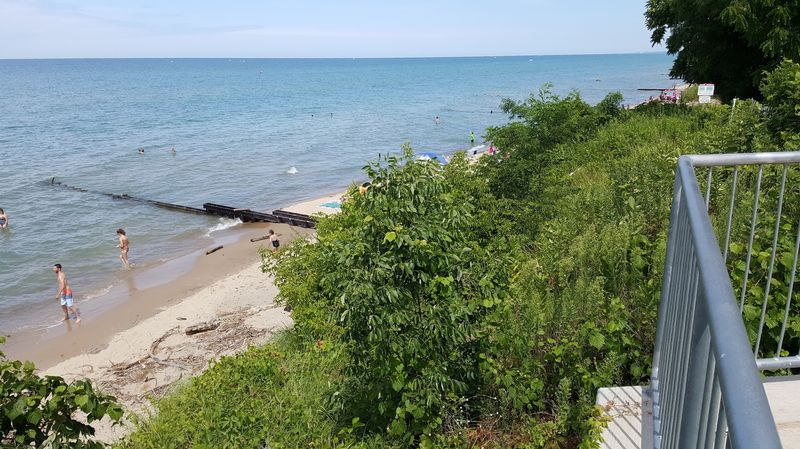
The shoreline here lives up to the name, mixing stones with sand beneath a bluff overlooking Lake Michigan. Rocky Gap County Park near Benton Harbor gives beach glass hunters exactly the kind of uneven shoreline where small objects can settle between pebbles instead of disappearing immediately beneath clean sand.
Search the transitions rather than the obvious open beach. Narrow strips of stones, shell fragments, drift material, and darker wet sand are usually more interesting than large uninterrupted sandy areas.
Light direction makes a noticeable difference. Frosted white glass can vanish among pale stones, while green and amber pieces often reveal themselves only after you change position or let a little water wash across them.
The bluff-top viewpoint is worth stopping at before heading down. It gives a broad look at lake conditions, which matters because strong waves can make shoreline searching unpleasant or unsafe even when the sky over the parking lot looks harmless.
Erosion also changes the edges of this park, so stay away from unstable bluff faces and respect any closures or barriers. County park rules should be checked before removing shoreline material.
Rocky Gap is small enough that expectations should stay realistic. Nobody should arrive assuming a jar will be filled in an afternoon.
7. Warren Dunes State Park
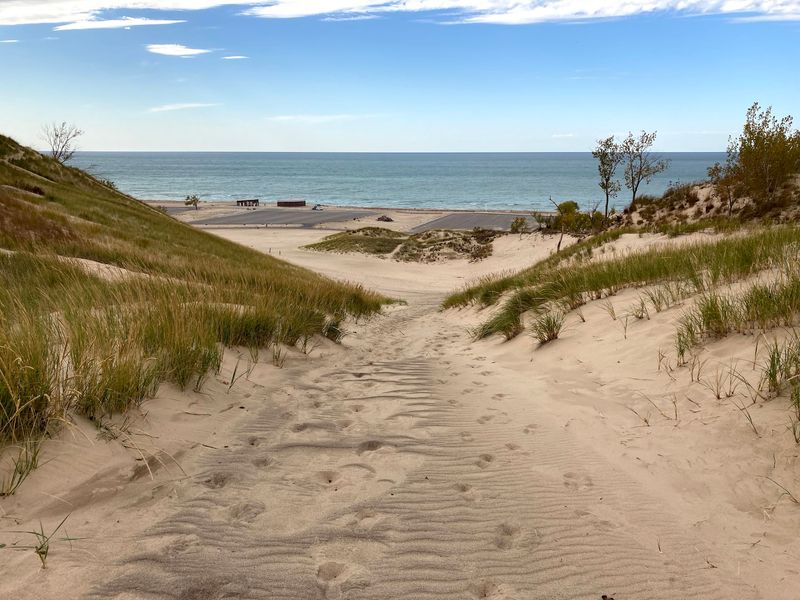
Three miles of Lake Michigan shoreline give the waves an enormous amount of space to rearrange sand, pebbles, and anything else that washes in. Warren Dunes State Park near Sawyer covers roughly 1,500 acres, with dunes rising as much as 260 feet above the lake.
Most summer visitors concentrate around swimming areas and the famous dune climbs. Glass hunters can do better by walking beyond the densest beach crowds and watching for newly exposed pebble lines where wave action has sorted heavier material together.
The park is popular, so this is not a truly secret beach. Early mornings, cooler months, and weekdays simply make it feel like a different place, with more uninterrupted shoreline and less competition from towels, umbrellas, and beach games.
Strong winds can expose promising areas, but rough surf is never worth chasing. Lake Michigan currents and waves can become dangerous quickly, so search only when conditions allow comfortable shoreline walking.
A Recreation Passport is required for vehicle entry. Michigan also limits the amount of rocks, fossils, and minerals that may be removed from state-managed shorelines, and visitors should confirm current collecting rules before taking anything.
6. Weko Beach
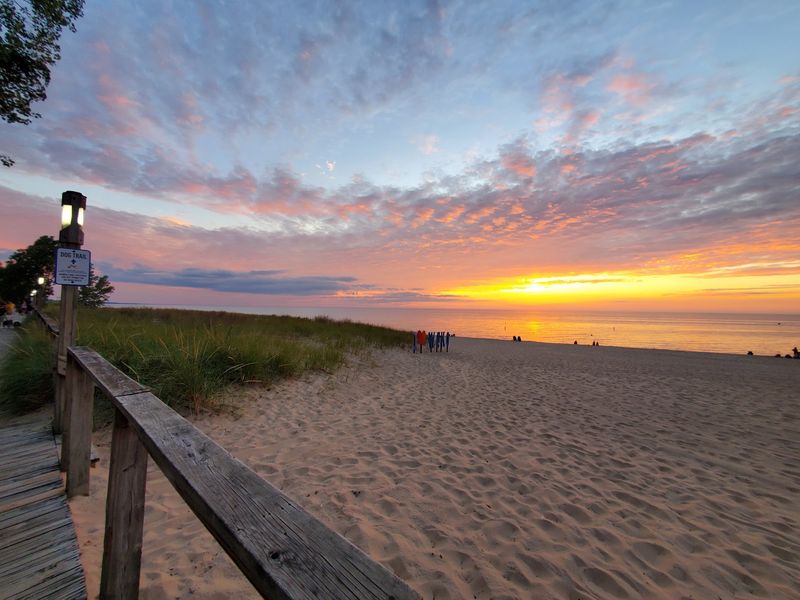
A summer evening can end here with Taps carrying across Lake Michigan while the sun drops toward the horizon. Weko Beach in Bridgman is a city-owned shoreline with dunes, boardwalk access, campground facilities, and enough mixed sand and pebble areas to make slow searching more interesting than simply walking straight to the water.
Pebble bands deserve the most attention. Small frosted pieces can hide among quartz, chert, and other stones until changing light catches an edge, particularly after waves have shifted the shoreline overnight.
The beach is popular with families, campers, and sunset watchers, so early morning offers a completely different atmosphere. Before swimming crowds arrive, there is more room to examine the waterline without constantly stepping around towels or beach toys.
Weko also connects with the surrounding dune landscape, making it worth bringing shoes suitable for more than soft sand. Respect marked dune routes and avoid climbing through vegetation simply because a quieter patch of shoreline looks tempting.
Parking fees and seasonal operating details can change, so current City of Bridgman information is worth checking before a special trip. Local rules also determine what visitors may remove from the beach.
5. Cherry Beach
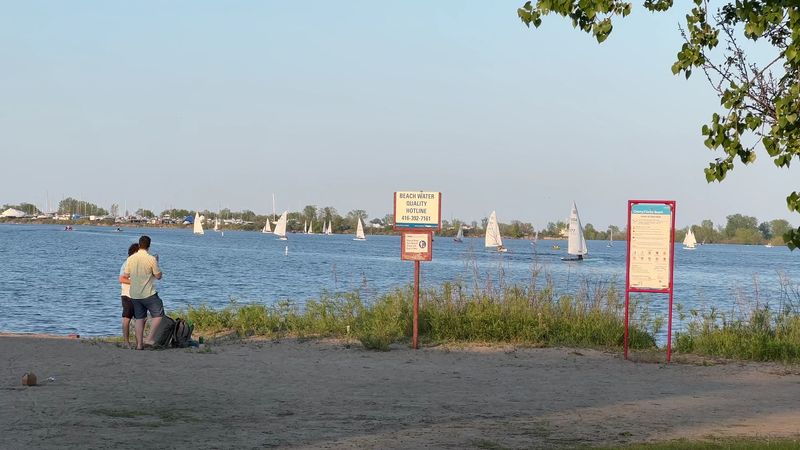
The lake stays hidden until you descend from the bluff, which makes the first view feel more private than the parking area suggests. Cherry Beach in Chikaming Township has been a public Lake Michigan access point for more than a century, after land was donated for community use in 1922.
The shoreline mixes sand with areas of rounded stones, creating the kind of texture that encourages visitors to stop walking and start examining what the waves have left behind. Pebble clusters near the waterline are more promising than dry sand farther up the beach.
Conditions can change quickly here. Lake levels and erosion affect beach width, and a narrow shoreline can feel crowded even when relatively few cars are parked above.
Parking is limited, which naturally puts a ceiling on how many people can reach the beach at once. Arriving early gives you a better chance of finding a space and a quieter shoreline before the stairs begin carrying a steady stream of visitors.
The access is not ideal for anyone who needs a step-free route, so the bluff-top viewing area can be a better alternative for some visitors. Township rules should also be checked before removing stones or glass.
Cherry Beach rewards patience more than ambition.
4. Silver Beach County Park
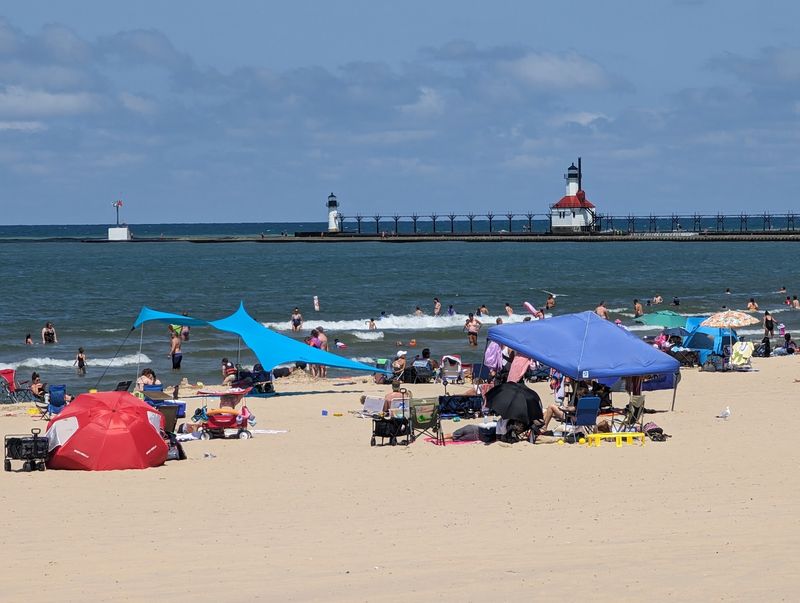
Calling this shoreline secret requires a generous definition of the word, especially on a hot July afternoon. Silver Beach County Park at 101 Broad Street in St. Joseph has 2,450 feet of Lake Michigan frontage and one of southwest Michigan’s most popular public swimming beaches.
That popularity does not make glass impossible to find. Wave action near the mouth of the St. Joseph River constantly rearranges the shoreline, and small bands of pebbles can occasionally reveal rounded fragments among stones and shells.
Early morning is the obvious advantage. The park opens at dawn, giving patient walkers time before the swimming area, playgrounds, pier access, and downtown attractions begin drawing larger crowds.
Parking is charged from May through September, with 2026 rates listed at $8 for Berrien County residents and $15 for nonresidents. Spaces are first come, first served, and the lot can reach capacity during busy summer days.
The South Pier is accessible from the park, but high waves make pier areas particularly dangerous. Stay off the structure during rough conditions and never treat storm surf as an opportunity to hunt newly exposed shoreline.
County rules apply here rather than Michigan state park regulations, so check them before keeping anything you find.
3. Van Buren State Park
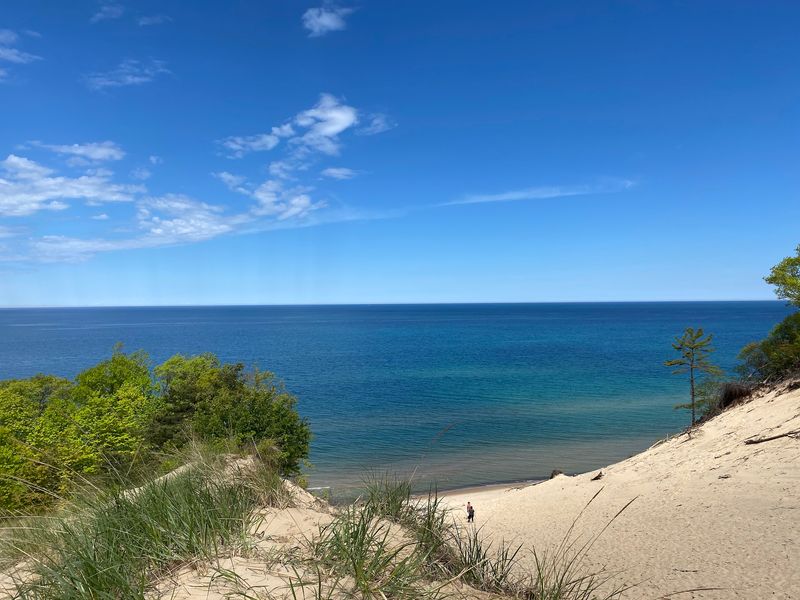
A mixture of sand, rounded stones, and steep dunes gives this shoreline a rougher personality than many beaches closer to downtown South Haven. Van Buren State Park at 23960 Ruggles Road protects Lake Michigan beach, woodland, campground areas, and towering dunes just south of town.
Stone-heavy stretches are where beach glass hunters tend to slow down. Waves sort objects by size and weight, so small pockets of pebbles can reveal far more than broad areas of smooth sand.
Water shoes or sturdy footwear help when the shoreline becomes particularly rocky. Wet stones shift underfoot, and staring down for colored glass makes it surprisingly easy to forget about balance.
The park also connects to the paved Van Buren State Park Spur Trail, which runs roughly four miles into South Haven. That makes it easy to turn a shoreline search into a longer day of biking or walking without moving the car.
A Recreation Passport is required for vehicle entry. Michigan permits limited rock, fossil, and mineral collecting from many state park shorelines, but current regulations and any site-specific restrictions should always be checked before taking finds.
Storms can expose new pebble lines, but wait until the lake has calmed before searching them. High water and unstable dune faces deserve plenty of distance.
2. Christmas Cove Beach
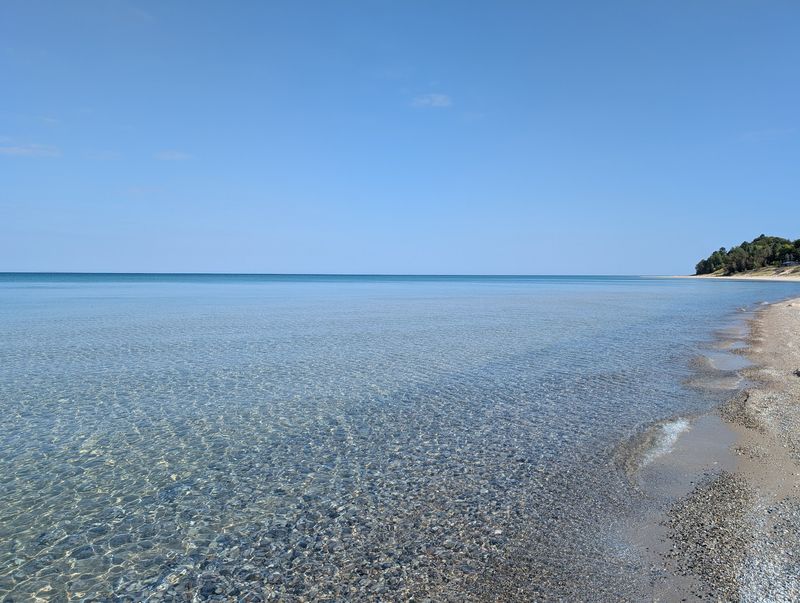
Christmas Cove sounds like it should come with snow, but its shoreline is inviting on a clear summer day. Near Northport on the Leelanau Peninsula, the beach has a mix of sand and smooth stones that encourages slow looking.
Some visitors search for Petoskey stones here, too. Wetting a promising stone can make its pattern easier to see; wet glass may reveal its color just as quickly.
Small beaches can feel crowded sooner than large ones, so keep your belongings compact and be considerate around the access point. Check local signs for parking and collecting rules before you settle in.
Never enter private shoreline or venture onto slippery rocks to chase a glint. Wind can change the water from bright and clear to rough and cloudy, making each visit different.
Bring curiosity, not a target number of pieces, and this quiet corner will do the rest.
1. Bayfront Park
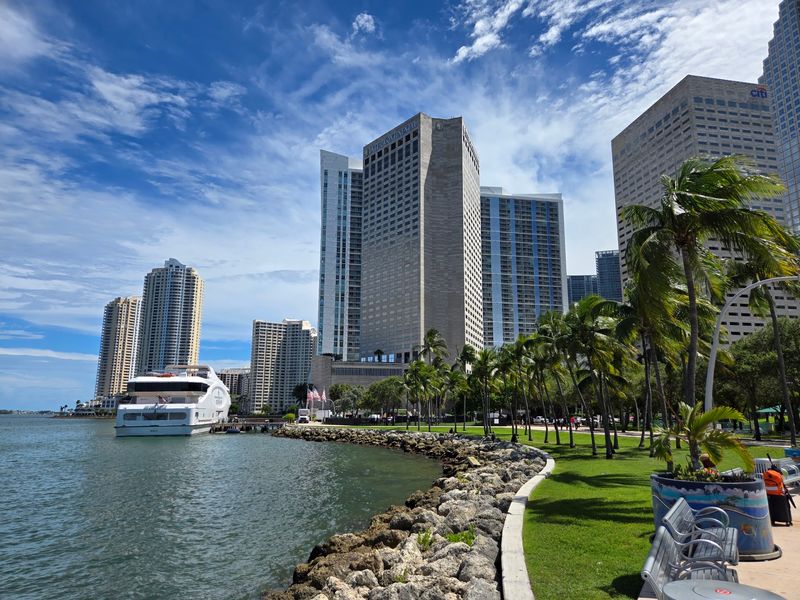
At Bayfront Park, the stones compete for attention. Petoskey is famous for its fossil coral, and people often study the pebbles along Little Traverse Bay for the telltale pattern of a Petoskey stone.
Beach glass adds another possibility to the search, especially where small, rounded stones gather near the public waterfront. The breakwall area can be tempting, but keep your footing and heed any barriers.
Set out when the light is gentle enough to spot differences in texture without a bright glare on the water. Shoes with good grip help on wet stones, and a small cloth can dry a find so you can check whether its edges are truly smooth.
This is a city park, not a remote beach, so share the paths and shoreline courteously. Check local rules before taking stones or glass.
Sometimes the most interesting object stays right where you found it.