
This Charming Little Florida Town Has Rent Near $850 And Everyone Is Suddenly Moving There
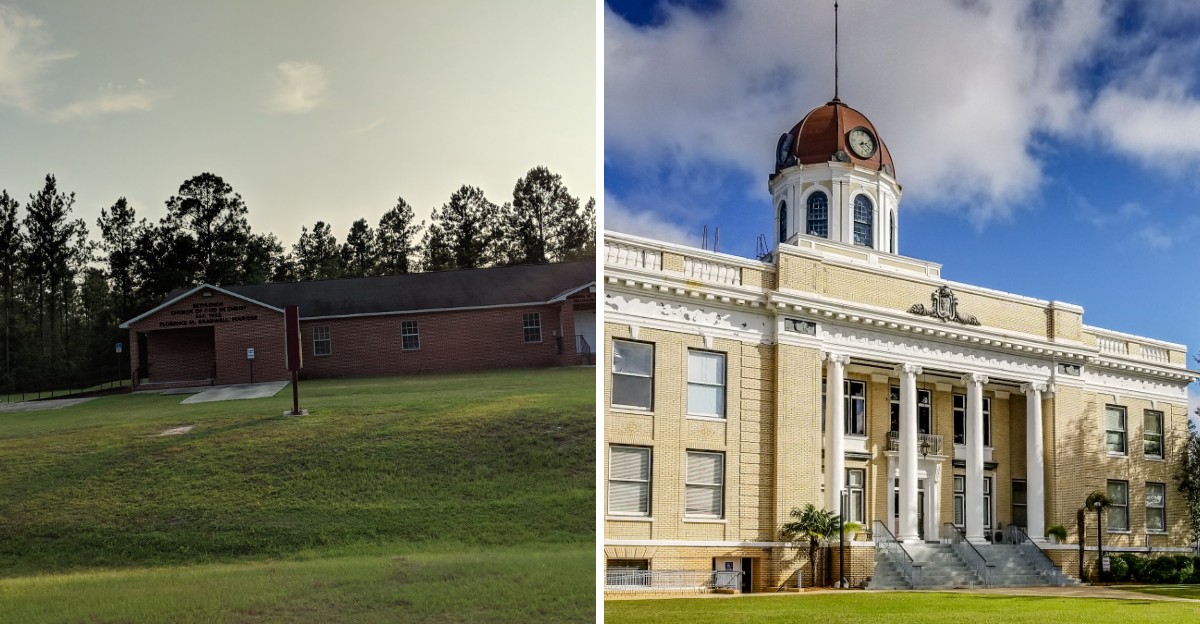
Florida has a habit of making affordable rent feel like a rumor. Yet somewhere among North Florida’s rolling hills, that rumor comes with brick streets, shaded porches, and keys to a place near $850 a month.
This is not a booming beach city or a crowded suburb chasing the next luxury development. Life moves differently here.
Neighbors wave. Historic buildings frame the town square.
A courthouse watches over streets that still carry the rhythm of another era.
The biggest surprise may be how close everything feels. Tallahassee sits within a drive, while quiet evenings and lower housing costs wait back home.
Could this overlooked town offer the breathing room Florida renters have been searching for?
Take a closer look at its history, everyday charm, convenient location, and tempting prices. The reasons people are noticing it add up quickly.
Pack your curiosity, because this small town may inspire one big move.
Rent That Lets You Breathe Again
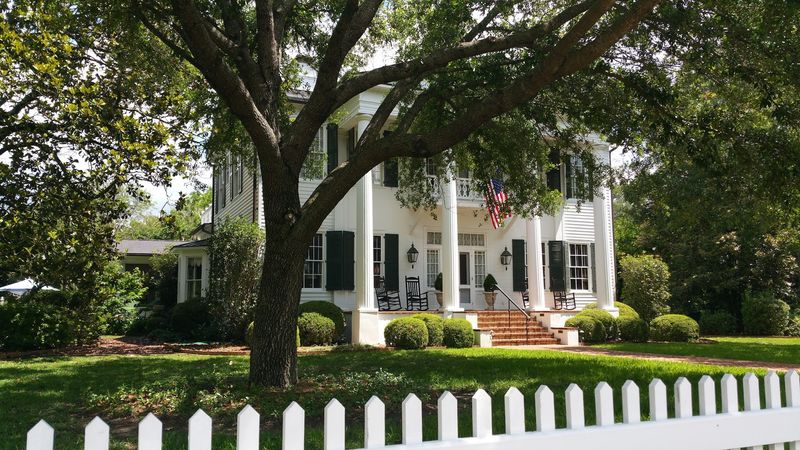
Picture writing a rent check that does not make you wince. In Quincy, that daydream is closer to real life than in most of Florida.
Many local listings for modest apartments and small homes have hovered around the $850 range, though prices shift with the market and the size of the place.
Compare that with Tallahassee, Tampa, or Miami, where the same money might barely cover half a studio. The gap is a big reason people are taking a second look at this town of about 8,000 residents.
Young families, remote workers, and retirees all notice the savings fast.
Before you sign anything, do some homework. Check current listings on several rental sites, drive the neighborhoods at different times of day, and ask landlords what utilities usually cost in summer, when air conditioners work overtime.
Older homes can be charming but drafty, so ask about insulation and repairs.
Lower rent also means more room in your budget for fun. That extra cash can go toward weekend trips to the coast, a garden in your backyard, or simply a savings account that finally grows.
For many newcomers, that breathing room feels like the best perk of all.
The Town That Soda Made Rich
Here is a story that sounds made up but is not. In the early 1900s, a Quincy banker named Mark Munroe, better known as Pat, believed in a fizzy drink from Atlanta called Coca-Cola.
He urged friends, neighbors, and customers at his bank to buy shares of the young company.
Plenty of people took his advice, and many held on for decades. As Coca-Cola grew into a global giant, those shares ballooned in value.
Quincy became famous for its unusual number of so-called Coca-Cola millionaires, and it was often described as one of the richest small towns in America per person.
You can still feel echoes of that fortune downtown. Some of the grand homes and sturdy brick buildings were paid for, at least in part, by those lucky investments.
Locals love telling the tale, so do not be shy about asking a shop owner or tour guide about it.
The lesson feels fitting for a town people now move to for savings. Quincy has always rewarded folks who spot value early.
Maybe that is why the idea of getting in before everyone else still feels so right here.
Just do not expect anyone to hand you free soda as a souvenir.
A Courthouse Dome Fit For A Postcard
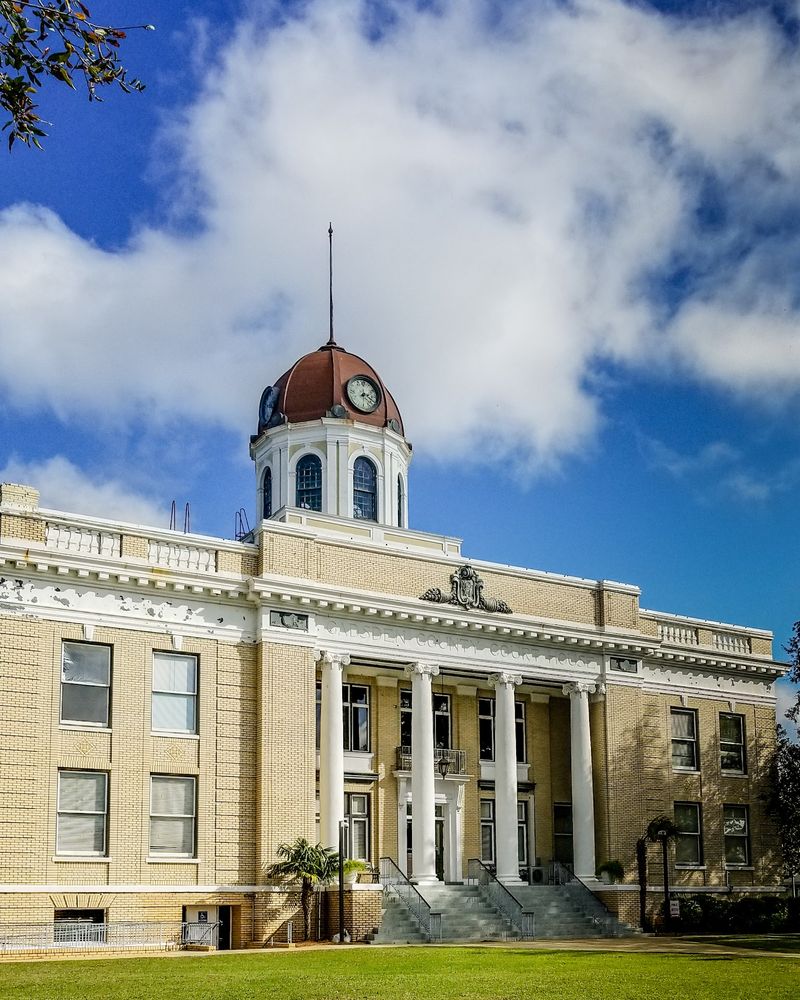
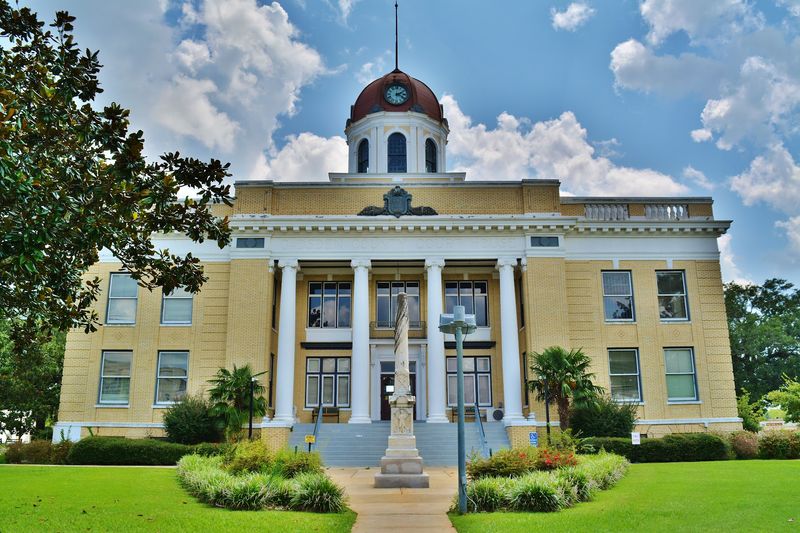
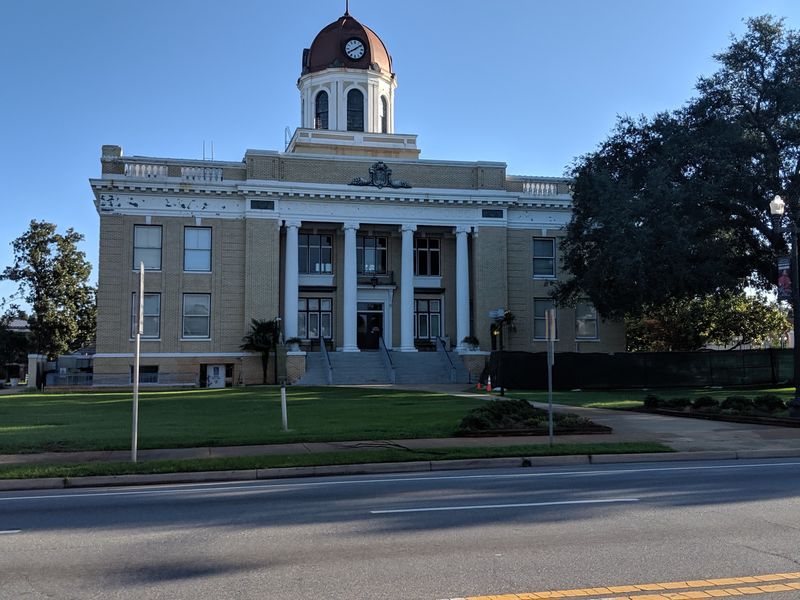
Stand in the middle of downtown and look up. The Gadsden County Courthouse rises above the square with tall columns and a gleaming dome, looking a bit like a small state capitol.
Completed in the early 1910s, it anchors Quincy the way a heart anchors a body.
The square around it is where the town’s rhythm plays out. Shady oaks drop cool patches onto the sidewalks, and you can hear church bells, chatting neighbors, and the slow crunch of tires on nearby streets.
Benches invite you to sit, sip a coffee, and simply watch small-town life go by.
Because the courthouse is a working government building, hours follow regular weekday business schedules, and you will pass through security to enter. Most visitors simply admire it from outside, which costs nothing at all.
Street parking around the square is usually free and easy to find, except during court days or special events.
Photographers, take note. Late afternoon light turns the dome golden and makes the brick storefronts around the square glow warm red.
Wheelchair users will find the sidewalks mostly level, though some older curbs can be uneven, so move carefully.
Porches, Columns, And Storybook Streets
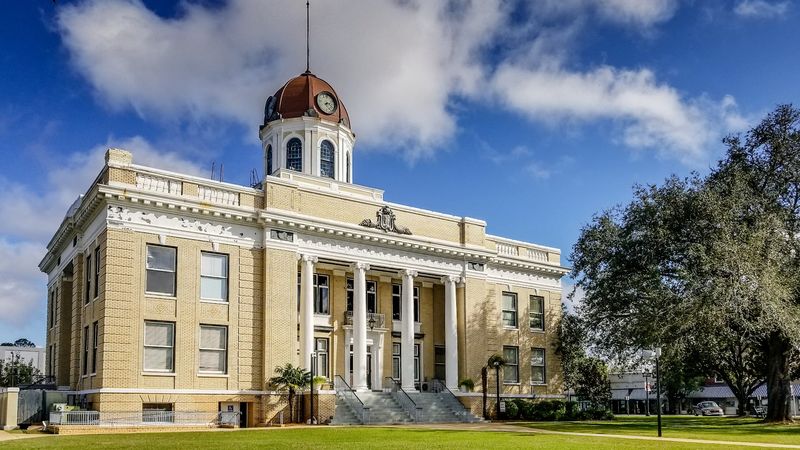
Does every street here secretly want to be in a movie? Walking through the Quincy Historic District, it can sure feel that way.
The district is listed on the National Register of Historic Places and holds a treasure chest of old homes and storefronts.
Wander a few blocks from the square and the styles change like pages in a picture book. You will spot Victorian houses with wraparound porches and fancy trim, stately Classical Revival homes with white columns, and simple cottages painted in cheerful colors.
Many were built during the town’s tobacco and banking boom years.
The best way to see it all is on foot. Wear comfy shoes, bring water, and plan for about an hour of slow strolling, longer if you stop to chat with porch-sitters.
Most homes are private, so enjoy them from the sidewalk and keep your voice friendly and low.
For renters, older neighborhoods like this offer something special. Some historic homes in town have been split into apartments, giving you high ceilings, wood floors, and big windows without a big-city price tag.
Ask about heating, cooling, and upkeep, since century-old charm sometimes comes with century-old quirks.
Fields Once Covered In Giant White Tents
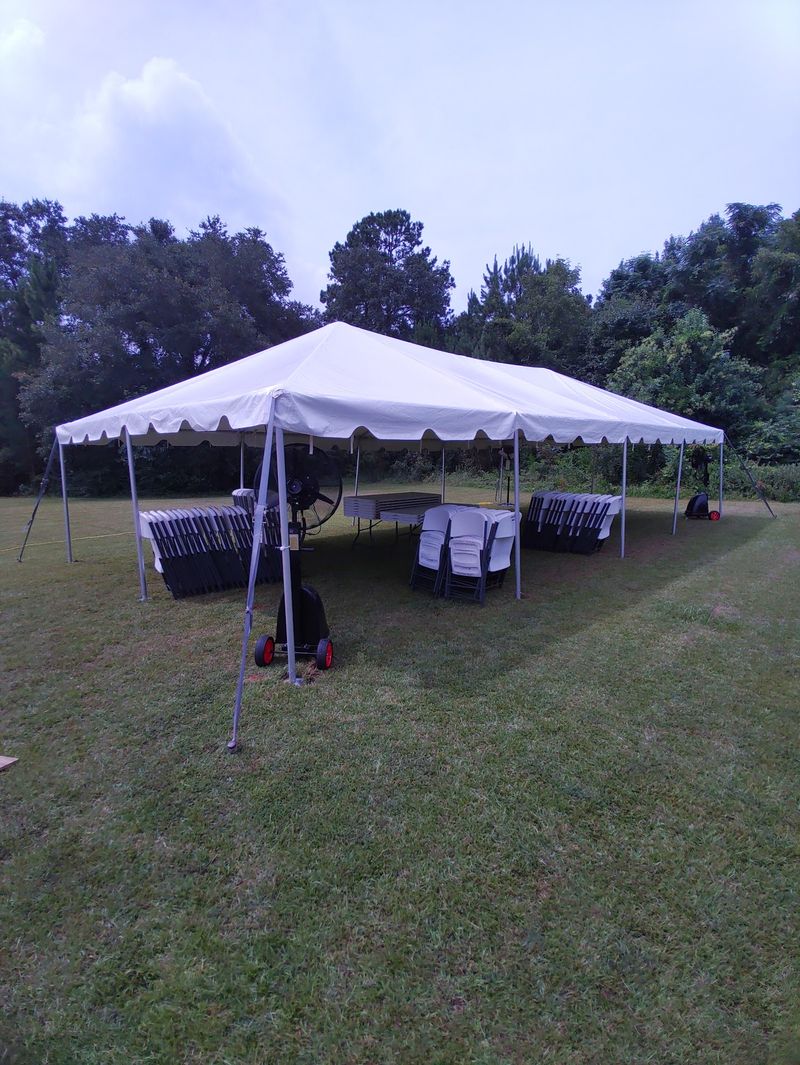
Long before Coca-Cola money, Quincy’s fortune grew in the fields. Gadsden County became known for shade tobacco, a crop grown under huge sheets of cloth stretched over wooden frames.
From a distance, the fields looked like giant white tents covering the hills.
Why all the fuss over shade? Growing tobacco under cloth kept the leaves thin, smooth, and even in color, perfect for wrapping fine cigars.
Farmers here shipped these prized wrapper leaves to cigar makers, and the business helped power the local economy for much of the 1900s.
The work was hard, hot, and often done by hand. Families, including many Black workers whose labor built much of this wealth, spent long days tending plants, picking leaves, and hanging them in curing barns.
The industry faded in the late 1900s, but its story still shapes the region.
Keep your eyes open on country drives outside town. You may spot old tobacco barns on private farmland, weathered gray and leaning a little.
Pull over safely, snap a photo from the road, and remember that each barn once smelled of drying leaves and summer sweat.
History rarely looks this humble, or this beautiful.
Big-City Art In A Small-Town Package
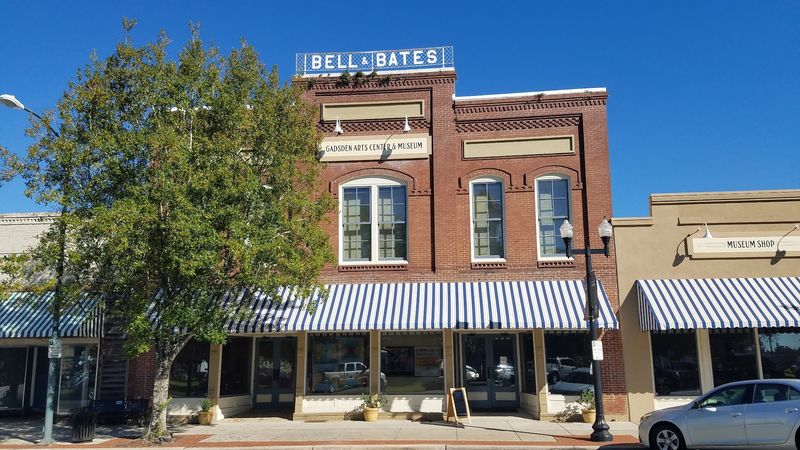
Art lovers, get ready for a pleasant shock. Right on the courthouse square sits the Gadsden Arts Center and Museum, housed in a historic former hardware store building.
It is the kind of place you would expect in a much bigger city, yet here it is in a town of about 8,000.
Inside, bright galleries rotate exhibitions throughout the year, showing everything from Southern folk art to modern paintings and photography. The center also hosts classes, lectures, and events for kids and adults.
There is a gift shop filled with work by regional artists, which makes souvenir shopping easy and meaningful.
Hours can change by season and exhibit, but the museum is usually open several days a week, often closed on Sundays and Mondays. Admission has typically been modest, with discounts or free entry for members and some groups, so check the website before you go.
Street parking around the square is usually easy.
Most galleries sit on the ground floor, but calling ahead is smart if you need specific accessibility help. Plan on spending about an hour.
Pair your visit with lunch nearby, and you have a relaxed, cultured afternoon.
Showtime At A Restored Movie Palace
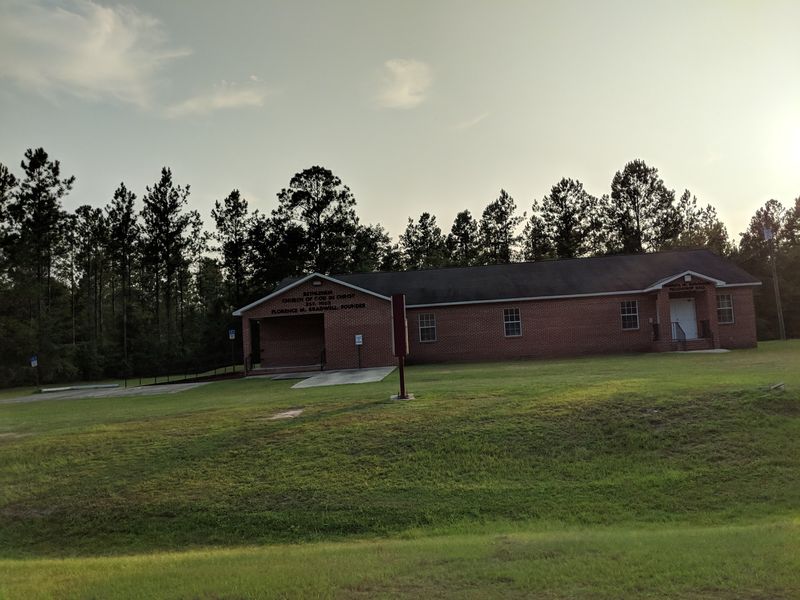
“Curtain in five minutes!” That call has echoed through the historic Leaf Theatre in downtown Quincy for years. Home to Quincy Music Theatre, the lovingly restored old movie house now hosts live musicals, plays, and concerts.
The building itself is a showstopper. Its vintage marquee and classic facade whisper of a time when families dressed up for Saturday night films.
Walk inside and you will find cozy seating that puts you close enough to see every actor’s grin and hear every note without straining.
What makes it special is the cast. Many performers are local teachers, students, retirees, and neighbors who rehearse for weeks after work.
Watching your barber belt out a Broadway tune is a uniquely small-town thrill you will not forget.
Ticket prices are usually far lower than big-city theater, often in the range of a nice dinner out, but they vary by show. Performances run on a seasonal schedule, so check the theater’s website for dates and showtimes.
Popular musicals can sell out, so buy early.
Arrive about 20 minutes before curtain to grab street parking near the square. If you need accessible seating, call the box office ahead to make arrangements.
Hills, Pines, And A Lake Full Of Bass
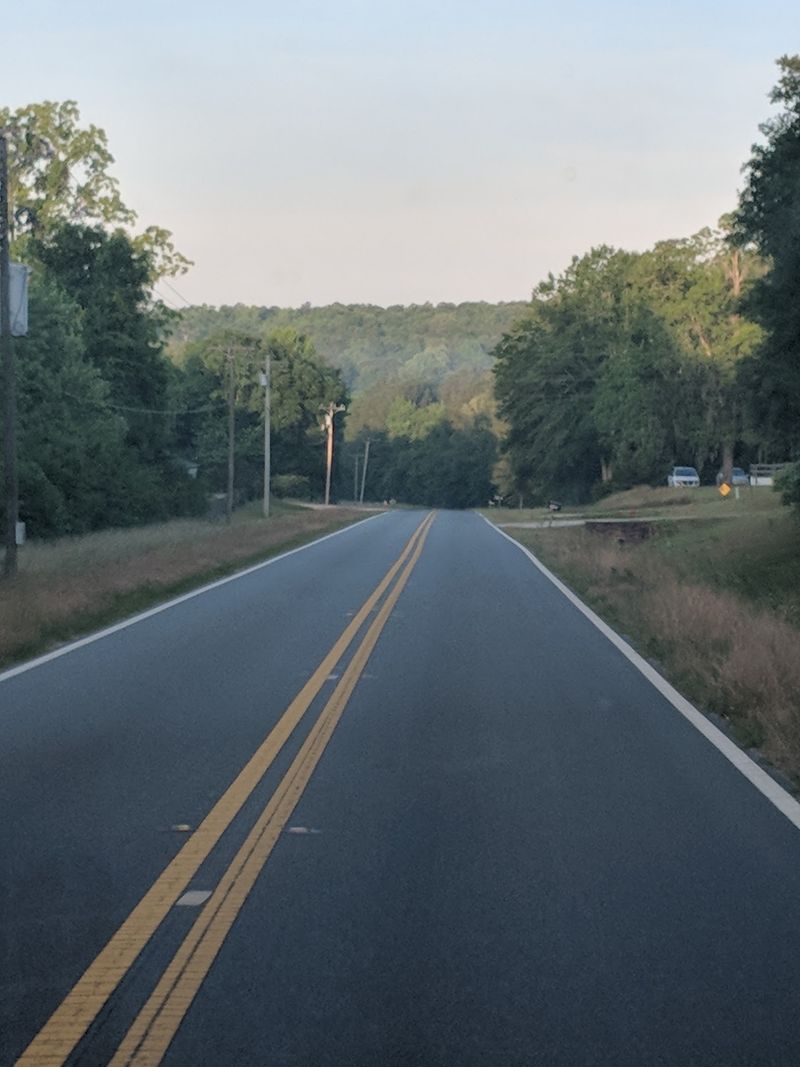
Forget everything you think you know about flat Florida. Quincy sits in the rolling Red Hills region, where roads dip and climb past pine forests, pastures, and patches of rusty red clay.
It feels more like Georgia than the beaches most people picture.
A short drive east brings you to Lake Talquin, a long reservoir on the Ochlockonee River. Anglers chase bass, crappie, and bream here, while kayakers paddle quiet coves lined with cypress trees.
Lake Talquin State Forest offers hiking trails where you might spot deer, turkeys, or a hawk circling overhead.
Most outdoor areas are open from sunrise to sunset, though hours and fees can vary by site, and some spots charge a small day-use fee. Parking lots at trailheads and boat ramps are usually free or low-cost.
Trails are mostly natural surfaces, so wheelchair access can be limited.
Timing matters. Spring and fall bring mild temperatures and blooming wildflowers, while summer brings heavy humidity, afternoon thunderstorms, and hungry mosquitoes.
Pack bug spray, sunscreen, and plenty of water, and you will enjoy a side of Florida few tourists ever discover.
Bring a fishing license if you plan to cast a line, since Florida requires one for most adults.
Capital City Paychecks, Small-Town Rent
About 25 miles. That is roughly the distance between Quincy and downtown Tallahassee, the state capital, and it explains a lot about the recent buzz.
Many residents live here and drive to jobs, classes, and hospitals in the city, often in about 30 to 40 minutes.
Getting there is simple. Drivers can take U.S.
Highway 90 for a scenic ride through small communities or hop on Interstate 10 for a faster trip. Rush hour can slow things down, so leaving a little early makes mornings far less stressful.
Tallahassee brings big perks within easy reach. Florida State University, Florida A&M University, and Tallahassee Community College offer classes, sports, and concerts.
The city also has major hospitals, shopping centers, and an airport for trips farther away.
Here is the sweet deal. You can earn a capital-city paycheck while paying small-town rent, then come home to quiet streets and starry skies.
Just remember to budget for gas and car upkeep, since public transportation between the two towns is limited.
Test the drive before you move. Try it once during morning rush and once in the evening to see how it fits your life.
Neighbors Who Actually Wave Back
Wave at a stranger in Quincy and there is a good chance they will wave back, maybe even stop to chat. That friendly habit might be the town’s secret weapon.
Newcomers often say they felt like neighbors within weeks, not years.
Community life here happens in simple, heartfelt ways. Churches host suppers, downtown businesses join holiday celebrations, and folks gather on the square for parades and seasonal events.
Gadsden County also has a proud cultural history as Florida’s only majority-Black county, and that heritage shines through in music, food, and local traditions.
Planning a scouting trip before moving? Visit on a weekday to see everyday life, then return on a weekend to feel the slower pace.
Spring and fall are the most comfortable seasons, while summer heat can be intense.
Eat at local diners, shop at small stores, and ask questions everywhere you go. People here love sharing tips about neighborhoods, schools, and the best spot for fried chicken.
Those conversations will teach you more than any website.
Quincy is not flashy, and that is exactly the point. It offers room to breathe, time to know people, and a price tag that lets life feel possible again.