
This Grand Maine Mansion Hosts A One-Day Bazaar Of Victorian Oddities This October
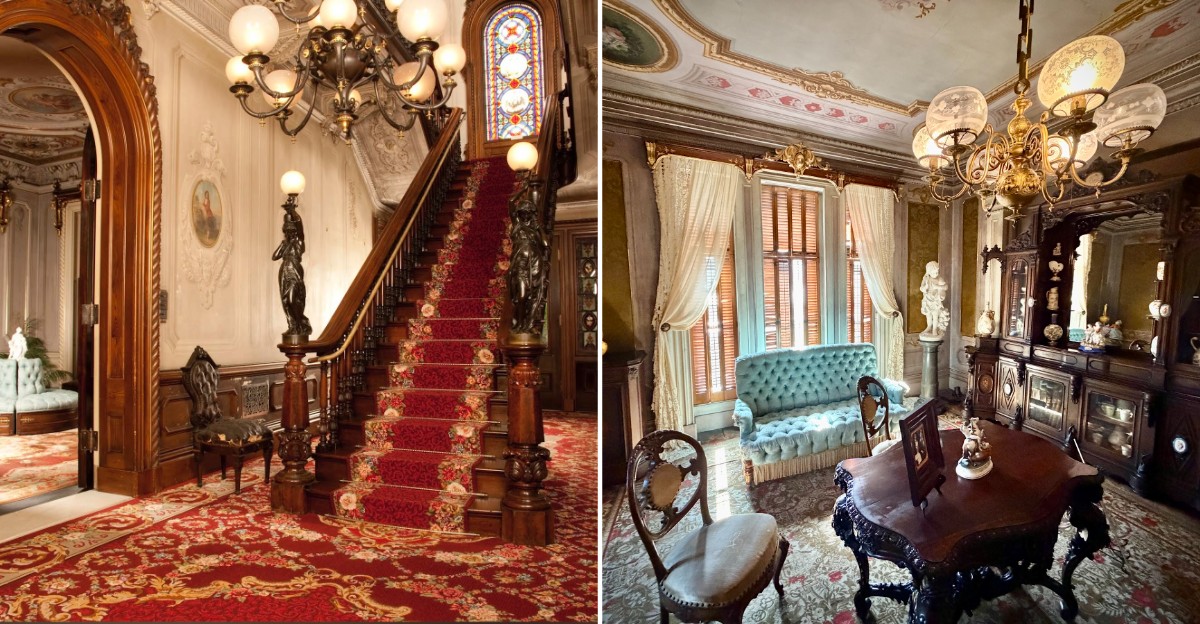
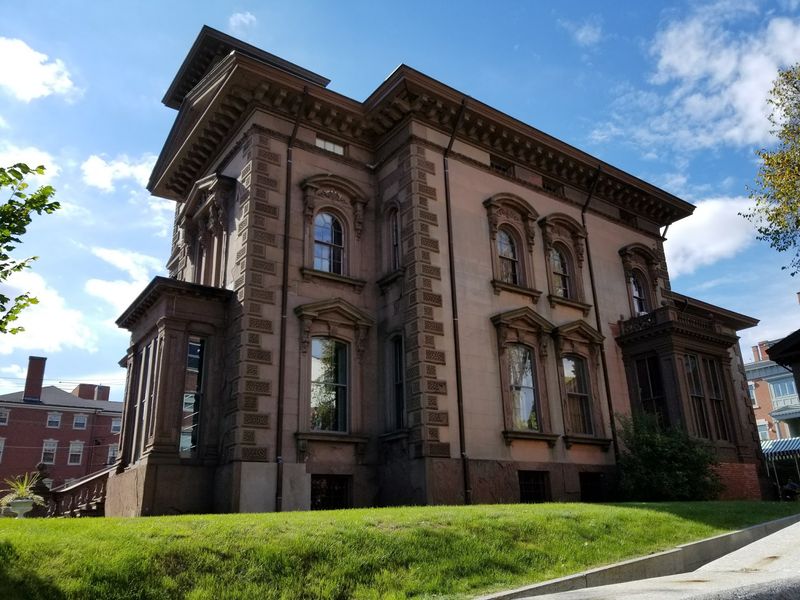
A brownstone palace on a quiet Portland street is getting wonderfully strange for one October day. Its tall tower rises above the neighborhood, while inside, painted ceilings and richly decorated rooms still show off the style of the 1800s.
This fall event leans into the unusual side of Victorian life, with curious demonstrations, performances, and hands-on activities inspired by the era. The house itself has an equally fascinating story, shaped by immense wealth, ambitious design, and a rescue that kept it standing when its future looked uncertain.
Maine has plenty of historic homes, but few feel quite this theatrical. Behind the grand exterior are surprising comforts that once seemed cutting-edge and rooms filled with original objects tied to the house’s earliest years.
For an autumn outing with a slightly peculiar twist, this Portland landmark delivers plenty to talk about.
A Brownstone Villa Built To Turn Heads
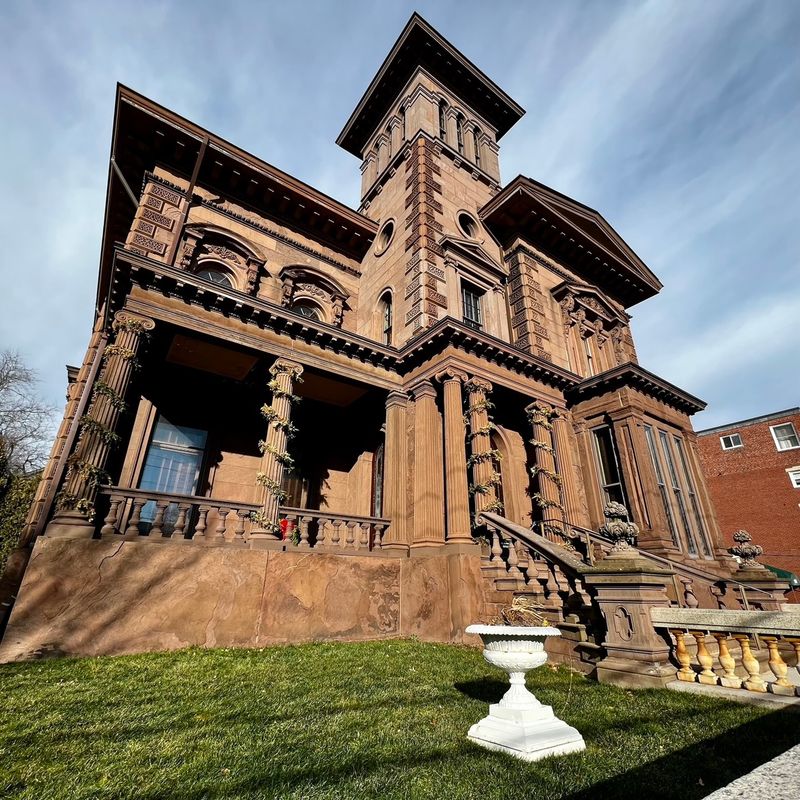
Ruggles Sylvester Morse did not do anything halfway. The Maine-born businessman made his fortune running grand hotels in New Orleans, and he wanted a summer home in Portland that would make neighbors stop and stare.
Construction began in 1858 and wrapped up by 1860, which is impressively fast for a house this fancy. Architect Henry Austin of New Haven, Connecticut, designed it in the Italian villa style, with a tall tower, deep overhanging roofs, and walls faced in chocolate-brown sandstone.
Many historians see it as one of the finest examples of this style anywhere in the United States.
The house was not always called Victoria Mansion. For many years it was known as the Morse-Libby House, named after its two owner families.
The newer name came later, a nod to the era and the queen who gave that era its name.
Today the building is a National Historic Landmark, and it still steals the show on its quiet block. When you arrive for the October bazaar, take a slow lap around the outside first.
Look up at the tower, the carved window frames, and the ironwork, because the details are half the fun before you even reach the front door.
One Day Of Curious Shopping
Imagine a shopping trip where the price tags are attached to antique keys, cabinet cards, and odd little brass gadgets nobody can quite identify. That is the spirit of the one-day October bazaar, when vendors gather at the mansion with curious goods inspired by the 1800s.
Victorians were famous collectors. Wealthy families loved displaying shells, minerals, pressed flowers, and unusual objects in glass cases so guests had something to gasp over.
The bazaar taps into that same fascination with the strange and unusual through Victorian-inspired demonstrations, performances, crafts, readings, and hands-on activities.
Because the event lasts only a single day, timing matters. Vendors with the most unusual pieces often see their tables thin out early, so arriving close to opening gives you the widest selection.
Event details, such as the exact date, hours, and any admission fee, can change each year, so check the official website at victoriamansion.org before you go.
Bring cash as a backup, since smaller sellers sometimes prefer it. A sturdy bag helps too.
After all, carrying a wobbly antique lamp in your arms for two hours is a workout nobody signed up for.
Rooms That Barely Changed Since 1860
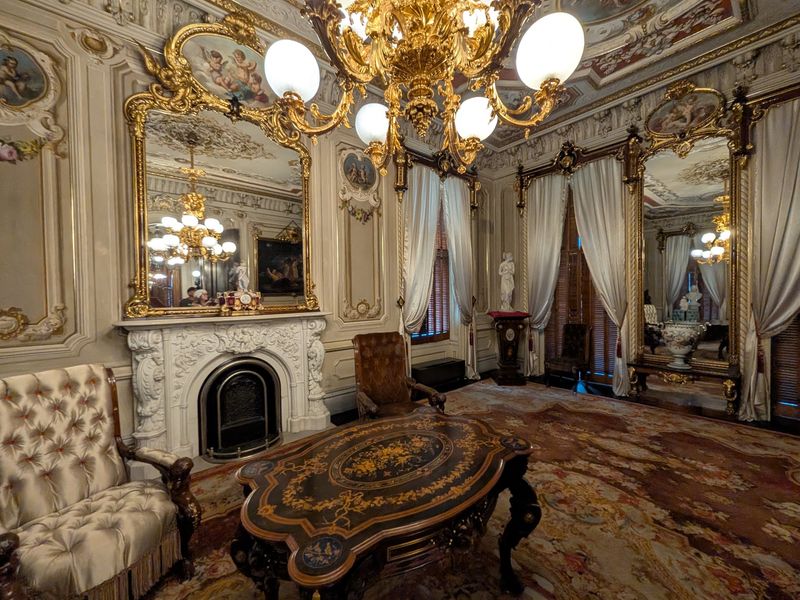
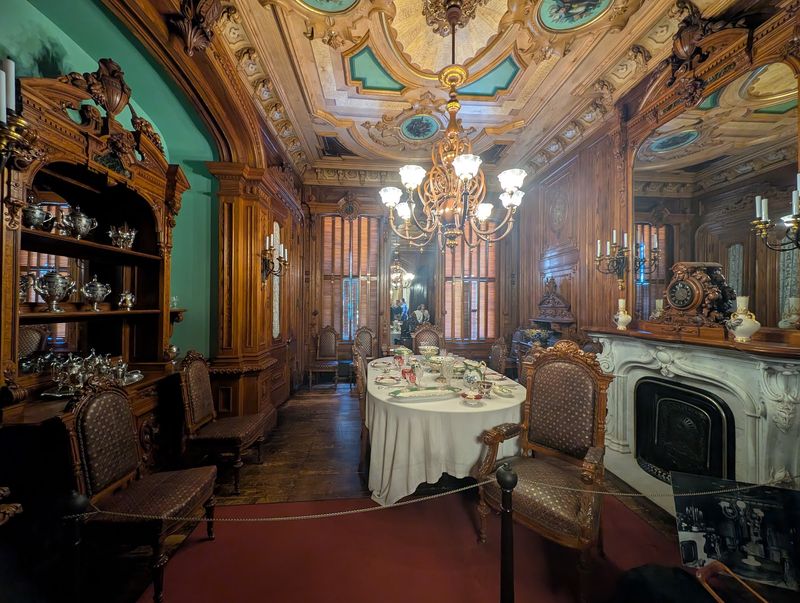
Here is a number that makes museum experts grin: more than 90 percent of the original interior still survives. That means the furniture, carpets, gasoliers, stained glass, and painted walls are not just from the right era.
Most of them belong to this exact house.
Gustave Herter, a German-born designer working in New York, created the rooms. His firm later grew into the famous Herter Brothers, a name that still makes antique lovers sit up straight.
He designed custom furniture for nearly every space, so each room feels like a matching set.
The walls and ceilings are covered with detailed murals and painted decoration by the Italian artist Giuseppe Guidicini and his team. Some surfaces look like carved stone or rich wood, but they are actually clever paint tricks called trompe l’oeil, which is French for fool the eye.
Your eyes will be fooled, and they will enjoy every second.
A smart tip is to look up often. The ceilings are some of the most dazzling parts of the house, and it is easy to miss them while staring at the furniture.
Ask a docent to point out their favorite hidden details as you move between rooms.
Modern Comforts Hidden In The Walls
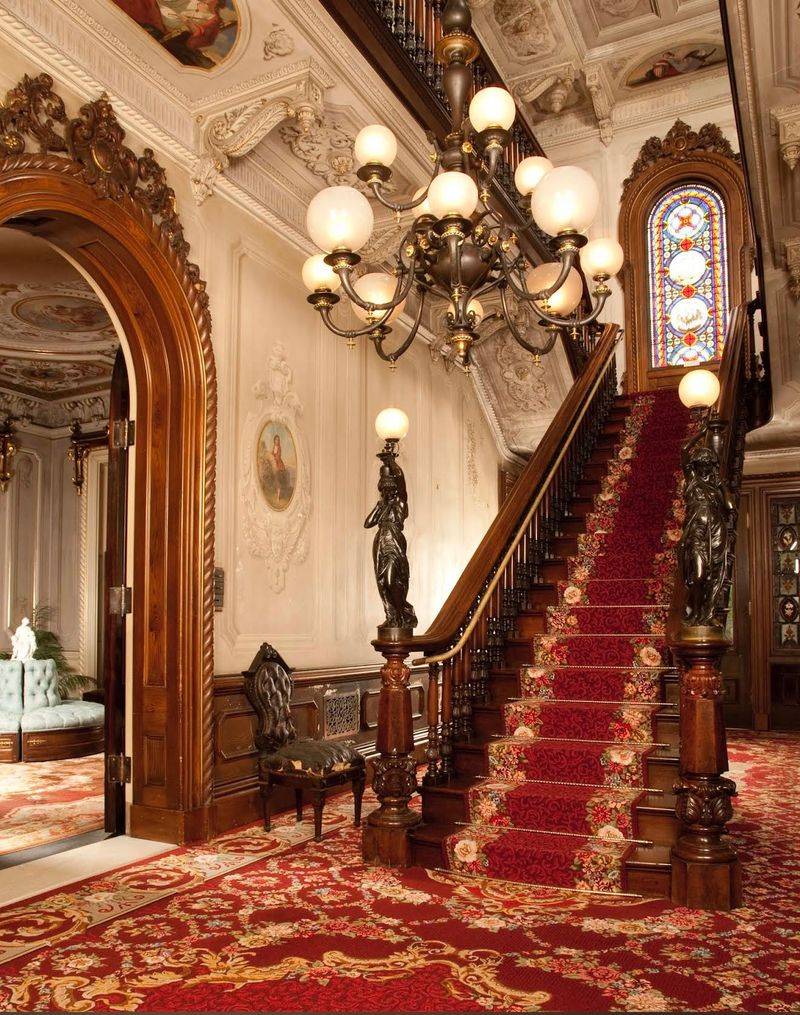
Long before smart homes, this one was already showing off. When the Morse family moved in around 1860, the house had features that many Americans would not enjoy for decades.
Central heating kept the chilly Maine air in check, a real luxury in a city known for icy winters. Hot and cold running water flowed through the house, which was a big deal at a time when many families still hauled buckets.
Gas lighting brightened the rooms after sunset, and the fancy fixtures that held those flames are still in place.
Indoor bathrooms added another layer of comfort that guests would have found remarkable. It sounds ordinary now, but in 1860 it felt like something close to magic.
All of this fits nicely with the theme of the October bazaar. Victorians loved new inventions just as much as they loved old curiosities, and this house shows both sides of that personality.
As you shop for odd antique tools and gizmos, think about how cutting-edge the house itself once was.
If you have questions about how any system worked, ask. The staff enjoy explaining the technology, and the answers are often more surprising than the objects.
The Rescue That Saved A Masterpiece
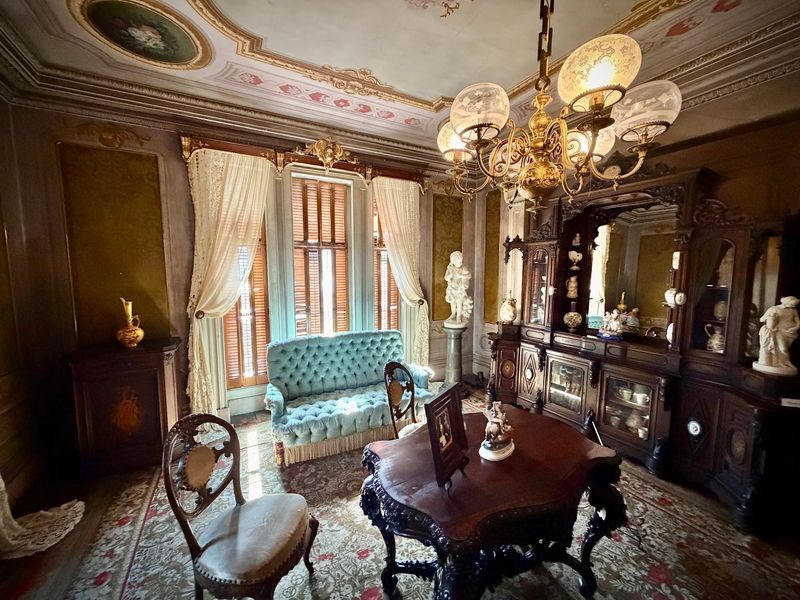
A house this spectacular came surprisingly close to being lost. In 1894, Portland merchant Joseph Ralph Libby bought the property, and his family kept much of the original furniture and decoration in place instead of tossing it for trendier styles.
That choice turned out to be a gift to history. Many wealthy families of the time redecorated every few years, but the Libbys left the Herter rooms largely alone.
After the family moved on, the house sat empty for years, and by 1941 there were plans that could have replaced it with a gas station.
William H. Holmes, a retired educator, stepped in and bought the house in 1940, saving it from demolition.
He opened it to the public and named it in honor of Queen Victoria, giving it the name visitors know today.
Since then, a nonprofit organization has worked to protect and restore the building room by room. Restoration projects can take years, because experts study old fabrics, paint layers, and photographs to get every detail right.
During your visit, ask about recent restoration work. The stories behind recreating a single wallpaper or textile can be just as fascinating as the bazaar treasures waiting outside, and they show how much patience keeps history standing tall.
Touring With The Docents
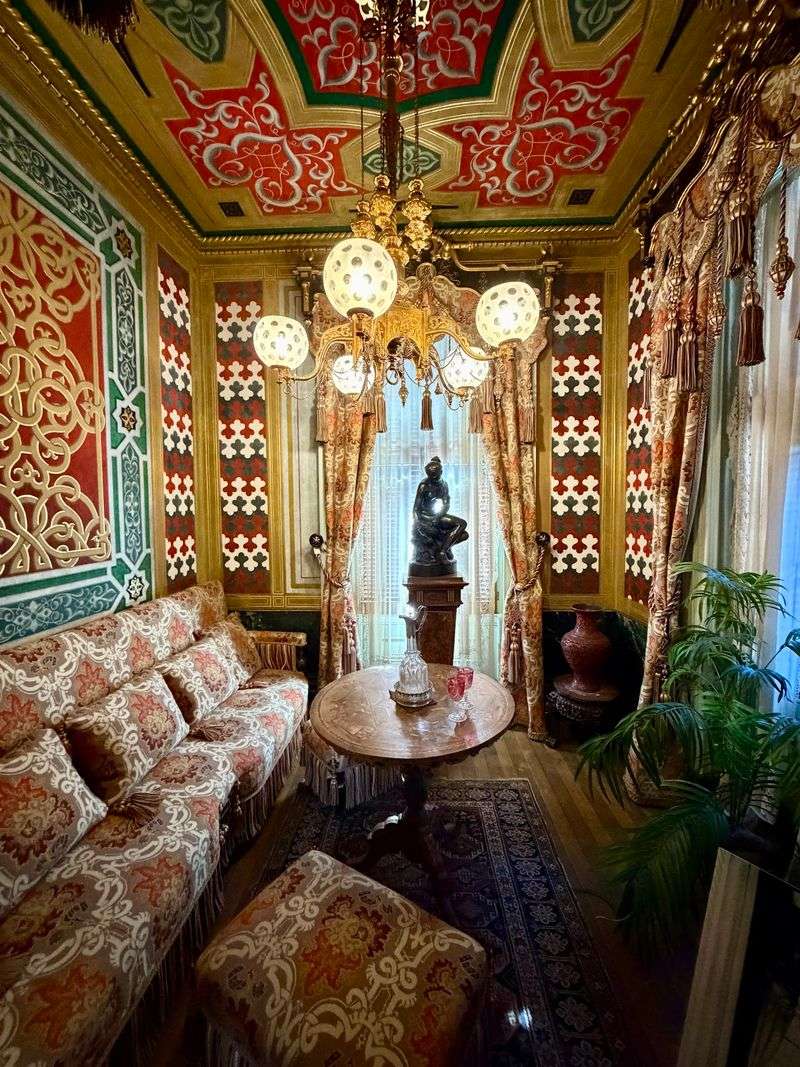
Shopping for oddities is fun, but the real showstopper waits indoors. Guided tours of the mansion usually last about an hour and cover the first and second floors, where the most famous rooms are found.
Knowledgeable docents lead the way, sharing stories about the Morse and Libby families, the artists who decorated the walls, and the materials used to build the house. You will learn why certain rooms feel darker and moodier while others seem light and cheerful, since Victorians often matched decoration to how a room was used.
At some times of year, the mansion offers self-guided visits with staff stationed in different rooms to answer questions. Either way, the rules are there to protect fragile objects, so keep your hands to yourself and leave large bags behind if asked.
Tickets can be purchased online or at the museum shop, and timed tours can sell out on busy days. If tours are offered on bazaar day, book your slot early so you can shop before or after without rushing.
One more pro move is to save a question for the end. Docents know plenty of small, delightful stories that never make it into the main script.
Getting There And Planning Ahead
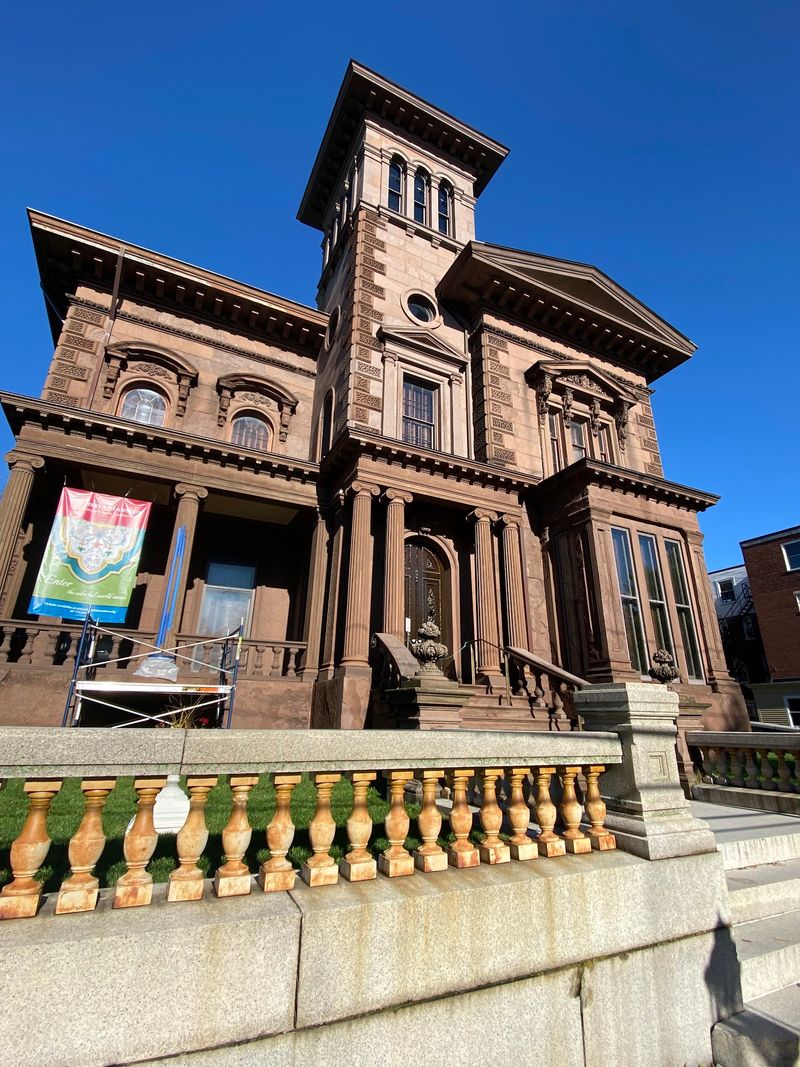
Good news for planners: this Portland landmark is easy to reach on foot. Victoria Mansion sits at 109 Danforth St, Portland, ME 04101, in the United States, just a short walk from the Old Port district and many downtown hotels.
Regular hours run from 10 am to 4 pm, and the schedule can shift for special events like the October bazaar, so double-check before you head out.
Parking takes a little strategy. The mansion does not have a big parking lot, and the surrounding streets can get busy, so street parking is your main option.
Arriving early gives you a better shot at a spot within a few blocks, and walking from the waterfront saves the hassle entirely.
October weather in Maine can swing between crisp sunshine and chilly drizzle. Layers are your best friend, especially if you plan to browse outdoor vendor tables.
A light rain jacket and comfortable shoes make the whole day more enjoyable.
Students should ask about discounts, which can make the visit even easier on the budget. Leave a little room in your wallet for the museum shop, too, because resisting a clever souvenir is harder than it sounds.
Stretching The Day Into A Portland Adventure
Once your bag is full of curious treasures, the fun does not have to stop at the front gate. The mansion sits in the heart of Portland, so the rest of your afternoon can unfold with very little planning.
Stroll down toward the Old Port, where brick buildings and cobblestone streets keep the historic mood going. Grab a hot cocoa or a bowl of chowder, then wander along the waterfront to watch working boats come and go.
Fall color adds bright pops of red and orange to city parks.
Loved the bazaar? Mark your calendar for the holidays as well.
Each year the mansion’s rooms are decorated for the season by local designers and artists, giving the Victorian interiors a completely different sparkle.
The museum shop is worth a final stop too. It carries books, ornaments, and gifts with a Victorian twist, so it is easy to find something for the history fan in your life.
By the end of the day, you will have shopped like a collector, toured like a scholar, and seen a house that refused to fade into the past. That is a pretty odd and wonderful way to spend an autumn day in Maine.