
The Quiet Florida Forest Trail With A Hidden Tick Problem Most Travelers Miss
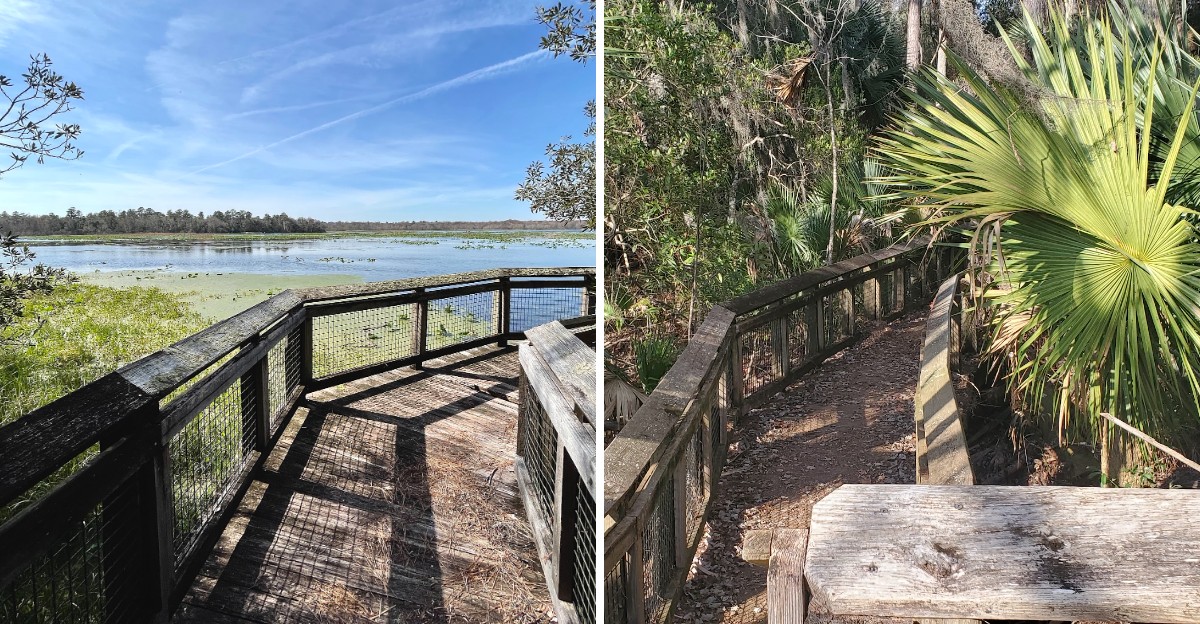
Silence is the main attraction on this hidden Florida trail, but it is not the only thing following hikers through the woods.
Beyond a sandy forest road, the path slips beneath trees toward quiet lake views, weathered boardwalks, and a sinkhole that feels like a doorway into another world. Birds call overhead.
Wind moves through the branches. Crowds seem far away.
Then comes the surprise nobody wants to bring home.
Ticks can wait along grasses, leaves, and trail edges, turning an otherwise peaceful walk into an itchy lesson in preparation. The danger is easy to reduce, but only when visitors know what to wear, where to step, and what to check afterward.
So how can you explore without spending the drive home worrying?
A little planning makes all the difference. Pack repellent, choose long clothing, stay near the path, and inspect yourself carefully.
The forest should leave memories, not passengers.
Welcome To Florida’s Oldest Forest Neighborhood
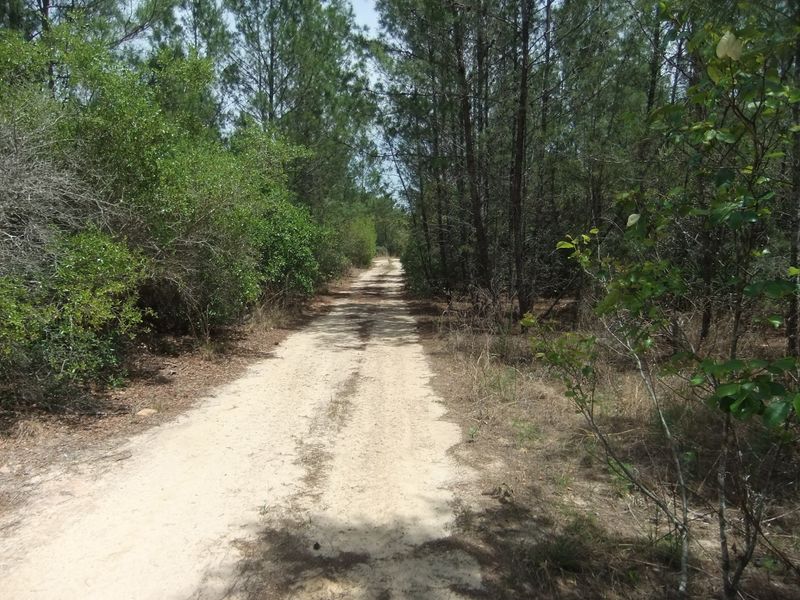
Picture a Florida with no theme parks, no traffic jams, and no souvenir stands. That version still exists, and it lives in the Ocala National Forest, where the Lake Eaton Trail Head sits tucked among sand pines and oaks near Silver Springs.
Here is a fun bit of history. Ocala National Forest was established in 1908, making it the oldest national forest east of the Mississippi River.
It also protects what is often called the largest continuous sand pine scrub forest in the world, a dry, sandy habitat that looks almost like a desert with trees.
The trailhead gives you two choices. One path, the Lake Eaton Loop Trail, winds for roughly two miles through the woods and leads to boardwalks overlooking the water.
The other, the Lake Eaton Sinkhole Trail, heads across the road toward a deep, bowl-shaped sinkhole.
First impressions are quiet ones. You hear wind moving through pine needles, maybe a woodpecker tapping, and the crunch of sand under your shoes.
The air smells warm and resiny on sunny days.
It is not a polished park, and that is part of the story. Think of it as wild Florida with the volume turned all the way down.
Sugar Sand: The Road That Tests Your Tires
Your adventure starts before you ever lace up your boots. The roads leading to the Lake Eaton Trail Head are mostly unpaved, and many visitors describe them as soft, loose sugar sand.
Sugar sand is exactly what it sounds like. It is fine, pale, and powdery, and it can grab your tires like a puppy that refuses to let go of a toy.
Several reviewers suggest four-wheel drive, and one warned that front-wheel drive cars may struggle.
Others made it in an all-wheel-drive Subaru Outback without trouble, so conditions seem to change with the weather. Dry spells tend to make the sand looser and deeper.
Some hikers have also reported ruts left behind by drivers spinning donuts, which does not help anyone.
Here are a few smart moves. Keep a steady, gentle speed rather than stopping in deep patches, and avoid sudden turns.
Download offline maps before you go, since cell service in the forest can be spotty.
One visitor noted that it is easy to leave by the wrong road and end up bouncing along a dirt track for a long time. Double-check your route out.
The drive can feel like a mini off-road safari, and plenty of people enjoy it.
Close To 50 Ticks: The Problem Hiding In The Grass
Close to 50 ticks. That is the number one couple reported finding on themselves after a round trip to the sinkhole.
They were not the only ones, either.
Tick stories pop up again and again in visitor reviews of this trail. One hiker picked off about a dozen after a two-mile loop, and another group flipped their clothes inside out at the car to find them crawling with tiny hitchhikers.
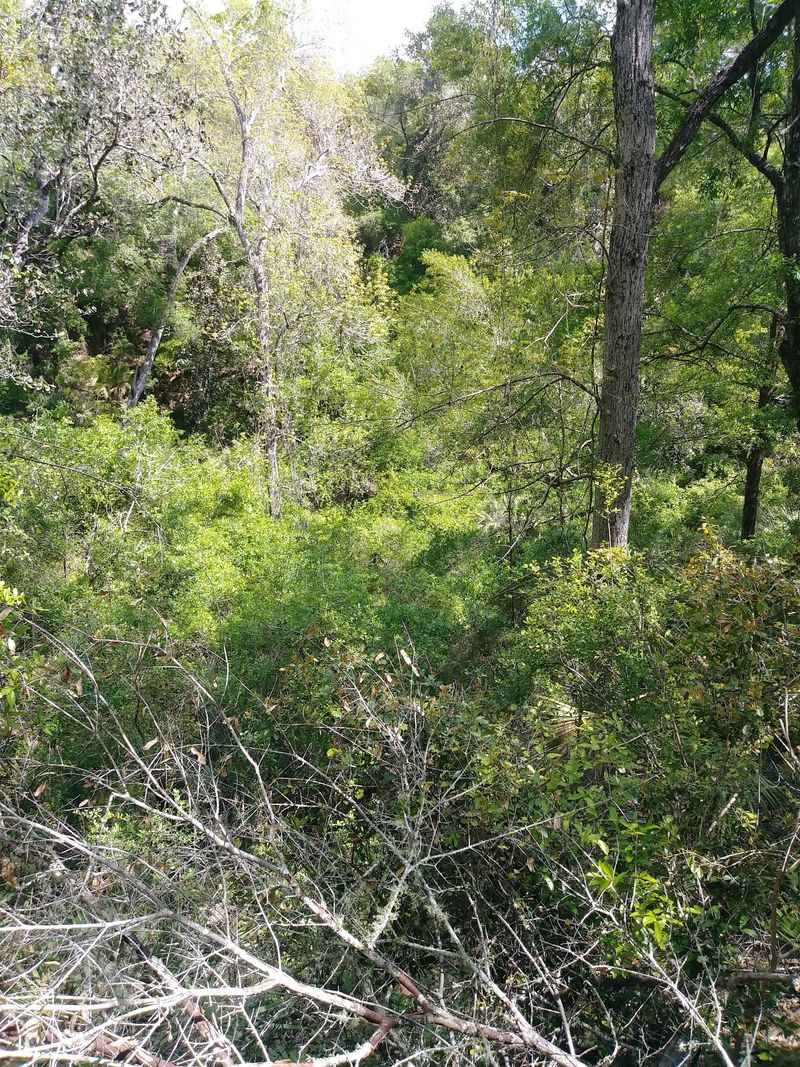
So why is the problem so bad here? The trail sees very few visitors, so grass and brush creep right up to the path.
Ticks wait on the tips of leaves with their front legs stretched out, ready to grab anything warm that brushes past.
Florida is home to species like the lone star tick and the blacklegged tick, and both can carry illnesses. Your best defense starts at home.
Wear long pants tucked into high socks, closed boots, and light-colored clothing so ticks are easy to spot.
Many hikers also treat clothing with permethrin and use a DEET repellent on skin. Pack trash bags and a spare outfit, just like one smart group did.
Afterward, check behind your knees, along your waistband, and in your hair.
Golden Silk Spiders Guard The Path
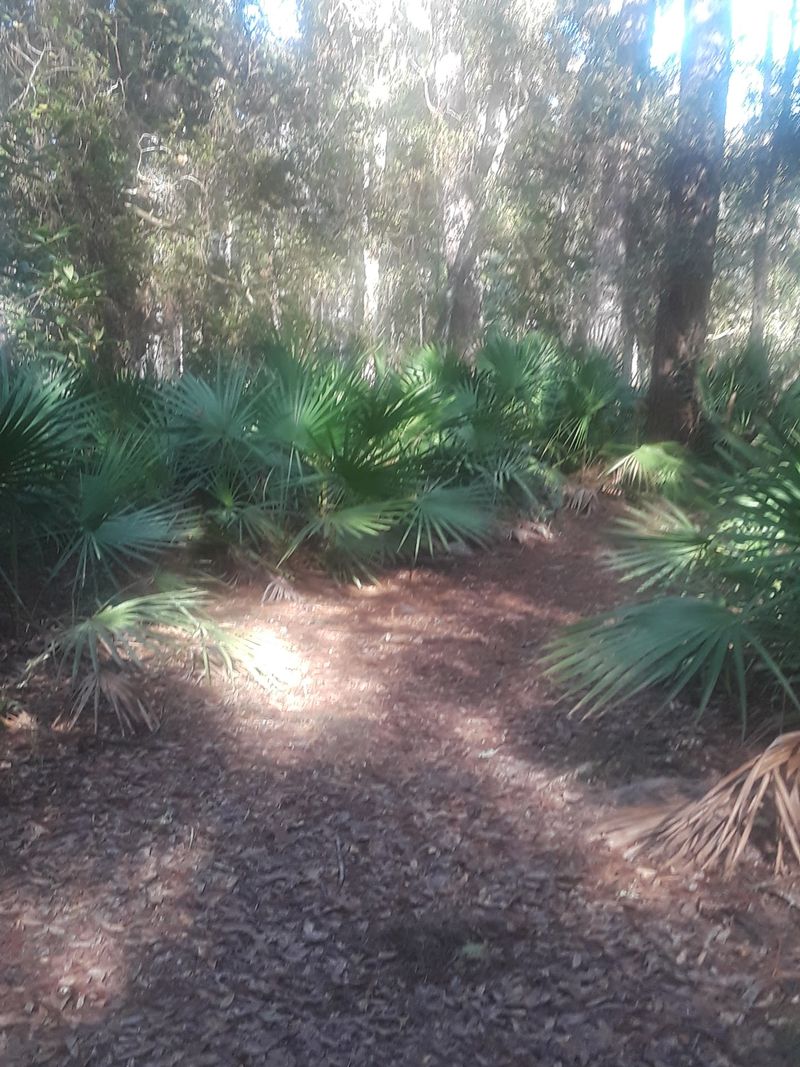
Walk the loop in late summer and you may feel like an explorer in an old jungle movie, swatting webs with every few steps. Reviewers mention spider webs blocking the trail every few paces, and some describe meeting a big banana spider every four or five minutes.
Those banana spiders are golden silk orb-weavers. Females can grow quite large, with long striped legs, and their webs really do shimmer with a yellowish, golden tint in the sunlight.
They look dramatic, but they are generally shy and not considered dangerous to people.
Webs stretch across the path because so few hikers pass through to break them. One visitor turned back after just a quarter mile.
Another offered a cheerful fix: carry a stick and wave it ahead of you, so the webs hit the stick instead of your face.
A hiking pole works well too. Walking behind a taller friend is another option, though that friend may not thank you.
Visitors have also reported spotting a black widow in the restroom, so glance before you sit. Cooler months usually bring fewer giant webs.
If spiders give you chills, plan for winter, when the woods feel far less crowded with eight-legged neighbors.
Three Boardwalks And A Whole Lot Of Lake
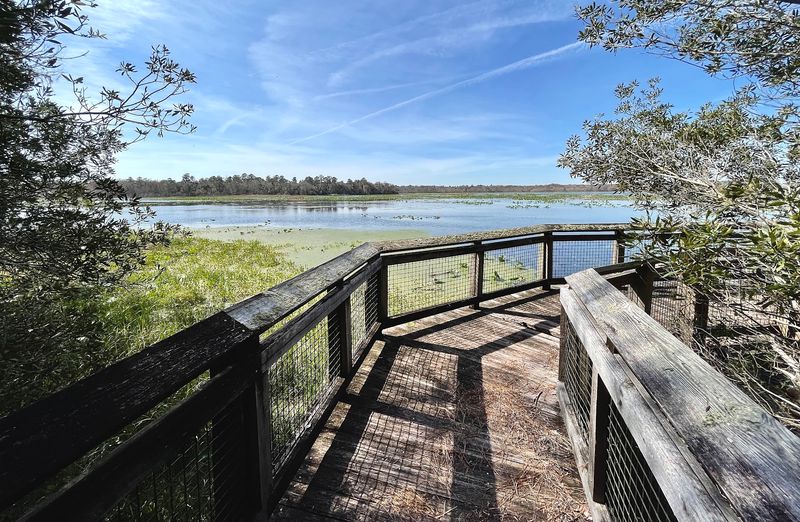
Ask longtime visitors what they love most, and the answer is usually the boardwalks. The Lake Eaton Loop Trail leads to three viewing spots where wooden walkways stretch toward the water.
On a calm morning, the view is worth the drive. Lake Eaton spreads out flat and shiny, framed by cypress and marsh grasses, and the forest suddenly opens up after miles of shade.
One reviewer suggested checking both lake views at the end of the loop, and that advice still stands.
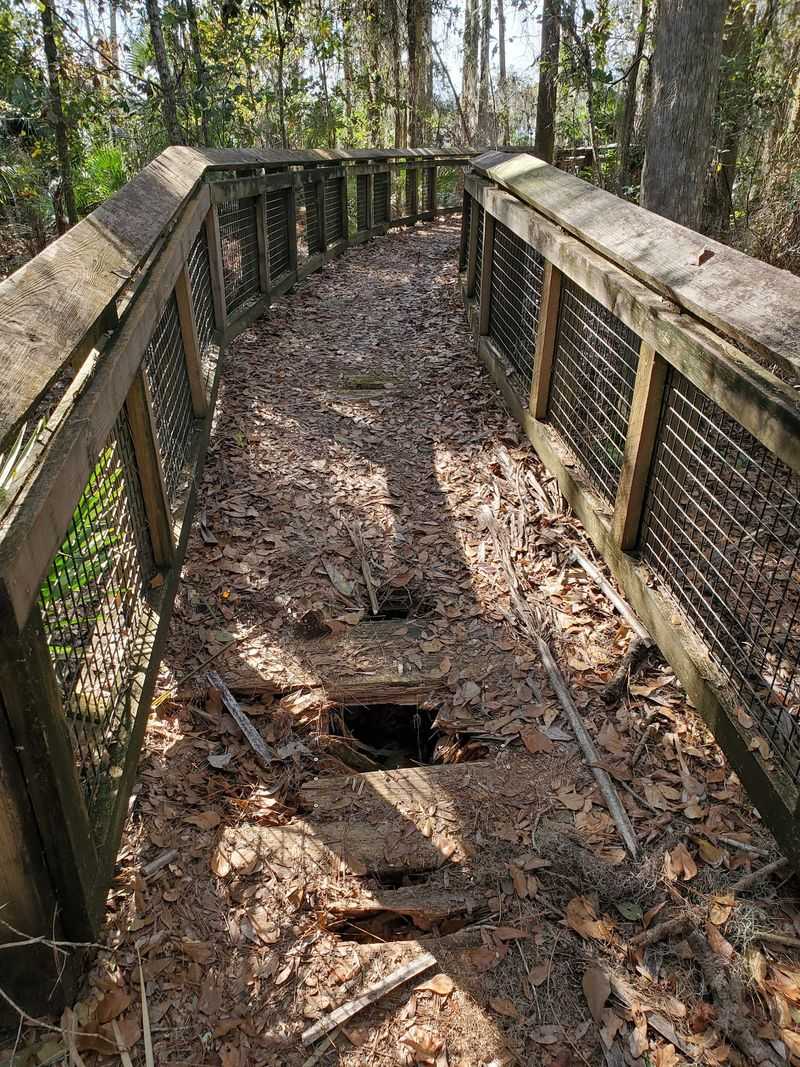
Now for the honest part. Many recent reviews describe the boardwalks as rotting, with holes right through the boards.
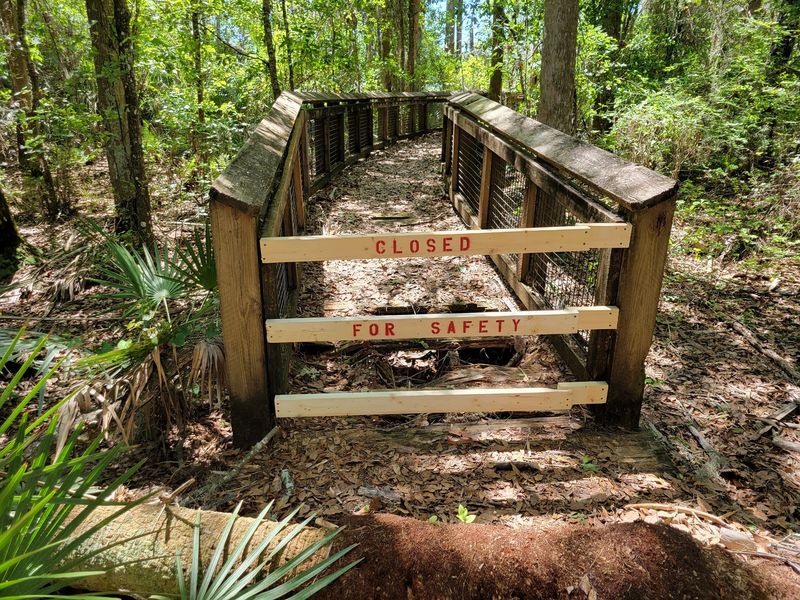
One couple said they stayed on the screws, meaning they stepped where the boards were fastened, and another visitor found one boardwalk closed due to mold and damage.
Treat these structures with real caution. Test each step, keep children off, and turn around if a section looks soft or broken.
No view is worth a twisted ankle or a plunge into the marsh.
Bugs also gather near the water. One reviewer claimed they were nasty even in the coldest weather, so keep repellent handy.
The Mysterious Case Of The Closed Sinkhole
Families once made memories here. One mom remembered bringing her kids to the Lake Eaton sinkhole again and again, calling it one of their favorite hiking spots.
The Lake Eaton Sinkhole Trail heads across the road from the lake loop. It is a short hike, around a mile round trip, that ends at a large, bowl-shaped depression in the earth.
Sinkholes like this form when rainwater slowly dissolves the limestone beneath Florida’s sandy surface, until the ground above gives way.
Stairs once led hikers down into the sinkhole, where shade and cooler air made it feel like a different world. It was like stepping into a giant green cereal bowl.
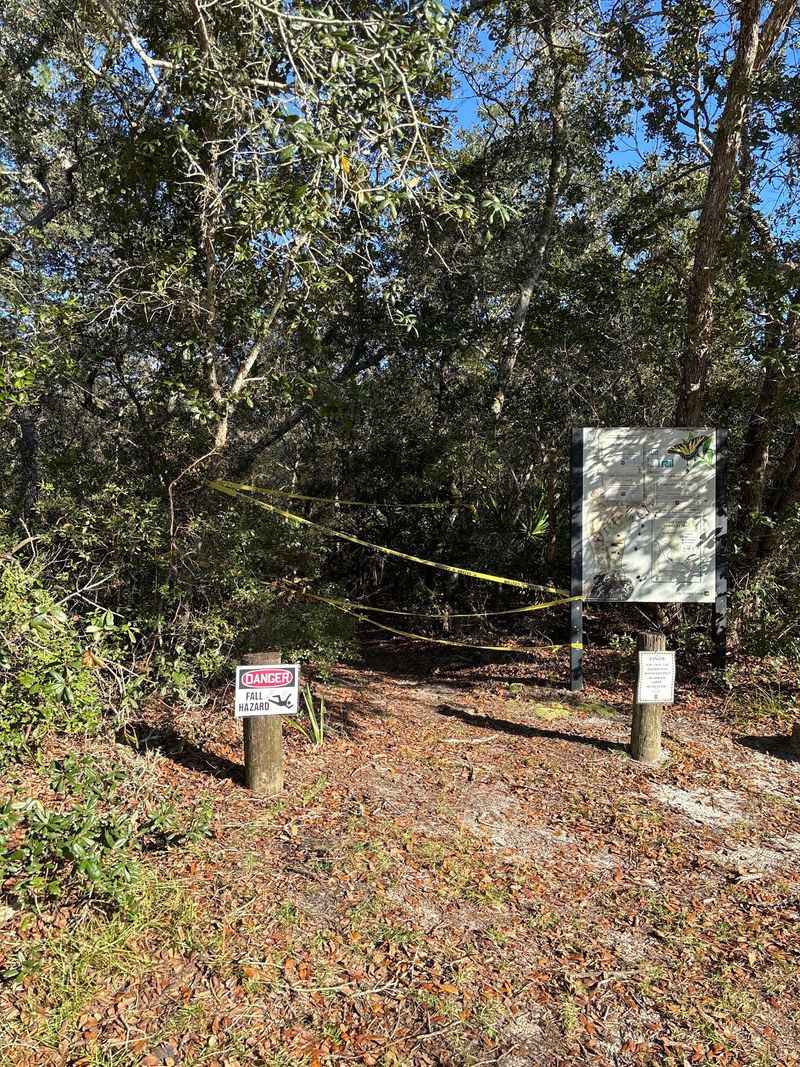
Recent visitors, though, keep finding it closed. Several reviews mention signs blocking the sinkhole trail, and one hiker reported both trails closed for health and safety reasons.
The exact reason has not been widely shared, which is why one reviewer called it mysterious.
Before you go, contact the Ocala National Forest office to ask about current trail status. If the sinkhole is still off-limits, respect the signs.
Aging stairs and steep slopes are no place to gamble, and the lake loop still offers plenty to see.
Bear Country Is Not Just A Slogan
Imagine rounding a bend and hearing a crash in the brush. For one group on the sinkhole trail, that noise turned out to be a black bear they had startled, and it became the most memorable part of their day.
Ocala National Forest is home to one of the largest populations of Florida black bears in the state. These bears are a subspecies of the American black bear, and adults can weigh a few hundred pounds.
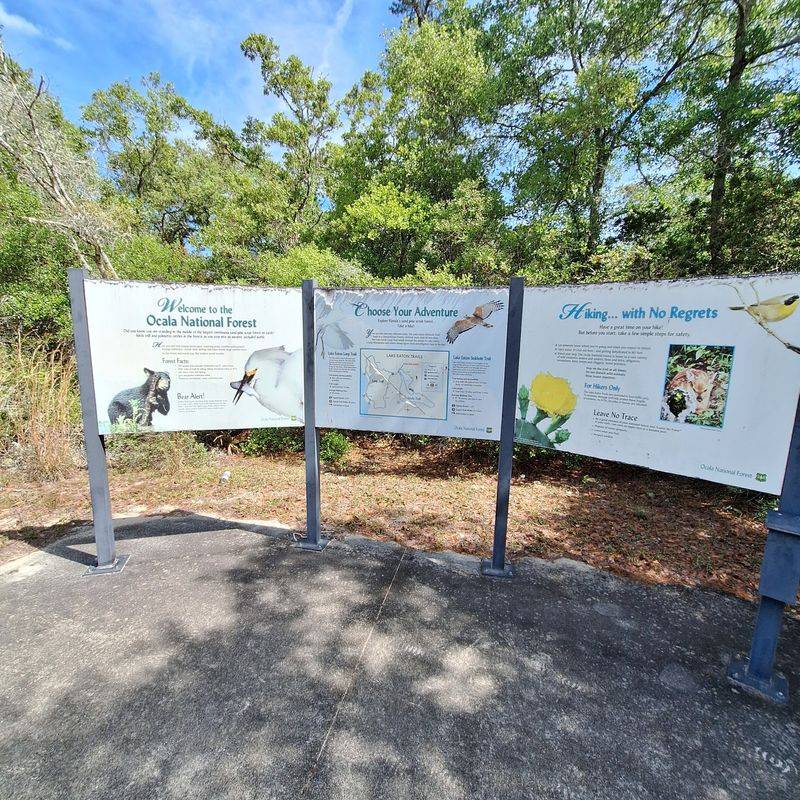
Another visitor mentioned a black bear notice at the trailhead that felt a bit unnerving.
Most bears want nothing to do with people. Surprises cause the trouble, so talk, laugh, or clap now and then as you walk.
A quiet trail with very few hikers means wildlife may not expect you.
If you do see a bear, stay calm and do not run. Back away slowly, stand tall, and give it plenty of space.
Never feed wildlife, and pack out every crumb of food.
Keep your eyes open for gentler neighbors too. Gopher tortoises dig burrows in sandy scrub like this, and scrub jays, deer, and woodpeckers call the forest home.
Spotting tracks in the soft sand can turn a walk into a detective game.
Solitude You Can Actually Hear
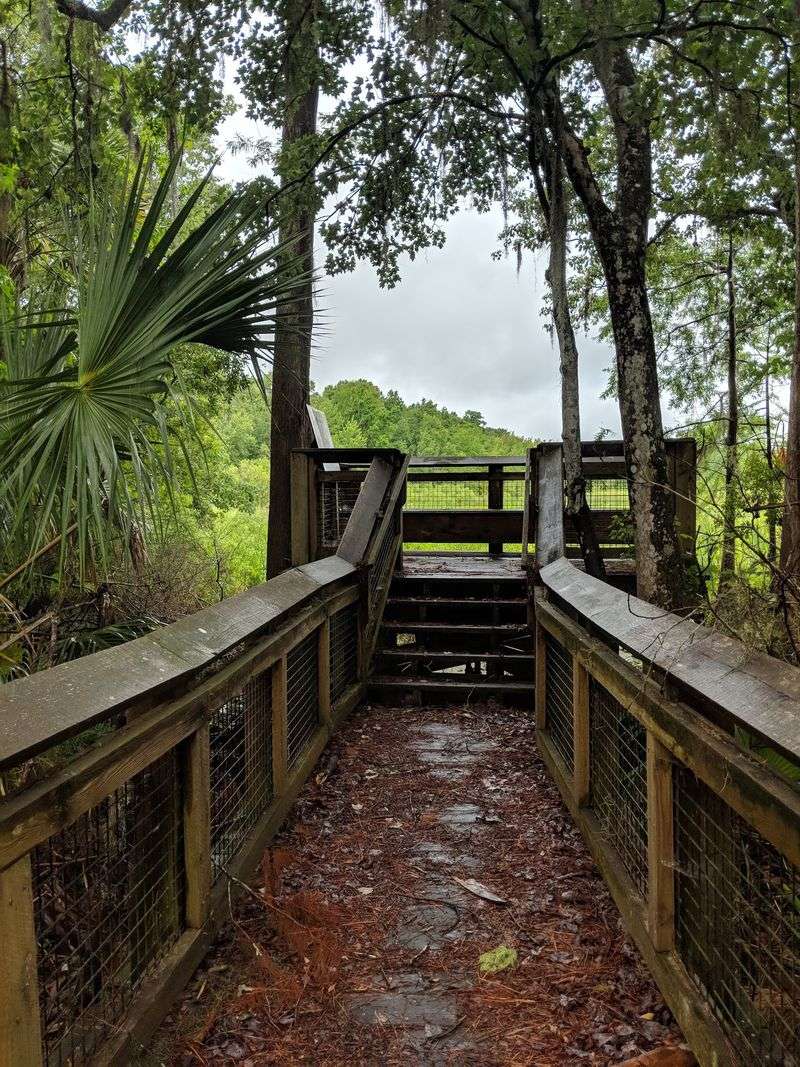
No one else was there the whole time. That line from one hiker sums up the magic of this trail better than any brochure could.
In a state packed with crowded beaches and busy springs, the Lake Eaton area feels like a secret. Another couple said they bumped into the only other hikers as they were leaving at 2 in the afternoon.
On many days, you could have the entire loop to yourself.
The quiet changes how you experience the woods. You notice small things, like the whisper of sand pine branches, the rustle of a lizard darting under leaves, and the soft thud of your own footsteps.
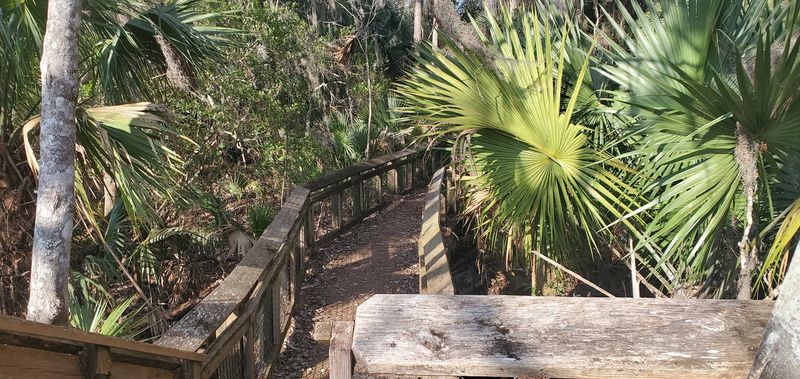
Trees hug the path closely on the Lake Eaton side, creating a shady tunnel that feels calm and private.
Beginners tend to love it. One first-time hiker called it peaceful, with plenty of things to see, and another said their daughter had a blast.
Solitude has a flip side, though. Fewer visitors mean fewer people to help if something goes wrong.
Tell someone your plans, carry water, bring a charged phone, and hike with a buddy whenever you can.
Rustic, Rough, And Honestly A Little Wild
Some trails are manicured like golf courses. This one is more like a backyard nobody has mowed in a long while.
Visitor reviews paint a clear picture of declining upkeep over the years. People describe overgrown paths, trees fallen across the trail, confusing markings, and overflowing trash cans.
One hiker who returned every year for five years said conditions got progressively worse.
Restrooms are a gamble. Some visitors found them open but not maintained, others found them locked, and one report described vandalism with a toilet torn apart.
Bring your own toilet paper and hand sanitizer, and plan a bathroom stop before you hit the sandy roads.
Accessibility is limited. The soft sand roads, uneven dirt paths, fallen logs, and damaged boardwalks make this trail a poor fit for wheelchairs, strollers, or anyone with mobility challenges.
Families with small kids can still manage the lake loop, but keep little ones close.
Some hikers actually enjoy the rough edges. One reviewer admitted the shaky stairs added to the excitement, though safety should always win.
If you love wild places and pack out your trash, you help keep this spot worth visiting.
Your Smart Game Plan For A Tick-Free Day
Winter is your secret weapon here. From roughly November through March, cooler temperatures usually mean fewer ticks, fewer giant spider webs, and far more comfortable hiking weather.
The trailhead is a day-use area, and like many spots in Ocala National Forest, it is generally open from sunrise to sunset. Hours and trail access can change with the seasons, storms, or closures, so call the Ocala National Forest office before heading out.
Official fee information is hard to find, and visitors have not mentioned paying one, but confirm current rules when you check trail status.
Parking is simple, with a small parking area at the trailhead, and crowds are rarely an issue. The harder part is reaching it, so give yourself extra time on the sandy roads.
Pack smart. Bring plenty of water, snacks, sunscreen, bug spray, a stick or trekking pole for webs, and a small first-aid kit with tweezers for tick removal.
Once you return to the car, do a full tick check before you drive off. Toss your clothes into a sealed bag and wash them in hot water at home.
Then celebrate, because you just explored one of the quietest corners of wild Florida like a pro.