
This Remote South Carolina Island Makes The Perfect Day Trip When You Want To Escape It All
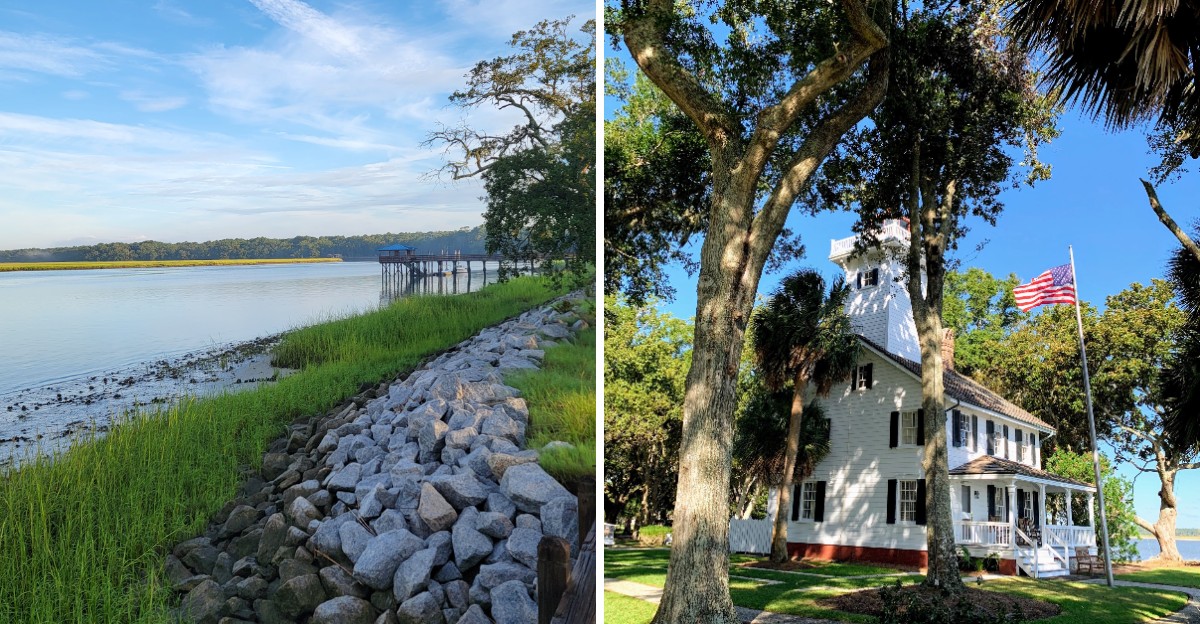
South Carolina keeps its fascinating escape just beyond the reach of the highway.
The adventure begins at the dock. As the boat pulls away, busy streets fade and salt air takes their place.
Soon, sandy lanes, moss-draped oaks, and weathered landmarks create a world moving at a gentle rhythm.
Cars are scarce. Golf carts roll past old cottages.
Artists work in tucked-away studios, while quiet beaches stretch toward the Atlantic without rows of umbrellas or towering hotels.
How can this small island hold so many stories?
Look closer and you will find generations of Gullah culture, mysterious ruins, historic lighthouses, and traditions shaped by the surrounding water. Every path seems to reveal another piece of the past.
Come for the boat ride and wild scenery. Stay for the silence, creativity, and sense of discovery.
This is the kind of South Carolina getaway that makes the mainland feel wonderfully far away.
No Bridge, No Problem: Getting There Is Half the Fun
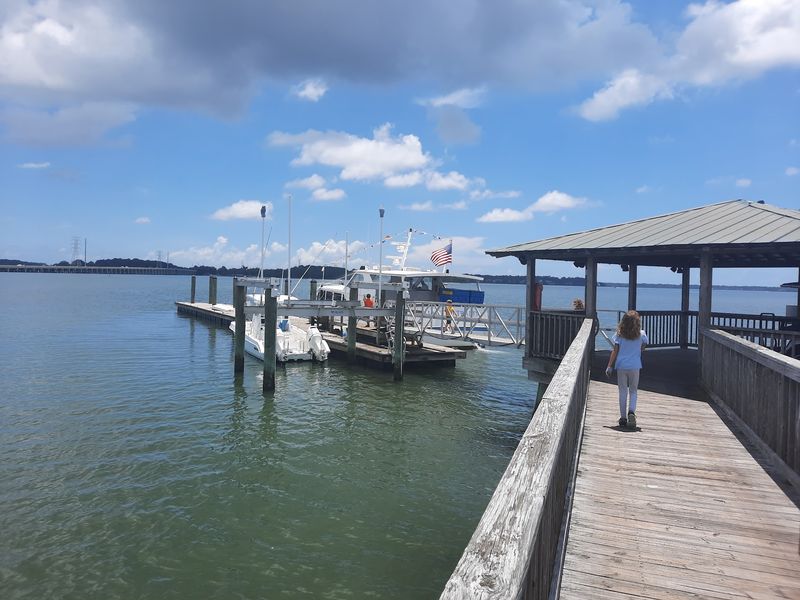
Picture a place so close to Hilton Head that you can see it from the beach, yet no car can reach it. Daufuskie Island has no bridge at all, so every visitor arrives by water.
That single fact shapes everything about the place.
Most day-trippers catch the public ferry from Buckingham Landing in Bluffton, and some tour companies also run boats from Hilton Head. The ride usually takes around 30 to 45 minutes across Calibogue Sound.
Round-trip fares often fall somewhere in the 30 to 45 dollar range per adult, but prices and schedules change, so check current rates before you go.
Parking near the landing is typically available, though fees and rules can shift by season and operator. Arrive at least 20 minutes early, because summer boats fill fast.
Bring a light jacket, too, since the wind on the water can feel cool even on a sunny morning.
Keep your eyes on the waves during the crossing. Bottlenose dolphins often roll through the sound, and pelicans skim so low you might think they are racing the boat.
By the time the dock comes into view, the mainland already feels far away.
Trading Your Car Keys For A Golf Cart
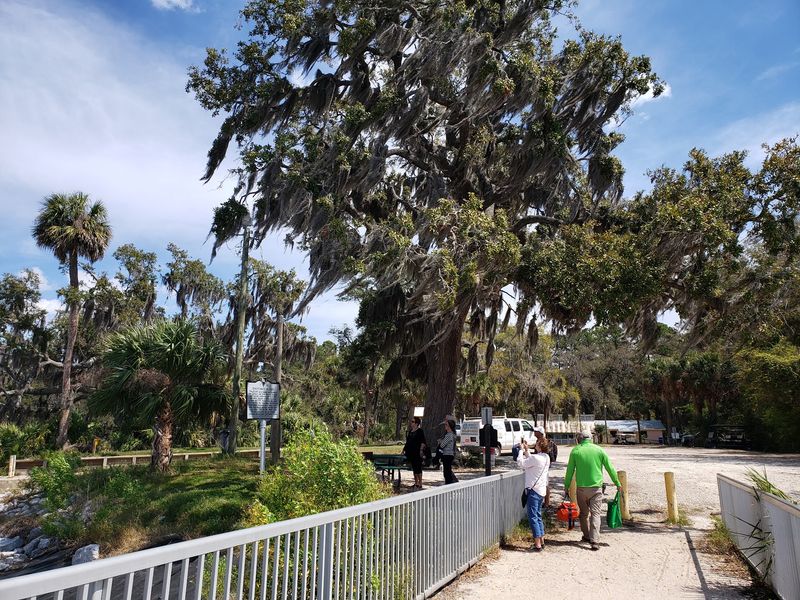
Forget traffic lights. On Daufuskie, the loudest sound on the road might be a woodpecker.
Golf carts are the main way people get around, and most of the roads are packed sand shaded by live oaks draped in Spanish moss.
Several rental companies meet visitors near the ferry dock, and many will have your cart waiting if you book ahead. A full-day rental often costs somewhere around 60 to 100 dollars, though rates shift with the season.
Reserve early on holiday weekends, because carts can sell out before you even step off the boat.
Driving feels a little like steering through an old storybook. The sandy lanes twist past tiny wooden churches, marsh views, and hand-painted signs pointing to galleries.
You will bump over roots and dips, so take it slow and hold on to your hat.
A few friendly rules help. Residents often wave as they pass, and it is polite to wave back.
Stay on public roads, since the gated Haig Point community is private.
Grab a paper map from your rental company, too, because cell signal can be spotty in the thick woods. Getting a little lost is part of the charm, but running out of daylight is not.
Where Gullah Roots Run Deep
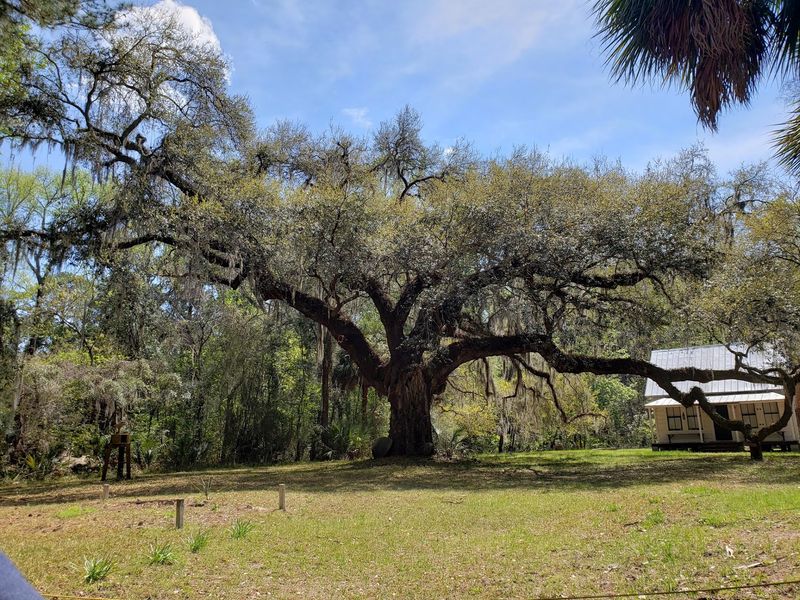
Long before golf carts and art galleries, Daufuskie was shaped by Gullah families whose roots stretch back to West Africa. Enslaved people were brought here to work cotton and indigo plantations, and after the Civil War, many of their descendants bought land and stayed.
They built churches, schools, and a close-knit way of life that lasted for generations.
The Gullah language, a blend of English and African languages, once filled the island’s porches and fields. Folks here fished, farmed, and harvested oysters, living mostly off what the land and water gave them.
For a long time, the island had no paved roads and very limited electricity, which helped keep old traditions alive.
Today, you can still feel that history. Stop by the First Union African Baptist Church, a simple white wooden building that has stood as a gathering place for the community since the 1880s.
Nearby cemeteries sit quietly under the oaks, and you should visit them respectfully and never disturb graves or decorations.
The Daufuskie Island Historical Foundation works hard to protect these stories. Their museum and walking tours share photos, tools, and memories from island families.
Spending even an hour learning here turns a pretty day trip into something much more meaningful.
The Teacher Who Put Daufuskie On The Map
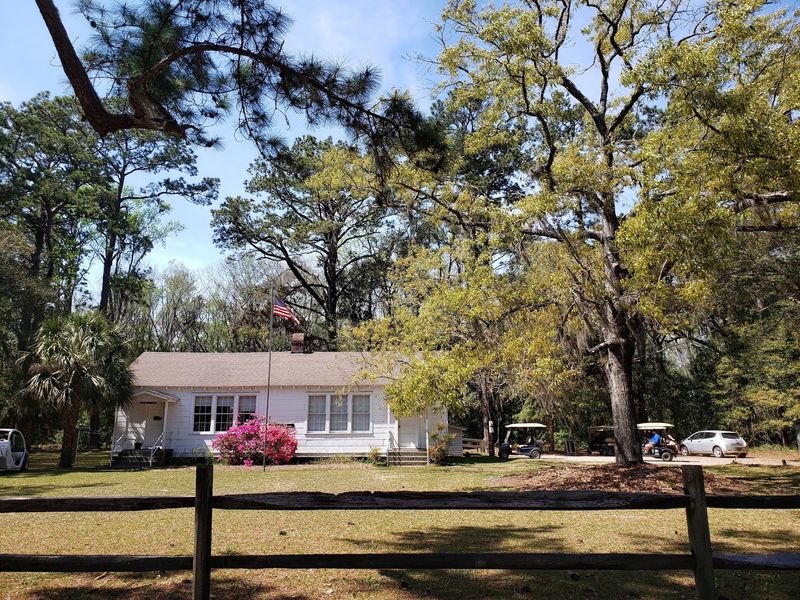
In 1969, a young teacher named Pat Conroy took a job at the Mary Fields School, a small schoolhouse serving the island’s Black children. He found students who had been left behind by an unfair system, and he tried hard to teach them about the wider world.
His methods ruffled feathers, and he was fired after about a year.
He wrote about his experience in a 1972 book called The Water Is Wide, which gave the island a fake name, Yamacraw. Two years later, the story became a movie called Conrack, starring Jon Voight.
Suddenly, people all over the country knew about this tiny island without a bridge.
Conroy went on to become a famous author, writing books like The Prince of Tides and The Great Santini. Still, many fans say The Water Is Wide shows his heart most clearly.
It is funny, sad, and honest all at once.
Here is a fun tip before your trip. Read the book, or at least a few chapters, on the ferry ride over.
Then, when you pass the old schoolhouse on your golf cart, you will feel like you have stepped right into the pages.
Oysters, Hard Times, And A Happy Twist
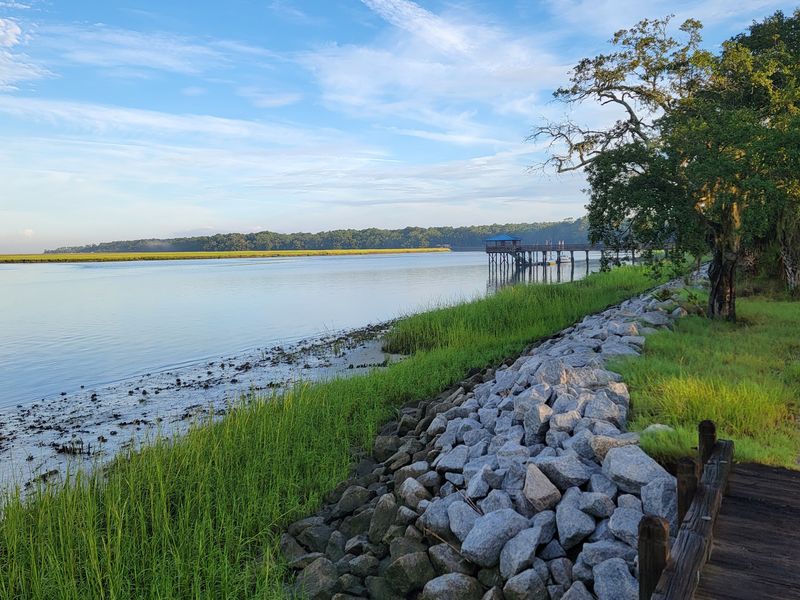
Oysters once made Daufuskie famous. In the early 1900s, the island’s creeks were packed with shellfish, and a canning business shipped Daufuskie oysters far beyond South Carolina.
Work was steady, and the island’s population grew to around a thousand people or more.
Then trouble hit, as pollution from the Savannah River area harmed the oyster beds, and by the late 1950s, harvesting was shut down. Without that income, many families had to move to the mainland for jobs.
Schools shrank, stores closed, and the island grew much quieter.
You can still spot hints of that busy era. Old shell piles, weathered docks, and the remains of homes tell the story better than any sign.
Many island families still share memories of relatives who shucked oysters from dawn until their hands ached.
Here is the happy twist. Water quality in the region has improved over the years, and oyster restoration efforts along the coast have given people fresh hope.
When you sit down for lunch on the island, ask your server about local seafood and where it came from.
Tasting a fresh catch while staring out at the same marshes that once fed a whole community feels like closing a circle that history left wide open.
Two Lighthouses And A Very Spooky Name
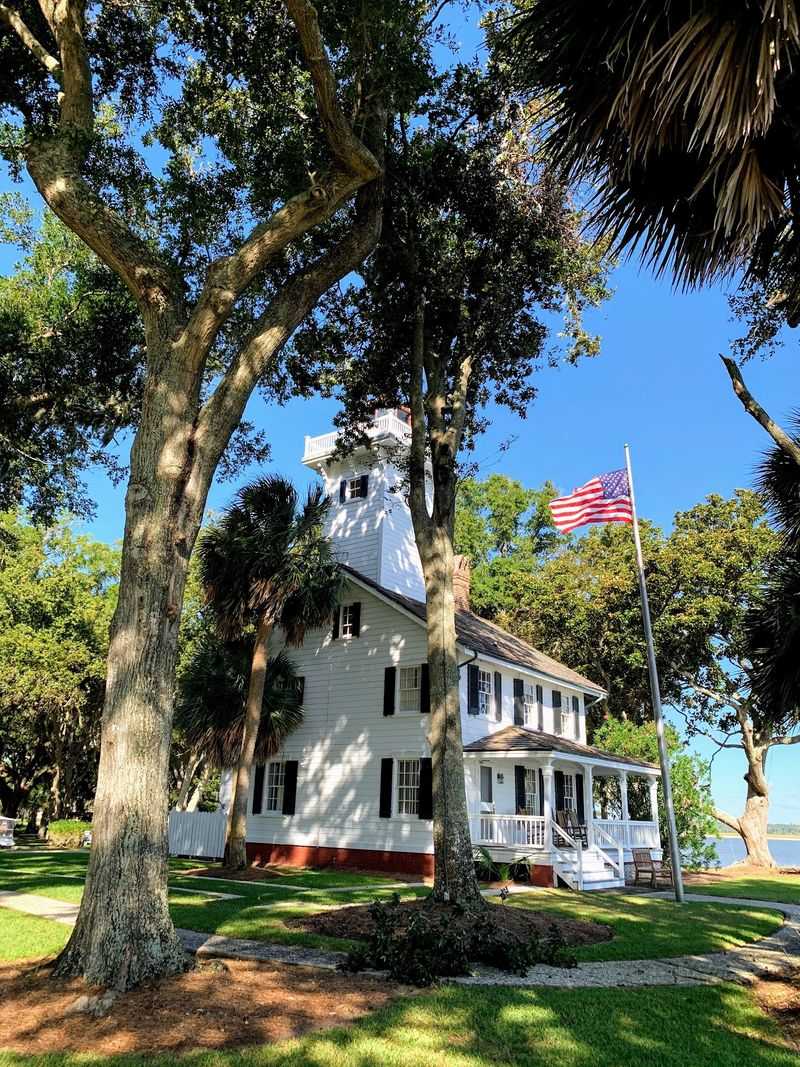
Two lighthouses guard the story of Daufuskie, and each one has its own personality. Haig Point Lighthouse, built in 1873, stands on the island’s northern tip, where it once helped ships find their way through Calibogue Sound.
It sits inside the private Haig Point community, so visitors usually cannot wander up to it.
Bloody Point Lighthouse tells a different tale. It was first lit in 1883 near the island’s southern end, and erosion later forced workers to move the structure away from the shoreline.
Today it looks more like a cozy cottage than a tower, which surprises plenty of first-time visitors.
That spooky name has a real history behind it. Bloody Point earned its title from violent clashes during the Yamasee War in the early 1700s, when colonists and Native American groups fought in the area.
Standing there now, surrounded by chirping birds and soft breezes, it is hard to picture such a grim past.
Local stories claim that at least one of these lights is haunted. Whether you believe that or not, the pair adds a shiver of mystery to the island.
The Bloody Point property is privately owned, so admire it respectfully and check ahead about any access.
Iron Fish, Indigo, And Island Creativity
Who knew a tiny island could hold so much creativity? Daufuskie has become a quiet haven for artists, and visiting their studios is one of the best parts of a day trip.
The Iron Fish Gallery, made famous by artist Chase Allen, is packed with metal fish, mermaids, and other sea creatures, and these playful pieces hang on fences and walls all over the island. The studio sits down a sandy road, and walking in feels like discovering hidden treasure.
Many visitors leave with a small fish to hang at home.
Indigo has deep roots here, too, since plantations once grew the plant to make blue dye. Today, island artisans at Daufuskie Blues keep the craft going with hand-dyed scarves, shirts, and fabrics in rich shades of blue.
Some visitors even take workshops to try dyeing their own pieces.
Studio hours can be unpredictable, especially in the off-season. Many shops open late morning and close by late afternoon, and some take days off during the week.
Call ahead or check social media before you go.
Bringing cash is smart, too, since card service can occasionally go down on the island.
Rum Tastings And Crab Shack Lunches
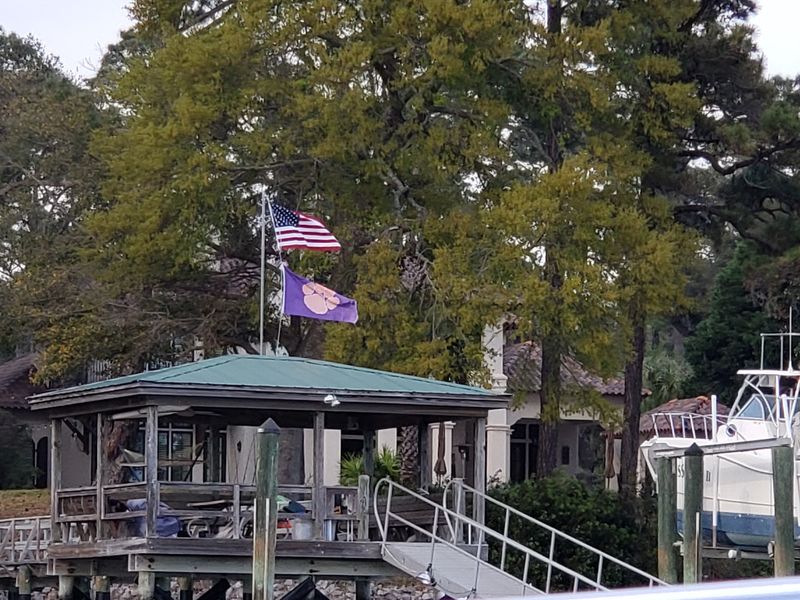
Every good adventure needs a snack break, and Daufuskie serves up some tasty ones. The Daufuskie Island Rum Company is a small craft distillery that makes rum right on the island.
Tours and tastings are usually offered for adults 21 and over, and the tasting room has a fun, laid-back vibe.
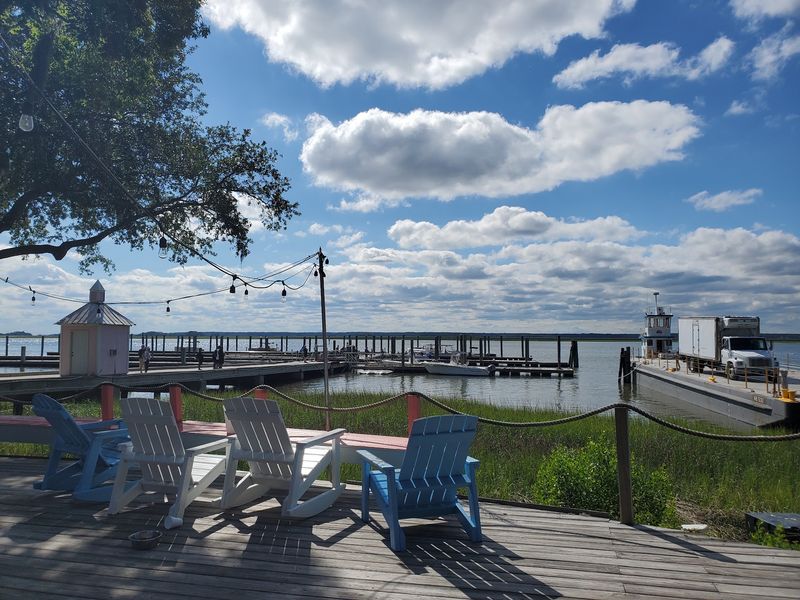
When hunger hits, head to the Old Daufuskie Crab Company near Freeport Marina. This open-air restaurant sits right by the water, and its menu leans toward Southern seafood favorites like fried shrimp, crab dishes, and burgers for picky eaters.
Grab a picnic table outside, and you can watch boats drift in while the breeze keeps you cool.
Timing matters on an island this small. Some restaurants and shops close on certain days or cut back hours in winter, so check before you plan your meals.
Summer weekends can get crowded, and waiting for a table is common.
Here is a smart move. Pack water and a few snacks in your bag, since stores are limited and you may be far from food when your stomach starts rumbling.
Also remember that you will likely be driving a golf cart, so enjoy any rum tasting responsibly and let someone else take the wheel.
Wild Beaches Without The Crowds
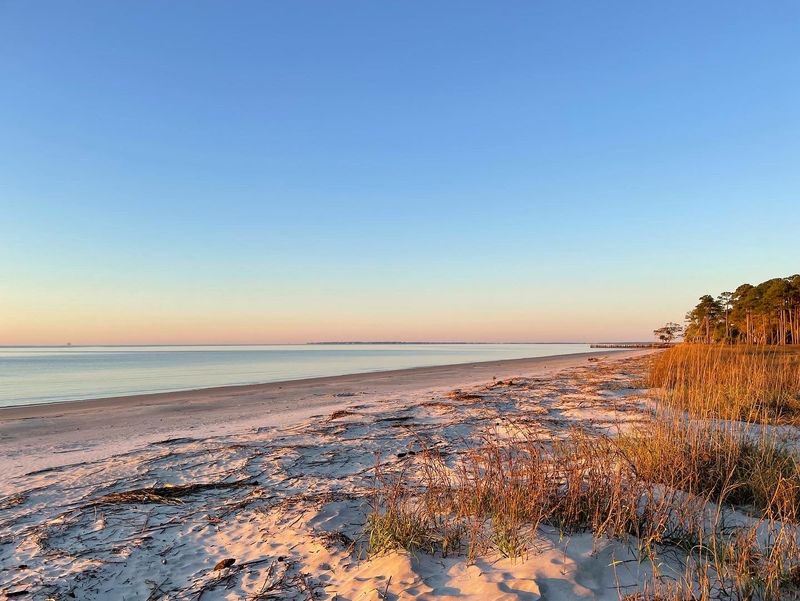
Close your eyes for a moment on the beach at Bloody Point, and all you will hear is wind, waves, and maybe a gull complaining about something. Daufuskie’s shoreline feels wild in the best way, with wide stretches of sand and very few people.
The island sits where Calibogue Sound meets the Atlantic Ocean near the mouth of the Savannah River, and that mix of salt and fresh water creates rich marshes filled with life. Look for egrets and herons stalking fish in the shallows, fiddler crabs waving their big claws, and dolphins surfacing just offshore.
Loggerhead sea turtles also nest here in summer, and their nests are marked and protected.
Beach time here is pure and simple. There are no boardwalks lined with souvenir shops or snack stands, so bring what you need, including sunscreen, bug spray, and a trash bag.
Leave shells with living creatures inside right where you found them.
Currents near the river mouth and the sound can be strong, and there are no lifeguards on duty. Wading near shore is fine for most people, but swimming far out is a bad idea.
Smart Timing For A Flawless Island Escape
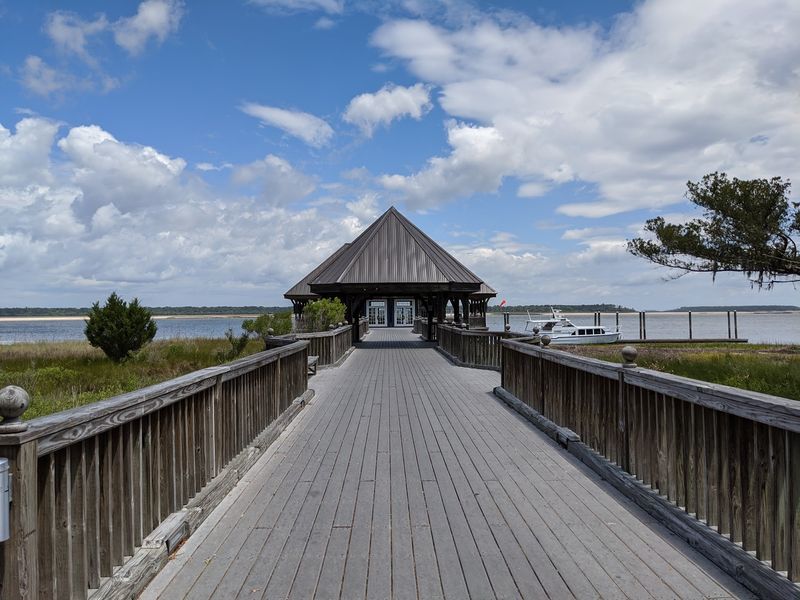
Think of a Daufuskie day trip like packing for a picnic in a place with no corner store. A little planning goes a long way, and it can turn a good day into a perfect one.
Spring and fall are the sweet spots, with mild temperatures, calmer bugs, and thinner crowds than summer. Summer brings heat, humidity, and afternoon thunderstorms, so start early if you visit then.
Winter is quiet and peaceful, but some businesses shorten their hours or close for the season.
Catch a morning ferry so you have at least five or six hours on the island. Plan to be back at the dock early, since missing the last boat means an expensive private ride or an unplanned overnight stay.
Accessibility is a real concern here. Sandy, bumpy roads, uneven ground, and limited paved paths can make getting around tough for wheelchair users or anyone with mobility challenges.
Call the ferry operator and your golf cart company ahead of time to ask about boarding help and accessible options.
Above all, slow down. Daufuskie is not a checklist destination.
Wave at neighbors, linger at the marsh, and let the island set the pace, because that is exactly why you came.