
11 Pennsylvania Rivers Where Water Snakes Are Constantly Spotted
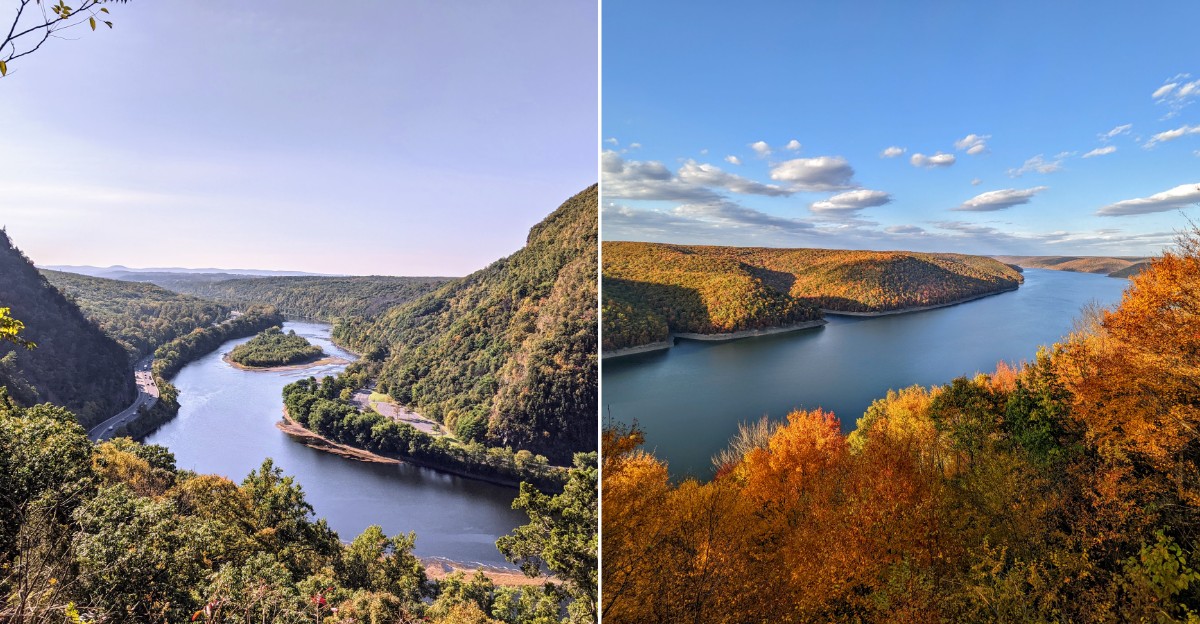
Rivers have a way of looking peaceful right up until something slips across the surface and reminds you the shoreline is shared.
Water snakes are a normal part of life along many Pennsylvania waterways, especially where calm edges, rocks, and warm shallows give them places to rest and hunt.
That does not mean every visit comes with a close encounter, but some rivers are well known for regular sightings during the warmer months.
For paddlers, anglers, and hikers, the best approach is simple: watch where you step, give wildlife space, and keep enjoying the view.
My funniest river memory involved a friend pointing at a tiny wake near the bank and whispering, “Did you see that?”
I had not, which somehow made me stare at the water for the next twenty minutes like I was waiting for a sequel.
Nothing else appeared. I still laugh about it.
Sometimes knowing what might be nearby is enough to make an ordinary river look a lot more interesting.
1. Susquehanna River, Harrisburg, Pennsylvania
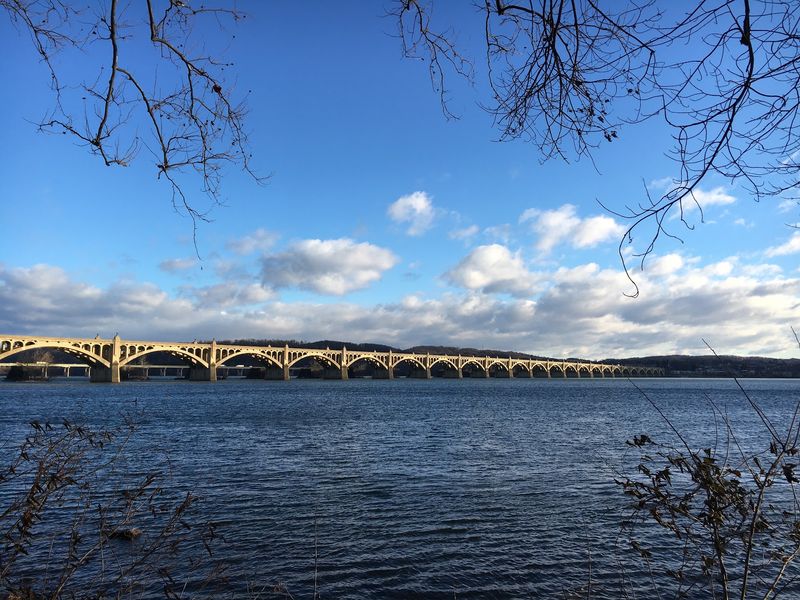
Few rivers in the East can match the Susquehanna for sheer size, and the snakes know it.
The Susquehanna River stretches about 444 miles, making it the longest river on the East Coast that flows into the Atlantic. Much of it is wide and shallow, with rocky islands and warm, sunny banks.
That setup is a dream home for the northern water snake. These brown, banded snakes hunt small fish and frogs along the edges, then stretch out on rocks to soak up heat.
Late spring and summer mornings are prime time for sightings. Scan driftwood piles, riprap walls, and low branches hanging over the water.
Many visitors mistake northern water snakes for copperheads or cottonmouths. Here is a fun fact to share: cottonmouths do not live in Pennsylvania at all.
Water snakes are not venomous, but they will bite if grabbed, so admire them with your eyes only. A pair of binoculars makes the whole experience safer and much more fun.
Kids especially love watching a snake zigzag across the current with its head held high.
For an easy start, head to City Island in Harrisburg, Pennsylvania, where the Susquehanna rolls right past walking paths and shady picnic spots.
2. West Branch Susquehanna River, Williamsport, Pennsylvania
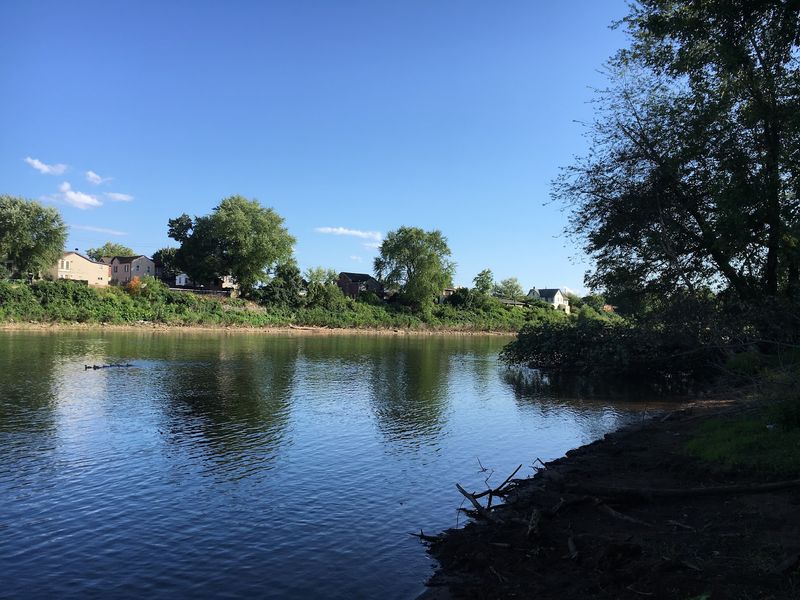
Comeback stories rarely get better than the one flowing through north-central Pennsylvania.
For decades, the West Branch Susquehanna River suffered from acid mine drainage left behind by old coal operations.
Cleanup projects have helped bring fish back to many stretches, and the snakes followed the food.
Northern water snakes now patrol the shallows near towns like Lock Haven and Williamsport. Look for them coiled on sunny rocks or slipping quietly under bridges.
Paddlers see them often during July and August, when warm water keeps the snakes busy. A slow drift with the current gives the best chance at a close but safe view.
Here is a helpful tip for new snake spotters. Water snakes usually flatten their bodies and release a stinky musk when they feel cornered, so a little space keeps everyone happy.
Snakes are only part of the show here. Bald eagles, herons, and kingfishers all hunt along the West Branch, turning a calm float into a wildlife parade.
History fans will enjoy the old lumber-era stories, since Williamsport once earned the nickname Lumber Capital of the World.
Start your search at Susquehanna State Park in Williamsport, Pennsylvania, where the West Branch Susquehanna River offers easy views right from the bank.
3. North Branch Susquehanna River, Wilkes-Barre, Pennsylvania
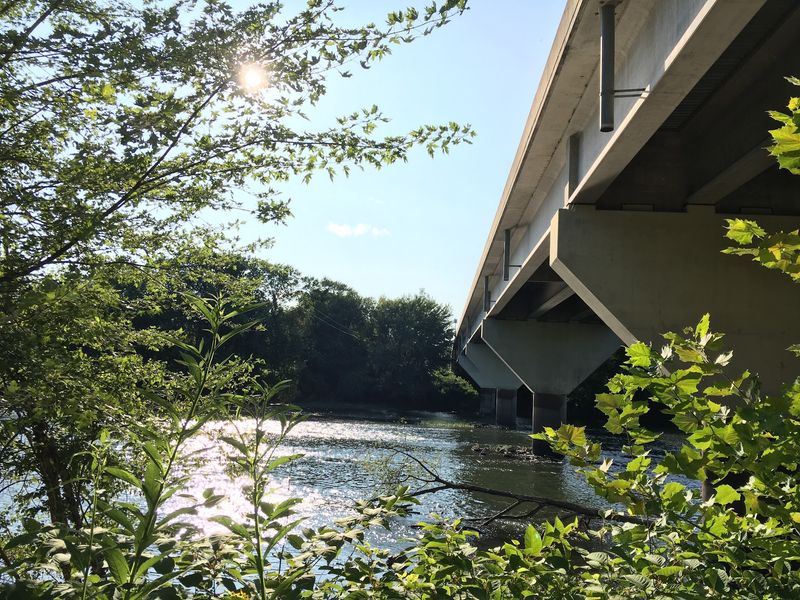
Crossing into Pennsylvania from New York, one river branch brings plenty of scaly company.
The North Branch Susquehanna River loops through farmland and mountains before rolling into the Wyoming Valley.
Its slow bends and grassy banks create perfect hunting grounds for northern water snakes.
Oddly enough, many locals spot snakes while fishing rather than while looking for them. A water snake might pop up near your line, curious about the same fish you are after.
Sunny afternoons in June are a favorite time to watch. The snakes often bask on fallen trees, then slide into the river the moment they sense footsteps.
Colors can surprise first-timers. Young water snakes show bold, crisp bands, while older adults often look almost solid brown or black, especially when dry.
Keep an eye out for crayfish scuttling under rocks, too. Plenty of crayfish usually signals a healthy stream, and that means more food for hungry snakes.
The North Branch meets the West Branch farther south at Sunbury, forming the main Susquehanna, so every snake here is part of a much bigger river story.
For a relaxed stroll with water views, try the River Common in Wilkes-Barre, Pennsylvania, a riverfront park right along the North Branch Susquehanna River.
4. Delaware River, Delaware Water Gap, Pennsylvania
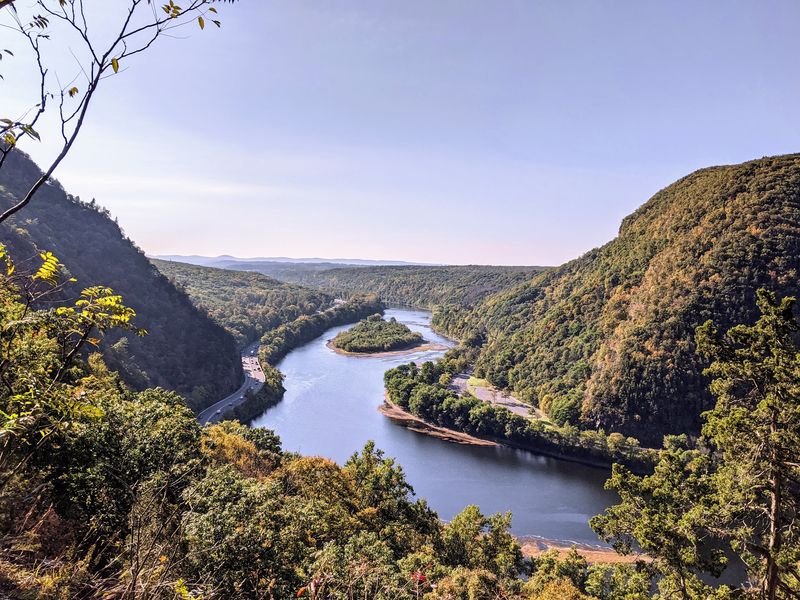
Not a single dam blocks the main stem of the Delaware, and wildlife loves that freedom.
The Delaware River is often called the longest undammed river east of the Mississippi.
Its free-flowing water forms part of the border between Pennsylvania and New Jersey, and northern water snakes thrive along both shores.
Inside the Delaware Water Gap National Recreation Area, tubers and canoers regularly share the river with these sleek swimmers.
A snake crossing in front of your boat is a common summer sight, so keep a camera handy.
Stay calm if one swims close. Water snakes are simply traveling or hunting, and they have zero interest in climbing aboard your canoe.
Early morning is the sweet spot for spotting them. Cool nights send snakes onto sunny ledges as soon as the light hits, which makes them easier to find.
The scenery alone is worth the trip. Tall ridges, waterfalls on side streams, and quiet islands make the Delaware feel wild even though big cities are not far away.
Pack water shoes, sunscreen, and patience for a full day of floating and snake watching.
A great launch point is Smithfield Beach near East Stroudsburg, Pennsylvania, inside the recreation area along the Delaware River.
5. Schuylkill River, Valley Forge, Pennsylvania
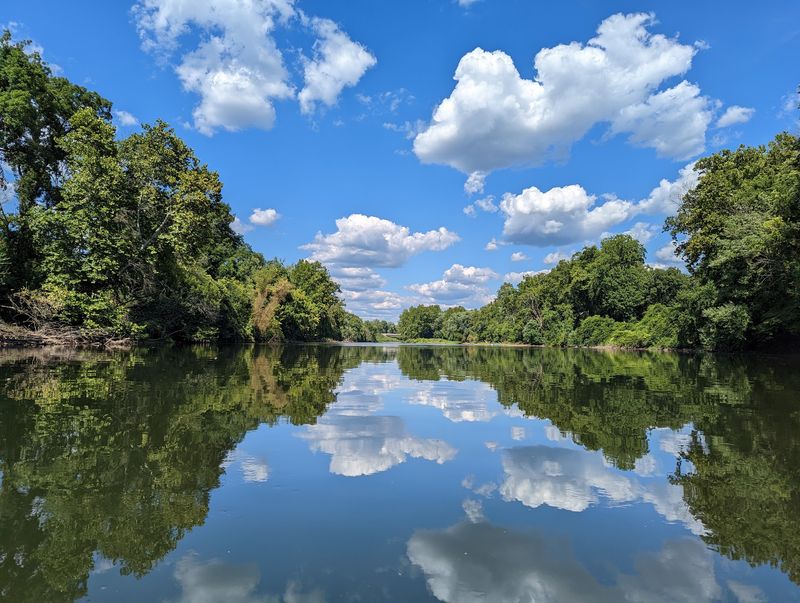
City skylines and slithery neighbors might seem like an odd pair, yet here they coexist.
The Schuylkill River runs about 135 miles through southeastern Pennsylvania before meeting the Delaware River in Philadelphia. Along the way, it passes woods, old mill towns, and busy trails.
Northern water snakes are regulars along the calmer stretches, and queen snakes live in some of the rocky tributaries nearby.
Queen snakes are slimmer, with yellow stripes down their sides, and they eat almost nothing but freshly molted crayfish.
Walkers and cyclists on the Schuylkill River Trail often catch a snake sunning on a rock just below the path. Slow down on warm days and scan the water line.
Here is a quirky bit of trivia. The name Schuylkill comes from early Dutch explorers and is often translated as hidden river.
Stick to the trail and never try to move a snake with a stick. Giving wildlife room protects both you and the animal.
Spring migration brings warblers and other songbirds, so bird lovers can double their fun.
One favorite snake-spotting stretch sits inside Valley Forge National Historical Park, 1400 North Outer Line Drive, King of Prussia, Pennsylvania, where the Schuylkill curves past fields full of Revolutionary War history.
6. Juniata River, Central Pennsylvania
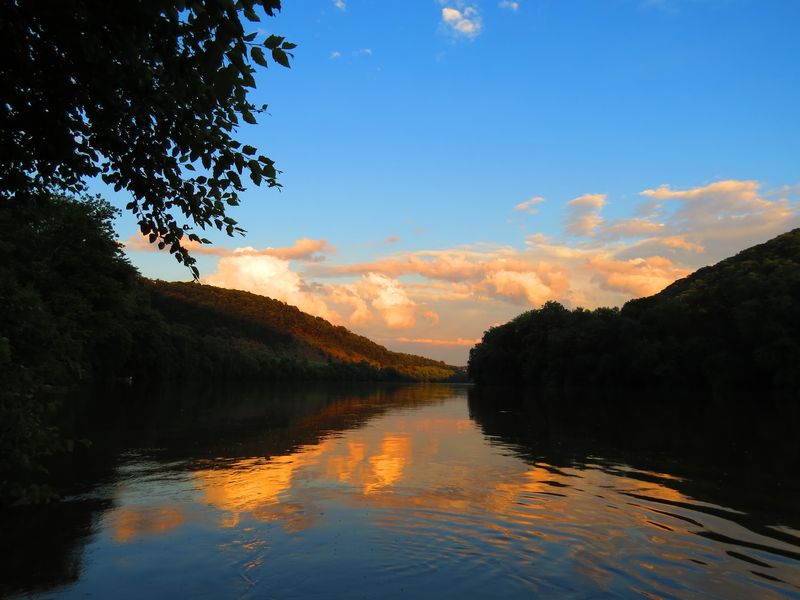
Smallmouth bass anglers adore this central Pennsylvania river, and the snakes do too.
The Juniata River winds roughly 100 miles through ridges and valleys before joining the Susquehanna near Duncannon.
Its clear, rocky riffles are loaded with minnows and crayfish, which keeps local water snakes well fed.
Picture a lazy summer float with tall green ridges rising overhead. Now add a brown snake sunning on a boulder, completely unbothered by your paddle splashes.
That scene happens all the time on the Juniata. Northern water snakes are the most common species here, and they often share sunny rocks with painted turtles.
Fall is sneaky good for spotting, too. On crisp, sunny days in September, snakes bask longer to stay warm before winter.
Wear polarized sunglasses. They cut the glare on the water, making it far easier to see a snake gliding just below the surface.
Nearby towns offer diners, ice cream stands, and small-town charm for a post-paddle snack. Canal boats once traveled this same valley on the old Pennsylvania Main Line Canal.
Friendly river access points line the Juniata around Mifflintown and Lewistown in Juniata and Mifflin Counties, Pennsylvania, giving paddlers plenty of places to launch.
7. Lehigh River, Lehigh Gorge, Pennsylvania
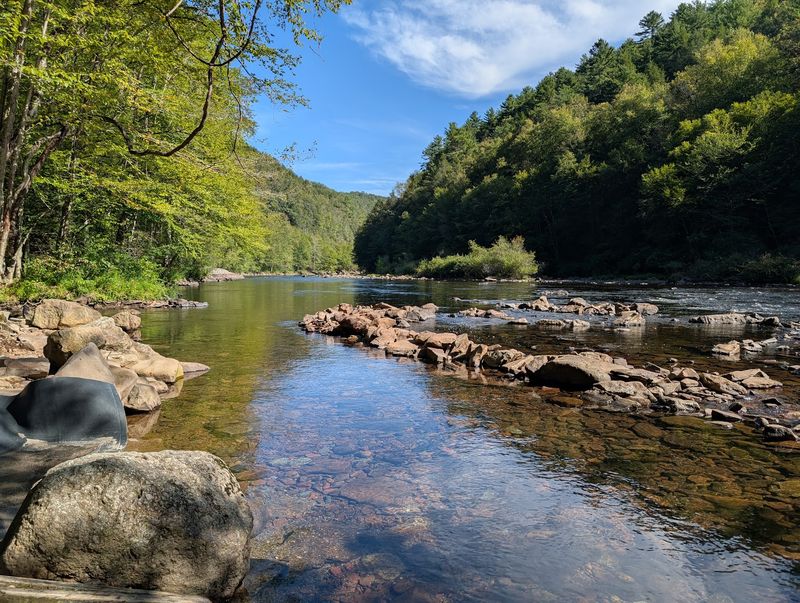
Whitewater fans know the Lehigh for its rapids, but snakes prefer the quieter pools.
The Lehigh River cuts a deep, dramatic path through the Pocono region of eastern Pennsylvania.
Lehigh Gorge State Park protects a long stretch of this canyon, with steep, forested walls on both sides.
Scheduled water releases from the Francis E. Walter Dam create exciting rafting days.
Between the splashy sections, though, calm eddies and sunny rock piles give northern water snakes a perfect place to relax.
A bike ride on the Lehigh Gorge Trail is a smart way to scan for them. The old railroad grade is mostly flat and runs close to the water for miles.
Watch the edges of slow pools on warm afternoons. Snakes often rest with just their heads poking out, so look for small dark shapes in the ripples.
Let a snake have the right of way if it crosses a trail or boat ramp. It will move along quickly when given space.
The colorful town of Jim Thorpe, known for its Victorian buildings, makes a charming base for a weekend visit.
Look for trail access at Lehigh Gorge State Park near White Haven and Jim Thorpe, Pennsylvania, where the Lehigh River roars through the gorge.
8. Allegheny River, Tionesta, Pennsylvania
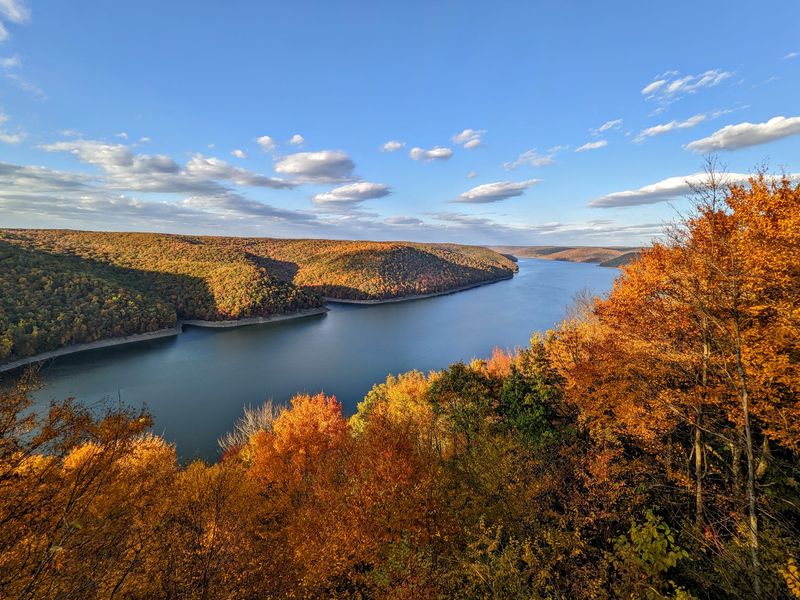
Wild and Scenic status gives this northwestern waterway a special kind of bragging right.
Congress named about 86 miles of the Allegheny River a National Wild and Scenic River in 1992.
Much of that stretch flows through or near the Allegheny National Forest, where islands and quiet backwaters are everywhere.
Those islands are snake central. Northern water snakes hunt among the gravel bars and sun themselves on driftwood that piles up after spring floods.
Canoe campers often wake to find a snake cruising past the shoreline at breakfast. Snakes have no interest in your pancakes, so simply enjoy the show from a comfortable distance.
Did you know the Allegheny meets the Monongahela in Pittsburgh to form the Ohio River? That meeting point makes the Allegheny one of the most important rivers in the state.
Summer brings the busiest snake activity, but late spring offers cooler weather and fewer crowds. Pack a light jacket for chilly mornings on the water.
Paddling here feels peaceful and slow, which gives you more time to notice every ripple and splash.
The small river town of Tionesta, in Forest County, Pennsylvania, sits right on the Allegheny River and makes a handy starting point for a snake-spotting float.
9. Monongahela River, Pittsburgh, Pennsylvania
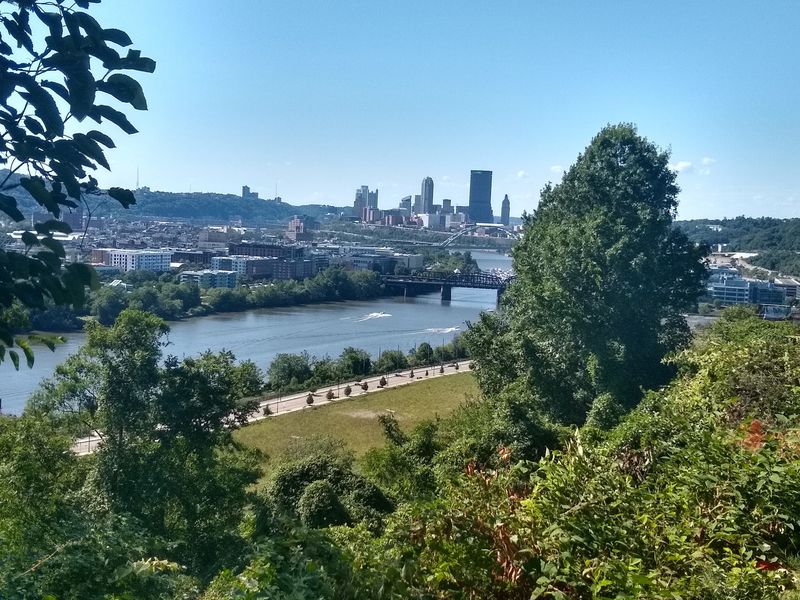
Heading north instead of south makes the Mon a bit of a rebel among American rivers.
The Monongahela River begins in West Virginia and travels north into southwestern Pennsylvania before reaching Pittsburgh.
Locks and dams keep the water deep enough for barges, which gives the river a busy, working feel.
Even with all that traffic, northern water snakes find plenty of room along the banks. Rocky shorelines, old pilings, and weedy coves offer hiding spots and hunting grounds.
Quick tip for city explorers: check the riprap along riverside trails. The big stacked rocks soak up heat, and snakes love stretching across them on bright afternoons.
Water quality in the Monongahela has improved a lot since the heavy steel mill days. More fish mean more snakes, herons, and even occasional river otters.
Sightings pick up in May and June, when snakes are active and looking for mates. By late summer, newborn snakes start showing up too, and they are surprisingly tiny.
Always keep pets on a leash near the water so curious noses stay out of trouble.
An easy place to watch is South Side Riverfront Park in Pittsburgh, Pennsylvania, where a paved trail follows the Monongahela River past boat launches and grassy lawns.
10. Ohio River, Pittsburgh, Pennsylvania
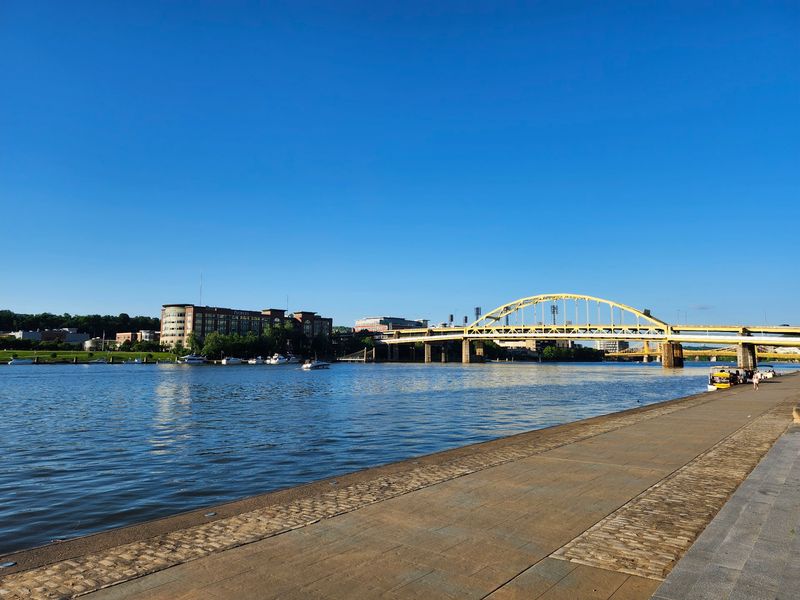
Two rivers join forces at one famous point, and a mighty new waterway is born on the spot.
The Ohio River begins in downtown Pittsburgh, where the Allegheny and Monongahela come together.
From there, it flows northwest through Beaver County before leaving Pennsylvania and heading toward the Mississippi.
Only about 40 miles of the Ohio flow through Pennsylvania, but those miles are full of life. Northern water snakes hunt along the rocky banks, backwater inlets, and island edges downstream from the city.
Crowds of joggers and families might not expect wildlife so close to skyscrapers. Snakes favor quieter shorelines downstream, where they warm up on rocks and logs.
Fishing piers and boat launches downstream are great places to watch. Snakes often swim right along the shore, searching for small fish in the shallows.
Here is a fun fact for trivia night. The Ohio River carries more water than any other tributary of the Mississippi.
Visit on a warm evening in late summer for glowing sunsets over the water and a chance to see snakes heading out for a twilight hunt.
Point State Park, at 601 Commonwealth Place in Pittsburgh, Pennsylvania, marks the official start of the Ohio River and features a giant fountain at the tip.
11. Youghiogheny River, Ohiopyle, Pennsylvania
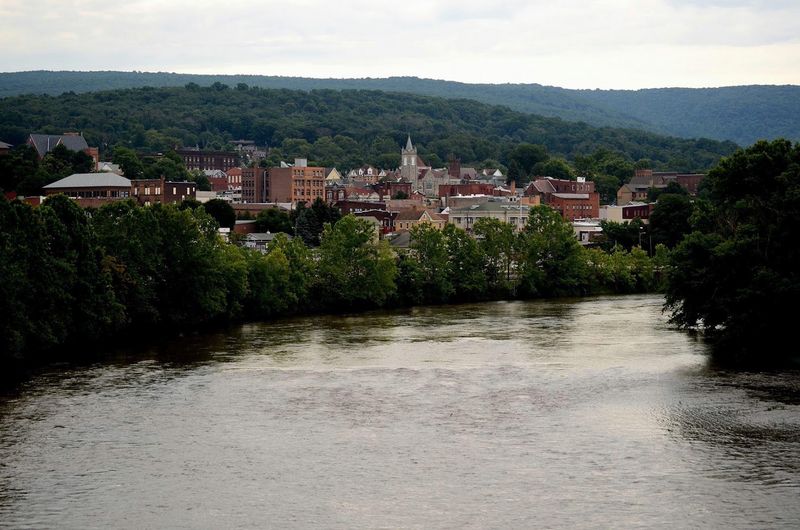
Pronouncing its name is tricky, so most Pennsylvanians just call this river the Yough.
Say it to rhyme with sock, and you will sound like a local.
The Youghiogheny River flows north out of Maryland and into southwestern Pennsylvania, carving through the Laurel Highlands on its way to the Monongahela.
Ohiopyle State Park is the star of the show here. Rafters come for the famous Lower Yough rapids, while hikers enjoy waterfalls and lush forest trails.
Northern water snakes love the calmer pools above and below the whitewater. They often rest on sun-warmed ledges near the shore, so walk slowly along the riverbanks.
The Great Allegheny Passage bike trail runs right alongside the river, making it easy to pedal, pause, and peek. Bring snacks and plan several stops.
Spring water can be cold and fast, so wait for warmer days in June and July for the best snake activity. Wear sturdy shoes, since wet rocks get slippery.
Leave every snake exactly where you find it, and snap photos instead of souvenirs.
Park visitors can start at the Ohiopyle Falls viewing area in Ohiopyle, Fayette County, Pennsylvania, where the Youghiogheny River tumbles over a wide, roaring ledge.