
This Surprisingly Affordable Ohio Island Is Even Better When The Summer Crowds Leave
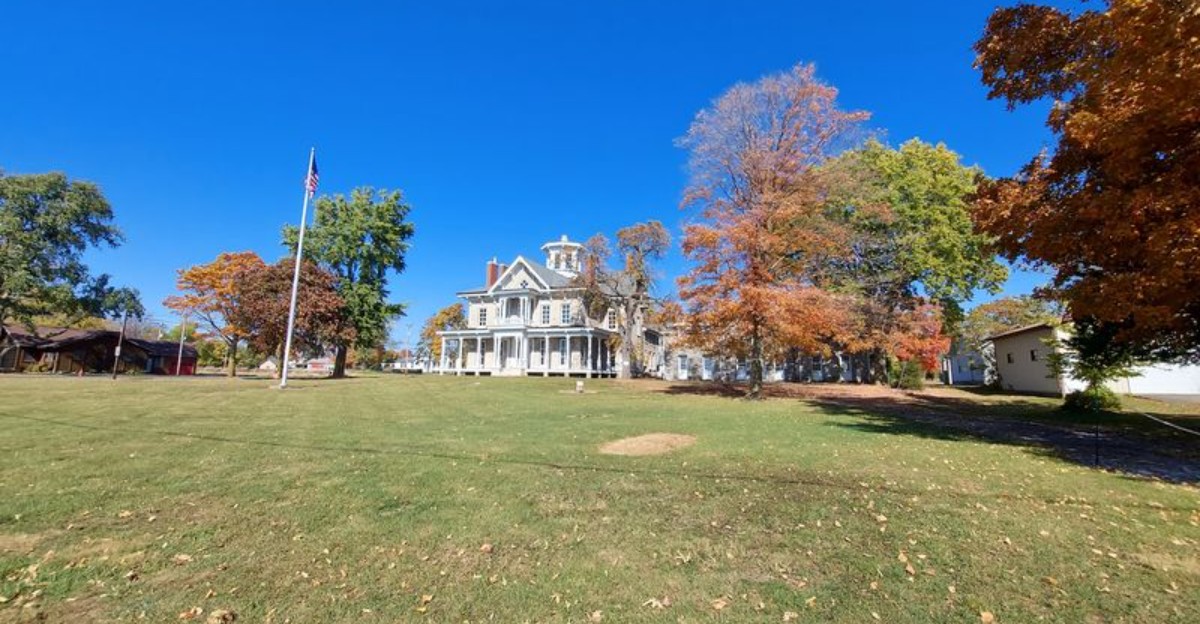
The ferry dock looked almost too quiet for a Lake Erie island. No long line of cars.
No crowd pressing toward the boat. Just cool September air and plenty of room to move.
That was a big change from summer. The shoreline was still there, the trails had not gone anywhere, and the lake looked every bit as good.
The difference was how much easier everything felt once the crowds thinned out.
Then I started noticing the prices. Rooms were cheaper, the ferry trip stayed manageable, and several of the best things to see cost nothing at all.
That is when this little Ohio island started feeling less like a summer destination and more like one of fall’s smartest detours.
Here is why I would wait for the beach crowds to leave before making the trip.
An Island With More Room Than People
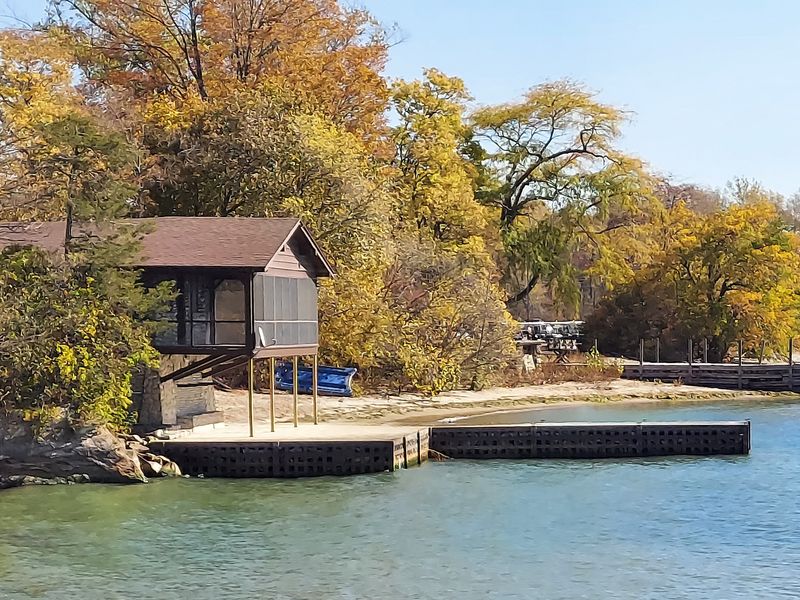
Quiet is the first thing I noticed.
Kelleys Island is the largest Lake Erie island in U.S. waters, covering a little more than 4 square miles of woods, limestone, and shoreline.
The whole island is incorporated as one village, and fewer than 300 people live here year-round. On a September afternoon, I could stand along a quiet road and hear waves more clearly than engines.
Glaciers shaped much of what you see today, scraping and polishing ancient bedrock that had formed hundreds of millions of years earlier.
Most of the island sits on Columbus Limestone, with a smaller exposure of dolomite along part of the shoreline.
The island takes its name from Datus and Irad Kelley, two brothers who began buying land here in 1833. Before that, it was commonly known as Cunningham’s Island.
History buffs get plenty to work with too. The island’s historic district eventually expanded to encompass nearly the entire island, preserving a landscape filled with old stone houses, quarry remnants, and historic buildings.
Summer weekends bring far more visitors, but fall lets the quieter side of the island show itself. Trails feel roomier, roads calm down, and the lake never seems very far away.
You can find it in Kelleys Island, Ohio 43438.
A Ferry Ride That Won’t Sink Your Budget
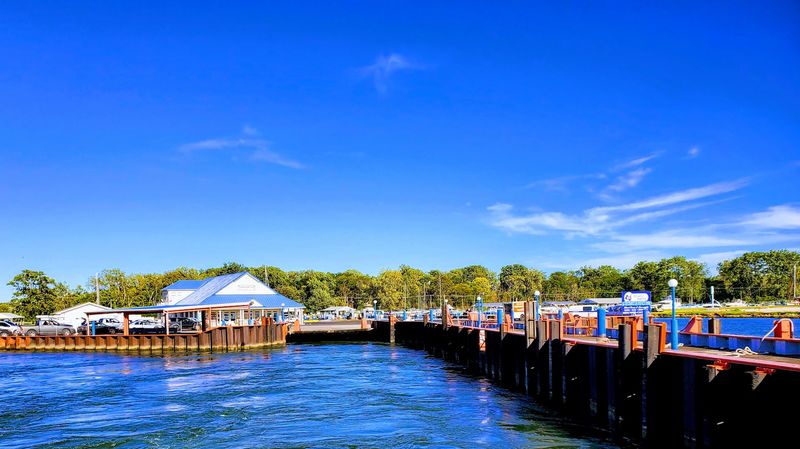
My wallet was pleasantly surprised before I even left the mainland.
The Kelleys Island Ferry Boat Line runs from Marblehead, and the crossing generally takes about 20 to 30 minutes depending on conditions and how the trip is timed.
For 2026, an adult round-trip walk-on ticket costs $26. Bringing a bicycle costs $10, while taking a car adds considerably more, so leaving the vehicle on the mainland can keep the trip simpler and cheaper.
I carried only what I needed and skipped the car. That choice saved money and made the island feel immediately more relaxed.
The boat deck is the best seat in the house. Gulls followed us over the lake while the shoreline slowly grew from a thin strip into trees, docks, and rock.
Schedules are busiest during the main season and thin out as colder weather arrives, so checking the current timetable before an autumn trip matters.
The Marblehead ferry provides year-round service when weather and lake conditions allow. Seasonal passenger service from Sandusky gives travelers another option during the warmer part of the year.
My tip is simple. Arrive early, keep a jacket handy, and double-check the return schedule before wandering too far from the dock.
A short ride across Lake Erie is a pretty good opening act for a quiet island day.
Glacial Grooves That Took Ages To Make
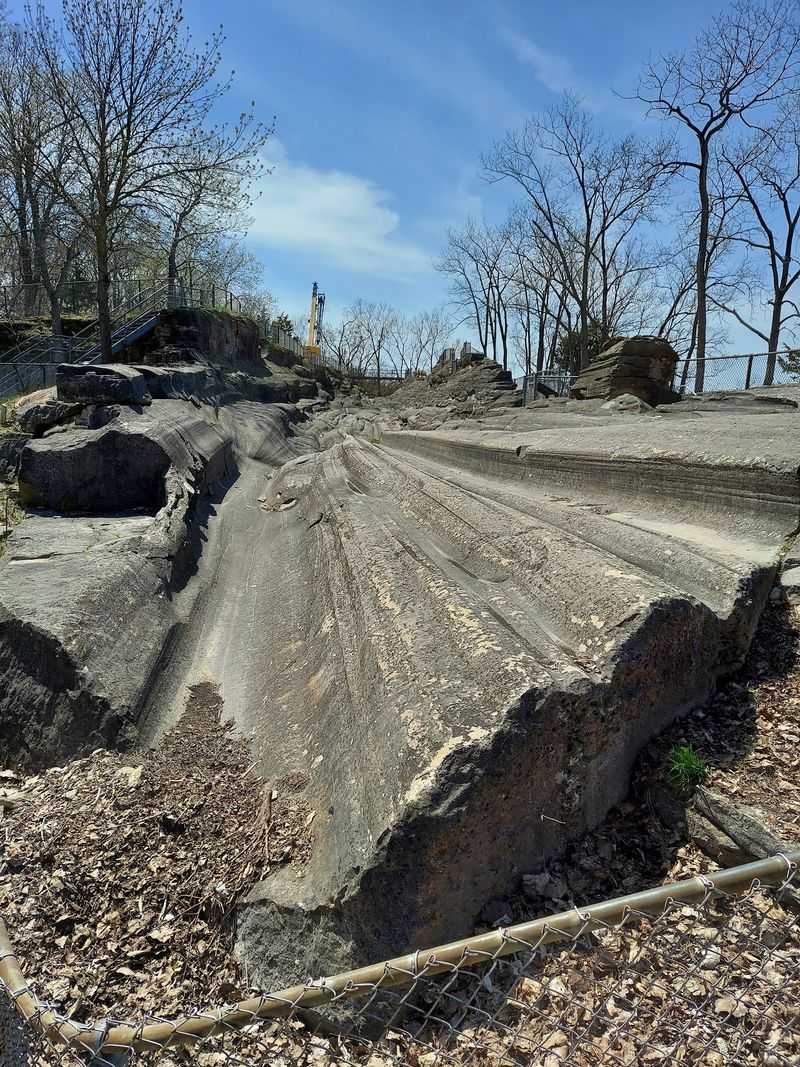
The Ice Age left its signature here in a way that is almost impossible to miss.
Glacial Grooves Geological Preserve holds one of the world’s largest and most accessible examples of exposed glacial grooves.
The surviving trough stretches roughly 400 feet, reaches about 35 feet across, and drops as much as 15 feet.
I walked the path around the edge and looked down at smooth channels cut through the limestone. Long grooves, smaller scratches, and rounded forms all run across the exposed rock.
The markings formed during the last Ice Age, but the exact carving process is still surprisingly interesting.
Geologists agree that glaciers shaped the site, though researchers continue to debate how much of the work came directly from moving ice and rock debris and how much came from powerful, sediment-filled meltwater beneath the glacier.
The limestone itself is far older. It formed in a warm sea hundreds of millions of years ago, which explains the marine fossils visible in the rock.
Much larger sections of the grooves once existed, but quarrying removed most of them. What remains is now protected and surrounded by walkways that let visitors see the formation without climbing across it.
The site is free, sits near the state park on the north side of the island, and becomes especially pleasant when fall crowds thin out.
Rocks rarely manage to make an Ice Age feel this close.
Ancient Art On The South Shore
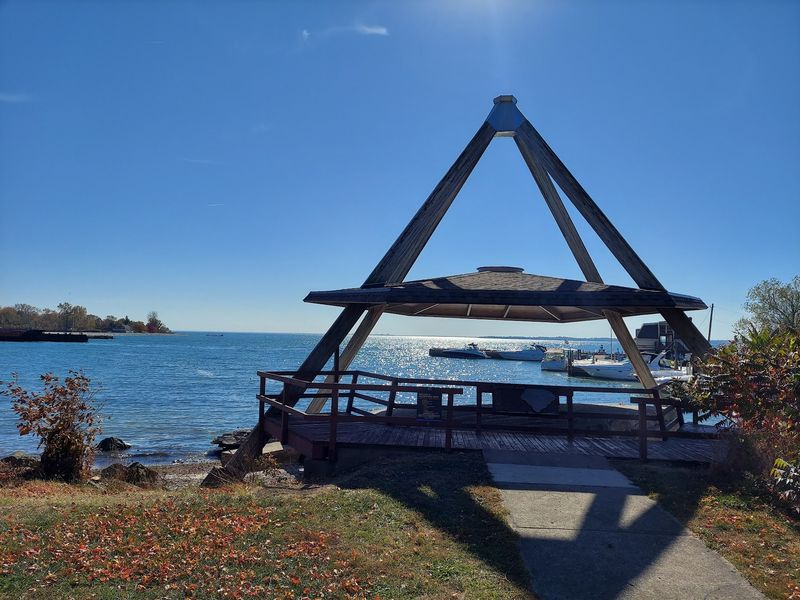
Long before ferries and bike rentals, people were leaving messages on this shoreline.
Inscription Rock sits along the south shore, close to the downtown area. This large, flat limestone boulder is covered with petroglyphs carved by Native Americans, likely between the years 1200 and 1600.
I found figures of people, animals, and shapes that experts still study today. Some carvings are faint, so I leaned in close and let my eyes adjust.
Wind, waves, and time have worn much of the surface down. A roof now shelters the rock, and a viewing platform keeps visitors at a respectful distance.
A sign nearby shows a drawing made in the 1800s, when the carvings were much clearer. Comparing that sketch with the real rock helped me spot figures I missed at first glance.
This stop takes only a few minutes, but it stayed with me for the whole trip. Standing there, I thought about the people who once paddled across the lake to this very spot.
Visiting costs nothing, and it is an easy walk or bike ride from the ferry dock. The quiet months make it even better, since I could study the rock without a crowd shuffling behind me.
History, it turns out, can fit on a single stone.
Sand, Tents, And A State Park Bargain
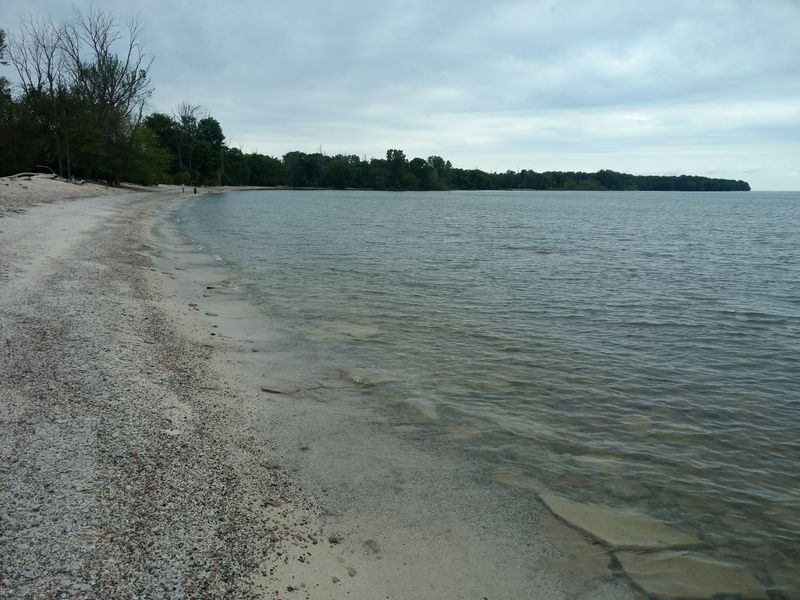
Cheap sleeps are a big reason this trip stayed affordable.
Kelleys Island State Park covers much of the north shore and includes a campground, a sandy beach, and several hiking trails. Campsite fees cost far less than a hotel room, and some sites sit close to the water.
I pitched my tent in late September and had neighbors on only one side. At night, the lake lapped against the shore, and the stars looked brighter than they ever do back home.
The beach is small but pleasant, with shallow water and flat stones that are fun to explore. Swimming is best in summer, but I enjoyed skipping rocks and watching boats drift by in fall.
Picnic tables, restrooms, and a boat launch make the park easy for families. Reservations are handled through the Ohio State Parks system, so I booked my spot online weeks ahead.
The campground typically runs into mid-fall, so check dates before planning a late trip. Colder nights mean packing a warm sleeping bag and an extra layer.
My favorite moment came at sunrise, when mist hung over the water and the only sound was a pair of geese.
Nothing about that view cost extra.
Trails, Boardwalks, And A Quiet Quarry
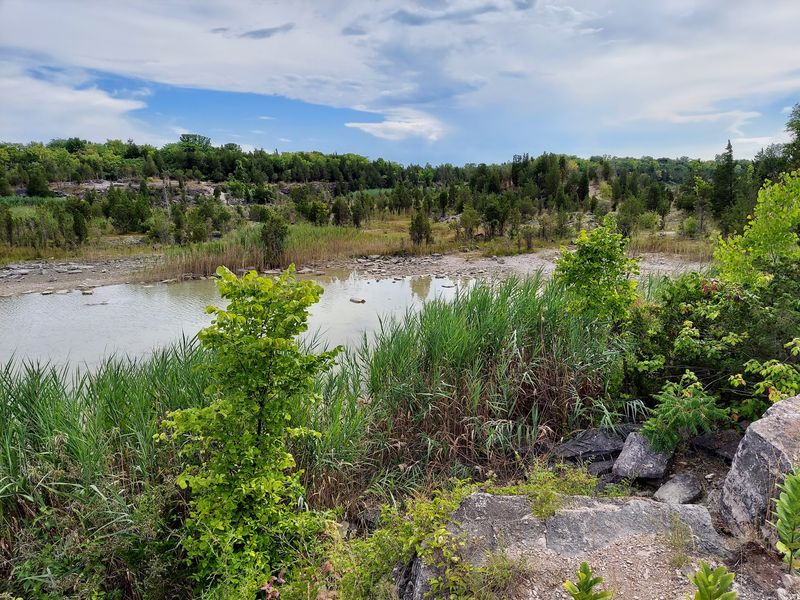
Some of my happiest hours on the island happened on foot.
North Pond State Nature Preserve has a boardwalk that winds through wetland and forest to an observation deck. Frogs plopped into the water as I passed, and I spotted turtles sunning on logs.
The pond connects to Lake Erie and changes with the lake levels. That link makes it a busy stop for fish, birds, and other wildlife through the seasons.
East Quarry Trail offered a totally different mood. Old quarry walls rise around a pond, and the paths cross open rock where limestone was once cut and hauled away.
Fossils show up here too, and I found shell prints just by looking down. Collecting is not allowed in protected areas, so I took photos instead of souvenirs.
The North Shore Loop Trail rounds out the options with lake views and wooded stretches. None of the hikes are very hard, which makes them easy picks for casual walkers and young hikers.
Fall is the sweet spot for these trails. Bugs are fewer, the air is cool, and the leaves turn gold and red along the paths.
Sturdy shoes help on the rocky sections. Bring water, too, since shops can be far from the trailheads.
Stone, Steamboats, And Small Town History
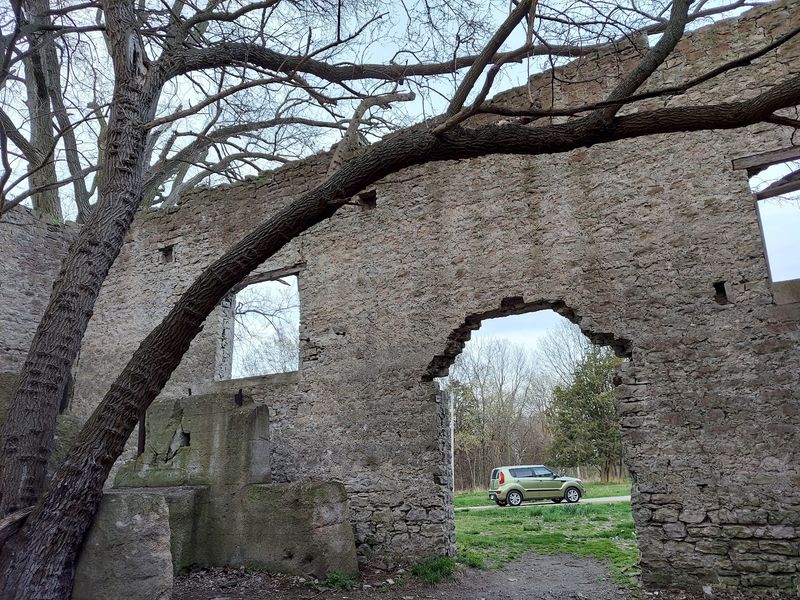
Limestone built this island’s fortunes.
During the 1800s and early 1900s, quarries here shipped huge amounts of stone and lime across the Great Lakes. The Kelley Island Lime and Transport Company became one of the biggest producers of its kind.
Traces of that busy era are still easy to find. I biked past old quarry walls, crumbling foundations, and stone ruins slowly being reclaimed by trees.
Workers came from many places, including Germany and other parts of Europe. Their stone homes and churches give the island a sturdy, old-world look.
The Kelleys Island Historical Association runs a small museum that I found charming. Exhibits cover quarrying, island families, and everyday life on the lake long ago.
Downtown is compact enough to explore in an hour. I wandered past the waterfront, peeked into gift shops, and grabbed an ice cream cone from a friendly counter.
Locals love sharing stories, especially once the summer rush fades. A shop owner told me how islanders cope in winter when the ferry stops and small planes become the main link to the mainland.
Museum hours can shrink in the off-season, so I checked online first. It was worth the effort to see how much history fits on such a small piece of land.
Why Fall Beats Summer Every Time
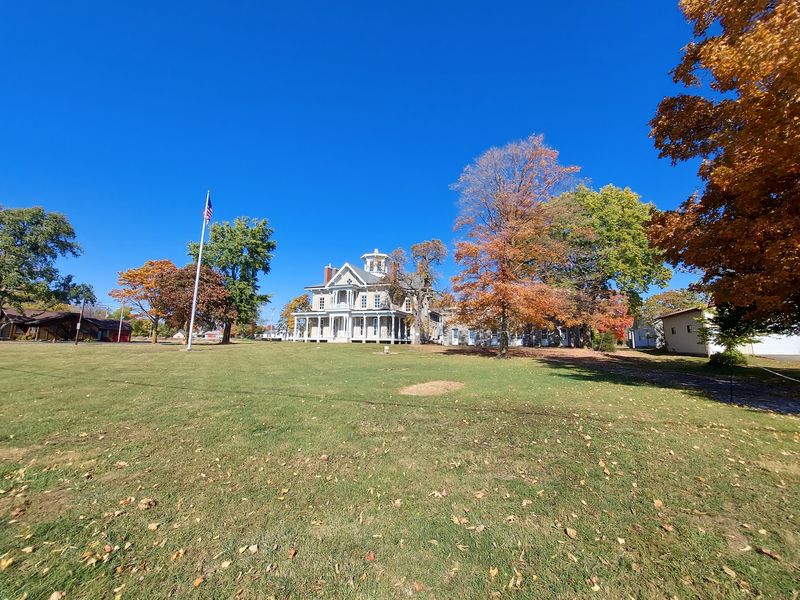
September changes everything.
Once school starts, the island loses most of its day-trippers, and the pace slows right down. I could walk into a restaurant without a wait and find a bench by the water with nobody on it.
Prices tend to follow the crowds. Several rentals and inns I checked offered lower rates after Labor Day, and midweek stays were cheaper still.
The weather surprised me in a good way. Lake Erie holds summer warmth into early fall, so afternoons stayed mild while mornings felt crisp.
Birders have their own reasons to visit. Lake Erie islands serve as resting spots for migrating songbirds, hawks, and waterbirds in spring and fall.
I watched a flock of warblers flit through the trees near North Pond, and a pair of bald eagles soared above the shoreline.
Colors peak around mid-October in most years. Maples and oaks glow against gray limestone, and the reflections on the lake are worth an extra photo or twenty.
Some businesses cut hours or close for winter as the season ends. I planned meals ahead and packed snacks, which kept surprises to a minimum.
Fewer people, cooler air, and softer prices made fall my favorite season here.
Smart Tips For A Budget Island Escape
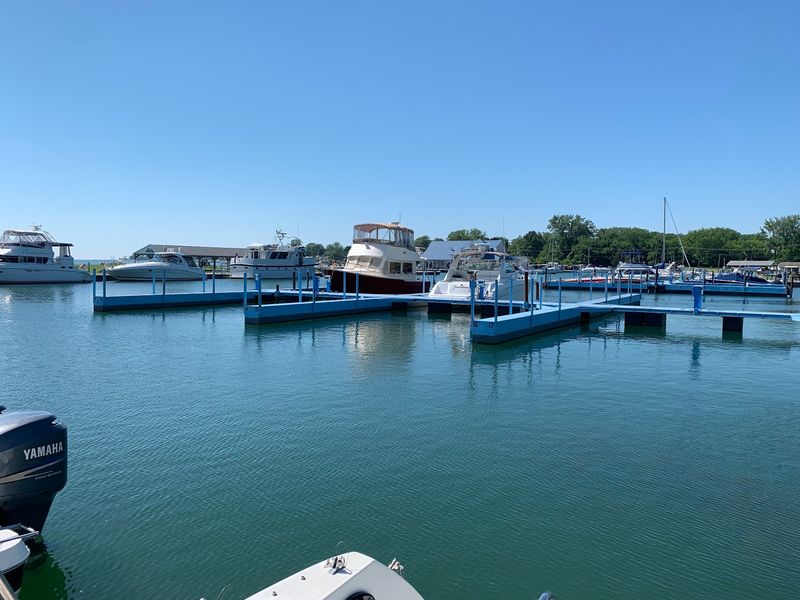
Good planning stretched my dollars further than I expected.
Walk-on ferry tickets are the first big saver. Pairing them with a rented bike or your own ride keeps transportation costs low for the whole trip.
Camping at the state park is the cheapest overnight option. If tents are not your style, midweek stays at small inns and rental cottages in the off-season often cost less than summer weekends.
Food can add up on any island. I packed groceries from the mainland and saved restaurant meals for a treat.
Most of the best sights are free. Glacial Grooves, Inscription Rock, the beach, and the trails did not cost me a single dollar.
Check the village website and ferry schedule before booking. Off-season hours change, and a quick look online saved me from missing the last boat.
Layers matter in fall. A warm jacket, rain gear, and comfy shoes covered every kind of weather I met.
Leaving felt harder than arriving. This quiet corner of Lake Erie gave me ancient stories, fascinating rock, and calm shores without draining my bank account.
Summer may get the attention, but the island saves its best self for those who wait. I am already planning my next autumn crossing.