
You Scoop Real Fry Bread And Red Chile At This Navajo Kitchen In Arizona
Powdered sugar on your fingertips and red chile on your chin is a fair trade in Arizona. One modest kitchen in the state has spent more than three decades turning simple dough into golden, puffy fry bread that people happily line up for.
It even earned a national food award that usually goes to far fancier dining rooms. The best part is that you can eat like royalty here without emptying your wallet.
A Humble Stop on North 7th Avenue
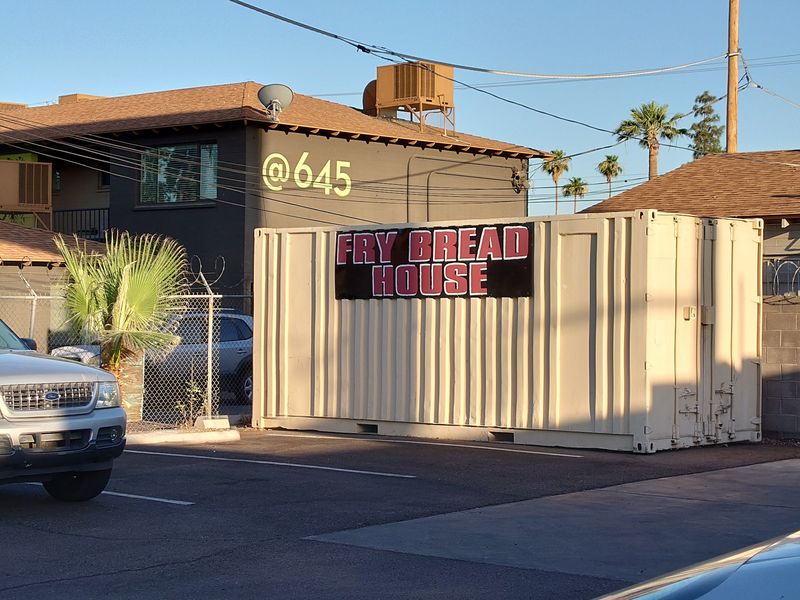
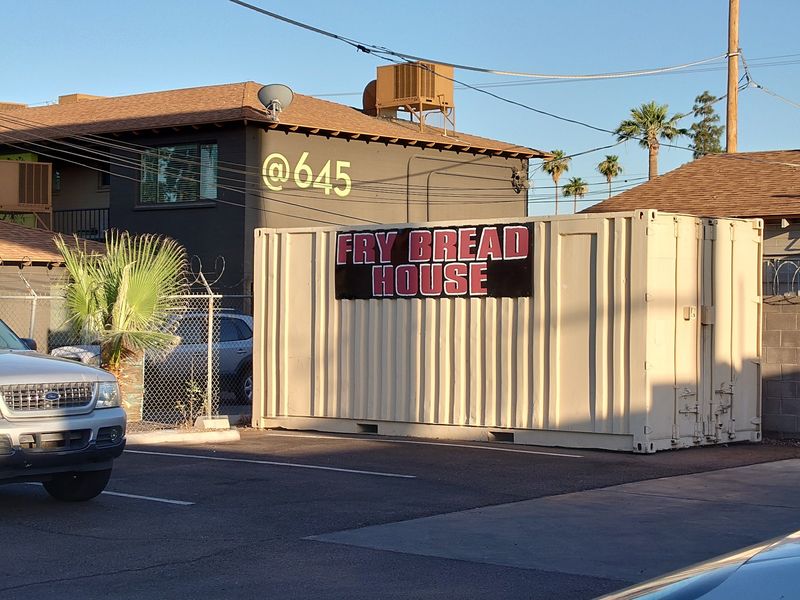
Blink while driving up North 7th Avenue in central Phoenix and you might miss it. Fry Bread House sits at 4545 N 7th Ave, a modest building that looks more like a neighborhood lunch counter than a place with a national reputation.
That low-key look is part of the charm.
Inside, the whole menu revolves around one thing: Native American fry bread. The kitchen turns it into savory meals piled with chili beef, beans, and cheese, and into sweet treats dusted with sugar or drizzled with honey.
You order at the counter, find a seat if you can, and staff bring the food right to your table.
The spot is easy to reach from much of the Valley, sitting a short hop from downtown and close enough to the airport that travelers sometimes squeeze in a meal before a flight. Locals treat it like a trusty standby for a quick, filling lunch.
Visitors often arrive curious and leave planning their next trip back.
Nothing about the setup is flashy. There are no white tablecloths or fussy menus here, just honest food served fast and hot, exactly the way Arizona regulars like it.
Cecelia Miller and a Kitchen Born in 1992
Every beloved restaurant starts with someone willing to take a chance, and here that person was Cecelia Miller. A member of the Tohono O’odham Nation, whose ancestral lands stretch across southern Arizona, she opened Fry Bread House in 1992.
Her goal was simple: share the food she grew up with.
Here is a detail worth knowing before you go. While fry bread is often linked with the Navajo people, and the Navajo taco stars on menus across the state, this particular kitchen carries Tohono O’odham roots.
You will taste that heritage in dishes like red chili beef and chumuth, a hand-stretched flour tortilla long tied to O’odham cooking.
The restaurant has stayed family-owned over the years, which helps explain why it still feels personal rather than corporate. Recipes carry the weight of tradition, and the menu has grown without losing its core identity.
Fry bread remains at the center of everything.
For Arizona diners, that history adds meaning to every bite. You are not just grabbing lunch.
You are tasting a family’s story and a slice of the state’s Indigenous food culture, served on a paper plate with zero pretense.
A James Beard Nod and a Guy Fieri Visit
Awards in the food world usually land on sleek dining rooms with tasting menus. So it surprised plenty of people in 2012 when the James Beard Foundation named Fry Bread House an America’s Classics winner.
The honor celebrates family-owned restaurants loved for timeless food and deep ties to their communities.
That recognition put a spotlight on a place many Phoenix locals already adored. Suddenly, food fans from across the country had a reason to seek out this unassuming counter on 7th Avenue.
Travelers still mention the award as the reason they detoured on their way to the airport.
Television helped too. The restaurant appeared on Diners, Drive-Ins and Dives, and some visitors say they waited years after watching that episode to finally taste the fry bread for themselves.
When they arrive, they often find the kitchen humming and every table full.
Fame has not changed the basics, though. Food still comes out quickly, portions remain generous, and prices stay friendly compared with what an award winner might charge elsewhere.
It earns praise by staying true to itself, which is exactly what the America’s Classics honor was designed to celebrate in the first place.
Fry Bread Roots Reaching Back to 1864
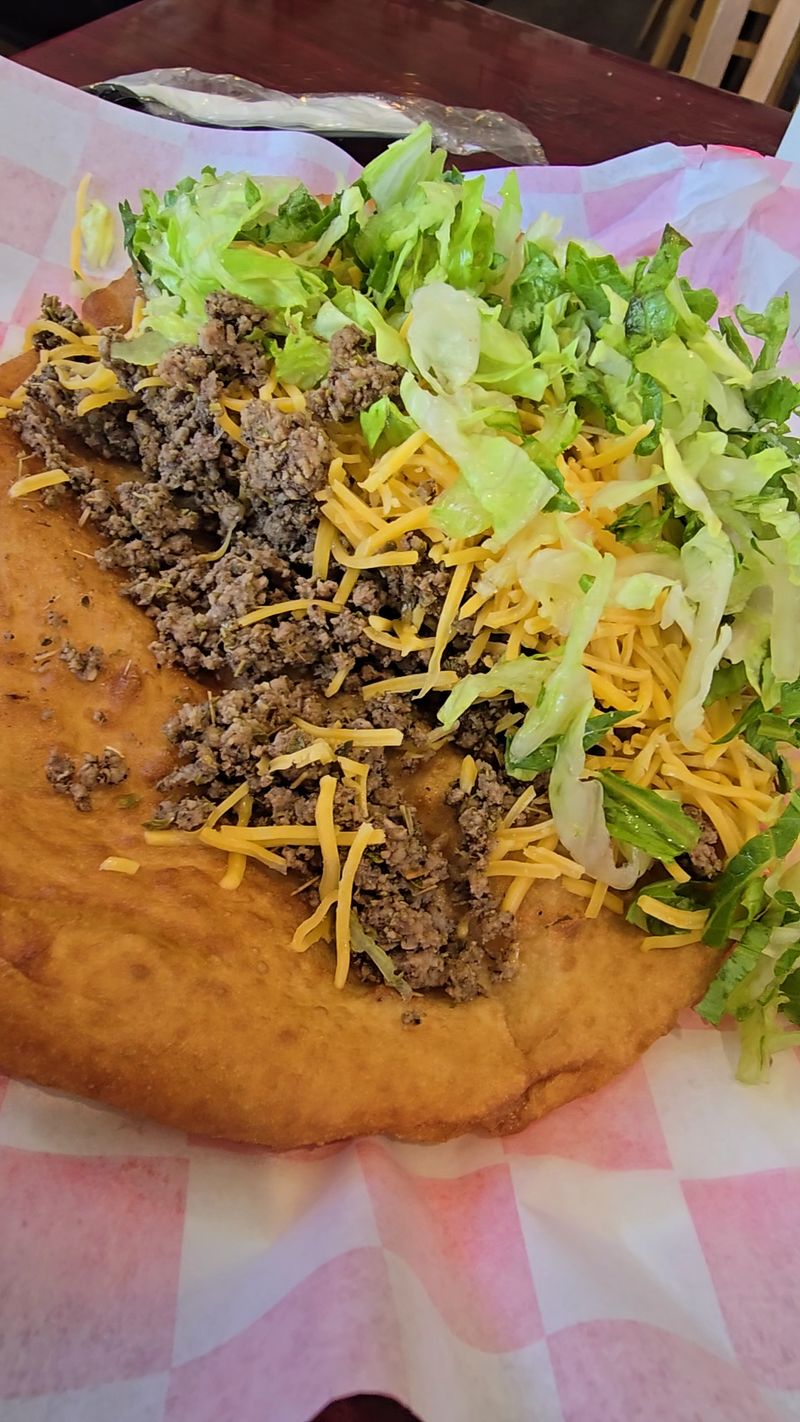
Flour, salt, lard, and sugar. Those four humble ingredients tell a much bigger story than most people realize.
Fry bread traces back to 1864, when the U.S. government forced the Navajo people to relocate from Arizona to New Mexico during a period now known as The Long Walk.
The land they were moved to could not support the crops they had always grown. Government rations of basic pantry staples became what families had to work with, and from that difficult time came a simple bread fried until golden.
Cooks across many tribes later adopted and adapted it.
Today fry bread stands for resilience, pride, and togetherness. It shows up at family gatherings, powwows, fairs, and celebrations throughout the Southwest.
Many families guard their own recipes, handed down through generations, and friendly debates over the best version can get lively.
The Navajo taco, sometimes called an Indian taco, grew out of this tradition. It piles ground beef, beans, lettuce, cheese, and red or green chile onto a round of fry bread instead of a tortilla.
Order one in Phoenix and you are eating a dish shaped by more than 150 years of strength and creativity from Native communities.
Golden Dough That Stands on Its Own
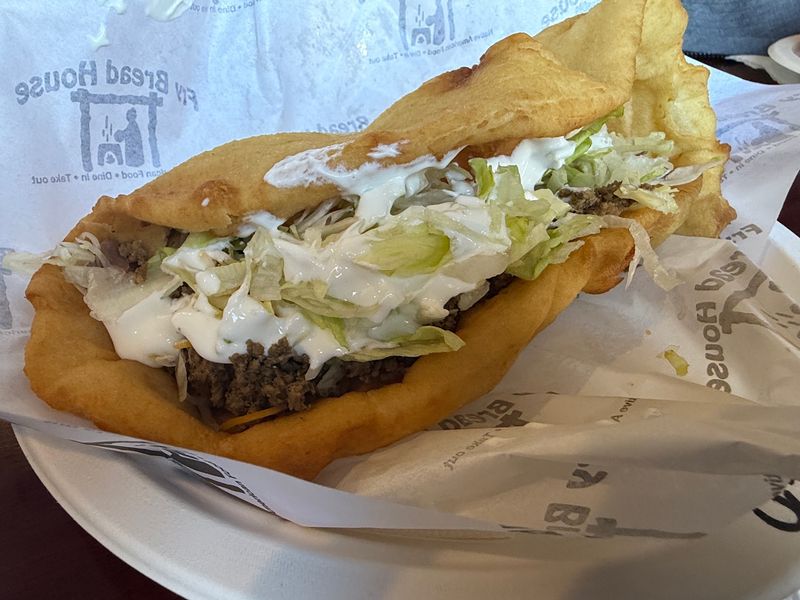
Some regulars skip the toppings entirely. That is how good the base can be at Fry Bread House, where the dough puffs up light, airy, and fluffy, with a crisp outer shell giving way to a soft, tender middle.
Visitors who have never tried Native American fry bread often call this their first and favorite introduction. Folks who grew up eating it at fairs and roadside stands in New Mexico and across Arizona sometimes compare it to what they know from home, and many find it holds up well.
The texture is the headline, a satisfying chew with a gentle crunch at the edges.
Opinions do vary a little, which is normal for a food so personal. One diner might find a piece thinner than expected in the center, while another raves about the pillowy lift.
Fresh batches coming out fast help keep things steady during busy rushes.
Here is a smart first-timer move. Order one savory fry bread and one sweet version to share, so you can taste how the same dough changes personality depending on what sits on top.
Plain bread also makes a fine partner for dunking into a bowl of stew.
Red Chili Beef With a Serious Kick
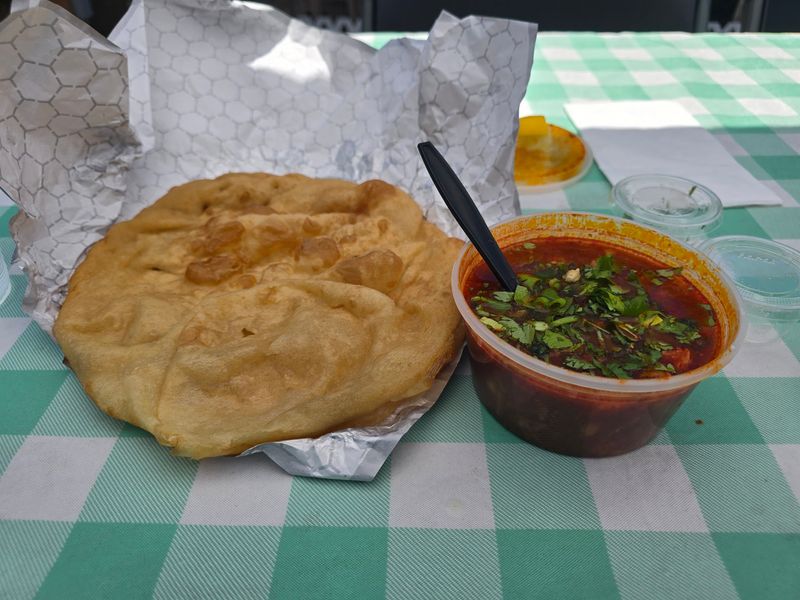
Heat seekers, this one is for you. The red chili beef ranks among the most talked-about dishes on the menu, and it carries a proud Tohono O’odham legacy, since the tribe is well known for this rich, earthy preparation.
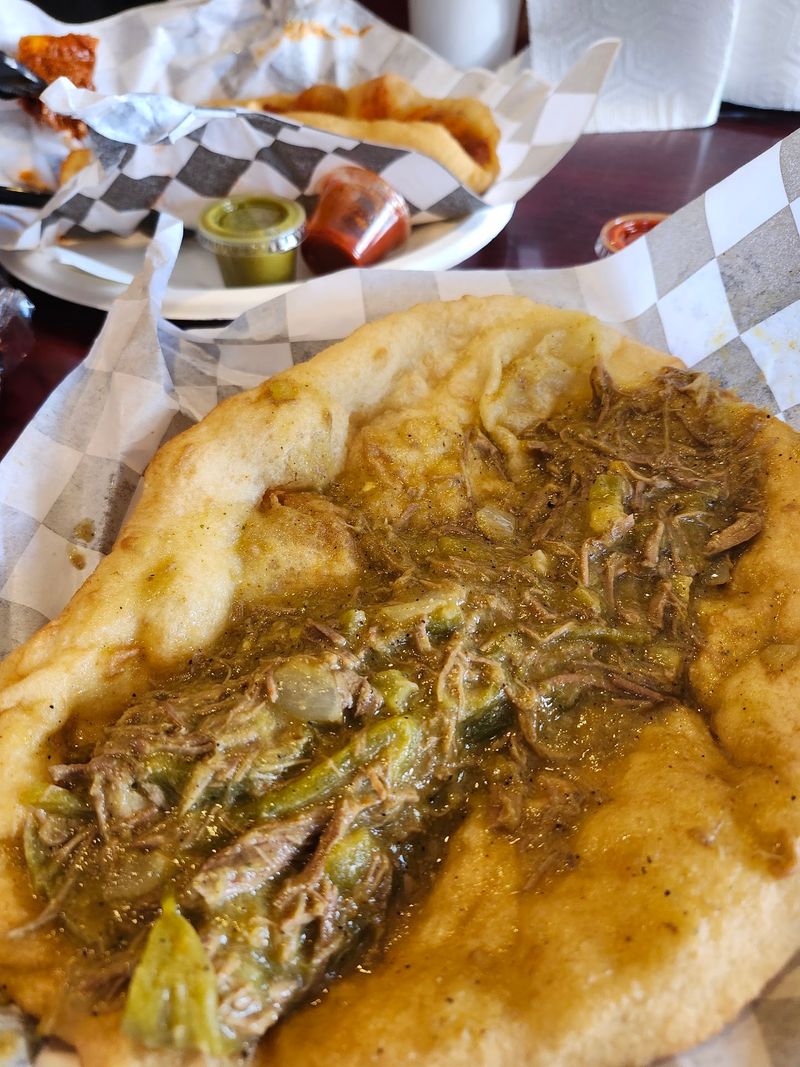
Tender beef soaks up a deep red chile sauce that tastes smoky and bold. Some diners from New Mexico, a state famous for its chile, have said it was the best red chili they had found since moving to Arizona.
Others call it the spiciest they have tried in the state, so plan accordingly if your tolerance runs mild.
You can enjoy red chili beef in a fry bread taco, a burro, or alongside other items. It pairs beautifully with the soft bread, which helps tame the burn while soaking up every drop of sauce.
A cold drink on the side never hurts either.
Tastes differ, of course. A few guests prefer the green chili beef instead, finding it more to their liking.
If you cannot decide, bring a friend, order one of each, and trade bites. Comparing red and green is half the fun of a visit here.
Stews, Posole, and a Tortilla Called Chumuth
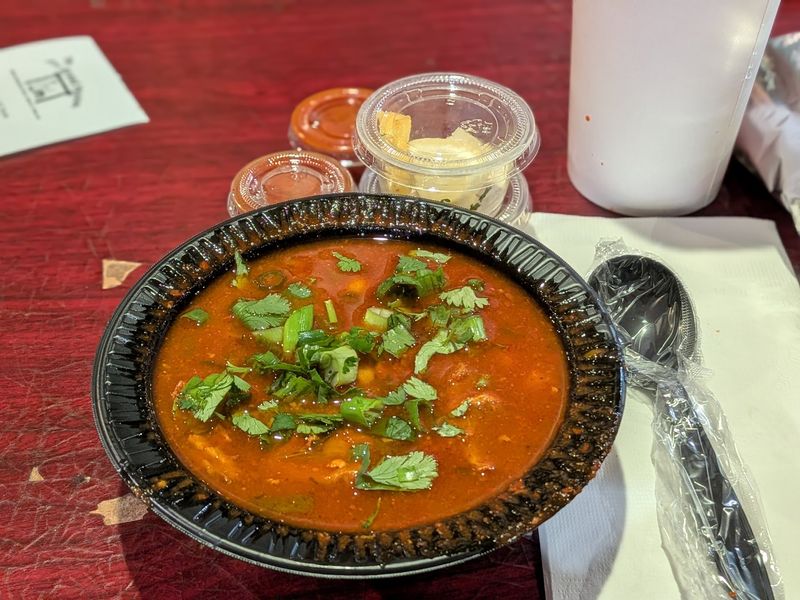
Cooler Arizona evenings practically beg for a bowl of something warm. The green chili stew draws plenty of fans, with tender meat and roasted chile in a comforting broth that feels like a hug from the inside.
Posole is another favorite. The hominy-based soup earns praise for its flavor, with some diners saying it tastes even richer than versions they know from other kitchens.
Portions come in a smaller bowl, so hungry eaters may want to pair it with something else.
Then there is chumuth, the hand-stretched flour tortilla tied to Tohono O’odham cooking. It is thin, rustic, and a little chewy, meant for tearing and scooping.
Not everyone falls for its texture right away, but it offers a genuine taste of tradition you will not find at most Phoenix restaurants.
Other soups show up too, including a vegetable beef soup that works well for sharing. Tamales also appear on the menu, and returning guests mention them often.
Between the stews, posole, and tamales, you could easily build a meal around spoon-and-bread comfort food rather than tacos, which makes this a good pick for anyone wanting variety beyond the main event.
The Ultimate Taco and Its Plate-Sized Cousins
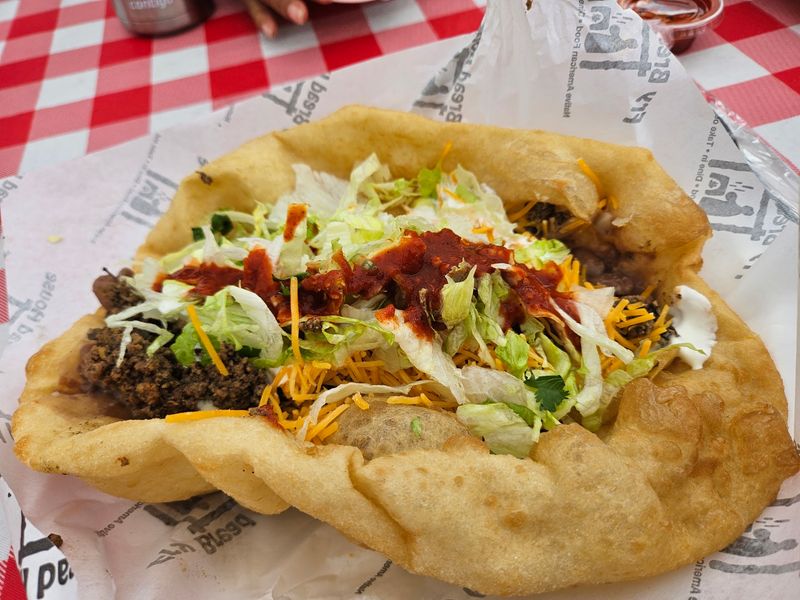
Brace yourself when the Ultimate Taco lands on your table. The thing stretches across the entire plate, a round of fry bread loaded high with meat, beans, cheese, and fresh toppings.
More than one visitor has admitted they could only finish half.
You can choose your filling, and options include green chili beef, red chili beef, and birria. The birria version arrives with a dipping sauce that some guests call the real star, plus tender meat topped with cheese and onions.
Leftovers travel home fine, though fry bread always tastes best fresh.
The classic Indian taco remains a crowd pleaser too, a familiar favorite for anyone who grew up eating them at school fundraisers or county fairs. Other choices include a ground beef fry bread taco, a barrel taco, and a Native Taco with green chili chicken.
Burger fans can even find a green chile burger version.
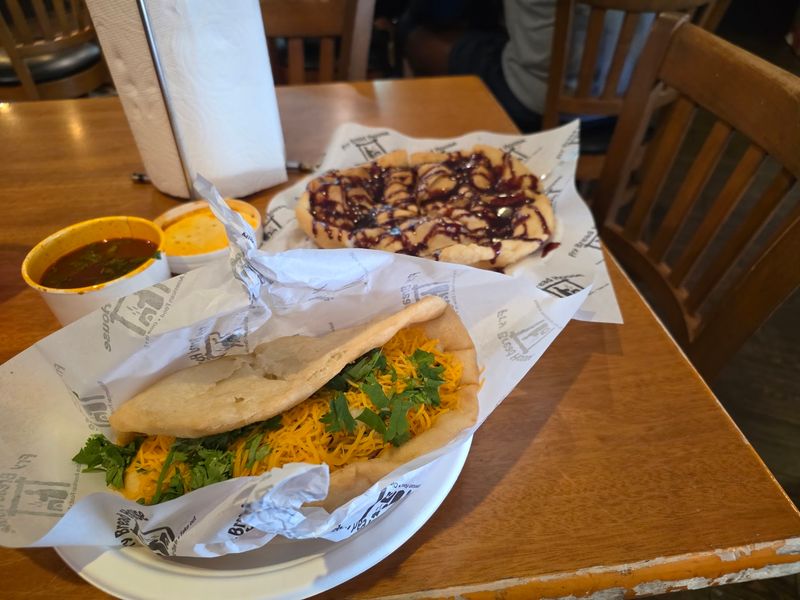
Every fry bread taco comes with two little cups of salsa: a mild green and a hot red. Diners often say the salsas are flavorful and bring just the right heat.
Because portions run so large, splitting one taco between two people is a popular, budget-friendly strategy.
Veggie-Friendly Picks and a Crowd-Pleasing Cheese Crisp
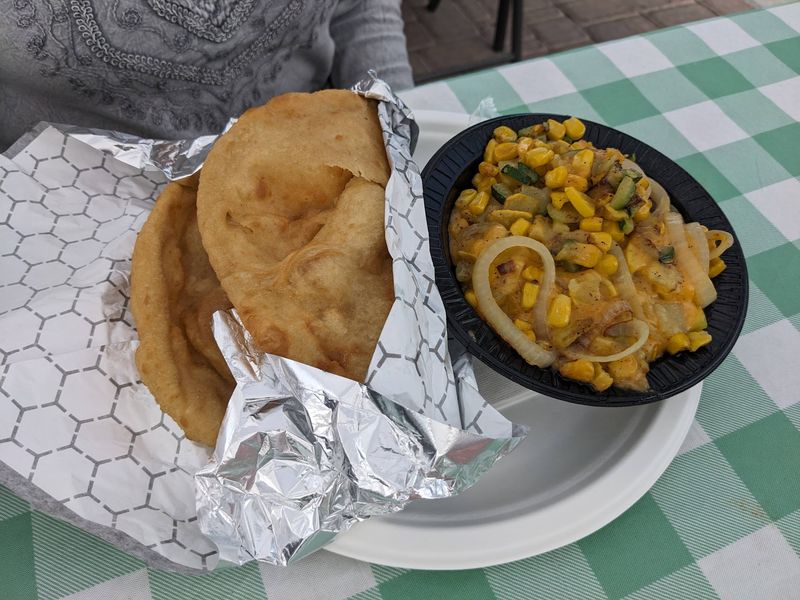
Vegetarians rarely get the best seat at a meat-heavy table, but here they are in luck. The vegetarian fry bread taco collects glowing praise, packed with flavor and a gentle chile spice that even devoted carnivores enjoy.
First-timers who skip meat say the menu offers a few solid choices, not just a lonely side salad. A veggie medley also comes in a generous portion, making it a satisfying side or a light meal.
Paired with those two salsas, it never tastes plain.
Now for a sleeper hit. The Loaded Cheese Crisp surprises people who came for tacos and left talking about melted cheese on crisp bread.
One bite shows off how fresh the ingredients are, and while it is easy to share with a group, you might not want to.
Adventurous eaters can also look for the Waila fry bread, which shares its name with a lively style of Tohono O’odham social dance music. Ordering a mix of these lesser-known items is a great way to see how far one simple dough can stretch.
Mixed groups with different diets can all walk out full and happy, which is not always easy at a small counter-service spot.
Powdered Sugar, Honey, and Cinnamon Endings
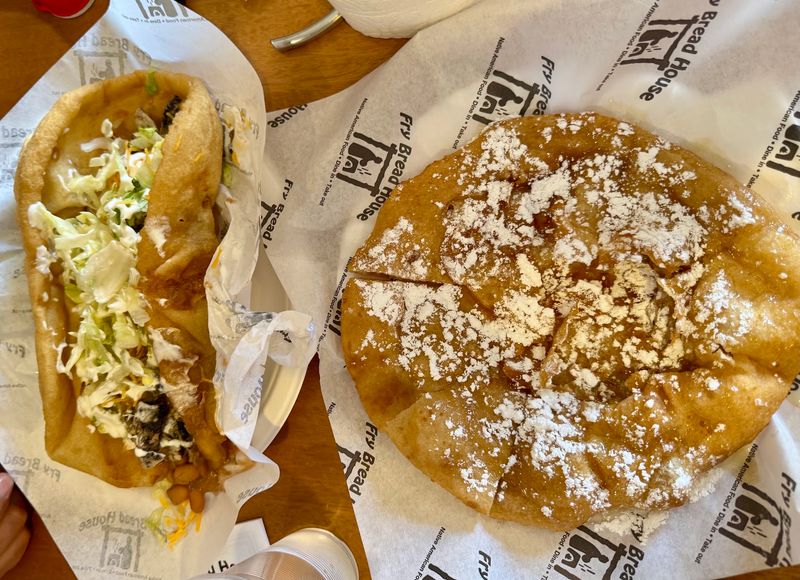
Save room. Seriously.
Dessert fry bread may be the reason some people come back at all, turning the savory base into something close to a carnival treat.
Powdered sugar fry bread ranks among the most popular orders in the house. Add a drizzle of honey and you get a sticky, sweet, snowy mess that is worth every paper towel.
Cinnamon sugar is another favorite, warm and fragrant, like a softer, puffier cousin of a churro.
Honey fry bread on its own has plenty of fans too. Diners who were not blown away by a savory taco still say they would happily return just for the sweet version with powdered sugar and honey.
That tells you a lot about how well these simple toppings shine.
Since portions are big, splitting dessert is the smart way to go. One couple shared a single sweet fry bread after their meal and still wished they had room for more.
Kids especially love watching the sugar pile up like fresh snow.
A quick timing tip helps too. Order dessert along with your meal if the line looks long.
That way you skip a second wait while the kitchen stays busy with the rush.
Checkered Tablecloths and a Cozy Courtyard
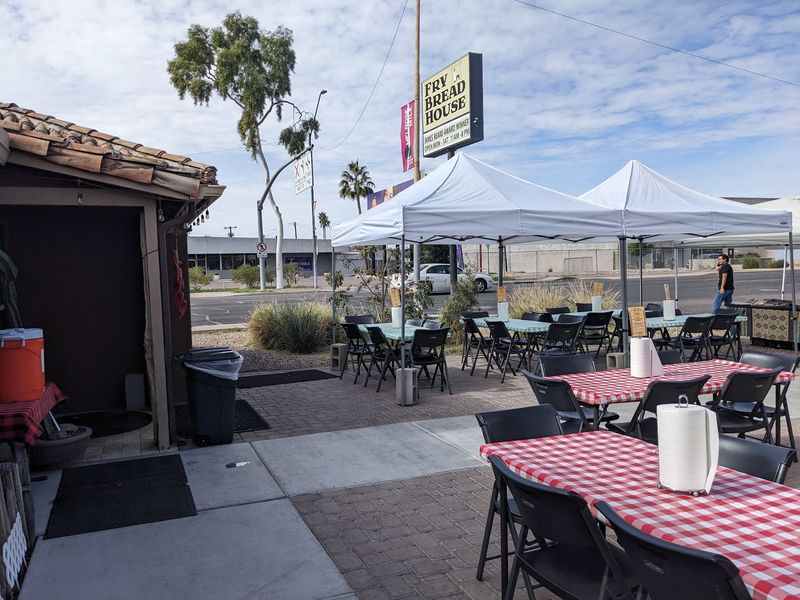
Stepping into the courtyard feels a bit like stopping by a grandmother’s house for lunch. Checkered tablecloths cover the tables, and a roll of paper towels often stands in for napkins.
It is homey in the best possible way.
Inside, the dining room is small, with roughly eight tables by one longtime regular’s count. Air conditioning keeps things cool on hot Phoenix afternoons, which matters in summer.
Staff bring food out quickly, so tables turn over steadily.
Outdoor seating has been a favorite for many guests, covered and partly shaded so you are not baking in the sun. Some diners fondly remember sitting outside as an Arizona sunset painted the sky, fry bread in hand.
One longtime visitor noted the outdoor setup has changed over time, though, so what you find may differ.
Nothing here tries to impress with decor. Instead, the vibe is relaxed and friendly, and strangers sometimes end up sharing a table.
One visitor described a local woman and her grandmother joining them and offering tips on what else to see nearby, a moment that makes the small space feel more like a community kitchen than a restaurant.
Lines, Crowds, and the Kind of Diner Who Loves It
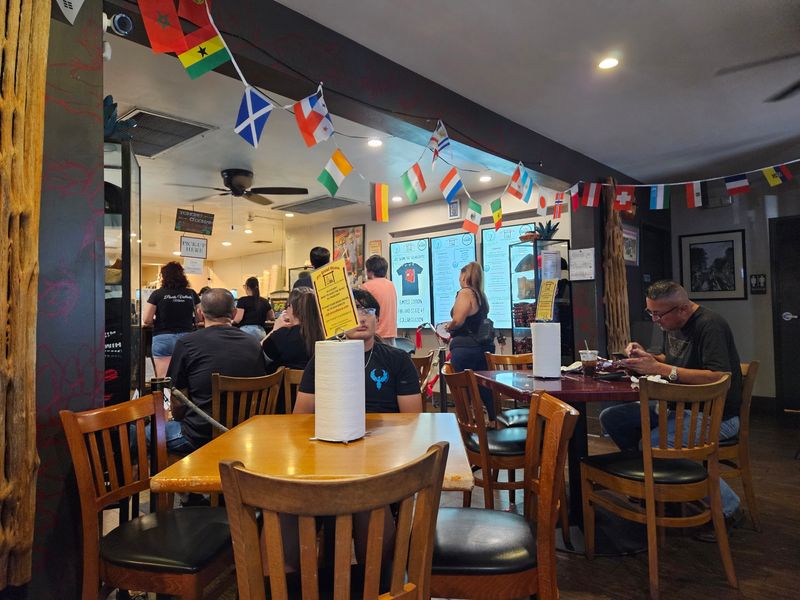
Patience pays off. During peak hours, lines can stretch past 30 minutes, and afternoon visits sometimes find the dining room completely packed.
Arriving early is the advice regulars repeat most.
So who fits best here? Curious eaters trying Native American food for the first time will feel welcome, and staff are generally described as friendly and helpful.
Food travelers chasing award winners will find a genuine classic, while families and budget-minded locals will love the huge portions.
Folks who dislike crowds or need lots of elbow room might struggle a bit. Seating is limited, and some guests have felt slightly rushed because others were waiting for tables.
Service can wobble on a hectic day too, with the occasional distracted moment at the counter.
Takeout solves many of these issues. Plenty of diners order to go and enjoy their fry bread at home or at a nearby park.
Just remember that fry bread tastes best right out of the kitchen, so eat soon.
Retirees and day-trippers from Tucson, Flagstaff, or Prescott can fold a meal here into a bigger Phoenix outing. Pick a weekday, arrive near opening, and you will likely enjoy the smoothest experience of all.
Hours, Prices, and Parking Before You Go

Planning ahead makes everything easier. Fry Bread House opens Monday through Thursday from 11 am to 8 pm, and Friday and Saturday from 10 am to 8 pm.
It stays closed on Sundays, so schedule your craving around that.
Prices are a big part of the appeal. One visitor estimated about $10 to $20 per person without dessert, and around $20 to $30 per person with a sweet fry bread added.
Because a single Ultimate Taco can feed two, splitting an order stretches your budget even further.
Parking takes a little strategy. A small lot sits behind the building, and street parking is available nearby, but spaces fill fast at busy times.
Arriving at opening or during the mid-afternoon lull can help.
The address is 4545 N 7th Ave in Phoenix, in the central part of the city north of downtown. It works well as a stop on the way to or from the airport, and most of the Valley can reach it in a reasonable drive.
Hours and prices can shift, so double-check before heading out, especially around holidays. Dress casual, bring a big appetite, and grab extra paper towels.
A Warm Verdict on Phoenix’s Fry Bread Favorite
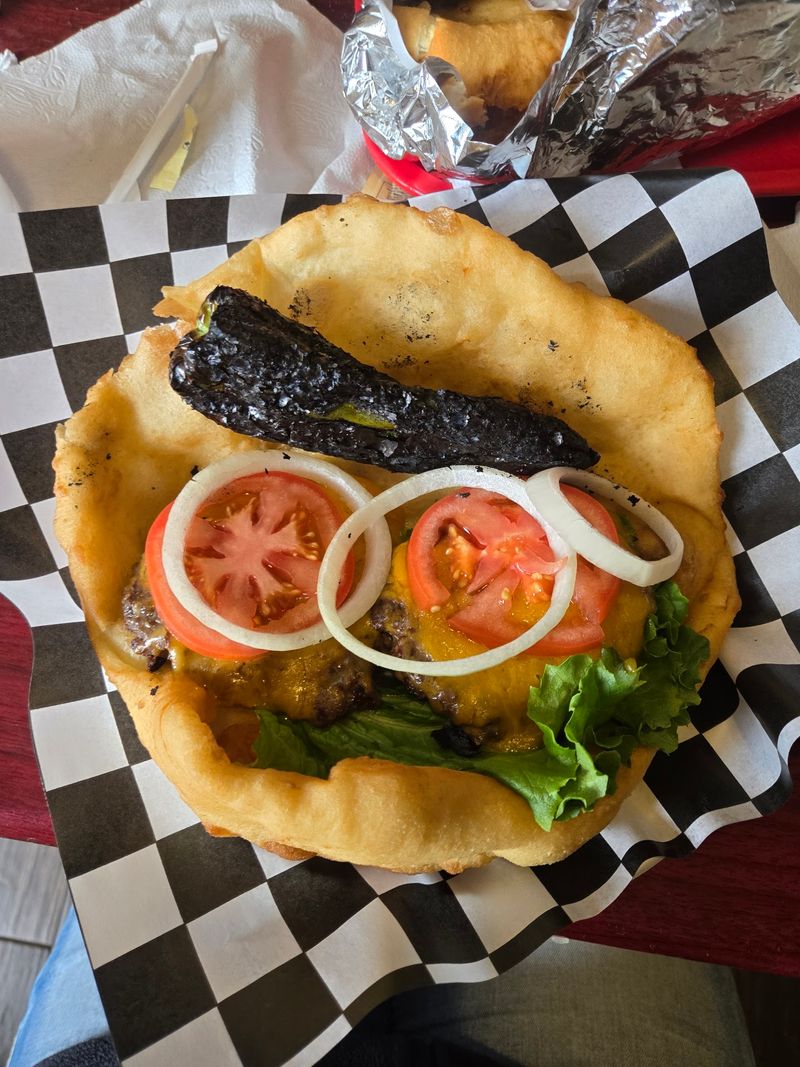
After all the stories, awards, and sugar-dusted fingers, the question is simple: is it worth the trip? For most visitors, the answer leans toward a happy yes.
Fry Bread House delivers something rare. It pairs deep cultural roots with food that is fun, filling, and friendly to your wallet.
The fry bread itself, crisp outside and pillowy within, sets the tone, while red chili beef, green chili stew, and posole add depth.
No place is perfect, and this one has its quirks. Seating is tight, lines can run long, and not every dish lands for every palate.
Still, most guests leave full, smiling, and already debating what to order next time.
For Arizona locals, it makes a great excuse to explore a corner of Phoenix you might otherwise drive past. For visitors, it offers a meaningful taste of Tohono O’odham cooking and the wider fry bread tradition shared by Navajo and other Native communities.
Either way, you get a meal steeped in history.
So round up a friend, arrive hungry, and plan to split that plate-sized taco. Save room for powdered sugar and honey.
Some of the best meals in Arizona come on paper plates.