
Almost Nobody Knows This Small Colorado Town Was Once The Territorial Capital
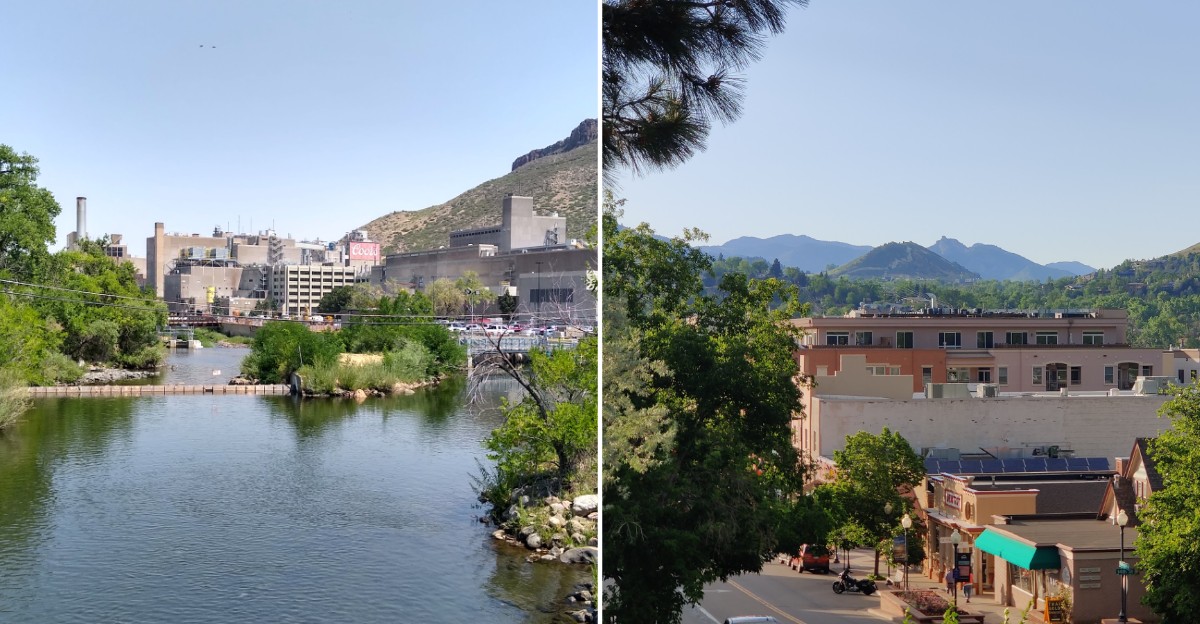
Before statehood had a proper stage, political business was already happening in a town better known today for trails and creekside walks. The surprise is not just that leaders once gathered here, but that so much of the setting still survives in plain sight.
During the territorial years, this corner of Colorado briefly carried far more political weight than its modern size suggests. That gives an ordinary stroll a strange second layer: storefronts, streets, and nearby landmarks start doubling as clues to a much earlier chapter.
You do not need a textbook to feel the shift. A few preserved sites and historic markers do the work while you keep moving.
For anyone tracing how the region took shape, Colorado becomes especially interesting when the story is attached to places that still feel lived in. History feels less distant here because it never completely left the street right under your feet.
A Capital Story Hiding In Golden
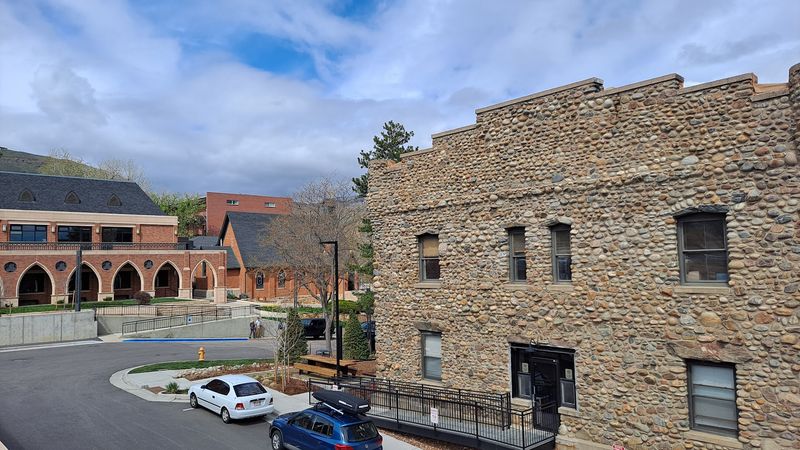
Some outings become more interesting the moment you learn one good fact. In Golden, Colorado, that fact is unusually large for a town that is often introduced through its creek and foothills: Golden once served as the capital of the Colorado Territory.
Golden held that role from 1862 to 1867, before the capital moved to Denver. The years are easy to remember if you think of them as a brief chapter between settlement and statehood.
Colorado did not become a state until 1876, so territorial officials were helping organize a place whose future was still being worked out. A capital was where government business happened, not merely a title on a map.
That backstory gives a visit a clear purpose without turning it into homework. Walk through town and consider how different Golden’s role once was from the one it plays today.
Rather than searching for one grand monument that explains everything, look for the connection between a working town and its earlier public life.
A quick stop can be enough to spark curiosity. Golden does not ask you to memorize a list of names before you arrive.
Start with the simple surprise: Denver was not always the answer to Colorado’s capital question.
Why Golden Was More Than A Mining Stop
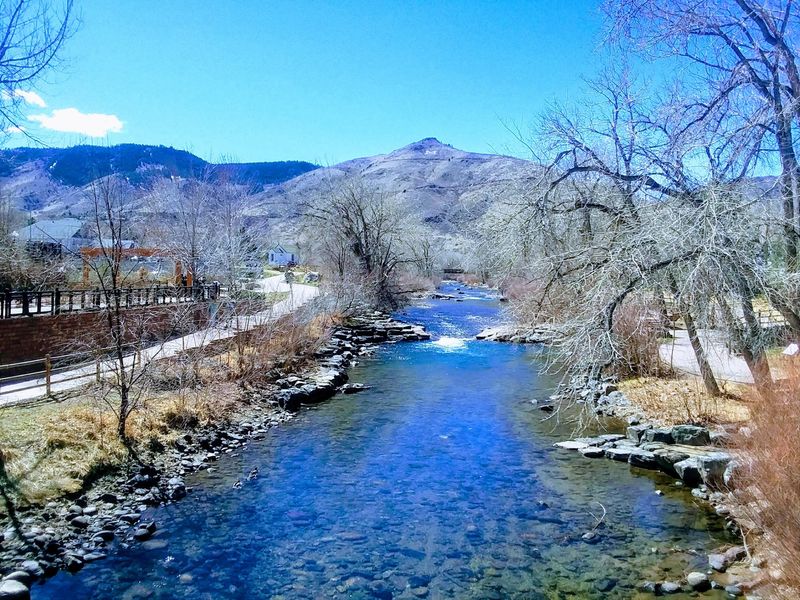
A capital does not appear on a map by accident, even if its time in office turns out to be short. Golden grew during the rush to the mountains, and its position near the entrance to Clear Creek Canyon made it useful to people heading farther west.
Travelers needed supplies and routes. A settlement that could serve them had a reason to keep growing.
The geography still helps explain the decision. Clear Creek runs through Golden, while the foothills rise close to town.
Looking at that setting, it is easier to understand why an early community formed here rather than treating the capital story as an odd trivia answer. Colorado’s government was finding its footing while communities across the region were doing the same.
Golden’s capital years did not make every street a government landmark. That distinction matters when planning a visit.
Come for a town whose location and history fit together, not for an imagined collection of preserved offices on every block. The strongest clue is the setting itself: creek, canyon approach, and room for a town to grow.
History can feel remote when it lives only in dates. Here, the landscape makes the old choices a little easier to picture.
Even a brief look at the map before visiting adds useful context.
Clear Creek Puts The Map In Focus
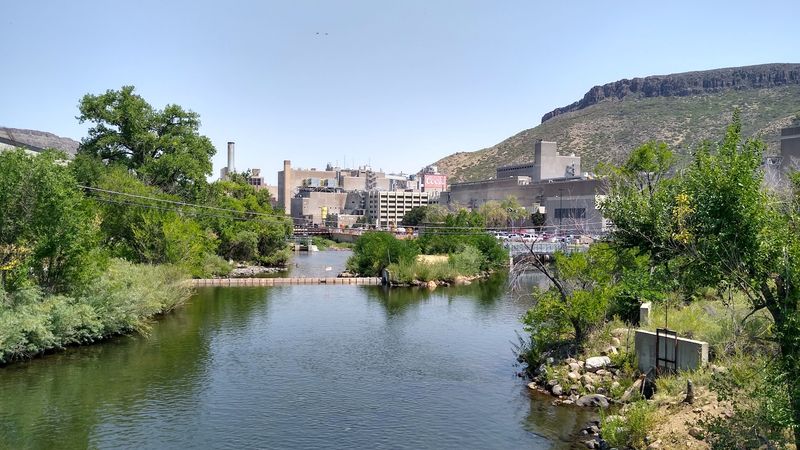
Water has a way of making a map suddenly legible. Clear Creek flows through Golden, and the public trail beside it offers a straightforward way to see part of the landscape that shaped the town’s development.
You can take a walk without needing to turn the afternoon into a history exam.
Golden’s setting is not a backdrop pasted onto its capital story. The creek connects the town to the canyon west of it, while the foothills show how quickly the ground changes here.
In a region where travel routes mattered, those features helped give the settlement a practical role. Today’s paths make that relationship easier to notice at a slower pace.
Keep the visit modest if time is short. Choose a stretch of the Clear Creek Trail that suits your group, then pause to look at how the waterway and town meet.
The trail is useful for families who need room to move and for solo visitors who prefer exploring without a fixed schedule. Conditions can change with the season, so check current trail information before heading out.
Golden, Colorado, makes more sense when you view its history alongside its terrain. A creekside walk will not show you a territorial meeting in progress.
It will show you why this location mattered.
The Capital Left, But Golden Kept Growing
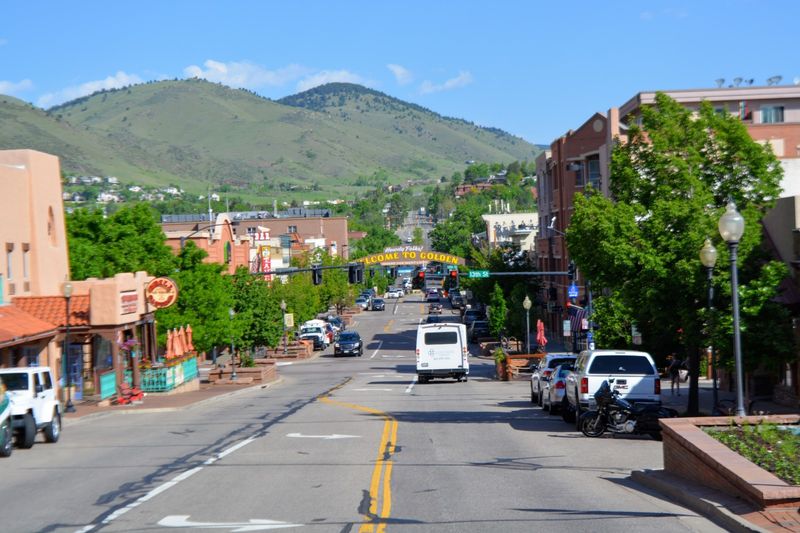
Losing the capital did not put Golden in a display case. After the territorial government moved to Denver, the town continued to develop, and the Colorado School of Mines opened in 1874.
That later chapter is a useful reminder that towns can change jobs without disappearing from the story.
The school remains part of Golden today. Its presence connects the area’s early interest in mining and natural resources with education that continues well beyond the territorial years.
You do not have to tour a classroom to notice the broader point: the town’s identity was never limited to a five year spell as a seat of government.
Why It Matters: Golden’s past is easier to understand as a sequence of choices than as one surprising date. Its location helped support early settlement.
Territorial leaders used it as a capital. Later generations built institutions and a community with purposes of their own.
Each part gives the next one context.
For visitors, that means resisting the temptation to treat the capital claim as the whole outing. Read about the territorial period, then pay attention to the town that followed it.
Colorado history did not freeze when the official address changed. Neither did Golden.
That ongoing life is what makes the old capital story feel connected to a real place.
History Works For More Than One Kind Of Visitor
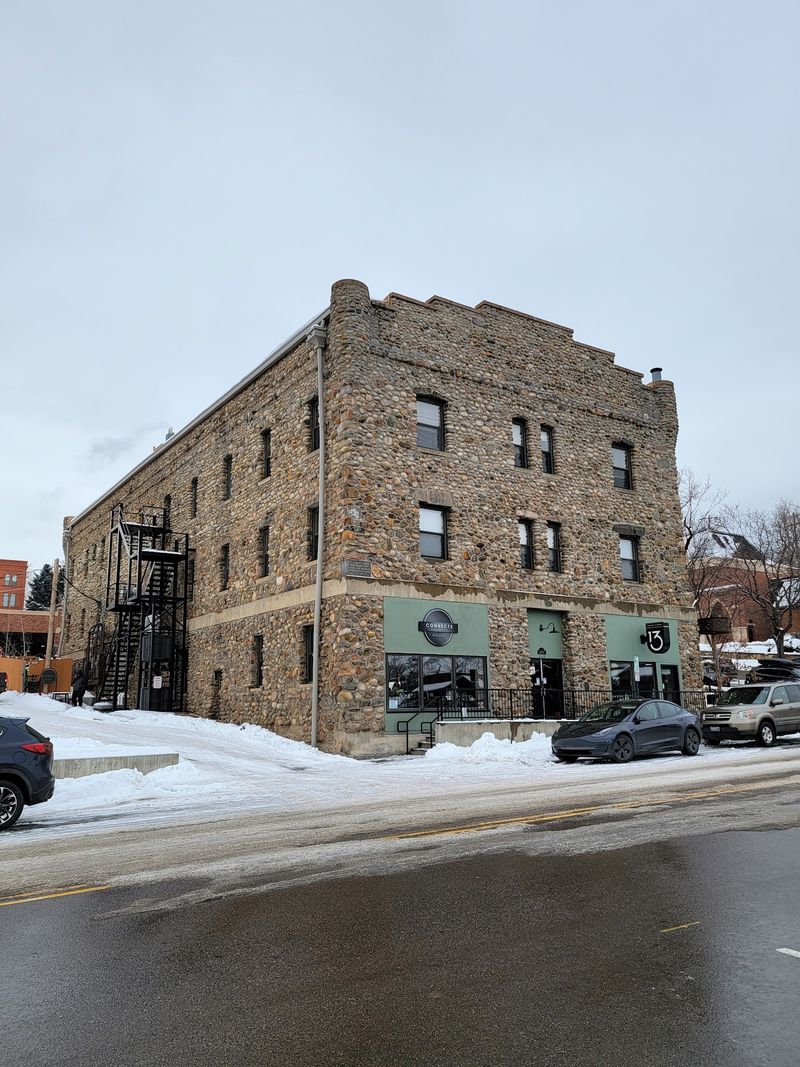
A family outing and a quiet afternoon for two rarely need the same schedule. Golden can accommodate both if you keep the plan centered on what is actually there: a walkable town, Clear Creek, and a history that gives the scenery a little more meaning.
For younger visitors, the capital story works best as a simple comparison. Ask where Colorado’s capital is now, then reveal that Golden once held the role.
A walk beside the creek can make the lesson feel less like a school assignment. Couples may prefer an unhurried look at town and its foothill setting, with no need to check off every landmark.
Solo travelers can follow whichever question interests them, whether that is early government or the landscape that drew people here.
Weekend travelers should allow enough time to do more than pass through. Golden, Colorado, rewards a pace that leaves room to look at the creek, read a historical marker when one catches your eye, and notice how present day life occupies an older town.
None of that requires pretending every building dates from the territorial period.
The useful trick is choosing one focus before you go. Pick history, a creekside walk, or both.
A smaller plan often makes a better visit than a crowded list of stops.
Keep A Golden Detour Simple
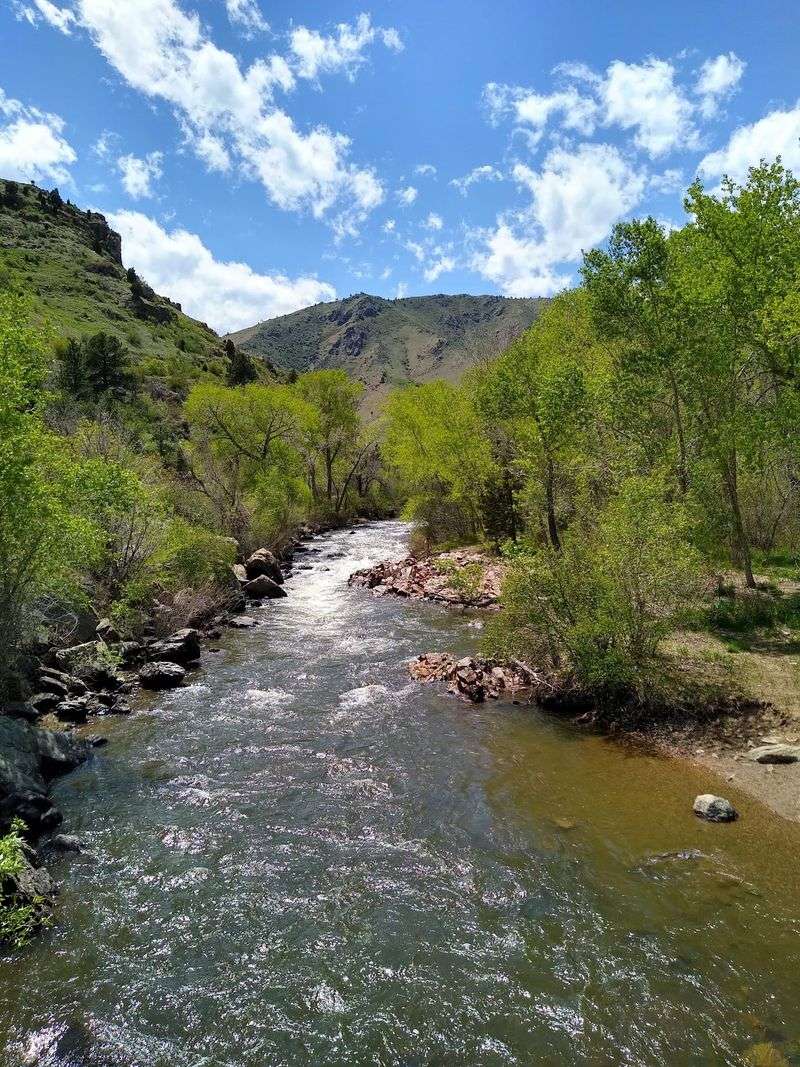
A simple Saturday detour is enough to give Golden’s old title some shape. Begin with Washington Avenue, the town’s main downtown street, then leave time for Clear Creek if walking conditions suit your group.
Those two pieces offer a manageable introduction to the community and its setting.
Before leaving home, check current visitor information for any museum or guided activity you specifically want to include. Hours, access, and programs can change.
The town itself does not require a ticket, but individual attractions may have their own schedules or charges. It is better to confirm one stop than build a whole day around a door you assumed would be open.
Keep the history question in mind as you move around: why would this have made sense as a capital in the 1860s? The canyon approach, creek, and growing settlement provide more useful clues than a rushed search for a single photograph.
Golden was a functioning town before it became a historical talking point, and it remains one now.
If you are already nearby, a short visit can still be worthwhile. Give yourself time to walk, look, and leave without a timetable that treats each block like an appointment.
Colorado’s former territorial capital is easier to appreciate when the plan has room for an ordinary afternoon.
Golden’s Old Job Changes How You See The Town
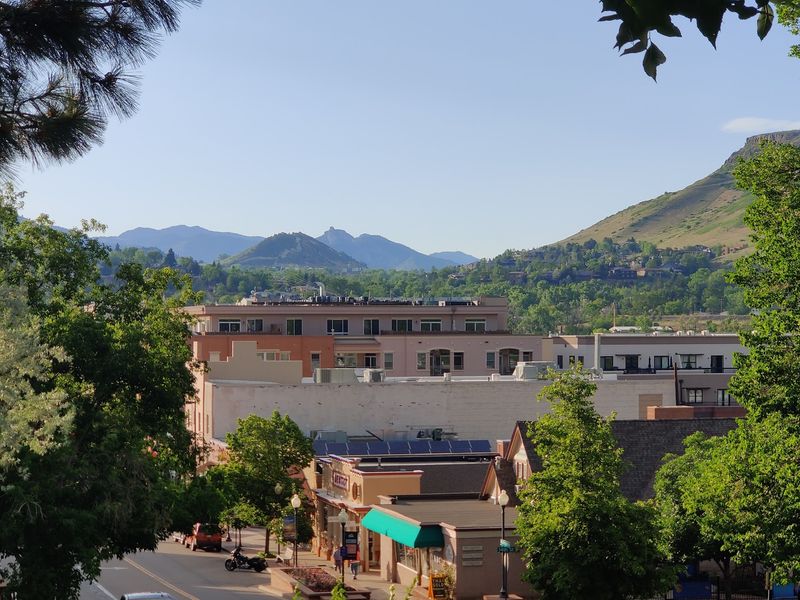
Golden’s capital years are brief enough to fit into a single sentence. Understanding why they matter takes a little longer, and that is where the town earns your attention.
Between 1862 and 1867, territorial government business happened here instead of in Denver. A place many people now connect with creek walks and foothill views once helped shape Colorado’s public life.
The story also keeps the visit grounded. Golden is not an untouched scene from the 1860s, and it does not need to be.
The creek still runs through town, the canyon approach is still part of its geography, and the Colorado School of Mines speaks to a later chapter. Together, those details show a community whose role changed as the region changed.
That makes Golden, Colorado, a satisfying stop for someone who likes history but has no interest in spending an entire day memorizing it. Walk a little.
Look at the terrain. Keep the capital dates in your pocket, then notice how much more sense the town’s location makes.
The lesson is small enough to carry home and substantial enough to make the outing feel distinct.
Denver kept the capital. Golden kept the setting that helps explain why it once had the job.
Tell a friend that part first.