
Hundreds Of Butterflies Land On Your Shoulders Inside This Scottsdale, Arizona Conservatory
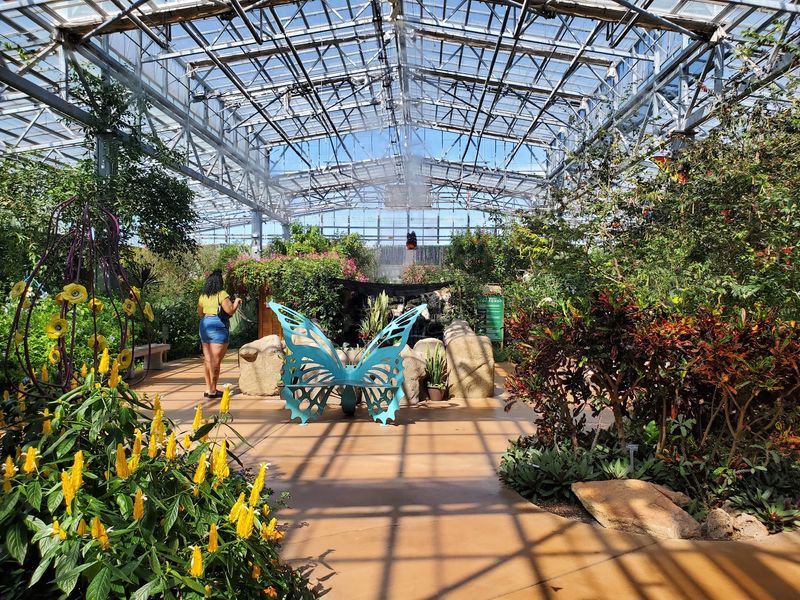
Thousands of wings, one humid room, and a desert baking just outside the doors. In Arizona, that combination adds up to one of the gentlest adventures around, where butterflies from rainforests across the globe land on visitors like old friends.
It is a cool break from summer heat, a science lesson for kids, and a quiet reset for grown-ups all at once. Here is why this tropical hideaway deserves a spot on your next day trip.
A Tropical Rainforest on the Arizona Boardwalk
Glendale families searching for this butterfly-filled getaway should set their GPS for the other side of the Valley. Butterfly Wonderland actually sits at 9500 East Vía de Ventura in Scottsdale, tucked inside the Arizona Boardwalk alongside restaurants, shops, and the OdySea Aquarium.
From the West Valley, the drive takes a little planning, but the payoff is a full tropical rainforest under glass.
At its heart, the attraction is an indoor, interactive rainforest habitat where thousands of butterflies drift freely around visitors. There is no velvet rope or thick window separating you from the wings.
You walk the same winding paths they fly over, and many of them treat your shoulders, hats, and hands as convenient resting spots.
Beyond the main atrium, the building holds a 3D theater, a chrysalis viewing gallery, reptile and amphibian displays, a small aquarium area, a bee exhibit, a cafe, and a gift shop. It works as a half-day outing on its own or as one stop in a bigger Boardwalk adventure.
Think of it as a humid little vacation parked a few steps from a lot in the Sonoran Desert. That contrast is half the fun.
America’s Largest Indoor Butterfly Conservatory
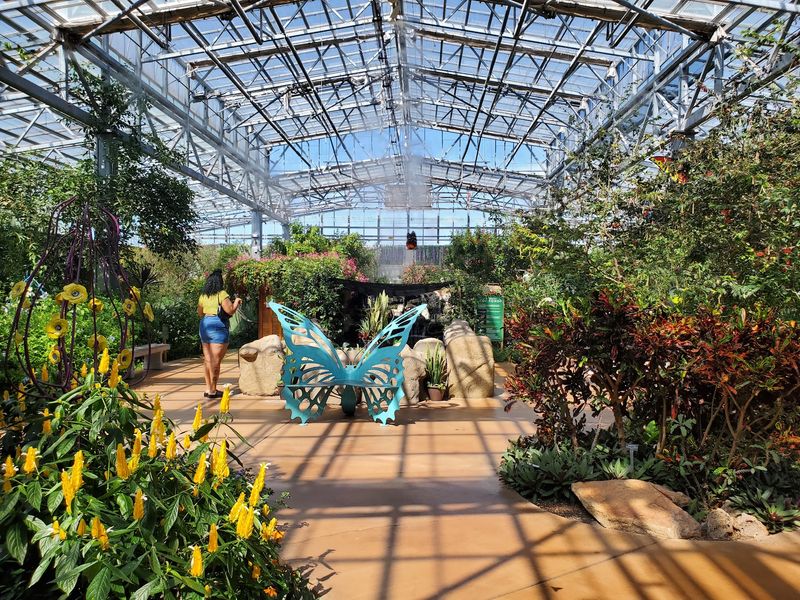
Bragging rights come easy here. Butterfly Wonderland is known as the largest indoor butterfly conservatory in America, and its glass atrium was designed to replicate the feel of a tropical rainforest right in the middle of Arizona.
Size matters for more than trivia night. Visitors who have toured smaller butterfly houses elsewhere often notice how roomy the main space feels, with enough breathing room for a good number of guests to wander without bumping elbows.
Even on busy days, the room tends to absorb the crowd and hold onto its calm mood.
The collection is just as impressive as the square footage. Up to 70 different species from rainforests around the world may be flying at once, so the colors shift constantly as you walk.
Bright blues flash past, then something striped or spotted lands on a nearby leaf.
Butterfly lovers will also find a collection of preserved specimens worth a slow look, a chance to study patterns up close without chasing a moving target. Staff members come across as knowledgeable and genuinely proud of the care they give, and that attention shows in how lively and healthy the insects appear.
A 3D Monarch Journey Before the Wings
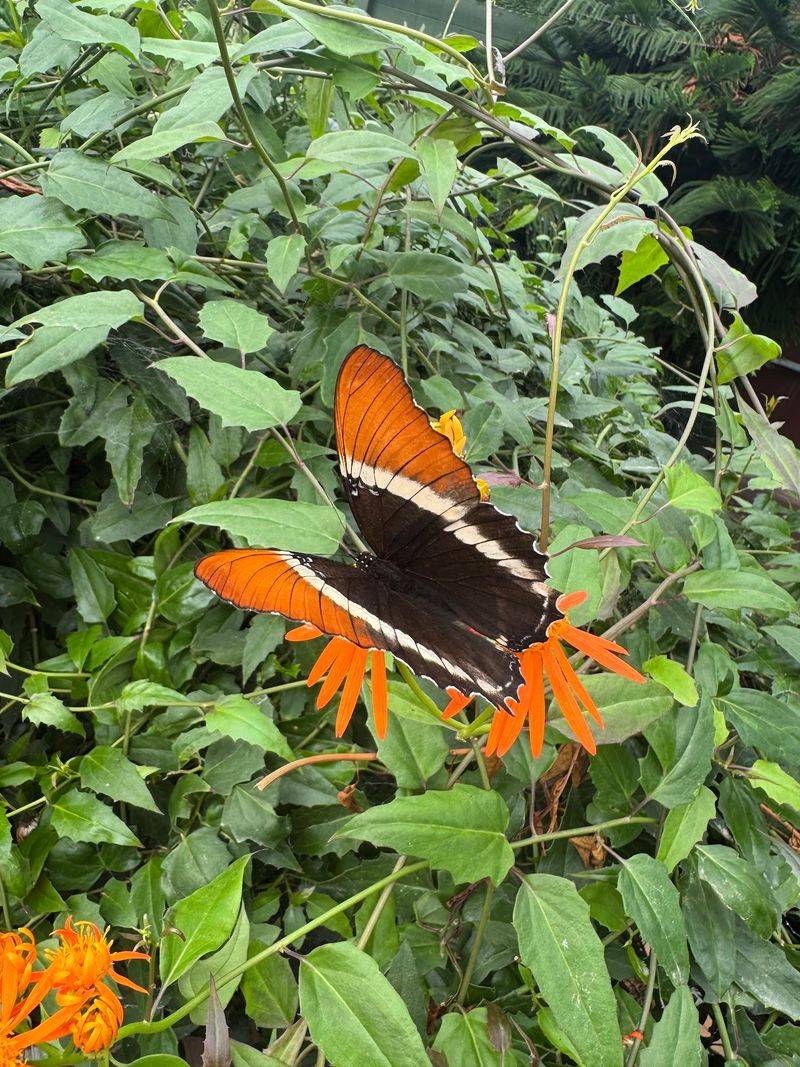
Grab a pair of 3D glasses before anything else. Every visit begins in a theater with a short film called Flight of the Butterflies, which follows the remarkable migration of monarch butterflies across North America.
Plenty of people walk in expecting a throwaway intro and walk out surprised. The 3D effects are crisp and entertaining, and the story of the monarch life cycle manages to be sweet and even a little touching.
Kids tend to lean forward as the orange wings seem to float right off the screen.
Fair warning for parents of toddlers: very young children may not want to sit still or keep the glasses on. That is completely normal, and the film is short enough that most families make it through with only minor wiggling.
The movie sets up the rest of the experience nicely. Once you understand how far a monarch can travel and how much change happens inside a chrysalis, the living butterflies in the next rooms feel far more amazing.
It turns a pretty walk into a small science lesson without ever feeling like homework.
Did you know? Monarchs are famous for long seasonal migrations, and the film shows that journey in vivid detail.
The Emergence Gallery and Its Newborn Wings
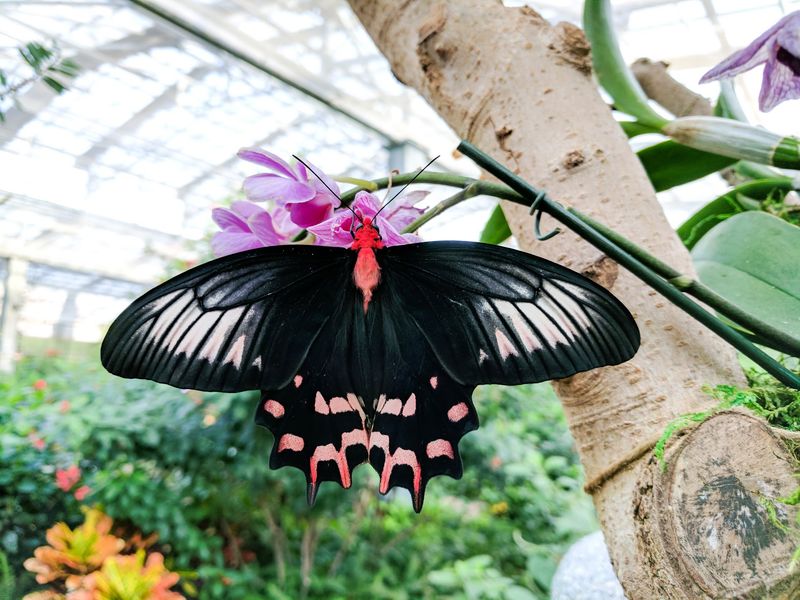
Patience gets rewarded in the Emergence Gallery. Rows of chrysalises hang on display here, and if you linger a few minutes, you may catch a butterfly pushing its way out into the world.
The room is known as the largest of its kind in the United States, and it gives an unusually close look at the transformation from chrysalis to winged adult. Some visitors have watched several butterflies emerge during a single visit, the sort of moment kids talk about for weeks.
Freshly emerged butterflies rest while their wings stretch and dry, so you can see them before they ever take their first flight.
The gallery also shows how the conservatory breeds and raises butterflies behind the scenes. It is a quiet, glass-front window into the nursery side of the operation, and it helps explain why the main atrium stays so full of life.
Take your time here instead of rushing toward the big room. The atrium is not going anywhere, and a chrysalis might be minutes away from opening.
Grandparents and curious kids often end up side by side at the glass, pointing and whispering like they are watching a slow-motion magic trick.
Winding Paths Through a Glass-Covered Jungle
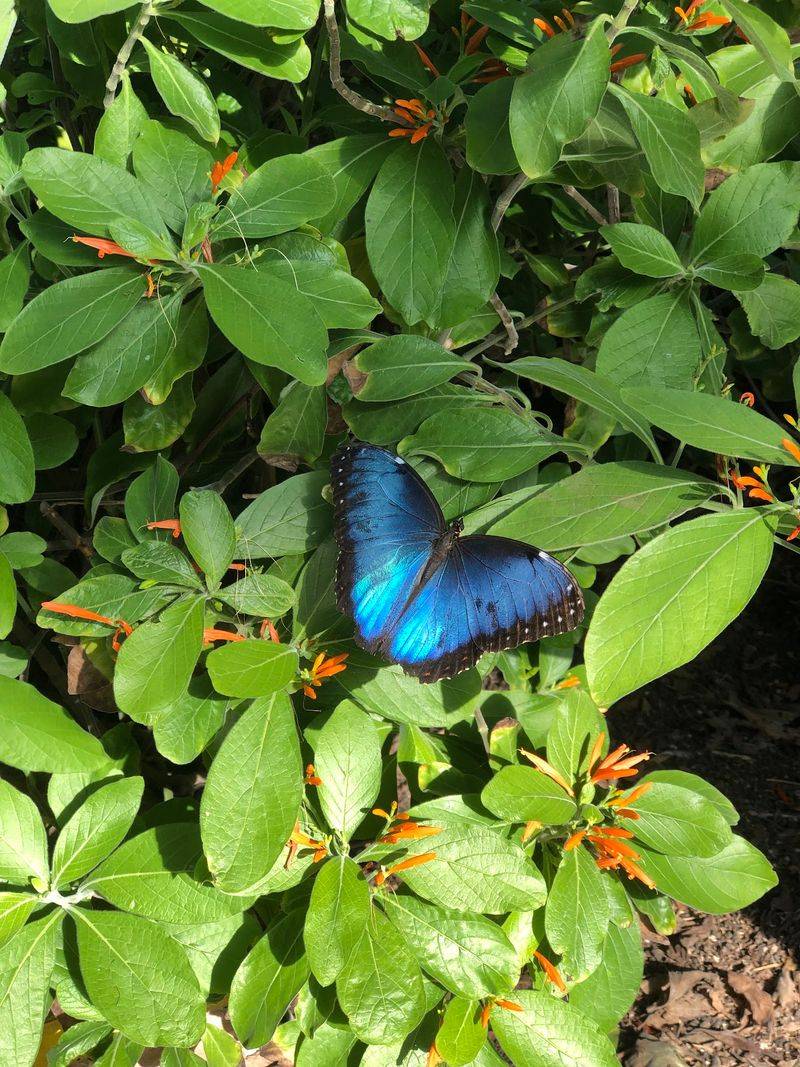
Warm, damp air greets you the moment the doors open. After the film and the chrysalis gallery, visitors finally step into the main atrium, a lush indoor garden where butterflies float in every direction.
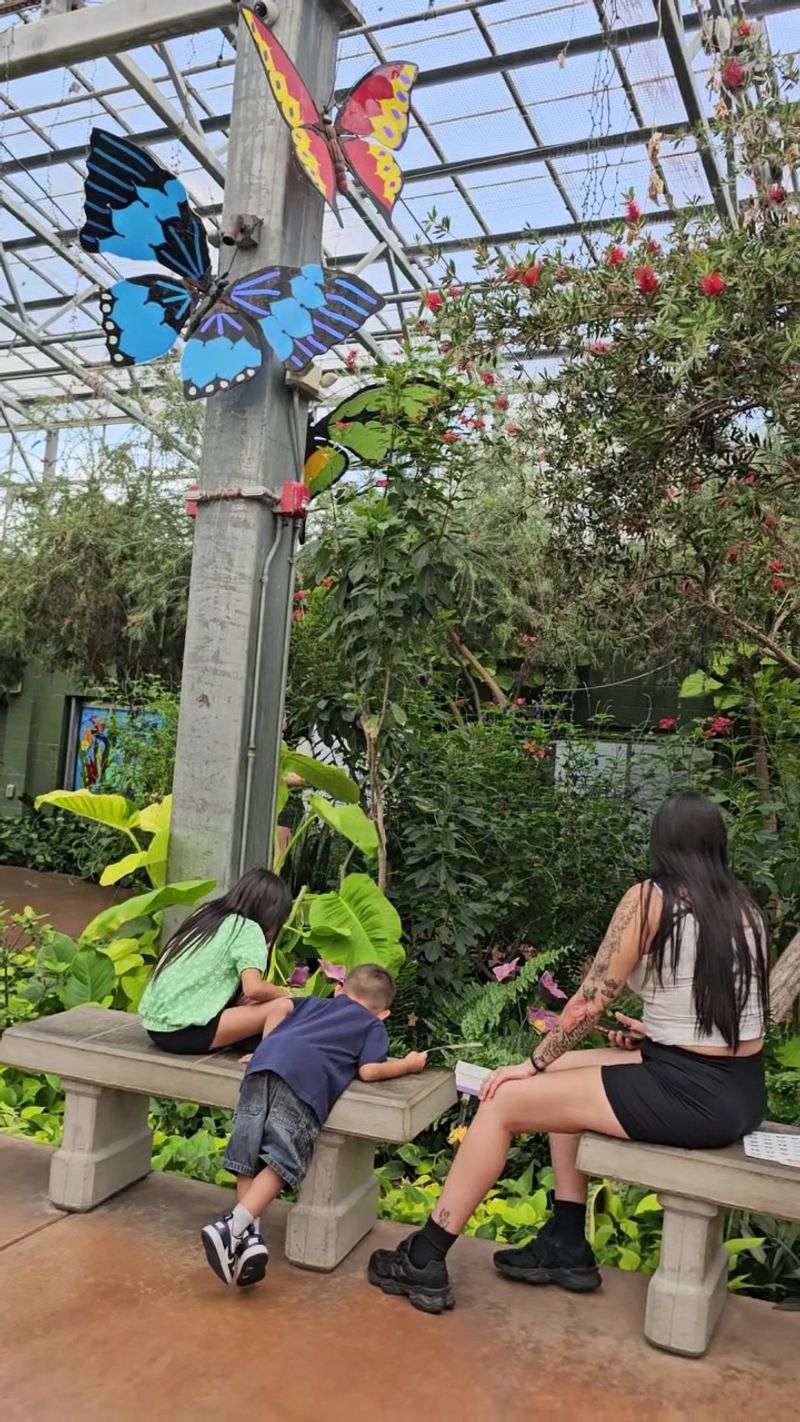
Winding paths curve through thick greenery and bright floral displays, so the view changes every few steps. Benches invite you to sit and simply watch, and many guests end up staying far longer than planned.
Some spend 45 minutes, while others lose an hour and a half snapping photos without noticing the time.
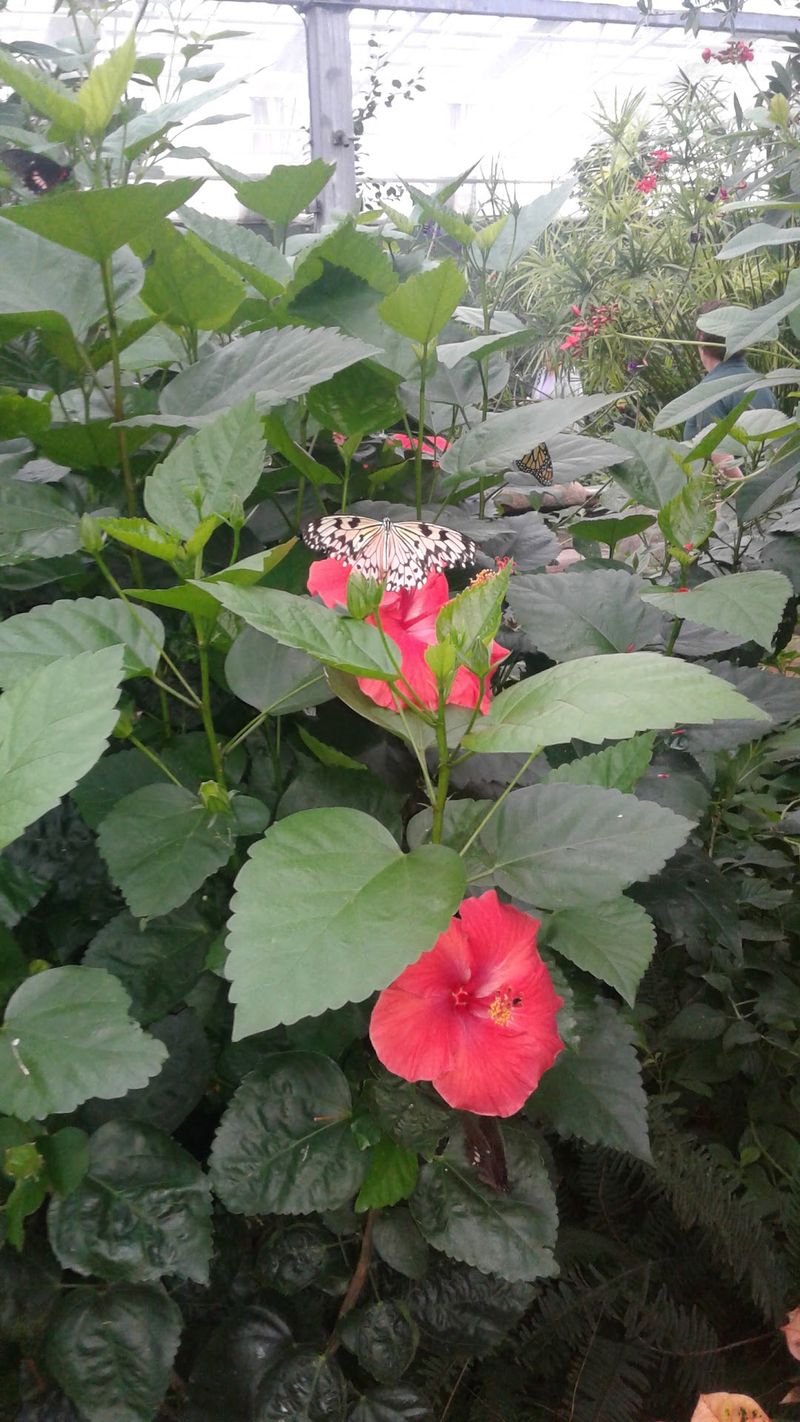
The space feels like a small, peaceful forest rather than a museum exhibit. Plants spill over the walkways, flowers offer landing pads, and wings flicker in and out of the light pouring through the glass.
What surprises people most is how calm the room stays. Even with plenty of guests inside, voices tend to soften, and the whole place settles into a relaxed hush.
A person could honestly come here just to unwind for an afternoon.
Keep your camera ready but your steps slow. Butterflies sometimes rest right on the path, and the gentlest visitors tend to get the best close-ups.
Tiny Living Confetti on Your Shoulders
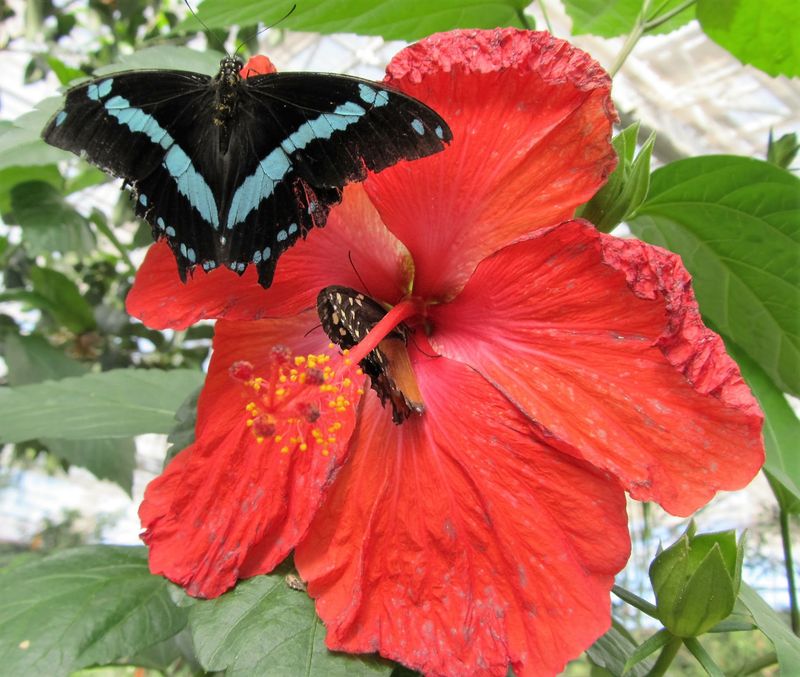
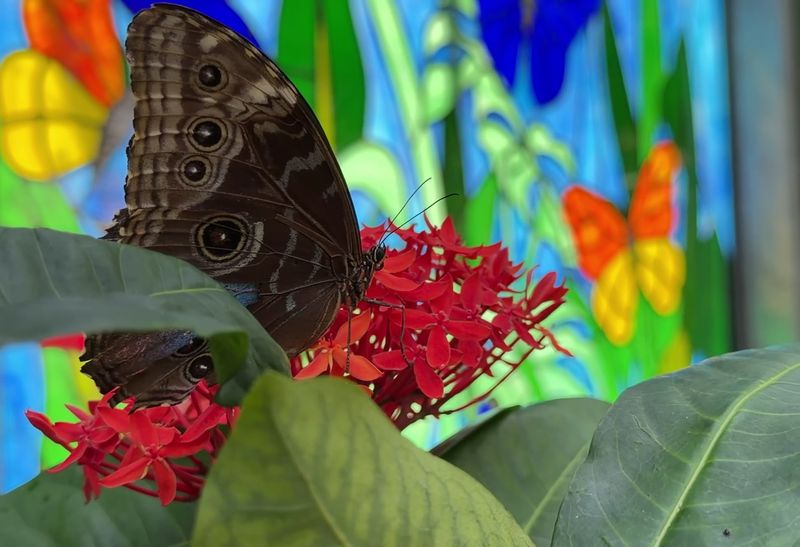
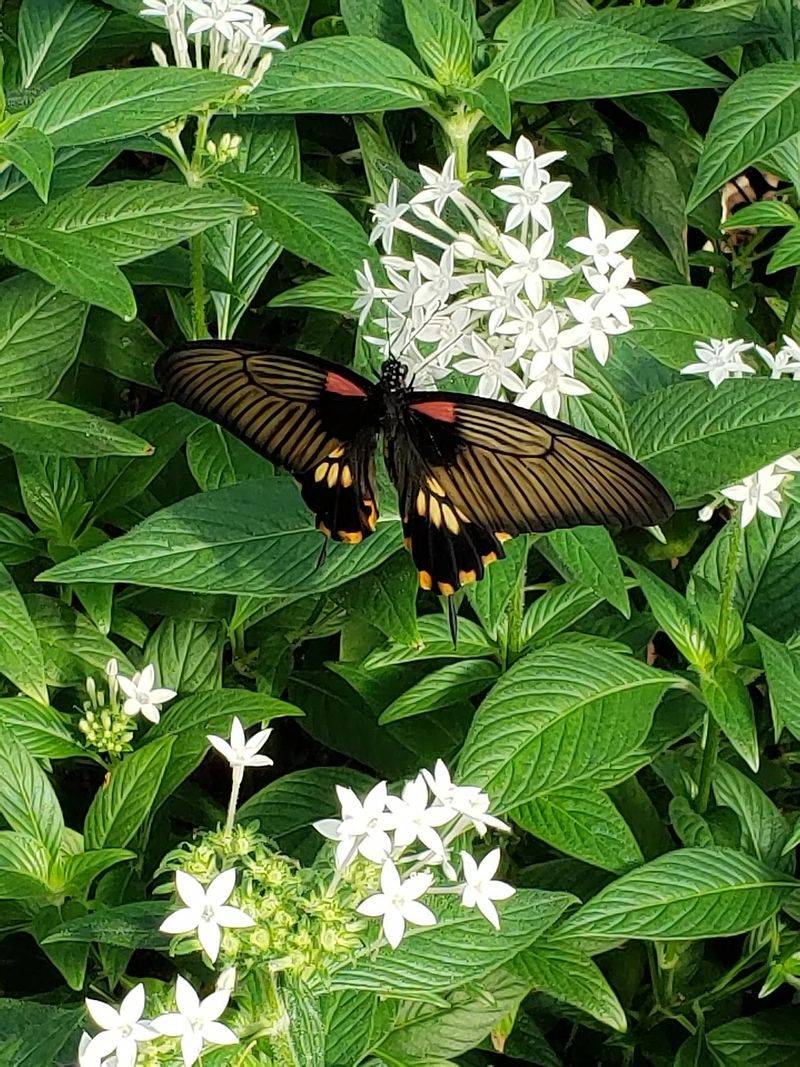
Here comes the moment everyone hopes for. Stand still long enough in the atrium and a butterfly may drift down and settle on your shoulder, sleeve, or hat as if you were just another flower.
Landings happen often, and they are the highlight for most visitors. Families describe butterflies touching down on them like tiny living confetti, sometimes again and again in one morning.
One small boy hosted a winged friend for so long that he finally decided it was time to leave and go find pizza.
Want better odds? Wearing bright, colorful clothing is a popular tip, since the butterflies seem drawn to vivid shades.
Moving slowly and keeping your hands still helps too. Couples like to joke about collecting good luck butterfly kisses, and the photos that result are some of the sweetest you will take all year.
Please resist the urge to grab or chase. Butterflies are delicate, and the magic works best when they choose you.
Let one rest on your finger, snap a quick picture, and then let it flutter off on its own schedule.
Before exiting, give your clothes a quick glance so no stowaways tag along.
The Koi Pond and a Soundtrack of Soft Music
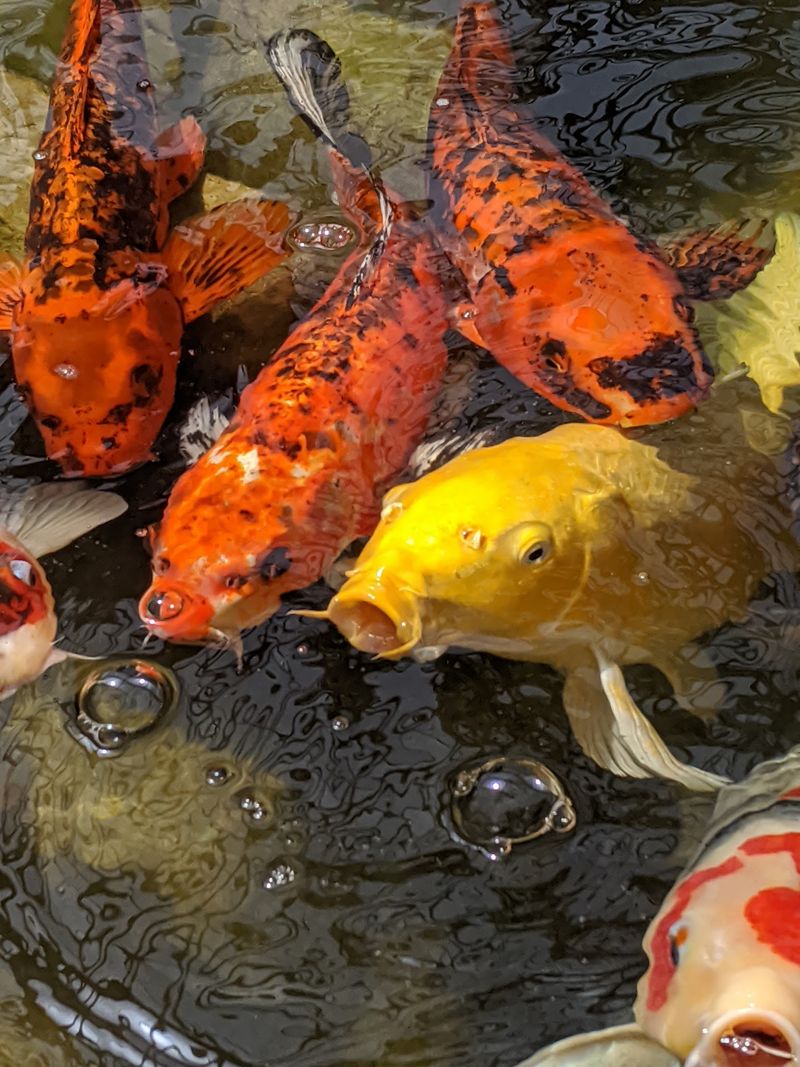
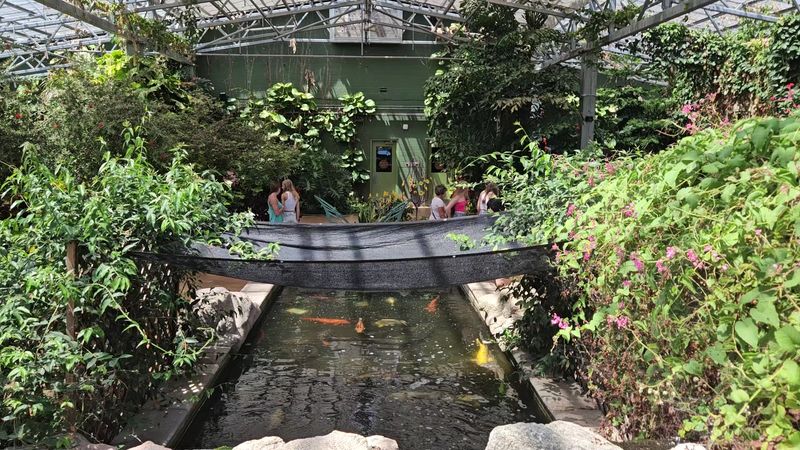
Orange and white shapes glide beneath the surface in one corner of the atrium. The koi pond is a favorite pause point, where people gather quietly along the edge to watch the fish drift lazily through the water.
It offers a different rhythm from the flurry overhead. Instead of turning your head every second to follow a flash of wings, you can settle in, lower your shoulders, and let the slow movement of the fish reset your pace.
Small children often park themselves at the water’s edge, fascinated by the swirling colors.
On some visits, a musician plays softly in the background, adding a gentle layer of sound to the rainforest setting. Combined with the water and the lush plants, the effect feels almost like a spa for your senses.
The corner is also a smart spot for photos. The pond, the greenery, and the occasional butterfly perched on a nearby leaf make a naturally pretty frame, no filters required.
If your group needs a breather after the excitement of butterfly landings, head here first. Five quiet minutes beside the koi can turn a busy outing into a genuinely restful one.
Scales, Croaks, and Buzzing Pollinators
Not everything at the conservatory has delicate wings. The Rainforest Reptile Exhibit introduces lizards, frogs, and other creatures that share rainforest habitats with butterflies, turning the visit into a small indoor zoo.
Many guests are surprised by how much fun these smaller exhibits turn out to be. Insects, amphibians, and reptiles fill a series of displays, and kids enjoy hunting for each animal behind the glass.
Some residents are masters of camouflage, so a few enclosures can look empty at first. Give each one a patient second look before moving on.
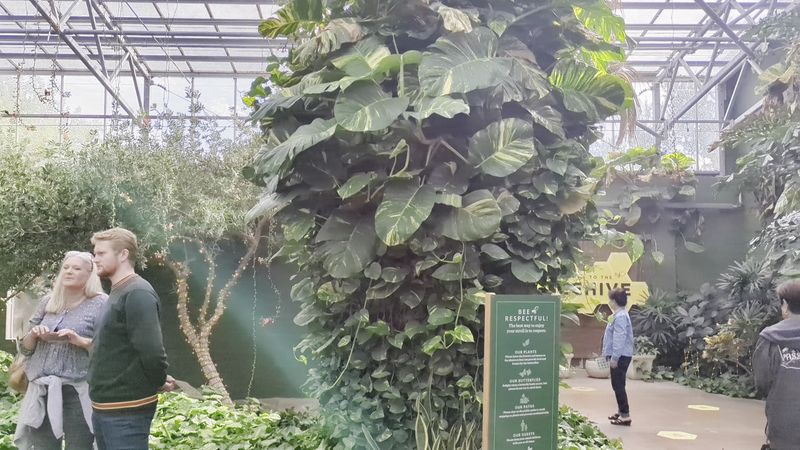
The Bee Exhibit offers a peek at the work of pollinators. It is on the modest side, and some visitors find it less exciting than the rest of the building, but it still adds an educational layer for young learners curious about how flowers and insects rely on each other.
These rooms serve a practical purpose too. The atrium is warm and humid, and ducking into the cooler reptile and fish areas between butterfly sessions can be a welcome break.
Plenty of visitors bounce back and forth, cooling off in one space before returning for another round of fluttering company.
Princess the Stingray and the Tropical Waters Tanks
Meet the unofficial star of the side exhibits: a very playful stingray named Princess. She has a knack for stealing the show, gliding around her tank and charming anyone who stops to watch.
The aquatic area, known as Tropical Waters, holds a collection of fish tanks that add a splash of ocean color to the visit. Yellow tangs and clownfish are among the residents, and the tanks make a nice contrast to the leafy atrium.
Families not planning a full aquarium trip appreciate getting a little underwater viewing included in the same ticket.
Occasionally, one tank may show some green algae on the glass. According to the aquarist team, that growth actually benefits the animals, serving as a food source for the yellow tangs and giving clownfish a cozy place to hide and play.
Kids especially love spotting clownfish darting in and out of their hiding spots.
For a bigger marine adventure, the OdySea Aquarium sits right next door on the Boardwalk. It has two levels and hands-on encounters with sea creatures, making it an easy add-on for anyone hoping to turn the outing into a full day.
A Humid Hideaway From the Desert Heat
Arizona summers can make any outdoor plan feel like a dare. That is exactly why so many locals treat this conservatory as a go-to escape, a place to trade blazing sidewalks for steamy rainforest air.
The atrium stays plenty humid to keep the butterflies happy and active. For people used to the dry desert climate, that moisture can feel like a treat for your skin, or it can feel a little heavy after a while.
Dress in light, breathable layers, and remember that the cooler reptile and aquarium rooms are right there when you need a reset.
Some visitors actually come looking for the humidity on purpose. After months of cracked lips and parched air, a stroll through a damp green jungle feels almost therapeutic.
Because everything happens indoors, the experience works in any season. Families use it to fill long summer afternoons, while winter visitors pair it with other Boardwalk attractions on a mild day.
Wind, dust, or triple-digit heat, the butterflies keep flying.
Quick heads-up: eyeglasses and camera lenses may fog briefly when you first step inside. Give them a minute to adjust before you start snapping photos.
Company for Every Age, From Toddlers to Great-Grandparents
Few outings can please a four-year-old and a great-grandmother at the same time. Here, it happens all the time, and families regularly bring several generations along for a shared morning of wonder.
Kids love the hands-on thrill of butterflies landing on them, the 3D movie, and the hunt for hidden reptiles. Older visitors tend to savor the slower moments, like resting on a bench in the atrium or watching a chrysalis open.
Animal lovers of any age find plenty to study, and photographers can spend ages chasing the perfect wing shot.
Accessibility is a real strength. The facility is fully wheelchair accessible, and the paths suit a wide range of abilities.
The conservatory is also a Certified Autism Center and a designated Pal Place, with sensory bags available for guests who benefit from extra support.
Couples looking for a calm date, solo visitors craving quiet, and retirees seeking an easy, meaningful outing all fit right in. Some local families even buy passes and return often, with little ones asking to go back week after week.
If your crew includes different energy levels, this is a rare spot where everyone can move at their own pace.
Tickets, Hours, and Smart Timing
Doors open at 9 a.m. and close at 5 p.m. every day of the week, with last entry at 4 p.m. That schedule makes it easy to fit a visit into a weekday morning or a relaxed weekend afternoon.
Prices can change, so check current rates before you go. As a recent reference point, one adult ticket ran about $33.95, including the 3D movie and unlimited time with the animals.
A family of two adults and one child may spend over $100, while children under 2 get in free.
Several ticket options exist, and multi-attraction packages sold online can stretch your dollar. If you plan to return more than once, an annual pass may offer excellent value, and local families who visit often feel it pays for itself quickly.
Watch out for a couple of extras. Entry photos taken by staff come with a steep price tag, around $24 for a digital copy, so skip them or budget ahead.
Crowds build on weekends, especially Saturdays. Arriving early or visiting on a weekday afternoon often means more room to roam and better chances for landings.
Parking at the Arizona Boardwalk is free.
The Case for Making the Drive
So, is it worth the trip across the Valley? For most people who love nature, color, and a little everyday magic, the answer leans strongly toward yes.
Tickets may look steep at first glance, yet many visitors walk out feeling the experience delivered more than expected. A single admission covers a 3D film, a chrysalis nursery, a sprawling tropical atrium, and a string of side exhibits filled with reptiles, fish, and insects.
Add in unlimited time, and the value becomes clearer.
A few small trade-offs are good to know. Restrooms sit only in the lobby area, food options at the cafe are limited, and the gift shop, though stocked with fun t-shirts, stuffed animals, and toys, leans on the costly side.
A penny pressing machine near the restrooms makes a cheap souvenir for kids.
What lingers afterward is the feeling of standing still while wings brush your shoulders and a koi drifts by below. It is peaceful, surprising, and gently joyful, even with a crowd.
Wear something bright, arrive early, and bring someone who would love it. Then let the butterflies decide who gets the first landing.