
An Easy Washington Hike Ends At Ancient Rock Paintings Left On Canyon Walls
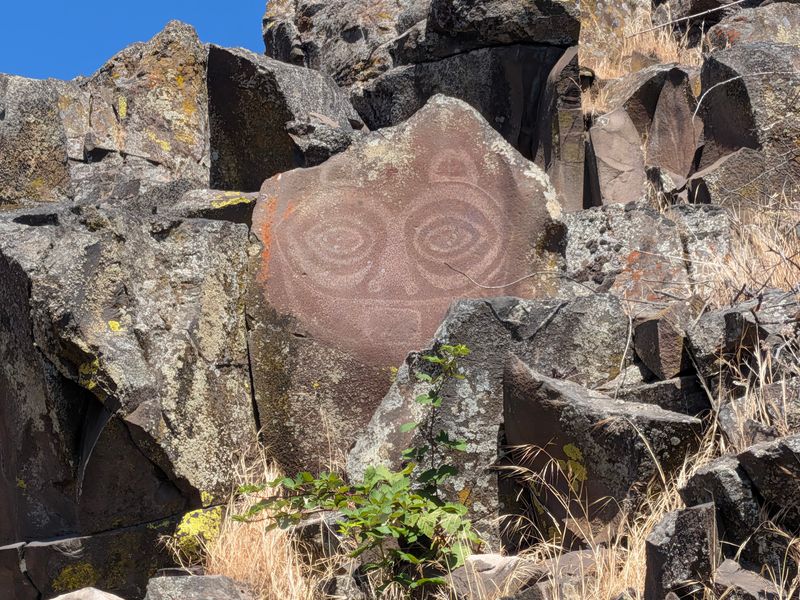
Carved faces and painted figures have been gazing out over the Columbia River for hundreds of years, and some of them sit just a short, flat stroll from a lakeside campsite. That surprise waits in a dry, windswept corner of Washington where most drivers never think to slow down.
The walk is gentle enough for kids and grandparents, the parking pass costs little, and the payoff feels like stepping inside a very old story. Here is what to know before you pack the car.
A Riverside Park Along State Route 14
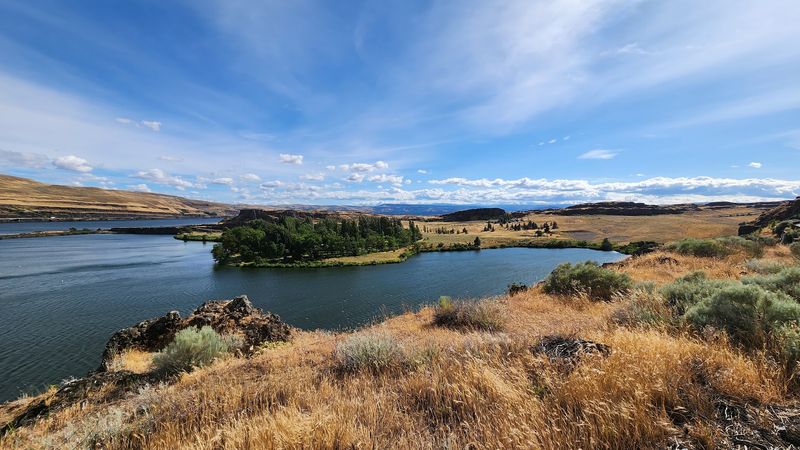
Drive east along State Route 14 through the Columbia River Gorge and the scenery shifts fast. Mossy green hills give way to open grassland, basalt cliffs, and a huge sky.
Columbia Hills Historical State Park sits right in that change, at 85 WA-14 near the small town of Lyle.
Think of the park as several places sharing one name. Horsethief Lake and its campground rest between the river and the highway, while the petroglyph area lies close by, next to a small boat ramp into the Columbia.
Farther up a gravel road, the Crawford Oaks trailhead, the Ranch area, and Stacker Butte open onto miles of rolling country.
Each section has its own parking, so you can choose your adventure. Some travelers stop for ten minutes to see the rock art on the way somewhere else.
Others turn it into a full weekend of fishing, hiking, picnicking, and camping.
First-timers sometimes feel a bit puzzled at the entrance, since signs mention both the state park and the lake. Both names point to the same spot, so keep rolling in and follow the gravel road toward the campground or the rock art.
Sacred Stone and the Four Tribes Who Protect It
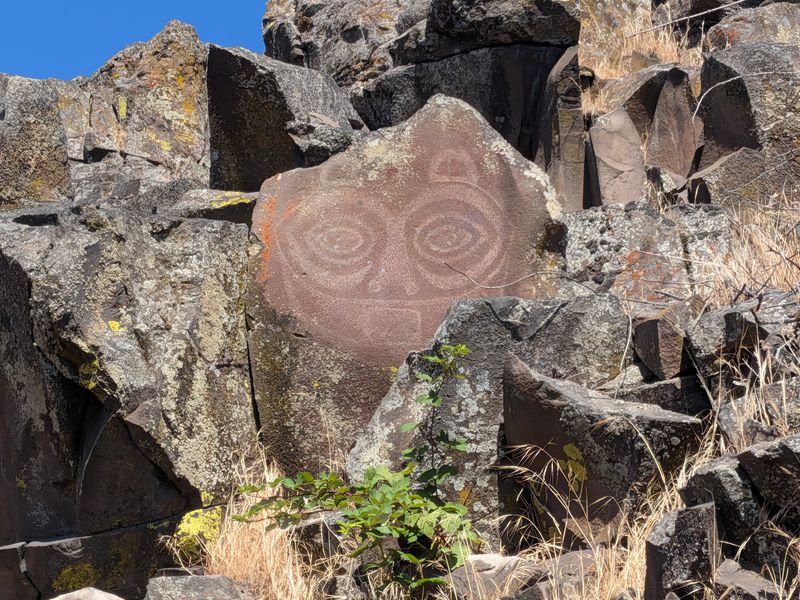
Long before campers and kayaks showed up, this stretch of the Columbia was a place where Native peoples lived, fished, and gathered along the river. The images they left on basalt are hundreds of years old.
To the tribes tied to this land, they remain sacred.
Keeping that legacy safe has taken real effort. Some pictographs were damaged by people who scratched in their own marks, and that careless vandalism led the tribes to close off the most delicate areas.
Guided tours came back only after the park received permission from four different tribes, which makes every visit feel like a privilege rather than a given.
Many visitors walk away feeling thankful to the Native American communities who pushed to keep these carvings open to the public at all. Standing in front of them, the weight of time is hard to miss.
Faces, animals, and symbols look back from the rock, carrying meanings that belong first to the people whose ancestors made them.
So bring curiosity and plenty of respect. Stay on marked paths, keep fingers off the stone, and leave the art exactly as you found it for the next family who comes along.
The Short, Gentle Walk to the Petroglyphs
Good news for anyone traveling with little legs or creaky knees. Reaching the rock art here does not require a steep climb, a long trek, or special gear.
Campers at Horsethief Lake can simply walk over from their sites, and day visitors can park closer to the petroglyphs near the boat ramp.
You may even spot a few carvings right from the car window. Still, getting out and strolling the path is the real treat.
Interpretive signs along the way help explain what you are seeing, turning a quick look into a friendly little history lesson.
That easy access is exactly why so many visitors call the petroglyphs a bonus on top of everything else the park offers. You can wander this public area on your own, no reservation needed.
Kids may enjoy turning it into a quiet game of spotting faces and shapes in the stone.
Plan on a slow pace rather than a workout. Pause often, read the signs, and look closely, because details show up the longer you stand still.
Early mornings or cooler evenings can feel especially pleasant, since summer afternoons in this part of Washington often get very hot.
She Who Watches and the Weekend Morning Tour
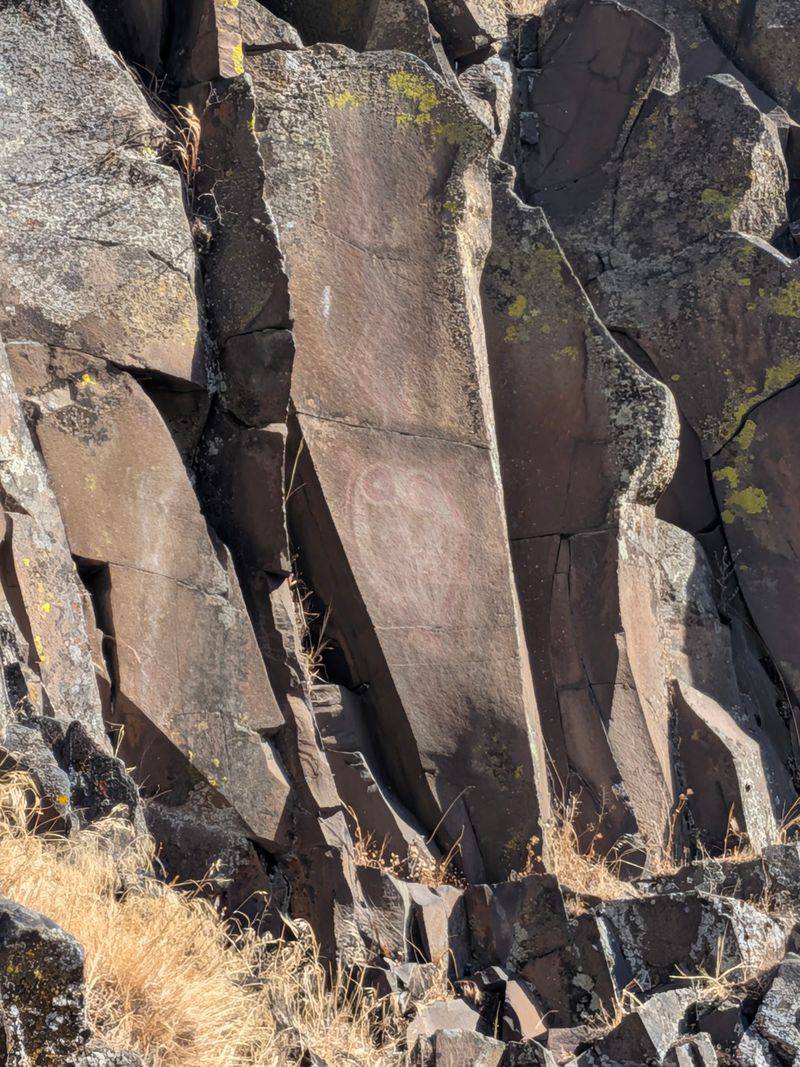
Big round eyes stare down from the canyon wall, and once you meet her gaze, the name makes perfect sense. She Who Watches, known in local tradition as Tsagaglalal, is the most famous image at the park.
Seeing her in person takes a little planning.
Access comes only through a guided walking tour. Tours have been offered on weekend mornings at 9 a.m., and you need a reservation before you arrive.
Visitors who skip that step find the area closed, though other parts of the park stay open for a shorter stop.
Those who make it rave about the experience. The volunteer guides are known for being warm, patient, and deeply knowledgeable, sharing stories that bring the pictographs and petroglyphs to life.
Some travelers have come from across the country just for this walk, and they leave saying it was well worth the trip.
Expect a relaxed pace with plenty of stops to look and listen. Wear sturdy shoes, bring water, and dress for wind.
Most of all, arrive ready to learn, because the stories you hear on this tour tend to stick with you long after the drive home.
Horsethief Lake for Paddling, Fishing, and Swimming
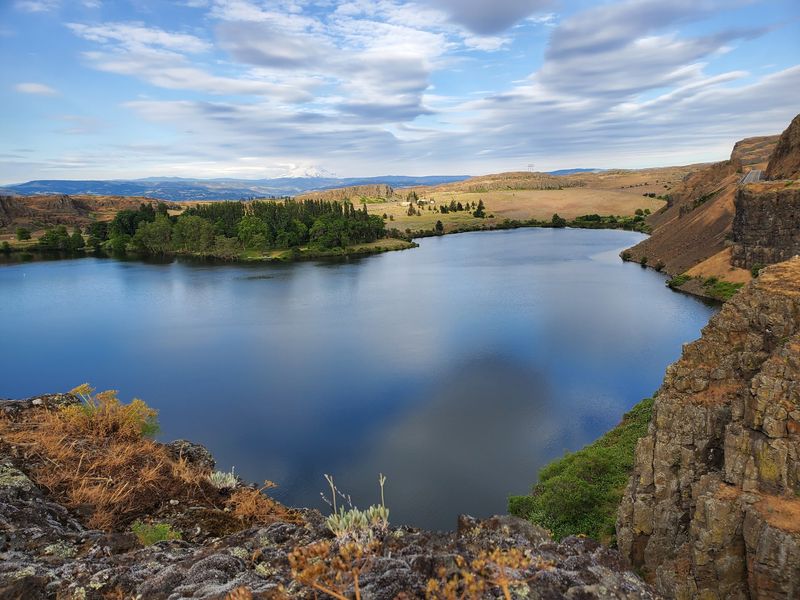
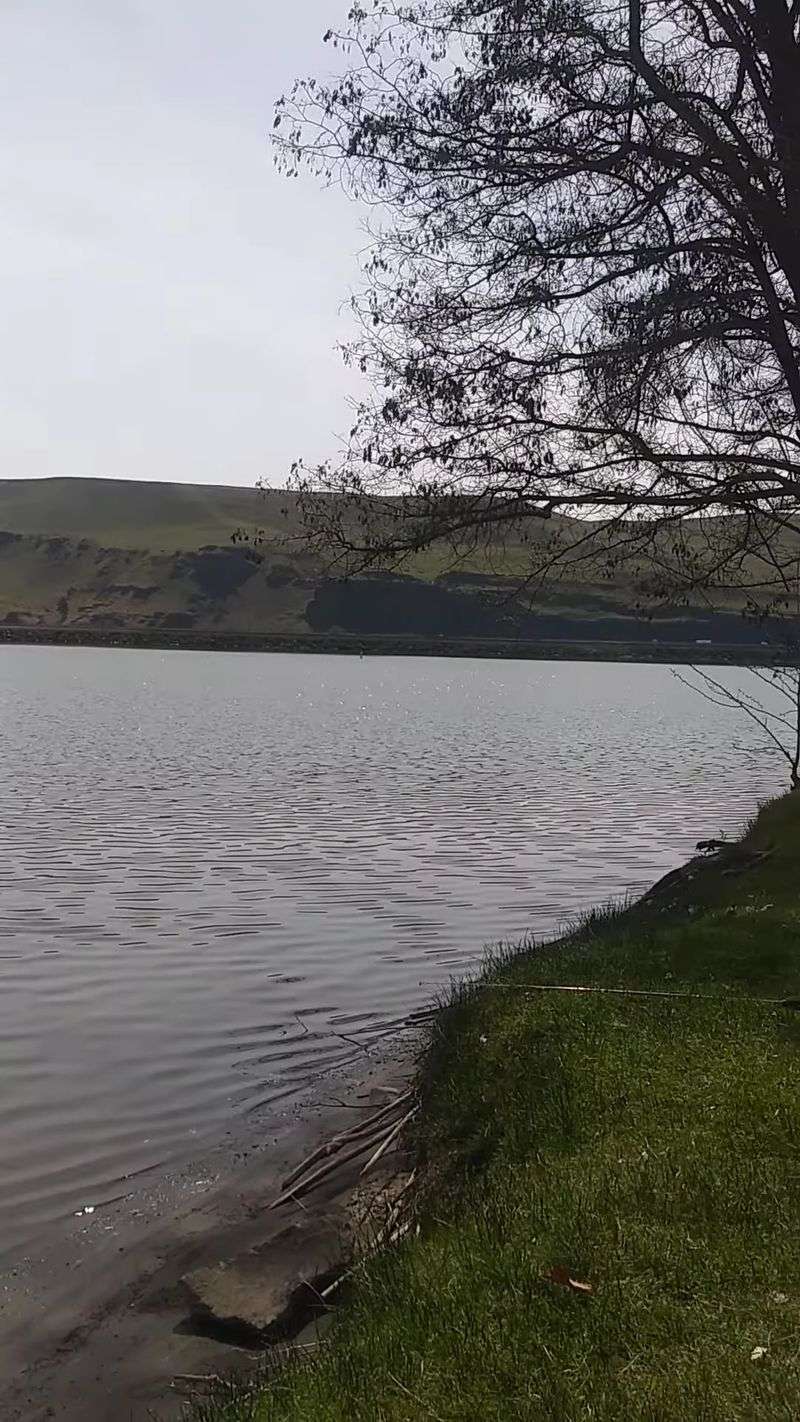
Calm water in the middle of a windy gorge feels almost like a secret. Horsethief Lake gives families a place to cool off, cast a line, or glide around in a kayak while the Columbia River rolls by nearby.
Anglers show up regularly, and some report getting bites along the shore. Swimming is popular on hot days, and parents have happily splashed around with young kids here.
The water is usually calm, which suits beginners in a canoe or kayak just fine.
No boat? A small number of kayak rentals has been available, so check with the camp host about details and availability.
Water access is easy from the grassy areas, and the lawn tends to stay green and well kept. One heads-up: some visitors notice algae at times, so take a peek before jumping in.
For a slower pace, a small walking trail loops around the lake and delivers pretty views of the cliffs and water. It is not designed for wheelchairs, so plan accordingly.
Shade trees near the shore make a nice spot for a packed lunch, especially on those afternoons when the thermometer creeps well past 85 degrees.
Campsites, Showers, and RV Basics
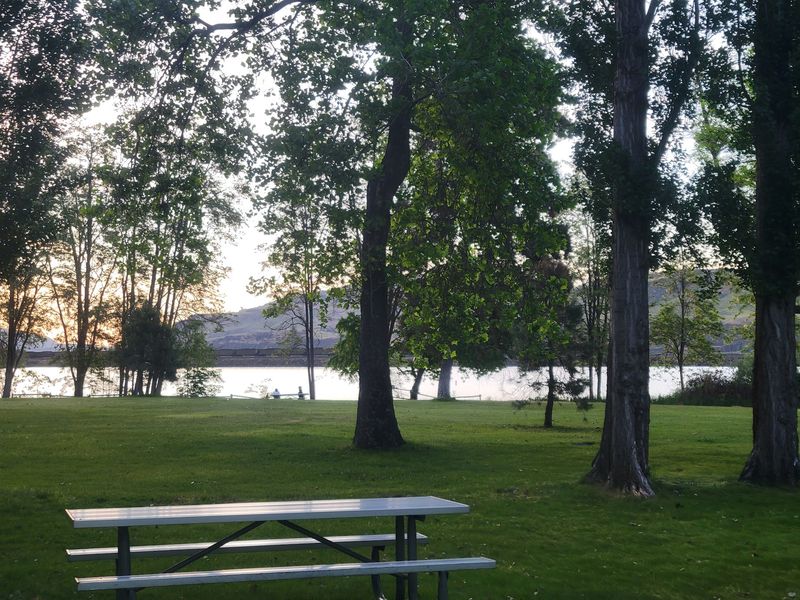
Clean bathrooms can make or break a camping trip, and this campground earns steady praise on that front. Restrooms are well maintained, and showers are available, with some visitors noting free showers and others finding indoor stalls that take quarters.
RV campers should know the setup before booking. Sites offer electric and water hookups but no sewer connections, though a dump station is on hand.
There are only around ten RV spots, which keeps the place feeling small and friendly.
Tent sites are available too. Spaces sit fairly close together, and tree cover is sparse in places, although the trees that do grow offer welcome shade on scorching days.
Reserved sites are marked, and an overflow area exists when things fill up.
Many travelers find this a peaceful, budget-friendly base for exploring the gorge. When sites are open, availability can be good, but popular seasons fill fast, so booking ahead is smart.
Bring earplugs, extra layers, and stakes that hold well in wind. With those basics covered, you can enjoy lake views by day, starry skies by night, and a short walk to ancient rock art whenever the mood strikes.
Camp Hosts Who Feel Like Old Friends
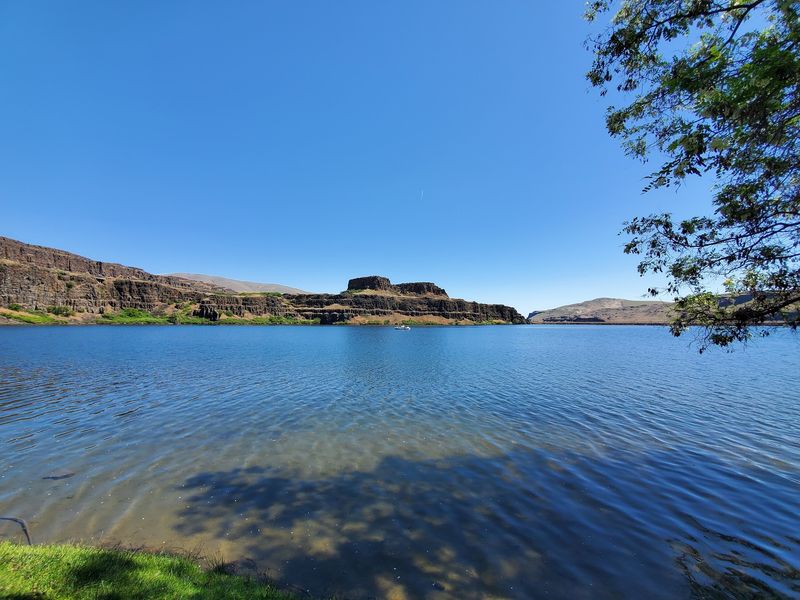
Ask returning campers what they remember most, and the answer is often the people rather than the scenery. The hosts at Horsethief Lake have built a reputation for warmth, helpfulness, and genuine care.
Travelers describe them as friendly, knowledgeable about the area, and constantly busy keeping things running smoothly. One comparison sums it up nicely: like great servers at a fancy dinner, they stay out of the way but appear right when you need them.
Children in particular seem to adore them.
Small kindnesses add up here. Some guests have even received free firewood, a gesture they had never experienced at any other campground.
That kind of welcome makes a short stay feel a lot like coming home.
Hosts are also your go-to source for practical questions. They can explain kayak rentals, help with site details, and suggest nearby hikes.
Because wind blows through the gorge almost constantly, they also help manage campfire smoke so it does not drift over neighbors. Being a thoughtful camper makes their job easier, so keep fires small, follow their guidance, and you will likely leave with a new favorite pair of faces to wave at next time.
Balsamroot and Lupine Season
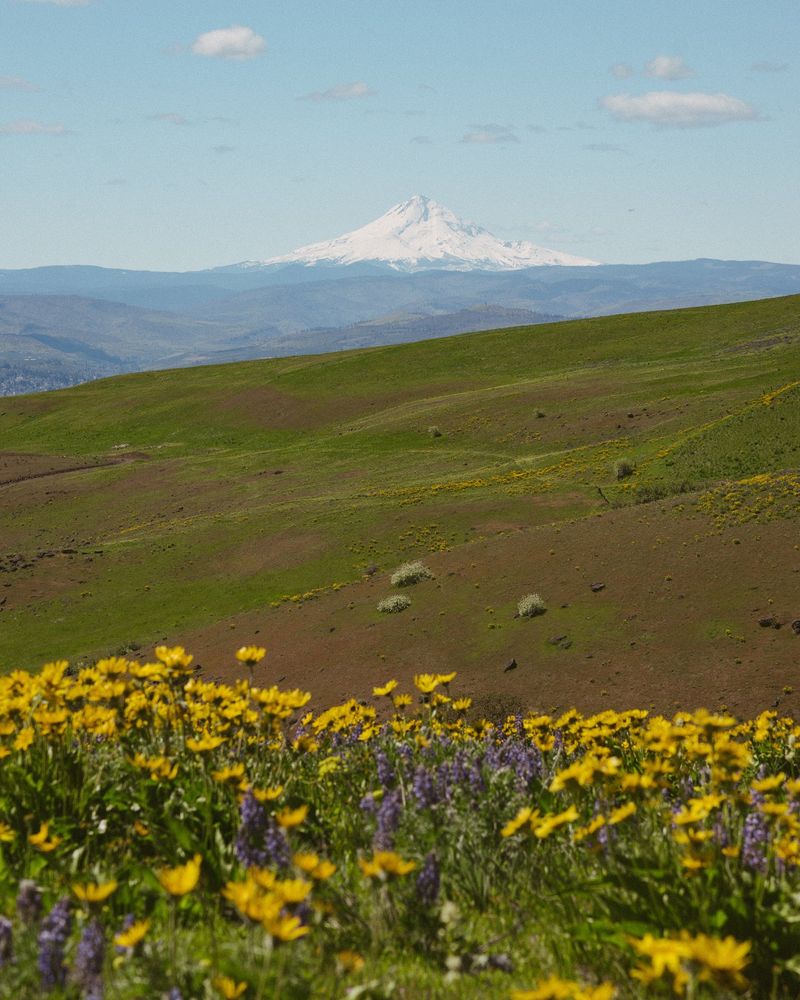
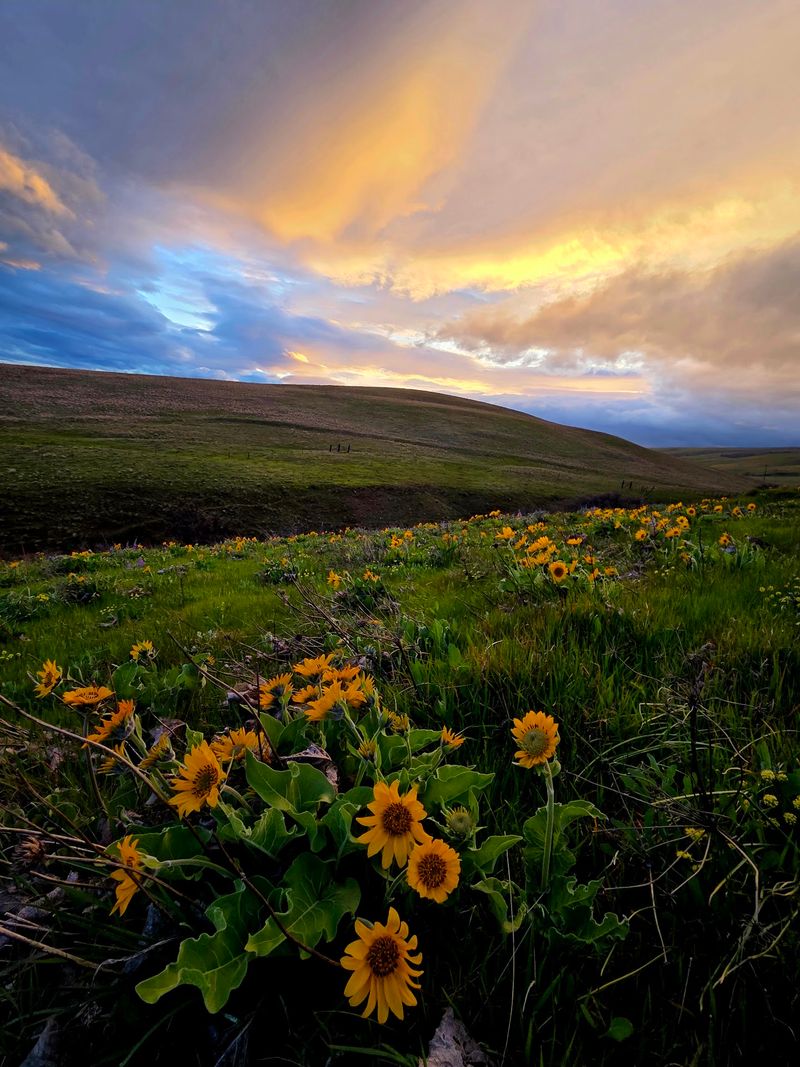
Yellow and purple spill across the hills every spring, and for a few weeks the dry plateau looks like a painted quilt. Wildflower season is one of the biggest reasons people head to the Columbia Hills.
Arrowleaf balsamroot brings sunny yellow blooms, while blue lupine adds cool splashes of color between them. Hikers describe meadows completely blanketed with flowers, stretching as far as the eye can see.
It is the kind of scene that makes even casual walkers stop and pull out their phones.
Timing matters, though. Blooms vary from year to year, and a wet spring tends to bring the desert fully to life with a bounty of plateau flowers.
Some years the peak arrives earlier than usual, so a visitor showing up on a normal schedule might catch only the tail end.
April is often a lovely time to visit, but watching recent updates from the park before driving out can help. Weekdays feel especially calm on the trails.
Bring a light jacket, since mornings can start cool before warming up. Stick to paths so fragile plants survive for next season, and consider packing a picnic to enjoy among the color.
Crawford Oaks Trailhead and the Vista Loop
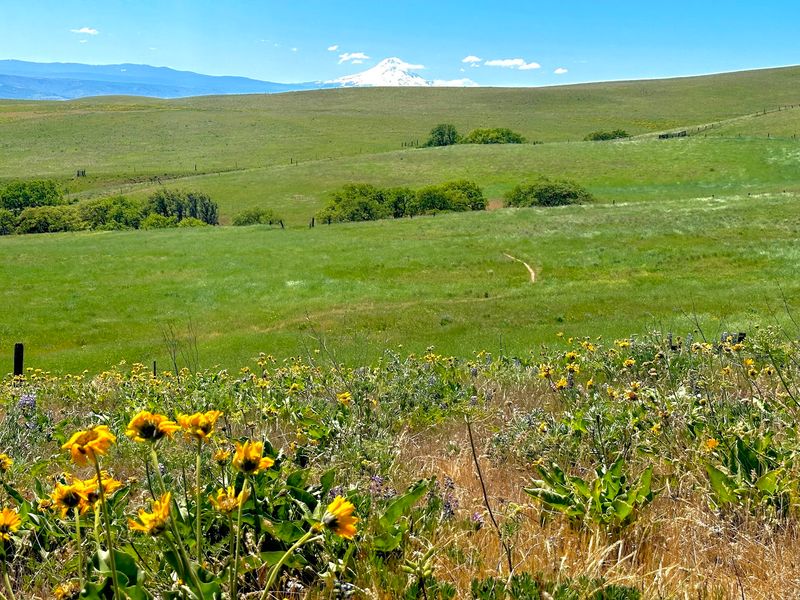
Six miles of big views, a handful of picnic tables, and barely any crowds. That combination makes the Vista Loop a favorite for hikers who want more than a quick stroll.
The newer Crawford Oaks trailhead has plenty of parking, including one accessible spot, plus a restroom and a trash can. A Discover Pass can be purchased on site, which is handy if you forget to buy one ahead of time.
Picnic tables were added for wildflower season, so lunch before or after the walk is easy.
The Vista Loop runs a little over six miles and offers wide views in every direction. Hikers often extend the day by linking Mountain Ranch Road to Eight Mile Creek, passing creek views and a few information plaques along the way.
The trails are known for being well maintained.
Solitude comes as a bonus. Few people and lots of open land can make this area feel wonderfully empty.
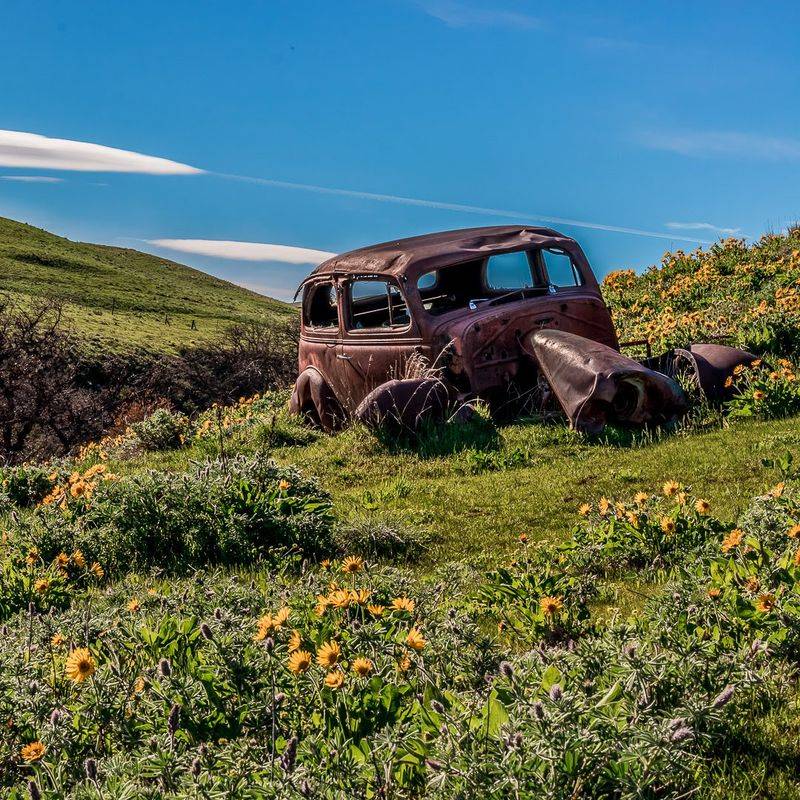
Nearby, old ranch and farming equipment adds a touch of pioneer history. Hikers have noted that some map apps send drivers the wrong way, so continue past the ranch and past the pond to reach the parking area.
Stacker Butte Views Across to Oregon
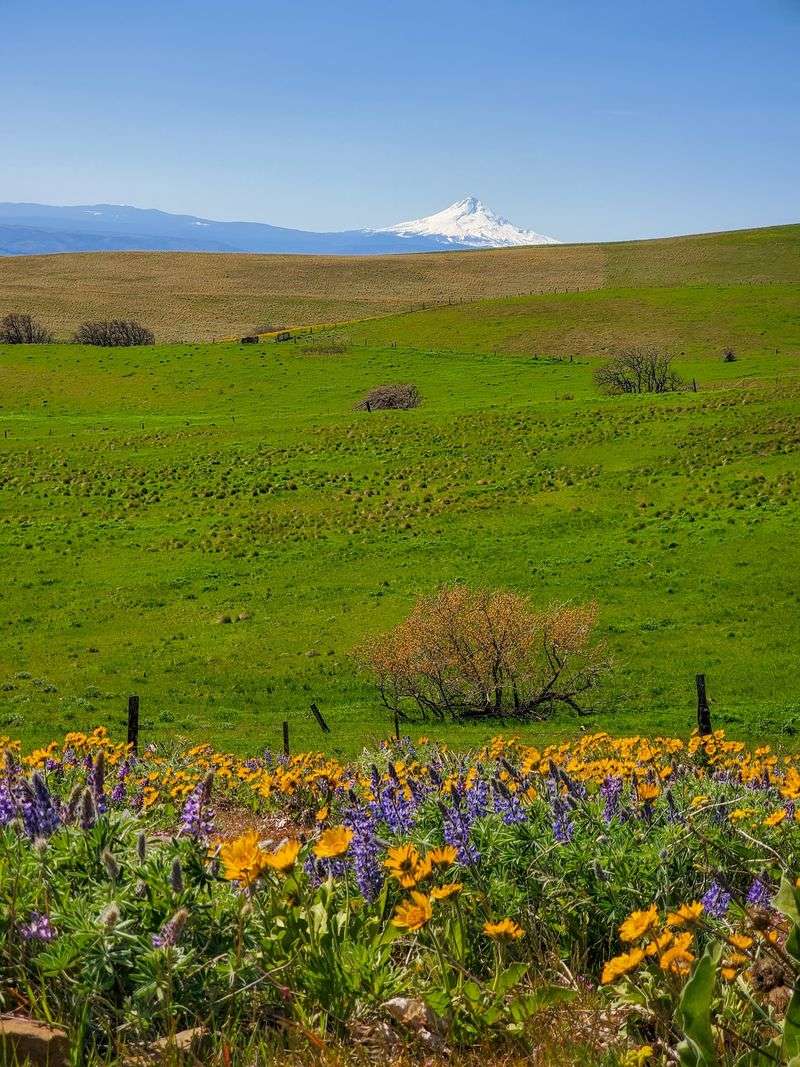
Two snowy volcanoes stand on the horizon, both of them in another state. From the high ground around Stacker Butte, Mount Hood and Mount Jefferson rise across the Columbia River in Oregon, making for one of the finest viewpoints in the region.
Getting there means heading up the gravel road beyond the main park. The Ranch area sits along that route with its own hiking options, and you can also drive up to the Stacker Butte trailhead.
Parking there is limited, so arriving early or being flexible helps.
Views reach far beyond the mountains. The river curls through the gorge below, and you can pick out The Dalles Dam and the city of The Dalles on the Oregon side.
Visitors often spend the better part of a day exploring these upper areas, soaking in flowers and scenery.
Many travelers find the Washington side of the gorge quieter than the Oregon side, with nice vistas and fewer crowds. That calm is part of the appeal.
Pack snacks, sunscreen, and a windbreaker, then take your time on the climb. The higher you go, the more of the gorge unfolds.
Horsethief Butte, Floods Geology, and a Waterfall Walk
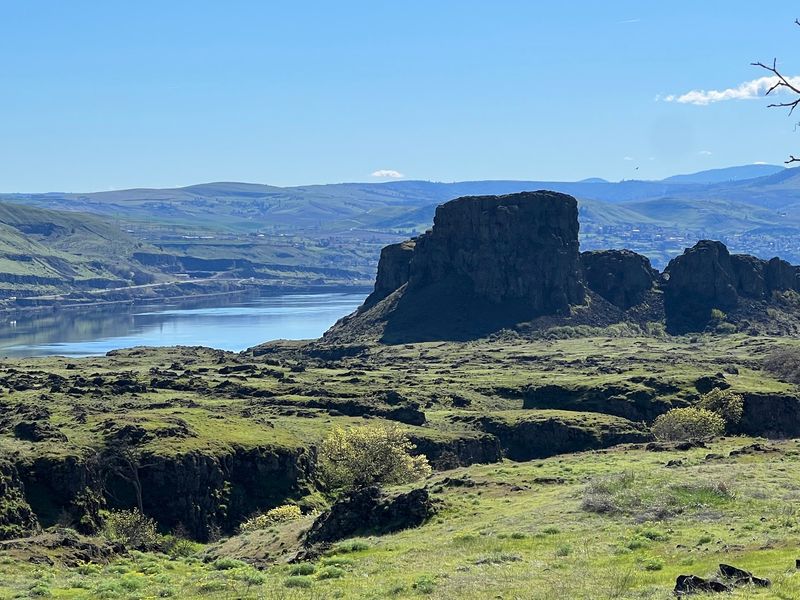
Ice Age floods shaped much of what you see around this park. Massive surges known as the Missoula Floods tore through the Columbia River Gorge long ago, and the Crawford Oaks area is considered an excellent spot to view their geology.
Nearby Horsethief Butte adds another layer of fun. It is not the largest rock formation around, but the views from the top are charming and well worth the scramble.
Rock climbers love it too, so expect to see people working their way up the basalt on a pleasant day.
Craving something shorter? A brief waterfall hike in the area rewards walkers with beautiful views of the river and the mountains.
It is a nice pick for families who want scenery without committing to several miles.
Weather plays a role in choosing when to go. Some hikers actually prefer a cool, slightly rainy day here, since summers can get extremely hot.
Sunny conditions also bring out snakes on warm rocks, so watch where you place hands and feet. With a little awareness, these spots make an easy add-on to a morning of petroglyphs.
Wind, Rumbling Trains, and Starry Nights
Train fans, rejoice. Freight trains run regularly across the water, and the sound carries clearly through the campground day and night.
Opinions split on the noise. Some campers barely notice it and even enjoy watching the trains roll by, while light sleepers wish they had packed earplugs.
Traffic on the highway, including the occasional truck braking, adds to the soundtrack.
Then there is the wind. The Columbia River Gorge is famous for it, and this park rarely stays still.
Hikers on the high trails have felt gusts strong enough to nearly knock a person over, so secure hats, tents, and anything light.
Nights bring a wonderful reward, though. Stargazing here can be unbelievable, with far more stars visible than in city skies.
Bringing a telescope could turn an ordinary evening into a highlight of the trip.
Summers can get extremely hot, with some August stretches topping 100 degrees, and a few rattlesnakes live in the area. Spring and fall tend to feel gentler.
Families who enjoy trains, open skies, and a bit of adventure will likely feel right at home, while anyone craving total silence may prefer a different spot.
Passes, Reservations, and Seasonal Timing
Planning ahead saves both money and frustration. A Washington State Discover Pass is required for parking, or you can pay a day-use fee, which has been listed at around $10.
Frequent visitors to state parks may find the annual Discover Pass a better value over time. At the Crawford Oaks trailhead, passes can be purchased on site.
Keep yours visible on the dashboard at each area you visit, since the park has multiple parking lots.
Reservations matter in two ways. The She Who Watches tour requires an appointment in advance, with tours held on weekend mornings at 9 a.m.
Campsites also fill up during busy seasons, so booking early is wise.
The park is open seasonally, so check the official Washington State Parks schedule before heading out. Wildflower timing shifts from year to year, making it smart to look for bloom updates too.
Getting there is simple: follow State Route 14 to 85 WA-14 near Lyle. For the upper trailheads, remember that map directions can be off, so drive past the ranch and the pond.
Pack water, sun protection, and layers, then enjoy a low-cost day trip.
A Quiet Gorge Treasure Worth the Drive
Plenty of people speed past this stretch of highway without a clue about what sits just off the road. Those who pull over often say they had no idea such a place existed, and many make plans to return.
What makes it special is the mix. Ancient petroglyphs sit just steps from a family-friendly lake, while miles of wildflower trails and mountain views wait up the hill.
You can spend ten minutes or ten days here and still feel like you found something meaningful.
Budget travelers get a lot for a small cost. A parking pass, a packed lunch, and a full tank of gas can cover a memorable day.
Retirees looking for gentle walks and grandparents bringing little ones along will find easy options, while stronger hikers can tackle the longer loops.
It is not perfect for everyone. Wind, trains, and summer heat come with the territory.
Yet the chance to stand before carvings made centuries ago, then watch the stars appear over Horsethief Lake, makes this corner of Washington hard to forget. Pick a spring weekend, bring layers, and let the old stones tell their story.