
Should Your Family Try Sledding Down Sand Dunes? This Washington State Park Says Yes
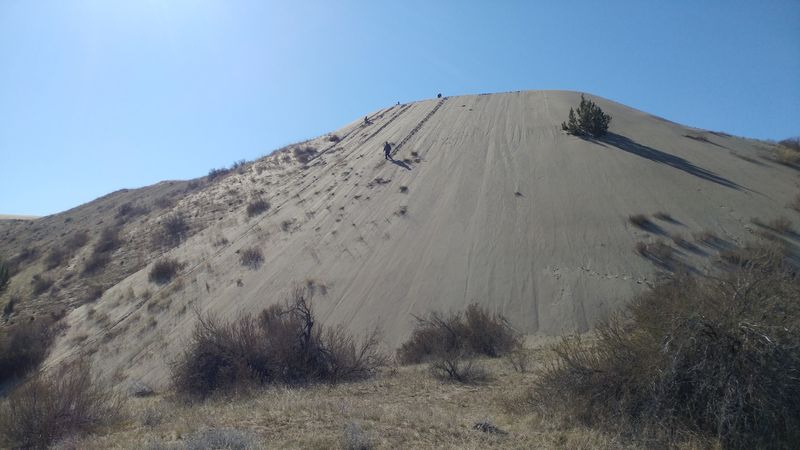
Rippling sand dunes, giant crickets, and twisted juniper trees are not what most folks expect to find in Washington, yet one wild corner of the state’s dry east side has all three. Families come here to hike, ride, camp, and play on sand that seems to roll on forever, often without spending a dime.
It is the kind of spot you could drive past for years before realizing what waits beyond the sagebrush. Here is everything to know before you load up the car and maybe even a sled.
Sand Country on the Edge of the Tri-Cities
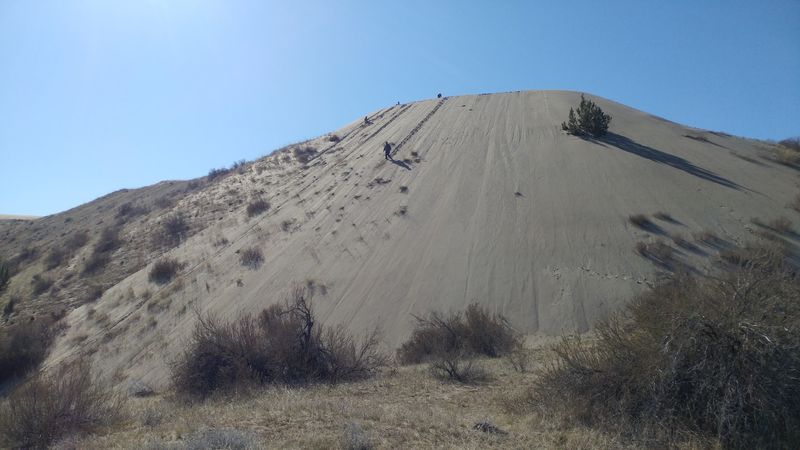
Rivers, orchards, and wide farm fields shape most mental pictures of the Tri-City area. Few people expect a stretch of honest-to-goodness sand dunes waiting just beyond Pasco, but that is exactly what Juniper Dunes Wilderness delivers.
The preserve carries a Pasco, WA 99301 address, though it feels a world away from town.
Managed by the Bureau of Land Management, the area is part of the nation’s conservation lands. It is officially listed as a nature preserve, and it stays open 24 hours a day, every day of the week.
That round-the-clock access makes it easy to plan a sunrise stroll or a dusk visit without watching the clock.
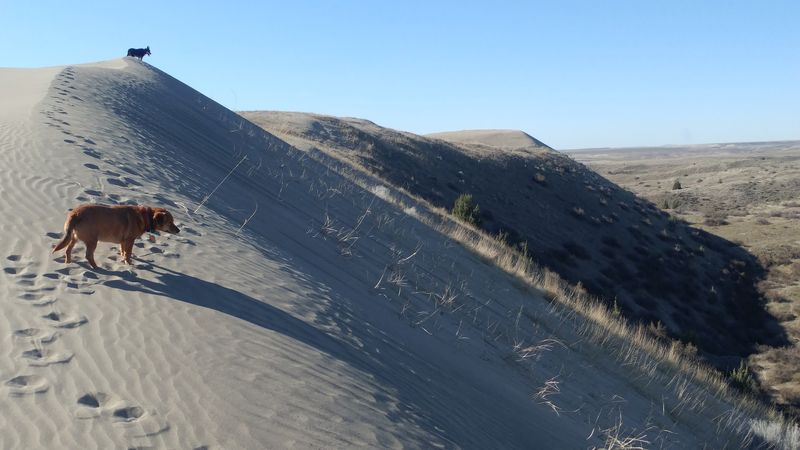
Visitors describe a landscape of juniper-dotted scrubland, open desert, and bare dunes with no vegetation at all. Some dunes rise into gentle hills, while others spread out like soft beaches with no ocean in sight.
Basalt ridges frame the scene, adding a rugged backdrop to all that pale sand.
For Washington families who think dunes belong only in far-off deserts, this spot offers a surprise. It sits close enough for a day trip from many parts of eastern Washington, and it rewards anyone curious enough to go looking.
Two Neighbors, Two Very Different Rules
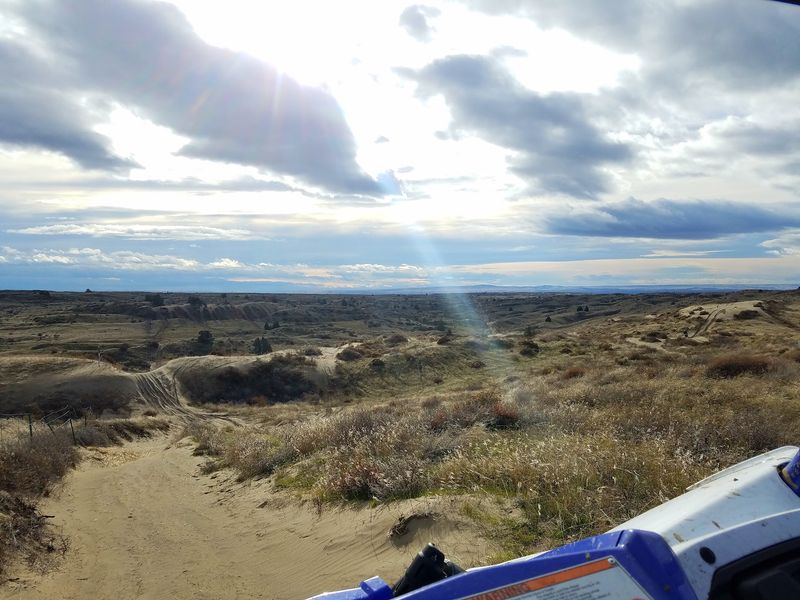
Confusion trips up plenty of first-time visitors, so clearing it up early saves headaches. The name Juniper Dunes actually covers two side-by-side areas: a designated wilderness for foot travel and an off-highway vehicle area for riders.
Inside the wilderness boundary, vehicles are not allowed. Wilderness designation means motorized use is closed, which keeps the dunes quiet and protected.
Hikers often call these the best sand dunes in the state for walking precisely because engines stay out.
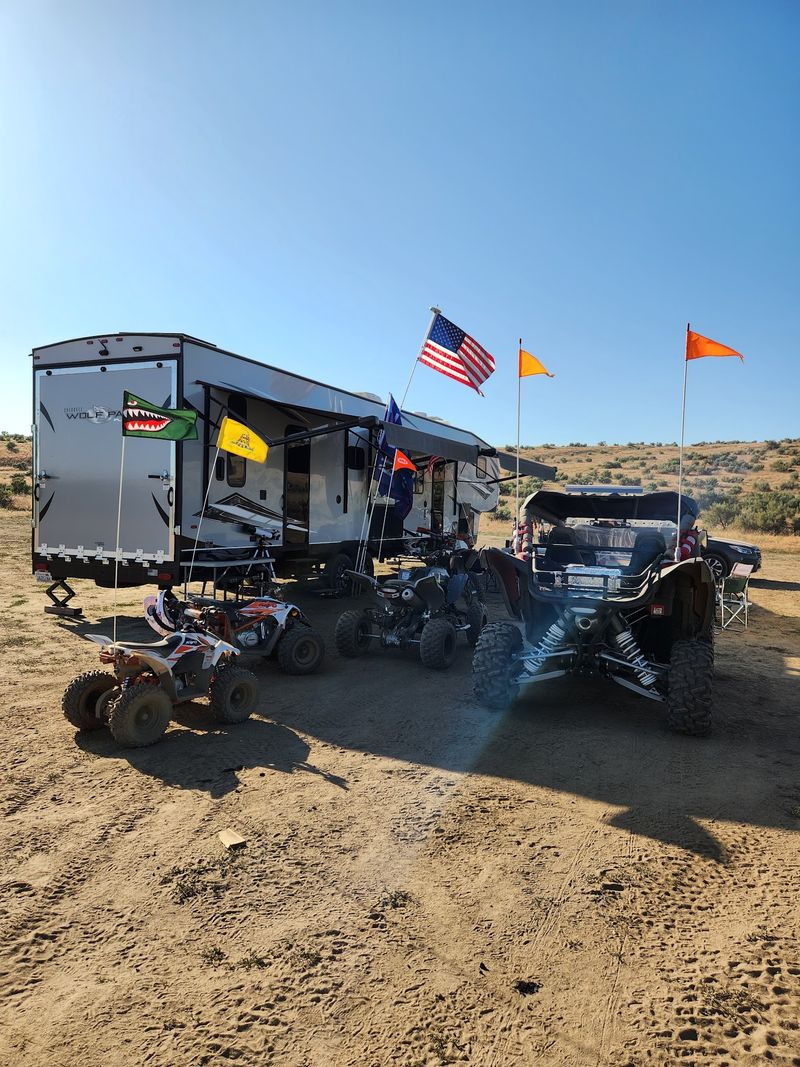
Next door, the OHV area tells a completely different story. Riders bring ATVs, four-wheelers, and side-by-sides to roll across dunes, hills, and moguls.
Many of the enthusiastic riding stories people share about Juniper Dunes actually come from this neighboring zone rather than the wilderness itself.
A fence marks the line between the two, and riders have largely respected it over the years. You might spot a stray track here and there, but not many.
On busy days, hikers inside the wilderness can sometimes hear engines humming in the distance.
Knowing which side you want before you leave home shapes everything, from what you pack to where you park. Quiet explorers and thrill seekers can both find their spot here.
Junipers, Basalt, and Big Sky Views
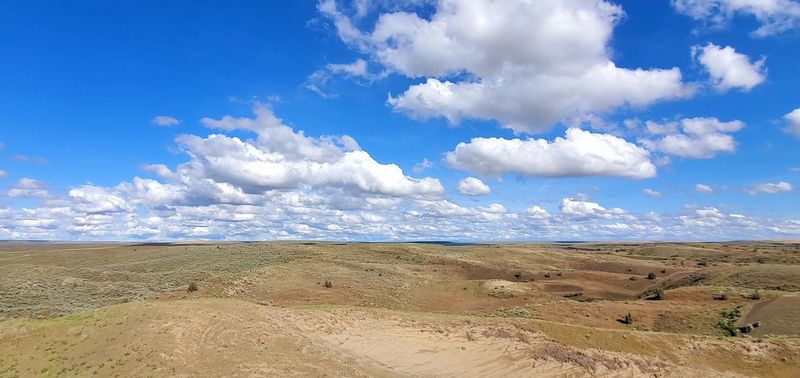
Shade comes in clumps out here. Scattered juniper trees dot the scrubland, and on a hot afternoon those patches of green become the most valuable real estate around.
Miles of sagebrush fill the spaces in between.
Then come the dunes themselves. Some are wrapped in brush, while others stand completely bare, rippling with nothing but sand.
Visitors mention ups and downs across the terrain, though nothing too dramatic for an average walker.
Look up and the view widens fast. Sweeping panoramic scenes open across the dunes, surrounded by dramatic basalt ridges that give the whole place a rugged, frontier feel.
It is the kind of setting that makes kids feel like explorers in a storybook desert.
Evening may be the most magical hour. Even though the preserve sits fairly close to town, climbing a dune at dusk can make the world feel enormous and wonderfully quiet.
Many people describe that moment as a humbling reminder of how small we really are.
Photographers, daydreamers, and anyone craving wide-open space will find plenty to admire. The palette is simple, just sand, green junipers, dark rock, and endless sky, yet it rarely feels plain.
The Big Sledding Question
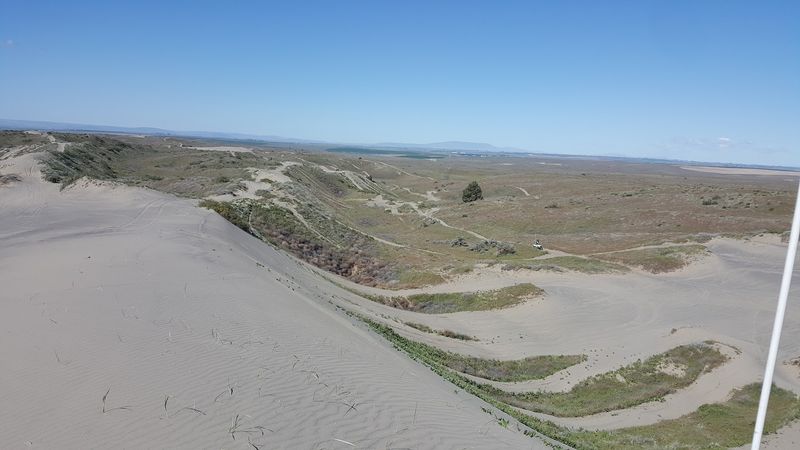
Sand sledding sounds like pure family fun, and the landscape here seems practically built for the idea. Bare dunes without vegetation, soft slopes, and wide open play space give kids a natural invitation to climb up and slide down.
Here is the honest part, though. The information available about Juniper Dunes focuses on hiking, riding, and camping, not sledding specifically.
Families curious about bringing a sand sled or a sturdy board should check with the Bureau of Land Management first, since wilderness rules and OHV area rules differ.
Choosing the right zone matters too. The wilderness side stays free of vehicles, which could make it a calmer place for little ones to scramble around on foot.
The OHV side, meanwhile, sees ATVs and side-by-sides zipping over hills, so kids on sleds would need to stay well clear of riders.
Even without a sled, the dunes invite playful moments. Rolling down a gentle slope, racing to the top of a sandy hill, or simply digging bare toes into warm sand can feel just as memorable.
Whatever you try, gentle slopes and close supervision keep the fun safe. Pack a small shovel and bucket, and younger kids may happily spend an hour building sand castles far from any beach.
Trail-Free Wandering on Foot
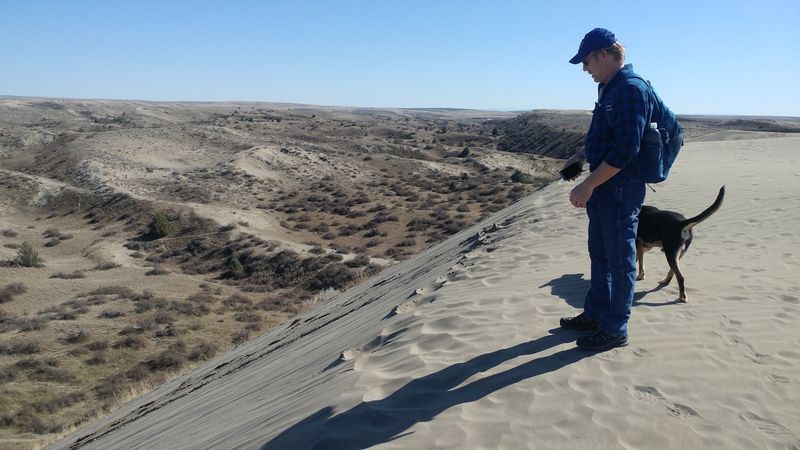
Forget trail maps and painted blazes. The wilderness side of Juniper Dunes has no formal trails at all, and many hikers consider that the best part.
You simply find your way in, then find your way back out.
Freedom like that suits curious wanderers. Visitors describe drifting between juniper clumps, cresting sandy rises, and discovering their own favorite dune for a picnic lunch.
A few even admit to stretching out for a nap in the sand, lulled by nothing but wind and birdsong.
Getting a little turned around is part of the charm, but it helps to stay prepared. Some regulars joke that the place seems small until they wander long enough to lose track of the car.
Bringing a map app, noting landmarks, and keeping an eye on the basalt ridges can help you stay oriented.
The terrain offers some ups and downs without anything too steep, making it approachable for many fitness levels. Soft sand does add effort, so shorter legs may tire faster than expected.
For families craving peace and quiet, this style of hiking feels refreshingly unscripted. Every visit can follow a brand-new path.
Engines, Flags, and Open Desert
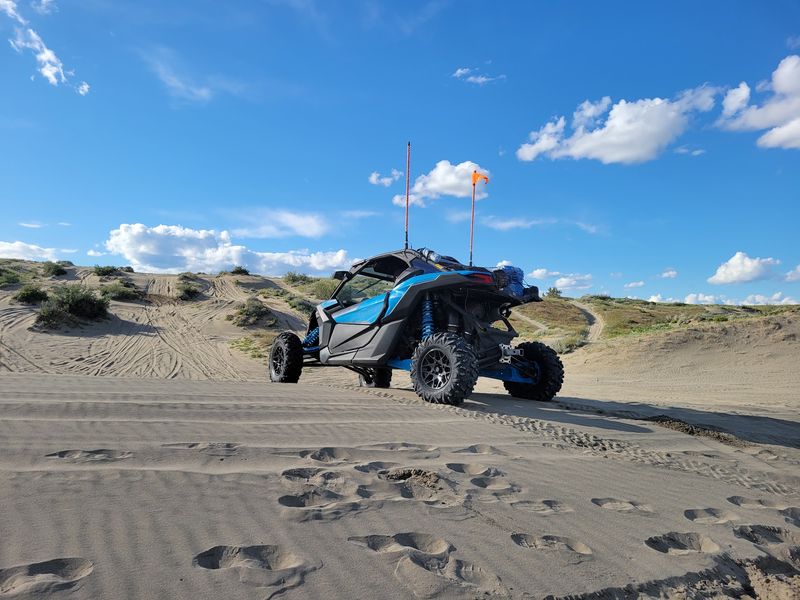
Revving engines bring a whole different energy to the neighboring OHV area. Riders describe miles of dunes, hills, and moguls, plus stretches of open desert where roads and scrub weave between sandy patches.
For families who own ATVs, four-wheelers, or a Can-Am, it can feel like a giant sandbox.
Variety keeps things interesting. Some routes are almost pure sand, while others mix sand and dirt on firmer trails.
One rider noted that sand tires helped at times but were not strictly necessary, which is handy news for anyone without specialized gear.
Rules still apply, and ignoring them can cut a trip short. Flags are required on your rig, and the county sheriff does patrol the area.
Officers keep an eye on the grounds, so reading posted BLM rules before rolling out is a smart move.
Plenty of Washington riders call it one of the few off-road areas in the region where they can truly stretch out. Weekend trips with family and friends are a common theme, often mixing riding with picnics and camping.
Just remember the fence line. Motorized fun stays on the OHV side, never inside the protected wilderness.
Smith Canyon for Newer Riders
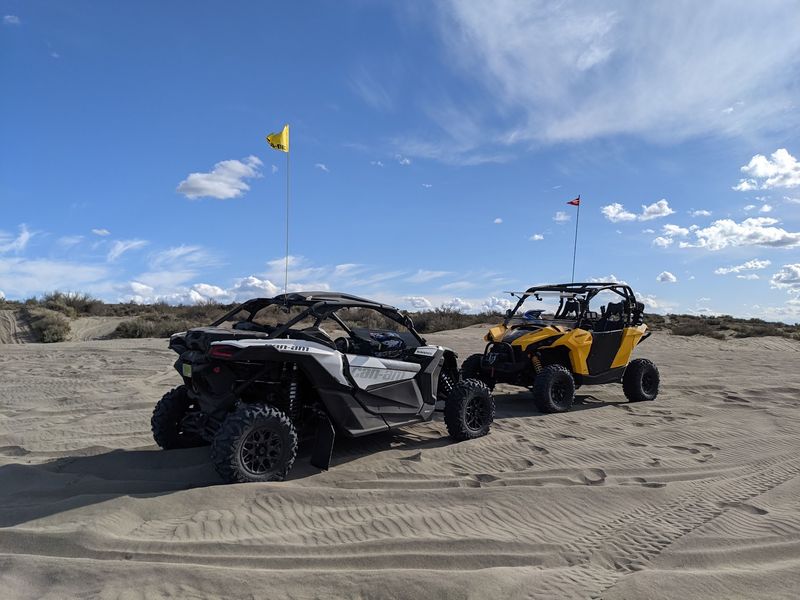
First rides deserve a gentle start. Towering moguls and steep dune faces can intimidate newer drivers, which is why Smith Canyon earns a special mention.
Riders point to a small collection of beginner-friendly trails there, giving less experienced family members a place to warm up.
Think of it as the bunny hill of Juniper Dunes. The selection is modest rather than sprawling, so expectations should stay realistic.
Still, having any easier terrain nearby can make a family outing far more relaxing for parents watching from behind.
Pairing Smith Canyon with the wider OHV area could work nicely for mixed-skill groups. Confident riders can head toward the dunes, while beginners practice steering and throttle control on friendlier ground before joining them.
Safety habits matter even on easy trails. Flags remain required on every rig, the sheriff patrols the grounds, and soft sand can surprise anyone who takes a turn too quickly.
Keeping speeds low and staying in sight of an adult rider may help first-timers enjoy the day.
Many Washington families remember a first ride for years. Starting small in Smith Canyon can make that memory a happy one.
Free Camping, First Come, First Served
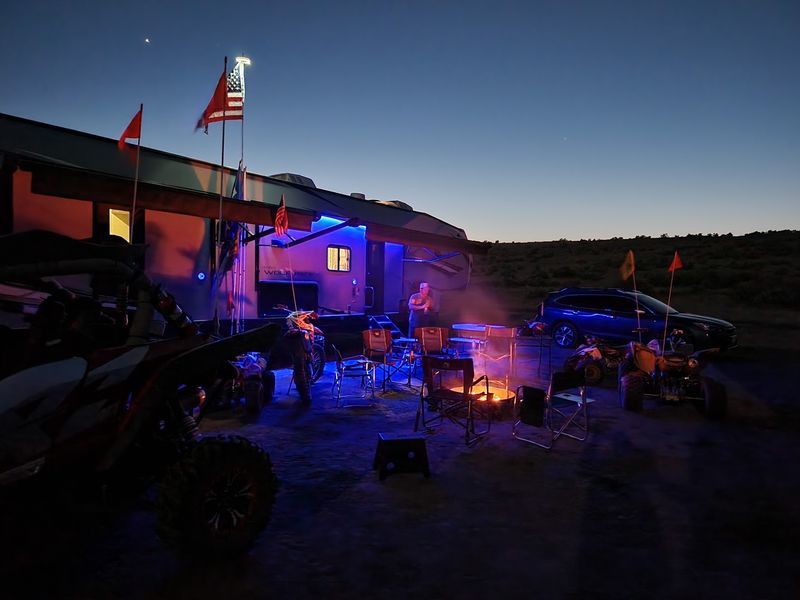
Budget-minded families, take note. Visitors describe camping at Juniper Dunes as absolutely free, operating on a first come, first served basis.
For anyone watching every dollar, a no-cost weekend on the sand is hard to beat.
Campers often pair overnight stays with a full day of riding, picnicking, and exploring. Weekend trips with family and friends come up again and again, with people calling it a peaceful place to relax once the engines quiet down for the evening.
Arriving early may help, especially on popular weekends, since spots are not reserved. Bring everything you need, because the landscape offers sand, sagebrush, and junipers rather than stores or snack bars.
A word of caution: one group arrived at a spot with signs pointing to day hiking only, and they suspected they had simply ended up at the wrong location. Rules can vary between the wilderness and the OHV area, so checking current BLM guidance before loading the tent is wise.
Once you settle in, the reward is simple. A starry evening under wide eastern Washington skies, surrounded by quiet dunes, can feel like a storybook escape.
Crickets, Critters, and Wildlife Sightings
Brace yourself for crickets. Big ones.
Visitors frequently mention giant Mormon crickets, sometimes in numbers described as millions, hopping across the sand and sagebrush.
Kids tend to react in one of two ways. Some squeal and dance out of the way, while budding naturalists crouch down for a closer look.
Either way, the crickets usually become one of the most talked-about parts of the trip on the drive home.
Other creatures share the dunes too. Riders and hikers mention spotting animals and small wildlife while exploring, adding a sense of discovery to every outing.
Keeping voices low and moving slowly may improve your chances of seeing something scurry by.
Cattle may also appear, depending on where you end up. One group that took a wrong turn described brush and cows rather than sand, a funny reminder that ranchland surrounds parts of this area.
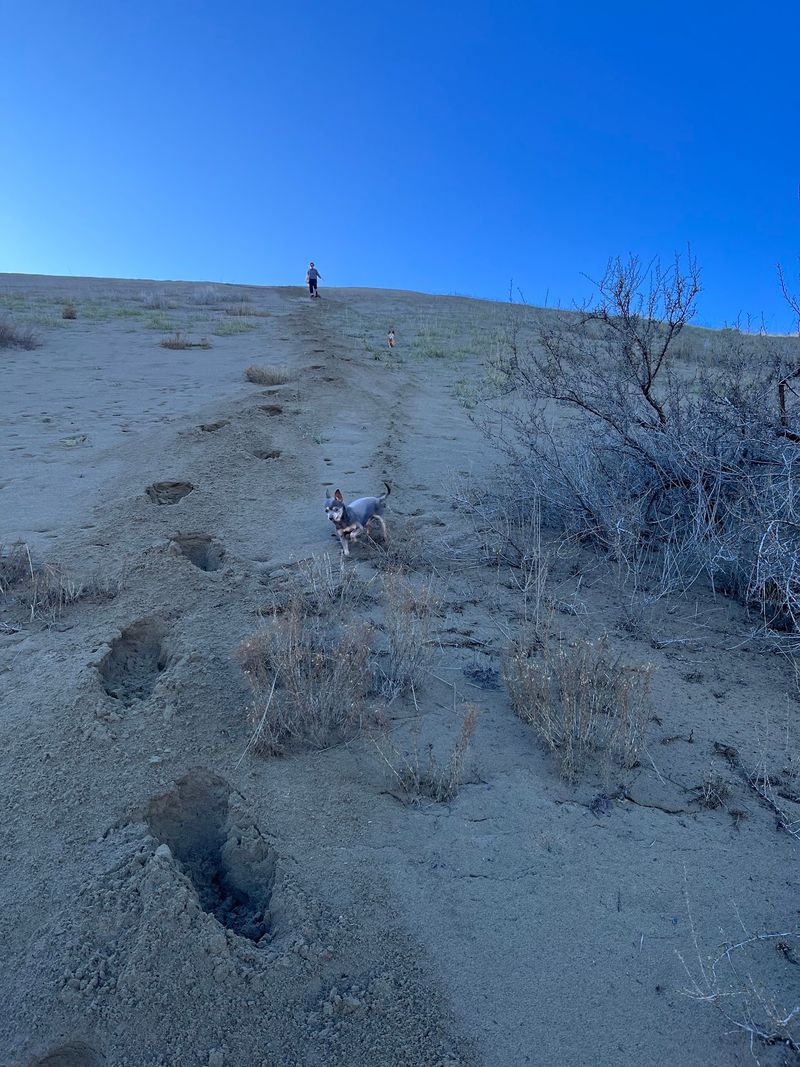
Wildlife watching fits beautifully with the preserve’s quiet mood, especially on the wilderness side where engines stay out. Bring a small field guide or a phone camera and challenge the kids to spot tracks in the sand.
Those little footprints can tell stories about who wandered past overnight.
A Getaway for Quiet Seekers and Weekend Adventurers
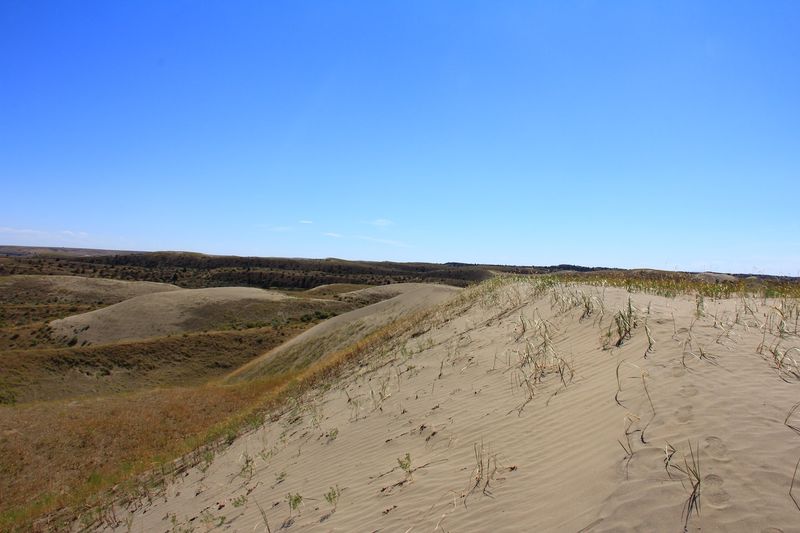
Peace ranks high among the words people use for this place. Hikers call it one of their favorite quiet spots in the Tri-City area, a place to escape crowds and hear nothing but the sounds of nature.
Riders see it differently, and that is part of the appeal. For them, Juniper Dunes means fun, energy, and long days spent exploring with family and friends.
Both groups manage to share the landscape because the wilderness and OHV area sit side by side with clear boundaries.
Who will love it most? Families with ATVs or side-by-sides looking for open play space will feel right at home, and so will hikers who enjoy wandering without set trails.
Retirees and couples craving a low-cost day outside will appreciate the big views without any mountain climb.
Some visitors leave less enchanted. A few found the access tricky or felt the trip was not worth a special drive, especially if they were not planning to ride.
Setting expectations helps, since this is a rugged, undeveloped spot rather than a manicured park.
Travelers who embrace simple pleasures tend to connect with it deeply. Sand, sky, and silence can go a long way.
Getting There Without Getting Stuck
Directions deserve extra attention before this trip. Some visitors followed map app directions and ended up at a cow farm in the middle of nowhere that shared a similar name.
Double-checking the route with BLM information first may save a frustrating detour.
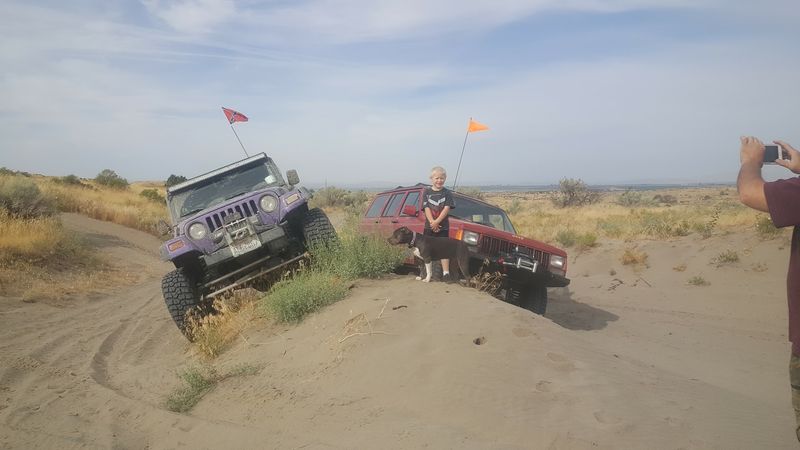
Reaching the wilderness trailhead usually means passing through the ORV park. Expect a long, slow, bouncy drive over rough ground.
Toward the end, drivers face a choice between pushing closer to the trailhead, which is really an opening in the gate, or parking somewhere close enough.
Soft sand is the real concern. The ground grows looser near the end, and the risk of getting stuck climbs quickly for regular vehicles.
Parking a bit farther away and walking the rest is often the smarter call.
A back entrance exists too, though it crosses someone else’s property. A posted sign explains when entry is permitted during different times of the year, so read it carefully and follow it.
After a short hike from there, the dunes appear quickly.
Several hikers wish for better access and clearer trailhead maps. Until that happens, patience and preparation are your best travel companions.
Hours, Costs, and a Smart Packing List
Good news for early birds and night owls alike: Juniper Dunes is open 24 hours a day, seven days a week. No closing time means sunrise hikes and sunset dune climbs are both on the table.
Cost is another bright spot. Visitors describe camping as free, making this one of the most wallet-friendly outdoor outings in eastern Washington.
Rules and access details can change, so a quick check of the Bureau of Land Management page before leaving is wise.
Water tops the packing list, and not just a bottle or two. There is no water available on site, and summer heat can get intense, so bring far more than you think you need.
Salty snacks, sunscreen, and hats help too.
Shade is limited to clumps of juniper, so a lightweight umbrella or sun shelter could make a picnic more comfortable. Riders should pack their required flags, and hikers may appreciate sturdy shoes that handle soft sand.
Surprisingly, phone service holds up fairly well. Visitors report decent Verizon coverage most of the time, which adds peace of mind when wandering trail-free terrain.
A Soft Verdict for Sandy-Toed Families
So, should your family head for the dunes? For many Washington households, the answer leans toward yes, especially if you love open space, simple adventure, and outings that cost next to nothing.
Juniper Dunes offers a rare mix in one corner of the state. Quiet hikers get a protected, vehicle-free wilderness with no trails to follow and plenty of room to roam.
Riders get miles of sand, hills, and moguls in the neighboring OHV area, plus free first come, first served camping.
Sledding dreams deserve a quick call to the BLM first, but the bare dunes already invite plenty of sandy play. Rolling down gentle slopes, spotting giant crickets, and watching dusk settle over basalt ridges can fill a day with stories.
Preparation makes all the difference. Pack serious water, plan your route carefully, avoid the softest sand when parking, and respect the boundaries between wilderness and riding zones.
Families who go in with realistic expectations often come home sunburned, sandy, and smiling. For an affordable Tri-City area escape that feels far more magical than it looks on a map, this desert corner is well worth a weekend.