
This Enchanting South Carolina Castle Is Filled With Moorish Architecture, Coastal History, And A Storybook Courtyard
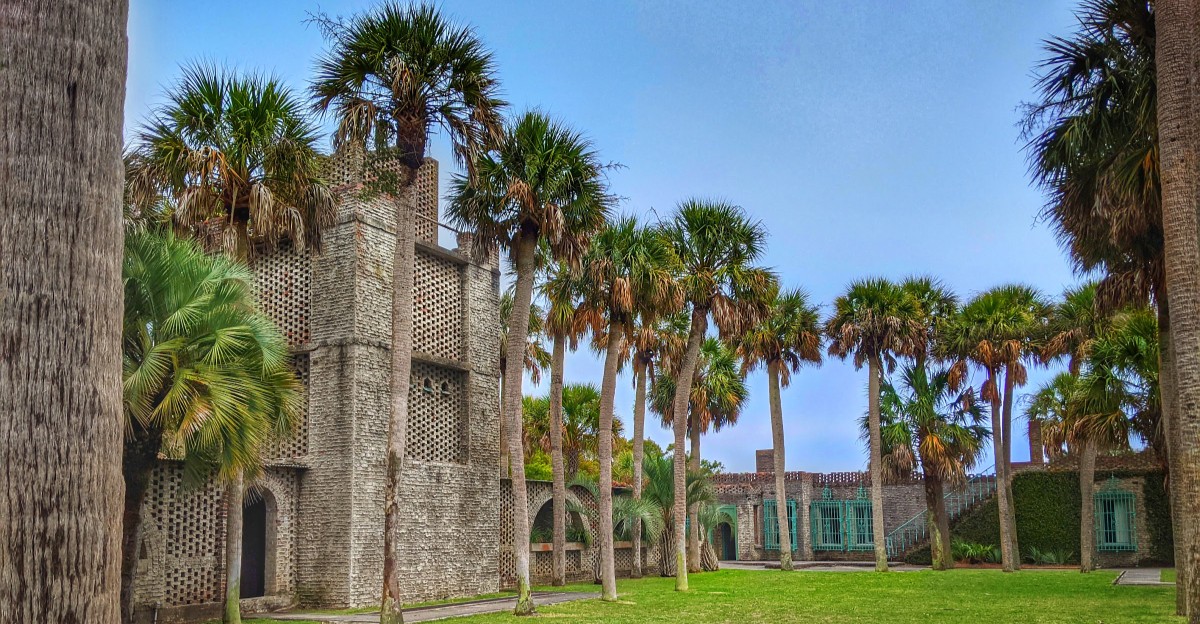
A castle should sit above a kingdom. This one hides behind South Carolina sand dunes with the Atlantic as its moat.
Step through the brick entrance and the coast seems to disappear. Palm shadows cross a courtyard.
Arched passageways lead toward rooms filled with traces of two lives. Above, a square watchtower rises into the salt air.
Yet this was never a royal palace.
It was a winter retreat shaped by an artist and a scholar, drawn to privacy, nature, and work. The architecture borrows the mood of coastal Spain without chasing grandeur.
Its beauty comes from proportion, texture, and stillness.
What stories remain inside walls this quiet?
Plenty, if you know where to look. Studios, animal spaces, mysterious corridors, and thoughtful details reveal how unusual life felt here.
The guide ahead explores the history, hidden corners, and practical tips that make this seaside landmark worth leaving the beach for.
A Watchtower Name With A Spanish Accent
Picture a Spanish lookout post from centuries ago, then drop it on a sandy South Carolina beach. That is the spirit behind Atalaya, a name that means watchtower in Spanish.
Archer Huntington was a lifelong fan of Spanish culture, so the choice made perfect sense to him.
The tower itself rises from the middle of the house and reaches about 40 feet into the sky. It was not built for spotting pirates, though it looks the part.
Inside, it held a large water tank that supplied the home, a clever mix of practical plumbing and dramatic style.
From the courtyard, you will want to tilt your head back and just stare for a minute. The square brick shape stands out against the blue sky, and palm fronds wave around it like fans at a parade.
Photographers love catching it in the soft light of late afternoon.
Visitors often ask why a house gets called a castle. One recent guest summed it up nicely, saying it looks more like an old Spanish fortress than a fairy tale palace.
Walk its thick walls for yourself and you will see why the nickname stuck anyway.
A Love Story Built For Healing
Some houses are built for show. Atalaya was built for healing.
Anna Hyatt Huntington, a famous sculptor, had been diagnosed with tuberculosis, and doctors believed a warm, mild climate could help her feel better.
Her husband, Archer Milton Huntington, was a scholar, poet, and heir to a large railroad fortune. The couple bought thousands of acres along this stretch of coast in 1930, including old rice plantation land.
They picked a spot right behind the dunes for their winter home, where salty breezes could drift through every room.
Standing in the quiet hallways today, it is easy to feel the tenderness behind the whole project. Many visitors leave talking less about the bricks and more about the love story.
One reviewer put it simply, writing that Archer obviously adored his wife.
The Huntingtons usually came down during the colder months and returned north when spring arrived. They spent winters here through the 1930s and into the 1940s.
Their visits ended after World War II, which makes the empty rooms feel a little bittersweet.
Keep that story in mind as you tour, and notice how the rooms open toward sunlight and fresh air. It turns a simple walk through old brick into something much more personal.
No Blueprints, Just Big Ideas And Local Hands
Here is a fun surprise: Atalaya was built without formal architectural blueprints. Archer Huntington sketched out ideas and guided the work himself, often making decisions on the spot.
The result is a home with charming quirks and a personality all its own.
Construction began in 1931 and wrapped up around 1933, right in the middle of the Great Depression. Jobs were hard to find in those years, and many local families were struggling.
The project hired workers from the area, giving them steady paychecks when they needed them most.
Take a close look at the brick walls as you wander. You will notice the patterns and textures that come from skilled hands laying each piece.
Some spots show cracks and wear today, which only adds to the feeling that real people shaped this place long ago.
The Huntingtons were known for generosity in the region. They also founded Brookgreen Gardens across the highway during this same period, which became a home for American sculpture.
Between the two projects, the couple left a big mark on the Murrells Inlet area.
So when you rest a hand on the cool brick, remember the workers behind it. Their craftsmanship still holds this house together nearly a century later.
The Storybook Courtyard That Hushes The World
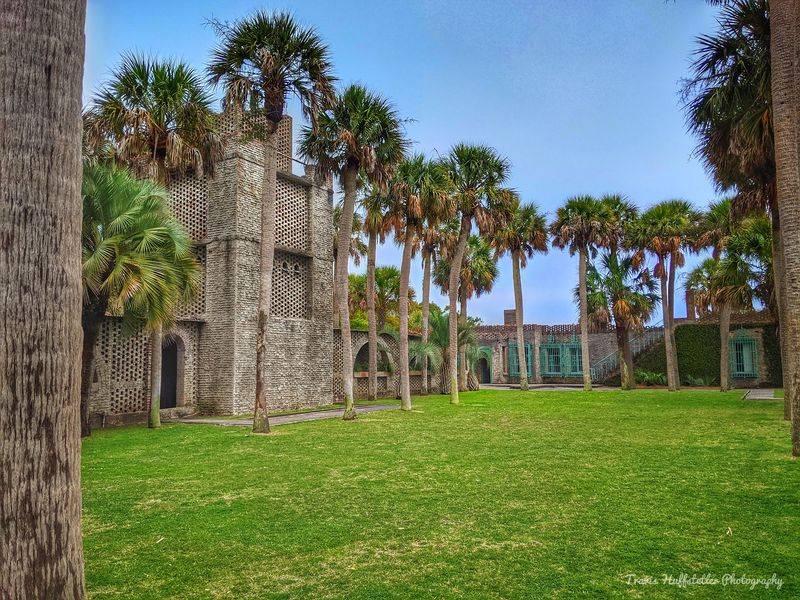
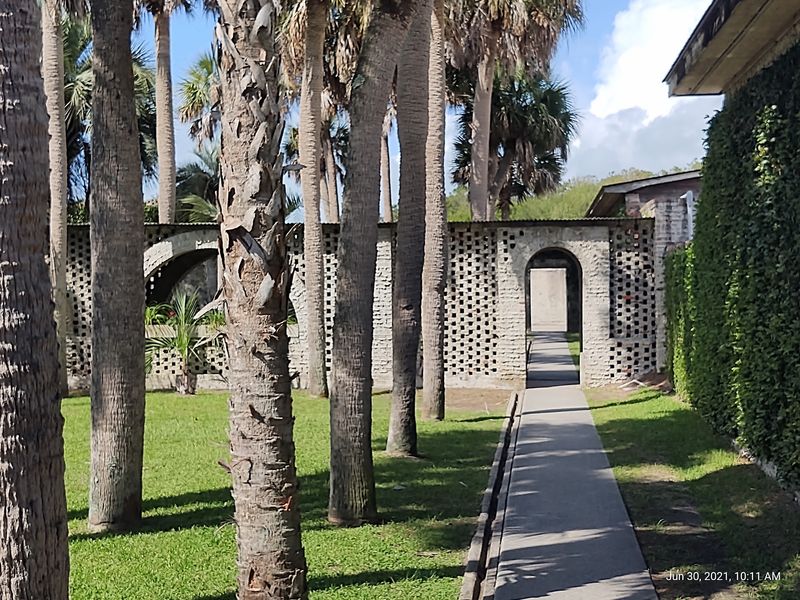
Step through the entrance and the world suddenly goes quiet. The open-air courtyard feels like a secret garden, wrapped on all sides by long brick walls.
Tall palmetto trees rise from the center, their shadows sliding slowly across the ground.
Atalaya is built as a large square, and the rooms line the outer edges. That layout leaves the middle wide open to the sky, a design idea borrowed from homes in Spain and North Africa.
It kept the house breezy and gave the family a private outdoor space away from the wind and sand.
Kids tend to treat the courtyard like a giant playground. One family said their children love playing hide-and-seek in the passageways and corners.
Grown-ups usually slow down instead, snapping photos of the arches and the tower peeking over the walls.
Listen closely while you stand here. You might hear the ocean humming just beyond the dunes, along with birds chattering in the palms.
On a sunny winter morning, the brick soaks up warmth and the whole space glows.
Couples have noticed the magic too, since the castle is a popular wedding spot. Even without a bouquet in hand, you will feel a little like you stepped into a storybook.
Where a Sculptor Studied Horses, Dogs, And Wild Cats
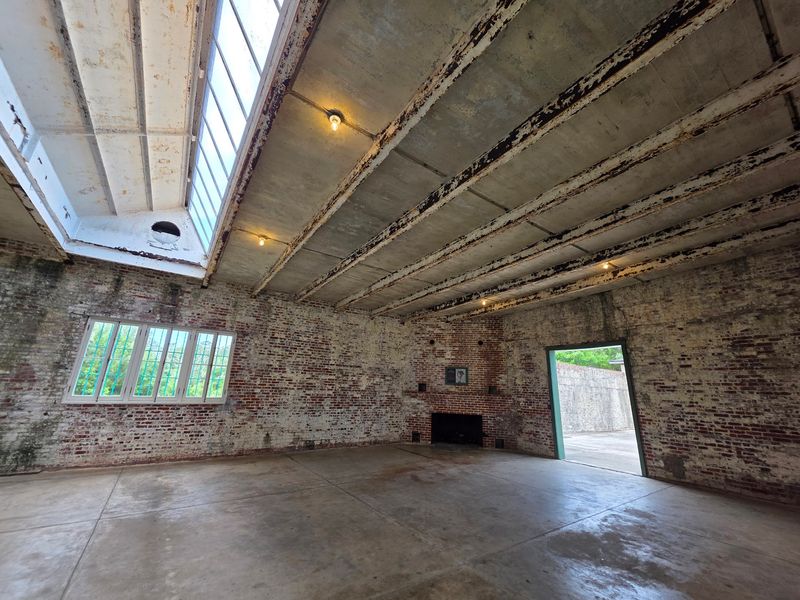
Anna Hyatt Huntington did not just relax here. She worked.
Her studio at Atalaya gave her a bright space to sculpt, with high ceilings and plenty of natural light pouring in.
Anna was famous for sculpting animals, especially horses, dogs, and big wild cats. She believed in studying live models, so animals were kept on the property for her work.
Outdoor pens and stables were part of the design, which means this beach house once had some very unusual neighbors.
Walking into the studio area, try to imagine the scene. Clay and tools might have covered the tables while a horse stood patiently outside.
It is a peek into how serious artists worked before cameras and screens made research easier.
If her work sparks your curiosity, you are in luck. Brookgreen Gardens sits just across the highway, and many of her sculptures are displayed there among the oaks and flower beds.
Visitors often pair the two stops in one day, and reviewers call both well worth the trip.
Did you know? Anna kept sculpting well into her later years, creating large works long after most people retire.
Standing in the space where she shaped some of her pieces is a quiet thrill for any art lover.
Iron Grilles, Arches, And A Moorish Flair
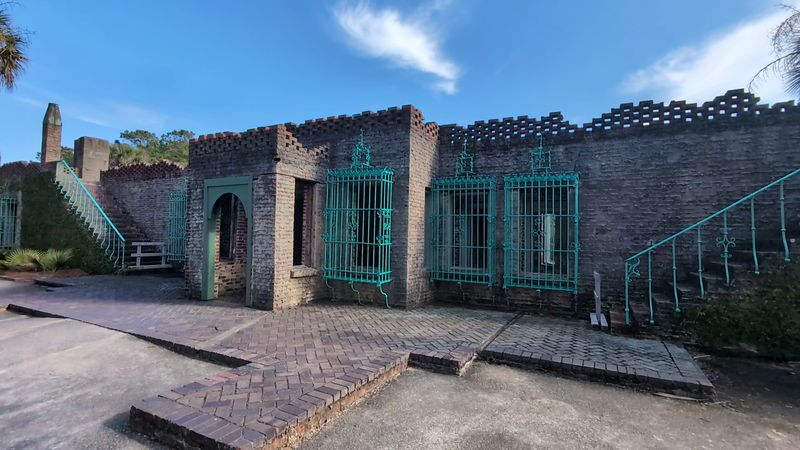
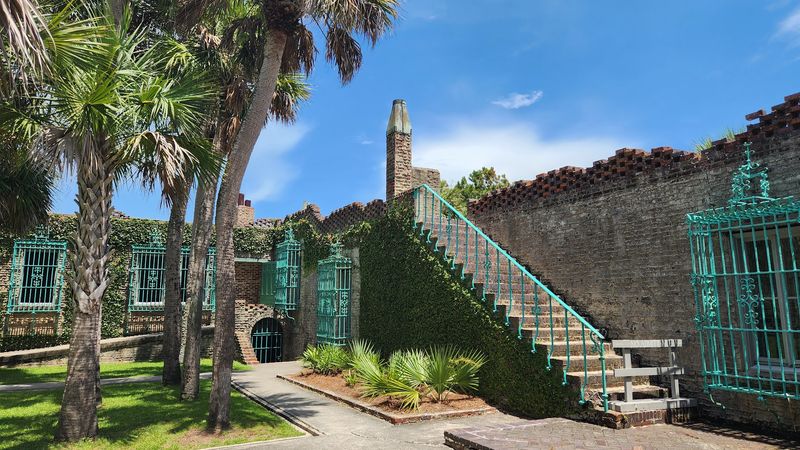
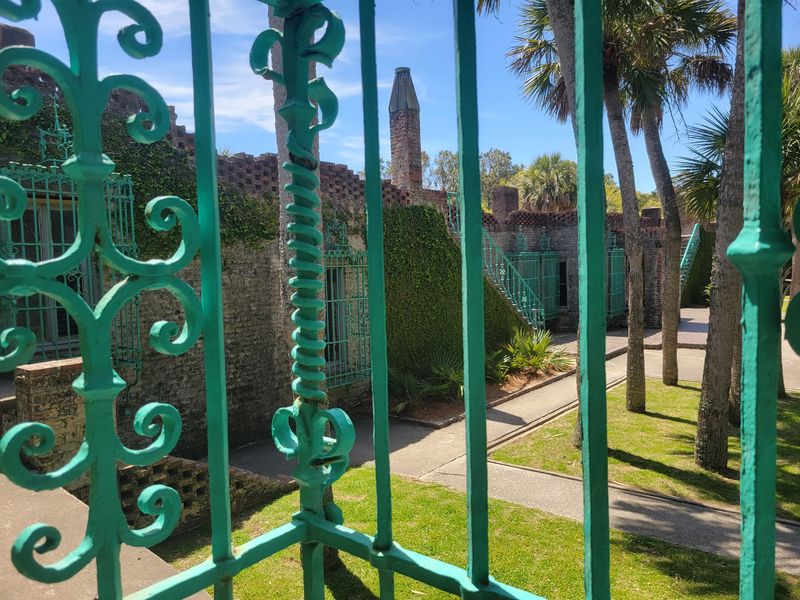
Look up at any window and you will spot something special. Decorative wrought iron grilles cover many of the openings, and they add a touch of old Spain to every wall.
Anna is often credited with designing them herself.
The ironwork was both pretty and useful. It helped protect the home while still letting in light and sea breezes.
In a place with no air conditioning, those breezes mattered a lot.
Photographers go wild for these details. Swirling metal shapes cast lacy shadows across the brick when the sun hits them at an angle.
Try visiting in the morning or later afternoon for the most dramatic patterns.
You will also notice arches, thick walls, and simple lines that give the house its Moorish flavor. Moorish style comes from the Muslim cultures that once ruled much of Spain, and it often features courtyards, arches, and decorative screens.
Archer had studied Spanish history deeply, so these touches reflect his passion.
Some parts of the building show their age, and one reviewer noticed crews replacing windows during a visit. Restoration work like this helps keep the details safe for future guests.
Be patient if you find an area under repair, since it is all part of caring for a treasure.
Roaming Room To Room Through The 1930s
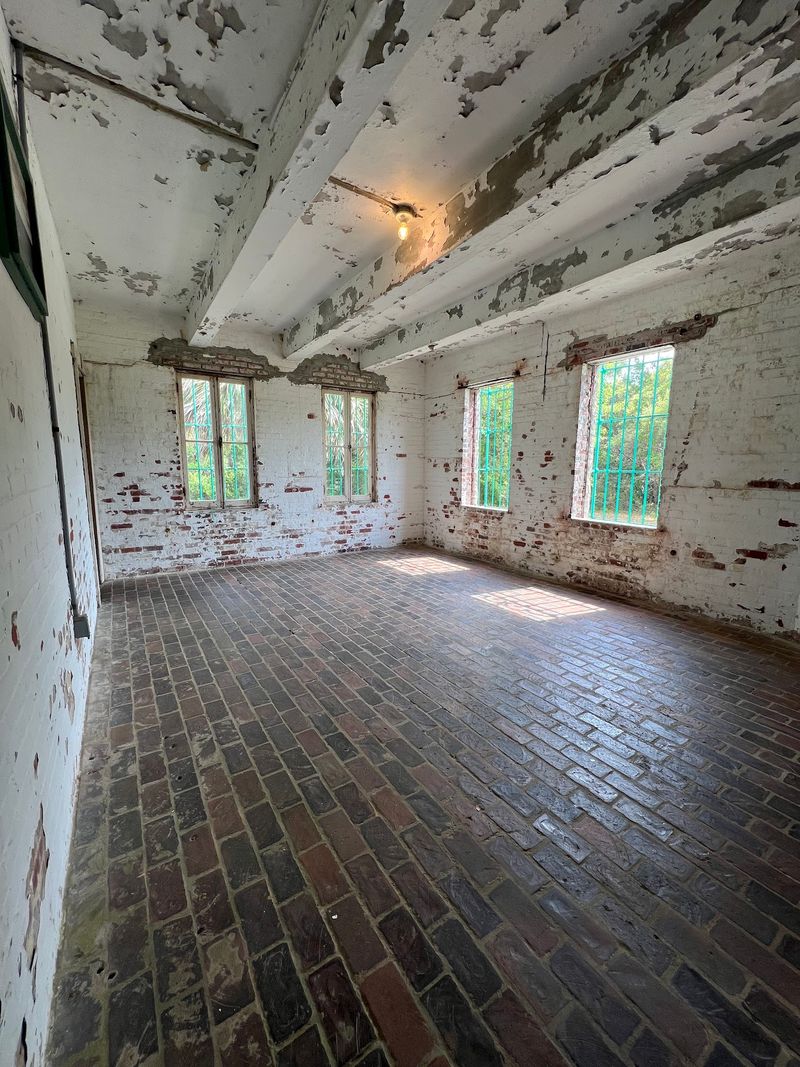
Ever wondered how a wealthy family lived on the coast about 90 years ago? Atalaya answers that question room by room.
The house has around 30 rooms lined up along its outer walls, and you can wander through many of them at your own pace.
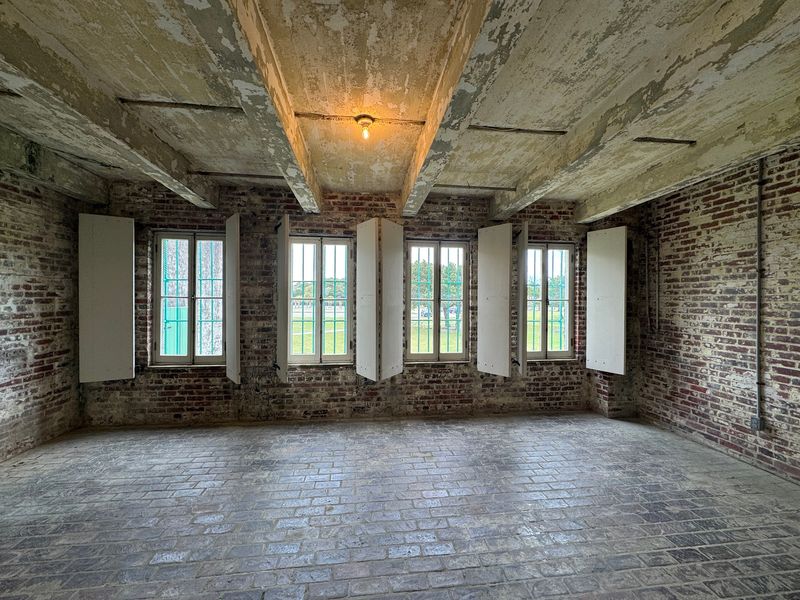
Rooms are mostly empty of furniture now, but helpful signs explain what each space was used for. Visitors often praise the signage, saying there is no guessing involved.
You will find living areas, bedrooms, a dining room, kitchen spaces, and quarters for the staff.
The servants and caretakers get their own spotlight here, which many guests appreciate. Their rooms were simple but comfortable, and learning about them helps paint a fuller picture of daily life.
It reminds you that a big house needs many hands to keep it running.
Since the rooms sit bare, your imagination does the decorating. Picture rugs on the floors, books stacked on shelves, and the smell of supper drifting down the hall.
Some guests say the echoing halls feel almost haunted, in a cozy sort of way.
Plan on spending anywhere from 30 minutes to an hour inside if you read the plaques. Speedy walkers can finish faster, but slowing down makes the experience far richer.
From Private Retreat To National Treasure
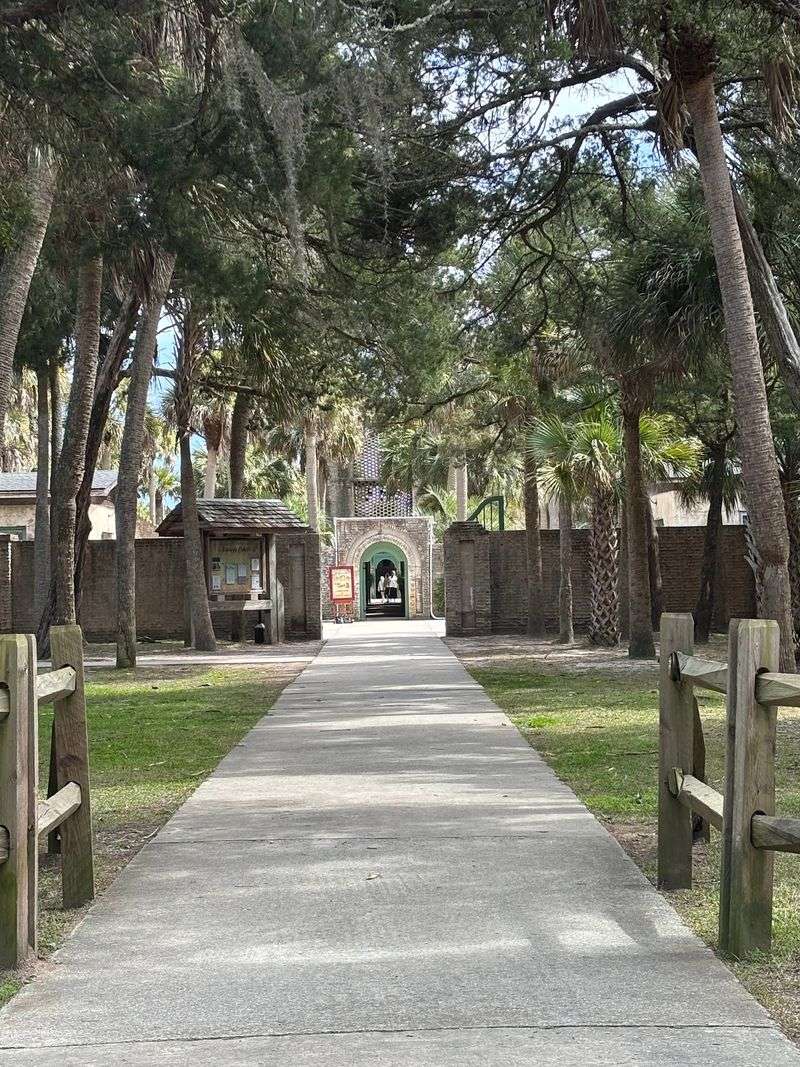
When the Huntingtons stopped coming south, Atalaya did not fade away. During World War II, the military used the property, and the family’s time here came to an end afterward.
In 1960, the land became Huntington Beach State Park, with Atalaya sitting right in the middle of it. Suddenly, anyone could explore the home that once belonged to a very wealthy and private couple.
The park covers about 2,500 acres of beach, marsh, and maritime forest.
Big honors followed. Atalaya was later named a National Historic Landmark, one of the highest recognitions a historic site can receive in the United States.
That title puts it in the same club as famous places across the country.
The castle also hosts special events throughout the year. The Atalaya Arts and Crafts Festival, held in the fall, has been a local tradition for decades, filling the courtyard with artists and handmade goods.
Weddings, photo sessions, and ranger programs keep the old walls busy too.
Check the park website before you go to see what is on the calendar. Catching an event adds a lively, festive layer to your visit.
Beach Waves, Marsh Trails, And Sunbathing Gators
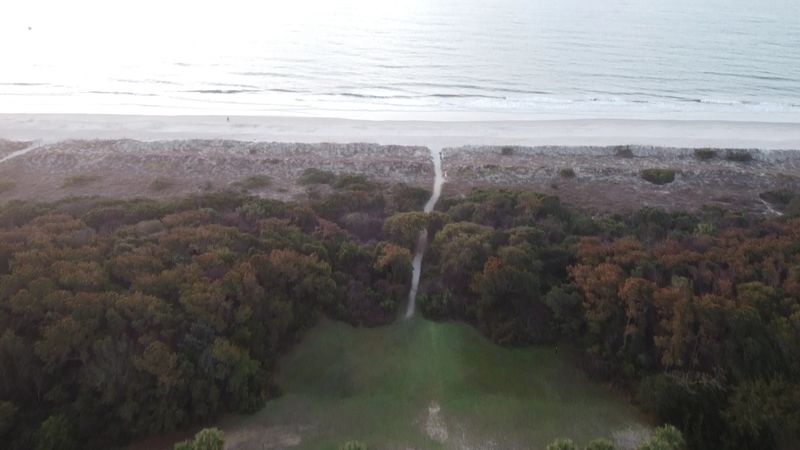
Few castles come with a beach in the backyard. Atalaya sits just behind the dunes, and the Atlantic Ocean is only a short stroll away.
After exploring the rooms, many visitors kick off their shoes and head for the sand.
Huntington Beach State Park is packed with nature. The park has a causeway that crosses a saltwater marsh and a freshwater lake, and it is a well-known spot for seeing alligators.
Guests often spot them sunning on the banks, even without joining a guided program.
Bird lovers flock here too, pun fully intended. The park is famous as one of the best birding spots in South Carolina, with herons, egrets, and shorebirds showing up throughout the year.
Bring binoculars if you have them.
Keep your distance from wildlife, of course. Alligators may look sleepy, but they are wild animals and should never be approached or fed.
Stay on trails and boardwalks, and keep small kids and pets close.
Trails wind through the park for walking and biking, and there are spots for picnics and snacks. One reviewer mentioned grabbing ice cream after a gator walk, which sounds like an ideal afternoon.
Pair the castle with a beach break, and you have a full, happy day.
Smart Tips Before You Walk Through The Gate
A little planning goes a long way here. Atalaya is typically open daily from 9 a.m. to 5 p.m., though hours can shift with the seasons and holidays.
Call ahead at 843-237-4440 or check the official website before you go.
Getting in involves two small fees. You will first pay the state park entrance fee, which recent visitors report is around $8 per adult.
Then Atalaya charges about $2 per person, so expect roughly $10 total, and keep in mind that prices can change.
Parking is available near the castle inside the park, and weekdays are usually calmer than weekends. Arrive early, especially in summer, so you have time before the 5 p.m. close.
The house is mostly one level, but floors can be uneven brick and sandy, so wear comfy shoes and ask staff about accessibility needs.
Want some spooky fun? Rangers have led popular ghost tours on Friday nights, sharing local legends from the Murrells Inlet area.
These tours can sell out, so buy tickets in advance.
Bring water, sunscreen, and a camera. Summers here get hot, and the small gift shop may not always be open to sell drinks.
Grab a map at the entrance and keep it handy during your tour.