
This Vintage Illinois Trolley Ride Rolls Through Scenic River Country You’ll Talk About For Years
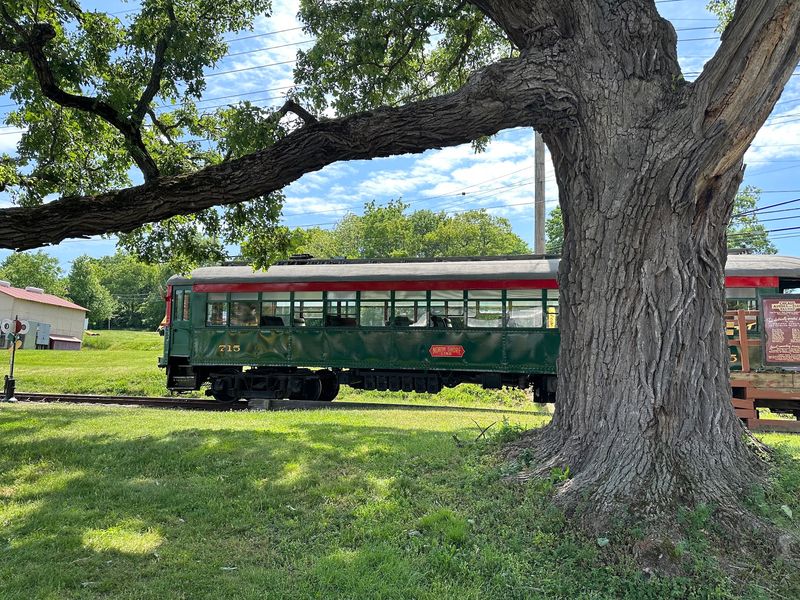
A wooden railcar built in 1902 still carries passengers along an Illinois riverbank every summer weekend. It rattles past quiet woods and sparkling water, while a friendly volunteer tells stories about the days when electric lines linked small towns across the state.
Tickets cost less than a movie, and kids often walk away asking when they can ride again. For families who love old-fashioned fun close to home, this little trip packs a surprising amount of magic.
A Living Museum On The Banks Of The Fox River
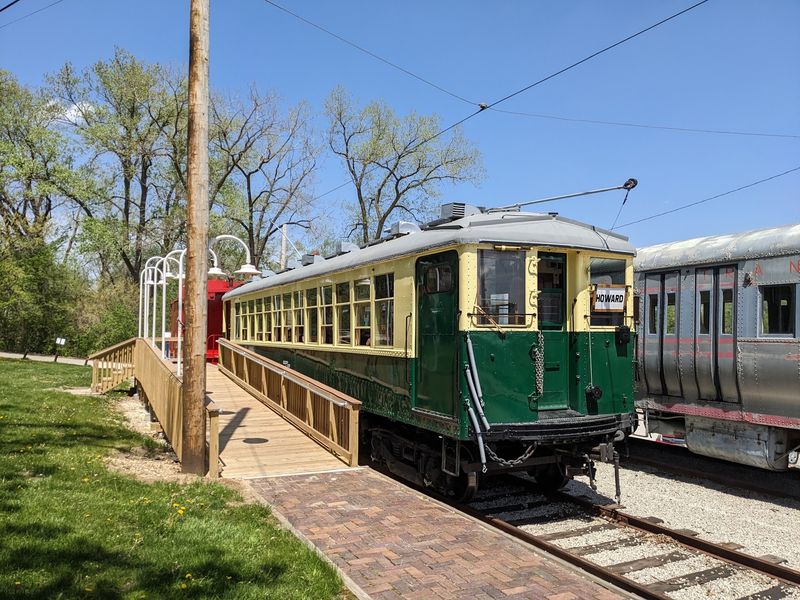
Roughly forty miles west of Chicago, the village of South Elgin keeps a secret that rail fans have loved for decades. The Fox River Trolley Museum sits at 365 S La Fox St, right along the water, and it calls itself a living history museum for good reason.
Instead of roping off old vehicles behind glass, the volunteers here actually run them. Visitors climb aboard antique electric trolleys and ride real tracks that hug the river, feeling every gentle sway and clang just as passengers did generations ago.
The collection covers railroad cars and trolleys dating from 1887 to 1959, so the grounds feel a bit like a time machine parked outdoors.
Don’t expect a giant, polished attraction with flashing signs. A small train depot serves as the gift shop and ticket counter, and the rest of the museum spreads out across the open-air yard where cars wait their turn.
That modest setup is part of the charm.
What makes it special is the mix of history, scenery, and people. The whole operation is powered by volunteers who clearly adore these machines, and their enthusiasm turns a simple ride into a Kane County outing families remember long after the drive home.
Tracks That Date Back To 1896
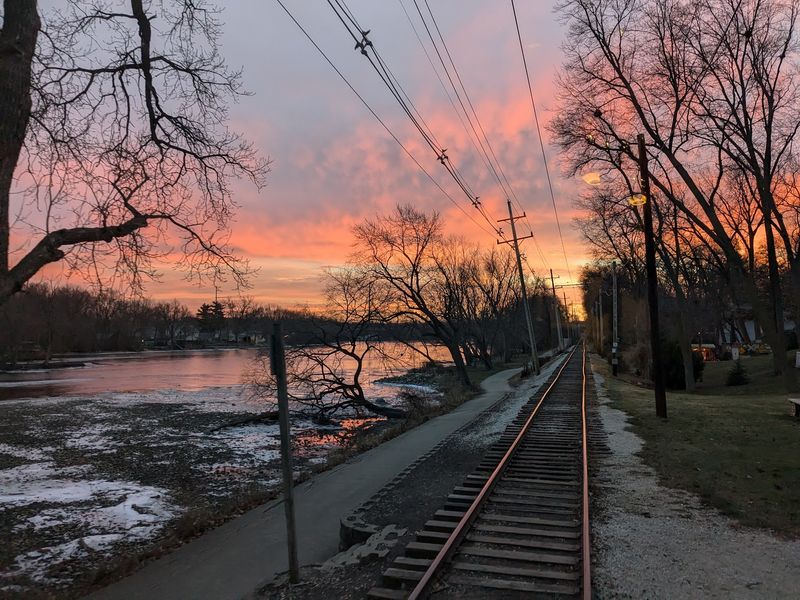
Long before highways crisscrossed the Fox Valley, electric interurban lines carried workers, shoppers, and schoolkids between towns. The museum operates on a preserved piece of the Aurora, Elgin and Fox River Electric Company line, which first opened in 1896.
Here’s the fun part for history buffs. This short stretch is the last remaining portion of the original Chicago, Aurora and Elgin electric line, a system that once helped shape how people lived and traveled west of Chicago.
Riding it today means rolling over a route with well over a century of stories beneath the rails.
The line has also grown in its own way. The tracks leading into the forest preserve were added in the early 2000s as an extension of the original route.
Private property boxes in both ends, so the run stays around two miles long, but every foot of it feels purposeful.
Guides on board love sharing these details. As the trolley hums along, they point out local landmarks and explain how the old interurban shaped the area, giving riders a real appreciation for the rich history of the region without ever feeling like a classroom lecture.
Car #20 And Its Remarkable Companions
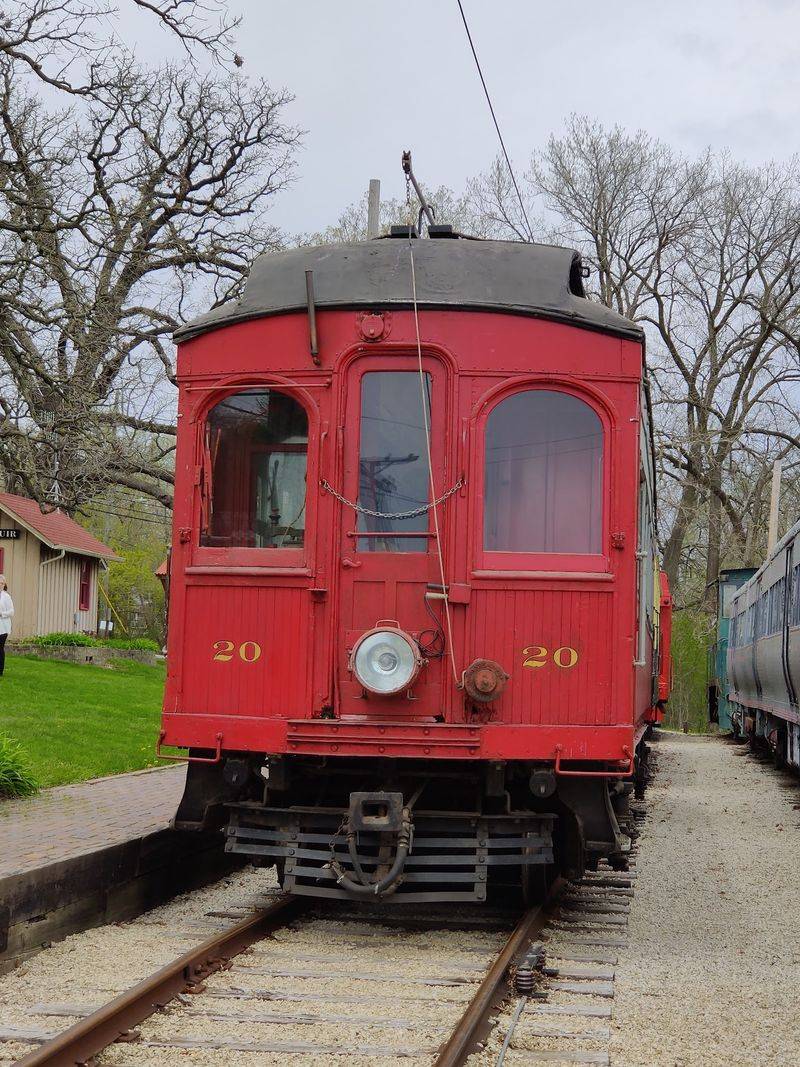
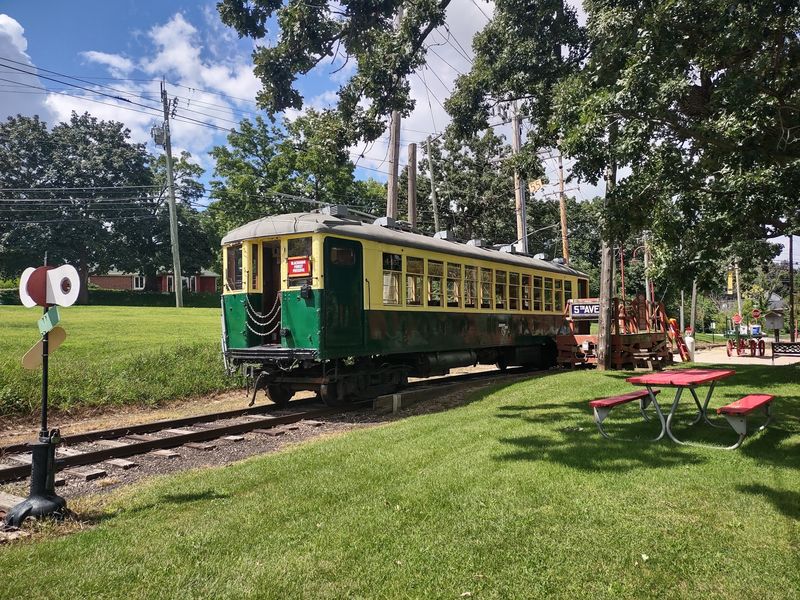
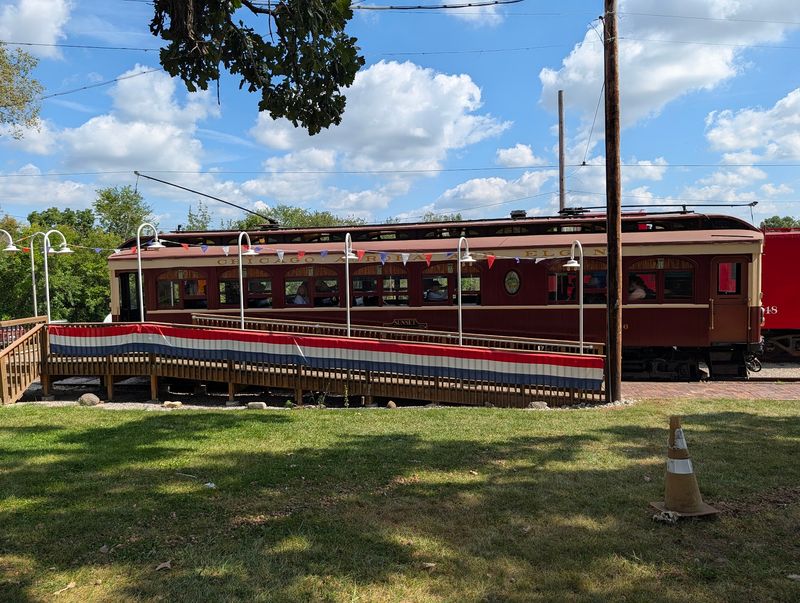
Few spots on the continent can claim what South Elgin can. Wooden interurban car #20, built in 1902 for the Chicago, Aurora and Elgin Railroad, is recognized as the oldest operating interurban car in North America, and it still rolls.
It has plenty of good company. Car #304, built in 1923, was one of the last cars to run on the Aurora, Elgin and Fox River line back in 1935.
There are also vintage CTA cars much like the ones that once rattled along Chicago’s elevated tracks, plus open-sided bench streetcars that let the breeze drift right through.
All told, the collection holds somewhere between 27 and 30 antique trolleys, railroad cars, and locomotives. Some gleam from careful restoration, while others are still being worked on, and volunteers are happy to explain what each one needs.
Small touches bring the past to life. Some trolleys still display old-time advertisements above the windows, a fun detail for anyone who likes spotting quirky relics.
Car 715 is another standout, admired for its gorgeous look. Little ones may even get a chance to sound a whistle, and that tiny thrill can easily become the highlight of their whole summer.
Forty Scenic Minutes Along The River
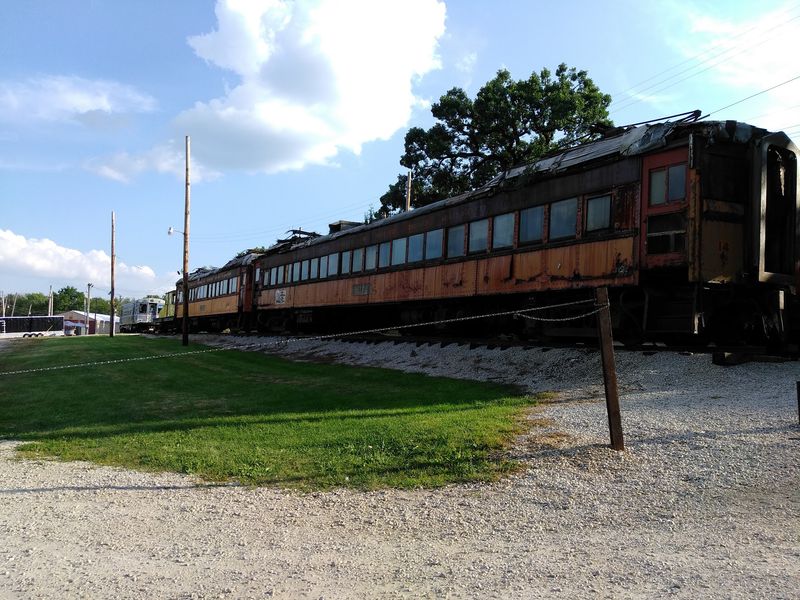
Sunlight flickering through the trees, water glinting just beyond the window, and the steady hum of an electric motor. That sums up a regular excursion here, which usually lasts between 30 and 40 minutes.
The route follows the calm banks of the Fox River and slips into the Jon J. Duerr Forest Preserve.
It’s short, sure, but it never feels rushed. Guides fill the ride with fun facts and local history, so even grown-ups who came along just for the kids end up leaning in to listen.
Families who know the ropes treat the preserve as a bonus stop. Trolleys return about every 45 minutes, so you can hop off, explore the woods, and catch a later car back.
The preserve offers hiking and biking paths, woodland trails, and access for boating and fishing.
Smart planning makes the day stretch further. Arrive early, pack a lunch, spend time in the park, then ride again later in the afternoon.
Since tickets cover unlimited rides for the day, that second trip costs nothing extra, which makes this one of the easiest budget-friendly adventures in the Fox Valley.
Volunteers Who Bring The Rails To Life
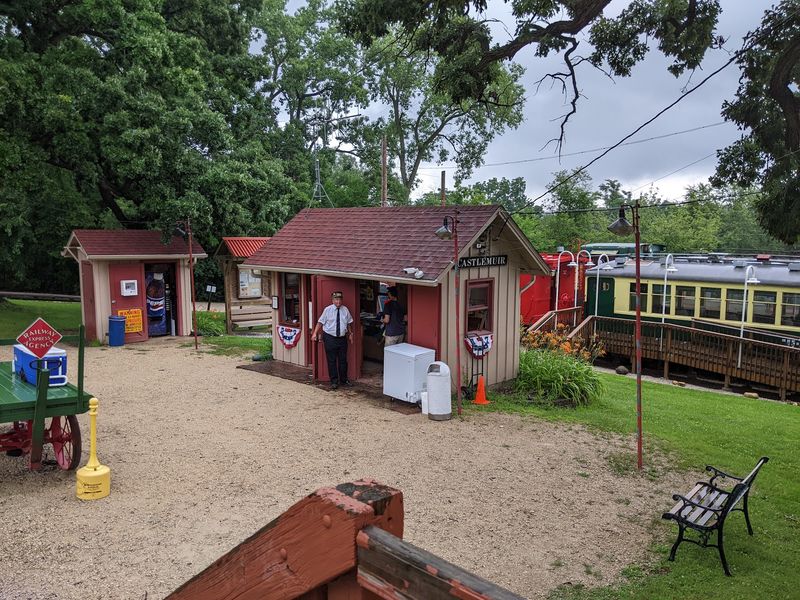
Behind every clanging bell is someone who gave up a weekend to be there. The museum is run entirely by volunteers, and their passion is the heartbeat of the whole experience.
Visitors consistently describe the crew as friendly, patient, and incredibly knowledgeable. They’ll walk families through the story of nearly every car on the property, from polished beauties to projects still in progress.
Questions are welcome, and answers usually come with a smile and an extra tidbit you didn’t expect.
That personal touch shows up in small ways too. Homeschool groups have enjoyed guided rides paired with tours of the parked trains.
The crew once even welcomed a family for a special birthday photo session when regular operations were paused, a gesture that family still treasures.
For a special splurge, the Take the Throttle experience lets a guest actually drive a diesel locomotive down the line while loved ones ride in a caboose behind them. One Father’s Day version turned a grandpa into the engineer while his grandkids waved from the back, an hour-plus adventure along the river that became an unforgettable family memory.
Bunny Trains, Wartime Reenactments, And Santa’s Trolley Express
Holidays feel a little sweeter with a trolley involved. Throughout the year, the museum adds themed events that give regulars fresh reasons to return.
Spring brings the Bunny Train, complete with an Easter egg hunt and a visit from the Easter bunny. It’s especially loved by kids around seven and under, and families call it a great value.
History fans can catch Rails to Victory, a World War II reenactment that brings a different era onto the tracks.
Winter belongs to Santa’s Trolley Express. Riders enjoy hot chocolate, cookies, carols, and time with Santa, while lit-up cars glow against snowy ground.
A heated check-in car keeps everyone cozy before boarding, and cheerful elves, a lively conductor, and a storytelling Mrs. Claus often steal the show.
Parents and grandparents get their moment too. Mother’s Day and Father’s Day celebrations often include complimentary rides for them.
Holiday events usually carry separate pricing from regular rides, so check the schedule ahead of time. Many families say the old-fashioned sing-alongs remind them of the wholesome fun they knew as kids.
Hours, Ticket Prices, And Getting There
Good news for budget-minded families: a full day here won’t drain your wallet. Adults pay $10, seniors 65 and up pay $8, children ages 3 to 11 pay $5, and kids 2 and under ride free.
Every ticket includes unlimited rides for the day you buy it. Seating is first-come, first-served, so arriving near opening can help.
A family of four could easily spend the whole afternoon riding and exploring for around $30.
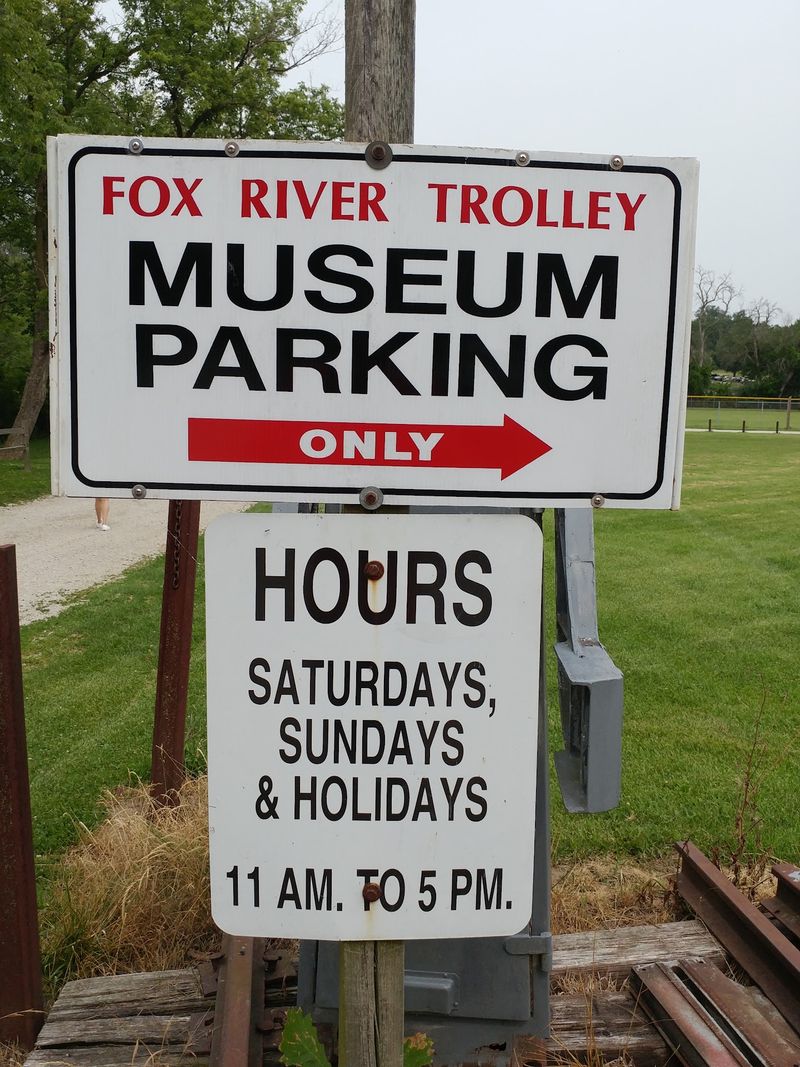
The season runs on Sundays from May through October and on Saturdays from July through September. The museum also opens on major holiday weekends, including Memorial Day, Independence Day, and Labor Day.
Operating hours are 11 am to 5 pm on open days.
Parking is free and roomy. There’s no food sold on site, so pack a cooler or picnic basket, since the museum grounds and the neighboring preserve both offer picnic spots.
One helpful tip before you go. Construction detours have occasionally confused map apps, so check the museum’s own directions ahead of time to avoid a wrong turn on the way into South Elgin.
A Small Ride With A Big Heart
Some outings are about thrills. This one is about slowing down, and that’s exactly why it lingers in memory.
Is it big? Not really.
The line runs about two miles, and the grounds are modest compared to major attractions. Yet that small scale is what makes it feel personal, from the volunteer who remembers your kid’s question to the guide who tells one more story on the way back.
Toddlers love the whistles and the rocking motion. Older kids get a hands-on taste of history they won’t find in a textbook.
Grandparents often recognize something from their own childhood, and suddenly three generations are sharing the same excitement on one wooden bench.
For Illinois families hunting for affordable, easy, memory-making trips close to home, this little jewel along the Fox River checks every box. Pair a summer Sunday ride with a picnic in the preserve, or bundle up for a glowing holiday run in December.
Either way, the clatter of those old wheels has a funny habit of turning into the story everyone keeps retelling at dinner for years to come.