
Thousands Of Migrating Birds Fill The Skies Over This Quiet Maine Wildlife Refuge Every Fall
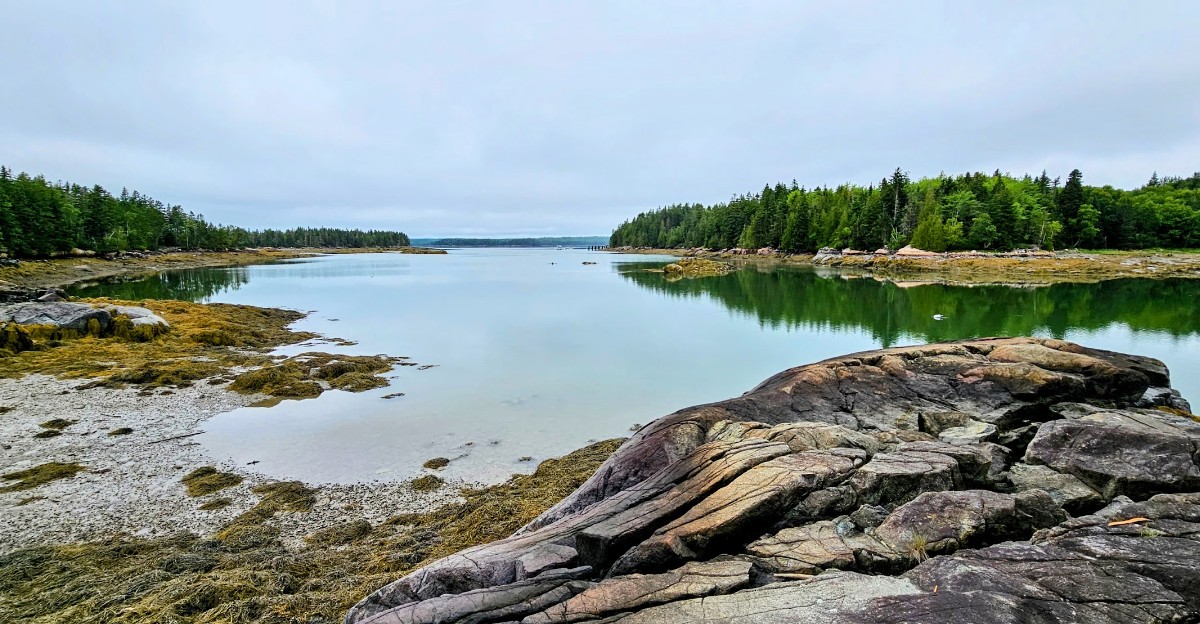
Fall can turn this quiet Maine coastline into a busy migration lane. On a cool morning, blueberry barrens begin to glow red while warblers flick through the spruce and geese call overhead.
Offshore, eiders ride the waves as bald eagles watch the shoreline for movement.
The scene feels remote, but the sky can be surprisingly active. Fall migration brings a steady mix of songbirds, waterfowl, and raptors through this rugged stretch of Down East coast.
Rocky paths lead toward coves and open water, giving birders plenty of chances to stop and scan.
The best part is how peaceful the experience can feel even when thousands of birds are moving through the region.
A Peninsula Built For Birds
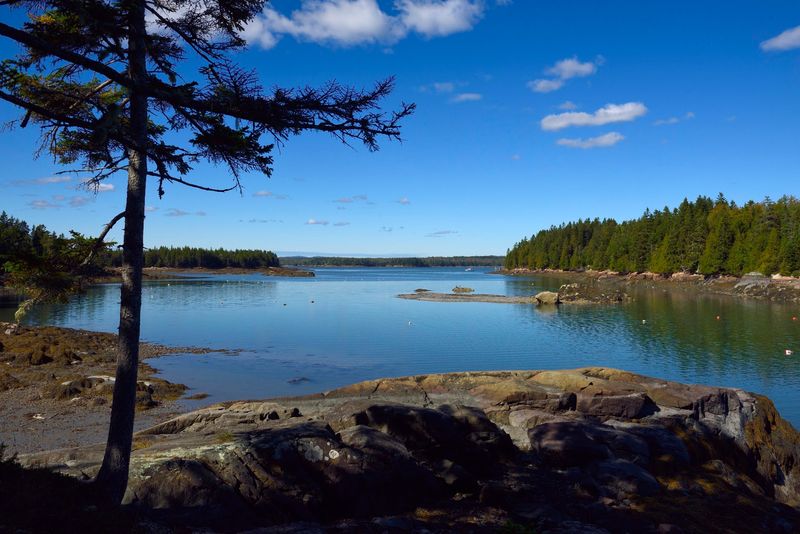
Some places are simply in the right spot, and this rugged finger of land is one of them. The Petit Manan Point Division of Petit Manan National Wildlife Refuge sits on a rugged peninsula in Steuben, Maine, with access from Petitmanan Point Road.
The point pokes south into the Gulf of Maine, which makes it a natural rest stop for birds heading down the Atlantic coast. Tired flyers see land jutting into the sea and drop in to eat, sleep, and catch their breath before the next leg of the trip.
The refuge is part of the larger Maine Coastal Islands National Wildlife Refuge, which protects dozens of islands and mainland spots along the coast.
Within a small area, the peninsula packs in spruce and fir forest, open blueberry barrens, cedar swamps, peat bogs, salt marsh, and cobble beaches. Every habitat attracts different birds, so a single walk can turn up songbirds, shorebirds, and sea ducks.
That mix is the secret sauce for great birding.
It sits roughly an hour east of the busy Acadia area, so it feels wonderfully calm. Think of it as a birding buffet with a side of peace and quiet.
The Big Fall Flyover
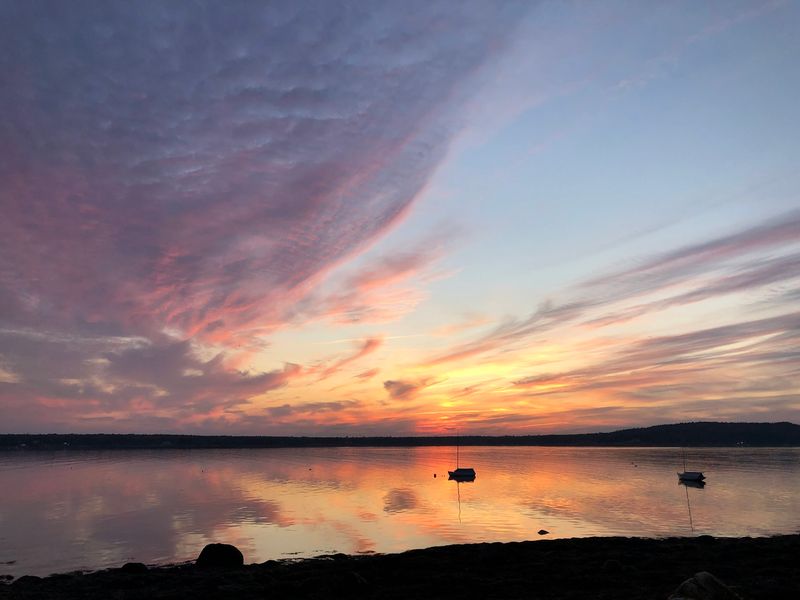
Every autumn, the sky over the point turns into a highway with no speed limit. Starting in late August and running into November, huge numbers of birds pass through on their way to warmer places.
Early in the season, warblers, vireos, and flycatchers move through the forest edges, often after a night of flying. By September, shorebirds like sandpipers and plovers poke around the mudflats when the tide drops.
Hawks ride the breezes along the coast, and you might spot a sharp-shinned hawk or a speedy merlin chasing a snack.
Later in October, the show shifts to the water and the higher sky. Flocks of Canada geese, scoters, and common eiders stream past, sometimes in long lines that seem to go on forever.
Loons and grebes gather offshore, wearing their plainer winter feathers.
Timing matters, so here is a handy tip. Mornings after a clear night with a north or northwest wind often bring the biggest waves of songbirds.
Check the weather the evening before, set your alarm, and bring a thermos of hot cocoa. You may find yourself counting birds faster than you can say migration.
Walking The Birch Point Trail
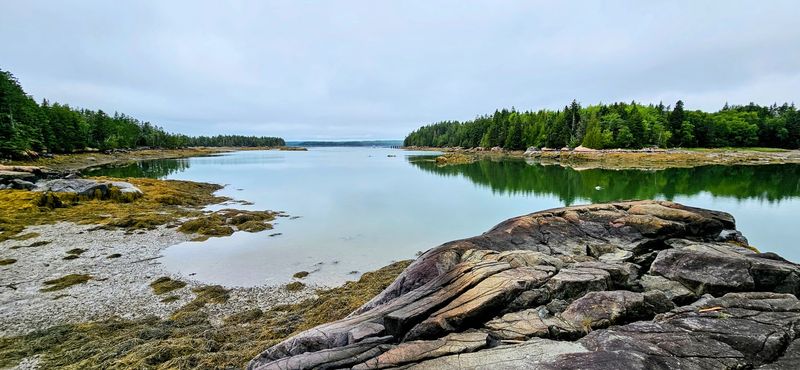
Good news for anyone who likes an easy stroll with big rewards. The Birch Point Trail starts at the first parking area as you drive into the refuge, right near an information kiosk with maps and helpful signs.
The path winds through open blueberry barrens, mixed woods, and patches of wetland before reaching a loop at the end. That loop leads to a lookout over Carrying Place Cove and Dyer Bay, where small islands sit quietly in the water.
Partway along, a short spur heads out to Lobster Point, which is worth the extra steps.
The round trip is about four miles, with mostly gentle ground. It makes a great choice for families, casual walkers, and anyone who wants to birdwatch without huffing and puffing.
In fall, the barrens and forest edges are hot spots for sparrows, warblers, and juncos. Walk slowly, pause often, and listen for chips and chirps in the bushes.
Scan the cove for ducks and herons, especially near low tide.
Bring binoculars and a snack for the lookout. With a view like that, you will want to linger longer than planned, and nobody will blame you for taking the scenic route.
Rocks, Roots, And The Hollingsworth Trail
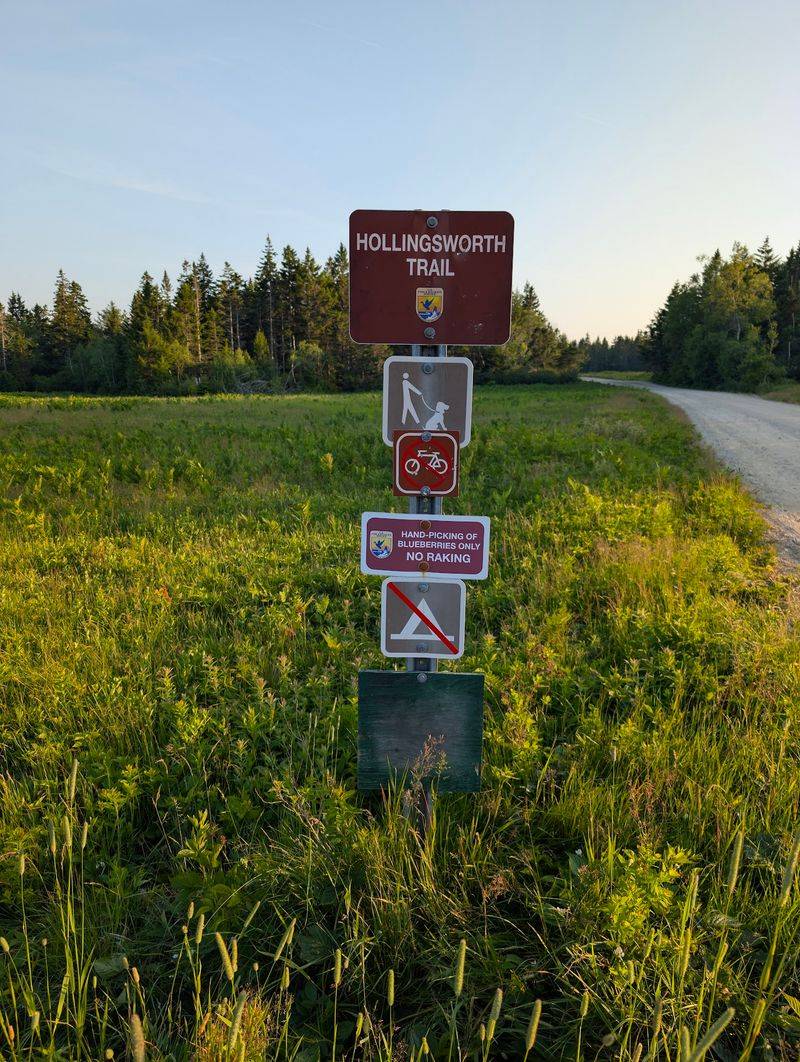
Ready to trade smooth dirt for a little adventure? The Hollingsworth Trail begins at the second parking lot and leads through coastal forest down to the shore at Chair Pond Cove.
It is a loop of about a mile and a half, with plenty of small ups and downs. The path is packed with rocks and roots, so wear sturdy shoes with good grip.
After heavy rain, large puddles can form, and wet stones get very slippery, so take your time.
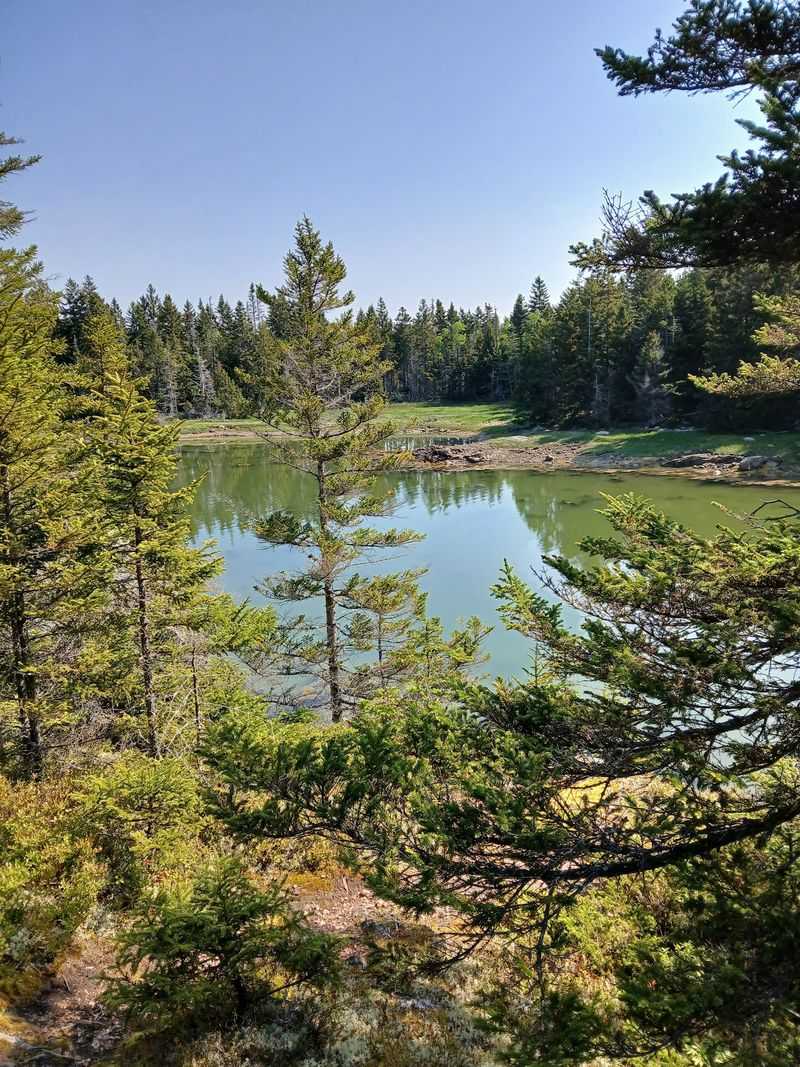
The payoff is a pretty cove with a mix of sand and cobble, plus a couple of wooden benches for resting. At low tide, the water pulls back to reveal a muddy bottom full of sea snails and other small creatures.
Look toward the middle of the cove for a rock poking out of the water, which is the chair that gives the spot its name.
During migration, the shoreline is a fine place to watch eiders, gulls, and shorebirds. Sit quietly on a bench and let the birds come to you.
Hikers who take it slow find this trail to be a real rock star of the refuge.
Sweet Blueberry Barrens
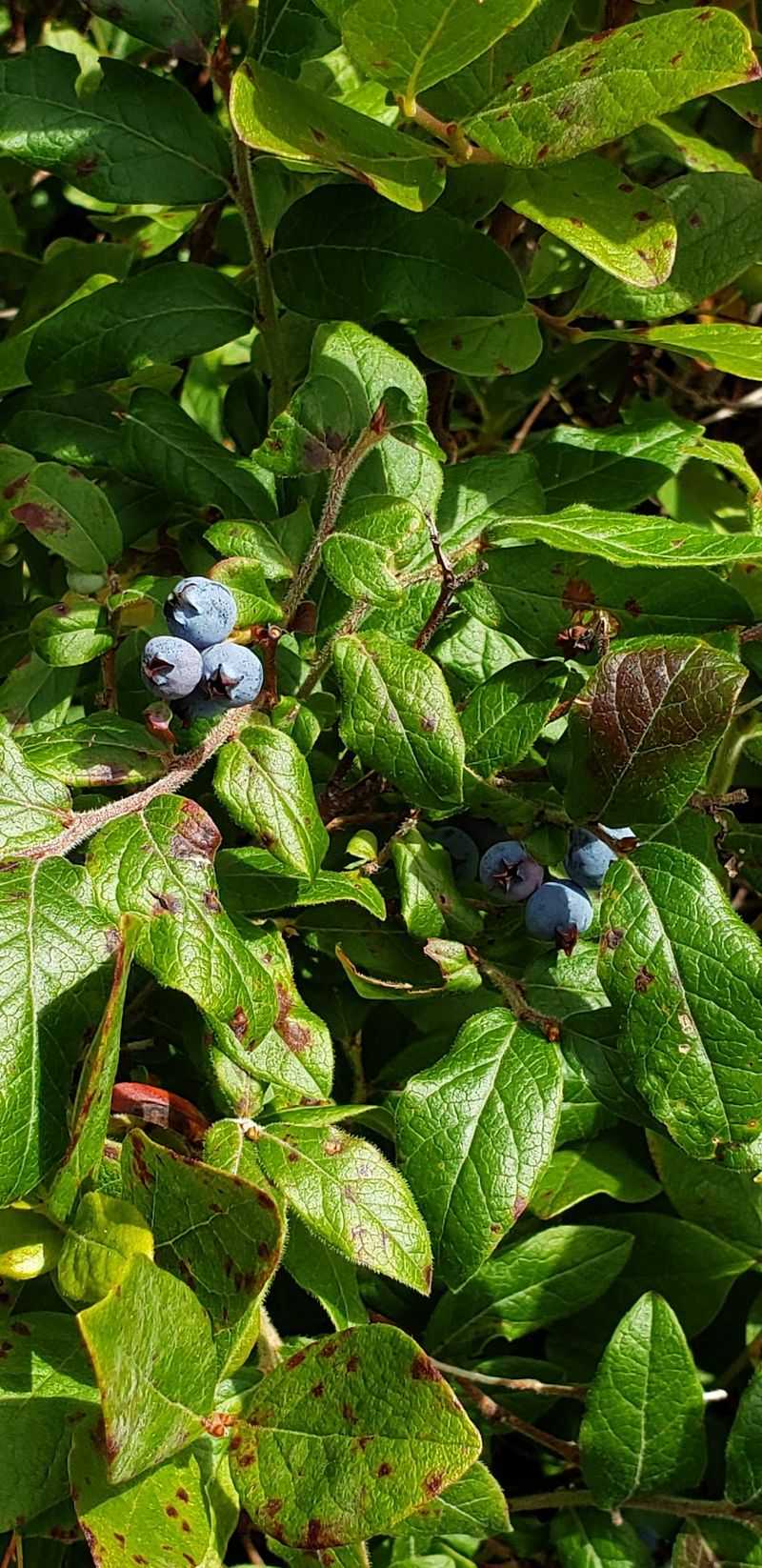
Few things say Maine quite like wild blueberries, and the refuge has fields full of them. These low, bushy plants cover open barrens along the trails, and they play a big role for both birds and visitors.
In late summer, the berries ripen and become a tasty fuel stop for migrating songbirds. Catbirds, robins, and waxwings gobble them up before heading south.
Visitors are allowed to pick wild blueberries for personal use when they are in season, so bring a small container if you visit in August.
By fall, the barrens put on a whole new show. The leaves turn a deep, glowing red, making the fields look like they are painted.
It is one of the prettiest sights on the coast, and it makes a colorful backdrop for bird photos.
Refuge staff sometimes use controlled burns to keep the barrens healthy and open. That old farming practice helps the plants grow back strong and keeps trees from taking over.
Step carefully and stay on the paths to protect the plants. With berries in summer and red leaves in fall, these fields are berry good at stealing the spotlight.
A Lighthouse On The Horizon
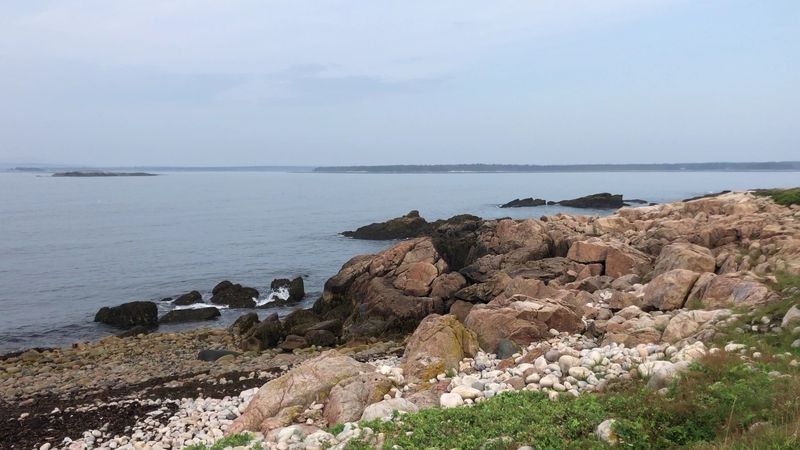
Out past the tip of the point, a tall stone tower rises from a small island. Petit Manan Lighthouse stands on Petit Manan Island, a few miles offshore, and it is one of the tallest lighthouses in Maine at about 119 feet.
The island itself is off limits to casual visitors because it is a key nesting site for seabirds. In summer, it hosts Atlantic puffins, razorbills, arctic terns, and common terns.
Biologists work there during nesting season to watch over the colonies and keep them safe.
From the mainland shore, you can often spot the lighthouse on a clear day. It makes a fine landmark for photos, especially when a flock of eiders or scoters flies across the view.
By fall, the nesting birds have finished raising their young and headed out to sea. Their journey is part of the same great movement that fills the skies above the point.
Bring a zoom lens or a good pair of binoculars to get a closer look. Seeing that tower standing guard over the waves is a bright idea for any visit, and it adds a touch of old coastal charm.
A Family Gift That Keeps Giving
Long before it became a refuge, this land had a story of farms, families, and fishing. Early settlers cut timber, grazed sheep, and harvested blueberries on the point, and some of that history still shows in open fields and old stone features.
The Petit Manan section of the refuge was formed in large part through a big land donation by William Mague. His generosity helped protect thousands of acres from development, and some of his family still lives on property within the refuge today.
Other land was added over the years, building the protected area that visitors enjoy now.
The refuge became part of the Maine Coastal Islands National Wildlife Refuge, which is managed by the U.S. Fish and Wildlife Service.
Its main goal is to protect habitat for seabirds, migrating birds, and other wildlife along the coast.
Knowing this history makes a walk feel even more special. Every trail and field exists because people chose to share the land with birds instead of building on it.
So when you pause at a lookout, give a quiet thank-you to those who saved it. Their gift is still flying high after all these years.
Smart Tips For A Smooth Visit
A little planning goes a long way on this wild coast. The refuge keeps things simple and natural, which means you should come prepared.
There are no trash cans or restrooms along the trails, so pack out everything you bring and plan bathroom stops before you arrive. The trails are open from sunrise to sunset, and entry is free.
Maps and information are posted at the kiosk near the Birch Point trailhead, and the refuge office in Milbridge can answer questions.
Dress in layers, since fall mornings can be chilly and the wind off the water bites. Waterproof boots are smart for the Hollingsworth Trail, especially after rain.
Bring bug spray in early fall, when mosquitoes may still be hanging around the wet spots.
Leashed pets are generally allowed on trails, but check current rules first. Keep a respectful distance from birds, and never feed wildlife.
Pack binoculars, a field guide or birding app, water, and snacks. With the right gear and a patient attitude, your day will be nothing short of tweet.