
One Of America’s Longest Colorado Alpine Coasters Runs 5,800 Feet Through Copper Mountain
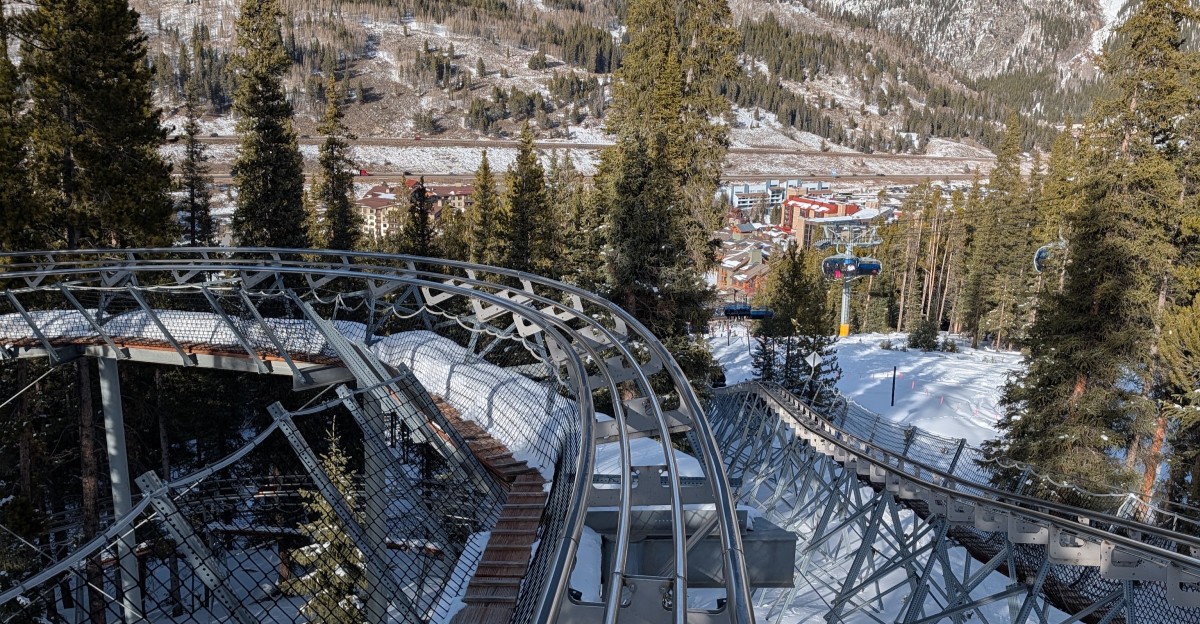
Gravity does most of the work here, but you still get a say in how wild the ride feels. Instead of clipping into skis, riders settle into individual carts and head onto 5,800 feet of twisting track built for speed, scenery, and a little nerve.
High in the mountains of Colorado, the coaster turns a familiar winter playground into a completely different kind of descent. The clever part is the control lever, which lets each rider decide whether the trip feels breezy or fast enough to produce some serious yelling.
That makes repeat rides surprisingly different, especially when confidence starts winning over caution. Few attractions in central Colorado combine mountain views with this much hands-on control over the pace.
Before making the drive, check current operating dates, weather conditions, and rider requirements. Then decide one thing for yourself: scenic cruise or full-speed commitment all the way down today?
A Copper Mountain Plan With A Clear Starting Point
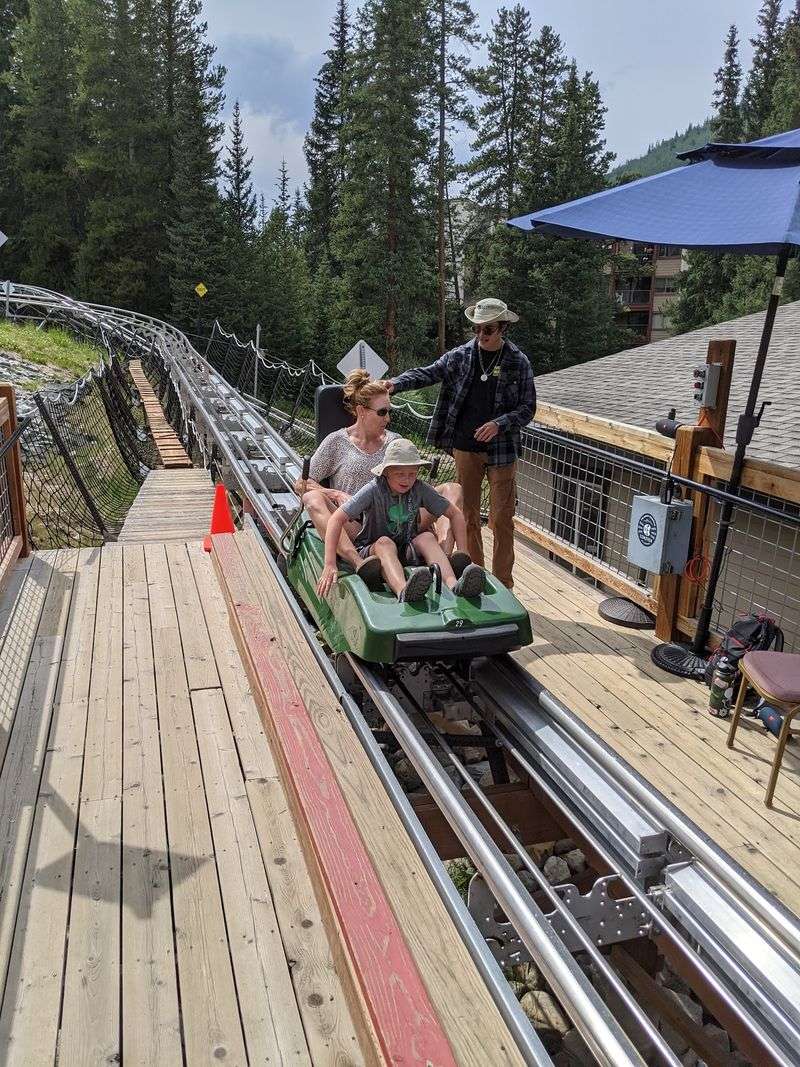
A mountain outing gets simpler when the main activity is easy to explain: climb aboard a cart, travel up the slope, and ride the track back down. This spot gives visitors exactly that kind of plan.
You do not need to know how to ski to understand the appeal. The ride follows a fixed track, and the person driving the cart controls its speed.
That makes it an option for someone who wants a mountain activity without learning a new sport first. It also leaves room for the friend who reads every instruction twice before getting aboard.
Every group has one.
Keep the plan flexible, though. A coaster visit still depends on its operating schedule and conditions, and availability can change by season.
Check Copper Mountain’s current coaster information before leaving, including ticket details and rider rules. That quick step matters more than building an elaborate itinerary around an unconfirmed opening time.
Once those basics are settled, the outing has a refreshingly clear focus: one long ride through a Colorado mountain setting, with no equipment lesson to arrange beforehand.
What 5,800 Feet Means Once The Cart Starts Moving
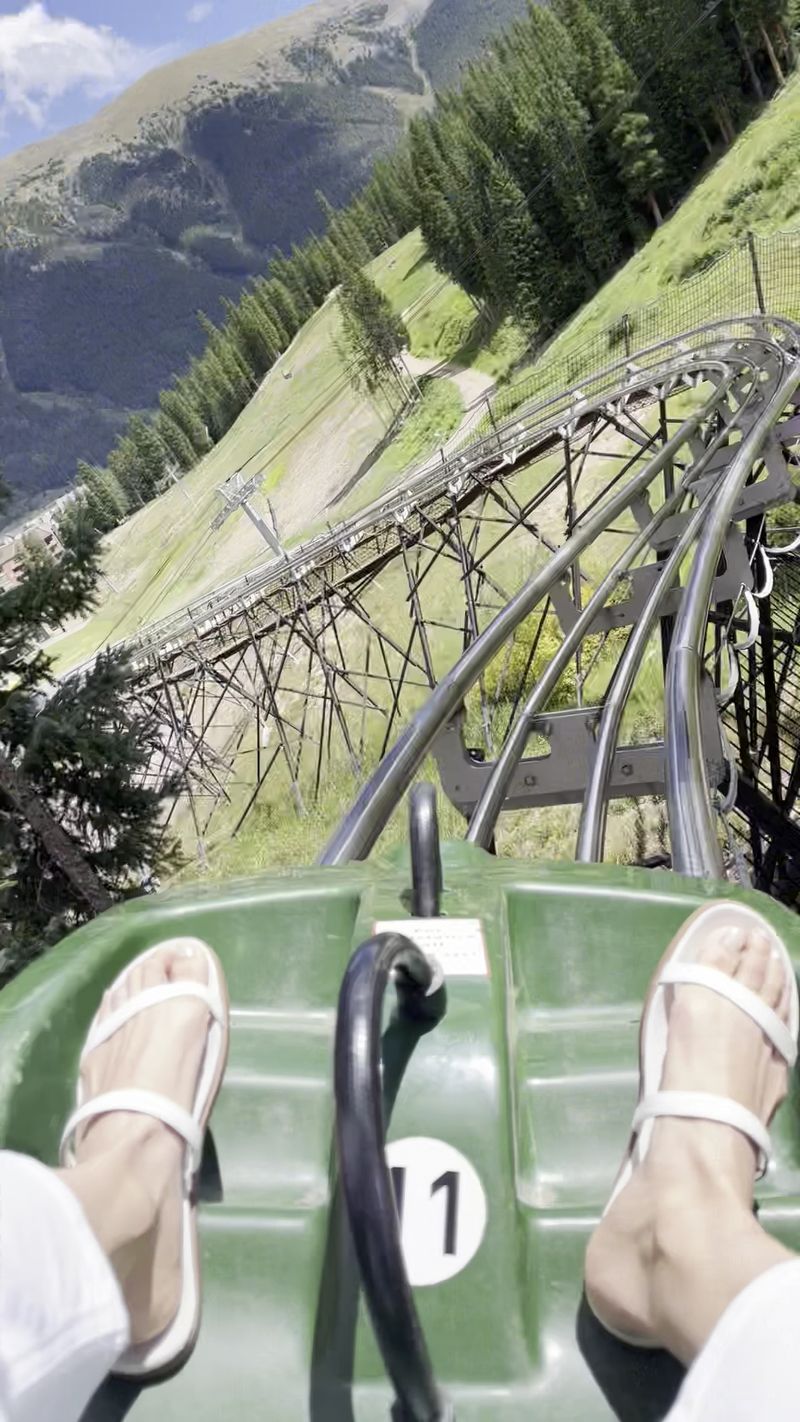
Five thousand eight hundred feet sounds like a number from a trail map until you picture a coaster track stretching for more than a mile. That length is the headline feature of Rocky Mountain Coaster at Copper Mountain.
It gives the ride more room to unfold than a quick loop at a typical amusement stop.
Alpine coasters use individual carts on a track rather than a train of connected cars. On this one, the driver can adjust the cart’s speed using its controls.
A rider who wants a steadier descent can make a different choice from someone eager for a brisker run. The track remains the same, but the pace need not feel identical.
Length does not tell you exactly how many minutes your visit will take. Buying tickets, reaching the loading area, and waiting your turn are separate parts of the outing.
Leave some space in your schedule instead of treating 5,800 feet as a promise of a quick stop. That is useful advice for road trippers as well as weekend planners.
The simple payoff is knowing what the attraction is built around: a substantial downhill coaster run at Copper Mountain, not a complicated menu of activities you must sort through first.
A Coaster Built Into Copper Mountain’s Slope
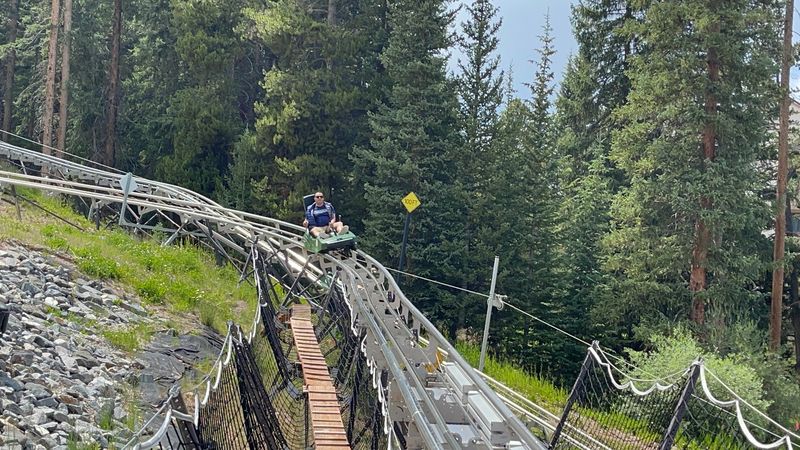
The setting does more than provide a backdrop. Rocky Mountain Coaster at Copper Mountain runs on a mountain slope, so the terrain is part of the ride’s identity.
Instead of placing a conventional coaster beside the Rockies, Copper Mountain has a track that follows the land through its resort setting.
That distinction helps explain the name alpine coaster. Riders start at the base area, travel uphill in their carts, and then make the controlled descent.
There is no need to carry a cart to the top or choose a route through the trees. The track handles the route; the driver handles the pace.
Copper Mountain is a resort, not a standalone roadside fairground, and that affects how to think about arrival. Look up the resort’s current directions for the coaster before you go rather than assuming that finding the mountain automatically means finding the loading point.
Once there, follow posted instructions and staff guidance for boarding. They are more useful than advice from someone whose last visit was several seasons ago.
Colorado mountain attractions can have schedules shaped by weather and seasonal operations, so an arrival plan should include a current status check. The scenery is a reason to come; knowing where and when to board makes it an actual plan.
The Length Is Only Half Of Copper’s Coaster Story
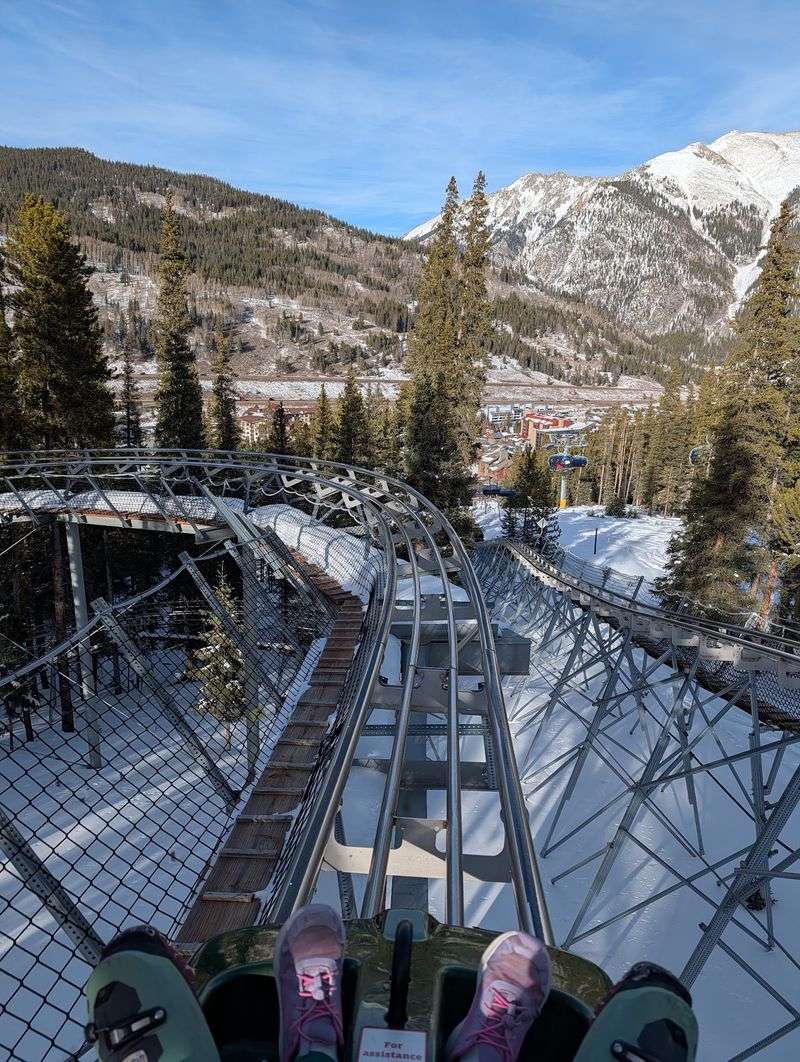
Here is the detail that makes the big distance more interesting: riders have a say in their speed. Rocky Mountain Coaster at Copper Mountain pairs its 5,800 foot track with individual cart controls.
The mountain sets the route, but the driver does not have to approach every turn at the same pace as someone else.
That matters when people in one group have different ideas about excitement. One person may want to take in the setting at a calmer speed.
Another may prefer a faster descent within the ride’s rules. Both are choosing from the same attraction rather than negotiating between two separate activities.
The controls also give first time riders a clear job: listen to the boarding instructions, then operate the cart as directed.
Good To Know: Control over speed is not a reason to ignore spacing, posted rules, or staff directions. It is a way to shape your own ride within them.
Check current rider requirements as carefully as you check the operating schedule, especially when children are coming along. The coaster’s notable length gets attention, but its adjustable pace explains why people with different comfort levels might all consider a run.
A long track is impressive on paper; having some control makes it personal.
A Shared Ride Without A Shared Speed Preference
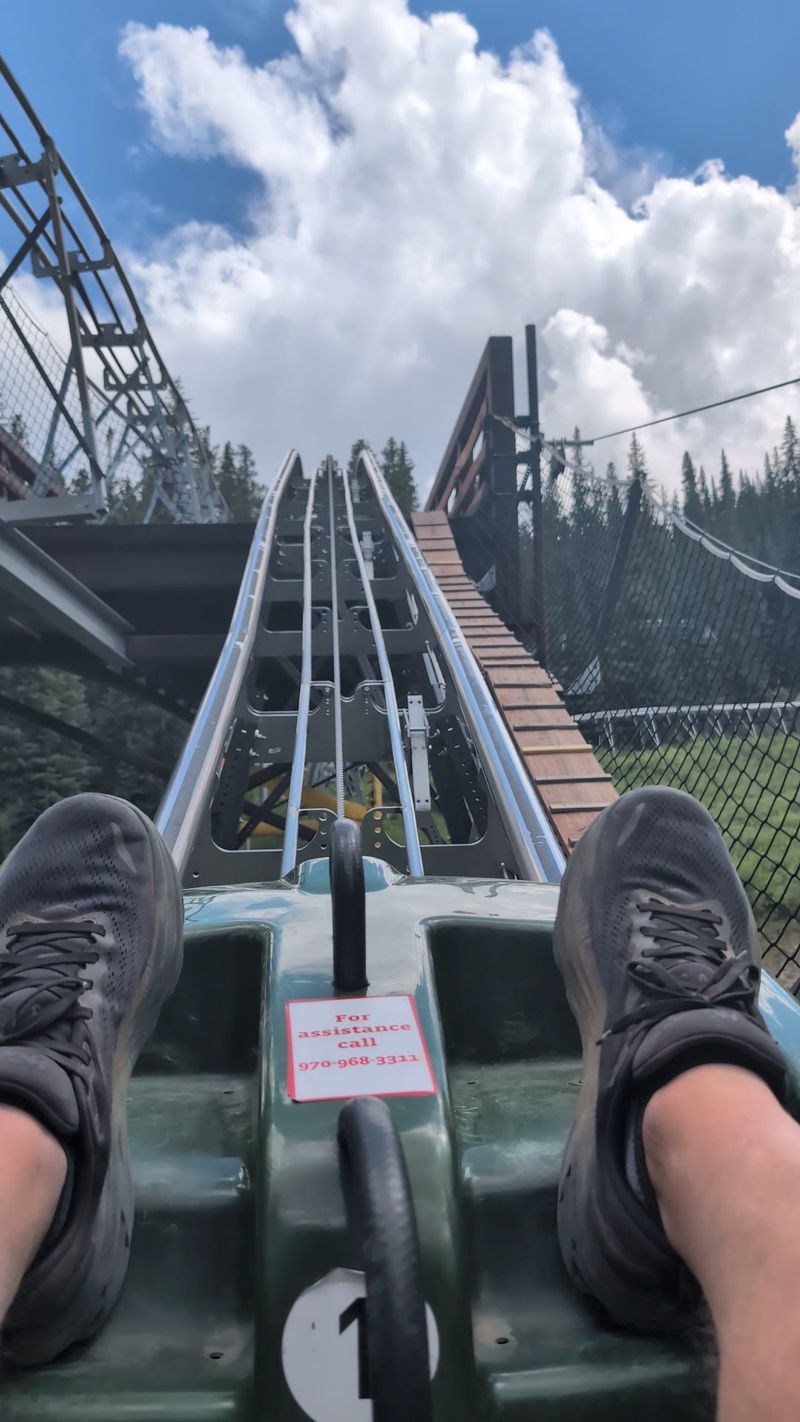
Getting a group to agree on one activity can take longer than the activity itself. Rocky Mountain Coaster at Copper Mountain has a straightforward advantage here: everyone is considering the same 5,800 foot track, while drivers can choose a pace that suits them within the ride’s rules.
For families, the first step is practical rather than dramatic. Check Copper Mountain’s current age, height, and passenger requirements before promising a child a ride.
Rules about who may drive and who must ride with an adult matter more than a general claim that an attraction is suitable for all ages. Couples can make the coaster one focused activity during a mountain visit without needing identical appetites for speed.
Solo visitors have an equally simple reason to consider it: a cart ride does not require assembling a team or finding a partner to operate the controls. Weekend travelers can put it on the schedule as a distinct activity, provided they leave room for ticketing and any wait.
None of those plans requires pretending that everyone enjoys the same pace. In Colorado, where a mountain outing can sometimes sound like a list of gear to pack, a controlled coaster ride offers a more direct choice.
Read the rules, pick your pace, and let the track do the navigating.
The Small Checks That Make A Copper Coaster Detour Work
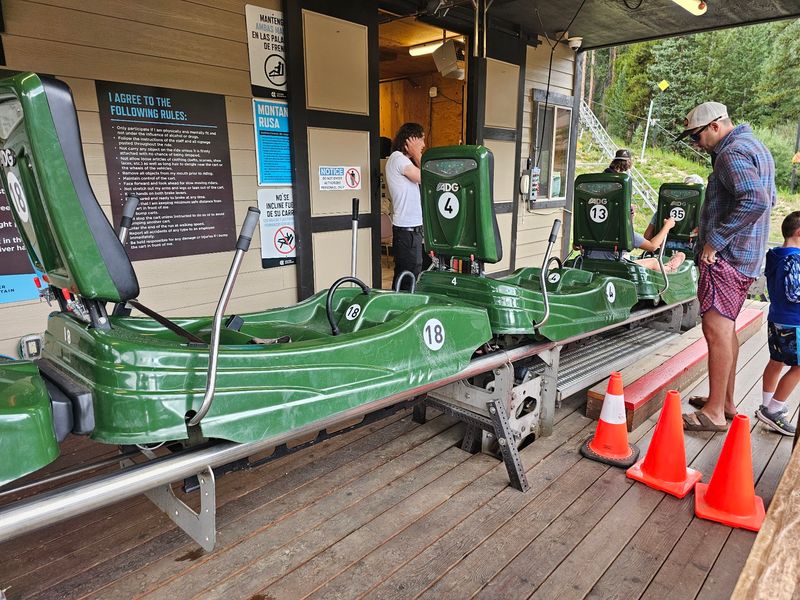
A simple Saturday detour works best when the simple part is planned first. For Rocky Mountain Coaster at Copper Mountain, start with Copper Cir, Copper Mountain, CO 80443, then check Copper Mountain’s official coaster page for current operations.
Resort activities may run on seasonal schedules, and conditions can affect whether a ride operates on a particular day.
Next, confirm how tickets are sold and where riders should report. Those details are less glamorous than the descent, but they can save the familiar resort moment of standing in the wrong place while everyone studies a phone.
Check rider requirements before buying tickets for a group. If children are joining you, confirm who can drive, who can ride as a passenger, and whether a supervising adult is required.
Finally, allow time beyond the ride itself. The advertised track length describes the coaster, not the time needed to purchase tickets or wait to board.
Keep the rest of the outing uncomplicated rather than stacking reservations around a precise finish time. That approach suits a quick stop while already at Copper Mountain or a visit planned mainly for the coaster.
A few checks before leaving home let the mountain provide the interesting part, while you avoid making logistics the story of the day.
Why Copper’s Long Downhill Run Stays In Mind
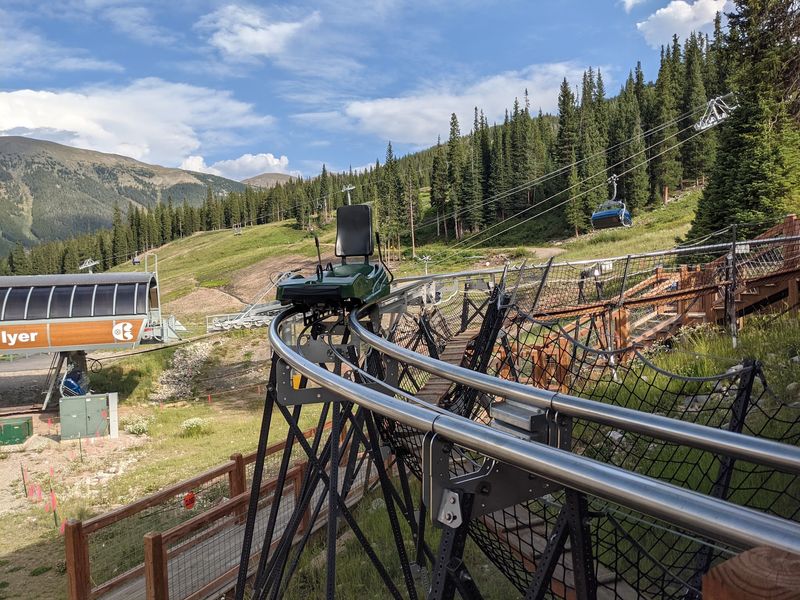
After all the planning details, the reason to go is still pleasingly plain. Rocky Mountain Coaster at Copper Mountain sends riders along 5,800 feet of track on a Colorado mountain slope.
You ride in a cart, follow the set route, and manage your speed on the way down. It is a particular kind of mountain outing, not a substitute for every other one.
The distance gives the experience its scale. The cart controls give it a personal element.
Together, those features make the coaster easy to describe to someone weighing a stop at Copper Mountain: it is a long downhill ride that asks for attention to the rules, not experience with skis or mountain trails. That clarity is useful when a weekend has limited room for complicated plans.
Still, the sensible version of this outing begins before anyone gets into a cart. Confirm that the coaster is operating, read the current rider requirements, and allow time for tickets and boarding.
Then let the attraction be what it is rather than expecting every part of the day to follow a stopwatch. Colorado has no shortage of ways to spend time on a mountain, but few can be summed up with such a precise number.
At Copper, the plan is simple: check the schedule, then follow 5,800 feet of track downhill.