
This South Carolina Aquarium Transforms Into An Adults-Only Underwater Escape After Dark
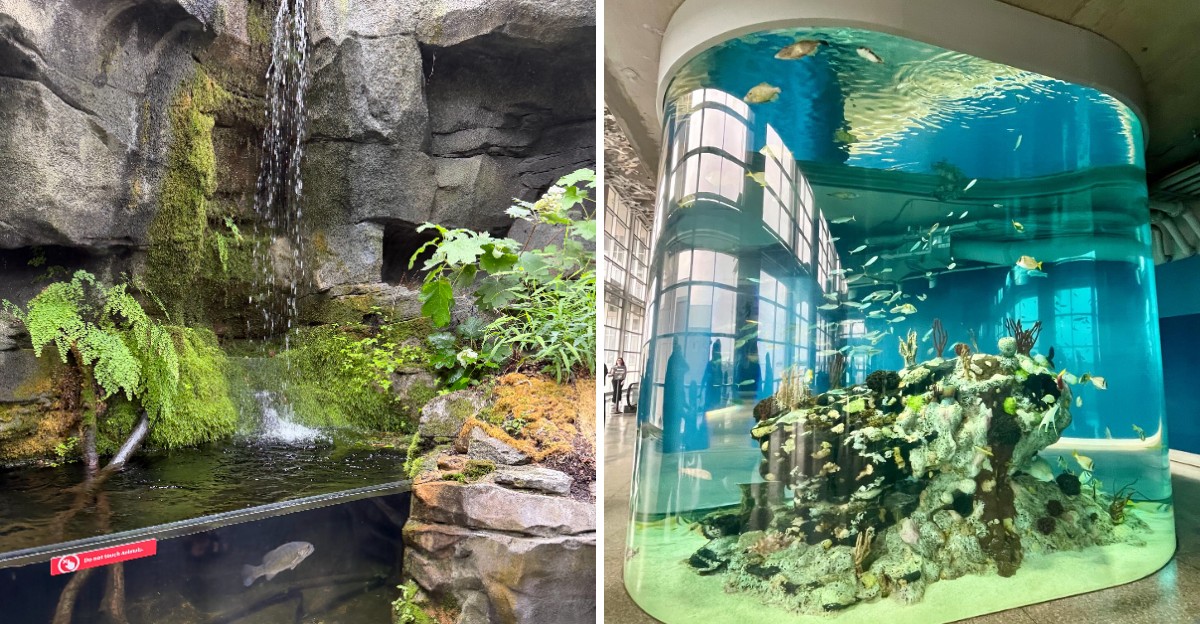
After sunset, one of South Carolina’s most popular family attractions slips into something calmer, moodier, and grown-up.
The daytime chatter fades. Exhibit lights glow against water.
Sharks drift overhead, sea turtles move like slow dancers, and Charleston Harbor shines through the windows beyond the tanks. Without school groups racing between displays, every hallway feels different.
Familiar exhibits suddenly become part of an unexpected night out.
What happens when the children go home and the adults inherit the ocean?
The answer includes close-up encounters, harbor views, special programming, and enough atmosphere to make an evening feel memorable. Guests can linger beside their favorite animals, enjoy conversations without interruption, and notice details that disappear during busy daytime hours.
The facts ahead explain when these limited events happen, what admission includes, and how to plan the smoothest visit. Leave the rushed daytime schedule behind.
After dark, Charleston’s underwater world reveals a different personality.
When the Kids Go Home, The Grown-Ups Come Out
Picture the same halls that echo with squeals at noon, now filled with soft music and quiet chatter. On select evenings, the South Carolina Aquarium opens its doors to adults only, usually guests 21 and older.
The mood shifts from field trip to date night.
These after-hours events change through the year, so the exact theme, price, and schedule depend on the season. Some nights lean toward music and drinks, while others focus on learning about ocean life in a relaxed setting.
The best way to know what is coming up is to check the events page at scaquarium.org before you plan your trip.
Why does it feel so different? Without strollers and school groups, you can actually stand in front of a tank and stare as long as you like.
Nobody is tugging your sleeve. You get to notice the tiny details, like a crab tiptoeing across the sand or a fish hiding in a coral crack.
Tickets for special evenings often sell out, so grab yours early. Bring a valid photo ID, because staff will check it at the door.
Then slow down, breathe, and let the blue glow do its calming work.
A Harbor-Front Home With A View
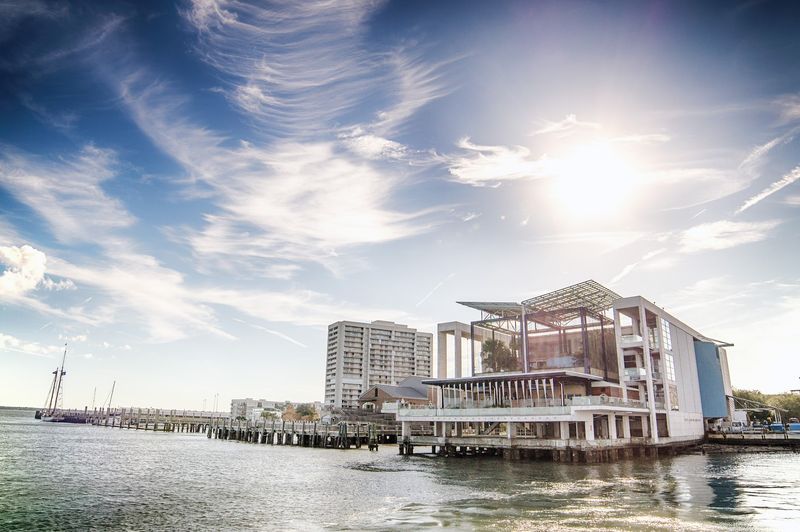
Salt air hits you before you even reach the entrance. The aquarium sits at 100 Aquarium Wharf, right where the Cooper River meets Charleston Harbor.
It is one of the few aquariums where the real ocean is just steps from the fake one.
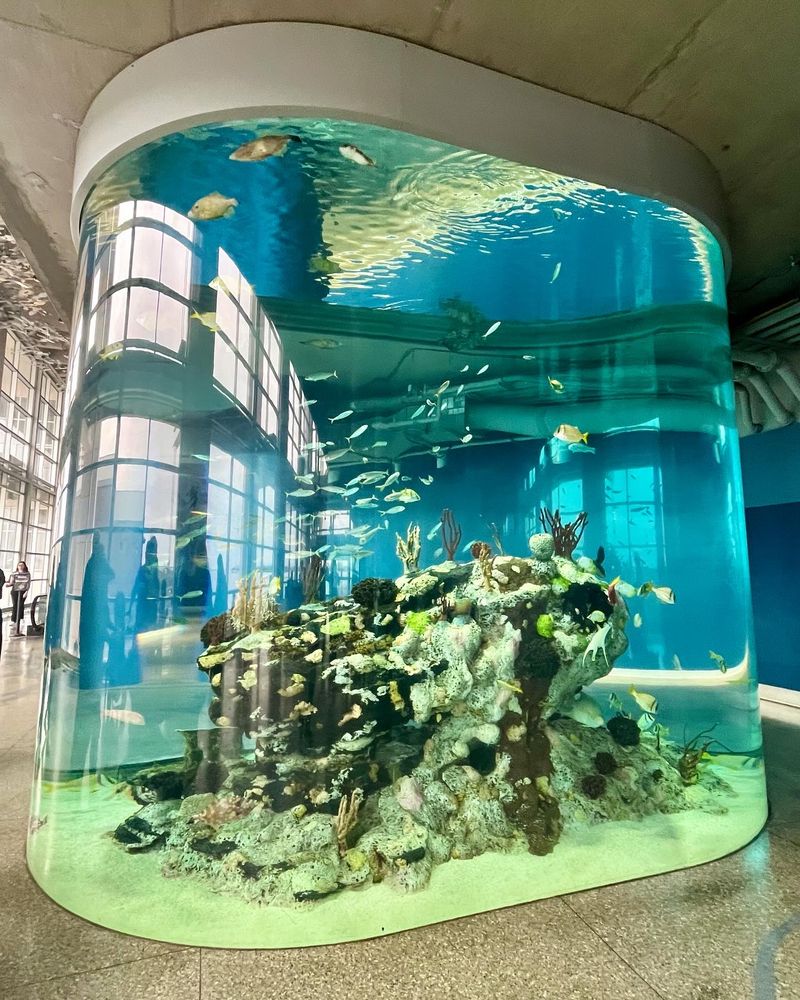
The building opened in May 2000, and its design is a big part of its charm. Tall windows and open-air decks pull the outside in.
From the upper levels, you can spot the white cables of the Arthur Ravenel Jr. Bridge stretching across the water like a giant harp.
At sunset, this view turns into pure magic. The sky fades from gold to pink to purple, and the harbor goes glassy and calm.
Boats drift by, pelicans skim the surface, and the city lights start blinking on. If you are attending an evening event, time a stop on the deck for that golden hour.
Bring your phone fully charged, because this is prime photo territory. The bridge shots are popular for good reason.
Just remember that the breeze off the water can get chilly at night, even in spring, so a light jacket is a smart pick.
The Great Ocean Tank Steals The Show
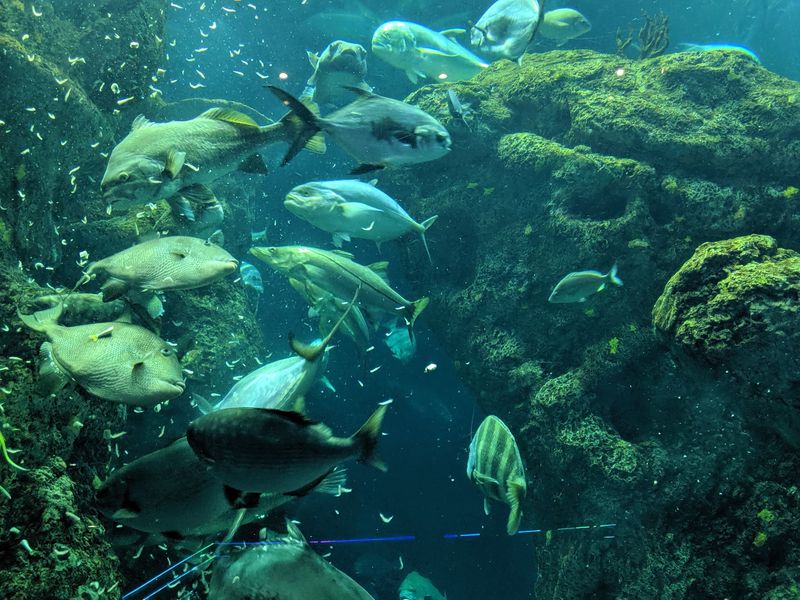
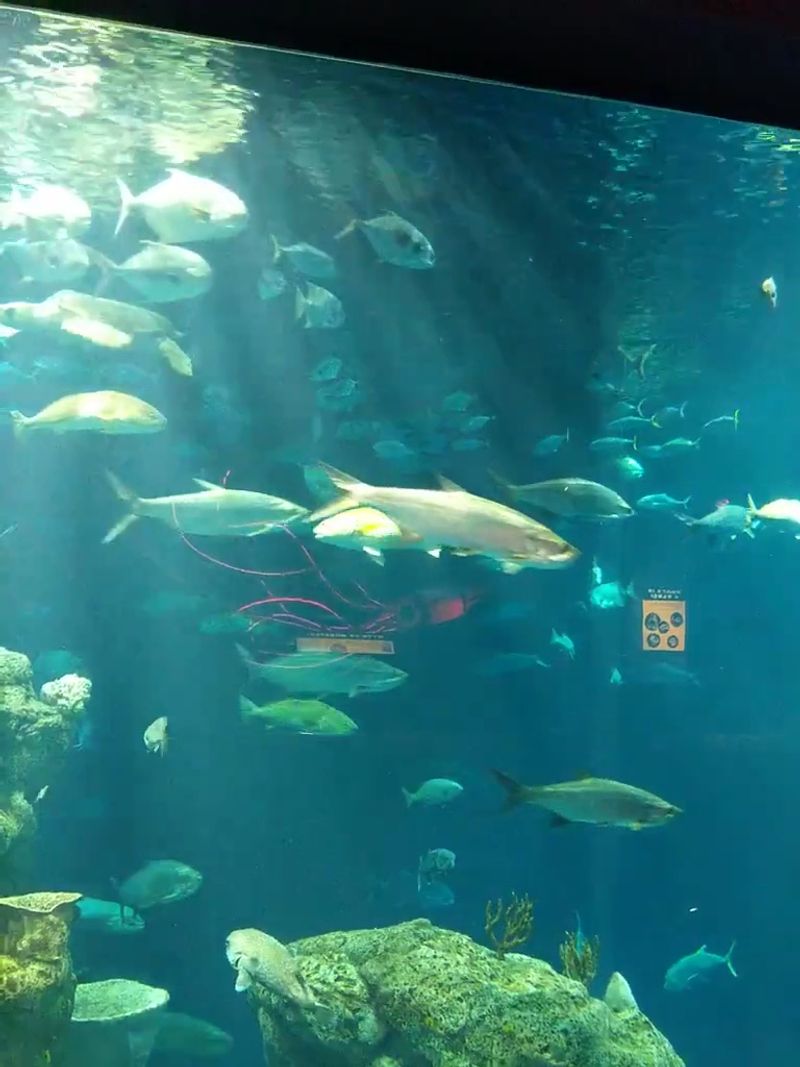
Here is a number to impress your friends: about 385,000 gallons. That is how much water fills the Great Ocean Tank, the aquarium’s showstopper.
It rises through two floors, so you can view it from different levels as you walk.
Staff often describe it as one of the deepest aquarium tanks in North America. Standing in front of it feels like peeking into the open sea.
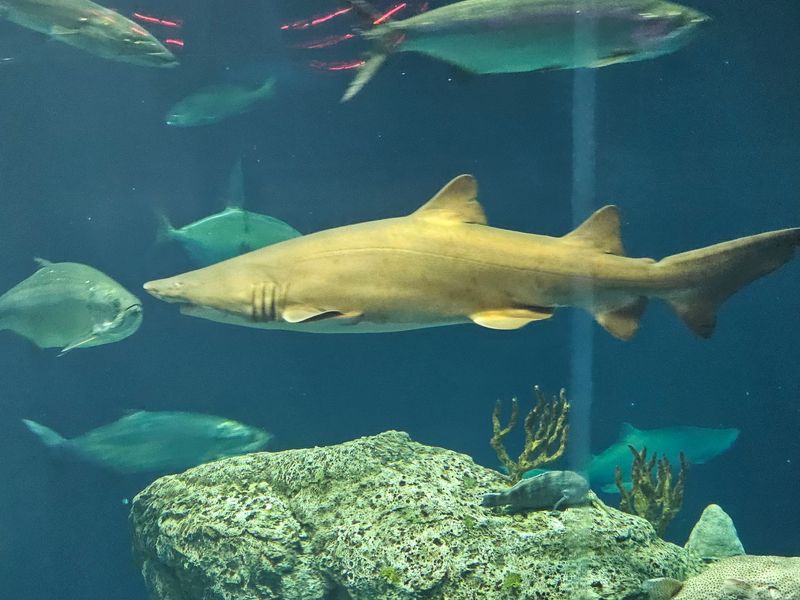
Sand tiger sharks glide by with their toothy grins, while silvery schools swirl in shifting clouds.
In the evening, the tank becomes almost hypnotic. The dim room makes the water glow brighter, and the slow movement of the fish has a way of melting stress.
Many visitors say they could stand there for an hour. Honestly, some do.
Keep an eye out for divers during the day, and sometimes even a costumed mermaid who waves to guests. At night, the focus is more on quiet watching.
Find a spot near the glass, let your eyes adjust, and try to count how many different kinds of fish you can see. You will probably lose track, and that is part of the fun.
Meet Caretta, The Loggerhead Superstar
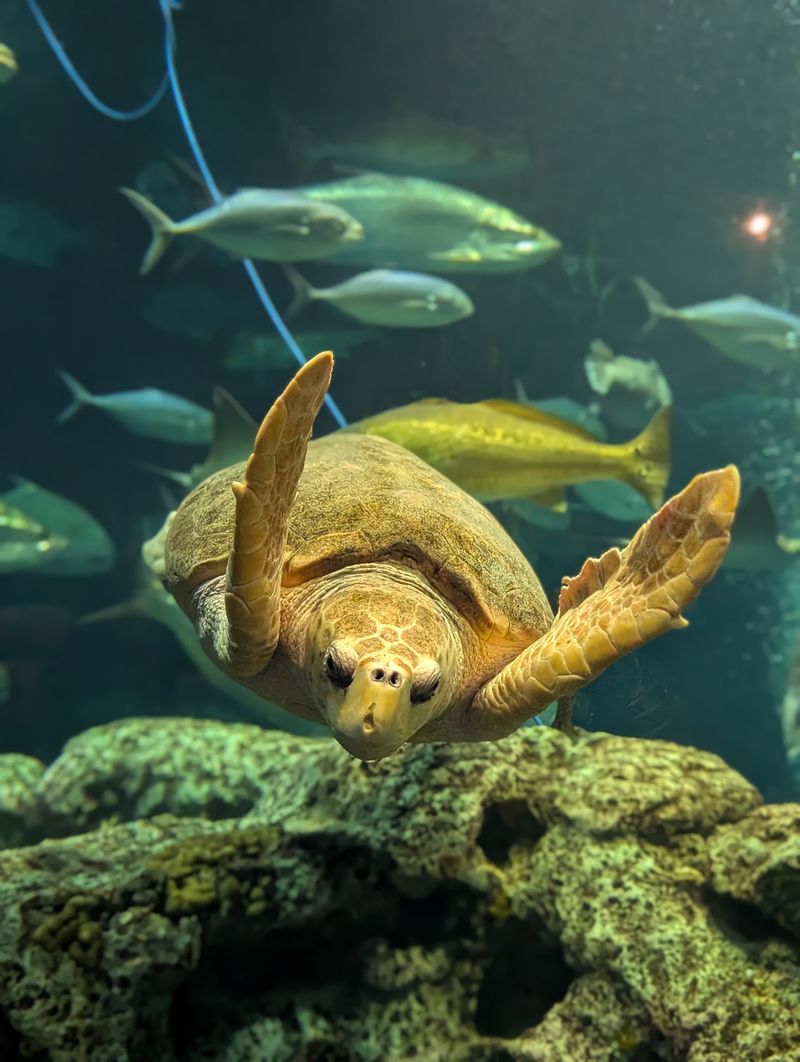
Every aquarium has a celebrity, and here the crown belongs to Caretta. She is a loggerhead sea turtle who lives in the Great Ocean Tank.
Her name comes from the scientific name for loggerheads, Caretta caretta.
Guests adore her. One couple wrote that they sat and watched her swim for over an hour, and it is easy to see why.
She moves with slow, steady grace, flapping her big front flippers like wings. Her reddish-brown shell and large head make her easy to spot among the fish.
Caretta cannot be released into the wild, so she serves as an ambassador for her species. Loggerheads are the official state reptile of South Carolina, and they nest along the state’s beaches every summer.
Seeing one this close helps people understand why protecting those beaches matters.
Here is a fun tip for your visit. Ask a staff member about Caretta’s story and her diet.
The team loves sharing details about their animals, and you will walk away knowing more than most people back home. A turtle this charming deserves a proper introduction, after all.
Where Injured Sea Turtles Get A Second Chance
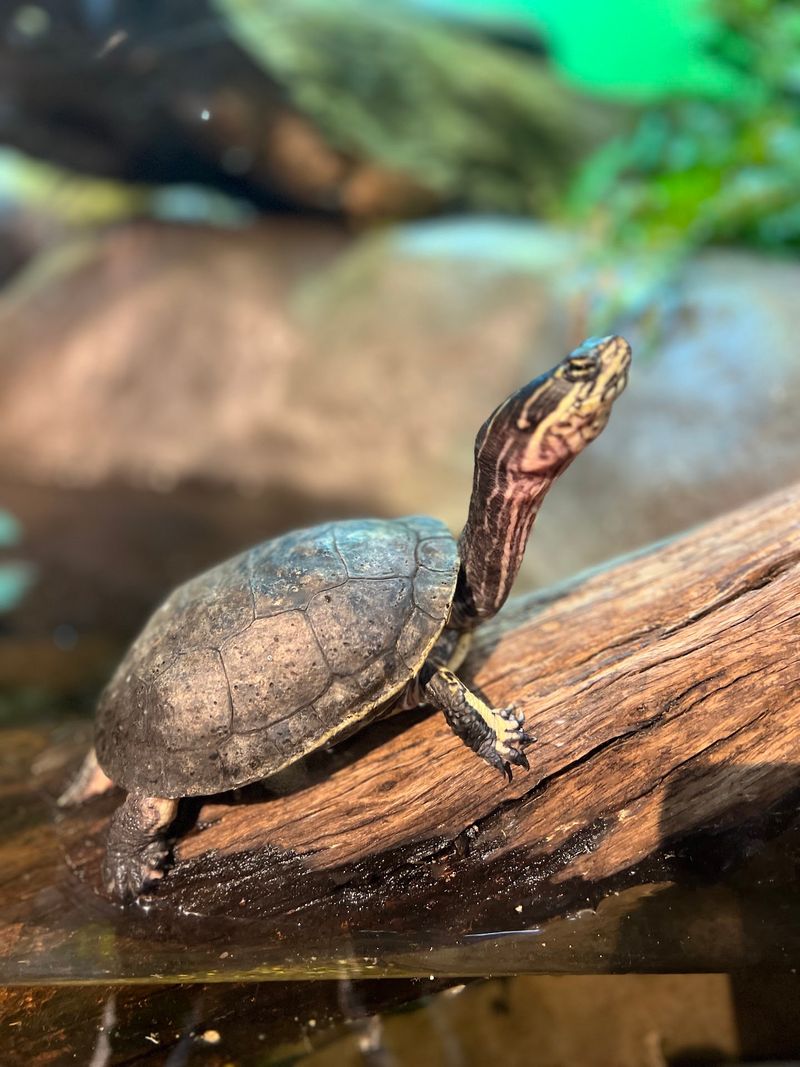
Not every animal here is a permanent resident. Some are patients.
The Sea Turtle Care Center treats sick and injured sea turtles found along the South Carolina coast, and it is the only sea turtle hospital in the state.
Turtles arrive with all kinds of problems, from boat strikes to fishing hook injuries to illness from cold water. The medical team works to heal them, and the goal is always the same: get them back into the ocean.
Signs near each tank share where the turtle was found and how it is doing.
Visitors often call this the most moving part of the aquarium. It is one thing to read about ocean threats.
It is another to look a recovering turtle in the eye and know it has a real shot at going home.
If you visit during the day, try to catch a Turtle Talk, where staff explain the program and answer questions. Leave some time to read the patient boards, too.
Your ticket helps support this rescue work, which makes the price feel a little more meaningful. It turns a fun outing into something that genuinely helps wildlife.
Stingrays, Sharks, And Your Fingertips
Ever wondered what a stingray feels like? Think wet velvet with a slippery twist.
At the aquarium’s touch pools, you can find out for yourself.
The outdoor stingray area is a guest favorite, with rays gliding in circles like friendly underwater pancakes. During scheduled times, you may even get the chance to feed them, which usually costs a little extra.
Staff show you how to hold your hand flat so the rays can slurp up their snack.
Inside, another touch tank lets you meet smaller creatures, including sea urchins and small chain catsharks. One visitor shared how a staff member helped a nervous young cousin work up the courage to touch an urchin.
That moment of bravery is a big win for any age.
A few simple rules keep everyone safe. Use two fingers, touch gently, and never grab or lift an animal.
Wash your hands before and after, since lotions and sunscreen can bother the animals’ skin.
Touch pool access at adults-only events can vary, so check ahead if this is high on your list. Either way, it is a hands-on memory that sticks.
A Journey From Mountains To Sea
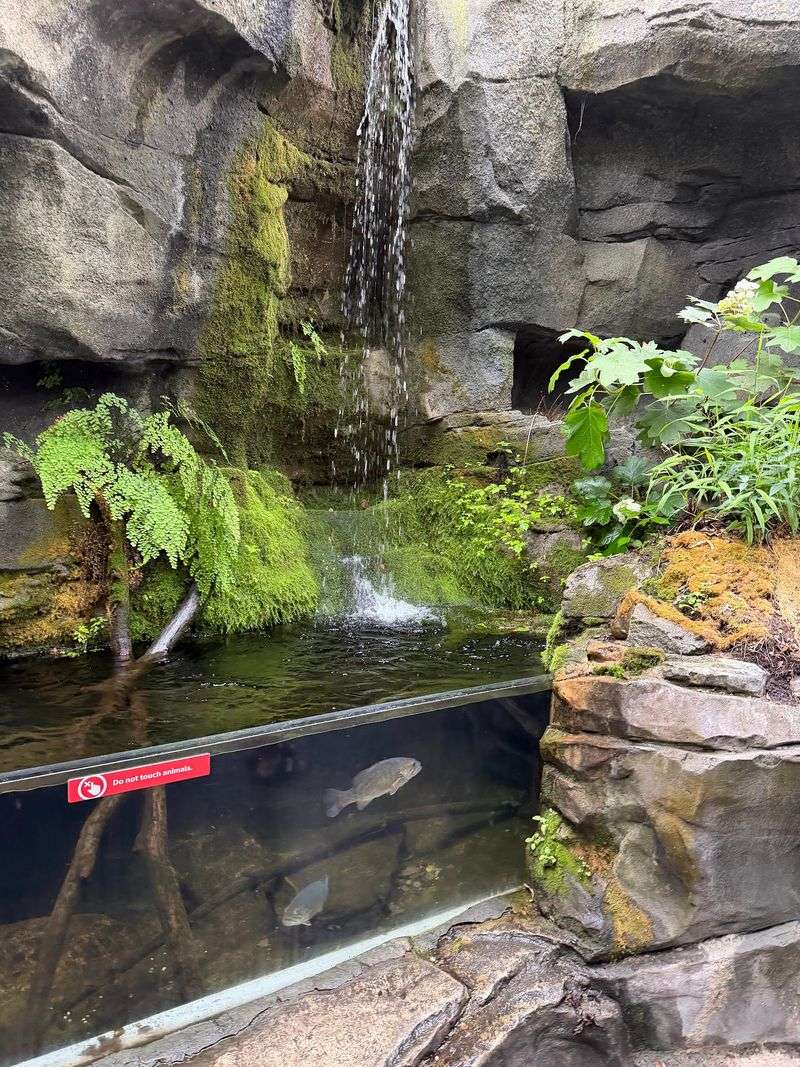
Most aquariums start at the ocean. This one begins in the mountains.
The layout follows water as it travels across South Carolina, from Blue Ridge streams down through swamps and marshes to the open sea.
It is a clever way to tell a story. You start with rushing mountain water and playful river otters, who tumble and splash like they are auditioning for a comedy show.
Then you move into blackwater swamps, where alligators rest like floating logs and snakes curl in the shadows.
Next come the salt marshes, a huge part of the Lowcountry landscape. Here you might spot roseate spoonbills with their bright pink feathers and spoon-shaped bills.
Finally, the path leads you to the coast and the big ocean exhibits.
By the end, you understand that everything is connected. What happens in a mountain creek can travel all the way to the harbor outside.
It is a quiet lesson wrapped inside a pretty walk.
Take your time on this route, especially in the evening. The swamp areas feel extra atmospheric in low light, with glowing water and hushed sounds.
Feathered Surprises, Including A Bald Eagle Named Liberty
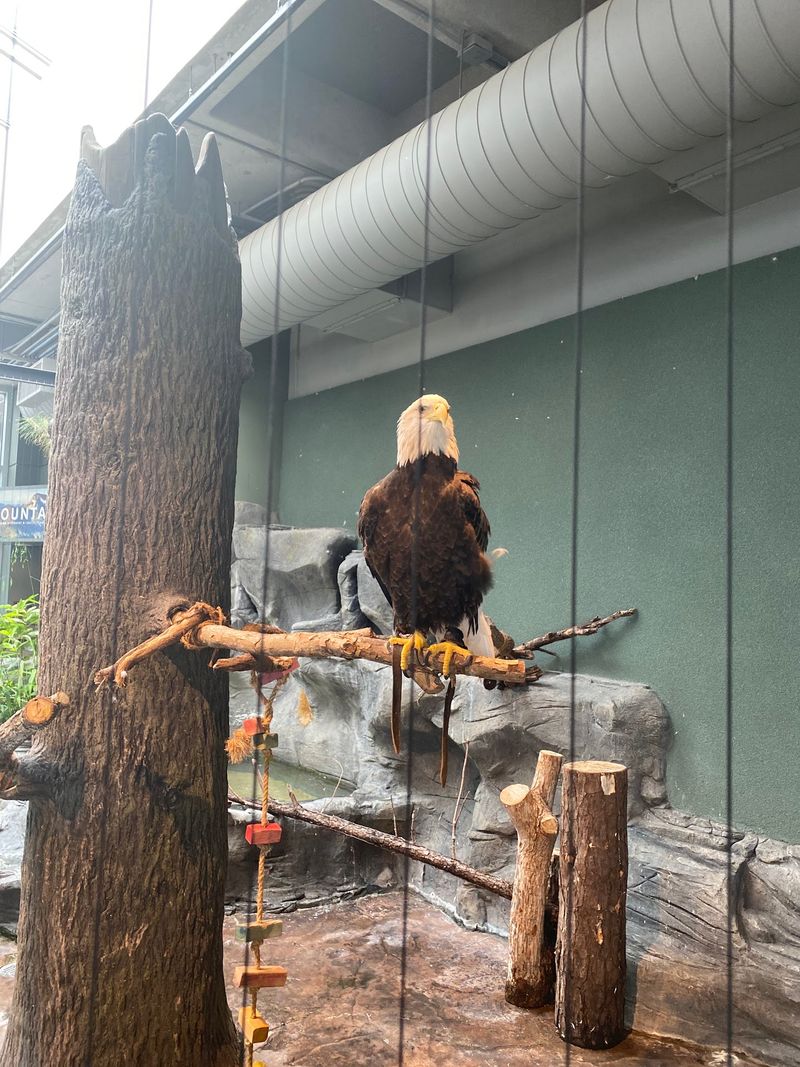
You came for fish, but a bald eagle might steal your heart. Her name is Liberty, and she is one of the aquarium’s most beloved residents.
Liberty lives in an outdoor area along with other birds. Her bright white head and sharp yellow beak make her look like she flew straight off a coin.
Guests often say she was their favorite animal of the whole visit, beating out sharks and turtles.
She is not the only surprise. Downstairs, some visitors have spotted a snowy barn owl with a heart-shaped face.
Mallards, spoonbills, and other wading birds add even more color to the mix. For an aquarium, there is a surprising amount of feathered action.
Why keep birds here at all? They are part of the same water story.
Eagles hunt fish, spoonbills sift through marsh mud, and owls patrol the edges of wetlands. Showing them together helps paint the full picture of coastal life.
Birds are often most active earlier in the day, so an evening visit might find them settling down. Pause, stay quiet, and you may still catch Liberty giving you a proud, curious look.
Behind-the-Scenes Secrets Worth Asking About
One lucky group was just strolling past the exhibits when a staff member offered them a free behind-the-scenes tour. Suddenly, they were standing above the Great Ocean Tank, peeking into a fish hospital room, and watching food being prepped.
Stories like this pop up often in visitor reviews. The aquarium has offered complimentary behind-the-scenes looks at certain times, though availability can change.
It never hurts to stop by the Information Desk and ask what is running that day.
Seeing the working side of an aquarium is fascinating. You learn how divers clean the tanks, how much food it takes to keep everyone fed, and how the team keeps water quality just right.
It makes you appreciate the effort behind every sparkling window.
The staff themselves are a highlight. Friendly workers come up again and again in guest reviews, with hundreds of mentions praising their kindness.
Many have fun facts ready to share if you simply ask a question.
So here is the insider move. Be curious, be polite, and talk to the people in the blue shirts.
Some of the best moments here are not on any map.
Smart Tips Before You Head Over
A little planning saves a lot of hassle. Regular hours are 9 am to 5 pm daily, but times can shift for holidays, seasons, and special evening events.
Always double-check scaquarium.org or call 843-577-3474 before you go.
Tickets use dynamic pricing, so costs rise and fall with demand. General admission for adults often lands somewhere around 35 to 45 dollars.
Buying online at least a week ahead usually gets you the best deal, and you will pick a timed entry slot. Adults-only events are ticketed separately.
Parking is not included in admission. A paid garage sits right across the street, and it is usually easy to find a spot on quieter days.
Downtown traffic can be tricky, so leave extra time.
Accessibility is a strong point. The building is designed for wheelchairs and strollers, and the aquarium is KultureCity certified, offering sensory-friendly resources for guests who need them.
Most people spend about two hours inside. Pair your visit with dinner in downtown Charleston, which is just a short trip away.
End the night with one last look at the harbor, and you will leave already planning your return.